.png?width=1200&quality=80)
Uisane
Japanese · Shinjuku, Tokyo
Restaurant in Tokyo, Japan
 Book with Pearl
The Read
Ehime-Sourced Creative Kaiseki
Price
¥¥¥
Dress
Smart Casual
Why go
Uisane earns consecutive Michelin Plate recognition in Kagurazaka by applying Kikunoi-trained technique to Ehime seafood with genuine creative range. At ¥¥¥, it is one of Tokyo's more accessible entry points into serious Japanese fine dining, sitting a clear price tier below starred alternatives on the same street. Book two to three weeks out and aim for spring or autumn when the seasonal menu is at its most expressive.
About Uisane
The Verdict
Uisane is worth booking if you want Japanese fine dining that goes beyond template kaiseki. Chef Kohei Ikeda, trained at the respected Kikunoi in Kyoto, brings Ehime Prefecture ingredients to Kagurazaka and combines them with a creative instinct that earned consecutive Michelin Plate recognition in 2024 and 2025. At ¥¥¥ pricing, it sits a tier below Tokyo's ¥¥¥¥ kaiseki establishment, making it one of the more financially accessible entry points into serious, technique-driven Japanese cuisine in the city. If you want the full kaiseki experience without the ¥¥¥¥ commitment of Kagurazaka Ishikawa, Uisane is the logical alternative on the same street.
About Uisane
Uisane occupies a room in the Seki Building on Kagurazaka's 4-chome, a neighbourhood that has quietly become one of Tokyo's more concentrated pockets of serious Japanese dining. The restaurant's name reflects a phrase meaning 'original intention', a reference to Ikeda's commitment to the culinary ambitions he formed growing up in Uwajima, on the Ehime coast. That regional anchor is not decorative: Ehime ingredients, particularly the seafood associated with the Seto Inland Sea and Uwa Sea, inform the seasonal rotation of dishes throughout the year.
The kitchen's approach — imagination layered onto traditional structure — is evident in combinations documented in the venue's award citation: sea urchin wrapped in sea bream, and glass shrimp spring rolls. These are not arbitrary fusions. They reflect what Kikunoi's training produces at its finest: classical discipline applied with enough freedom to make familiar ingredients read differently. For a special occasion dinner, that combination of recognisable craft and creative surprise tends to land better than either pure tradition or pure novelty alone.
Seasonality is the operative word for when to visit. Ehime's seafood calendar shifts meaningfully across the year, which means the menu at Uisane is not static. Spring brings different shellfish and lighter preparations; autumn shifts toward richer, more substantive dishes as the regional harvest changes. If your travel schedule is flexible and you want the menu at its most articulate, timing your visit to align with spring or autumn is worth the planning effort. That said, the kitchen's sourcing focus means the menu maintains a clear regional identity year-round, so no season represents a poor choice.
Kagurazaka as a base works well for a special occasion evening. The neighbourhood has the density of good restaurants and quiet streets that make it a better dinner destination than, say, Ginza, where the surrounding environment is louder and more commercial. After dinner, the area is walkable and calm. For context on how the neighbourhood compares to other Tokyo dining districts, see our full Tokyo restaurants guide. If you are planning a broader Tokyo trip with hotels, our Tokyo hotels guide covers where to stay in proximity to the area, and our Tokyo bars guide can help with the evening around dinner.
Small-room restaurants in Tokyo typically accumulate reviews slowly, so 65 ratings at that average represents consistent satisfaction rather than a lucky spike. The Michelin Plate in both 2024 and 2025 confirms the kitchen operates at a recognised standard, even if it has not yet reached star level.
For comparable regional Japanese cooking in other cities, Gion Sasaki in Kyoto and Isshisoden Nakamura in Kyoto represent the Kyoto end of the same tradition. In Osaka, Kashiwaya Osaka Senriyama operates at a higher price tier but covers similar culinary territory. Within Tokyo, Myojaku and Azabu Kadowaki are worth knowing as alternatives at adjacent price points. For Ehime-adjacent seafood perspectives from further afield, Goh in Fukuoka is a reference point for what serious regional Japanese sourcing looks like at a starred level.
Booking is described as easy relative to Tokyo's more pressured reservation scene. Uisane does not appear to require months of advance planning in the way that starred venues like Ginza Fukuju or Jingumae Higuchi do, but securing a table at least two to three weeks ahead is sensible, particularly on weekends and around Tokyo's peak travel periods in spring and autumn. No booking method is confirmed in available data, so checking directly with the venue or using a concierge service for Japanese-language reservations is advisable. The address is 4 Chome-2, Kagurazaka, Shinjuku City, Tokyo, in the Seki Building, room E.
For a wider Japan trip, HAJIME in Osaka and akordu in Nara are worth adding to the itinerary if you are touring the Kansai region. 1000 in Yokohama and 6 in Okinawa extend the map further if you have the time. See also our Tokyo experiences guide and our Tokyo wineries guide for the full picture.
How It Compares
See the comparison section below for how Uisane sits against Tokyo's broader fine dining field.
Planning details
- Location
- Japan, 〒162-0825 Tokyo, Shinjuku City, Kagurazaka, 4 Chome−2 世喜ビル E号室
- Phone
- +81 3-6280-8308
The take
The Take
The Vibe
Uisane sits modestly in Kagurazaka, projecting a quietly refined energy rather than theatrical showmanship. The piece‑of‑neighbourhood tone—cobbled alleys, former geisha district context—frames a restaurant that values heritage and technical rigor. Chef Kohei Ikeda brings Kikunoi discipline to a creative kaiseki program, and a deliberate regional focus on Ehime ingredients gives the cooking a defined, local specificity. The result is a restrained, contemplative dining room that rewards attention to seasonal detail and subtlety, where seriousness of technique is the main attraction rather than flamboyance or buzzy spectacle.
Best For
Uisane is best for diners looking for a focused kaiseki experience—an occasion that privileges careful eating and conversation. The restaurant’s Michelin Plate recognition and classical training background make it suitable for business dinners or meals where technique and provenance matter. It also serves as a quiet option for celebratory or intimate evenings for guests who value seasonality and regional sourcing over overtly showy presentations. The pacing and formality of the cuisine encourage lingering over multiple courses.
Ordering Tips
Approach the menu as a kaiseki sequence: allow the kitchen to present its seasonal progression and pay attention to the Ehime‑sourced items that distinguish the program. Seek out the kitchen’s standout preparations—Sea Urchin Wrapped in Sea Bream, the Glass Shrimp Spring Roll and Uisane Tai‑Meshi are signature plates worth sampling—and let the multi‑course flow dictate pacing. Because the restaurant’s identity is built on regional specificity and classical technique, prioritize whole sequences rather than à la carte fragments to fully appreciate the chef’s intent.
Venue details
Ambiance
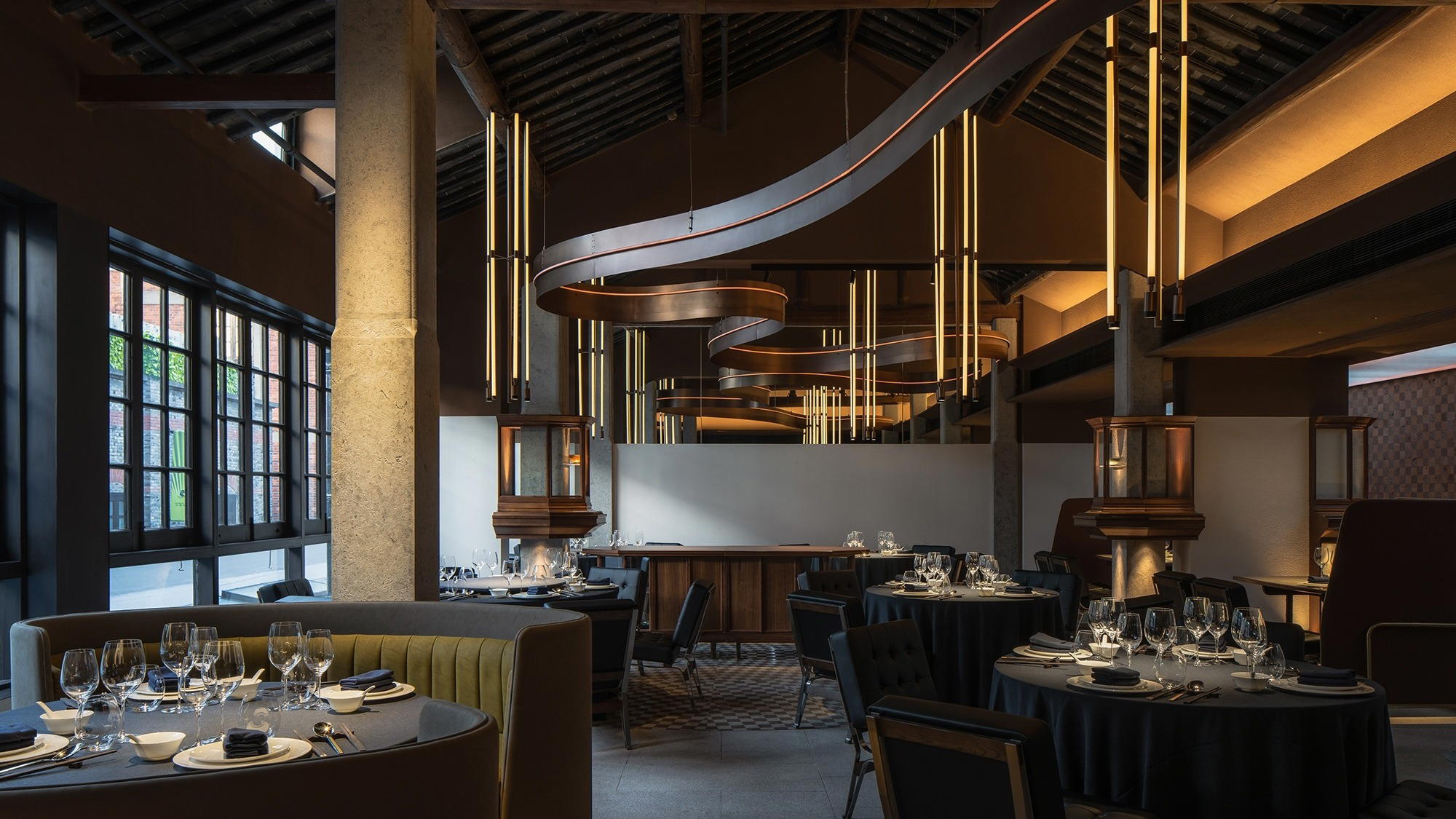
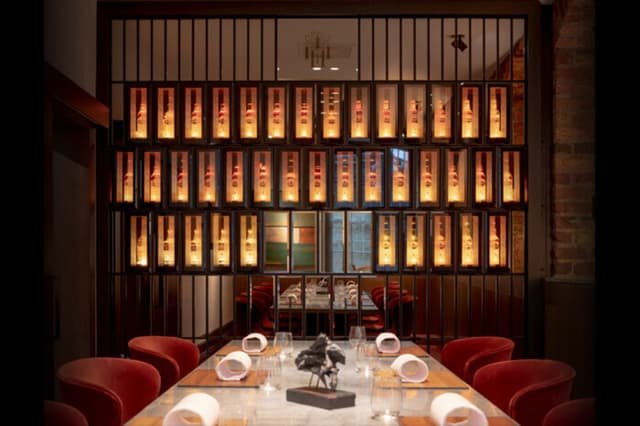
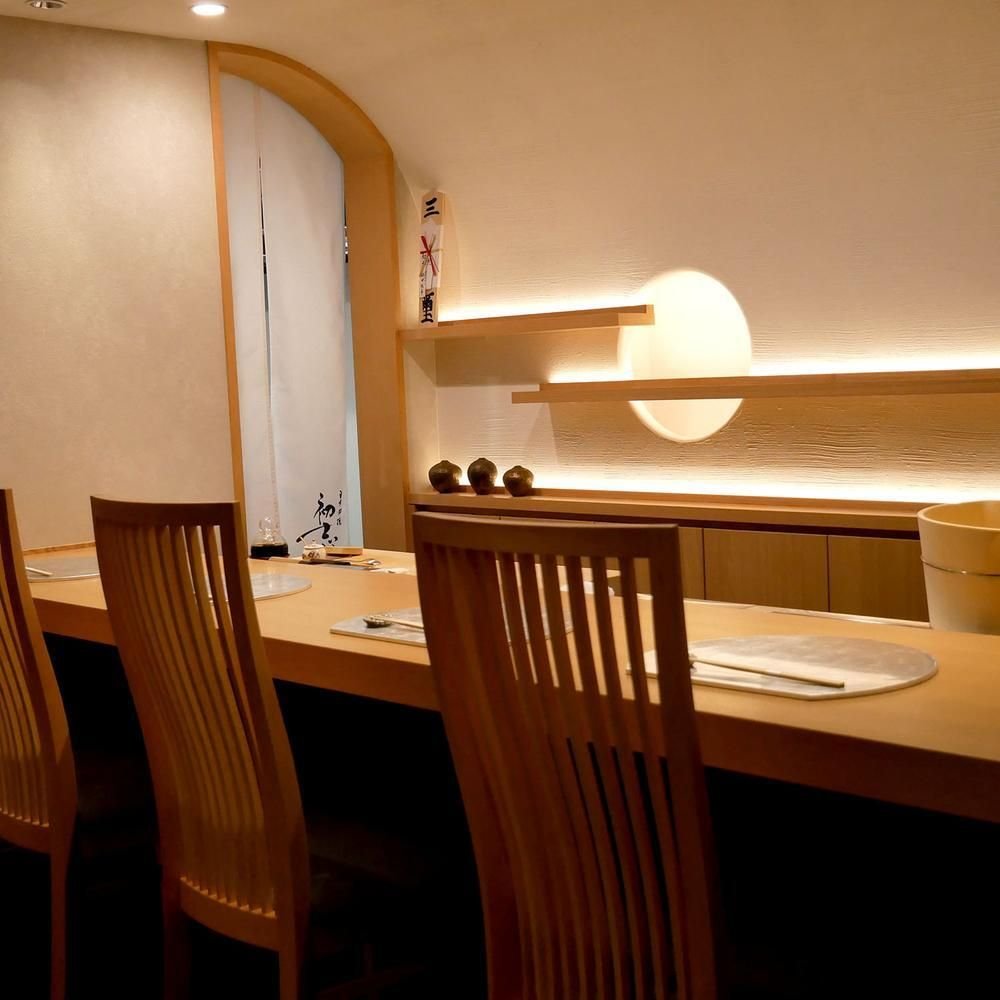
Pale wood, soft washi lighting, and measured silence in an intimate counter and table setting.
Tags
Vibe
Best For
Experience
Sourcing
At the Table
- Dress Code
- Smart Casual
- Noise Level
- Quiet
- Service Style
- Formal
- Meal Pacing
- Leisurely
- Capacity
- Intimate
Signature Dishes
- Sea Urchin Wrapped in Sea Bream
- Glass Shrimp Spring Roll
- Uisane Tai-Meshi
Know before you go
Know Before You Go
- Getting there
- Japan, 〒162-0825 Tokyo, Shinjuku City, Kagurazaka, 4 Chome−2 世喜ビル E号室
Planning details
Location
Japan, 〒162-0825 Tokyo, Shinjuku City, Kagurazaka, 4 Chome−2 世喜ビル E号室 · Directions
Recognition and awards
Also consider
Also Consider
- Harutaka, Sushi, ¥¥¥¥
- RyuGin, Kaiseki, Japanese, ¥¥¥¥
- L'Effervescence, French, ¥¥¥¥
- HOMMAGE, Innovtive French, French, ¥¥¥¥
- Florilège, French, ¥¥¥
Restaurant context
Uisane at ¥¥¥ is the practical choice if you want credentialled Japanese fine dining without the financial commitment of Tokyo's ¥¥¥¥ tier. RyuGin operates at ¥¥¥¥ and delivers a technically tighter kaiseki format with a stronger awards profile, but the price difference is substantial. If the star count matters to your decision, RyuGin justifies the premium. If you want cooking that reflects a specific regional identity, in this case, Ehime, at a more manageable spend, Uisane is the clearer call.
Harutaka at ¥¥¥¥ is the benchmark for serious sushi at the top of Tokyo's market, but the format is entirely different: omakase counter versus the multi-course Japanese dining that Uisane offers. They are not direct substitutes. For a date or celebration where the drama of a sushi counter appeals, Harutaka wins. For a longer, more varied special occasion meal with a regional narrative, Uisane is the better fit at a lower price point.
The French contingent, L'Effervescence, HOMMAGE, and Florilège, competes in overlapping territory for the Tokyo special occasion diner, but all three sit at ¥¥¥¥ (except Florilège at ¥¥¥). Florilège is the closest price peer, but the cuisine is French rather than Japanese, making it a different experience entirely. If you are undecided between Japanese and French for a Tokyo celebration dinner, the choice comes down to whether you want the regional ingredient specificity Uisane provides or the French technique-led approach Florilège delivers. Both are bookable without extreme advance planning relative to Tokyo's starred tier.
Explore Tokyo
Around this place
Discover more on Pearl
Unlock the full Uisane guide in Pearl, including awards, comparisons, FAQs, planning details, and nearby places.
Compare Uisane
| Venue | Cuisine | Awards | Booking Difficulty |
|---|---|---|---|
| Uisane | Japanese | 2026 Michelin Plate2025 Michelin Plate2024 Michelin Plate | Easy |
| Harutaka | Sushi | 2026 Tabelog Silver · #312026 OAD Top Restaurants in Japan Ranked · #1282026 Michelin 3 Stars2026 La Liste Top RestaurantsTabelog 100 - Sushi - TOKYO - 2025 · #372025 Asia's 50 Best Restaurants · #762025 OAD Top Restaurants in Japan Ranked · #1172025 La Liste Top Restaurants2025 Tabelog Bronze | Unknown |
| RyuGin | Kaiseki, Japanese | 2026 OAD Top Restaurants in Japan Ranked · #802026 Tabelog Bronze · #3772026 Michelin 3 Stars2026 La Liste Top RestaurantsTabelog 100 - Japanese cuisine - TOKYO - 2025 · #212025 OAD Top Restaurants in Japan Ranked · #542025 Michelin 3 Stars2025 La Liste Top Restaurants2025 The Best Chef Three Knives | Unknown |
| L'Effervescence | French | 2026 Tabelog Silver · #682026 OAD Top Restaurants in Japan Ranked · #103Star Wine Lists 20262026 Black Pearl 2 Diamond2026 Relais Chateaux Restaurants2026 La Liste Top Restaurants2026 Michelin 3 Stars2025 Asia's 50 Best Restaurants · #692025 OAD Top Restaurants in Japan Ranked · #92 | Unknown |
| HOMMAGE | Innovtive French, French | 2026 Tabelog Bronze · #1232026 OAD Top Restaurants in Japan Highly Recommended2026 Michelin 2 StarsTabelog 100 - French - TOKYO - 2025 · #762025 Asia's 50 Best Restaurants · #782025 OAD Top Restaurants in Japan Ranked · #1752025 Michelin 2 Stars2025 The Best Chef One Knife2025 La Liste Top Restaurants | Unknown |
| Florilège | French | 2026 Asia's 50 Best Restaurants · #312026 Tabelog Bronze · #712026 OAD Top Restaurants in Japan Ranked · #1242026 Black Pearl 1 Diamond2026 Michelin 2 Stars2026 La Liste Top Restaurants2025 Asia's 50 Best Restaurants · #172025 World's 50 Best Restaurants · #36Tabelog 100 - French - TOKYO - 2025 · #68 | Unknown |













How Uisane stacks up against the competition.
FAQ
Frequently Asked Questions
What should a first-timer know about Uisane?
Uisane is not a template kaiseki experience. Chef Kohei Ikeda, trained at Kikunoi in Kyoto, brings ingredients from his native Ehime prefecture into a creative Japanese fine dining format — think sea urchin wrapped in sea bream alongside more traditional preparations. The restaurant name reflects his 'original intention' as a chef, so expect a personal, produce-driven menu rather than a greatest-hits Japanese tasting format. The room is in the Seki Building on Kagurazaka's 4-chome, a low-key address in a neighbourhood that rewards knowing where to go.
What should I wear to Uisane?
The venue data does not specify a dress code, but Kagurazaka's fine dining scene generally runs toward understated and considered rather than formal. At ¥¥¥ pricing with a Michelin Plate, dress as you would for serious Japanese dining: neat and presentable, avoiding sportswear. If in doubt, lean toward business casual — you will not be underdressed.
Is the tasting menu worth it at Uisane?
At ¥¥¥, Uisane asks for a real commitment, but the Michelin Plate recognition in both 2024 and 2025 signals consistent quality. The value case rests on the specificity of the cooking: Ikeda's focus on Ehime ingredients gives the menu a distinct point of view you will not find at a generic kaiseki counter. If you want creative Japanese fine dining with a clear culinary identity rather than a prestige name, it holds up.
How far ahead should I book Uisane?
Exact booking lead times are not published, but for a Michelin-recognised small-room restaurant in Kagurazaka at ¥¥¥, plan at least 3–4 weeks out for weekends and aim for 2 weeks minimum on weeknights. Tokyo's fine dining tier fills faster than most cities. If your dates are fixed, book early — there is no walk-in safety net at this format.
Is Uisane worth the price?
For ¥¥¥ in Tokyo's fine dining field, Uisane earns its place through consistency — two consecutive Michelin Plates — and a clearly differentiated menu focused on Ehime produce and creative technique. It is not the highest-profile name in the city, which means you are paying for the cooking rather than the reputation. If you want Michelin-level Japanese fine dining without fighting for a seat at a starred address, the price-to-quality ratio is reasonable.
What are alternatives to Uisane in Tokyo?
For creative French-Japanese cooking at a similar serious level, Florilège and L'Effervescence both operate in the ¥¥¥ range with stronger international profiles. RyuGin is the step up for high-commitment modern Japanese — higher price, harder to book. Harutaka is the counter to consider if pure sushi omakase is your preference over kaiseki-style formats. Uisane sits between all of these: more creative than a traditional kaiseki house, more focused on Japanese identity than a French-Japanese hybrid.
Is Uisane good for a special occasion?
Yes, with the right expectations. The Kagurazaka location is atmospheric and the format — a personal, produce-driven menu from a chef with a clear cooking philosophy — suits a dinner with something to mark. It is a better choice for two people who want an intimate, considered evening than for a larger group looking for a buzzy room. If the occasion calls for a recognisable trophy name, look at RyuGin or a starred address instead.