

Udon Shin
Udon · Shibuya, Tokyo
Restaurant in Tokyo, Japan
 Book with Pearl
The Read
Precision Udon Craft
Price
$20–30per person
Chef
Various
Dress
Casual
Why go
Udon Shin is worth choosing when the brief is specific: a serious udon meal in Tokyo without turning dinner into a formal production. It suits small groups, lunch plans, and low-key dates better than big celebrations. For drinks-led evenings or broader menus, cross-shop nearby peers before committing.
About Udon Shin
Choose Udon Shin if the occasion is casual and the meal brief is clear: udon in Tokyo. Come for udon, keep expectations centered on the cuisine, and treat the restaurant's recognition as a reason to consider it.
The practical appeal is its clarity. Udon Shin is an udon restaurant in Tokyo, with casual dress and daily hours from 11 AM to 10 PM. Plan around a casual udon meal with notable third-party recognition.
Choose it for udon focus
The case for visiting is strongest when the meal brief is specific: udon in Tokyo, with enough recognition to make it stand out. Udon Shin appears in Tabelog 100 in 2024 at #67 with 3.7 points, and it is also listed by Opinionated About Dining Casual in Japan in 2025 and ranked #139 in 2026. Those are useful trust signals for a restaurant centered on udon.
For another udon option in Tokyo, cross-shop Udon Maruka. If the goal is a wider Tokyo noodle search, compare it with other dining in Tokyo generically and then scan Our full Tokyo restaurants guide. For ramen rather than udon, Fuunji and Fuuunji Shinjuku honten shift the decision into a different noodle category.
Go when the meal can stay simple
Udon Shin is open daily from 11 AM to 10 PM, so the timing can be flexible within those hours. The safest plan is to treat it as a casual udon meal in Tokyo and avoid building the occasion around extras such as a specific seating style, drinks program, price point, or booking format.
If the occasion needs a broader restaurant format, compare the plan with VILLAZZA or other Tokyo dining options. If the brief is specifically udon, Udon Shin and Udon Maruka are the more relevant comparisons. If the craving is ramen, Fuunji and Fuuunji Shinjuku honten point in a different direction.
Use the rest of Tokyo around it with intent: other restaurants may make more sense when the plan calls for a different category. For trip planning beyond restaurants, keep other Tokyo planning resources separate from the meal decision.
Quick reference: choose Udon Shin for a casual udon meal in Tokyo; choose another option if the occasion depends on factors such as a specific seating style, drinks program, price point, or booking format.
Planning details
- Location
- Japan, 〒151-0053 Tokyo, Shibuya, Yoyogi, 2 Chome−20−16 相馬ビル 1F
- Reservations
- Book on TableCheck
- Website
- udonshin.com
The take
The Take
The Vibe
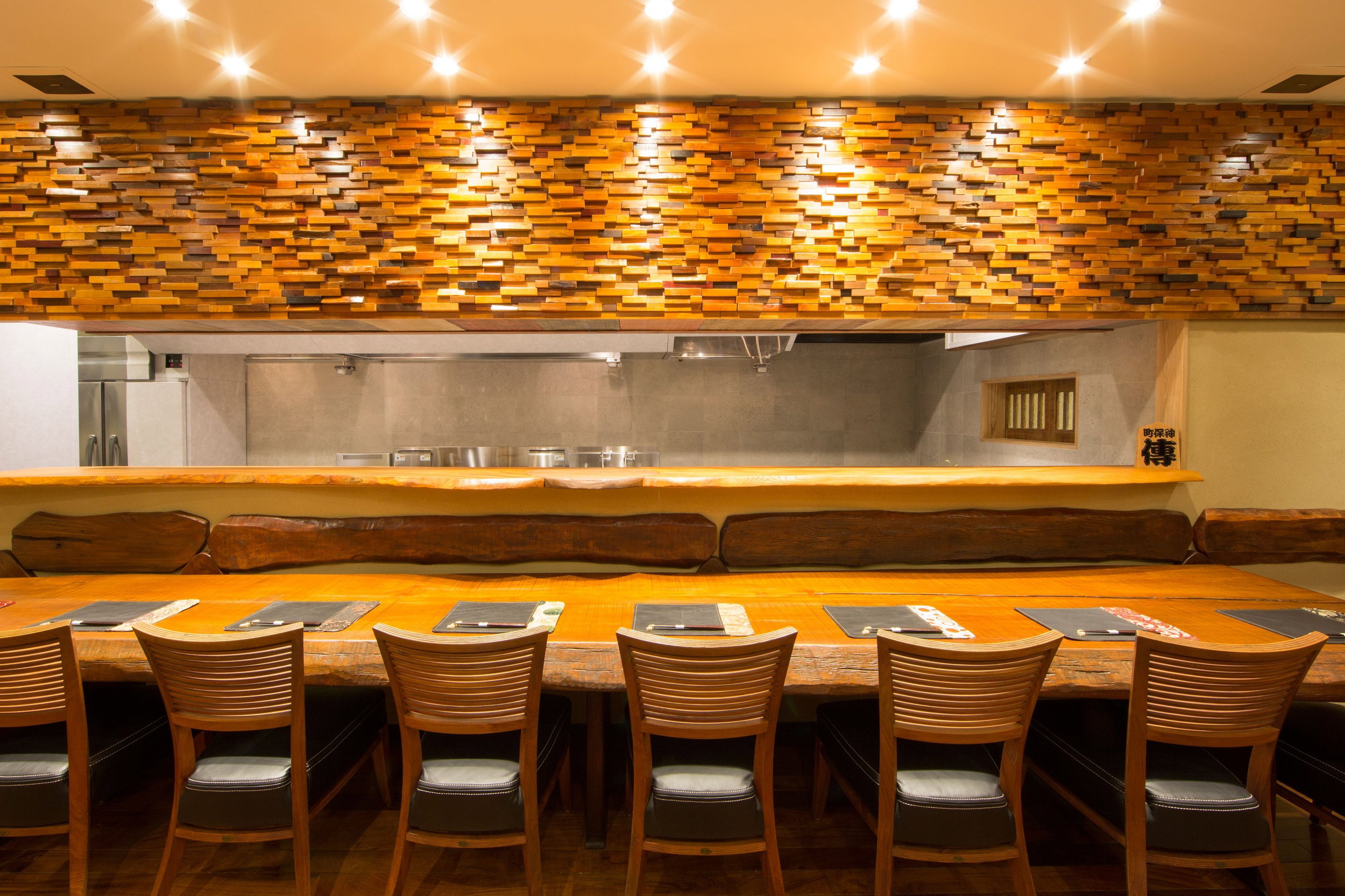
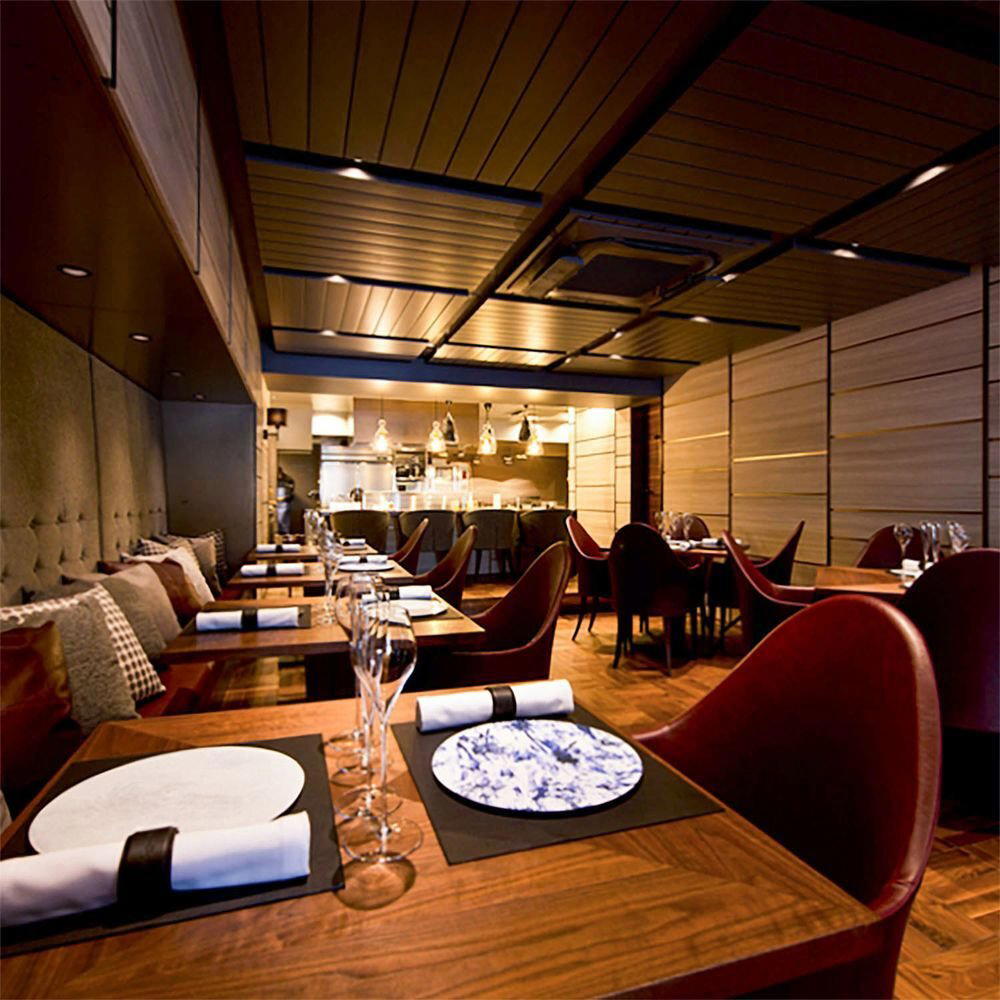
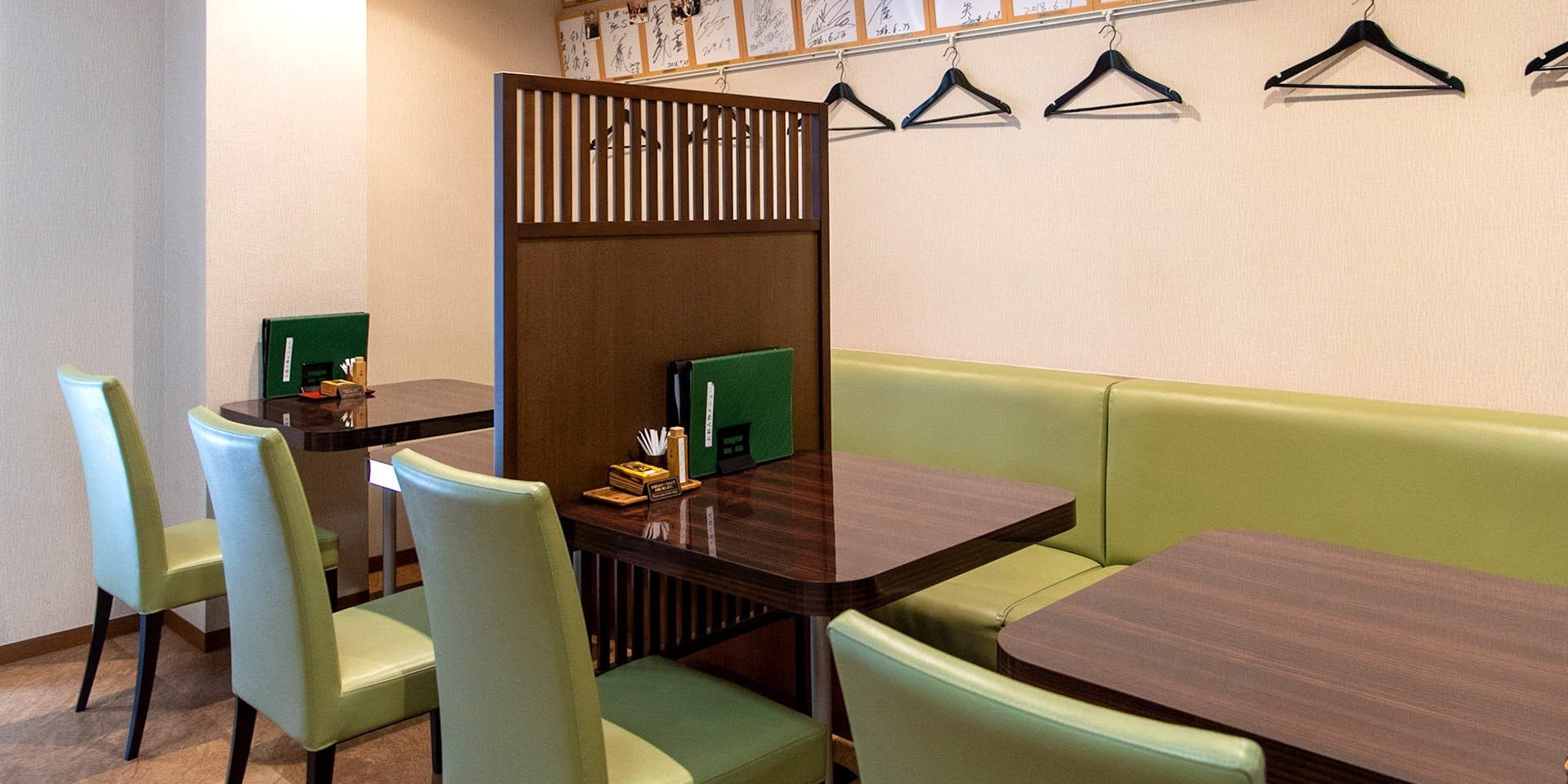
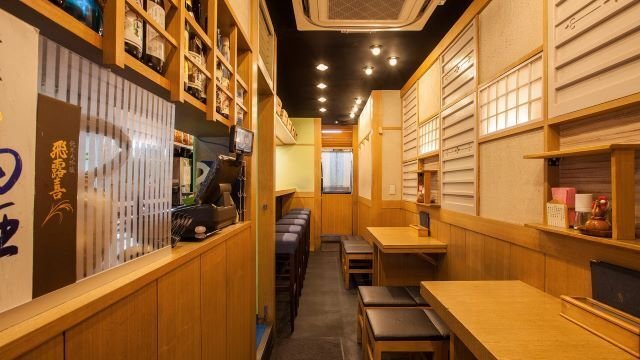
Udon Shin presents a focused, counter-driven experience that prizes technique over theatrical dining. The room is compact and intimate, with the noodle itself framed as the central concern; there’s little in the way of decorative distraction. The editorial tone positions the restaurant within Tokyo’s rigorous craft tradition — precise flour, water, rest times and dough tension — and treats the space as a pared-back workshop rather than a stage. It feels casual in service and minimalist in presentation, designed for diners who want an unadorned, serious encounter with udon rather than a nightlife destination.
Best For
This is a go-to for noodle obsessives, solo diners and anyone who values technical precision and honest pricing over dining theatre. Udon Shin’s inclusion on Opinionated About Dining’s Casual Japan list underlines its appeal to people who seek rigorous craft without the formalities of high-end tasting menus. The walk-in, low-friction model and counter format make it especially well suited to quick solo meals, casual meetups where the food is the focus, and visitors curious about how udon functions at its most committed in Tokyo.
Ordering Tips
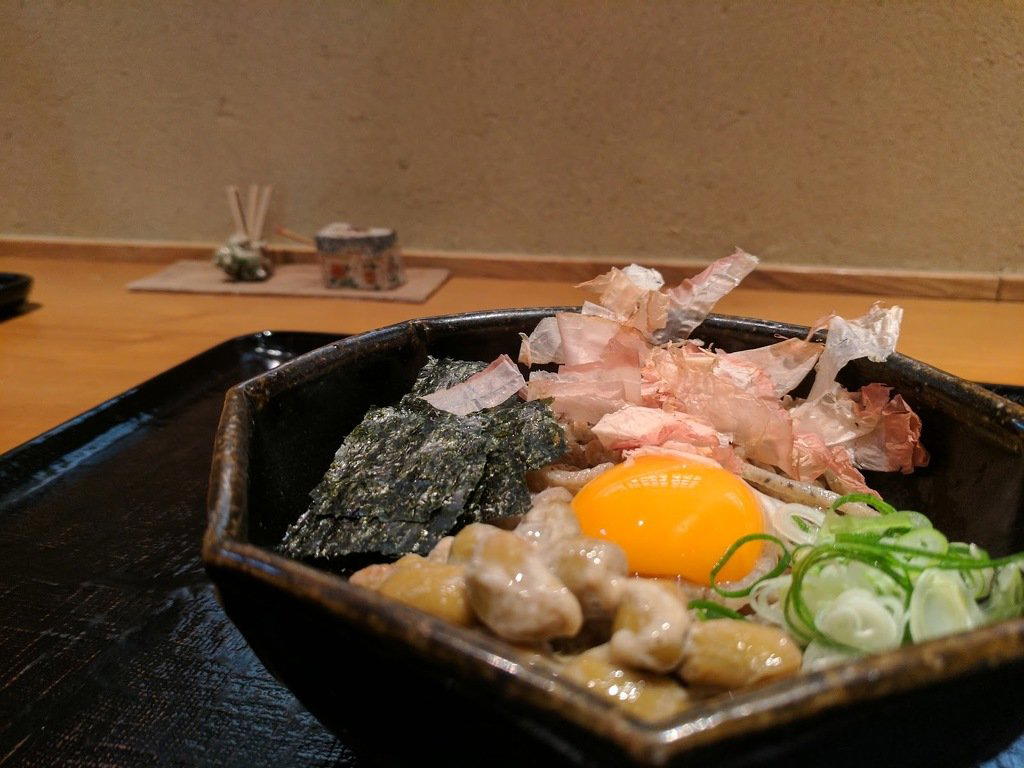
Order with the noodle in mind: the menu’s signature plates — Carbonara Udon with Bacon Tempura, Butter and Egg Udon, and Beef Broth Udon — showcase the shop’s approach to texture and seasoning and are reliable starting points. Seating at the counter puts you closest to the action and the craft that defines the place. The restaurant’s walk-in, low-friction booking model means flexibility matters: expect a straightforward ordering rhythm centered on the noodles rather than a multi-course ritual.
Venue details
Ambiance
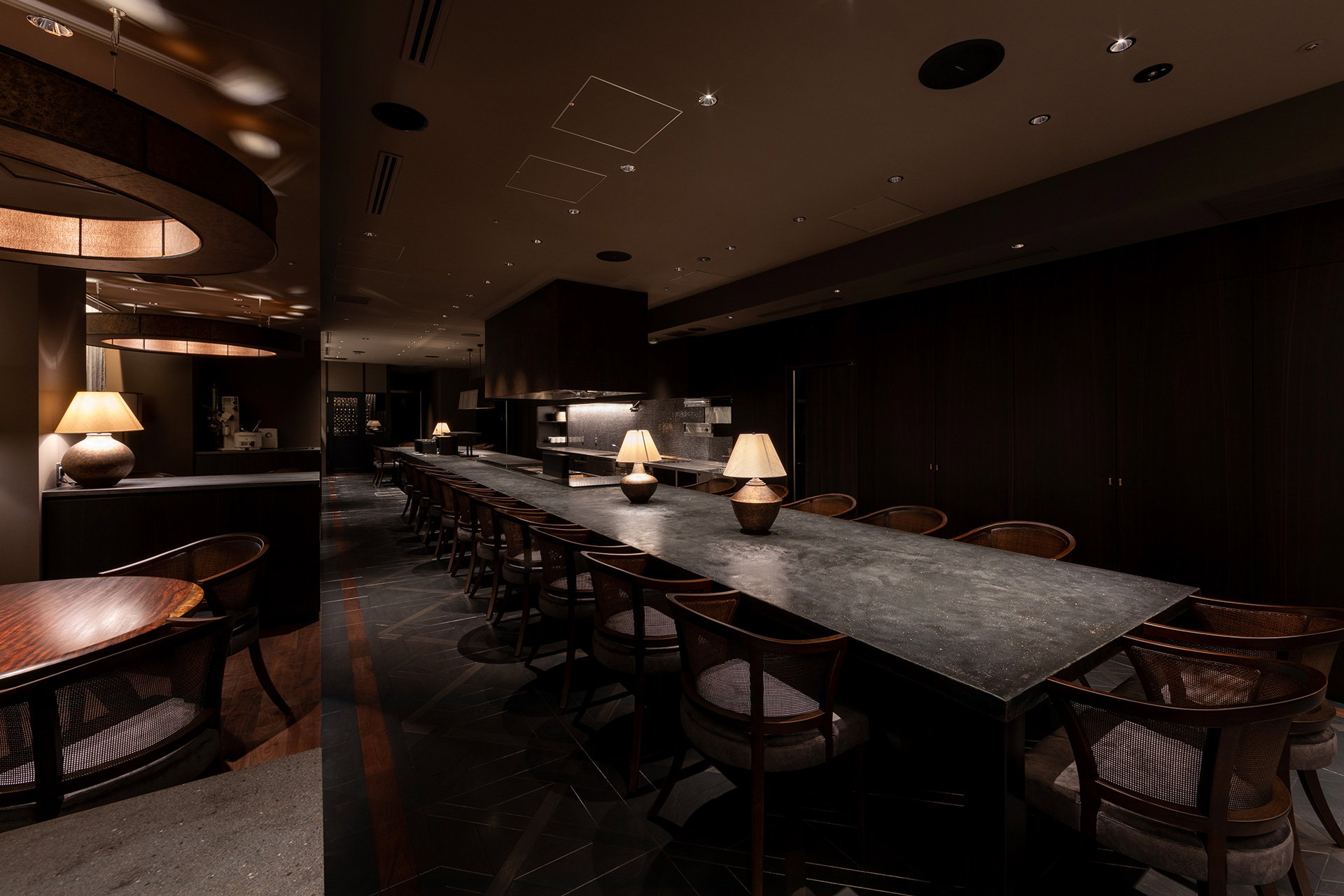
Intimate, bustling counter-style setting with open kitchen where chefs meticulously prepare noodles by hand; energetic atmosphere driven by long queues and high demand despite the tiny 10-seat capacity.
Tags
Vibe
Best For
Experience
At the Table
- Dress Code
- Casual
- Noise Level
- Lively
- Service Style
- Counter Service
- Meal Pacing
- Quick Bite
- Capacity
- Intimate
- Kitchen
- Fusion
- Menu Format
- A la carte, Counter dining
Signature Dishes
- Carbonara Udon with Bacon Tempura
- Butter and Egg Udon
- Beef Broth Udon
Know before you go
Know Before You Go
- Getting there
- Japan, 〒151-0053 Tokyo, Shibuya, Yoyogi, 2 Chome−20−16 相馬ビル 1F
Planning details
Location
Japan, 〒151-0053 Tokyo, Shibuya, Yoyogi, 2 Chome−20−16 相馬ビル 1F · Directions
Recognition and awards

Also consider
Where to go if this does not fit
If the plan needs another udon-focused option, cross-shop Udon Maruka. If price certainty matters more, Nara Seimen is easier to judge upfront from its JPY 1,000–JPY 1,999 range.
For a ramen pivot, choose Fuunji or Fuuunji Shinjuku honten. For a more flexible group meal, VILLAZZA is the safer alternative.
Restaurant context
How it compares for Tokyo noodle plans
Fuunji and Fuuunji Shinjuku honten are the better picks when the craving is ramen and the priority is speed. Fuuunji Shinjuku honten also has a clear low price signal at JPY 999, which makes it the value play for a quick noodle stop. Udon Shin is the stronger call when udon, not ramen, is the point of the meal.
Nara Seimen sits in a visible budget band at JPY 1,000–JPY 1,999, so it is easier to frame as a predictable value choice. Udon Shin has more award recognition, which matters if the meal is meant to feel researched rather than purely convenient. Udon Maruka is the closest category cross-shop: choose between them based on where the rest of the day is anchored in Tokyo.
VILLAZZA is the safer option for diners who need a more conventional restaurant setting or a group-friendly meal. Udon Shin is better for a focused noodle stop; VILLAZZA is better when ambiance and flexibility matter more than udon specificity.
Explore Tokyo
Around this place
Discover more on Pearl
Unlock the full Udon Shin guide in Pearl, including awards, comparisons, FAQs, planning details, and nearby places.
Compare Udon Shin
| Venue | Location | Cuisine | Awards | Price |
|---|---|---|---|---|
| Udon Shin | Tokyo | Udon | 2026 OAD Casual in Japan Ranked · #1392025 OAD Casual in JapanTabelog 100 - Udon - EAST - 2024 · #67 | , |
| Fuunji | Tokyo | Ramen | No published awards | , |
| Fuuunji Shinjuku honten | Tokyo | No published awards | , | - JPY 999 - JPY 999 |
| VILLAZZA | Tokyo | No published awards | , | , |
| Nara Seimen | Tokyo | Tabelog 100 - Udon - EAST - 2024 · #59 | , | JPY 1,000 - JPY 1,999 JPY 1,000 - JPY 1,999 |
| Udon Maruka | Tokyo | Udon | 2026 OAD Casual in Japan Ranked · #962025 OAD Casual in Japan Ranked · #113Tabelog 100 - Udon - EAST - 2024 · #722024 OAD Casual in Japan Ranked · #94 | , |
How Udon Shin Tokyo compares with similar nearby venues.
FAQ
Frequently Asked Questions
How far ahead should I book Udon Shin?
Plan around Udon Shin's daily hours from 11 AM to 10 PM, and check directly with the restaurant if your visit depends on a reservation. It is an udon restaurant in Tokyo with recognition from Tabelog 100 and Opinionated About Dining Casual in Japan.
Can I eat at the bar at Udon Shin?
Treat Udon Shin as a casual udon restaurant in Tokyo and focus on the cuisine rather than a particular room setup.
Is lunch or dinner better at Udon Shin?
Udon Shin is open daily from 11 AM to 10 PM. Choose the time that best fits your Tokyo plans within those hours.
What is Udon Shin known for?
Udon Shin is primarily known for udon in Tokyo. It is also recognized in Tabelog 100 in 2024 and by Opinionated About Dining Casual in Japan in 2025 and 2026.