
Tenoshima
Japanese · Minato, Tokyo
Restaurant in Tokyo, Japan
 Book with Pearl
The Read
Island-Origin Kaiseki
Price
$150–200per person
Dress
Smart Casual
Why go
Tenoshima holds a Michelin one star (2026) and sits at the ¥¥¥ price tier — solid value for Tokyo's starred Japanese category. The menu is anchored in Teshima island provenance and sustainable sourcing, with a composed, quiet room that suits special occasions and serious dinners. Book four to eight weeks out minimum; availability is tight and walk-ins are not a realistic option.
About Tenoshima
Should You Book Tenoshima?
If you have been once, the question on a return visit is whether the experience deepens or simply repeats. At Tenoshima, it deepens. The menu shifts with the chef's sourcing commitments — underused fish species, ingredients tied to Teshima island — which means a second visit reliably surfaces dishes you did not see the first time. That said, getting back in is the harder problem. Tenoshima holds a Michelin one star (2024) and operates at the ¥¥¥ price tier, which for Tokyo represents solid value relative to the city's ¥¥¥¥ kaiseki benchmark. If a thoughtful, philosophy-driven Japanese meal in Minami-Aoyama is what you are after, book it. If you need something easier to secure, look at Ginza Fukuju or Jingumae Higuchi first.
The Experience
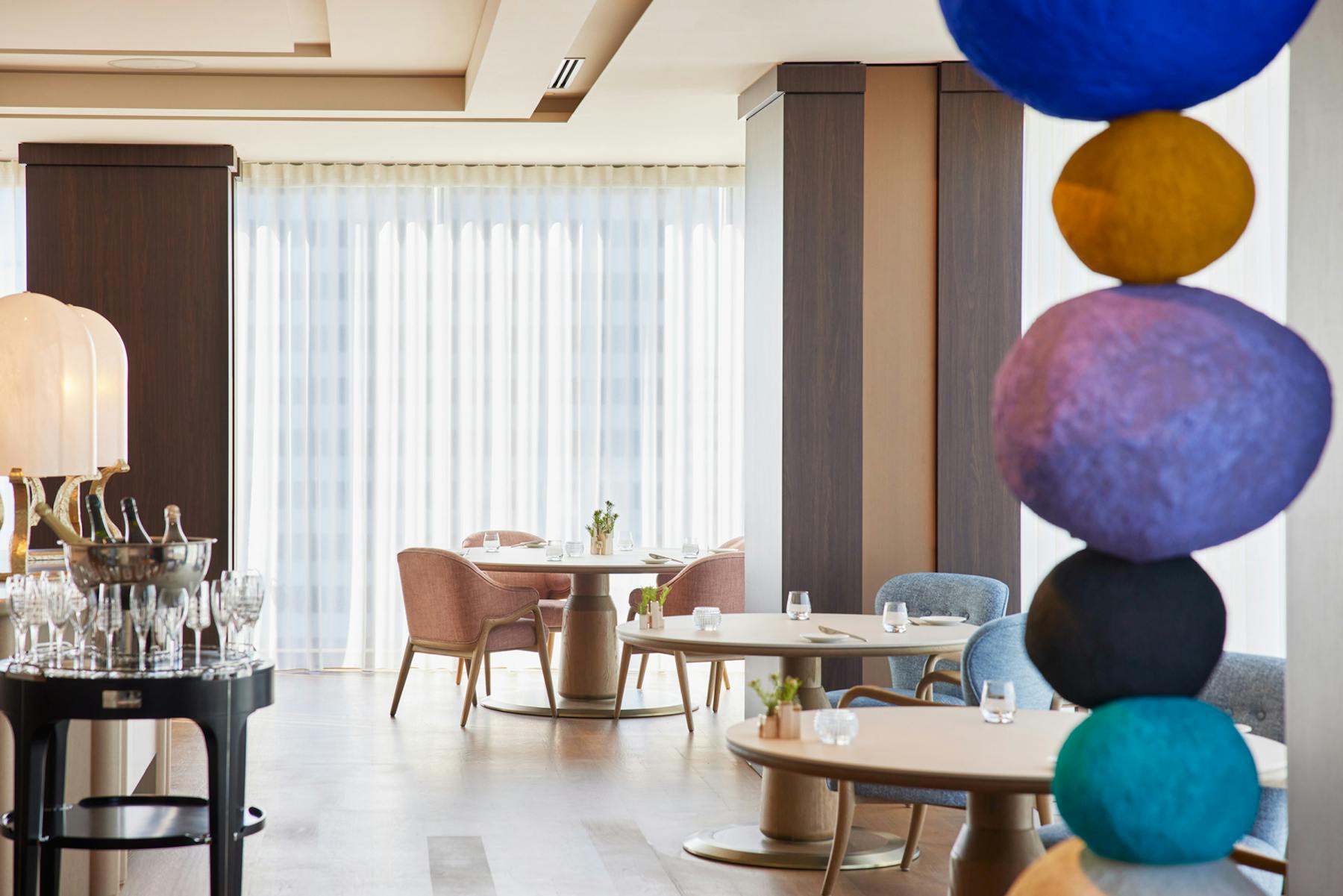
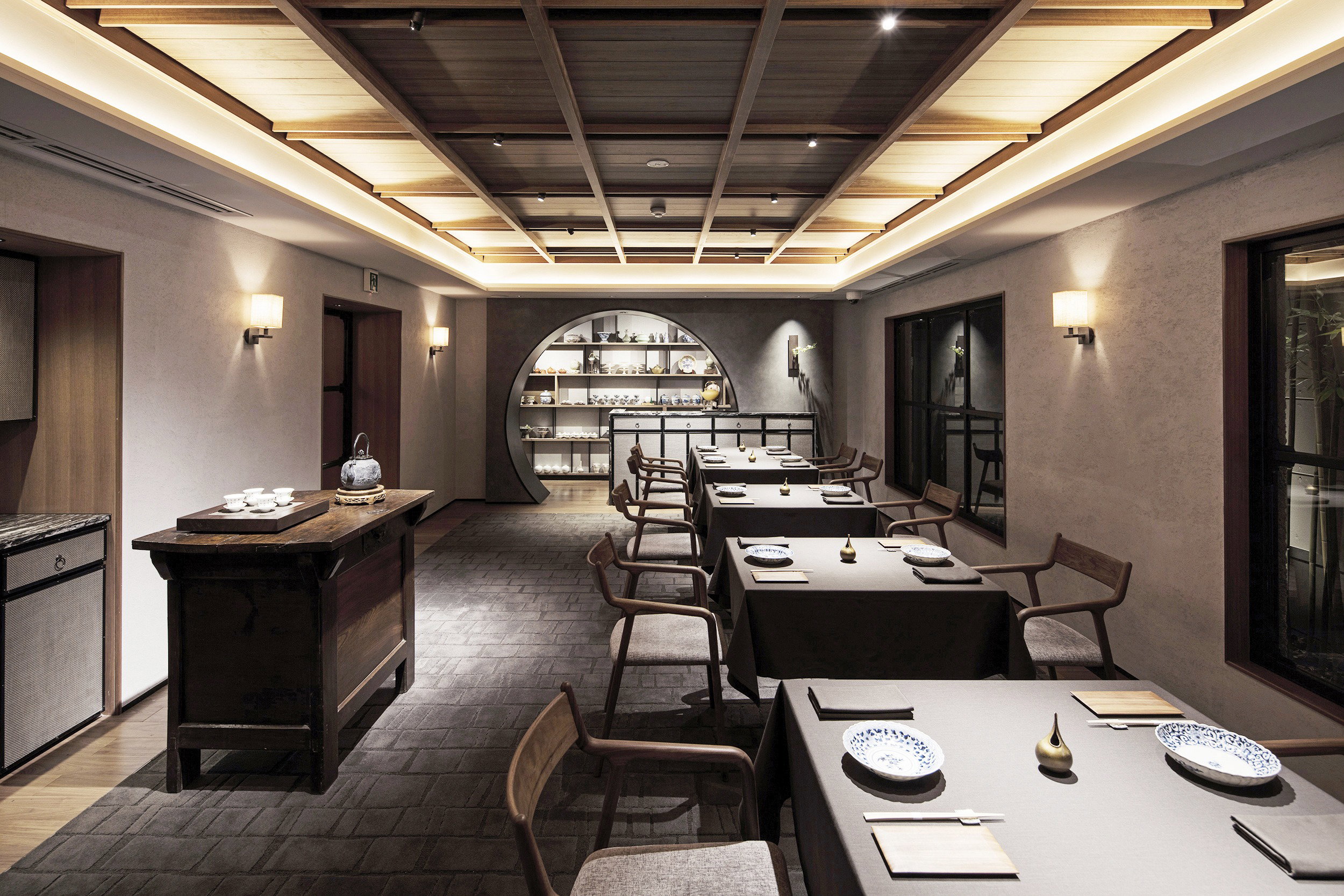
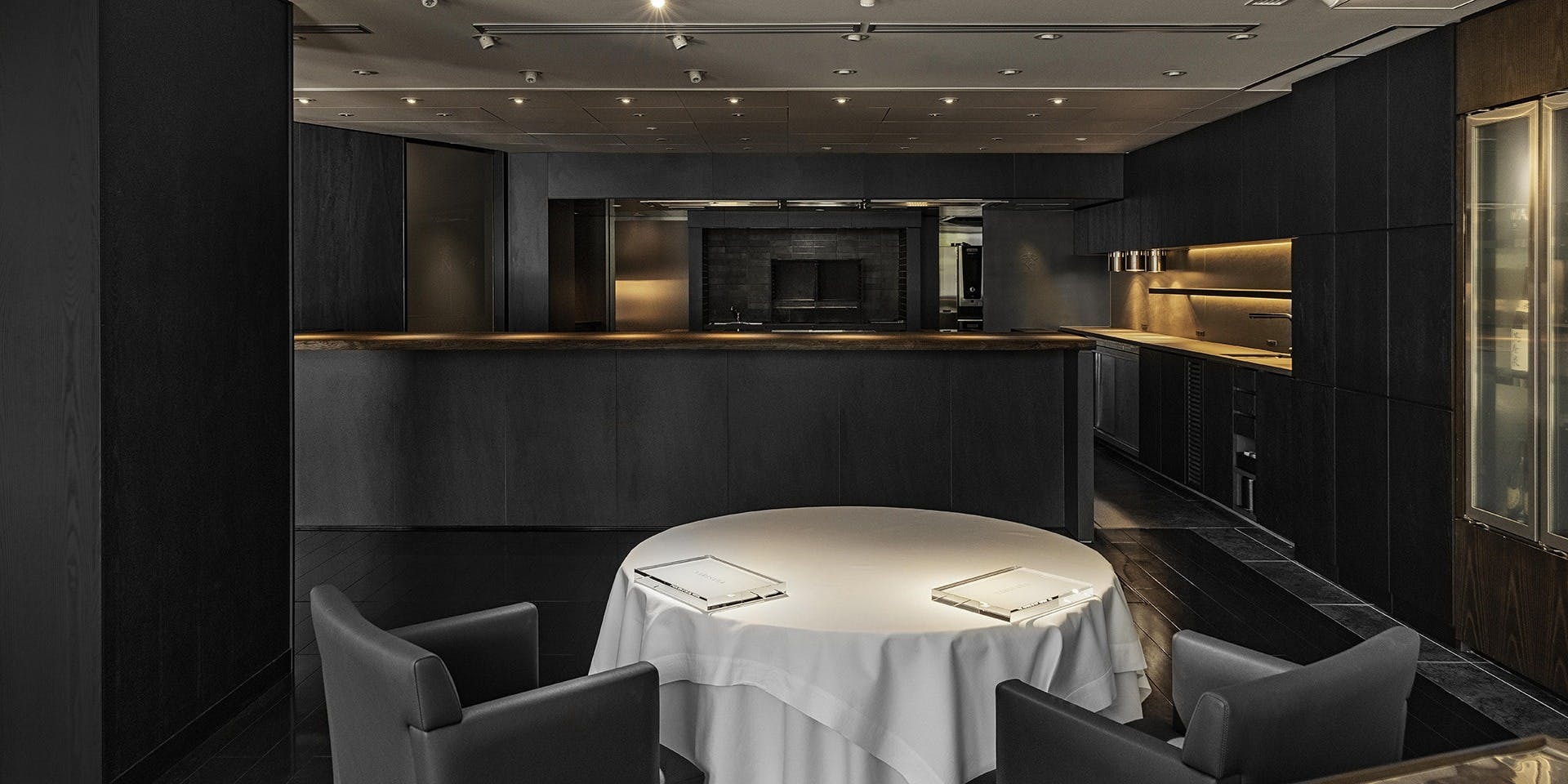
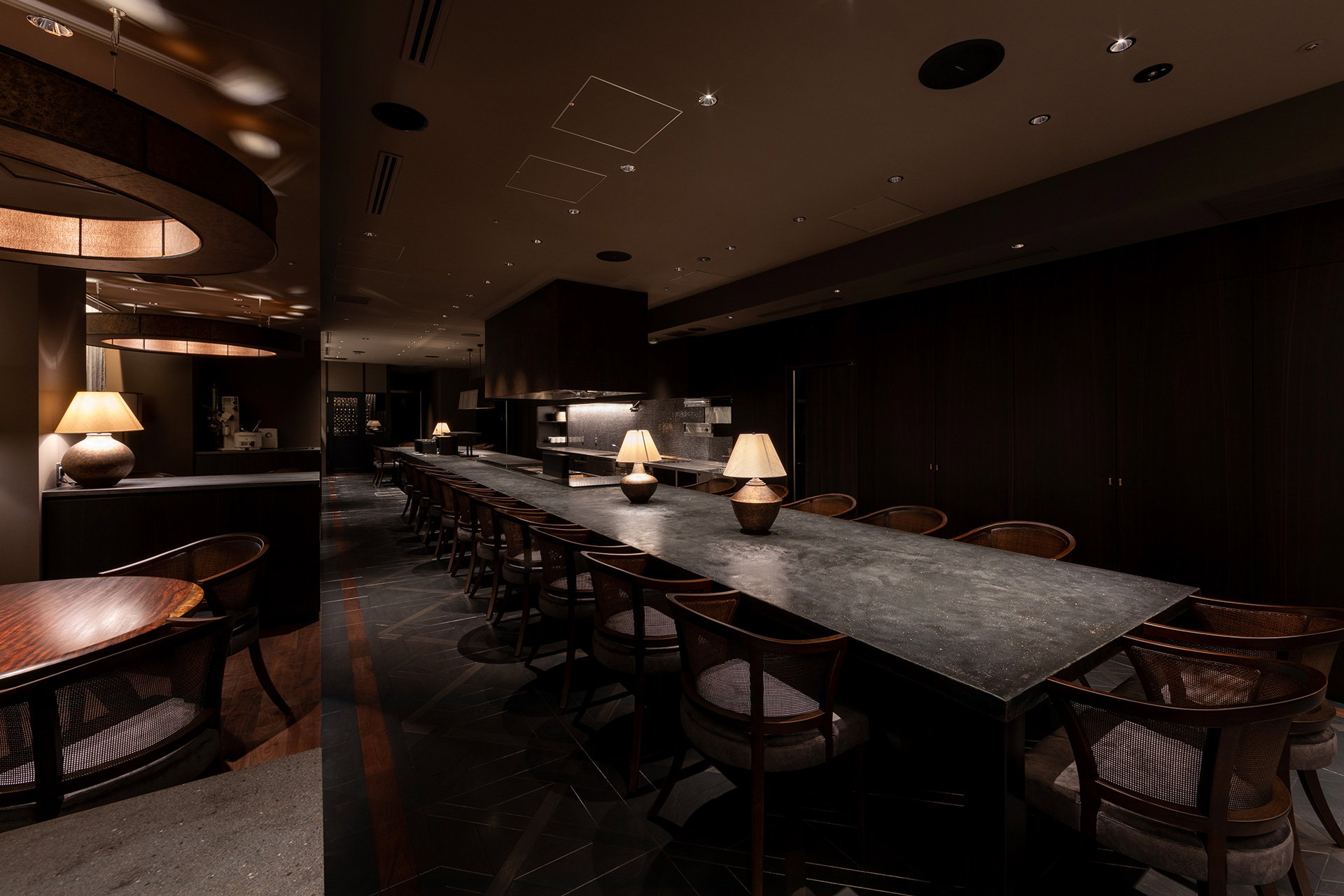
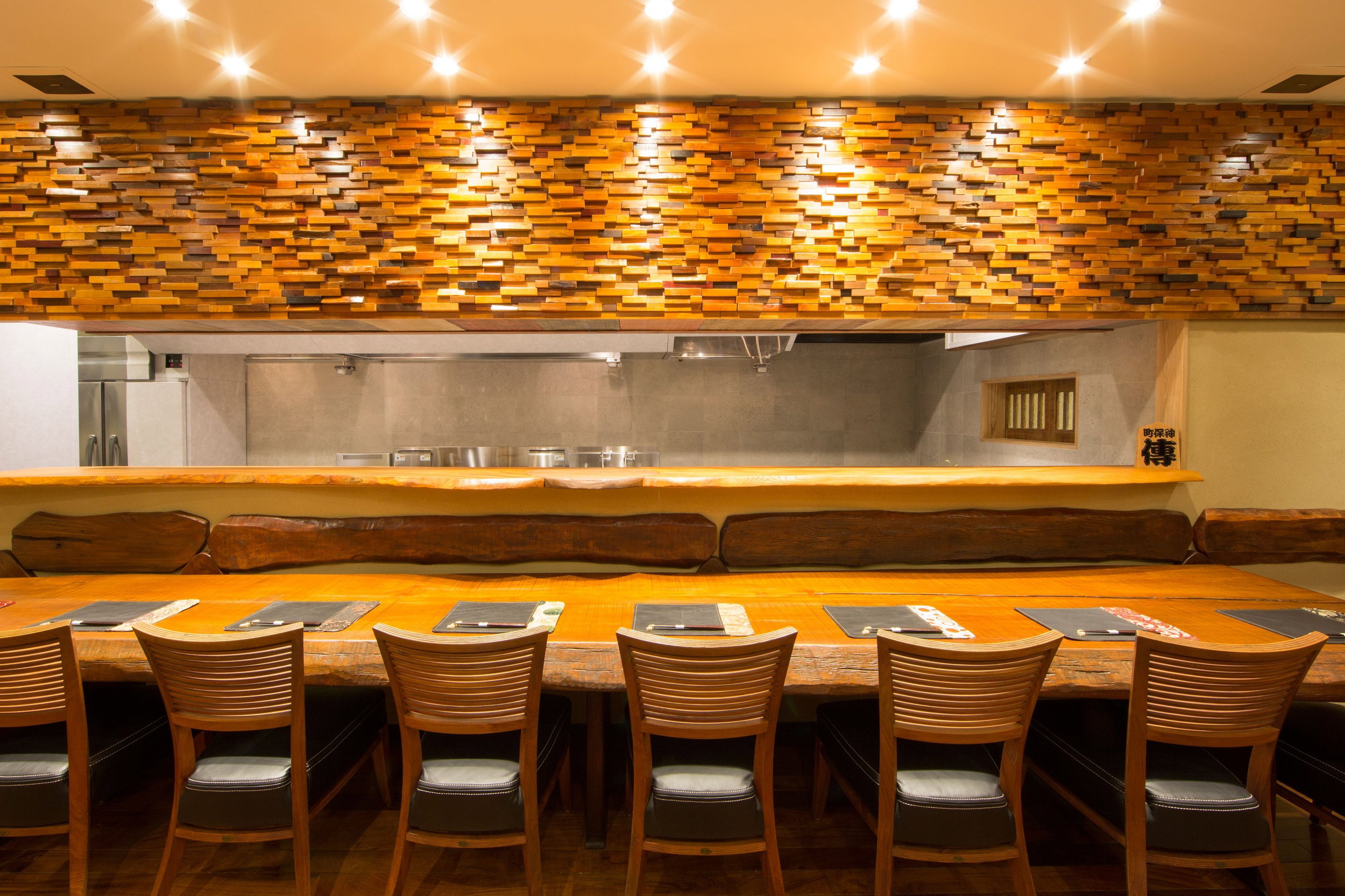
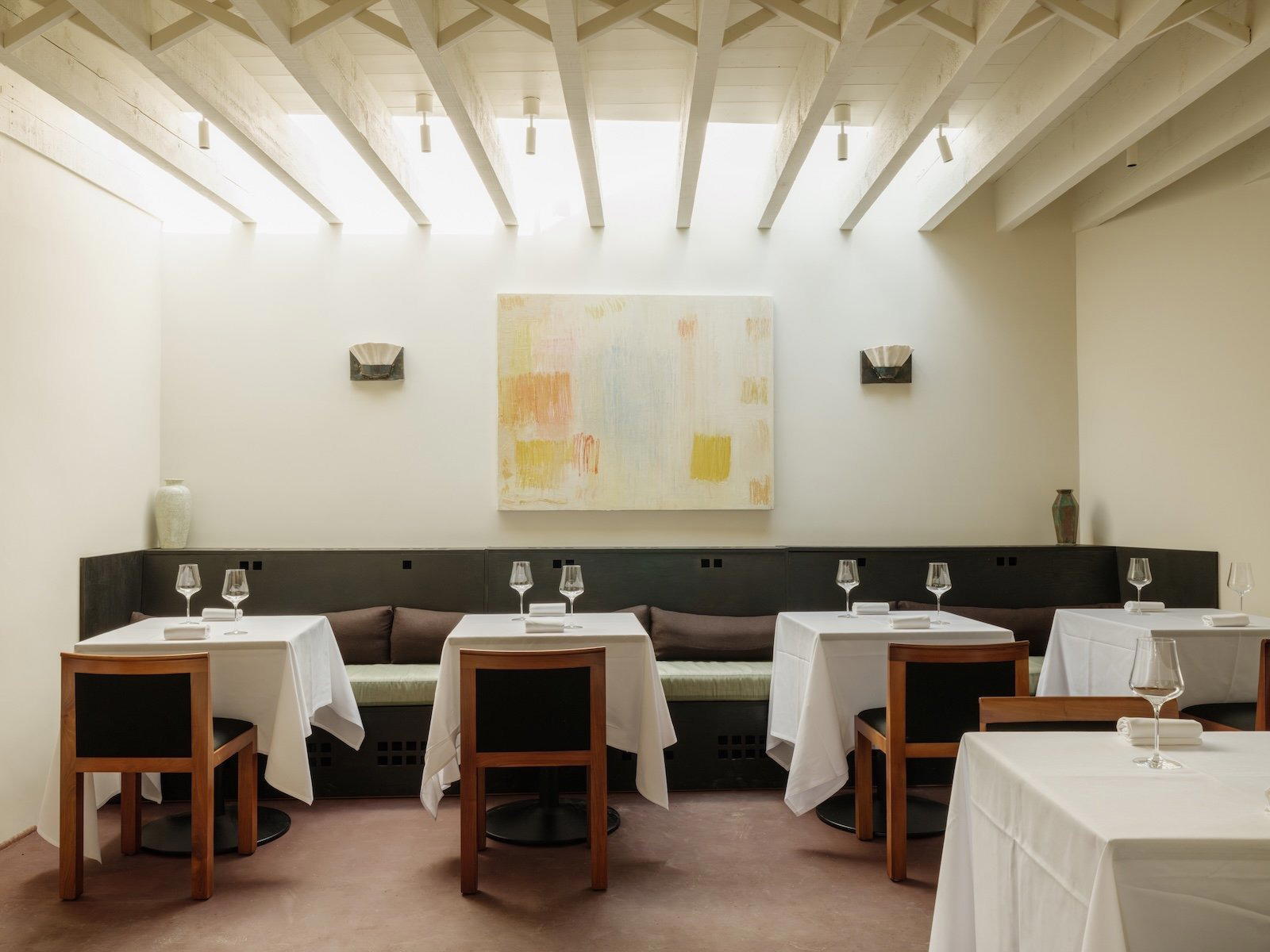
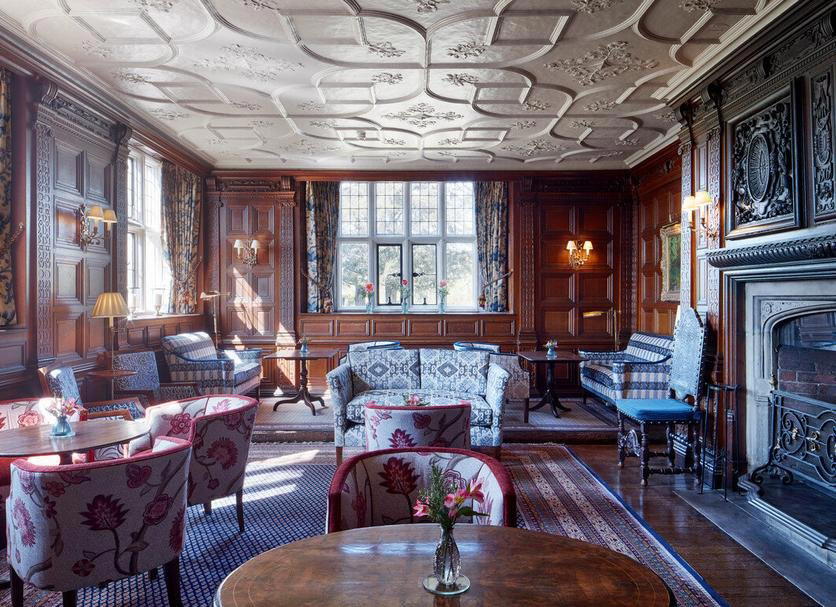
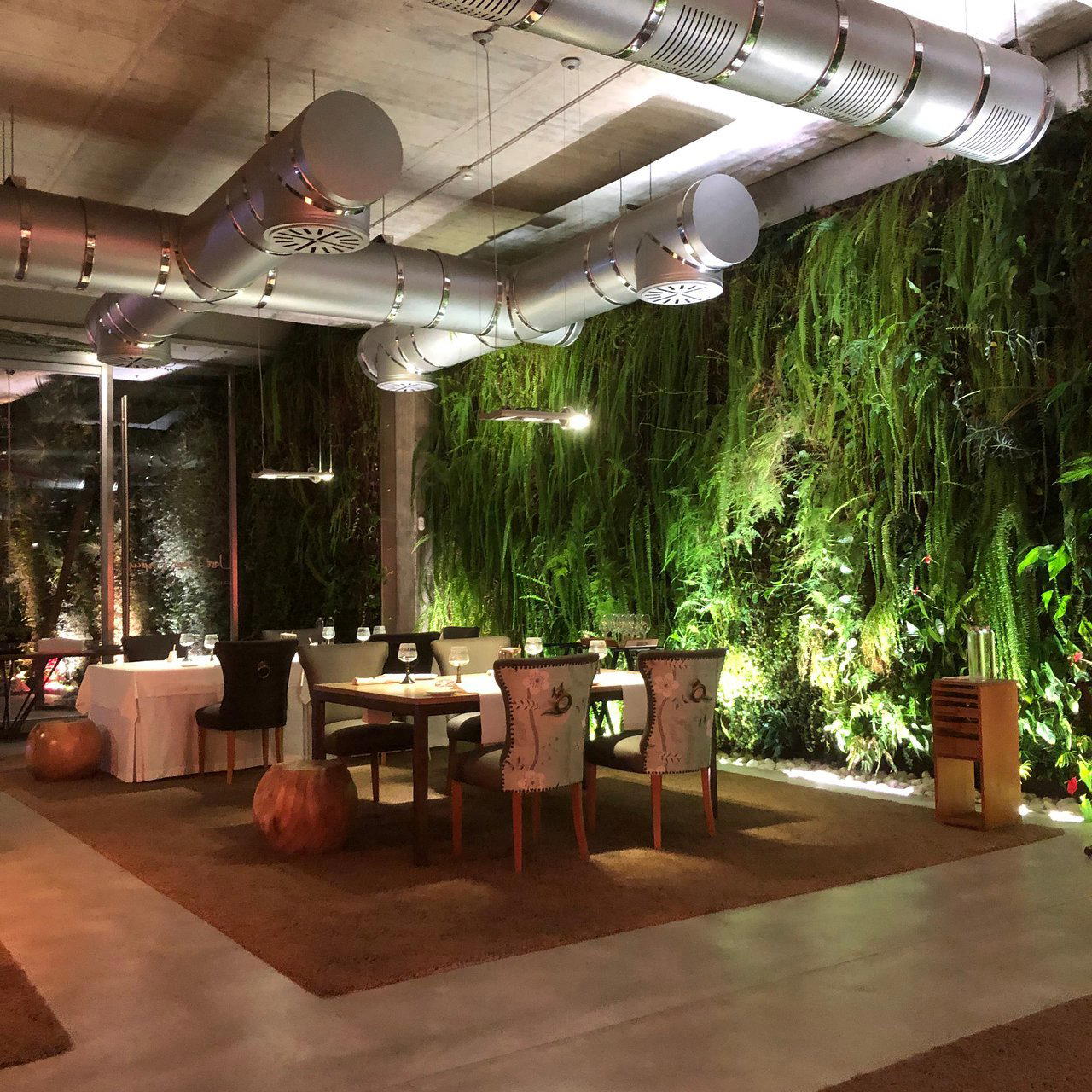
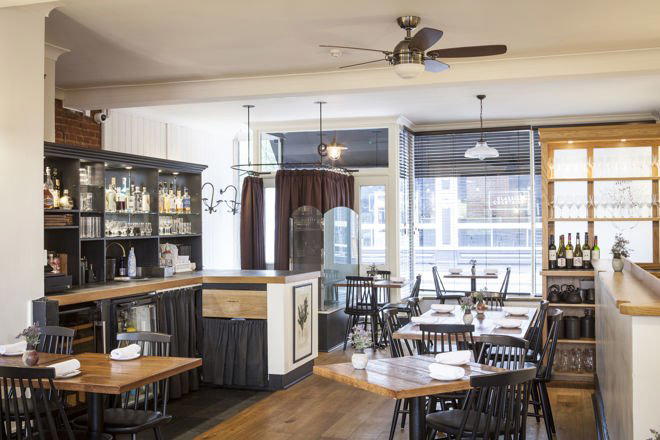
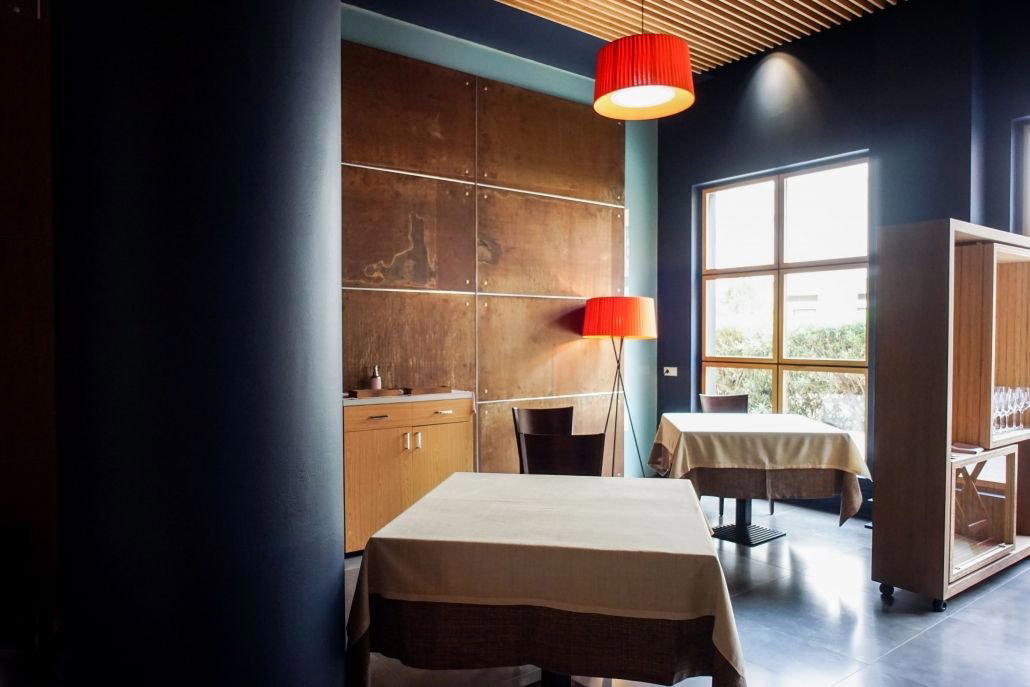
Tenoshima sits on the second floor of a building in Minami-Aoyama, a neighbourhood that already signals a certain kind of seriousness about food and design. The room is quiet in the way that starred Japanese restaurants tend to be, low ambient noise, conversation at a register that does not compete with the food. For a special occasion or a dinner where the table talk matters as much as what arrives on the plate, the atmosphere works in your favour. This is not a venue where you raise your voice over a soundtrack or a crowded bar. The energy is composed and deliberate, and the pacing of service reinforces it.
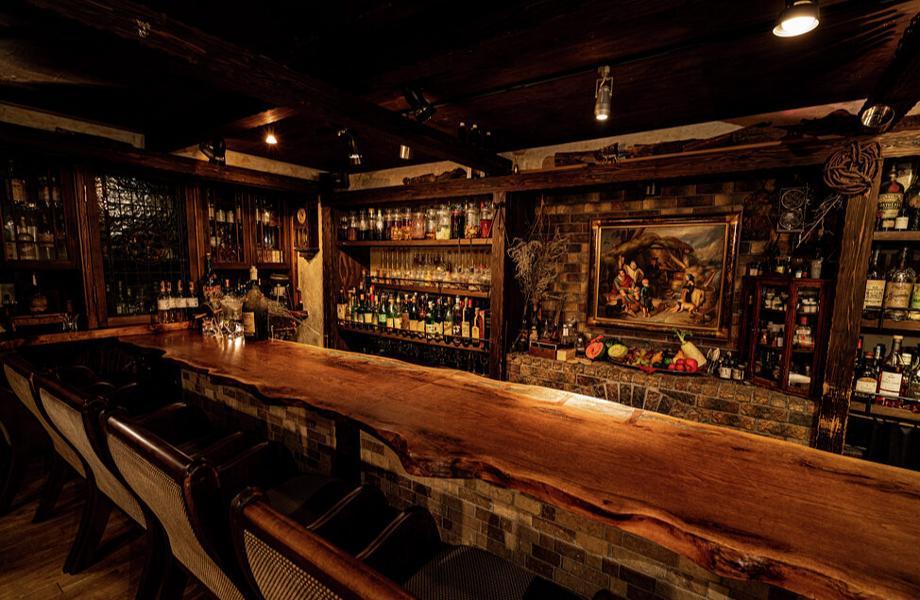
On the drinks side, Tenoshima's programme reflects the same sourcing logic as its kitchen. Japanese restaurants at this level typically offer sake pairings calibrated to the progression of courses, and the dried sardine broth that anchors the nyumen, a savoury noodle soup that serves as one of the kitchen's touchstone dishes, is the kind of preparation that rewards a considered pour rather than a casual one. If sake pairing is available, take it. The pairing format at this price point tends to sharpen what you taste in both directions, and at ¥¥¥ the combined cost remains reasonable against Tokyo's top tier. The drinks programme here is not an afterthought; it is built to function alongside a menu that has a clear regional and ethical logic. For Tokyo's broader bar scene, see our full Tokyo bars guide.
The cooking draws directly from the chef's background: training at Kyoto's Kikunoi informs the bozushi preparation, and Teshima island provides both the emotional and ingredient anchor for much of the menu. Nyumen with dried sardine broth, the use of fish species that are commercially undervalued, these are not stylistic choices but practical ones with sustainability logic behind them. For diners who engage with that dimension, the meal has a narrative coherence that makes it more interesting on repeat visits. For diners who simply want precision and craft, those elements are present regardless of whether you follow the sourcing story. Compare this approach to Kagurazaka Ishikawa or Azabu Kadowaki, both of which offer comparable Japanese craft at similar or higher price points but with less emphasis on regional provenance as a structural theme.
The Michelin recognition in 2024 confirms the kitchen is cooking at a credentialed level, but the score also reflects how personal and specific the experience is, not every guest will connect equally with the Teshima framework, and the room's intimacy means the format does not suit large parties. For a date, a business dinner for two, or a solo meal at the counter if the layout permits, this is a considered choice. For groups of four or more, enquire directly about capacity before assuming availability.
For context on how Tenoshima fits within Tokyo's broader dining map, our full Tokyo restaurants guide covers the range from accessible neighbourhood spots to Michelin-heavy omakase counters. If you are planning a longer trip, Myojaku is worth adding to your shortlist for Japanese cuisine in a different register. Beyond Tokyo, the same philosophy-driven approach to Japanese cooking appears at Gion Sasaki in Kyoto and HAJIME in Osaka, both of which are worth considering if your itinerary extends further. See also Isshisoden Nakamura in Kyoto and Kashiwaya Osaka Senriyama for further reference points in the kaiseki and traditional Japanese category. For those travelling to other regions, akordu in Nara, Goh in Fukuoka, 1000 in Yokohama, and 6 in Okinawa each represent the same commitment to place-driven cooking at a high technical level.
Booking Tenoshima
Booking difficulty here is hard. A Michelin star at the ¥¥¥ tier in a small, likely counter-format room is a combination that fills quickly. Plan a minimum of four to six weeks out, and realistically two months ahead if you have a fixed travel date. Tenoshima does not appear to operate walk-in availability in any meaningful way, this is a venue where the reservation is the access point, not an optional convenience. If you are building a Tokyo itinerary, lock this in before your flights rather than after. For accommodation to match, our full Tokyo hotels guide covers options across the Minami-Aoyama and broader Minato area.
Planning details
- Location
- Japan, 〒107-0062 Tokyo, Minato City, Minamiaoyama, 1 Chome−3−21 南青山 1-55ビル 2階
- Reservations
- Book on the venue's website
- Website
- tenoshima.com
- Phone
- +81 3-6316-2150
The take
The Take
The Vibe
Tenoshima presents as a quietly confident kaiseki room that favors depth over spectacle. Sitting on the second floor of a modest Minami-Aoyama building, the kitchen operates with a clear, traceable point of view anchored in ingredients and techniques from Teshima island. The Michelin star awarded in 2024 signals critical recognition, but the tone of the place is less about public visibility than about building loyalty: regulars return because the menu coheres around a distinct origin story. The overall impression is refined and deliberate, a compact, classical Japanese experience that rewards attention and repeat visits.
Best For
This is a venue built for focused, elevated dining—ideal for date nights, special occasions, and quiet business dinners. Its kaiseki orientation and Michelin recognition create a formal, attentive atmosphere that suits guests seeking a composed multi-course meal rather than loud, social nightlife. The price positioning, described as more accessible than Tokyo's highest bracket of starred houses, also makes it appealing to diners who already appreciate the rhythms of kaiseki and want a thoughtfully curated expression of a regional lineage without the extreme premium of other destinations.
Ordering Tips
Expect a sequence driven by the kitchen's Teshima-rooted philosophy and prioritize dishes that reflect that focus. The menu highlights — including Mackerel with Carrot Sauce, Deep Fried Grouper, and pressed sushi — illustrate the house's approach to local fish and technique. Because the restaurant rewards repeat visits and a coherent point of view, treat the meal as an unfolding story: lean into the set kaiseki progression, let the kitchen's selections lead the experience, and consider returning to appreciate how the small, deliberate variations reveal the restaurant's character over time.
Venue details
Ambiance
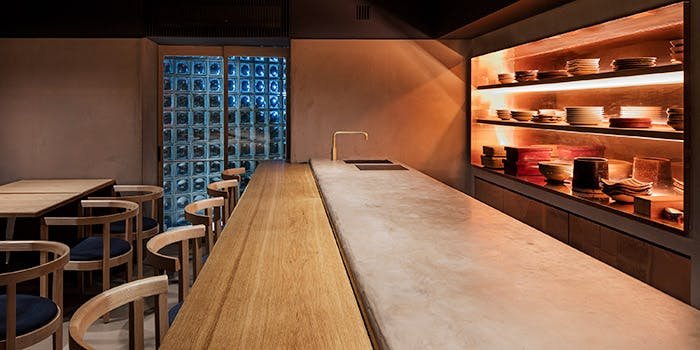
Modern classic with minimalist earthen walls, gentle music, open kitchen, and warm intimate lighting fostering relaxed elegance.
Tags
Vibe
Best For
Experience
Sourcing
At the Table
- Dress Code
- Smart Casual
- Noise Level
- Conversational
- Service Style
- Upscale Casual
- Meal Pacing
- Leisurely
- Capacity
- Intimate
- Kitchen
- Modern
- Menu Format
- Omakase, Tasting menu
- Wine Program
- Curated
- Drinks Focus
- Sake, Wine
Signature Dishes
- Mackerel with Carrot Sauce
- Deep Fried Grouper
- pressed sushi
Know before you go
Know Before You Go
- Getting there
- Japan, 〒107-0062 Tokyo, Minato City, Minamiaoyama, 1 Chome−3−21 南青山 1-55ビル 2階
Planning details
Location
Japan, 〒107-0062 Tokyo, Minato City, Minamiaoyama, 1 Chome−3−21 南青山 1-55ビル 2階 · Directions
Recognition and awards
Also consider
Also Consider
- Harutaka, Sushi, ¥¥¥¥
- RyuGin, Kaiseki, Japanese, ¥¥¥¥
- L'Effervescence, French, ¥¥¥¥
- HOMMAGE, Innovtive French, French, ¥¥¥¥
- Florilège, French, ¥¥¥
Restaurant context
How Tenoshima Compares
Tenoshima sits at ¥¥¥ with a Michelin star, which immediately separates it from most of its Tokyo peers by price tier. RyuGin and Harutaka both operate at ¥¥¥¥, and while both deliver technically at a higher ceiling, RyuGin in particular carries multiple Michelin stars and a global reputation in kaiseki, the gap in price at Tenoshima is meaningful if your budget has a ceiling. For value within the starred Japanese category, Tenoshima is the stronger call. If maximising technical ambition is the priority and price is secondary, RyuGin edges it.
Against the French options in this peer set, the comparison is more about format than quality. L'Effervescence, HOMMAGE, and Florilège all operate in Tokyo's high-end French register, with Florilège at ¥¥¥ providing the closest price match to Tenoshima. If you are choosing between Tenoshima and Florilège for a special occasion dinner, the decision turns on whether you want Japanese provenance and regional ingredient logic or French technique in a Tokyo context. Both are credentialed and worth booking; they are not substitutes for the same appetite.
On booking difficulty, Tenoshima and Harutaka are comparably hard to access, counter-format Japanese restaurants with Michelin recognition and limited seats tend to fill on similar timelines. L'Effervescence and HOMMAGE may offer slightly more lead-time flexibility, though none of these venues are easy to walk into. If your trip dates are fixed and short-notice, Florilège is the most likely of the group to return a viable reservation window, making it the practical backup if Tenoshima is fully committed when you try.
Explore Tokyo
Around this place
Discover more on Pearl
Unlock the full Tenoshima guide in Pearl, including awards, comparisons, FAQs, planning details, and nearby places.
Compare Tenoshima
| Venue | Cuisine | Price | Awards | Booking Difficulty |
|---|---|---|---|---|
| Tenoshima | Japanese | ¥¥¥ | 2026 Michelin 1 Star2024 Michelin 1 Star | Hard |
| Harutaka | Sushi | ¥¥¥¥ | 2026 Tabelog Silver · #312026 OAD Top Restaurants in Japan Ranked · #1282026 Michelin 3 Stars2026 La Liste Top RestaurantsTabelog 100 - Sushi - TOKYO - 2025 · #372025 Asia's 50 Best Restaurants · #762025 OAD Top Restaurants in Japan Ranked · #1172025 La Liste Top Restaurants2025 Tabelog Bronze | Unknown |
| RyuGin | Kaiseki, Japanese | ¥¥¥¥ | 2026 OAD Top Restaurants in Japan Ranked · #802026 Tabelog Bronze · #3772026 Michelin 3 Stars2026 La Liste Top RestaurantsTabelog 100 - Japanese cuisine - TOKYO - 2025 · #212025 OAD Top Restaurants in Japan Ranked · #542025 Michelin 3 Stars2025 La Liste Top Restaurants2025 The Best Chef Three Knives | Unknown |
| L'Effervescence | French | ¥¥¥¥ | 2026 Tabelog Silver · #682026 OAD Top Restaurants in Japan Ranked · #103Star Wine Lists 20262026 Black Pearl 2 Diamond2026 Relais Chateaux Restaurants2026 La Liste Top Restaurants2026 Michelin 3 Stars2025 Asia's 50 Best Restaurants · #692025 OAD Top Restaurants in Japan Ranked · #92 | Unknown |
| HOMMAGE | Innovtive French, French | ¥¥¥¥ | 2026 Tabelog Bronze · #1232026 OAD Top Restaurants in Japan Highly Recommended2026 Michelin 2 StarsTabelog 100 - French - TOKYO - 2025 · #762025 Asia's 50 Best Restaurants · #782025 OAD Top Restaurants in Japan Ranked · #1752025 Michelin 2 Stars2025 The Best Chef One Knife2025 La Liste Top Restaurants | Unknown |
| Florilège | French | ¥¥¥ | 2026 Asia's 50 Best Restaurants · #312026 Tabelog Bronze · #712026 OAD Top Restaurants in Japan Ranked · #1242026 Black Pearl 1 Diamond2026 Michelin 2 Stars2026 La Liste Top Restaurants2025 Asia's 50 Best Restaurants · #172025 World's 50 Best Restaurants · #36Tabelog 100 - French - TOKYO - 2025 · #68 | Unknown |













What to weigh when choosing between Tenoshima and alternatives.
FAQ
Frequently Asked Questions
What should I order at Tenoshima?
The menu is set, so ordering is not the decision to make here. The kitchen leads with ingredients rooted in Teshima island traditions: the nyumen, a savoury noodle soup built on dried sardine broth, is a signature dish that reflects the chef's personal and regional identity. Bozushi, shaped by training at Kyoto's Kikunoi, is another anchor of the experience. Expect underused fish species throughout, which is a deliberate sustainability position, not a constraint.
How far ahead should I book Tenoshima?
Book at least four to six weeks out. A 2024 Michelin star in a small second-floor room in Minami-Aoyama means demand consistently exceeds supply. If you have a fixed travel window, book the day your dates are confirmed. Last-minute availability exists occasionally, but treating it as a fallback is a gamble not worth taking at the ¥¥¥ price tier.
What should a first-timer know about Tenoshima?
The restaurant is on the second floor of a building in Minami-Aoyama (1 Chome-3-21, 南青山 1-55ビル 2階), so allow time to locate it. The cooking is grounded in island ingredients and sustainability thinking, not in flashy technique for its own sake. Come expecting a meal that builds a coherent point of view across courses, not a showcase of maximum luxury ingredients. That focus is the point.
Is Tenoshima worth the price?
At ¥¥¥ with a 2024 Michelin star, Tenoshima sits at a price point where Tokyo offers serious competition. The case for booking here over, say, a comparably priced kaiseki option is the specificity: a menu anchored in Teshima island heritage and sustainability, not a generic fine-dining template. If that kind of culinary identity matters to you, the price holds up. If you want maximum prestige per yen, there are higher-decorated options in the city.
Is the tasting menu worth it at Tenoshima?
Yes, for the right diner. The format at Tenoshima is a set menu built around a coherent philosophy: island ingredients, underused fish species, and techniques that span Teshima and Kyoto. The nyumen and bozushi give you two distinct anchors within that framework. If you prefer to pick and choose dishes, this is not your format. If you are willing to follow the kitchen's logic across the full meal, the tasting menu earns its price.
Can I eat at the bar at Tenoshima?
Counter seating is likely the primary format given the room size and restaurant style, but the specific seating layout is not confirmed in available data. What is clear is that this is a small, serious operation on the second floor in Minami-Aoyama. Reach out to the restaurant directly if counter versus table seating matters to your booking decision.