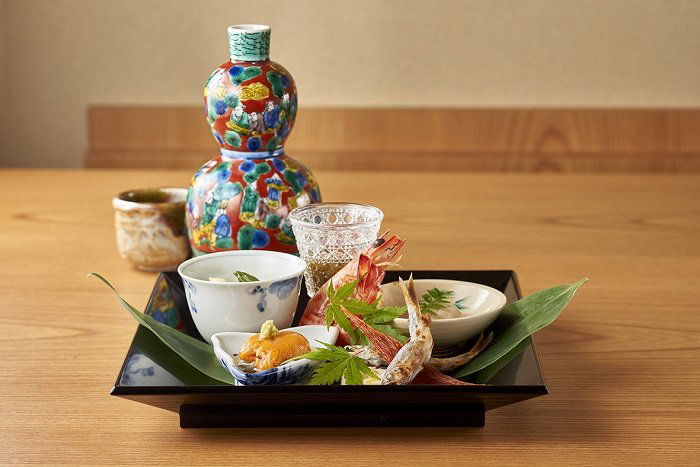



Ten Yokota
Tempura · Minato, Tokyo
Restaurant in Tokyo, Japan
 Book with Pearl
The Read
Shrimp-Structured Omakase
Price
¥¥¥
Dress
Smart Casual
Why go
Ten Yokota holds a 2024 Michelin one star and operates at ¥¥¥, making it one of the more accessible starred tempura counters in Tokyo. The omakase format centres on shrimp across multiple courses, with a clear craft-driven approach passed through generations. Hard to book, right for a date or celebration dinner, and priced below the ¥¥¥¥ tier of Tokyo's starred competition.
About Ten Yokota
Is Ten Yokota worth booking for a special occasion in Tokyo?
Yes, and the answer is unusually clear for a Michelin-starred restaurant at this price tier. Ten Yokota holds a 2024 Michelin one-star rating and operates at ¥¥¥, making it one of the more accessible starred tempura counters in Motoazabu. If you are planning a celebration dinner, a focused date night, or a business meal where you want to impress without the four-hour kaiseki commitment, Ten Yokota is the right call. The format is omakase, the throughline is shrimp, and the kitchen has a clear point of view — which is exactly what you want when you are spending money on a special evening.
A Tempura Counter With a Distinct Identity
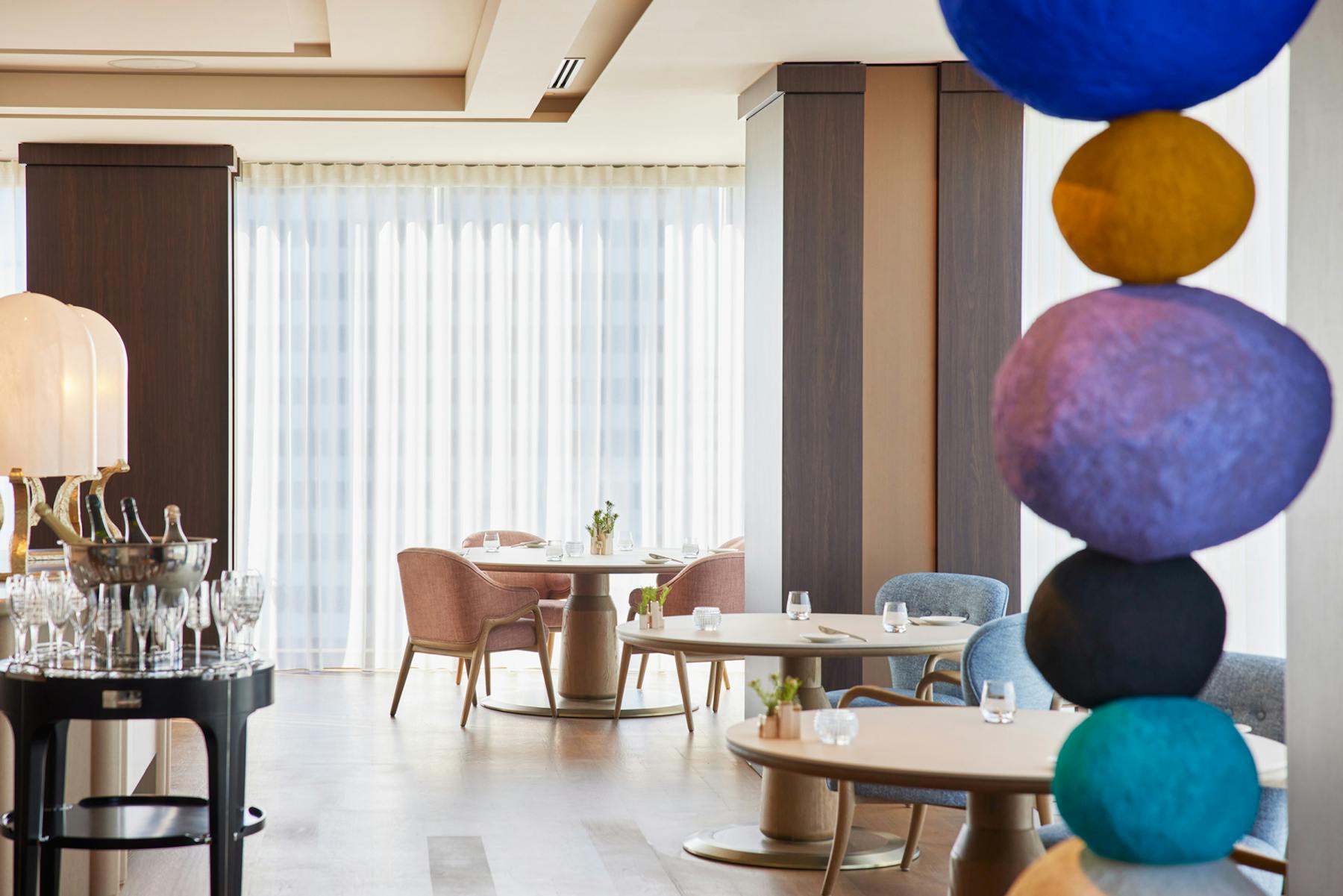
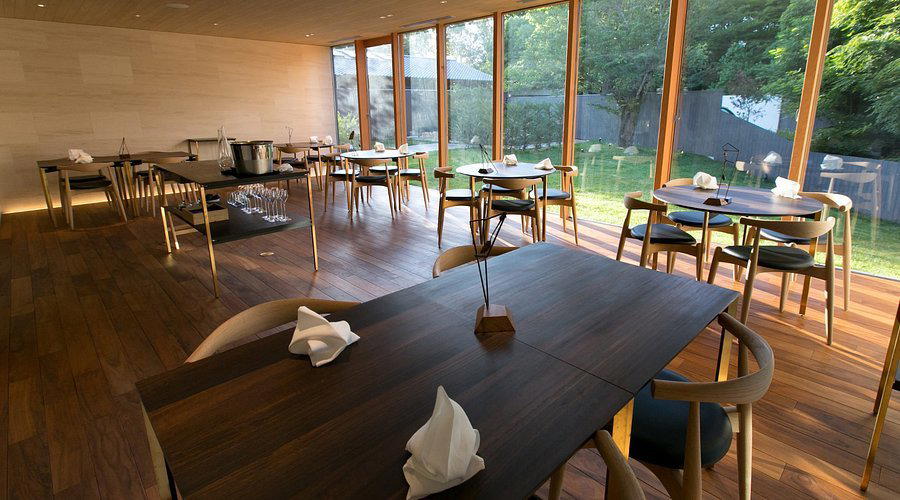
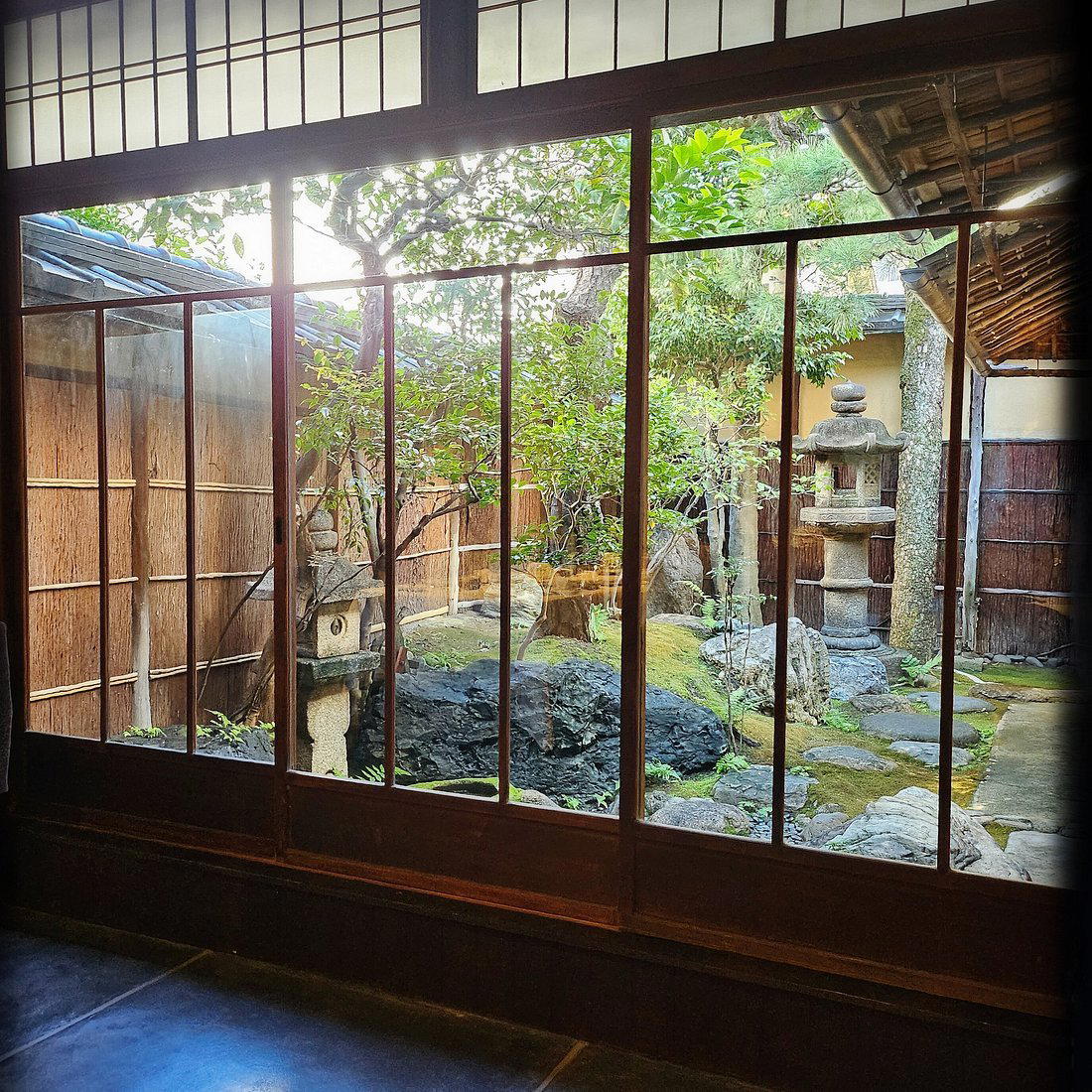
Ten Yokota sits at a residential address in Motoazabu, one of Tokyo's quieter, more considered dining neighbourhoods. The area draws a mix of embassy staff, expats, and Tokyo diners who prefer substance over scene. For a special occasion, that translates well: the atmosphere is unlikely to feel rushed or performative, and the intimacy of a counter-based omakase format means the meal is directed entirely at the people sitting in front of it.
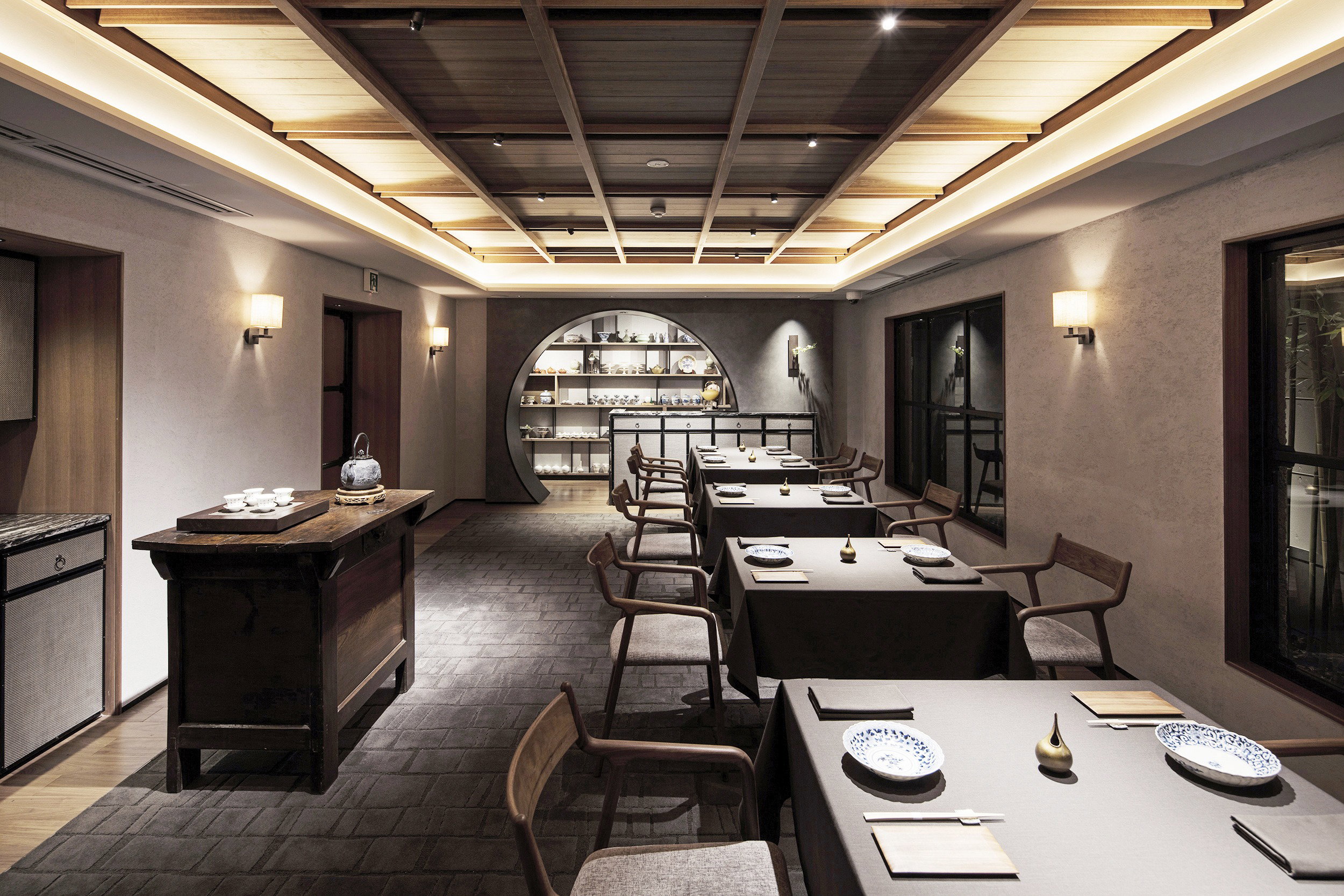
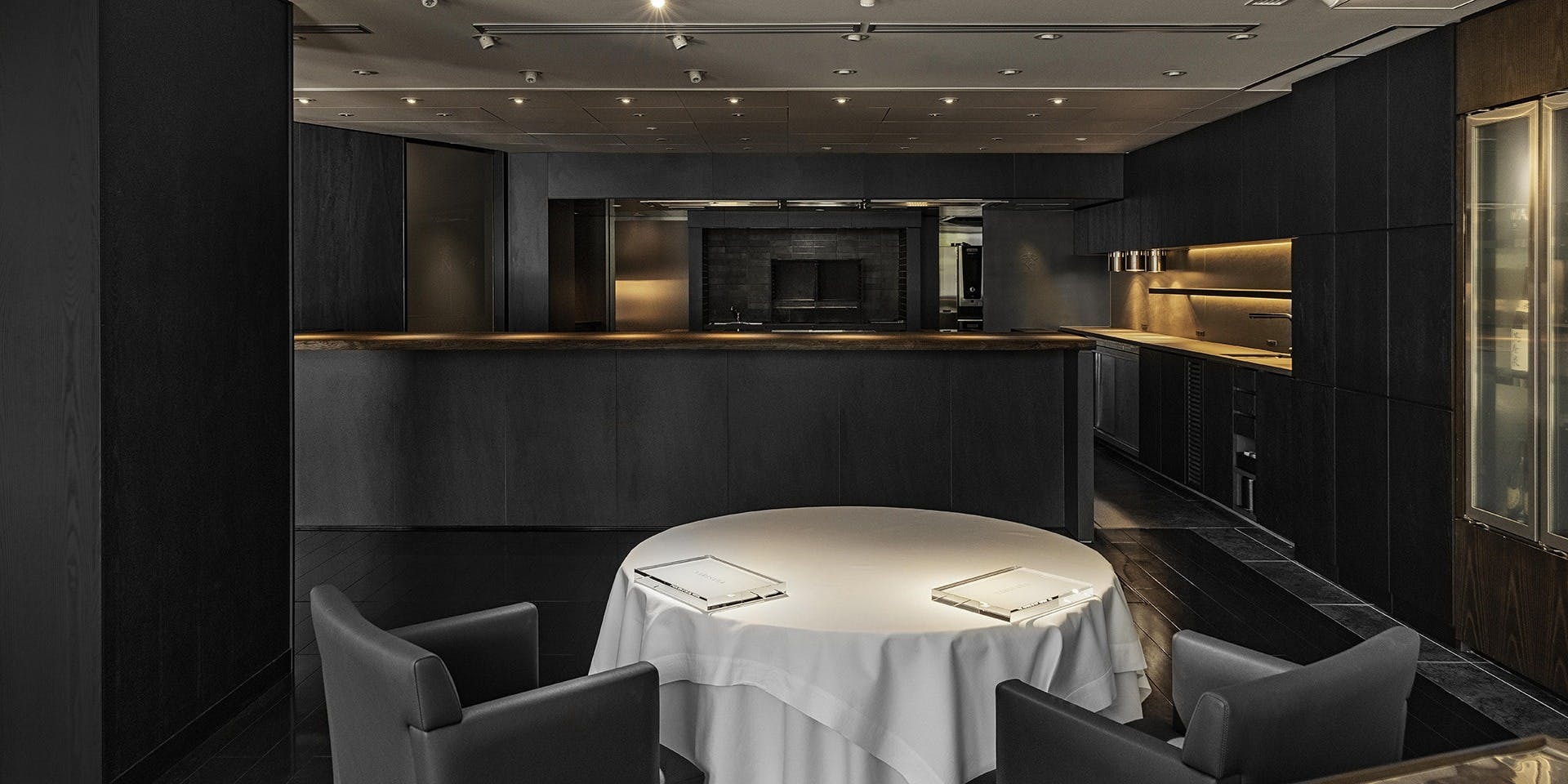
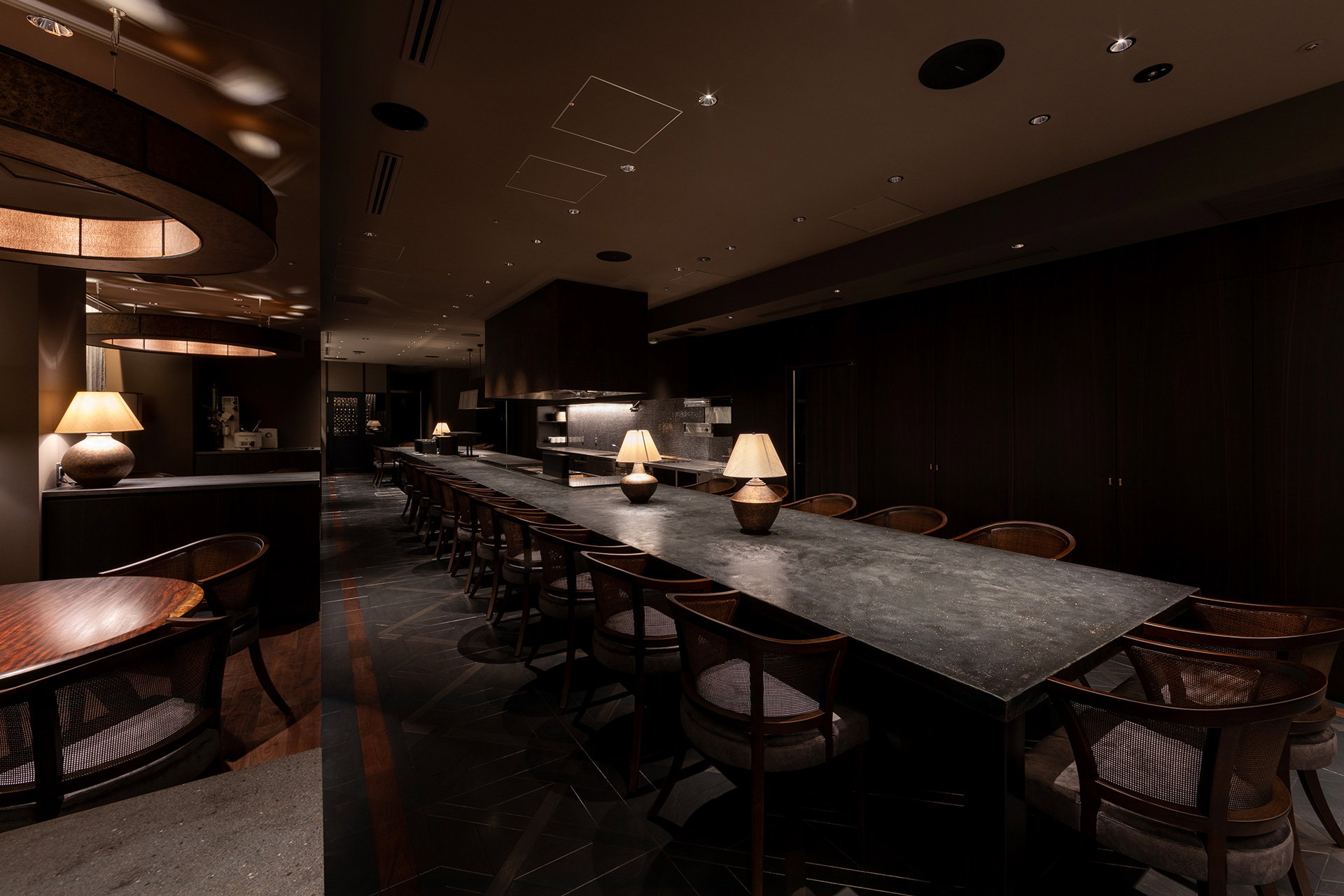
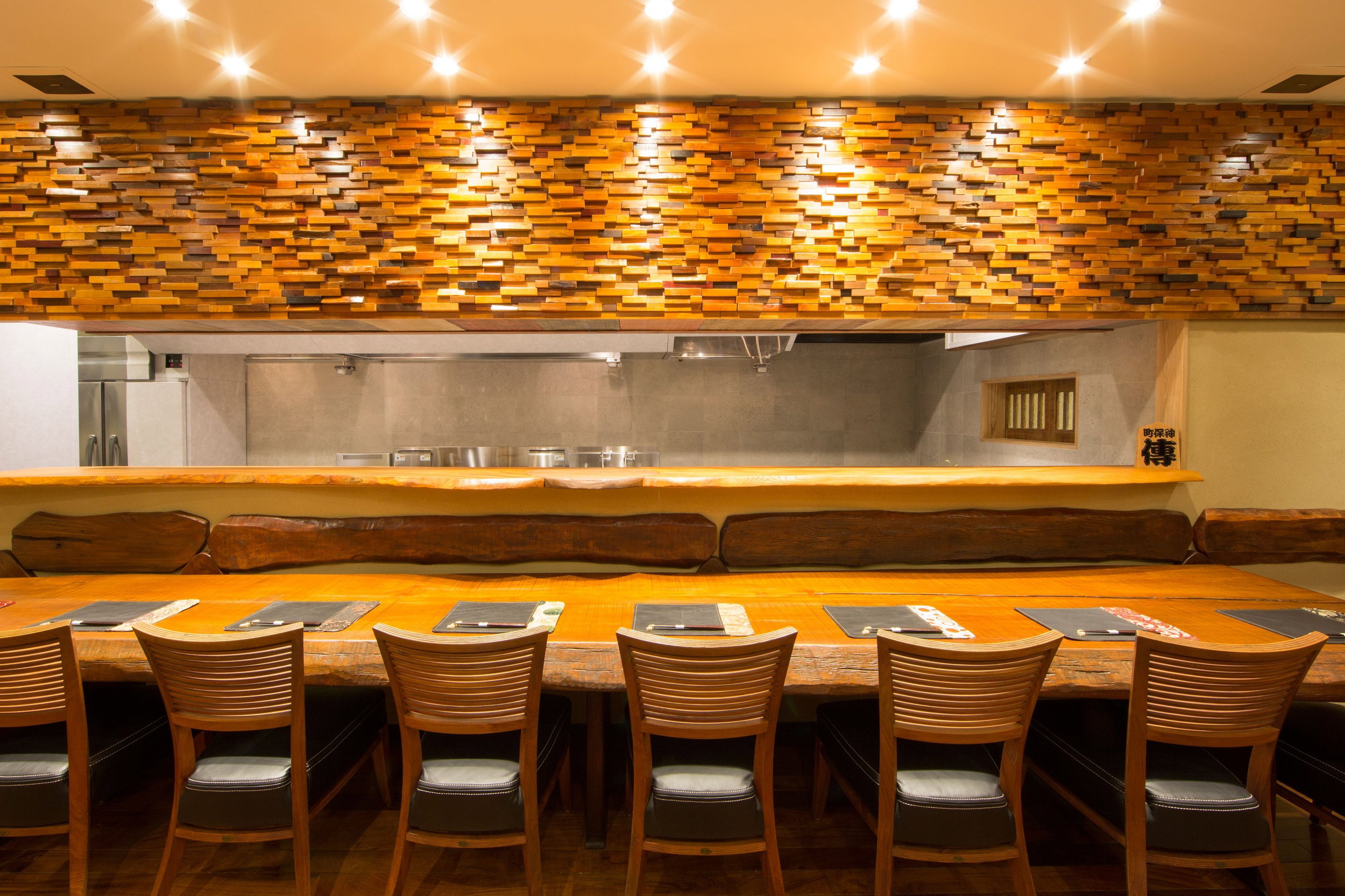
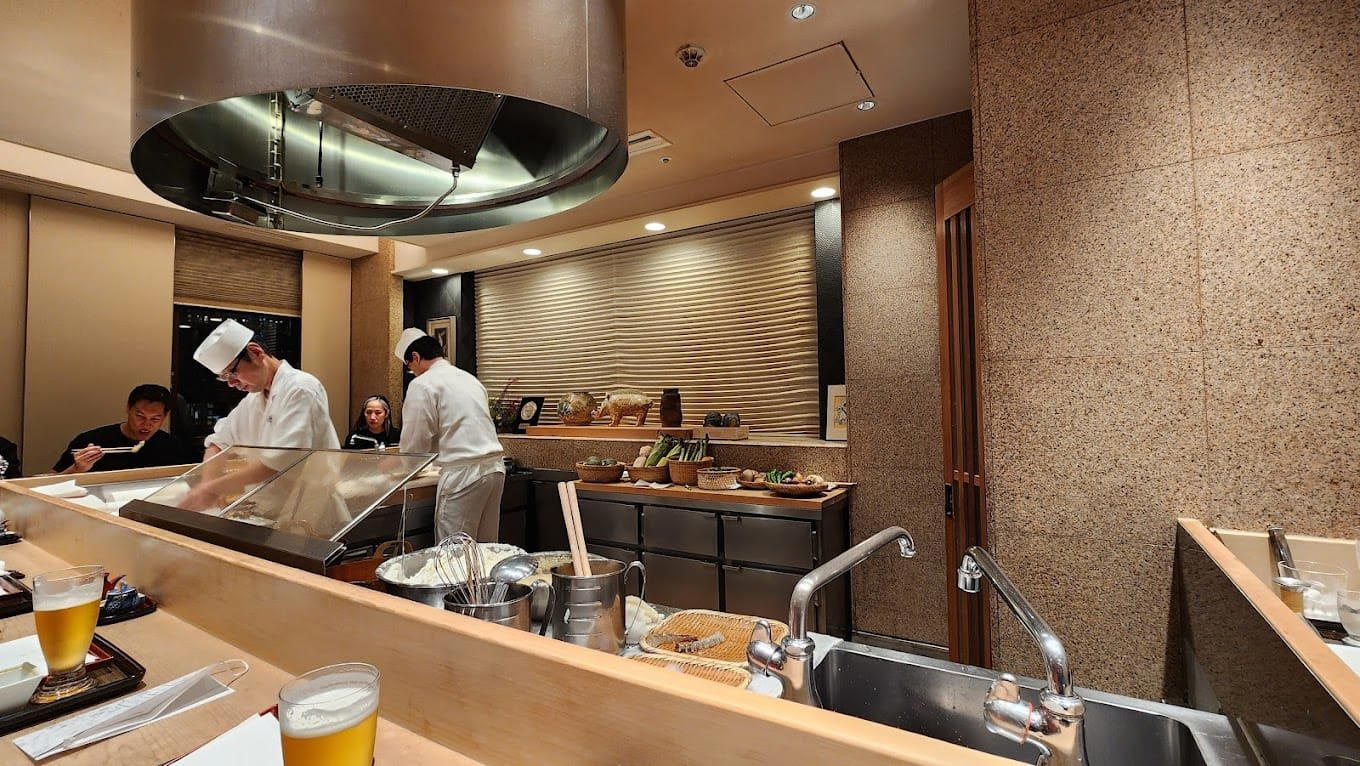
The physical setup follows the standard tempura counter model — a small room, a few seats facing the chef, oil and precision as the central spectacle. What distinguishes Ten Yokota spatially is that it is housed in a residential building (Kadoru Motoazabu 202), which signals a boutique scale rather than a polished restaurant-row operation. For a date or a private dinner, this kind of low-key address often delivers a more genuine experience than a venue designed primarily around its own reputation.
The Menu: Shrimp-Forward and Intentional
The omakase menu at Ten Yokota is structured around a clear logic: shrimp is the recurring protagonist, appearing multiple times across the course of the meal, each time in a different form. The first shrimp piece is fried rare to draw out its natural sweetness. Later, shrimp viscera are concealed inside a subsequent piece, adding depth and fragrance. A stuffed shiitake mushroom pairs shrimp with mushroom in a way that brings contrasting textures together. The meal closes with kakiage, a mixed tempura of seafood and vegetables where shrimp appears one final time. You also choose a rice bowl to finish. Portion quantity can be adjusted to preference, which is useful to know if you are dining solo or have a smaller appetite.
This is not a kitchen that is trying to deconstruct tempura or reframe it as something else. The craft was passed down from the chef's father, and the approach is to work within that tradition while adding a small number of considered variations. For a special occasion, that kind of focused execution often delivers more satisfaction than a menu that spreads across a dozen different ideas.
Drinks Pairing at Ten Yokota
The venue data does not specify a wine list, sake program, or drinks pairing options for Ten Yokota. This is a meaningful gap to flag before you book, particularly for a celebration. Tokyo's better tempura counters typically offer sake pairings that are curated specifically for fried seafood and vegetable courses, the clean, mineral-forward profile of a good junmai daiginjo works well against the oil and delicate flavour of well-made tempura. If drinks are important to your evening, contact the restaurant directly before booking to confirm what is available. For a wine-forward special occasion in Tokyo, L'Effervescence or Florilège will serve you better on that specific dimension.
Booking
Booking difficulty is rated Hard. A Michelin one-star omakase counter in Motoazabu with no published phone number or website is not a venue you can book impulsively. You will need to research the current booking channel, third-party platforms such as Tableall, Omakase.com, or a hotel concierge are likely your leading routes. If you are travelling from outside Japan, use a concierge service or book well in advance. Waiting until the week of your trip is not a viable strategy.
Reservations: Book well in advance via third-party platform or hotel concierge. Budget: ¥¥¥ (mid-to-upper range for Tokyo tempura; below the ¥¥¥¥ tier of venues like Harutaka or RyuGin). Dress: No published dress code, but smart casual is standard for Michelin-starred counter dining in Tokyo. Occasion: Date night, celebration dinner, solo dining at the counter.
How It Fits Tokyo's Tempura Scene
Ten Yokota earns its star by delivering a clear, confident version of tempura rather than a comprehensive one. If you want a broader tempura comparison, Tempura Kondo and Tempura Motoyoshi are the obvious reference points in Tokyo's Michelin tempura tier. Tempura Ginya and Fukamachi are worth knowing as alternatives at different price points. For tempura outside Tokyo, Numata and Shunsaiten Tsuchiya in Osaka represent the craft in a different regional register. is a credible signal for a small counter, the sample size is modest, but the consistency implied by that score at a Michelin-starred venue carries weight.
For broader planning, see our full Tokyo restaurants guide, our Tokyo hotels guide, and our Tokyo bars guide. If your trip extends beyond Tokyo, HAJIME in Osaka, Gion Sasaki in Kyoto, and akordu in Nara are worth adding to your itinerary. Goh in Fukuoka, 1000 in Yokohama, and 6 in Okinawa round out Japan's regional dining picture. You can also explore Tokyo wineries and Tokyo experiences for the rest of your trip. And if you want another highly focused omakase counter with a strong local reputation, Edomae Shinsaku is worth your attention.
Planning details
- Location
- Japan, 〒106-0046 Tokyo, Minato City, Motoazabu, 3 Chome−10−5 カドル元麻布 202
- Website
- ten-yokota.com
- Phone
- +81 3-6721-0404
The take
The Take
The Vibe
Ten Yokota reads like a study in disciplined refinement. The room centers on a tempura omakase counter where technique and lineage are foregrounded: the chef inherits a family craft and makes small, purposeful interventions rather than broad reinventions. The kitchen's compositional choices — most notably the shrimp as a through-line that reappears in different preparations — signal an intellectual approach to tasting sequences as much as culinary precision. The Michelin recognition underscores the exacting standards; service is concentrated at the counter, and the overall mood favors quiet focus, measured pacing, and a refined, idea-driven hospitality.
Best For
This counter is best for diners seeking a concentrated, chef-directed tasting rather than a casual meal. It suits occasions that value precision and compositional storytelling — think date nights or special evenings when you want the kitchen to set the agenda. The format also works well for solo diners who appreciate close observation of technique and sequence, or very small parties comfortable with counter seating. Because the experience pivots on a deliberate cadence and recurring motifs (notably the shrimp arc), it's ideal for guests who enjoy culinary concept and restraint over loud, social dining.
Ordering Tips
Embrace the omakase structure and let the counter dictate pace and composition: the menu intentionally returns to shrimp in multiple guises, culminating in a kakiage finale. Signature moments to watch for include the prawn head and shrimp-stuffed mushroom, followed by the kakiagedon rice course — these are described as structural elements of the meal. Because the kitchen emphasizes disciplined, idea-driven interventions, expect precise timing and few surprises outside the chef's planned sequence; the best approach is to trust the counter and enjoy the narrative arc the team has composed.
Venue details
Ambiance
Cozy and inviting intimate counter seating with warm hospitality from the chef in a quiet residential setting.
Tags
Vibe
Best For
Experience
Sourcing
At the Table
- Dress Code
- Smart Casual
- Noise Level
- Quiet
- Service Style
- Formal
- Meal Pacing
- Leisurely
- Capacity
- Intimate
Signature Dishes
- prawn head
- mushroom stuffed with minced shrimp
- kakiagedon
Know before you go
Know Before You Go
- Getting there
- Japan, 〒106-0046 Tokyo, Minato City, Motoazabu, 3 Chome−10−5 カドル元麻布 202
Planning details
Location
Japan, 〒106-0046 Tokyo, Minato City, Motoazabu, 3 Chome−10−5 カドル元麻布 202 · Directions
Recognition and awards

Also consider
Also Consider
- Harutaka, Sushi, ¥¥¥¥
- RyuGin, Kaiseki, Japanese, ¥¥¥¥
- L'Effervescence, French, ¥¥¥¥
- HOMMAGE, Innovtive French, French, ¥¥¥¥
- Florilège, French, ¥¥¥
Restaurant context
Ten Yokota sits at ¥¥¥ with a Michelin one star, which puts it in a different category from most of the high-end Tokyo alternatives you might be weighing. Harutaka and RyuGin both operate at ¥¥¥¥ and require similar or greater booking effort. If your priority is the depth of a sake or wine pairing program alongside a multi-course meal, RyuGin's kaiseki format gives you more breadth, but at a considerably higher spend. Ten Yokota is the better choice when you want a tightly focused, single-craft experience rather than a comprehensive tasting across a dozen techniques.
L'Effervescence and HOMMAGE are both at ¥¥¥¥ and French in orientation, which means a stronger drinks program by default and a different atmosphere entirely. If the person you are dining with cares about wine more than tempura craft, either of those venues serves the occasion better. Florilège at ¥¥¥ is the closest price-tier match among the French-leaning options and offers a more wine-forward experience than Ten Yokota can confirm at this stage.
For a special occasion where the cuisine itself is the point and the budget sits at ¥¥¥, Ten Yokota is the strongest available argument for tempura in Tokyo at that tier. It books harder than Florilège but delivers a more specific, harder-to-replicate experience. If ease of booking matters more than singularity of craft, Florilège is the more pragmatic option. If you are committed to Japanese cuisine and want to spend less than you would at Harutaka or RyuGin, Ten Yokota is where to book.
Explore Tokyo
Around this place
Discover more on Pearl
Unlock the full Ten Yokota guide in Pearl, including awards, comparisons, FAQs, planning details, and nearby places.
Compare Ten Yokota
| Venue | Cuisine | Awards | Booking Difficulty |
|---|---|---|---|
| Ten Yokota | Tempura | 2026 OAD Top Restaurants in Japan Recommended2026 Michelin 1 StarTabelog 100 - Tempura - 2025 · #652024 Michelin 1 Star | Hard |
| Harutaka | Sushi | 2026 Tabelog Silver · #312026 OAD Top Restaurants in Japan Ranked · #1282026 Michelin 3 Stars2026 La Liste Top RestaurantsTabelog 100 - Sushi - TOKYO - 2025 · #372025 Asia's 50 Best Restaurants · #762025 OAD Top Restaurants in Japan Ranked · #1172025 La Liste Top Restaurants2025 Tabelog Bronze | Unknown |
| RyuGin | Kaiseki, Japanese | 2026 OAD Top Restaurants in Japan Ranked · #802026 Tabelog Bronze · #3772026 Michelin 3 Stars2026 La Liste Top RestaurantsTabelog 100 - Japanese cuisine - TOKYO - 2025 · #212025 OAD Top Restaurants in Japan Ranked · #542025 Michelin 3 Stars2025 La Liste Top Restaurants2025 The Best Chef Three Knives | Unknown |
| L'Effervescence | French | 2026 Tabelog Silver · #682026 OAD Top Restaurants in Japan Ranked · #103Star Wine Lists 20262026 Black Pearl 2 Diamond2026 Relais Chateaux Restaurants2026 La Liste Top Restaurants2026 Michelin 3 Stars2025 Asia's 50 Best Restaurants · #692025 OAD Top Restaurants in Japan Ranked · #92 | Unknown |
| HOMMAGE | Innovtive French, French | 2026 Tabelog Bronze · #1232026 OAD Top Restaurants in Japan Highly Recommended2026 Michelin 2 StarsTabelog 100 - French - TOKYO - 2025 · #762025 Asia's 50 Best Restaurants · #782025 OAD Top Restaurants in Japan Ranked · #1752025 Michelin 2 Stars2025 The Best Chef One Knife2025 La Liste Top Restaurants | Unknown |
| Florilège | French | 2026 Asia's 50 Best Restaurants · #312026 Tabelog Bronze · #712026 OAD Top Restaurants in Japan Ranked · #1242026 Black Pearl 1 Diamond2026 Michelin 2 Stars2026 La Liste Top Restaurants2025 Asia's 50 Best Restaurants · #172025 World's 50 Best Restaurants · #36Tabelog 100 - French - TOKYO - 2025 · #68 | Unknown |











How Ten Yokota stacks up against the competition.
FAQ
Frequently Asked Questions
Is Ten Yokota good for solo dining?
Yes, solo dining is well-suited to the omakase counter format. A Michelin one-star tempura counter in a residential Motoazabu building is exactly the kind of venue where a solo diner gets full engagement with the progression of the meal. The shrimp-led menu has a clear narrative arc that works best when you can follow it without distraction.
Is Ten Yokota worth the price?
At the ¥¥¥ tier, Ten Yokota delivers a focused, intentional omakase built around a family-inherited tempura craft and a 2024 Michelin star. The value case is strongest if you want a clear point of view rather than a comprehensive survey of ingredients. If you want variety across proteins and produce, a broader tempura counter may give you more for the same spend.
Can I eat at the bar at Ten Yokota?
The omakase format at Ten Yokota implies counter seating as the primary dining mode, which is standard for single-chef tempura restaurants at this level. There is no published à la carte option in the venue data, so the counter and the set menu are effectively the same thing here.
Is the tasting menu worth it at Ten Yokota?
Yes, specifically if shrimp-focused tempura interests you. The omakase is structured around shrimp appearing in multiple forms across the meal, from rare-fried pieces designed to draw out sweetness to kakiage at the close. The menu reflects inherited craft with deliberate, restrained creativity. If you want a broader tempura omakase with wider ingredient range, compare other Michelin-starred tempura counters in Tokyo before booking.
What should I wear to Ten Yokota?
The venue data does not specify a dress code. For a Michelin one-star counter in Motoazabu, a neighbourhood that draws embassy staff and experienced Tokyo diners, neat and considered clothing is appropriate. Avoid anything too casual; this is not a setting where shorts and trainers fit the room.