


Tempura Maehira
Tempura · Minato, Tokyo
Restaurant in Tokyo, Japan
 Book with Pearl
The Read
Sequenced Oil Precision
Price
¥¥¥
Chef
Tomokazu Maehira
Dress
Smart Casual
Why go
Tempura Maehira holds a Michelin star (2024) and ranks among Japan's top 500 on OAD, with a deliberately sequenced tasting progression that moves from light fish through vegetables to shrimp, finishing with a seasonal rice course. At ¥¥¥, it offers Michelin-level tempura at a lower price than most comparable Tokyo counters. Hard to book — plan three to four weeks ahead.
About Tempura Maehira
Verdict: Book This If You Want a Michelin-Starred Tempura Progression Worth Tracking Course by Course
Tempura Maehira holds a Michelin star (2024) and ranks #458 on the Opinionated About Dining Leading Restaurants in Japan list for 2024. For a ¥¥¥ price point, that combination is strong: you are getting formally recognised tempura craftsmanship at a price tier below many of Tokyo's comparable counter-dining experiences. If you are visiting Tokyo and want to understand what separates serious tempura from the everyday version, this Azabujuban restaurant is a credible first choice. If you are chasing the absolute pinnacle of the category regardless of price, note that some competitors sit at ¥¥¥¥. But for the value equation, Maehira is hard to beat.
The Room and the Setup
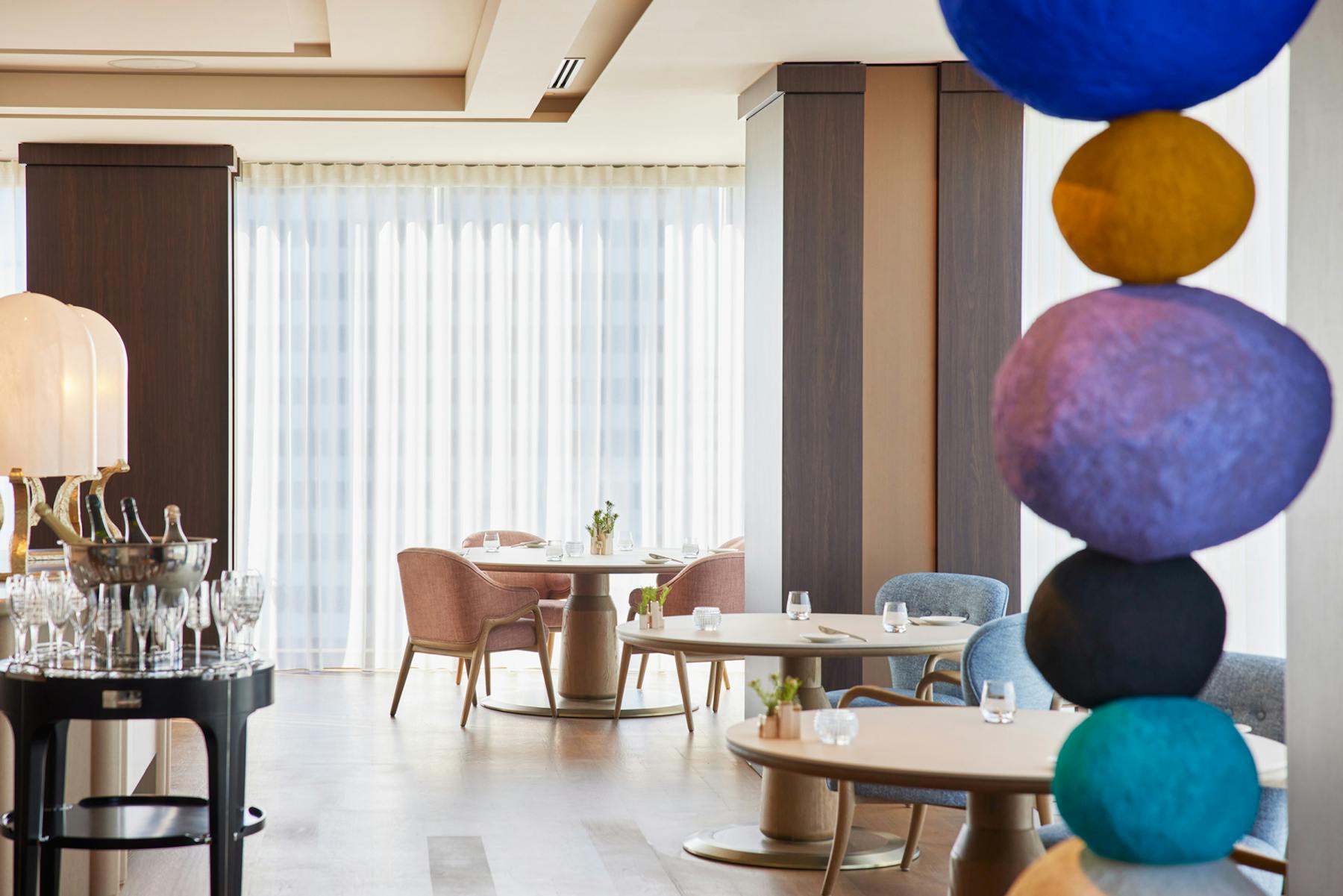
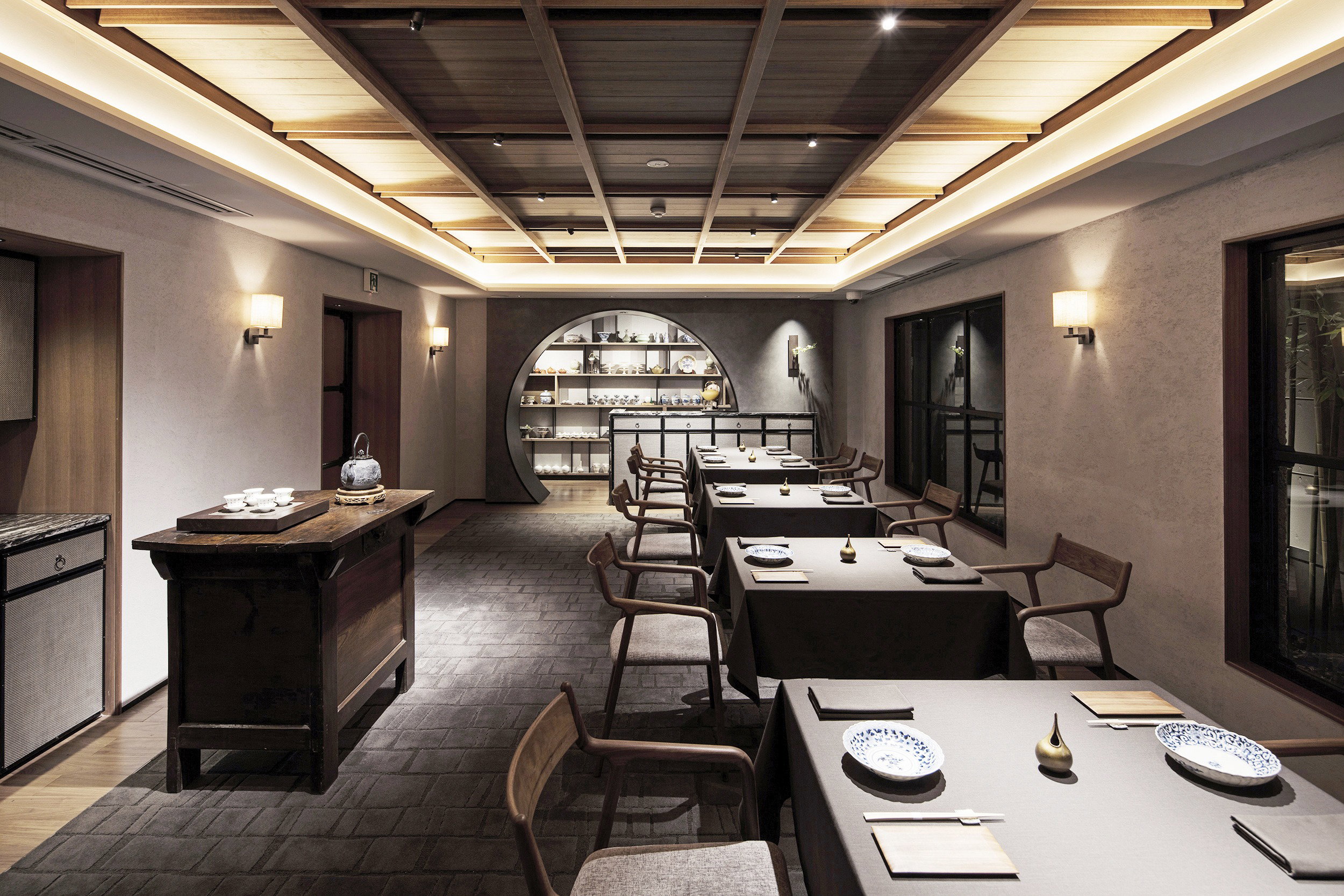
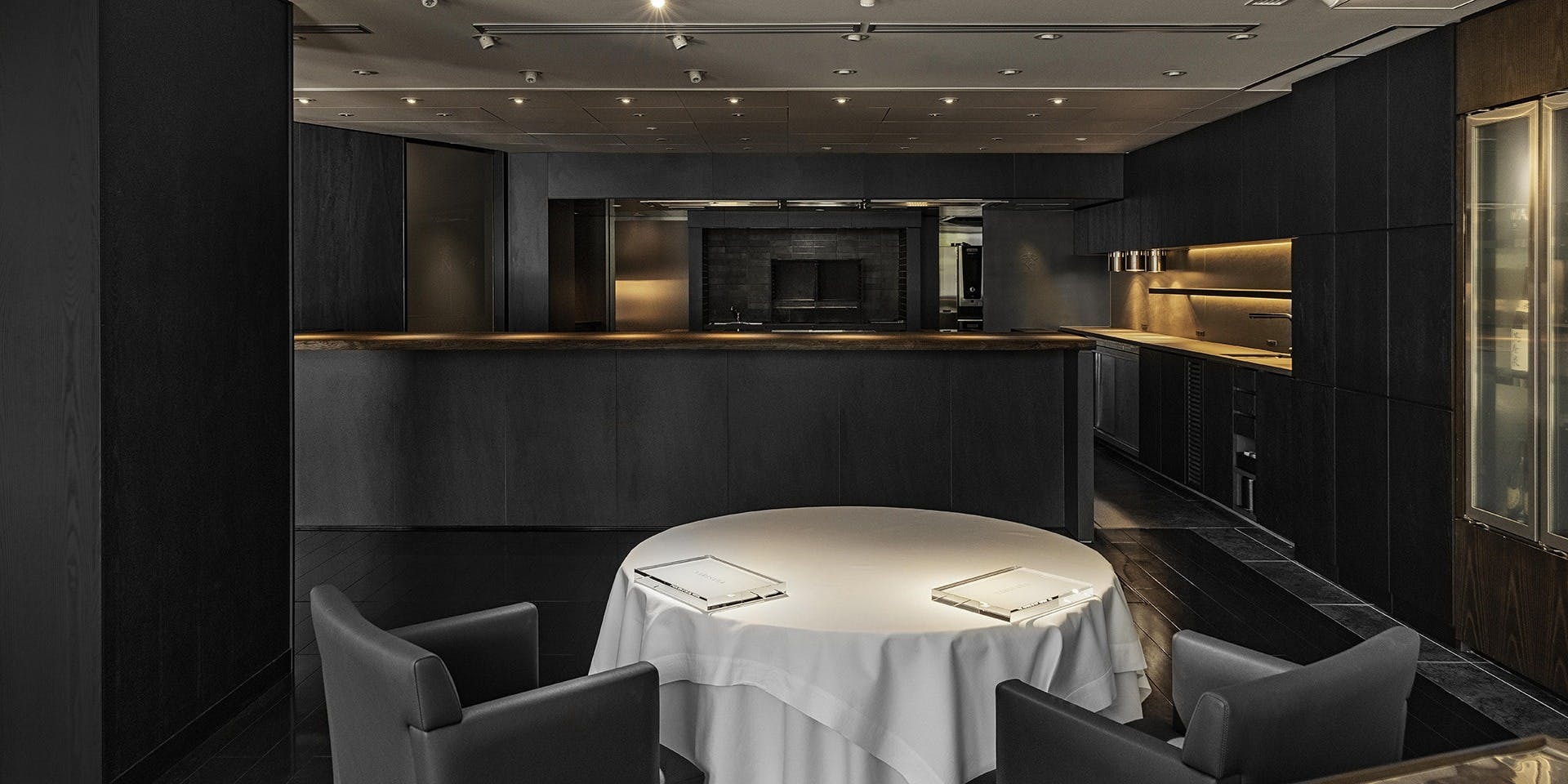
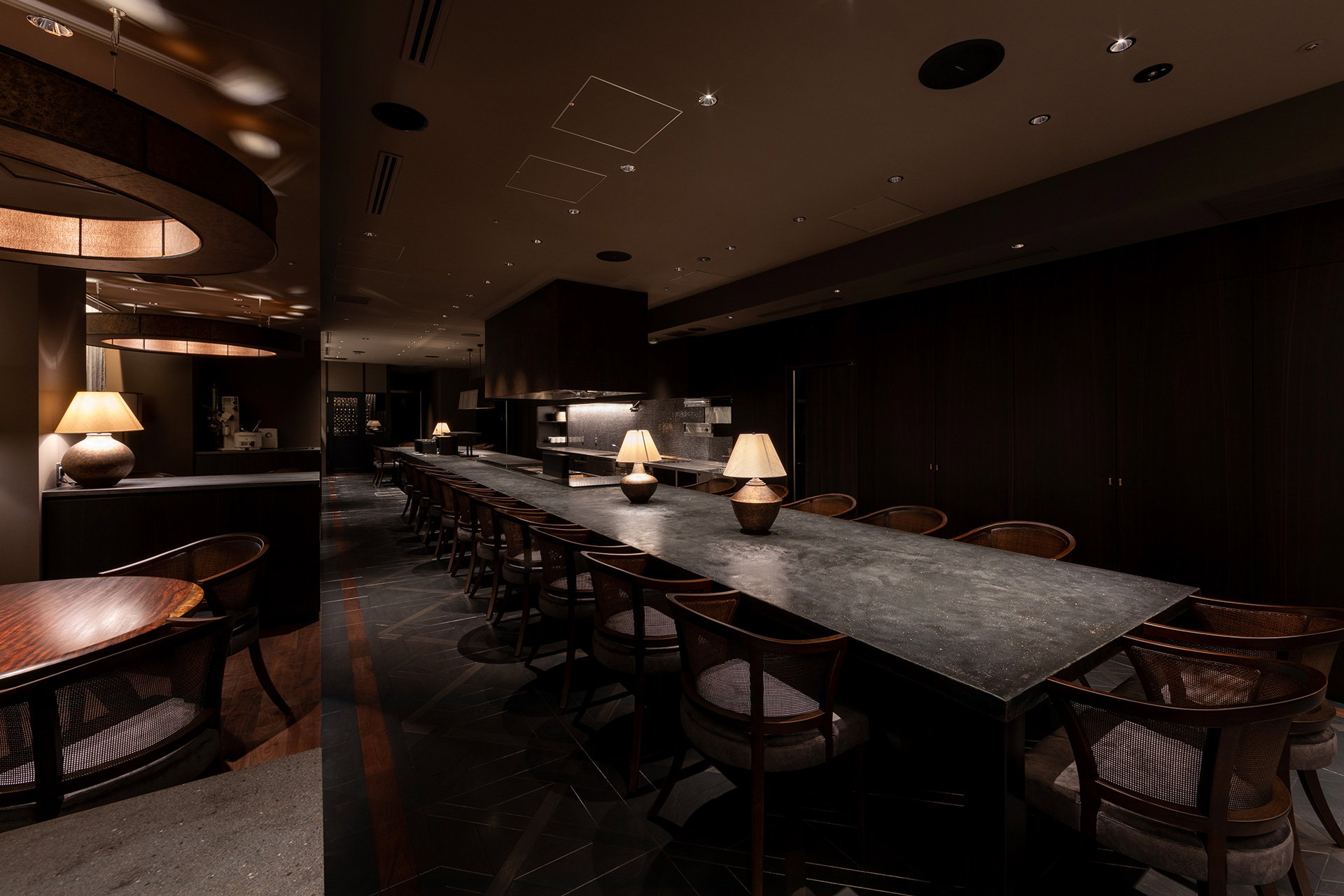
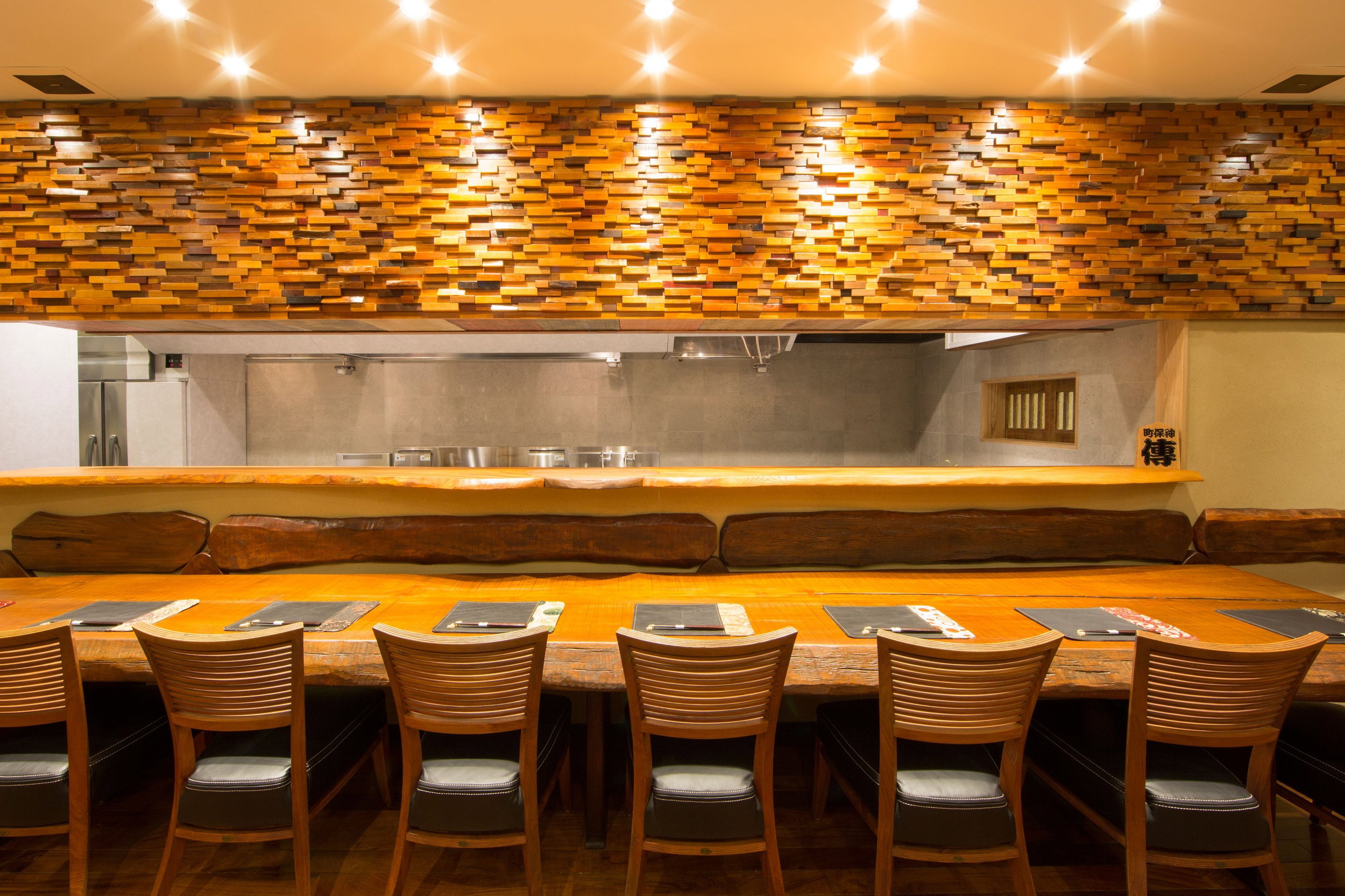
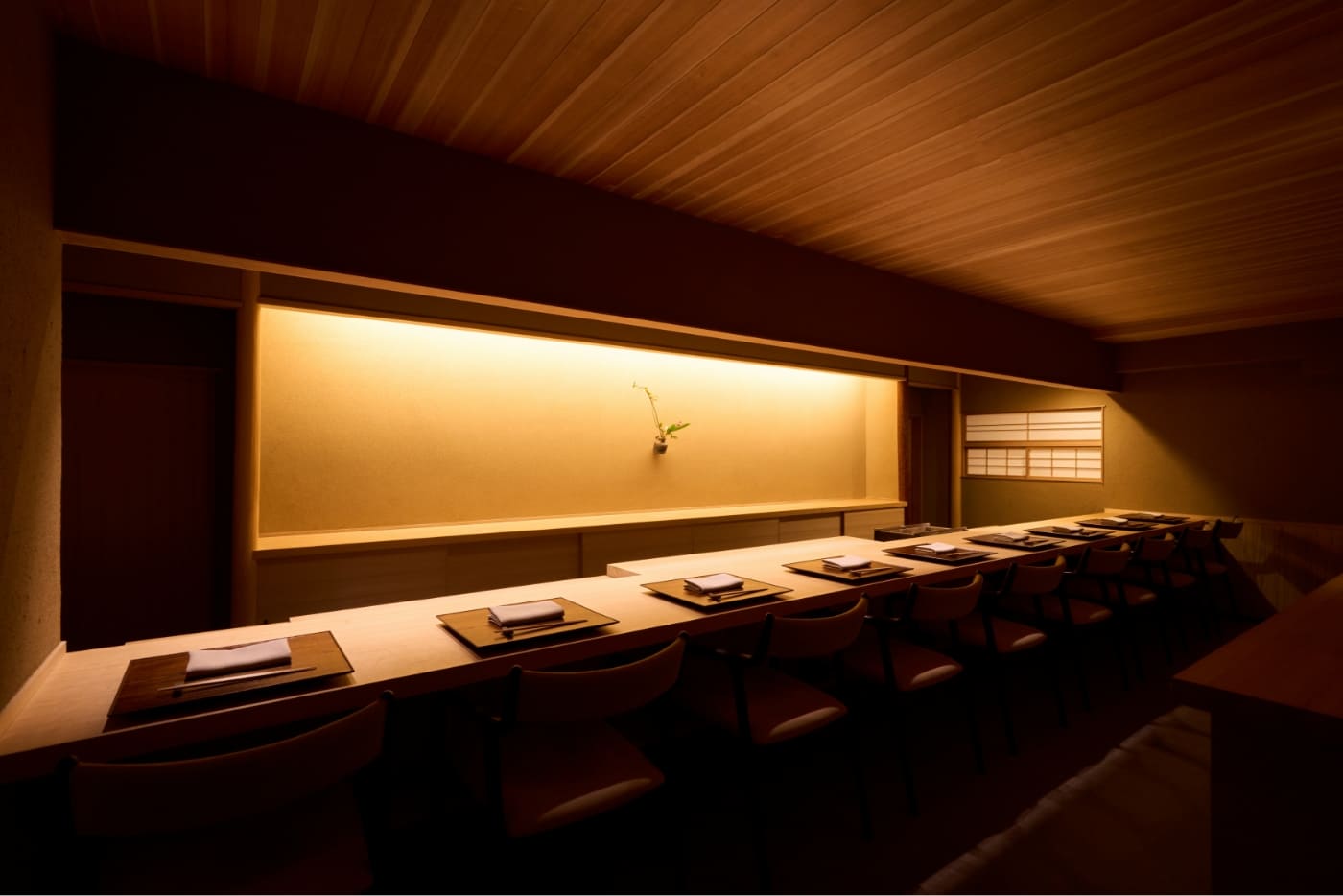
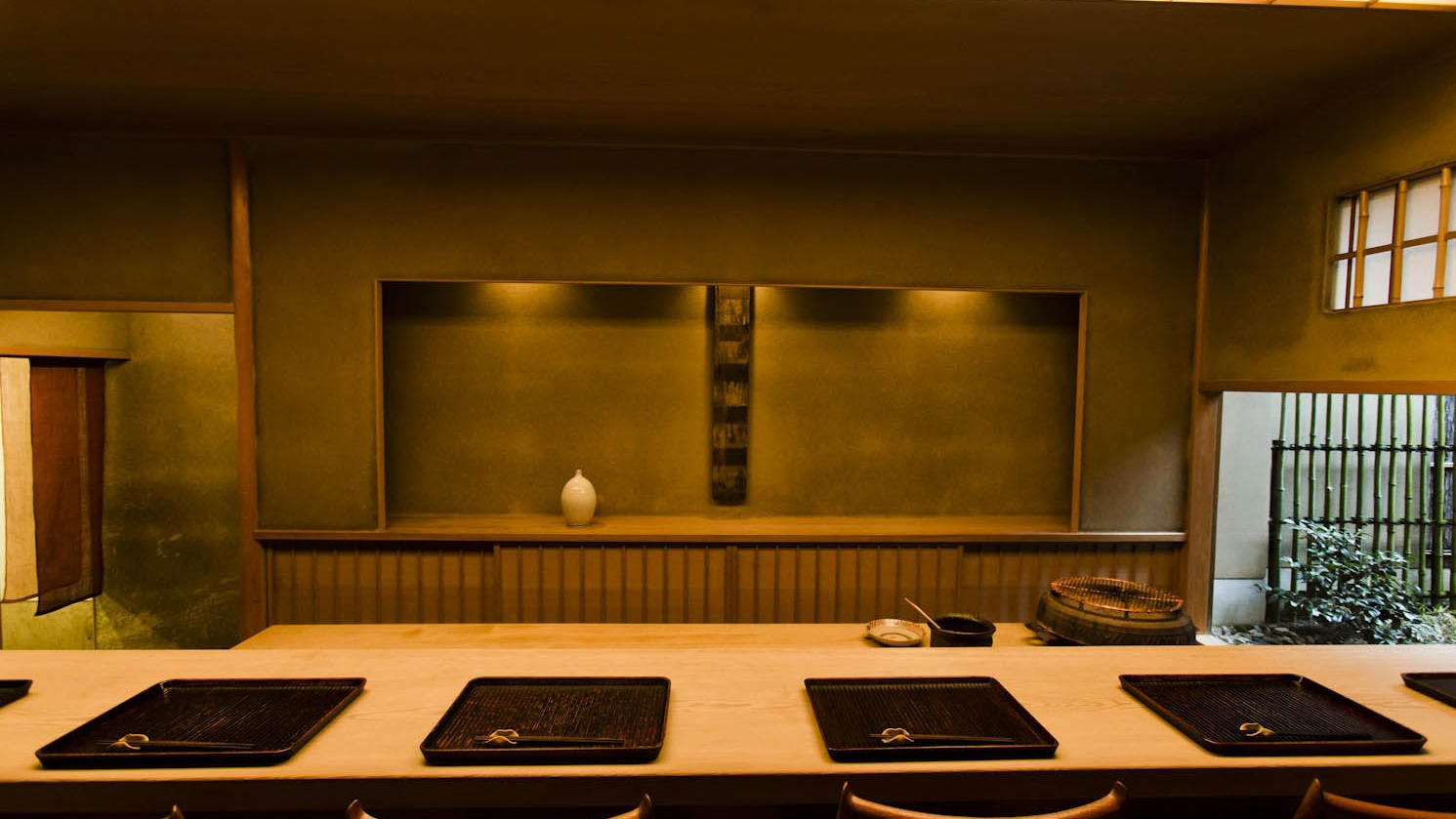
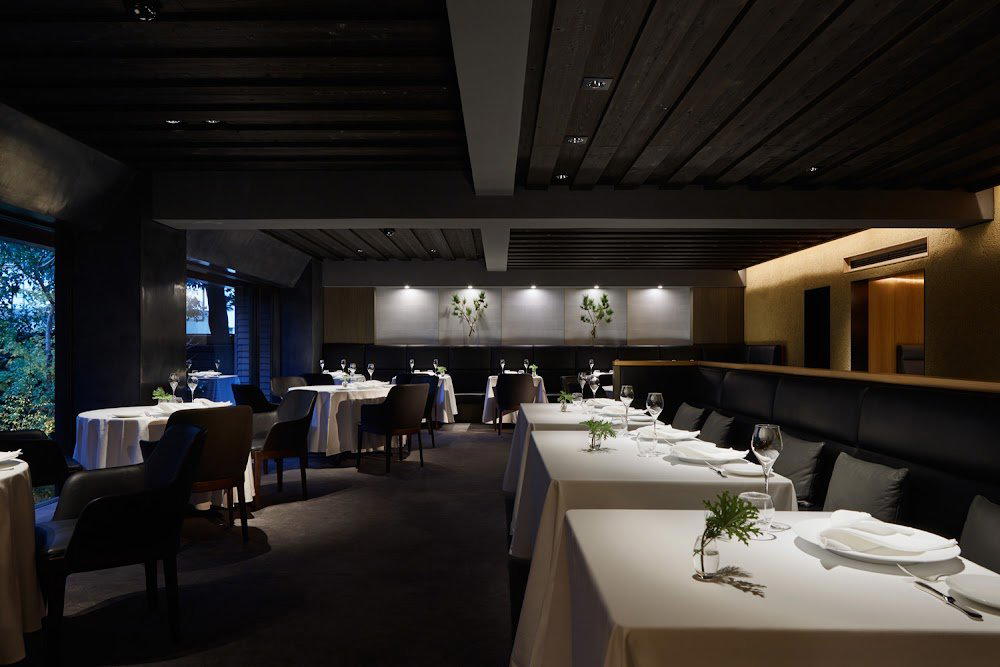
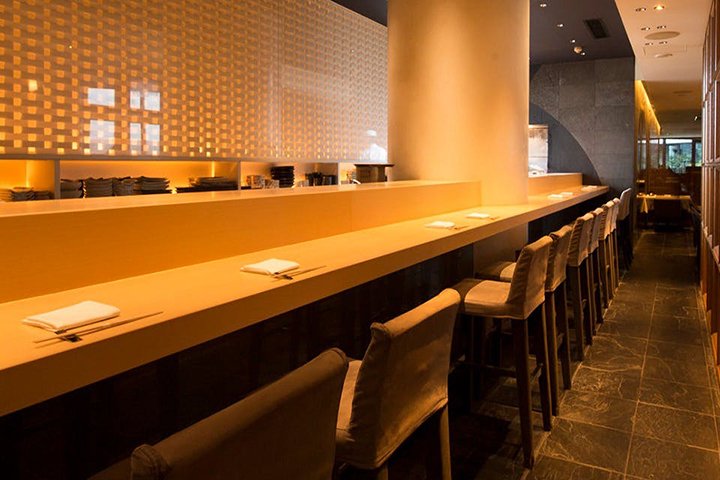
Tempura Maehira occupies the fourth floor of a building in Azabujuban, one of Tokyo's quieter, more residential neighbourhoods with a concentrated dining culture. Fourth-floor counter restaurants in this part of the city tend to be intimate by design: small, focused, and stripped of the distractions you find at street-level operations. The format here is a chef's counter, which means you are watching the frying happen in real time. For a first-timer, that is useful: you can see the oil temperature management, the timing between batches, and the sequencing of ingredients as they move from lighter to stronger flavours. The space is not flashy. Come expecting a room built around the work, not around the décor.
How the Tasting Progression Works
The structure of the meal at Tempura Maehira is the main reason to book it. According to the Michelin recognition, the progression is deliberate and architectured: the meal opens with light-flavoured fish, moves through vegetables, and builds toward shrimp. This is not arbitrary sequencing. In serious tempura, the flavour arc is the point. Starting with delicate fish allows the palate to register subtle differences before heavier umami compounds accumulate. Vegetables serve as the pivot. Shrimp, with its sweetness and density, works better late in the sequence when the palate has calibrated.
The oil choices reinforce this architecture. Lighter-flavoured pieces are fried in roasted sesame oil, which adds umami depth without dominating. Stronger-flavoured items are fried in cold-pressed sesame oil, which is cleaner and lets the ingredient speak. As a first-timer, you do not need to track this in real time, but knowing the logic means you will eat more attentively and appreciate why the progression lands the way it does.
Meal finishes with a seasonal flourish. In spring, that can mean temcha: clam tempura served atop rice and steeped in tea. In autumn, tembara: shredded sea bream tempura mixed into rice. These closings are not gimmicks. They are designed to bring the meal to a coherent seasonal conclusion. What you receive will depend on when you visit, which makes the experience genuinely different across the calendar year. If your visit falls during a seasonal transition, ask what the current closing course is when you book.
When to Go and How to Book
Tempura Maehira is open Monday through Saturday, 5:00 pm to 10:30 pm. It is closed on Sundays. With a Michelin star and a small counter format, availability is constrained. This is a hard booking: plan at least three to four weeks in advance, and be prepared that English-language reservation channels may be limited. If you are booking from outside Japan, a hotel concierge at a property with strong Tokyo connections is your most reliable path in. Arriving without a reservation is not a viable strategy for a room this size.
Practical Details at a Glance
| Detail | Tempura Maehira | Tempura Kondo | Tempura Motoyoshi |
|---|---|---|---|
| Price tier | ¥¥¥ | ¥¥¥¥ | ¥¥¥¥ |
| Michelin recognition | 1 Star (2024) | 2 Stars | 1 Star |
| Neighbourhood | Azabujuban | Ginza | Ginza |
| Booking difficulty | Hard | Very hard | Hard |
| Dinner only | Yes | Yes | Yes |
| Closed | Sunday | Sunday | Varies |
For more tempura in Tokyo, Tempura Ginya, Tempura Kondo, Tempura Motoyoshi, Edomae Shinsaku, and Fukamachi are all worth considering depending on your price point and neighbourhood. If you are building a full Tokyo itinerary, see our full Tokyo restaurants guide, our full Tokyo hotels guide, our full Tokyo bars guide, our full Tokyo wineries guide, and our full Tokyo experiences guide.
If you are travelling beyond Tokyo, the same commitment to Japanese culinary precision is on offer at HAJIME in Osaka, Gion Sasaki in Kyoto, akordu in Nara, Goh in Fukuoka, 1000 in Yokohama, and 6 in Okinawa. For tempura specifically outside Japan, Mudan Tempura in Taipei and Numata in Osaka are the closest peers worth checking.
FAQ
What should I wear to Tempura Maehira?
- Smart casual is the safe call. Azabujuban is not Ginza, and the fourth-floor counter format is intimate rather than formal, but a Michelin-starred dinner at a ¥¥¥ price point in Tokyo warrants effort. Avoid anything you would wear to a casual ramen stop. No specific dress code is confirmed in the venue data, but erring toward business casual will not be wrong.
Can Tempura Maehira accommodate groups?
- Counter-format restaurants in this category typically run small, which makes large groups difficult. No seat count is confirmed in the venue data, but based on the format and neighbourhood profile, parties of two to four are better suited than groups of six or more. If you are planning a group dinner, contact the restaurant directly before booking to confirm capacity. Tokyo's Michelin-starred counter restaurants rarely flex for large parties without prior arrangement.
What should I order at Tempura Maehira?
- There is no a la carte decision to make here. The meal follows a set progression: light fish first, then vegetables, then shrimp, closing with a seasonal rice course. Chef Tomokazu Maehira controls the sequence. Your job as a first-timer is to eat in order and pay attention to how the oil choice changes across courses. The seasonal closing course (temcha in spring, tembara in autumn) is the detail worth asking about when you book, since it signals what the kitchen is currently doing.
What are alternatives to Tempura Maehira in Tokyo?
- Tempura Kondo (¥¥¥¥, 2 Michelin stars, Ginza) is the step up if budget is not a constraint. Tempura Motoyoshi (¥¥¥¥, 1 Michelin star) offers a comparable experience at a higher price point, also in Ginza. Fukamachi and Tempura Ginya are worth checking if you want variety across the category at different price tiers. Maehira is the strongest argument in the ¥¥¥ range with Michelin recognition.
Is Tempura Maehira worth the price?
- Yes, for what you are getting. A Michelin star and an OAD Top 500 ranking at ¥¥¥ pricing is a strong value proposition relative to peers like Tempura Kondo and Tempura Motoyoshi, which charge ¥¥¥¥ for comparable or only marginally higher recognition. The structured tasting progression and seasonal closings add genuine depth to the experience. If your priority is the leading tempura credentials for the lowest relative spend in Tokyo, this is a direct answer.
Is Tempura Maehira good for a special occasion?
- Yes, with conditions. The counter format is intimate, the meal has a clear narrative arc, and the Michelin star gives the evening a recognisable significance. What it is not: a room designed for loud celebration. A birthday or anniversary dinner for two works well here. A work celebration for eight does not. The seasonal closing course gives the meal a memorability that generic restaurant dinners rarely deliver, which matters for occasions where the detail of the meal will be discussed afterward.
Planning details
- Hours
- Monday: 5–10:30 pm · Tuesday: 5–10:30 pm
- Location
- Japan, 〒106-0045 Tokyo, Minato City, Azabujuban, 2 Chome−8−16 ISIビル 4F
- Website
- tempura-maehira.myconciergejapan.net
- Phone
- +81 3-6435-1996
The take
The Take
The Vibe
Tempura Maehira centers on the precision and ritual of counter dining. The experience reads like a focused theatre: the chef fries and portions directly in front of guests, handing pieces across as they emerge from the oil. The writing situates the restaurant within Tokyo's tempura tradition and underscores operational exactness — from sequencing to temperature control — lending a classic, measured atmosphere. Housed on the fourth floor in a quieter residential pocket of Azabu-Juban, the room skews calm and contemplative, encouraging diners to follow the chef's rhythm and to treat the meal as a deliberately paced tasting.
Best For
This is a restaurant built around a single, choreographed counter service, and it suits diners looking for a focused, formal tasting experience. Maehira's Michelin star and counter format make it a natural choice for special evenings when the quality of technique and sequence matters — think date nights or milestone dinners where the service and timing are central to the enjoyment. The intimate counter seating and the chef's front-of-house role make it less suited to boisterous groups and better for parties that want to be engaged by the meal as it unfolds.
Ordering Tips
Sit at the counter and let the chef set the pace: pieces come out of the oil and are handed directly to guests, with the sequence adjusted by season and table needs. Note the deliberate use of two sesame oils — roasted sesame oil for lighter-flavoured fish early in the sequence and cold-pressed sesame oil for stronger items later — so trust the progression rather than altering order. Expect a continuous, hot-to-plate flow rather than traditional pass-through plating; remain receptive to the chef's rhythm for the best experience.
Venue details
Ambiance
Intimate counter-only space with a calm, traditional atmosphere focused on the chef's craft.
Tags
Vibe
Best For
Experience
At the Table
- Dress Code
- Smart Casual
- Noise Level
- Quiet
- Service Style
- Formal
- Meal Pacing
- Leisurely
- Capacity
- Intimate
Signature Dishes
- young scallion tempura
- baby scallop tempura
Know before you go
Know Before You Go
- Getting there
- Japan, 〒106-0045 Tokyo, Minato City, Azabujuban, 2 Chome−8−16 ISIビル 4F
Planning details
Hours
- Monday
- 5–10:30 pm
- Tuesday
- 5–10:30 pm
- Wednesday
- 5–10:30 pm
- Thursday
- 5–10:30 pm
- Friday
- 5–10:30 pm
- Saturday
- 5–10:30 pm
- Sunday
- Closed
Location
Japan, 〒106-0045 Tokyo, Minato City, Azabujuban, 2 Chome−8−16 ISIビル 4F · Directions
Recognition and awards

Also consider
Also Consider
- Harutaka, Sushi, ¥¥¥¥
- L'Effervescence, French, ¥¥¥¥
- RyuGin, Kaiseki, Japanese, ¥¥¥¥
- HOMMAGE, Innovtive French, French, ¥¥¥¥
- Crony, Innovative, French, ¥¥¥¥
Restaurant context
Tempura Maehira sits at ¥¥¥ with a single Michelin star. The most direct tempura comparison in Tokyo is Tempura Kondo, which carries two Michelin stars and a ¥¥¥¥ price point in Ginza. Kondo is the better choice if the highest technical credential in the category is your priority and price is secondary. Maehira is the better choice if you want Michelin-validated tempura without stepping up to the ¥¥¥¥ tier. The gap in recognition (one star versus two) is real, but for most diners it will not be perceptible in the plate.
If you are weighing Tempura Maehira against Tokyo's broader fine-dining options at ¥¥¥¥, the comparison changes. RyuGin delivers kaiseki at a higher price and with deeper seasonal complexity across the full menu. L'Effervescence and HOMMAGE offer French-influenced tasting menus at ¥¥¥¥ for diners who want more format variety than a single-ingredient counter allows. Crony is worth considering if you want innovative cooking in a more relaxed register. None of these is a direct substitute for Maehira: tempura as a format is specific, and if that is what you are booking, Maehira is the clearest value argument in the Michelin-recognised tier.
On booking difficulty, Maehira is hard but not impossible with advance planning. RyuGin and Harutaka at ¥¥¥¥ tend to be comparable or harder to secure. If your Tokyo dates are fixed and you cannot get Maehira, Tempura Ginya and Edomae Shinsaku are worth checking as fallback options in the tempura category before you move to a different cuisine entirely.
Explore Tokyo
Around this place
Discover more on Pearl
Unlock the full Tempura Maehira guide in Pearl, including awards, comparisons, FAQs, planning details, and nearby places.
Compare Tempura Maehira
| Venue | Cuisine | Price | Awards | Booking Difficulty |
|---|---|---|---|---|
| Tempura Maehira | Tempura | ¥¥¥ | 2026 Michelin 1 StarTabelog 100 - Tempura - 2025 · #572024 OAD Top Restaurants in Japan Ranked · #4582024 Michelin 1 Star | Hard |
| Harutaka | Sushi | ¥¥¥¥ | 2026 Tabelog Silver · #312026 OAD Top Restaurants in Japan Ranked · #1282026 Michelin 3 Stars2026 La Liste Top RestaurantsTabelog 100 - Sushi - TOKYO - 2025 · #372025 Asia's 50 Best Restaurants · #762025 OAD Top Restaurants in Japan Ranked · #1172025 La Liste Top Restaurants2025 Tabelog Bronze | Unknown |
| L'Effervescence | French | ¥¥¥¥ | 2026 Tabelog Silver · #682026 OAD Top Restaurants in Japan Ranked · #103Star Wine Lists 20262026 Black Pearl 2 Diamond2026 Relais Chateaux Restaurants2026 La Liste Top Restaurants2026 Michelin 3 Stars2025 Asia's 50 Best Restaurants · #692025 OAD Top Restaurants in Japan Ranked · #92 | Unknown |
| RyuGin | Kaiseki, Japanese | ¥¥¥¥ | 2026 OAD Top Restaurants in Japan Ranked · #802026 Tabelog Bronze · #3772026 Michelin 3 Stars2026 La Liste Top RestaurantsTabelog 100 - Japanese cuisine - TOKYO - 2025 · #212025 OAD Top Restaurants in Japan Ranked · #542025 Michelin 3 Stars2025 La Liste Top Restaurants2025 The Best Chef Three Knives | Unknown |
| HOMMAGE | Innovtive French, French | ¥¥¥¥ | 2026 Tabelog Bronze · #1232026 OAD Top Restaurants in Japan Highly Recommended2026 Michelin 2 StarsTabelog 100 - French - TOKYO - 2025 · #762025 Asia's 50 Best Restaurants · #782025 OAD Top Restaurants in Japan Ranked · #1752025 Michelin 2 Stars2025 The Best Chef One Knife2025 La Liste Top Restaurants | Unknown |
| Crony | Innovative, French | ¥¥¥¥ | 2026 Asia's 50 Best Restaurants · #34Star Wine Lists 20262026 OAD Top Restaurants in Japan Recommended2026 Michelin 2 Stars2025 Asia's 50 Best Restaurants · #30Tabelog 100 - French - TOKYO - 2025 · #782025 OAD Top Restaurants in Japan Ranked · #227We're Smart World Top Restaurants 20252025 Michelin 2 Stars | Unknown |












How Tempura Maehira stacks up against the competition.
FAQ
Frequently Asked Questions
What should I wear to Tempura Maehira?
There is no published dress code, but a Michelin-starred counter in Azabujuban warrants business casual at minimum. Tokyo's fine dining crowd trends toward neat, understated dress rather than formal attire. Avoid heavily scented cologne or perfume — at a tempura counter where the chef works in close proximity, fragrance interferes with the meal for everyone.
Can Tempura Maehira accommodate groups?
Counter-format tempura venues in Tokyo typically seat between 8 and 12 guests, so large groups are not the right fit here. Parties of two are the standard booking unit at this kind of venue. If you are planning for four or more, confirm availability directly — the counter format means the chef controls pace for everyone simultaneously.
What should I order at Tempura Maehira?
There is no à la carte menu to navigate. The meal follows a set progression: lighter fish first, through vegetables, then shrimp, with sesame oil varied by ingredient weight. Seasonal finales such as 'temcha' (clam tempura over rice steeped in tea, served in spring) or 'tembara' (sea bream tempura mixed into rice, served in autumn) close the meal. Trust the structure — that sequencing is what the Michelin recognition is built around.
What are alternatives to Tempura Maehira in Tokyo?
For tempura at a comparable or higher price point, Harutaka offers multi-course Japanese dining in a similarly intimate Tokyo counter setting. If you want to stay in the ¥¥¥ range but shift format, RyuGin delivers a more theatrical kaiseki-driven experience with broader seasonal range. Tempura Maehira is the stronger choice specifically if a focused, progression-led tempura sequence is what you are after.
Is Tempura Maehira worth the price?
At ¥¥¥ with a 2024 Michelin star and an OAD Top Restaurants in Japan ranking (#458, 2024), the price reflects a structured tasting format rather than a single standout dish. The value case is strongest if you book knowing the format: a deliberate ingredient-led progression, not a freestyle à la carte dinner. If you want flexibility or a wider menu, the price-to-format ratio is harder to justify.
Is Tempura Maehira good for a special occasion?
Yes, with the right group. The Michelin-starred counter format in Azabujuban — one of Tokyo's quieter residential neighbourhoods — suits an intimate dinner for two or a small group who will engage with the tasting progression. It is not a large-table celebration venue. For milestone occasions where the food itself is the event rather than the room, it earns the booking.