.png?width=1200&quality=80)

Tempura Aratamikawa
Tempura · Minato, Tokyo
Restaurant in Tokyo, Japan
 Book with Pearl
The Read
Taisho-Era Edomae Precision
Price
$100–150per person
Chef
Hisao Ogawa
Dress
Smart Casual
Why go
A Michelin Plate-recognised tempura counter in Toranomon with genuine lineage: the chef trained under one of Japan's foremost tempura practitioners and serves classical Edomae standards alongside non-fried preparations that push the format forward. At the ¥¥¥ tier, it offers serious craft below the price of Tokyo's starred tempura counters, with a quiet, composed atmosphere that rewards focused attention.
About Tempura Aratamikawa
Verdict
Tempura Aratamikawa earns its Michelin Plate (2025) by doing something specific and deliberate: it takes the classical Edomae tempura canon and pushes selectively against it. The Toranomon address, the Taisho Romanticist interior, and the certificate of mastery written in a mentor's hand signal a house built on lineage — but the kitchen is not coasting on tradition. If you want technically precise tempura in a setting that rewards attention, this is a sound booking. At the ¥¥¥ price tier, it sits below the full Michelin-starred tempura counters in Tokyo, which makes it one of the more accessible ways to eat in this tradition without compromising on craft.
The Experience
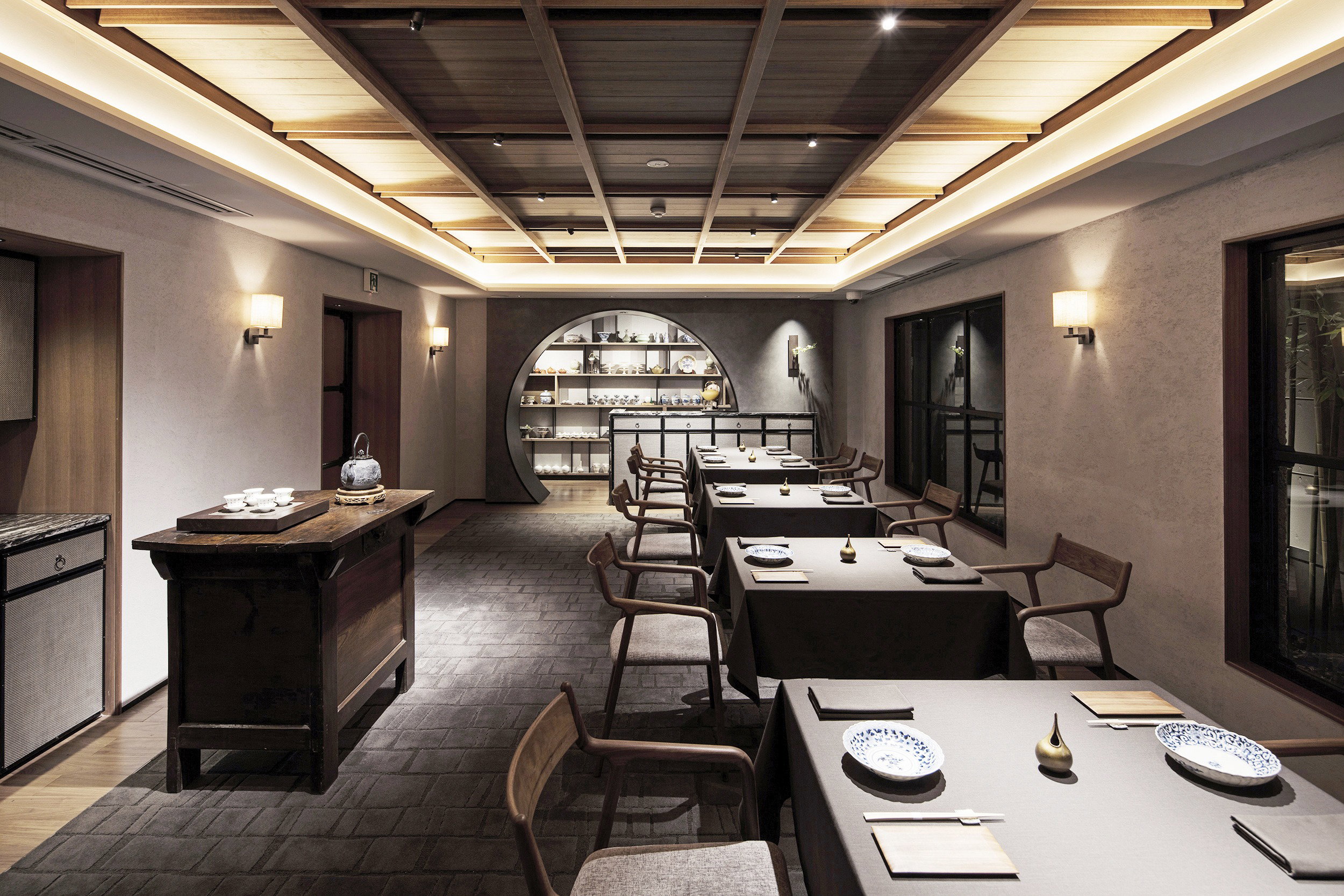
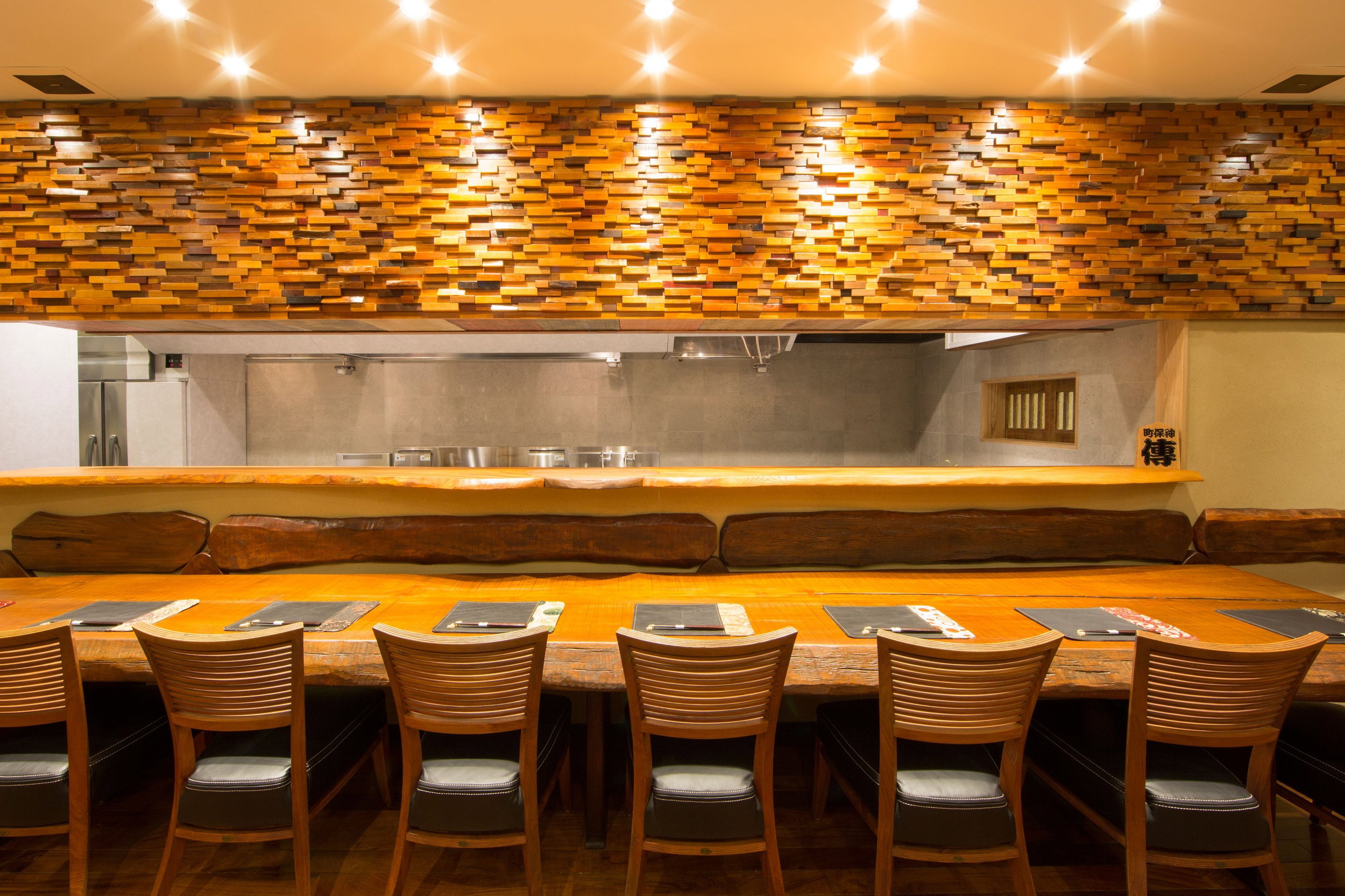
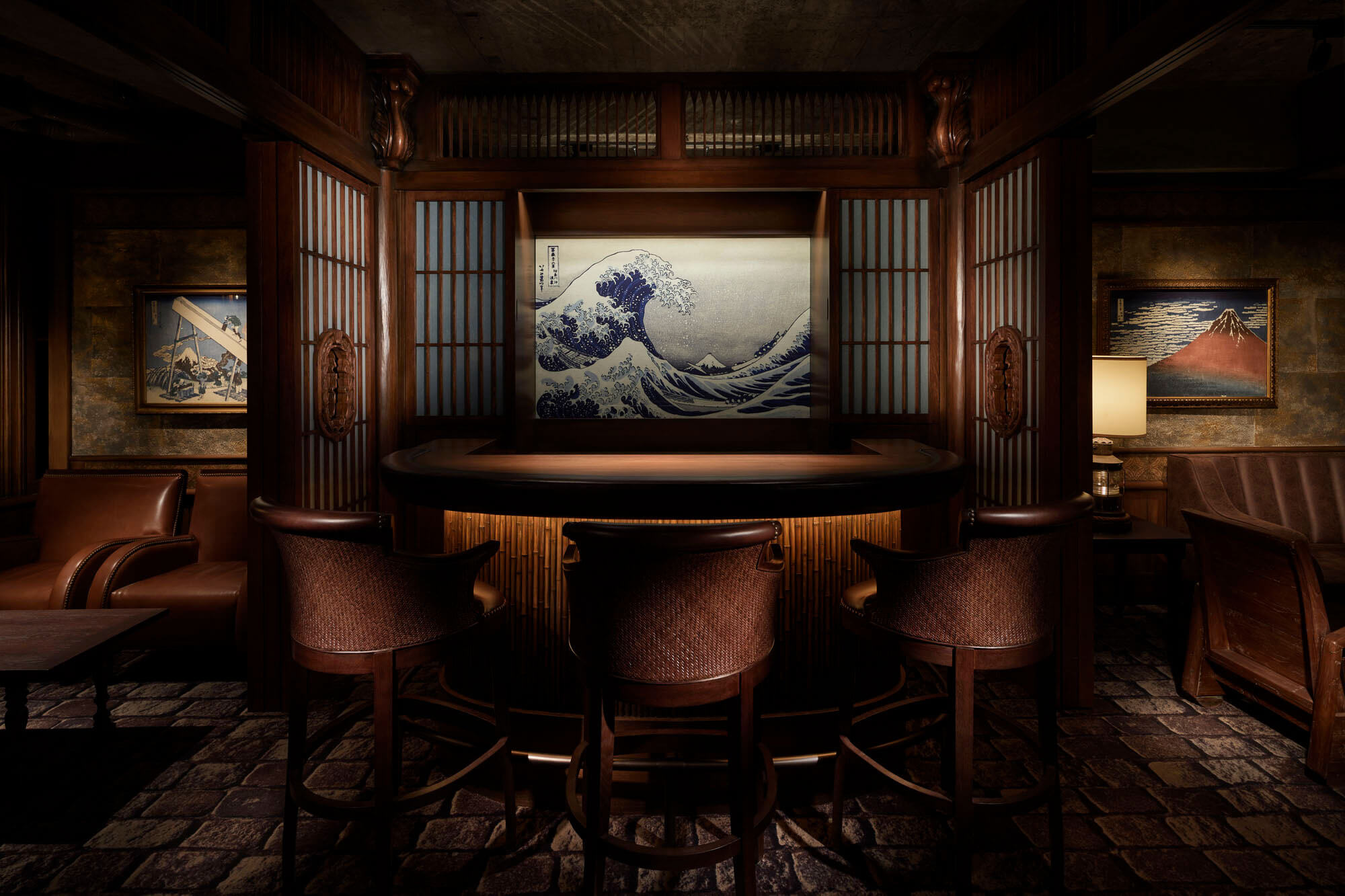
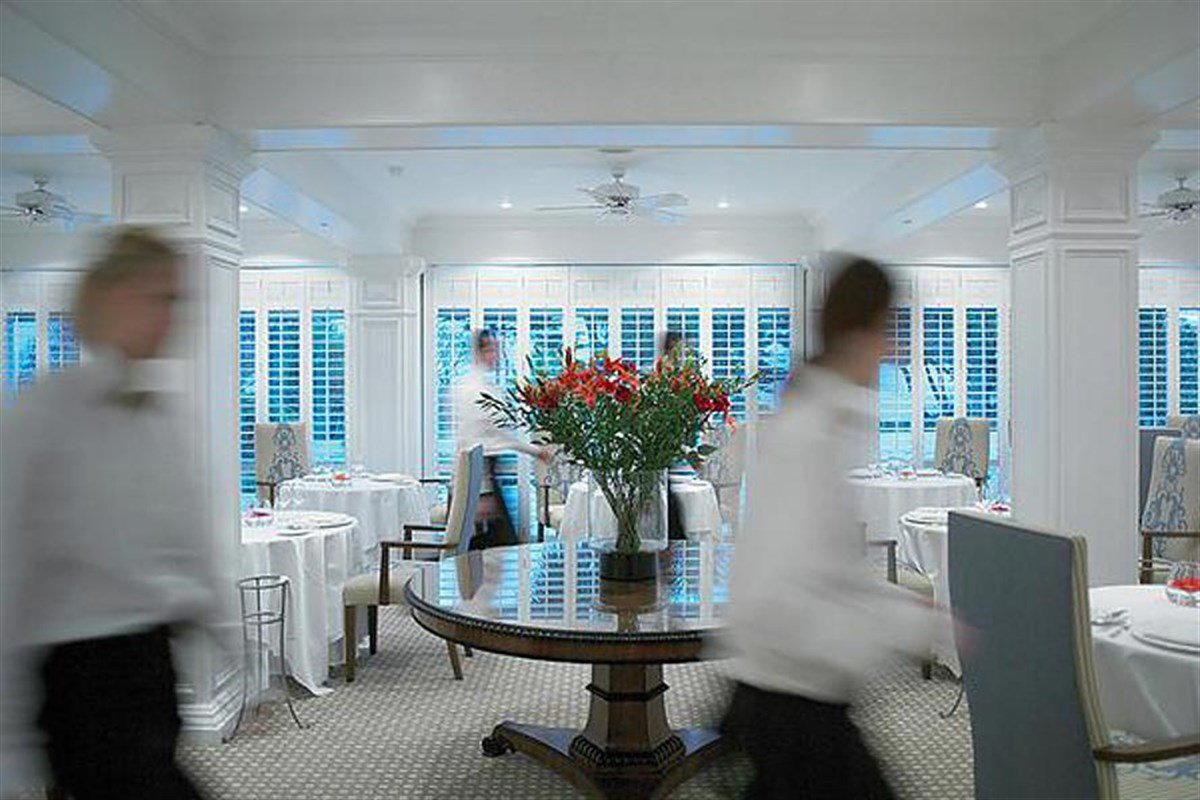
The room itself frames your expectations before the first piece arrives. Warm light over an interior appointed in Taisho Romanticist style — wood, measured ornament, a register that is composed rather than austere, creates an atmosphere that is calm and deliberate. This is not a counter built for noise or theatre. The energy is focused and quiet, the kind of room where you find yourself paying closer attention to what is in front of you. For the food-oriented traveller visiting Tokyo for depth rather than spectacle, that tone is exactly right.
The cooking philosophy visible in the awards text is worth taking seriously. The chef studied under one of the foremost tempura practitioners in the world, an apprenticeship documented by the certificate that greets you in the space. That lineage runs directly into the menu: shrimp, sillago, and conger eel appear as non-negotiable Edomae anchors, pieces described as seeming almost grilled rather than fried, which points to exceptional oil temperature control and batter restraint. These are not decorative gestures toward tradition. They are the technical core of the meal.
What makes Aratamikawa worth noting for the explorer rather than the casual visitor is the departure built into the format. Some fish are served without deep-frying entirely, a technique the chef developed during his apprenticeship. That choice signals a kitchen willing to interrogate its own discipline, which at this price tier is a meaningful differentiator. You are not eating a museum piece. You are eating a working argument about what tempura can be.
The Toranomon address, specifically inside the FACE Toranomon building on the second floor of Nishishinbashi, places this counter in a business district that is convenient from central Tokyo but not a tourist-circuit destination. That works in your favour for booking. Book with reasonable advance notice rather than weeks out.
On Takeout and Delivery
Tempura is one of Japanese cuisine's least forgiving formats for off-premise eating. The entire proposition rests on batter that is fried to order and served immediately, the window between perfect and soggy is measured in minutes, not hours. There is no reliable way to replicate the counter experience through delivery or takeout, and the venue data contains no indication that Aratamikawa offers either. For this cuisine and this style, the answer is clear: the value is entirely in the room. If you cannot sit at the counter, the meal does not translate. Plan accordingly.
Booking and Practical Details
Aratamikawa sits at ¥¥¥, placing it below the top tier of Tokyo's destination tempura counters but above casual neighbourhood frying. No specific booking method or hours are listed in the available data, so confirm current availability directly before planning your visit. The Toranomon location is well-served by Tokyo Metro and within direct reach of central business and hotel districts. Dress expectations at a Taisho Romanticist-styled counter at this price tier lean smart-casual at minimum, this is not a counter where you want to arrive underdressed. Seat count is not publicly confirmed, but the counter format suggests an intimate setting. For solo diners, a counter-format tempura restaurant is one of the most natural formats in Japanese dining, expect no awkwardness eating alone here.
If You're Exploring Tokyo's Dining Scene
Tempura Aratamikawa is one decision in a city with remarkable depth at this cuisine. For other tempura counters worth comparing, consider Tempura Kondo, which holds a stronger Michelin position and is the standard benchmark for technically precise Edomae frying in Tokyo. Tempura Ginya and Tempura Motoyoshi are also worth assessing depending on your timing and budget. If you want to explore adjacent traditions, Edomae Shinsaku and Fukamachi extend the Edomae conversation into other formats.
Beyond Tokyo, the tempura tradition is well-represented elsewhere in Japan. Numata in Osaka is the natural comparison for Kansai-based visitors. For a regional perspective outside Japan entirely, Mudan Tempura in Taipei offers an interesting data point on how the format travels.
For the full picture of where to eat, stay, and drink in Tokyo, see our full Tokyo restaurants guide, our full Tokyo hotels guide, and our full Tokyo bars guide. If your trip extends beyond Tokyo, HAJIME in Osaka, Gion Sasaki in Kyoto, akordu in Nara, Goh in Fukuoka, 1000 in Yokohama, and 6 in Okinawa round out the picture. For experiences beyond dining, our full Tokyo experiences guide and our full Tokyo wineries guide are worth checking.
Planning details
- Location
- Japan, 〒105-0003 Tokyo, Minato City, Nishishinbashi, 2 Chome−15−6 FACE虎ノ門 2階
- Reservations
- Book on TableCheck
- Website
- tempura-arata-mikawa.myconciergejapan.net
- Phone
- +81 3-6910-2023
The take
The Take
The Vibe
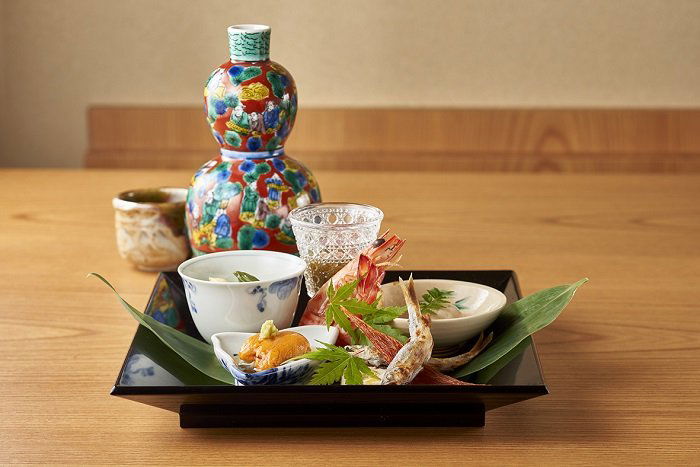
Tempura Aratamikawa presents itself as a study in light and restraint. Warm, deliberately placed illumination meets a Taisho Romanticist interior, and the room’s decorative choices — handwritten certificates and a modest, craft-forward aesthetic — make the counter feel ceremonial rather than showy. The pace is unhurried: service and design are arranged to slow the eye and focus attention on each freshly fried piece. The overall effect is quietly sophisticated and romantic, where provenance and technique are part of the décor and the relationship between cook and diner feels intentional and refined.
Best For
This is a counter-focused experience best suited to focused diners: solo guests who want front-row access to technique, couples seeking an intimate date-night setting, and anyone marking a special occasion with highly crafted tempura. The restaurant sits in Toranomon Hills but operates in the intimate register of Tokyo’s specialist counters, so it’s ideal for people who appreciate precise timing, chef-led pacing, and the ritual of sequential service rather than large-group gatherings or casual drop-ins.
Ordering Tips
Treat service as sequential and chef-led: the counter format rewards being present at the moment, allowing the cook to time each piece from fryer to hand. The house emphasizes lineage and mastery, so consider opting for the chef’s selection or a set; it’s the best way to experience the discipline described in the room. Be sure to sample the house specialties — anago, matsutake and sweet potato tempura — which showcase the relationship between batter, ingredient and temperature that defines this level of tempura.
Venue details
Ambiance
Taisho Romancist style interior offering old-world Tokyo charm with a refined, warm counter seating atmosphere.
Tags
Vibe
Best For
Experience
At the Table
- Dress Code
- Smart Casual
- Noise Level
- Quiet
- Service Style
- Formal
- Meal Pacing
- Leisurely
- Capacity
- Intimate
- Kitchen
- Traditional
- Menu Format
- Omakase, Counter dining
- Wine Program
- Curated
- Drinks Focus
- Sake, Shochu, Wine
Signature Dishes
- anago tempura
- matsutake tempura
- sweet potato tempura
Know before you go
Know Before You Go
- Getting there
- Japan, 〒105-0003 Tokyo, Minato City, Nishishinbashi, 2 Chome−15−6 FACE虎ノ門 2階
Planning details
Location
Japan, 〒105-0003 Tokyo, Minato City, Nishishinbashi, 2 Chome−15−6 FACE虎ノ門 2階 · Directions
Recognition and awards
Also consider
Also Consider
- Harutaka, Sushi, ¥¥¥¥
- L'Effervescence, French, ¥¥¥¥
- RyuGin, Kaiseki, Japanese, ¥¥¥¥
- HOMMAGE, Innovtive French, French, ¥¥¥¥
- Crony, Innovative, French, ¥¥¥¥
Restaurant context
Tempura Aratamikawa sits at ¥¥¥ in a Tokyo fine-dining market where most of its nearest neighbours price at ¥¥¥¥. That gap matters for the decision. If you are choosing between Aratamikawa and Harutaka, Tokyo's high-reference sushi counter at ¥¥¥¥, the question is format: omakase sushi versus Edomae tempura. Both represent serious lineage-driven cooking. Harutaka is the more globally cited name and the harder booking. Aratamikawa is the lower-friction, lower-cost path to an equivalently craft-focused meal if tempura is what you want.
RyuGin at ¥¥¥¥ is the strongest case for spending up in Tokyo's Japanese fine-dining tier. If kaiseki, the full seasonal progression of Japanese cooking, is more interesting to you than a single-technique counter, RyuGin justifies the premium. L'Effervescence, HOMMAGE, and Crony are all ¥¥¥¥ French or innovative Western-influenced options that compete for the same occasion budget but in a completely different culinary register. None of them are direct comparisons for what Aratamikawa does, but if your priority is a single high-investment dinner in Tokyo rather than a cuisine-specific experience, RyuGin or L'Effervescence are the alternatives that most diners in this bracket weigh seriously.
Within the tempura category specifically, Aratamikawa's value case is clear: it delivers documented craft and Michelin recognition at a price tier below the starred counters, in a room with more atmosphere than a casual neighbourhood fryer. Book Aratamikawa if tempura is your focus and you want serious cooking without the top-tier outlay. Book RyuGin if you want the broadest expression of Japanese fine dining and are willing to pay for it.
Explore Tokyo
Around this place
Discover more on Pearl
Unlock the full Tempura Aratamikawa guide in Pearl, including awards, comparisons, FAQs, planning details, and nearby places.
Compare Tempura Aratamikawa
| Venue | Cuisine | Awards | Booking Difficulty |
|---|---|---|---|
| Tempura Aratamikawa | Tempura | 2026 Michelin PlateTabelog 100 - Tempura - 2025 · #412025 Michelin Plate | Easy |
| Harutaka | Sushi | 2026 Tabelog Silver · #312026 OAD Top Restaurants in Japan Ranked · #1282026 Michelin 3 Stars2026 La Liste Top RestaurantsTabelog 100 - Sushi - TOKYO - 2025 · #372025 Asia's 50 Best Restaurants · #762025 OAD Top Restaurants in Japan Ranked · #1172025 La Liste Top Restaurants2025 Tabelog Bronze | Unknown |
| L'Effervescence | French | 2026 Tabelog Silver · #682026 OAD Top Restaurants in Japan Ranked · #103Star Wine Lists 20262026 Black Pearl 2 Diamond2026 Relais Chateaux Restaurants2026 La Liste Top Restaurants2026 Michelin 3 Stars2025 Asia's 50 Best Restaurants · #692025 OAD Top Restaurants in Japan Ranked · #92 | Unknown |
| RyuGin | Kaiseki, Japanese | 2026 OAD Top Restaurants in Japan Ranked · #802026 Tabelog Bronze · #3772026 Michelin 3 Stars2026 La Liste Top RestaurantsTabelog 100 - Japanese cuisine - TOKYO - 2025 · #212025 OAD Top Restaurants in Japan Ranked · #542025 Michelin 3 Stars2025 La Liste Top Restaurants2025 The Best Chef Three Knives | Unknown |
| HOMMAGE | Innovtive French, French | 2026 Tabelog Bronze · #1232026 OAD Top Restaurants in Japan Highly Recommended2026 Michelin 2 StarsTabelog 100 - French - TOKYO - 2025 · #762025 Asia's 50 Best Restaurants · #782025 OAD Top Restaurants in Japan Ranked · #1752025 Michelin 2 Stars2025 The Best Chef One Knife2025 La Liste Top Restaurants | Unknown |
| Crony | Innovative, French | 2026 Asia's 50 Best Restaurants · #34Star Wine Lists 20262026 OAD Top Restaurants in Japan Recommended2026 Michelin 2 Stars2025 Asia's 50 Best Restaurants · #30Tabelog 100 - French - TOKYO - 2025 · #782025 OAD Top Restaurants in Japan Ranked · #227We're Smart World Top Restaurants 20252025 Michelin 2 Stars | Unknown |













Side-by-side comparison to help you decide where to book.
FAQ
Frequently Asked Questions
What are alternatives to Tempura Aratamikawa in Tokyo?
Tempura Kondo is the reference point for classical Edomae at a higher price tier. If you want something closer in price to Aratamikawa's ¥¥¥ position but more widely reservable, Tempura Tsunahachi offers consistent frying across multiple locations. For a counter experience with comparable seriousness, Tempura Endo Yasaka is worth considering if you are open to Kyoto-style approaches. Aratamikawa's specific draw is its mentor-lineage technique and Taisho Romanticist interior, which sets it apart from more minimalist competitors.
What should I order at Tempura Aratamikawa?
The kitchen is built around Edomae standards: shrimp, sillago, and conger eel are the foundations of the menu and the dishes most reflective of the chef's training lineage. The menu is counter-driven and largely set, so ordering is less a choice than a sequence. Expect some pieces that veer toward a grilled texture rather than conventional deep-fry, which is a deliberate house style rather than a kitchen error.
How far ahead should I book Tempura Aratamikawa?
No booking window is publicly documented for Aratamikawa, but for a Michelin Plate counter in Tokyo at ¥¥¥ pricing, two to four weeks in advance is a reasonable baseline. Counters of this format and recognition in central Tokyo fill quickly for weekend evenings. Contacting the venue directly through their reservations channel as early as possible is the safest approach.
Is the tasting menu worth it at Tempura Aratamikawa?
At ¥¥¥, Aratamikawa sits below the top tier of Tokyo's destination tempura counters, making it a reasonable entry point for the format. The 2025 Michelin Plate recognises consistent kitchen quality. The value case is strongest if you want to experience mentor-lineage Edomae tempura with some innovation rather than paying top-tier prices for a name counter. If you want the most celebrated tempura experience in Tokyo regardless of price, Kondo or Mikawa Zezankyo set a higher bar.
What should I wear to Tempura Aratamikawa?
The Taisho Romanticist interior and the venue's counter-dining format suggest a dressed, relaxed register rather than casual wear. Business casual is a practical baseline for dinner. There is no published dress code, but arriving in the manner you would for any serious counter restaurant in central Tokyo is appropriate.
Is Tempura Aratamikawa worth the price?
Yes, with context. At ¥¥¥, it is priced accessibly relative to Tokyo's top tempura counters, and the 2025 Michelin Plate confirms that the kitchen performs at a recognised level. The chef trained under a practitioner described in the venue's own certification as one of the world's foremost in the discipline, which anchors the technique credibly. If the format of Edomae tempura served at a counter with classical ambition suits your dining preferences, the price-to-execution ratio is reasonable.
Is Tempura Aratamikawa good for a special occasion?
Yes. The Taisho Romanticist room, the certificate of mastery displayed in the mentor's handwriting, and the counter format all create a considered atmosphere that suits a celebratory dinner. At ¥¥¥, it is not the most expensive statement you can make in Tokyo, which also means it can serve as a serious occasion meal without requiring a significant budget stretch. Pairs best with two diners rather than a large group given the counter setup.