
.png?width=1200&quality=80)
Tanakada Nishiazabuten
Izakaya · Minato, Tokyo
Restaurant in Tokyo, Japan
 Book with Pearl
The Read
Hakata-Spirit High-Grade Izakaya
Price
$100–150per person
Dress
Business Casual
Why go
Tanakada Nishiazabuten is a Michelin Plate-recognised high-grade izakaya in Nishiazabu that sits above the standard izakaya tier without crossing into kappo formality. At ¥¥¥, it delivers a level of material craft and kitchen seriousness that justifies the price, with Rosanjin crockery, a Hakata-influenced warmth, and courteous service that other venues at this tier rarely match. Booking is Easy by Tokyo standards.
About Tanakada Nishiazabuten
The Verdict: A High-Grade Izakaya That Punches Well Above Its Tier
If you have been to a standard Tokyo izakaya and want to understand what the format looks like when it is taken seriously, Tanakada Nishiazabuten is where to go next. It occupies a specific and genuinely useful position in the Tokyo dining hierarchy: more polished than a neighbourhood izakaya, less formal than a kappo, and considerably more affordable than a ryotei. Holding a Michelin Plate in both 2024 and 2025, and recommended by Opinionated About Dining in 2023, it has the credentials to back up its positioning. At ¥¥¥ pricing, it delivers a level of care and curation that most izakaya at that tier do not attempt.
Portrait: What Makes This Worth Booking
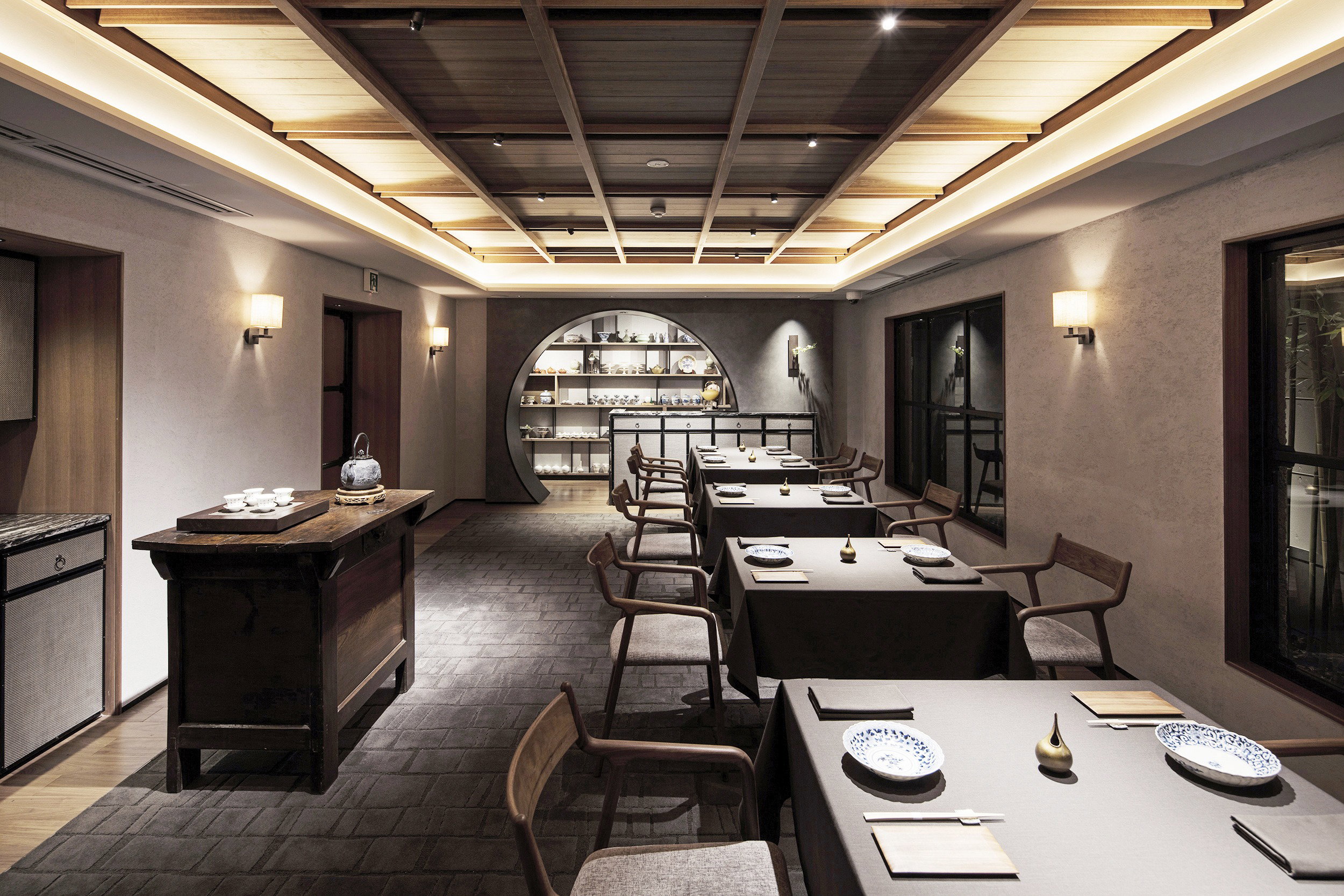
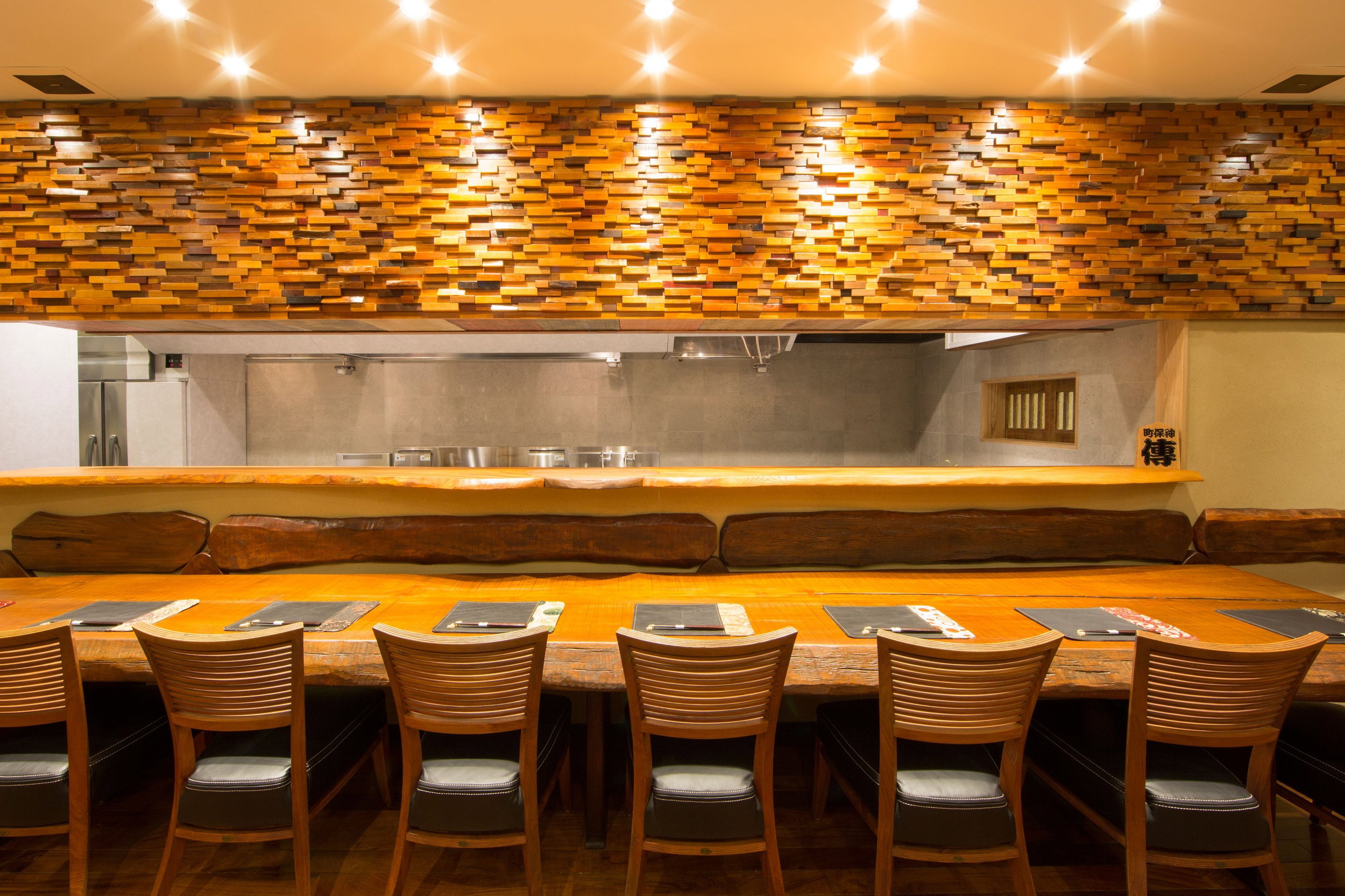
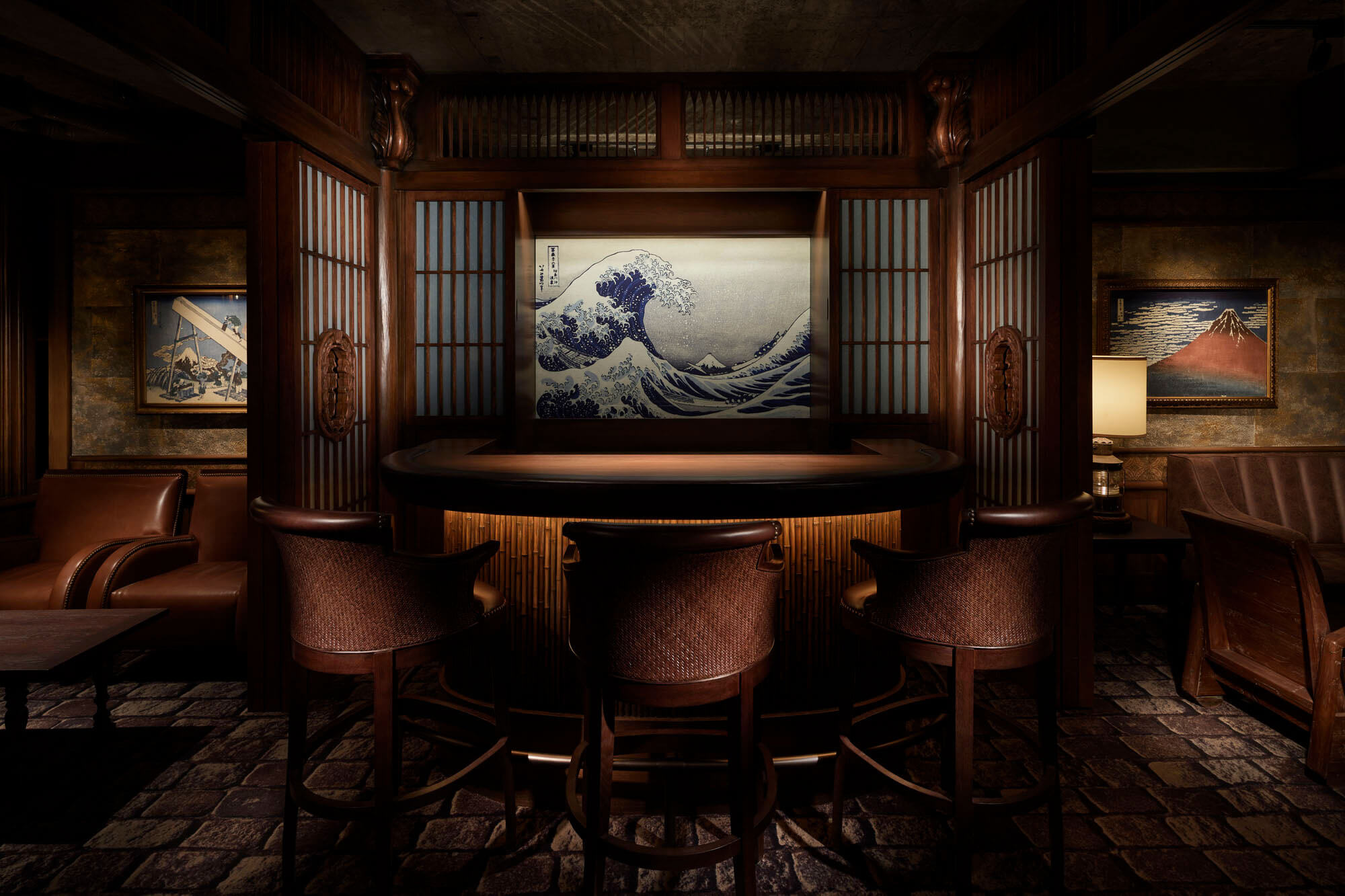
Tanakada Nishiazabuten operates in Nishiazabu, one of Tokyo's quieter upscale pockets, a neighbourhood where serious restaurants coexist with low-key bars and residential streets. The room signals its intentions immediately: Rosanjin crockery on the table, retro Showa-era coasters as a counterpoint. These are not decorative choices made for atmosphere; they reflect a genuine engagement with Japanese material culture across eras. For anyone returning after a first visit, this layering of references becomes more legible the second time around.
The format here is izakaya in structure but not in spirit. You order across the meal rather than committing to a fixed sequence, but the kitchen is operating at a level of technical attention that most tasting-menu restaurants would not surpass on individual dishes. The menu itself is written with a directness that is unusual: the descriptions are practical and enticing rather than abstract, which makes ordering direct even for first-timers navigating without Japanese fluency.
What distinguishes the experience most clearly is the tone set by the chef. The Hakata dialect exclamation "Tabetenshai" — roughly "let's eat, eat what you like" — is not a performance. It frames the meal as something permissive and generous rather than ceremonial. This is the right register for an izakaya format, and it is harder to execute well than it sounds. Many restaurants at this price point push formality when they should be pushing warmth. Tanakada Nishiazabuten does the opposite, and the result is a meal that feels personal without being casual.
The staff compound this. The Michelin Plate recognition specifically calls out the courteous service, and that aligns with what the format demands: attentive without being intrusive, knowledgeable without being performative. For a return visitor, this is the moment to lean into the menu more deliberately, ask the staff what has changed seasonally, and trust their steer. The kitchen's connection to Hakata-dialect culture suggests a Fukuoka influence on some of the cooking, a useful thread to pull on if you are familiar with the Goh in Fukuoka style or have eaten at Hakata Hotaru or Hakata Issou in Tokyo.
Tokyo's izakaya tier covers enormous ground. At the casual end, you have Daikanyama Issai Kassai. For a similar level of seriousness applied to a different format, Ginza Nominokoji Yamagishi and Ginza Shimada offer useful reference points. Tanakada Nishiazabuten sits comfortably in the upper register of that range. For the izakaya format done at this level of intention outside Tokyo, see Benikurage in Osaka and Berangkat in Kyoto.
If you are building a wider Japan itinerary around serious eating, anchor your Tokyo visit here and use it to calibrate the tier below kaiseki. From there, Gion Sasaki in Kyoto and HAJIME in Osaka represent the format above it. See our full Tokyo restaurants guide for a broader view of the city's dining tiers, or explore our Tokyo hotels guide, Tokyo bars guide, and Tokyo experiences guide to plan around it.
Ratings at a Glance
- 4.3 / 5 (336 reviews)
- Awards: Michelin Plate 2024 & 2025; Opinionated About Dining Recommended 2023
- Price tier: ¥¥¥
Booking
Booking difficulty at Tanakada Nishiazabuten is rated Easy. This is a meaningful advantage over most comparable venues in Tokyo at this recognition level, where two-to-four week lead times are standard. That said, easy does not mean last-minute on a Friday. If you are planning around a specific night, book at least a week out. The format rewards relaxed timing: arriving early in the evening and working through the menu without rushing is the correct approach here.
Practical Details
| Detail | Tanakada Nishiazabuten | Hakata Hotaru (Tokyo) | Daikanyama Issai Kassai |
|---|---|---|---|
| Cuisine | Izakaya (high-grade) | Izakaya (Hakata-style) | Izakaya |
| Price tier | ¥¥¥ | Not specified | Not specified |
| Awards | Michelin Plate 2024–25; OAD Recommended | Pearl listed | Pearl listed |
| Booking difficulty | Easy | Not specified | Not specified |
| Neighbourhood | Nishiazabu, Minato | Tokyo | Daikanyama |
How It Compares
Pearl Picks: More Tokyo Dining
Planning details
- Location
- Japan, 〒106-0031 Tokyo, Minato City, Nishiazabu, 2 Chome−2−2 NK 青山ホームズ 1F
- Reservations
- Book on Omakase
- Website
- tanakada.net
- Phone
- +81 3-6447-0490
The take
The Take
The Vibe
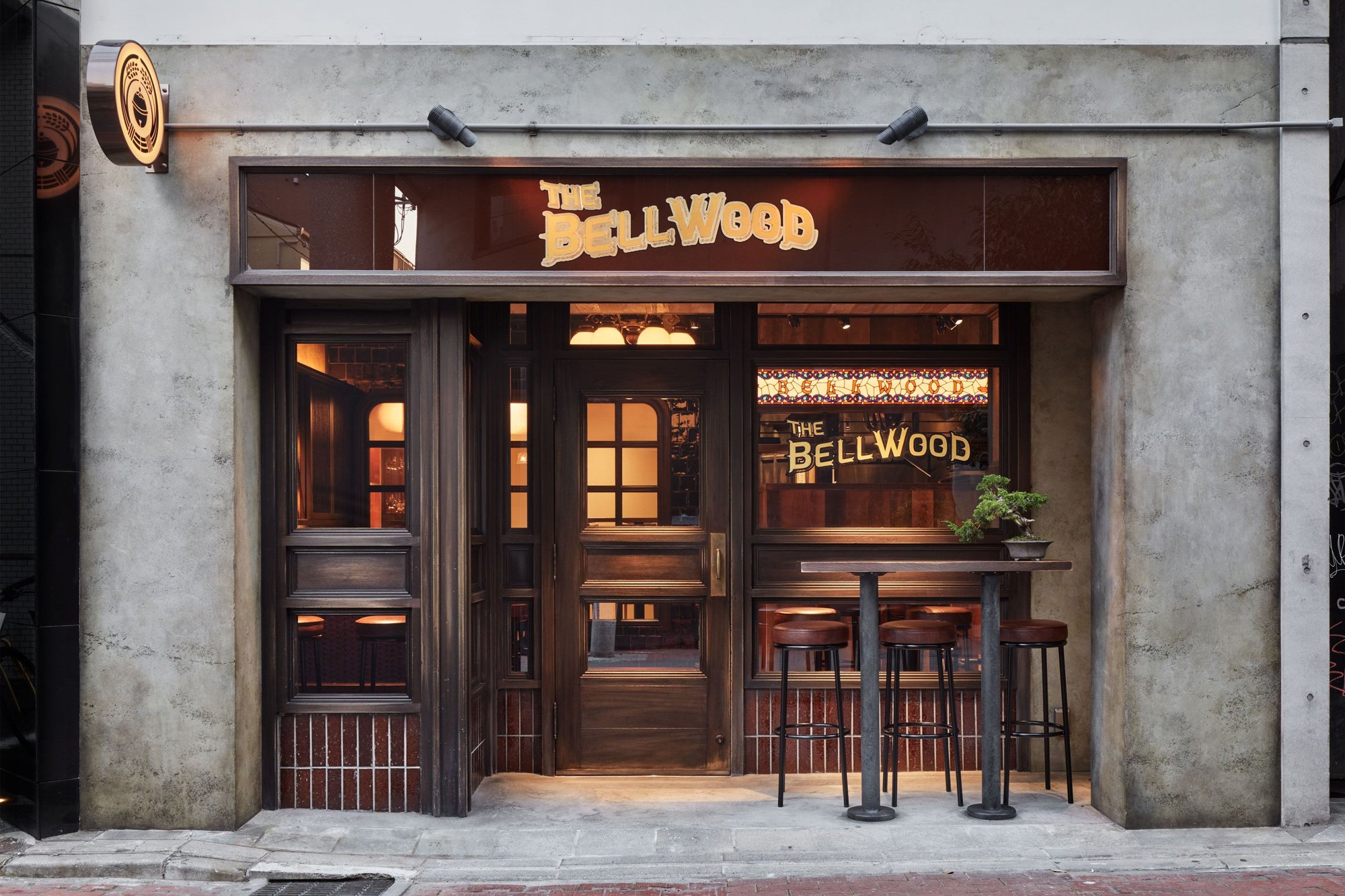
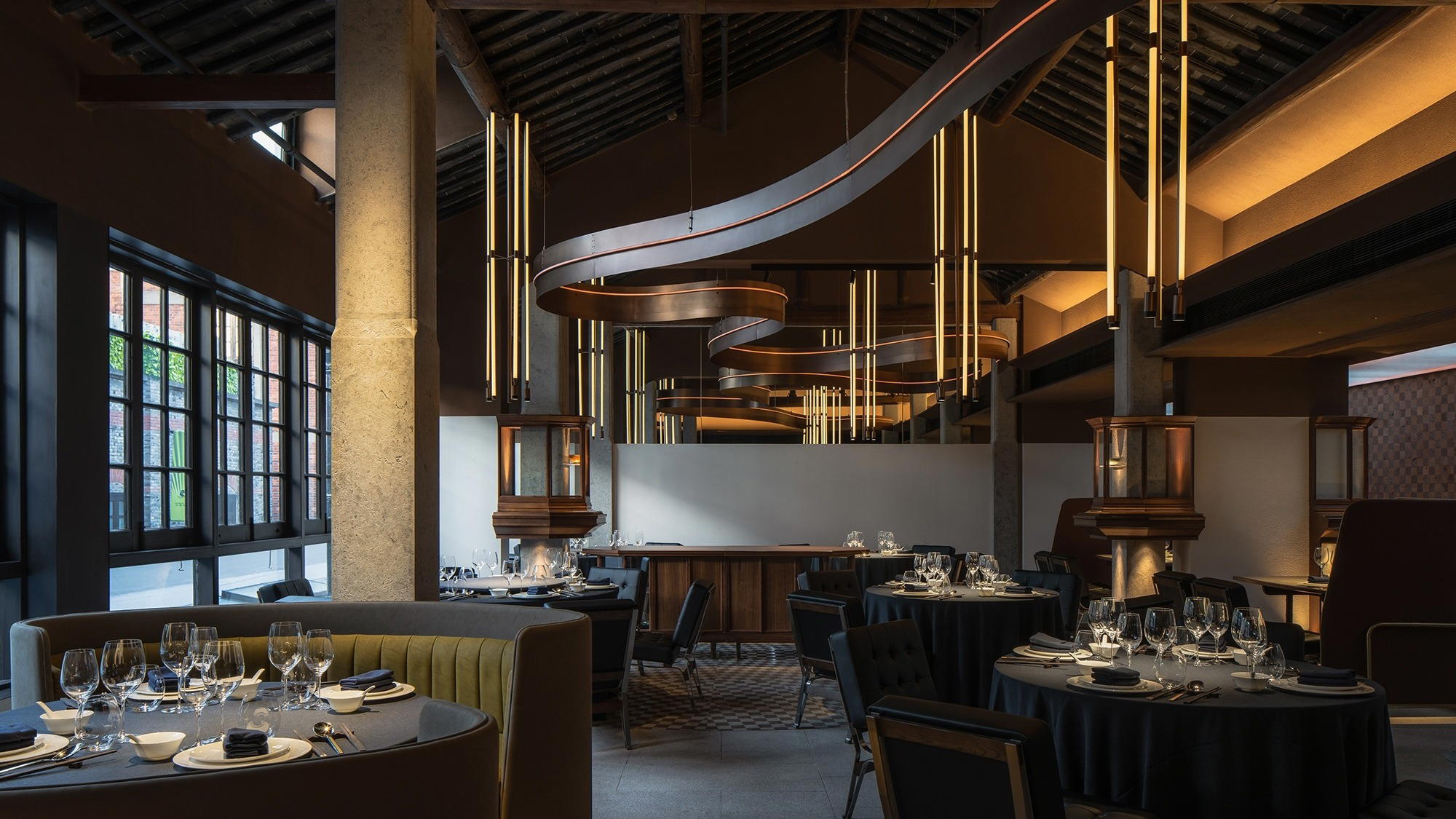
Tanakada Nishiazabuten reads like a deliberate, quietly confident presence in Nishiazabu. It sits unannounced on a residential-adjacent street, the kind of place that accrues reputation through repeat customers and critical recognition rather than loud signage. The room favors measured restraint — classic crockery and Showa-era design details set a tonal register — and the overall effect is cozy and low-key rather than flashy. Service and presentation lean toward serious, considered hospitality: the restaurant feels like a hidden find for diners who value craft, tradition and a calm, focused atmosphere.
Best For
This is an ideal spot for diners seeking an elevated izakaya experience: small celebratory groups, business dinners that prefer an unostentatious setting, and couples on date night who want something intimate and composed. The kitchen occupies the space between formal kappo and ryotei ceremony, so the place suits guests who appreciate technical cooking without the strictures of a set kaiseki course. It rewards planned visits and repeating patrons, attracting people who come prepared to explore multiple dishes and pairings in a relaxed, upscale-casual environment.
Ordering Tips
Approach the meal with the izakaya logic the restaurant describes: order a selection of plates to share and sip alongside them. Highlighted items such as Goma Saba, Tanakada Donburi and horse sashimi are signature choices to include when sampling the menu. The writing emphasizes serious ingredients and informed casualness, so expect composed small plates and tasteful traditional presentations; ordering several items to taste and share will give the best sense of the kitchen’s range and the dining room’s convivial rhythm.
Venue details
Ambiance
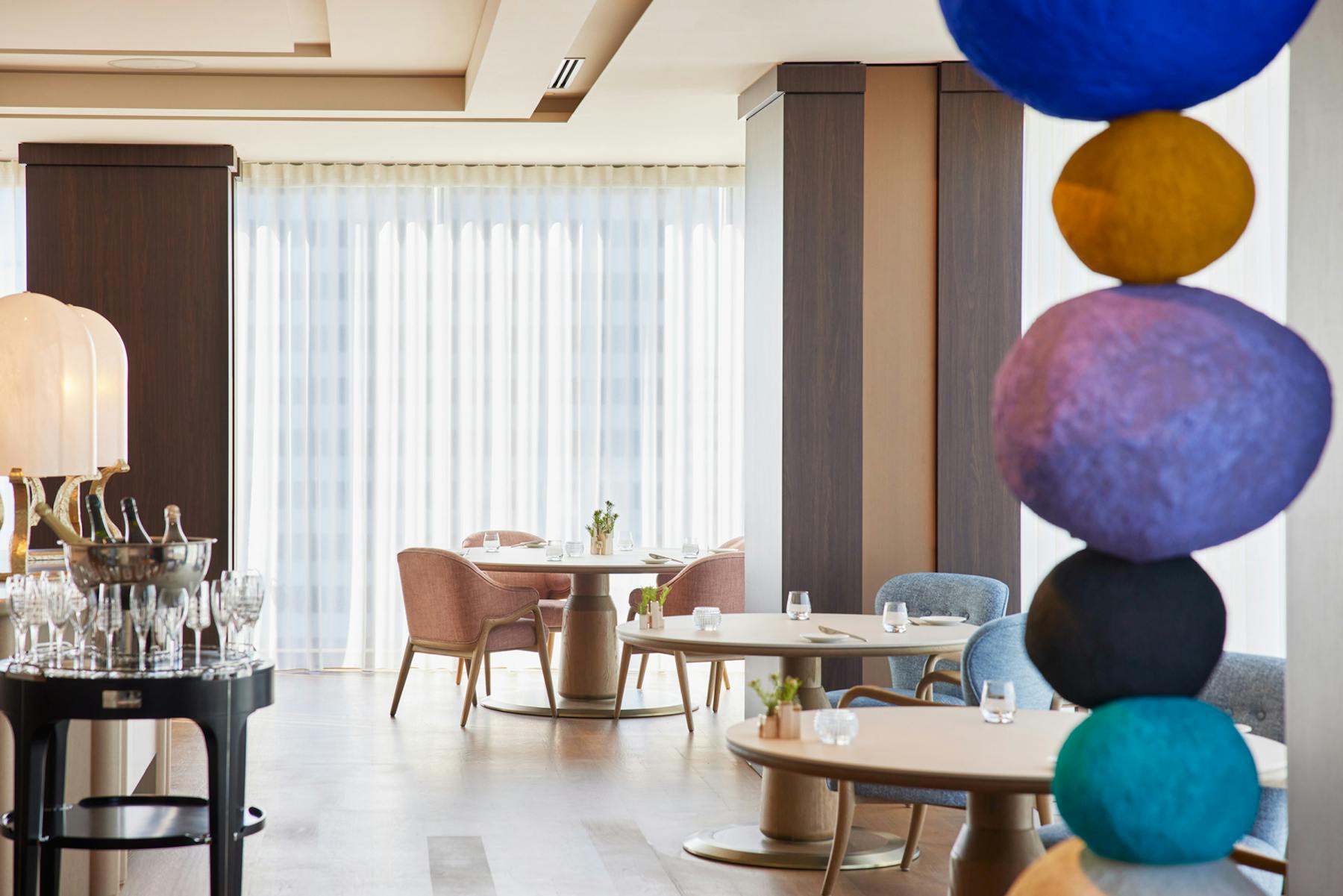
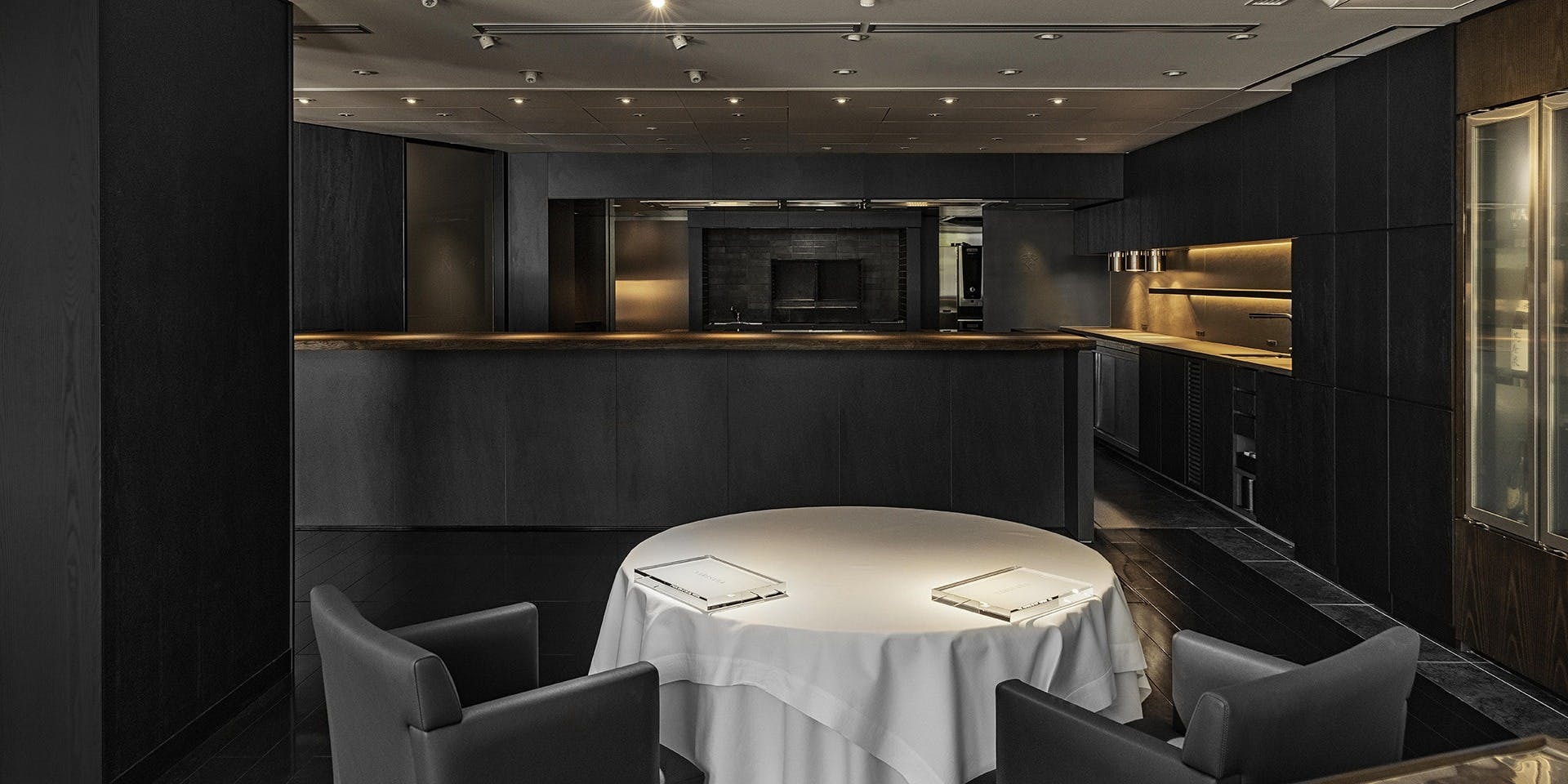
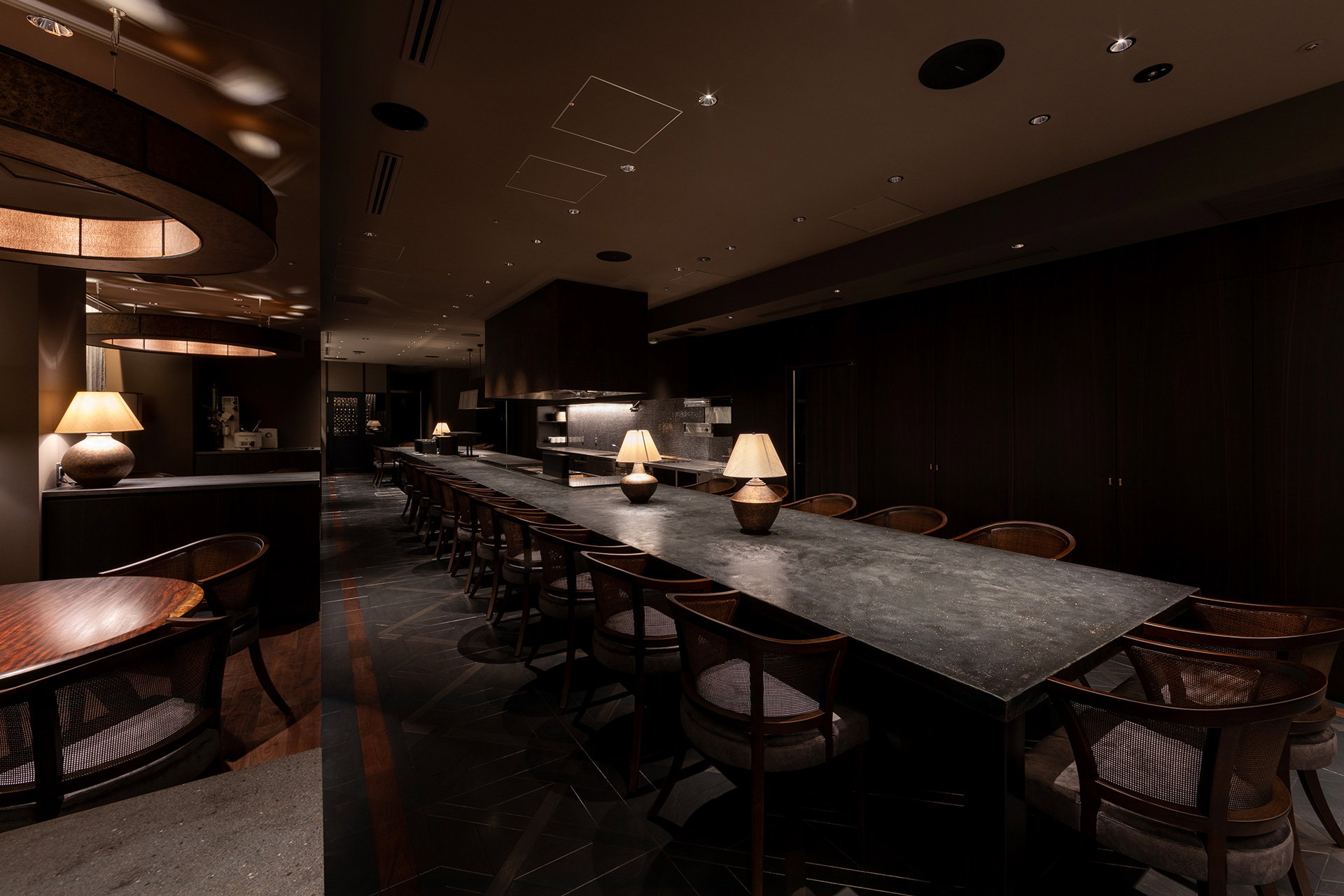
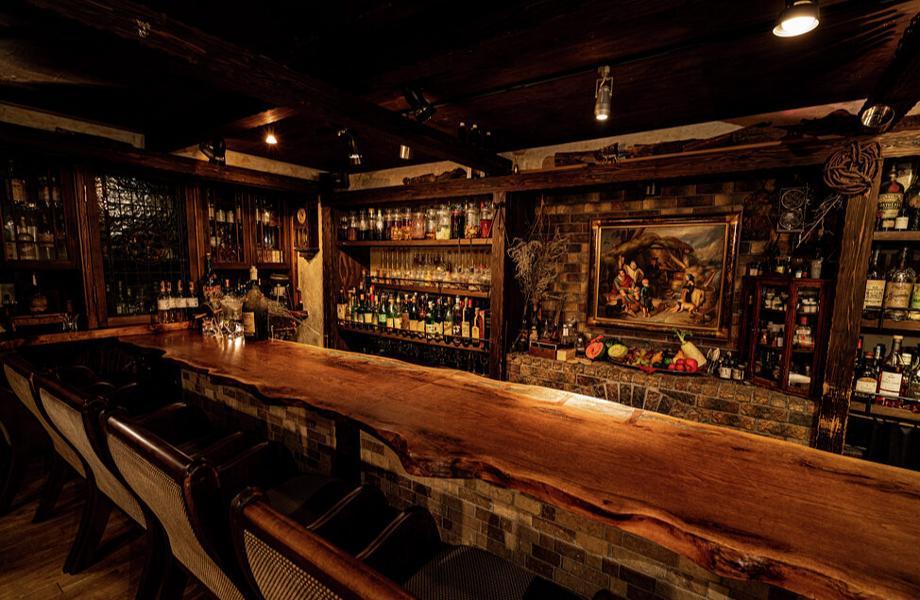
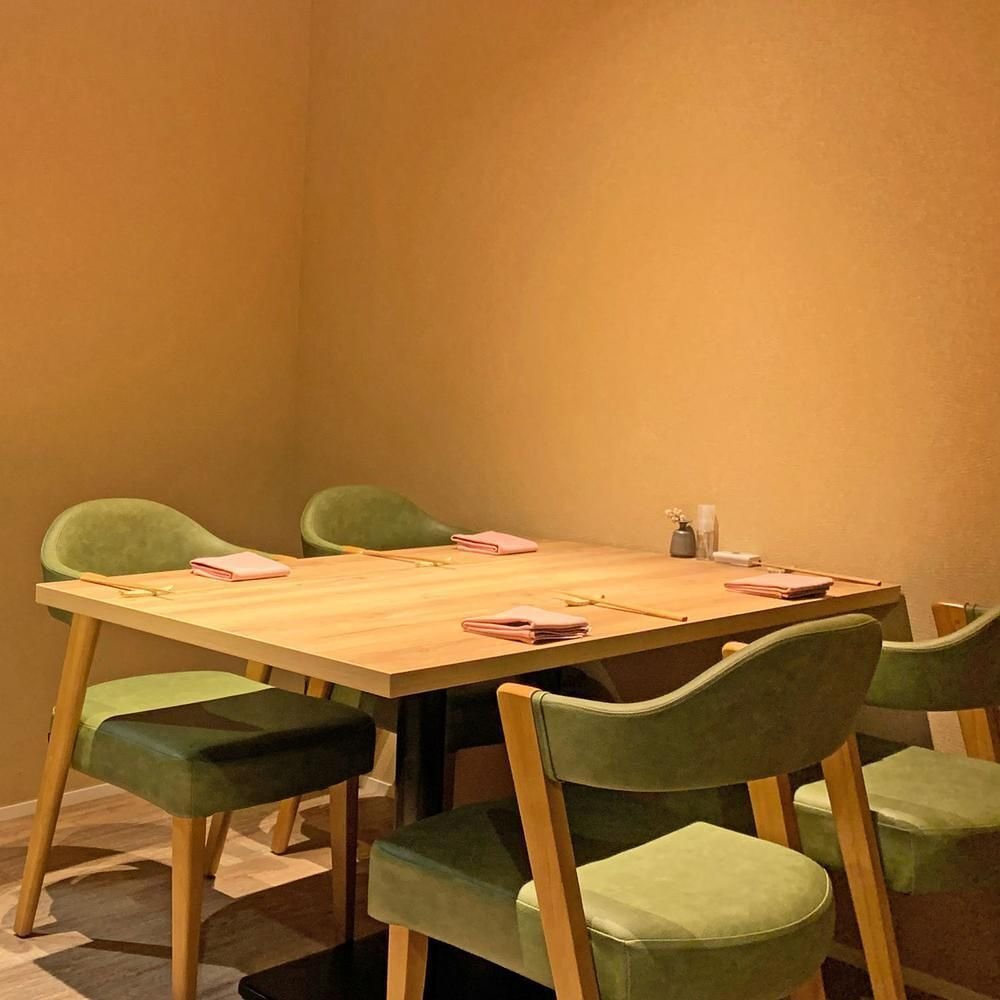
Upscale and refined atmosphere with spacious interior, Rosanjin crockery, retro Showa-era coasters, and a harmonious balance of traditional authenticity and modern sophistication.
Tags
Vibe
Best For
Experience
At the Table
- Dress Code
- Business Casual
- Noise Level
- Conversational
- Service Style
- Upscale Casual
- Meal Pacing
- Leisurely
- Capacity
- Large
- Kitchen
- Traditional
- Menu Format
- A la carte, Small plates
- Wine Program
- Curated
- Drinks Focus
- Sake program
- Private Dining
- Available
Signature Dishes
- Goma Saba
- Tanakada Donburi
- horse sashimi
Know before you go
Know Before You Go
- Getting there
- Japan, 〒106-0031 Tokyo, Minato City, Nishiazabu, 2 Chome−2−2 NK 青山ホームズ 1F
Planning details
Location
Japan, 〒106-0031 Tokyo, Minato City, Nishiazabu, 2 Chome−2−2 NK 青山ホームズ 1F · Directions
Recognition and awards

Also consider
Also Consider
- Harutaka, Sushi, ¥¥¥¥
- RyuGin, Kaiseki, Japanese, ¥¥¥¥
- L'Effervescence, French, ¥¥¥¥
- HOMMAGE, Innovtive French, French, ¥¥¥¥
- Florilège, French, ¥¥¥
Restaurant context
The most direct comparison for Tanakada Nishiazabuten is not its obvious Tokyo neighbours but the question of how much structure you want in your meal. At ¥¥¥, it operates at the same price tier as Florilège, but delivers a fundamentally different experience: order-driven, warm in register, and grounded in Japanese material culture rather than French technique. If a contemporary tasting menu is what you are after, Florilège is the more appropriate booking. If you want a meal that gives you control over pace and portion while still eating at a serious level, Tanakada Nishiazabuten is the better fit and easier to book.
Stepping up to ¥¥¥¥, the comparison becomes sharper. RyuGin and Harutaka both operate at that tier with full tasting or omakase commitments. RyuGin is a kaiseki experience with considerably more formality and significantly higher spend per head. Harutaka is the right choice if sushi and counter dining is the priority. Neither competes directly with Tanakada Nishiazabuten on format; they represent the tier above it in both price and ceremony. The decision is whether you want to climb that tier on this visit or save it for a dedicated meal.
L’Effervescence and HOMMAGE are both ¥¥¥¥ French venues and serve a different diner entirely: someone prioritising French technique in a Tokyo context over Japanese culinary tradition. For that profile, either is a considered choice. For a diner who wants to eat within the Japanese format and understand what high-grade izakaya cooking looks like at its most intentional, Tanakada Nishiazabuten is the correct room at the correct price.
Explore Tokyo
Around this place
Discover more on Pearl
Unlock the full Tanakada Nishiazabuten guide in Pearl, including awards, comparisons, FAQs, planning details, and nearby places.
Compare Tanakada Nishiazabuten
| Venue | Cuisine | Awards | Booking Difficulty |
|---|---|---|---|
| Tanakada Nishiazabuten | Izakaya | 2026 OAD Top Restaurants in Japan Recommended2026 Michelin Plate2025 Michelin Plate2024 Michelin Plate2023 OAD Top Restaurants in Japan Recommended | Easy |
| Harutaka | Sushi | 2026 Tabelog Silver · #312026 OAD Top Restaurants in Japan Ranked · #1282026 Michelin 3 Stars2026 La Liste Top RestaurantsTabelog 100 - Sushi - TOKYO - 2025 · #372025 Asia's 50 Best Restaurants · #762025 OAD Top Restaurants in Japan Ranked · #1172025 La Liste Top Restaurants2025 Tabelog Bronze | Unknown |
| RyuGin | Kaiseki, Japanese | 2026 OAD Top Restaurants in Japan Ranked · #802026 Tabelog Bronze · #3772026 Michelin 3 Stars2026 La Liste Top RestaurantsTabelog 100 - Japanese cuisine - TOKYO - 2025 · #212025 OAD Top Restaurants in Japan Ranked · #542025 Michelin 3 Stars2025 La Liste Top Restaurants2025 The Best Chef Three Knives | Unknown |
| L'Effervescence | French | 2026 Tabelog Silver · #682026 OAD Top Restaurants in Japan Ranked · #103Star Wine Lists 20262026 Black Pearl 2 Diamond2026 Relais Chateaux Restaurants2026 La Liste Top Restaurants2026 Michelin 3 Stars2025 Asia's 50 Best Restaurants · #692025 OAD Top Restaurants in Japan Ranked · #92 | Unknown |
| HOMMAGE | Innovtive French, French | 2026 Tabelog Bronze · #1232026 OAD Top Restaurants in Japan Highly Recommended2026 Michelin 2 StarsTabelog 100 - French - TOKYO - 2025 · #762025 Asia's 50 Best Restaurants · #782025 OAD Top Restaurants in Japan Ranked · #1752025 Michelin 2 Stars2025 The Best Chef One Knife2025 La Liste Top Restaurants | Unknown |
| Florilège | French | 2026 Asia's 50 Best Restaurants · #312026 Tabelog Bronze · #712026 OAD Top Restaurants in Japan Ranked · #1242026 Black Pearl 1 Diamond2026 Michelin 2 Stars2026 La Liste Top Restaurants2025 Asia's 50 Best Restaurants · #172025 World's 50 Best Restaurants · #36Tabelog 100 - French - TOKYO - 2025 · #68 | Unknown |












What to weigh when choosing between Tanakada Nishiazabuten and alternatives.
FAQ
Frequently Asked Questions
What should I wear to Tanakada Nishiazabuten?
Err toward neat and presentable rather than formal. Tanakada Nishiazabuten sits above a standard izakaya and below a ryotei — Michelin Plate recognition and ¥¥¥ pricing signal a considered room, so jeans and a clean shirt are fine but overly casual resort wear is out of place. Think how you would dress for a serious neighbourhood dinner rather than a celebration at a kappo.
How far ahead should I book Tanakada Nishiazabuten?
Booking difficulty is rated Easy, which is a meaningful edge over most ¥¥¥ Tokyo venues with Michelin recognition. That said, easy does not mean same-day — aim for one to two weeks out to have reasonable flexibility on date and time. For weekend evenings, push toward two weeks minimum.
Is Tanakada Nishiazabuten worth the price?
At ¥¥¥, yes — provided the izakaya format suits you. Tanakada holds a Michelin Plate (2025) and an OAD Japan Recommended listing, and it operates in territory between a kappo and a ryotei without the booking friction of either. For that recognition level and neighbourhood (Nishiazabu), ¥¥¥ is well-positioned rather than a premium stretch.