.png?width=1200&quality=80)
Takahashi
Japanese · Taitō, Tokyo
Restaurant in Tokyo, Japan
 Book with Pearl
The Read
Market-Sourced Kaiseki
Price
$150–200per person
Dress
Smart Casual
Why go
A Michelin Plate-recognised Japanese kitchen in Higashiueno, Tokyo, operating at ¥¥¥ with kaiseki-trained technique and a chef who personally sources every ingredient at market. It books easily, delivers disproportionate quality for the price, and suits first-timers who want serious Japanese cooking without a ¥¥¥¥ budget or a weeks-long wait.
About Takahashi
A Michelin-Recognised Japanese Kitchen in Higashi-Ueno — Worth Booking, With Caveats
Seats at Takahashi are not infinite, and the chef's approach to sourcing means the menu is shaped by what he personally approves at market each visit. If you are planning a trip to Taito City and want a Japanese meal that punches above its price tier, book this before you finalise anything else on your Tokyo itinerary. The ¥¥¥ price point, combined with a 2025 Michelin Plate recognition, puts Takahashi in a relatively rare bracket: credentialled Japanese cooking that does not require a ¥¥¥¥ budget or a months-long wait for a reservation.
What Takahashi Is, and Who It Is For
Takahashi sits in a first-floor unit in a residential-style building in Higashiueno, Taito City — not the obvious neighbourhood for a destination meal in Tokyo, which is partly the point. The chef trained in kaiseki at respected Japanese restaurants before relocating to Singapore, where he spent time spreading awareness of Japanese cuisine and developing a sharper sense of hospitality. When he returned to Japan, it was with a renewed understanding of why Japanese ingredients are worth protecting. That backstory matters practically: it explains why the kitchen does not compromise on produce, and why the service has a warmth that many ingredient-obsessed restaurants in Tokyo lack.
The Michelin Plate, awarded in 2025, signals cooking that inspires inspectors without yet reaching the star tier. For first-timers, that means the kitchen is serious, the food is worth your attention, and the experience is not yet the kind of booking that requires a concierge or a six-week lead time. For a Japanese restaurant in this price range, that score holds up well.
What to Expect as a First-Timer
Come with the expectation of a Japanese meal shaped by what was good at market that day. The chef's insistence on personally inspecting ingredients before service means the menu reflects the season and the supply chain rather than a fixed card. For a first visit, this is an advantage: you are eating what is actually good right now, not a menu engineered for broad appeal. The hospitality, informed by the chef's time overseas, tends to translate well for international diners, service that is attentive without being stiff, and a willingness to explain the food without requiring you to ask.
Practical notes worth knowing before you go: Takahashi is located at 5 Chome-17-8 Higashiueno, Taito City, on the ground floor of the Chugane No. 2 Higashiueno Mansion building. The address is specific enough to navigate to directly; Ueno and Okachimachi stations are both within reasonable walking distance, making it accessible from most central Tokyo hotels without a taxi. Booking difficulty is rated easy by Pearl, which means you are unlikely to need more than a few days' notice for most sittings, a meaningful advantage over the ¥¥¥¥ tier, where popular kaiseki restaurants like Kagurazaka Ishikawa or Azabu Kadowaki can require weeks of forward planning. Hours and online booking details are not currently published; contact via the address directly or use a hotel concierge to confirm reservation availability.
The Value Case
At ¥¥¥, Takahashi is priced meaningfully below Tokyo's Michelin-starred Japanese restaurants, most of which operate at ¥¥¥¥. You are not trading quality for price here, you are trading stars and prestige for a more accessible, less ceremonial experience. If your priority is a technically grounded Japanese meal in a neighbourhood that does not see heavy tourist traffic, this is a well-supported choice.
For context across Japan's dining scene: venues operating at a comparable intersection of kaiseki training and accessible pricing include Myojaku in Tokyo and, further afield, Gion Sasaki in Kyoto and Kashiwaya Osaka Senriyama in Osaka. Each operates in a different city and price bracket, but all share the principle of letting seasonal ingredients dictate the menu. If you are travelling beyond Tokyo, HAJIME in Osaka, akordu in Nara, Goh in Fukuoka, 6 in Okinawa, and 1000 in Yokohama all offer points of comparison for ingredient-focused Japanese cooking at different price tiers.
How It Compares
Takahashi's most direct competition is not the ¥¥¥¥ restaurants in Ginza or Roppongi but other serious Japanese kitchens operating at the ¥¥¥ tier with Michelin recognition and a clear point of view on produce. Compared to Ginza Fukuju or Jingumae Higuchi, Takahashi's Higashiueno location makes it less of a scene and more of a neighbourhood destination, which suits diners who want the food to be the whole point. Within Tokyo's broader Japanese restaurant offering, see our full Tokyo restaurants guide for a wider view of the options across cuisine type and price tier. If you are also planning where to stay or what else to do in the city, our full Tokyo hotels guide, bars guide, wineries guide, and experiences guide are useful starting points. And for Kyoto's kaiseki scene, Isshisoden Nakamura is worth knowing about as a point of comparison.
Pearl's Verdict
Book Takahashi if you want a chef-driven Japanese meal in Tokyo at a price that does not require a special-occasion budget. It books easily, sits in a low-foot-traffic neighbourhood that rewards the detour, and delivers the kind of quality-to-price ratio that is increasingly difficult to find in Tokyo's more prominent dining districts.
Planning details
- Location
- Japan, 〒110-0015 Tokyo, Taito City, Higashiueno, 5 Chome−17−8 中銀第2東上野マンシオン 1F-101号
- Phone
- +81 3-5830-3763
The take
The Take
The Vibe
Takahashi reads like a studied, classical kaiseki room tucked into a residential stretch of Higashiueno. The writing emphasizes disciplined sourcing: the chef personally inspects market ingredients before service, which signals a kitchen that privileges seasonality and provenance over showmanship. That procurement-first mindset, paired with kaiseki’s inherited formality, produces an atmosphere that is restrained and attentive rather than theatrical. Service and courses are positioned as reflections of the season, and the overall impression is one of quiet rigor — a measured space for focused tasting rather than boisterous dining.
Best For
This restaurant is best for diners seeking a formal, seasonal multi-course experience rooted in Japanese kaiseki tradition. The description situates the meal in the classical kaiseki frame—courses that respond to the season and to meticulously chosen ingredients—so it suits special dinners where the structure and sourcing matter as much as flavor. Guests looking for a contemplative tasting sequence, an elevated night out, or a meal that foregrounds seasonal produce will find Takahashi aligned with those expectations. It reads as a destination for thoughtful, ceremony-adjacent dining.
Ordering Tips
Expect the meal to be presented as a seasonal, multi-course kaiseki sequence that reflects what is at peak in the market. The write-up highlights the chef’s practice of inspecting ingredients personally, so lean into questions about provenance and seasonality when you sit down: staff and the chef are likely prepared to explain why particular items appear on the menu. Because the restaurant’s distinction is sourcing rigor rather than price point, prioritize dishes or courses that showcase seasonal highlights and ask about any unique prefectural ingredients featured on the day’s menu.
Venue details
Ambiance
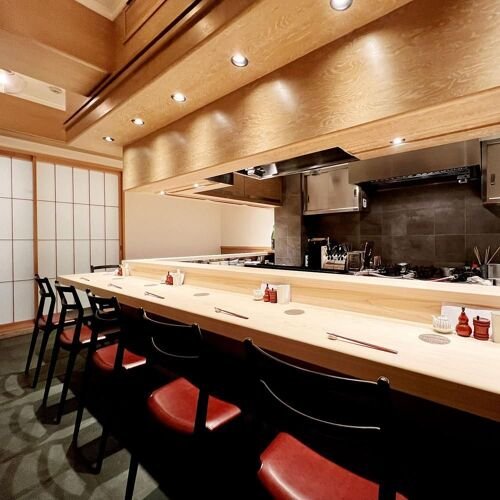
Stylish and relaxing counter seating space with attentive hospitality.
Tags
Vibe
Best For
Sourcing
Accessibility
At the Table
- Dress Code
- Smart Casual
- Noise Level
- Quiet
- Service Style
- Formal
- Meal Pacing
- Leisurely
- Capacity
- Intimate
- Kitchen
- Traditional
- Menu Format
- Omakase
- Wine Program
- Curated
Know before you go
Know Before You Go
- Getting there
- Japan, 〒110-0015 Tokyo, Taito City, Higashiueno, 5 Chome−17−8 中銀第2東上野マンシオン 1F-101号
Planning details
Location
Japan, 〒110-0015 Tokyo, Taito City, Higashiueno, 5 Chome−17−8 中銀第2東上野マンシオン 1F-101号 · Directions
Recognition and awards
Also consider
Also Consider
- Harutaka, Sushi, ¥¥¥¥
- L'Effervescence, French, ¥¥¥¥
- RyuGin, Kaiseki, Japanese, ¥¥¥¥
- HOMMAGE, Innovtive French, French, ¥¥¥¥
- Crony, Innovative, French, ¥¥¥¥
Restaurant context
Takahashi sits at ¥¥¥, which puts it a full tier below most of its comparison set. RyuGin is the obvious kaiseki benchmark in Tokyo at ¥¥¥¥, the cooking is more technically elaborate and the room more theatrical, but you are paying a significant premium for that experience and booking is considerably harder. If kaiseki technique at a lower price point is your priority, Takahashi is the more practical choice. Harutaka is the comparison for sushi rather than kaiseki, and again operates at ¥¥¥¥ with tighter availability, book that one if sushi is specifically what you want, but do not mistake the price gap for a quality gap at Takahashi.
For diners weighing French creative cooking against Japanese at a similar spending level, L'Effervescence, HOMMAGE, and Crony all deliver at ¥¥¥¥ with strong credentials, but all three require more forward planning and a larger budget than Takahashi. If you are undecided between Japanese and French for a Tokyo splurge, those three are strong contenders. If you want serious Japanese cooking without committing to a ¥¥¥¥ budget, Takahashi is the more accessible option with a clear value argument.
The practical summary: Takahashi is the easiest to book of this comparison set, the most affordable, and the best choice for a first-timer who wants ingredient-led Japanese cooking without the pressure of a high-ceremony, high-cost experience. RyuGin is the upgrade if kaiseki formality and starred-level precision matter more than budget. Harutaka is the upgrade if sushi is the priority. For everything else on your Tokyo dining shortlist, see our full guide to the city's restaurant options.
Explore Tokyo
Around this place
Discover more on Pearl
Unlock the full Takahashi guide in Pearl, including awards, comparisons, FAQs, planning details, and nearby places.
Compare Takahashi
| Venue | Awards | Price |
|---|---|---|
| Takahashi | 2026 Michelin Plate2025 Michelin Plate | ¥¥¥ |
| Harutaka | 2026 Tabelog Silver · #312026 OAD Top Restaurants in Japan Ranked · #1282026 Michelin 3 Stars2026 La Liste Top RestaurantsTabelog 100 - Sushi - TOKYO - 2025 · #372025 Asia's 50 Best Restaurants · #762025 OAD Top Restaurants in Japan Ranked · #1172025 La Liste Top Restaurants2025 Tabelog Bronze | ¥¥¥¥ |
| L'Effervescence | 2026 Tabelog Silver · #682026 OAD Top Restaurants in Japan Ranked · #103Star Wine Lists 20262026 Black Pearl 2 Diamond2026 Relais Chateaux Restaurants2026 La Liste Top Restaurants2026 Michelin 3 Stars2025 Asia's 50 Best Restaurants · #692025 OAD Top Restaurants in Japan Ranked · #92 | ¥¥¥¥ |
| RyuGin | 2026 OAD Top Restaurants in Japan Ranked · #802026 Tabelog Bronze · #3772026 Michelin 3 Stars2026 La Liste Top RestaurantsTabelog 100 - Japanese cuisine - TOKYO - 2025 · #212025 OAD Top Restaurants in Japan Ranked · #542025 Michelin 3 Stars2025 La Liste Top Restaurants2025 The Best Chef Three Knives | ¥¥¥¥ |
| HOMMAGE | 2026 Tabelog Bronze · #1232026 OAD Top Restaurants in Japan Highly Recommended2026 Michelin 2 StarsTabelog 100 - French - TOKYO - 2025 · #762025 Asia's 50 Best Restaurants · #782025 OAD Top Restaurants in Japan Ranked · #1752025 Michelin 2 Stars2025 The Best Chef One Knife2025 La Liste Top Restaurants | ¥¥¥¥ |
| Crony | 2026 Asia's 50 Best Restaurants · #34Star Wine Lists 20262026 OAD Top Restaurants in Japan Recommended2026 Michelin 2 Stars2025 Asia's 50 Best Restaurants · #30Tabelog 100 - French - TOKYO - 2025 · #782025 OAD Top Restaurants in Japan Ranked · #227We're Smart World Top Restaurants 20252025 Michelin 2 Stars | ¥¥¥¥ |














Comparing your options in Tokyo for this tier.
FAQ
Frequently Asked Questions
Is Takahashi good for solo dining?
Yes. A chef-driven, market-led Japanese kitchen at ¥¥¥ is one of the formats that works well for solo diners in Tokyo — you are eating what the chef approved at market that day, and there is no social overhead required. The Higashiueno address is low-key, which suits solo visits better than a flashier Ginza room would.
Is the tasting menu worth it at Takahashi?
At ¥¥¥, Takahashi is priced below most of Tokyo's Michelin-starred Japanese restaurants, which typically operate at ¥¥¥¥. The chef's background spans kaiseki training in Japan and hospitality experience in Singapore, and he personally inspects ingredients at market before each service — that sourcing rigour at this price tier makes the menu worth ordering in full rather than selectively.
Does Takahashi handle dietary restrictions?
No dietary policy is documented in the available venue data. Given that the menu is shaped by what the chef personally approves at market each visit, there is limited flexibility by design. Communicate restrictions clearly at the time of booking rather than on arrival — last-minute requests are harder to accommodate in a kitchen built around daily sourcing decisions.
Is Takahashi worth the price?
Yes, for what it is. A Michelin Plate (2025) Japanese kitchen in Tokyo at ¥¥¥, run by a chef who trained in kaiseki, worked abroad, and now personally selects every ingredient at market, is a strong value case relative to the ¥¥¥¥ tier in Ginza or Roppongi. If you want a destination meal without a destination price, Takahashi makes the argument well.