.png?width=1200&quality=80)
T'astous
French · Minato, Tokyo
Restaurant in Tokyo, Japan
 Book with Pearl
The Read
Southwest French Neo-Bistro
Price
$50–100per person
Dress
Smart Casual
Why go
T'astous holds a Michelin Bib Gourmand (2024) for southwest French cooking in a neo-bistro format in Minato. Chef Alexis Ayala's menu centres on foie gras and truffle traditions from the Cahors region, making this one of Tokyo's most focused French propositions at ¥¥ pricing. Book one to two weeks out — easier to secure than most Michelin-recognised French rooms in the city.
About T'astous
Verdict
T'astous is one of the more direct booking decisions on Tokyo's French dining circuit. A Michelin Bib Gourmand in 2024, it delivers serious southwest-French cooking at mid-range prices in a room that feels transplanted from a Paris side street. If you want technically grounded French cuisine without the ¥¥¥¥ commitment of L'Effervescence or Sézanne, book here first.
About T'astous
The name is the first clue. T'astous is the word for a black-truffle canapé in the Cahors dialect of southwestern France — a signal that chef Alexis Ayala is not cooking a generalised French menu but a regional one, rooted in the ingredients and sensibility of the south. Foie gras and truffles anchor the kitchen's identity, and Ayala's training in the south of France is directly legible on the plate. This is not fusion or interpretation at a distance: it is an attempt to bring the flavours of Périgord and the Lot to a first-floor space in Minato's Minamiazabu neighbourhood.
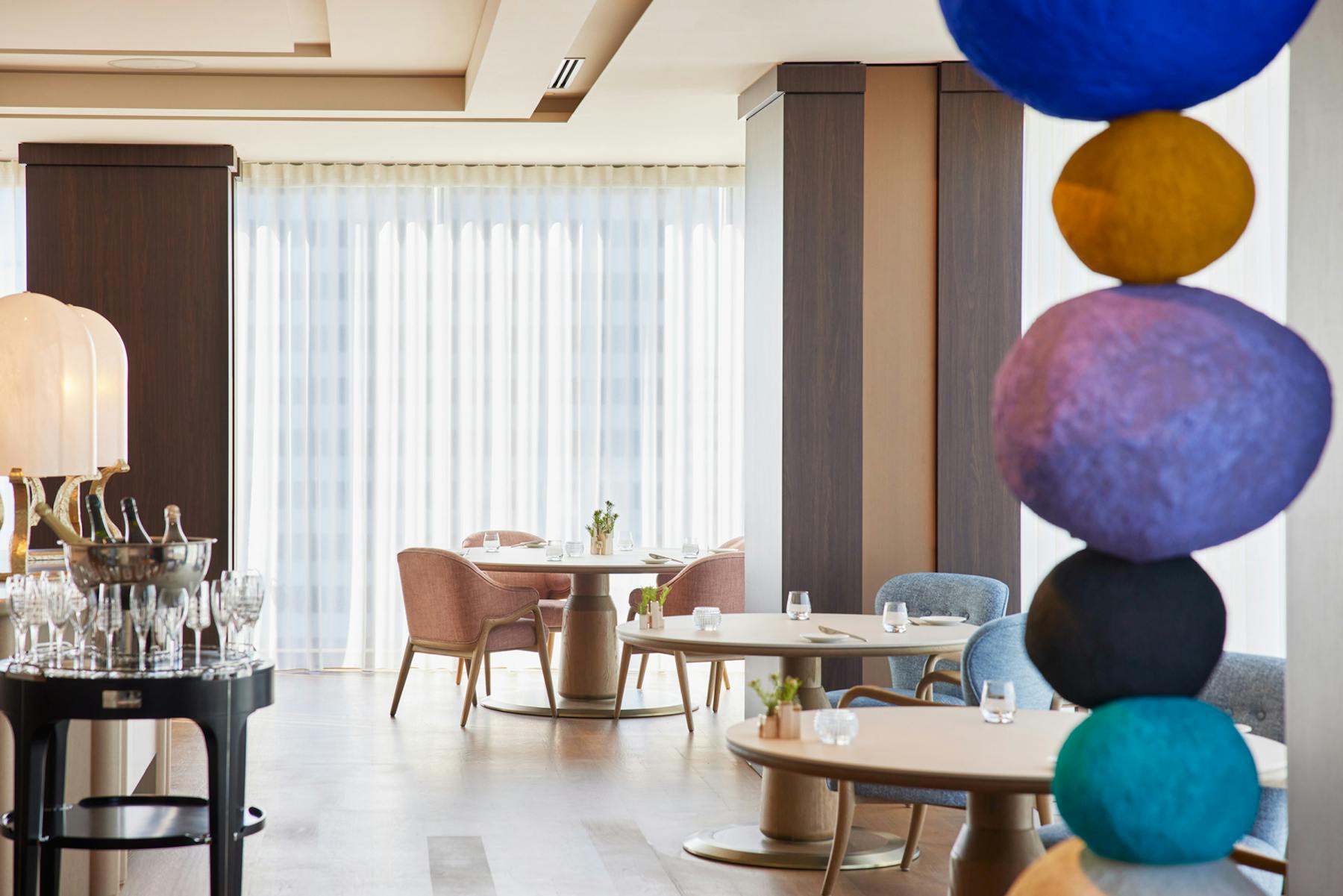
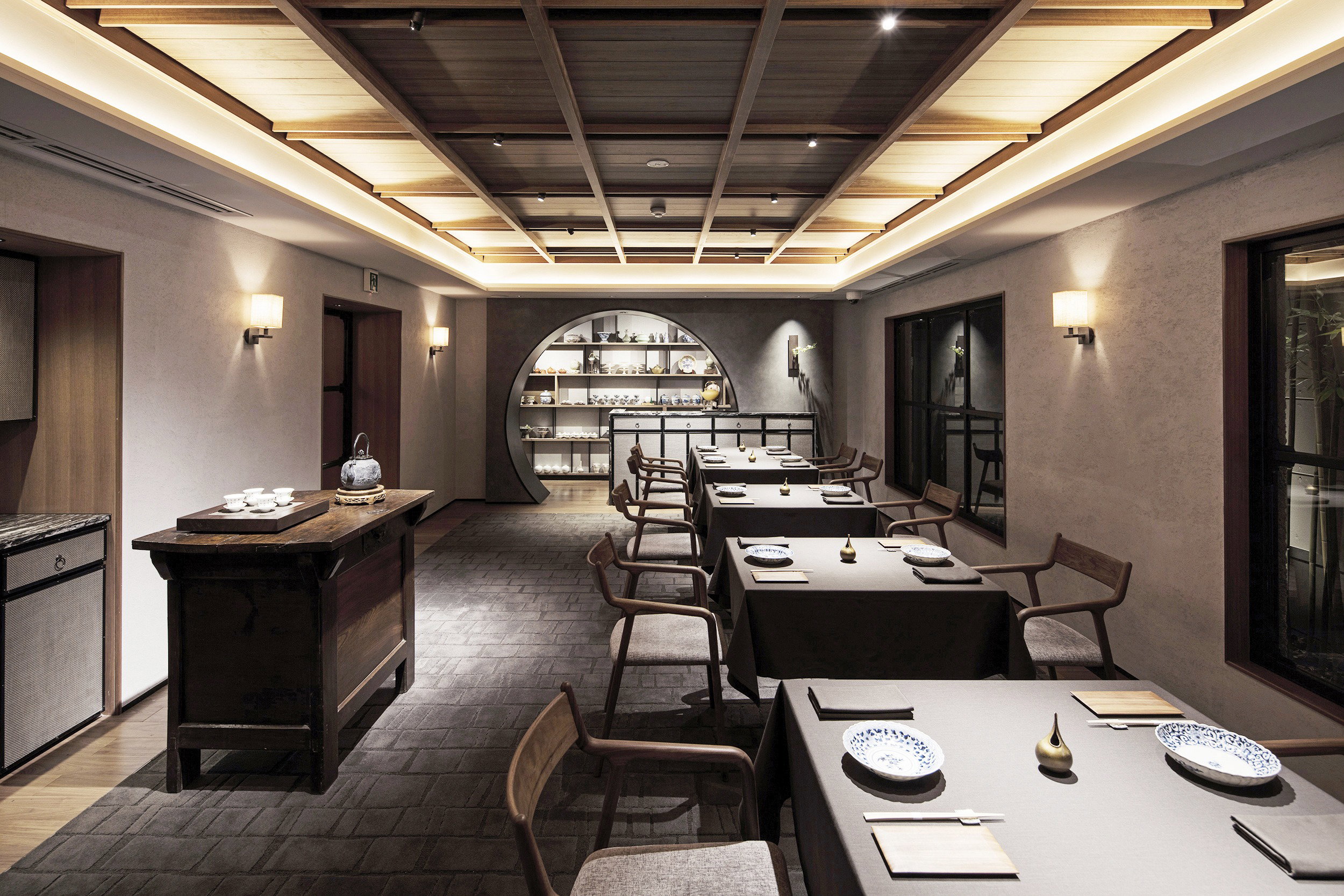
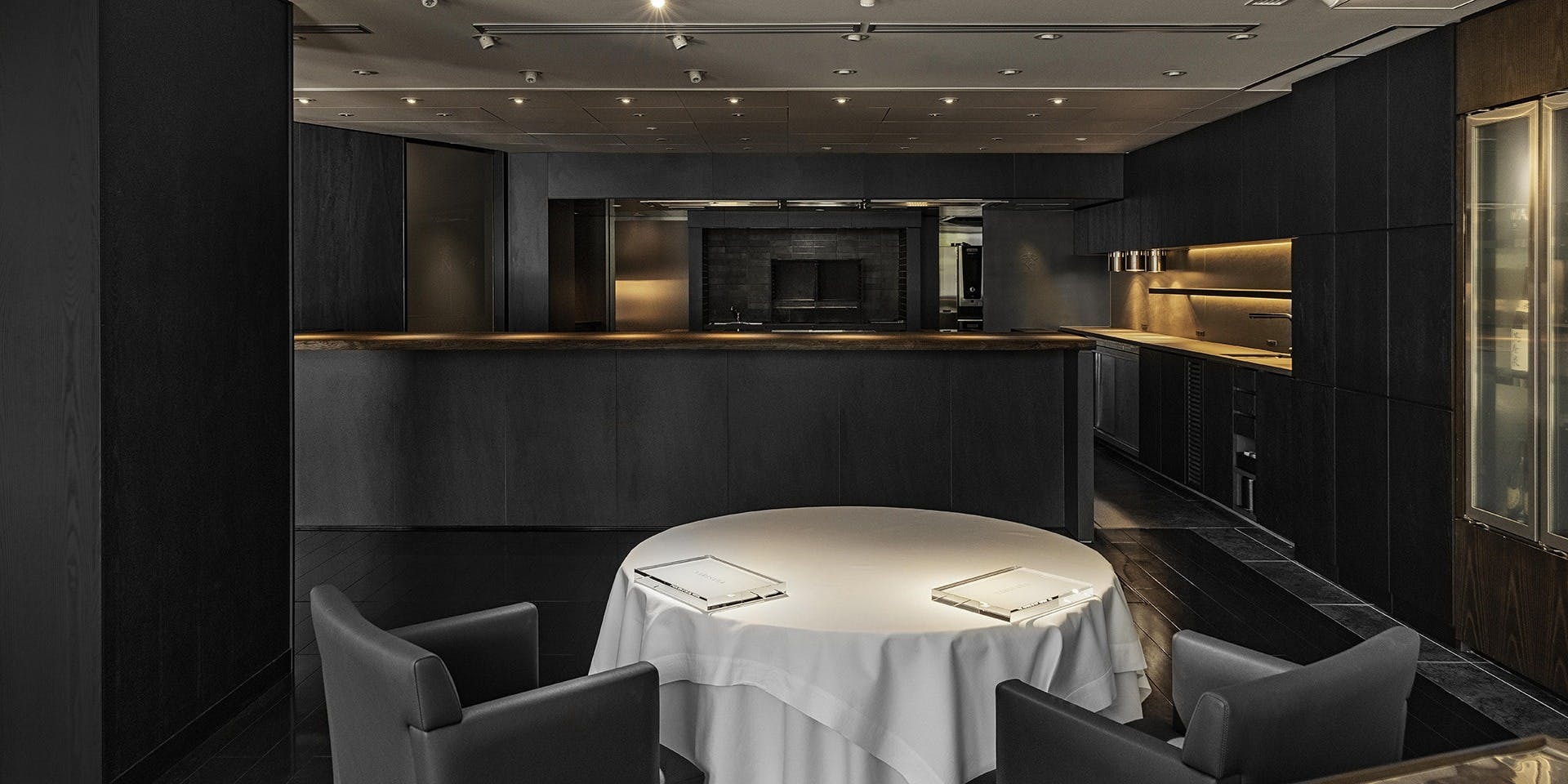
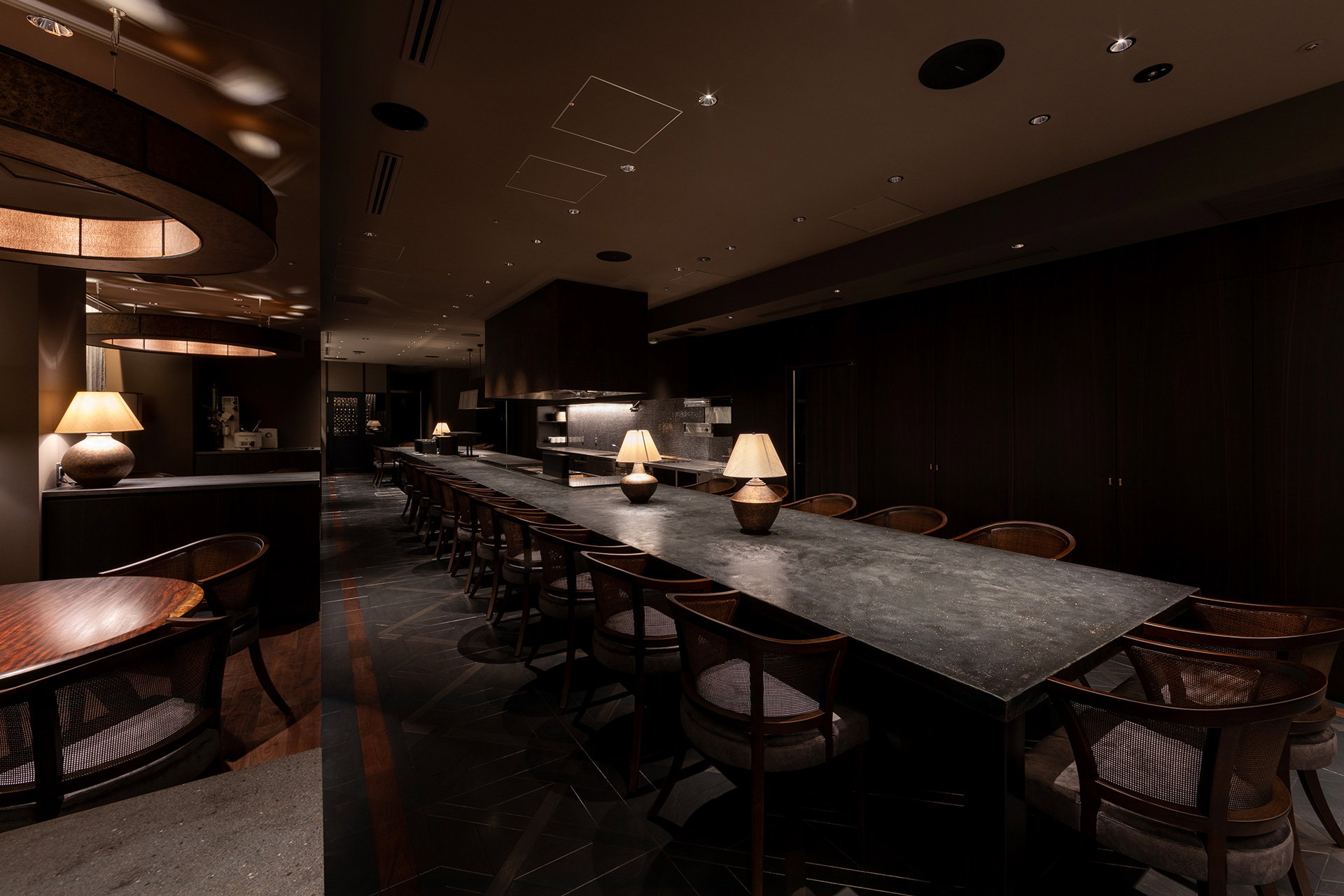
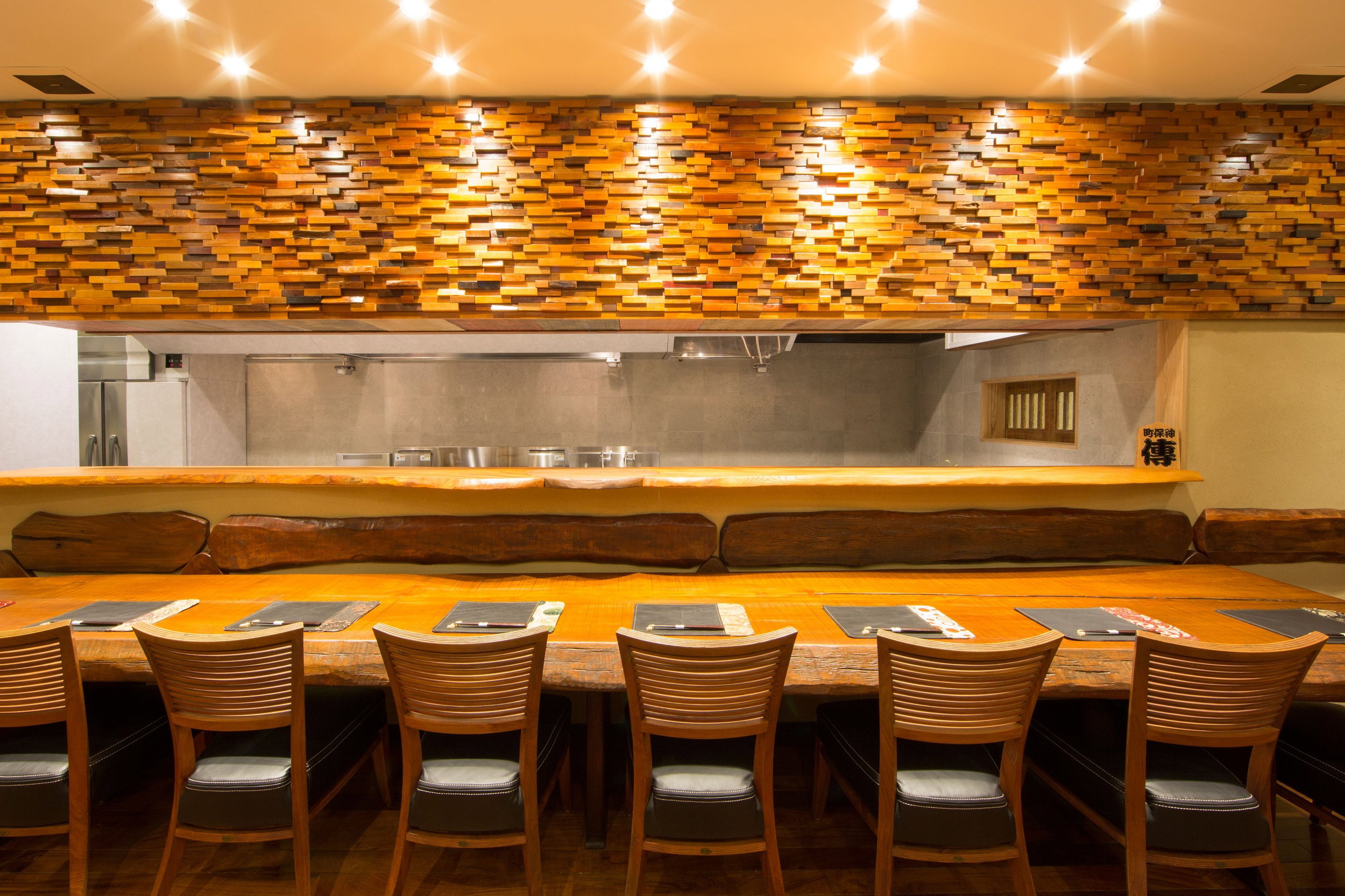
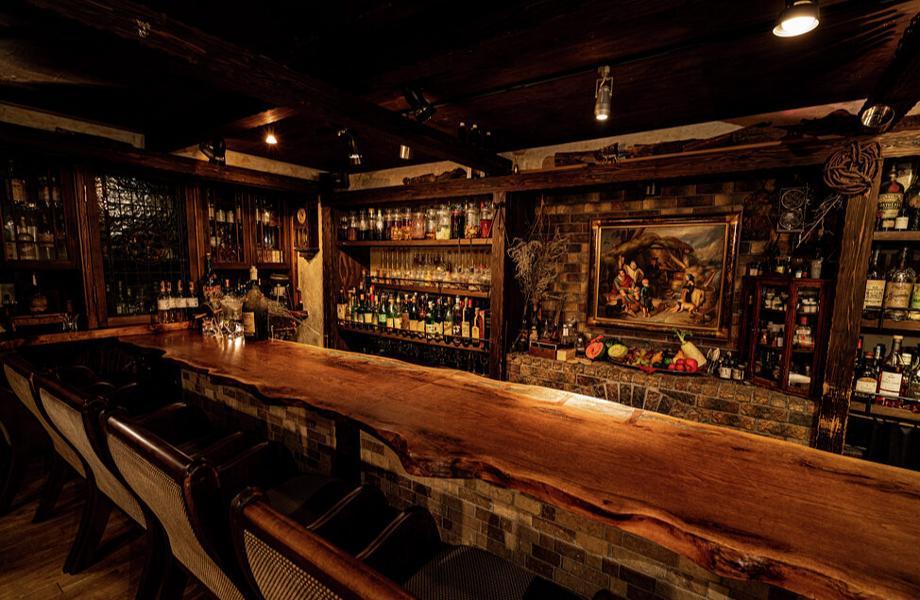
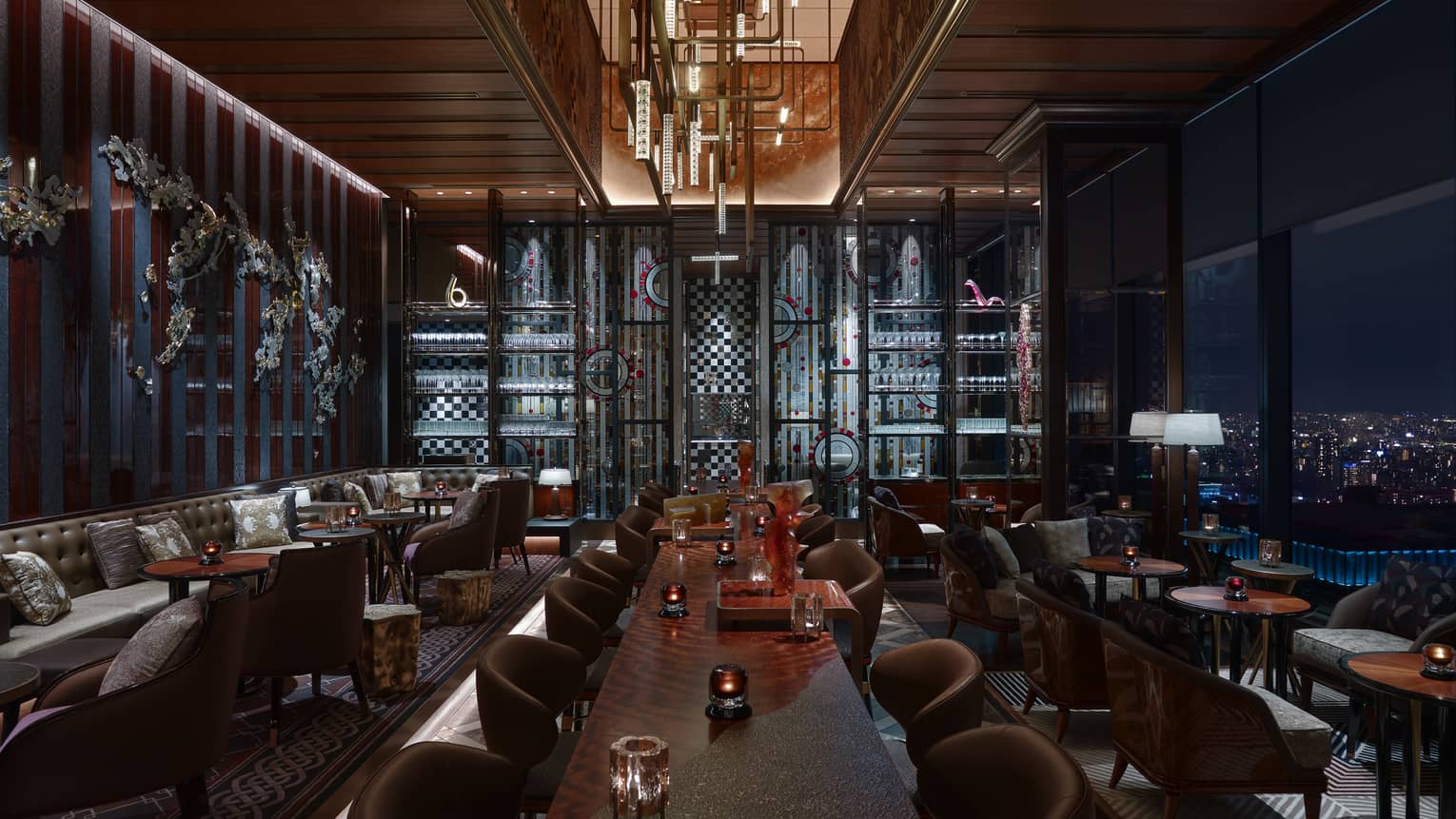
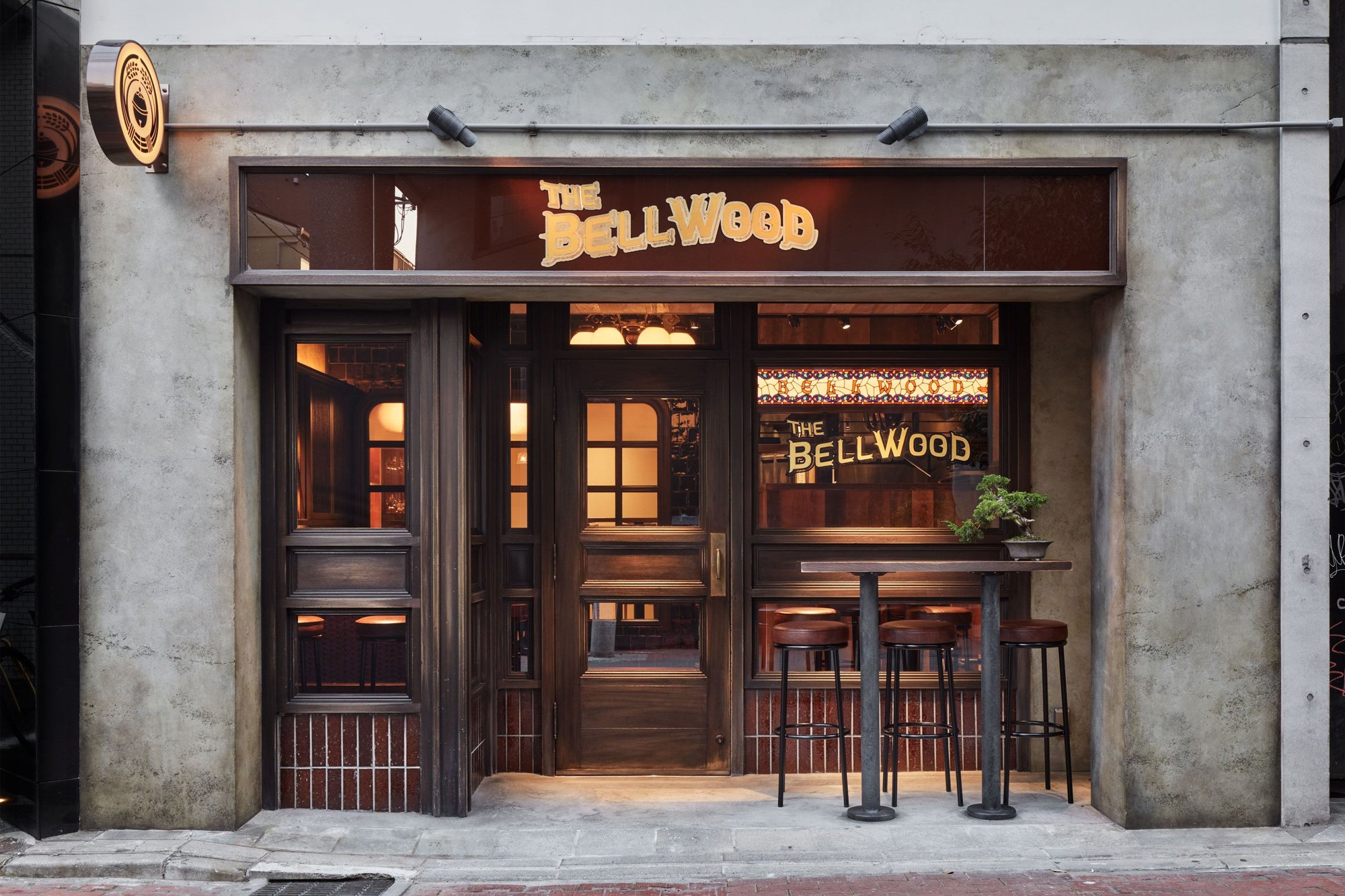
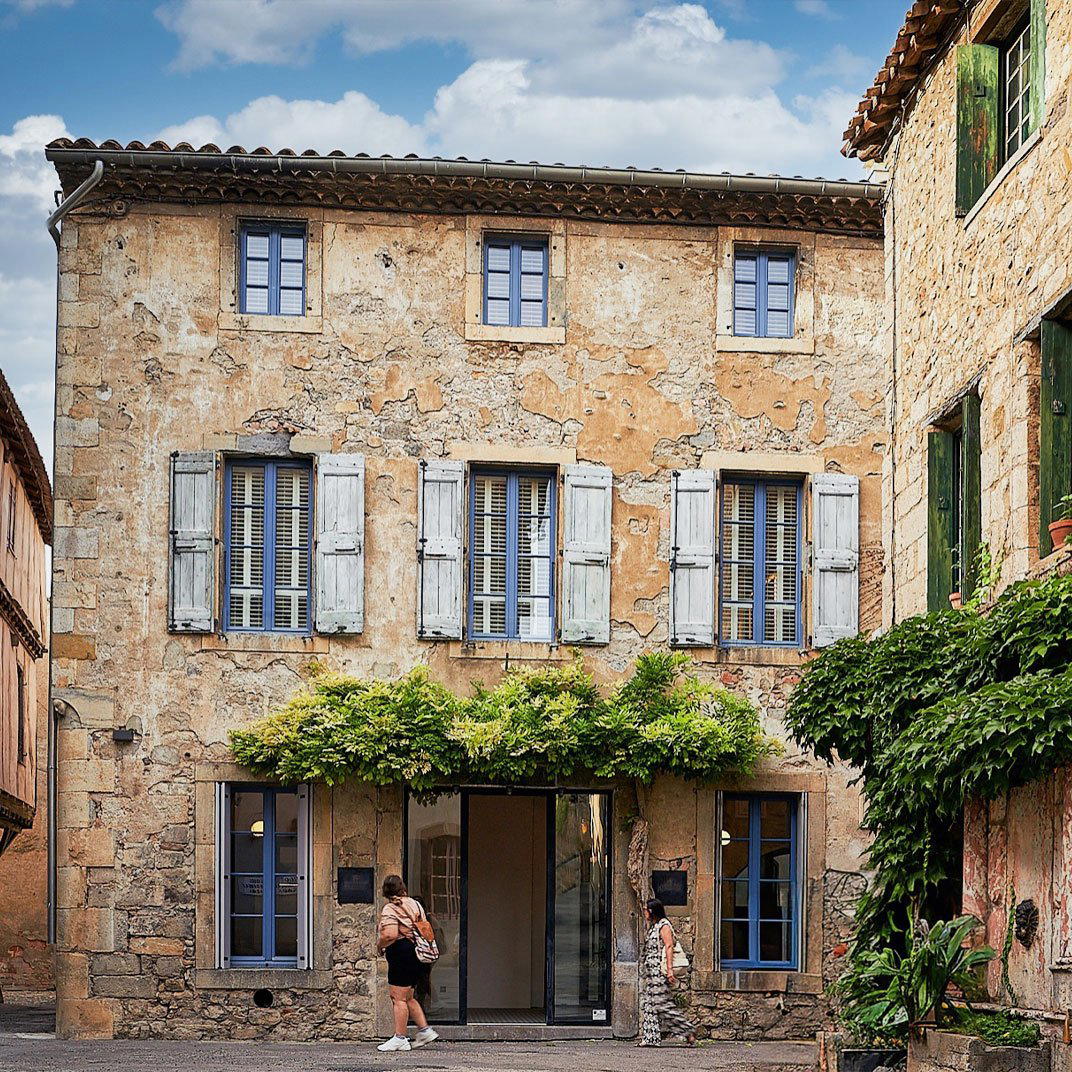
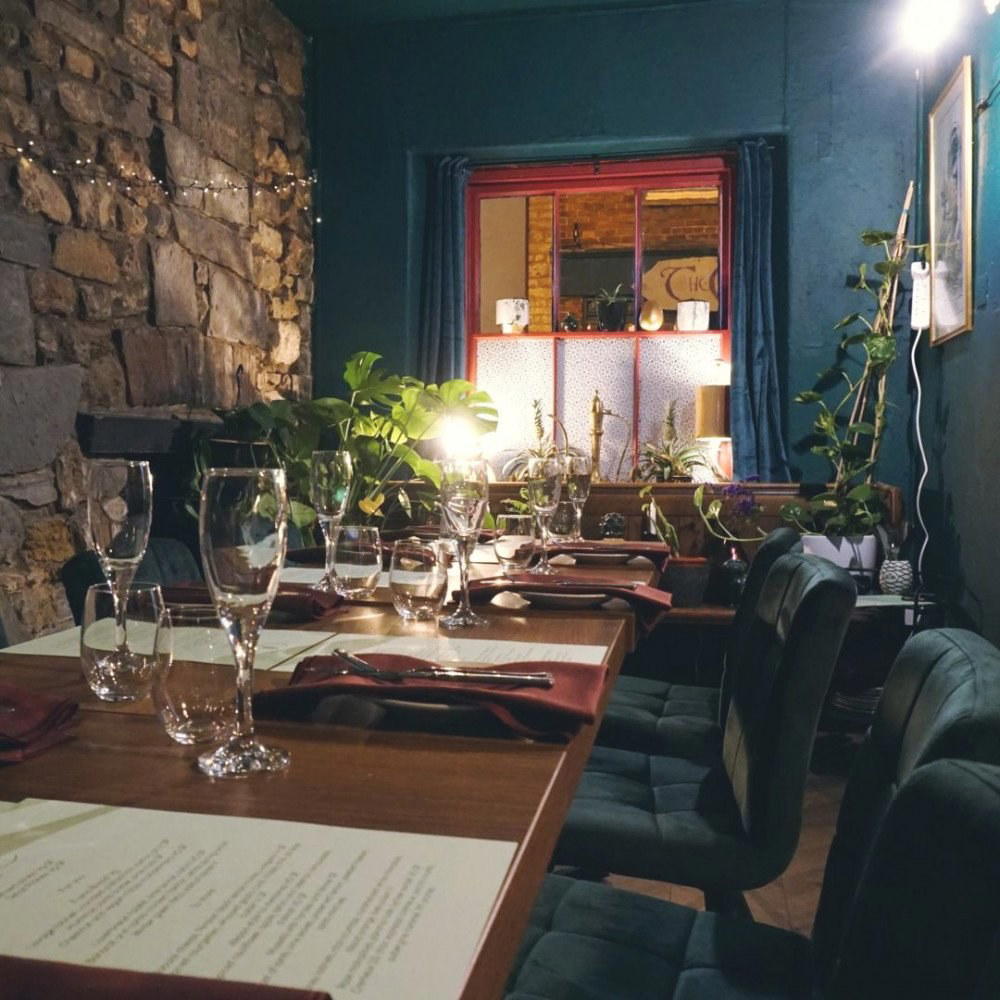
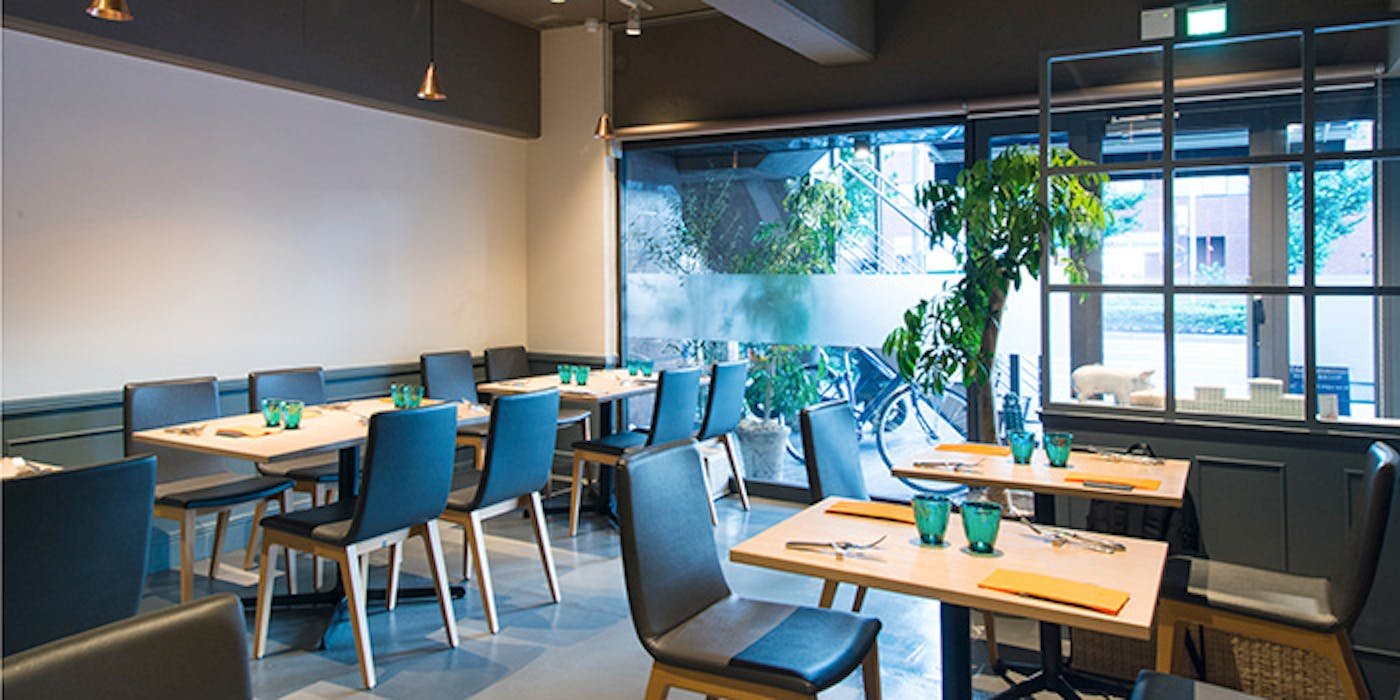
The room reads as a neo-bistro: the kind of chic, low-fuss format Paris has been refining for a decade. Expect close tables, a compact room with intimate scale, and a setting that prioritises the food over spectacle. At ¥¥ pricing, the physical space is appropriately modest rather than designed to impress. For diners who find Tokyo's high-end French rooms — the cathedral ceilings at Château Restaurant Joël Robuchon, the gallery-like interiors at ESqUISSE, too formal for comfort, T'astous offers a plausible alternative where the atmosphere does not compete with what is on the table.
Editorial angle of the menu is its most distinctive feature. Southwest French cooking is a specific discipline: slower, richer, more ingredient-driven than the classical haute-cuisine tradition. Foie gras here is not a garnish or an accent but a structural element. Truffles are treated with the seriousness they receive in Cahors itself. For the explorer-type diner who arrives at a restaurant looking for depth and regional specificity rather than a showcase of technique for its own sake, the menu at T'astous gives you a thread to follow, a coherent culinary argument rather than a list of impressive dishes.
Tasting experience at a neo-bistro like this typically follows a different arc than at a formal multi-course operation. The progression tends to move from simpler preparations into richer, more ingredient-forward territory, with the kitchen's signature products, foie gras, truffle, arriving when the palate is ready for them rather than as an opening flourish. That structure rewards eating the menu in sequence rather than ordering selectively from it. First-timers should resist the temptation to skip courses, particularly if truffle or foie gras preparations appear mid-menu. This is the region's gift, as Ayala puts it through his cooking, and the context matters.
Tokyo's broader French dining scene spans an enormous range: from the seasonal precision of Florilège to the produce-led philosophy at L'Effervescence. T'astous sits at a specific point on that range, regional, ingredient-driven, accessible in price, formal enough to warrant attention but relaxed enough that you will not feel underdressed in smart casual clothing. It occupies a position closer to L'Effervescence in culinary seriousness than to a neighbourhood brasserie, but at a fraction of the price. That gap is the reason to book it.
The Bib Gourmand, which Michelin awards specifically for quality cooking at moderate prices, validates that reading. This is not a restaurant coasting on concept; it is one that has earned its credentials through execution.
For food and travel enthusiasts who want to understand how a Japanese city absorbs a foreign regional cuisine and makes it credible, T'astous is a useful case study. Chef Ayala's biography as a French-trained cook working in Tokyo is not the story here, the story is whether the food works, and by all available evidence, it does. Comparable regional French ambition in Japan includes akordu in Nara, which applies European sensibility to local produce, and the broader French-Japanese conversation you can trace through restaurants like HAJIME in Osaka. T'astous is a more intimate, less scenographic version of that exchange.
Booking is rated easy, which at a Bib Gourmand in Minato is worth noting. The combination of modest seat count and Michelin recognition can create pressure at popular times, but T'astous does not require the months-in-advance strategy that the ¥¥¥¥ tier demands. Plan one to two weeks out for dinner on popular evenings; last-minute availability is plausible for lunch or mid-week seatings. If you are building a Tokyo itinerary around French dining and already have a reservation at Sézanne or L'Effervescence, T'astous makes a strong second night rather than a fallback, its regional specificity means it does not duplicate the experience of the more celebrated rooms.
Know Before You Go
- Address: 丸善ビル 1F, 2-5-21 Minamiazabu, Minato City, Tokyo
- Cuisine: French (southwest regional, foie gras and truffle focus)
- Price range: ¥¥ (mid-range)
- Awards: Michelin Bib Gourmand 2024
- Booking difficulty: Easy, 1–2 weeks out for weekends; mid-week more flexible
- Dress code: Smart casual appropriate for the neo-bistro format
- Leading for: Couples, solo diners, food-focused guests who want regional depth at mid-range price
- Also consider: L'Effervescence if budget allows; Florilège for contemporary French contrast
Explore More in Tokyo and Beyond
For the full picture of dining, drinking, and staying in the city, see our full Tokyo restaurants guide, our full Tokyo hotels guide, our full Tokyo bars guide, our full Tokyo wineries guide, and our full Tokyo experiences guide. For French dining comparable in regional ambition elsewhere in Japan, see Gion Sasaki in Kyoto and Goh in Fukuoka. For French dining in comparable cities internationally, Hotel de Ville Crissier in Crissier and Les Amis in Singapore represent the broader context in which T'astous competes. You can also find innovative French benchmarks closer to home at 1000 in Yokohama and 6 in Okinawa.
Planning details
- Location
- Japan, 〒106-0047 Tokyo, Minato City, Minamiazabu, 2 Chome−5−21 丸善ビル 1F
- Website
- tastous.jp
- Phone
- +81 3-6435-4722
The take
The Take
The Vibe
T'astous presents a grounded, regionally focused take on French cooking that feels both considered and approachable. The kitchen draws explicit inspiration from southwestern France and practices "cuisine de terroir," which lends the dining room a rustic-classic temperament rather than the formality of Tokyo's multi-starred houses. Located in Minamiazabu, it reads as a neighbourhood restaurant: serious about technique and provenance but relaxed in service and presentation. The Bib Gourmand recognition underlines its focus on strong cooking delivered at modest prices, producing an intimate, quietly charming atmosphere for diners who prefer substance over spectacle.
Best For
T'astous is best for diners seeking well-made, regionally minded French cooking without the ceremony of haute restaurants. The Bib Gourmand designation and ¥¥ price positioning make it a smart choice for value-conscious evening meals, relaxed date nights, and neighbourhood dinners where quality matters more than formality. It sits comfortably between formal tasting-menu houses and casual bistro fare, so it works for small celebrations or a thoughtful night out when you want terroir-driven flavors and attentive, unpretentious service. Reservations are sensible given its reputation and compact scale.
Ordering Tips
Lean into the restaurant's regional focus: the kitchen explicitly references southwestern French traditions and "cuisine de terroir," so prioritize dishes that showcase those influences and seasonal ingredients. Given the Bib Gourmand framing — quality at a moderate price — look for set options or value-led plates that emphasize provenance and simple technique rather than elaborate presentation. Ask servers for recommendations that highlight signature regional preparations, and be open to sharing a few plates to experience the kitchen's range. Keep expectations aligned with a neighbourhood, ¥¥ dining rhythm rather than a multi-course tasting spectacle.
Venue details
Ambiance
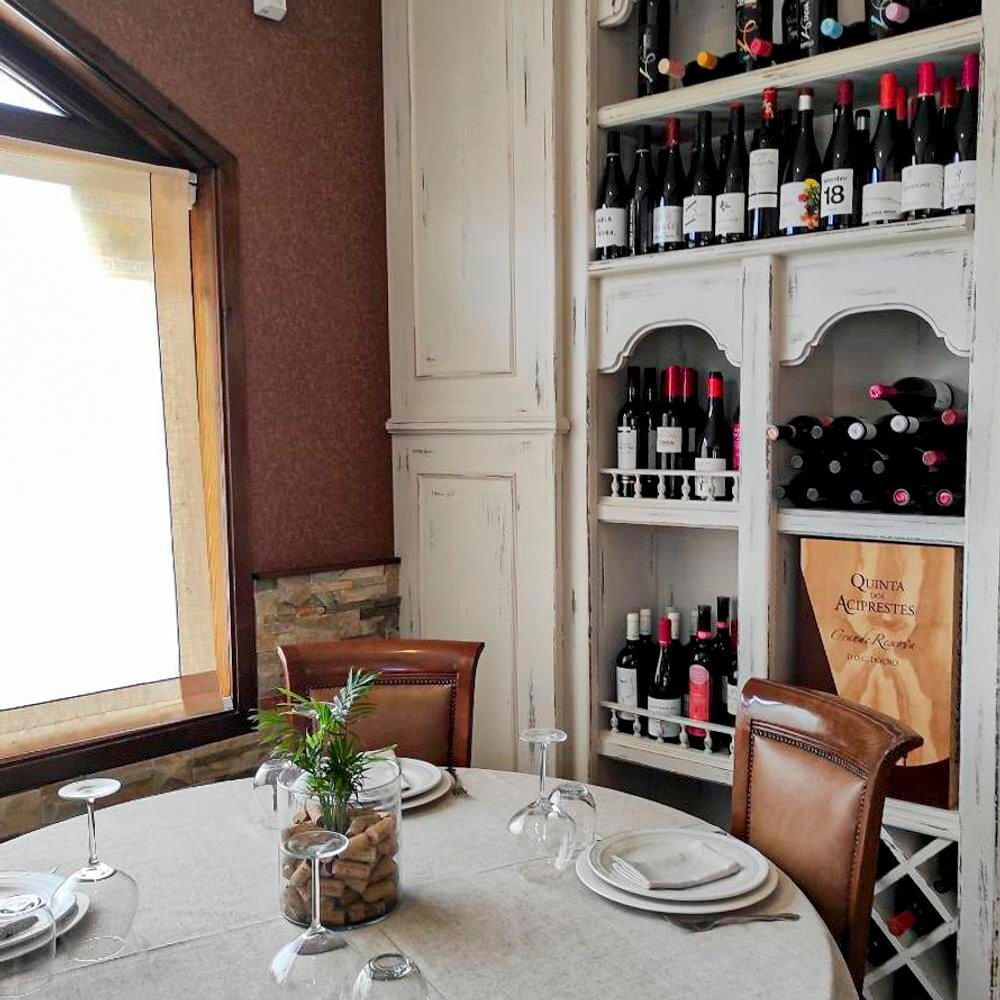
Welcoming and warm with a calm, sophisticated atmosphere enhanced by light blue glassware, though acoustics can be echoey with limited privacy.
Tags
Vibe
Best For
Sourcing
At the Table
- Dress Code
- Smart Casual
- Noise Level
- Conversational
- Service Style
- Upscale Casual
- Meal Pacing
- Leisurely
- Capacity
- Intimate
- Kitchen
- Modern
- Menu Format
- Prix fixe, A la carte
- Wine Program
- Curated
- Outdoor Seating
- Yes
Know before you go
Know Before You Go
- Getting there
- Japan, 〒106-0047 Tokyo, Minato City, Minamiazabu, 2 Chome−5−21 丸善ビル 1F
Planning details
Location
Japan, 〒106-0047 Tokyo, Minato City, Minamiazabu, 2 Chome−5−21 丸善ビル 1F · Directions
Recognition and awards
Also consider
Also Consider
- Harutaka, Sushi, ¥¥¥¥
- L'Effervescence, French, ¥¥¥¥
- RyuGin, Kaiseki, Japanese, ¥¥¥¥
- HOMMAGE, Innovtive French, French, ¥¥¥¥
- Crony, Innovative, French, ¥¥¥¥
Restaurant context
At ¥¥, T'astous operates in a different tier from most of its named French peers in Tokyo. L'Effervescence and HOMMAGE both sit at ¥¥¥¥ and demand more from your reservation calendar as well as your budget. T'astous is the answer if you want Michelin-validated French cooking without committing to a four-symbol spend. The tradeoff is scope: L'Effervescence offers a wider seasonal arc; T'astous gives you a tighter, more regionally specific experience. For value per yen among Tokyo's credentialled French options, T'astous is the clearest recommendation.
Crony is the closest peer in format, innovative French in a relaxed room at ¥¥¥¥, but it pushes further from tradition and costs more. Diners who want experimentation should consider Crony; diners who want regional fidelity should choose T'astous. RyuGin at ¥¥¥¥ is a different decision entirely: kaiseki rather than French, and suited to guests who want a deep Japanese-cuisine experience rather than a European one. It is not a direct alternative, but if you are choosing between one high-end dinner and another on a Tokyo trip, RyuGin and T'astous serve different purposes rather than competing for the same occasion.
Harutaka at ¥¥¥¥ sushi is similarly not a direct competitor, but the comparison is instructive on booking: Harutaka is among Tokyo's harder reservations to secure; T'astous is rated easy. If your itinerary already includes one difficult-to-book counter, T'astous absorbs a French-dinner slot without adding reservation stress. For the diner building a multi-night Tokyo eating plan, that flexibility has real practical value.
Explore Tokyo
Around this place
Discover more on Pearl
Unlock the full T'astous guide in Pearl, including awards, comparisons, FAQs, planning details, and nearby places.
Compare T'astous
| Venue | Price | Awards |
|---|---|---|
| T'astous | ¥¥ | 2026 Bib Gourmand2024 Michelin Bib Gourmand |
| Harutaka | ¥¥¥¥ | 2026 Tabelog Silver · #312026 OAD Top Restaurants in Japan Ranked · #1282026 Michelin 3 Stars2026 La Liste Top RestaurantsTabelog 100 - Sushi - TOKYO - 2025 · #372025 Asia's 50 Best Restaurants · #762025 OAD Top Restaurants in Japan Ranked · #1172025 La Liste Top Restaurants2025 Tabelog Bronze |
| L'Effervescence | ¥¥¥¥ | 2026 Tabelog Silver · #682026 OAD Top Restaurants in Japan Ranked · #103Star Wine Lists 20262026 Black Pearl 2 Diamond2026 Relais Chateaux Restaurants2026 La Liste Top Restaurants2026 Michelin 3 Stars2025 Asia's 50 Best Restaurants · #692025 OAD Top Restaurants in Japan Ranked · #92 |
| RyuGin | ¥¥¥¥ | 2026 OAD Top Restaurants in Japan Ranked · #802026 Tabelog Bronze · #3772026 Michelin 3 Stars2026 La Liste Top RestaurantsTabelog 100 - Japanese cuisine - TOKYO - 2025 · #212025 OAD Top Restaurants in Japan Ranked · #542025 Michelin 3 Stars2025 La Liste Top Restaurants2025 The Best Chef Three Knives |
| HOMMAGE | ¥¥¥¥ | 2026 Tabelog Bronze · #1232026 OAD Top Restaurants in Japan Highly Recommended2026 Michelin 2 StarsTabelog 100 - French - TOKYO - 2025 · #762025 Asia's 50 Best Restaurants · #782025 OAD Top Restaurants in Japan Ranked · #1752025 Michelin 2 Stars2025 The Best Chef One Knife2025 La Liste Top Restaurants |
| Crony | ¥¥¥¥ | 2026 Asia's 50 Best Restaurants · #34Star Wine Lists 20262026 OAD Top Restaurants in Japan Recommended2026 Michelin 2 Stars2025 Asia's 50 Best Restaurants · #30Tabelog 100 - French - TOKYO - 2025 · #782025 OAD Top Restaurants in Japan Ranked · #227We're Smart World Top Restaurants 20252025 Michelin 2 Stars |















Key differences to consider before you reserve.
FAQ
Frequently Asked Questions
What should a first-timer know about T'astous?
The kitchen is anchored in southwestern French technique: foie gras and truffle are the chef's strongest ground, and the restaurant name itself references a black-truffle canapé from the Cahors dialect. Chef Alexis Ayala trained in the south of France, so the menu leans regional rather than generic Parisian. At the ¥¥ price point with a 2024 Michelin Bib Gourmand, this is a serious kitchen at a price that doesn't require advance justification. Book ahead — Bib Gourmand recognition in Tokyo means tables fill.
What are alternatives to T'astous in Tokyo?
For French dining with more ceremony and a higher price point, L'Effervescence is the credentialed choice in Tokyo. HOMMAGE is worth considering for classical French with strong local recognition. Crony is the closest in spirit if you want a bistro-adjacent, chef-driven format. Harutaka and RyuGin operate in entirely different cuisines and are only relevant if French isn't the priority. T'astous holds its own at ¥¥ with a more specific regional identity than most of its competitors at that price.
Is T'astous good for a special occasion?
It works for a low-key special occasion where the emphasis is on food quality over theatrical setting. The Michelin Bib Gourmand signals the kitchen is taken seriously, and the southwestern French focus on truffle and foie gras gives the meal a sense of intention. If the occasion calls for a grander room and a longer tasting format, L'Effervescence is the more natural fit. T'astous is the right call when you want the food to be the occasion without the full ceremony.