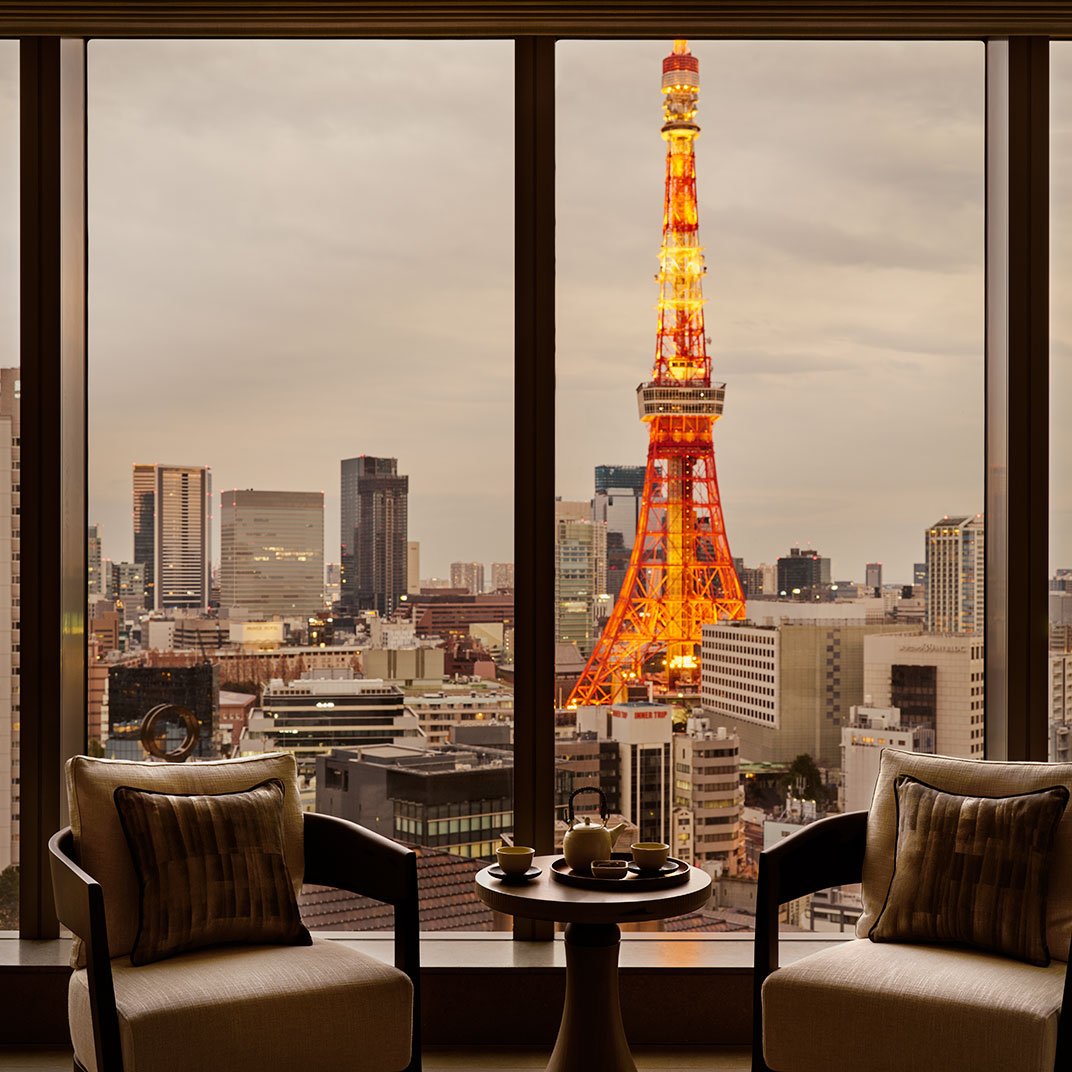

Sushiya Shota
Sushi · Minato, Tokyo
Restaurant in Tokyo, Japan
 Book with Pearl
The Read
Residential Edomae Precision
Price
¥¥¥
Dress
Smart Casual
Why go
Sushiya Shota holds a 2024 Michelin one star at the ¥¥¥ tier, making it one of the stronger value cases for high-quality omakase in Azabujuban. The from a small, consistent review base supports the Michelin recognition. Book well ahead — this counter is hard to access without a concierge or specialist reservation service.
About Sushiya Shota
Verdict: A Michelin-Starred Sushi Counter in Azabujuban Worth Booking for the Right Occasion
At the ¥¥¥ price point, Sushiya Shota sits in a compelling position in Tokyo's sushi hierarchy: more accessible than the ¥¥¥¥ tier dominated by venues like Harutaka and Sukiyabashi Jiro Roppongiten, yet carrying a 2024 Michelin one-star that signals genuine technical merit. If you are planning a special meal in Tokyo and want Michelin-quality without committing to the city's most expensive omakase experiences, this is one of the strongest cases in the Minato City area. Book it for a celebration dinner, a serious date, or a solo counter seat if you want focused, high-quality edomae sushi in a quieter residential neighbourhood rather than the tourist-dense corridors of Ginza or Roppongi.
The Setting and Atmosphere
Azabujuban is one of Tokyo's more grounded upscale neighbourhoods: international but not showy, residential but well-serviced. The 1F address on a third-chome side street puts Sushiya Shota away from the main boulevard noise, and you should expect the kind of ambient quiet that serious sushi counters in Japan tend to maintain by design. The energy here is composed rather than animated. Conversation at the counter stays measured. If you are looking for a room with buzz and chatter, this is not the right call — venues like Hiroo Ishizaka nearby offer a more social atmosphere. What Sushiya Shota gives you instead is the focused, attentive mood of a room where the food is the event. For a date or celebration where the meal itself should carry the evening, that is exactly what you want.
The Format and What to Expect
Michelin one-star sushi restaurants in Tokyo at the ¥¥¥ tier almost universally operate on an omakase or set-course format. You will not be ordering à la carte. The pace is dictated by the kitchen, the fish selection is seasonal and determined by market availability, and the counter interaction with the chef is part of the experience. First-timers to this format should arrive with that expectation clearly set. This is not a sushi restaurant where you point at a menu — it is a curated progression of nigiri and small courses that reflects what is leading on any given day. For the current autumn and winter season, expect the kitchen to be working with the richer, fattier fish profiles that colder months bring to Tokyo's wholesale markets at Toyosu.
Small omakase counters in Tokyo do not accumulate hundreds of reviews quickly, which means that score reflects a consistent track record rather than a volume-diluted average. For context, Sushi Kanesaka and Edomae Sushi Hanabusa operate in a comparable tier; Shota's ratings position it favourably among peers.
Booking: Treat This as Hard
This is a hard booking. Michelin recognition in 2024 will have tightened availability significantly at a small counter operation. Expect reservation windows of four to six weeks minimum, and plan further ahead if your dates are fixed. The venue has no published website or phone number in publicly available records, which means reservations almost certainly go through a Japanese-language booking platform such as Tableall, Omakase, or a hotel concierge connection. If you are visiting Tokyo from abroad, your most reliable path to a table is through a concierge at one of the city's established hotels, or through a specialist dining reservation service that handles Japanese omakase counters. Walk-ins are not a realistic option here. For broader planning across the city, our full Tokyo restaurants guide covers which venues take direct international bookings and which require local intermediaries.
Who Should Book Sushiya Shota
This venue earns a strong recommendation for three specific profiles. First, the Tokyo visitor on a curated dining itinerary who wants one Michelin sushi meal at a price point that does not require the ¥¥¥¥ outlay of Ginza's most celebrated counters. Second, the solo diner who wants the full counter experience, edomae technique, seasonal fish, chef interaction, in a neighbourhood setting rather than a tourist-visible address. Third, couples marking a birthday, anniversary, or significant occasion who want a meal that feels considered and personal rather than high-volume.
It is a weaker fit if you need a group table for four or more, if you require English menus as a fallback, or if you want the flexibility of à la carte ordering. For larger groups or more flexible formats, browse Tokyo options by format and capacity.
Sushiya Shota in the Broader Japan Context
If your trip extends beyond Tokyo, the comparison points shift. In Osaka, HAJIME represents the three-star kaiseki end of the spectrum. In Kyoto, Gion Sasaki offers a different register entirely. For travellers building a multi-city Japan dining itinerary, Sushiya Shota slots well as the Tokyo sushi anchor at a mid-luxury price point, with those venues handling kaiseki and haute cuisine in other cities. International equivalents for calibration: Sushi Shikon in Hong Kong (three Michelin stars, significantly higher price) and Shoukouwa in Singapore give you a sense of what the same format costs when exported outside Japan. Shota at ¥¥¥ in Tokyo represents considerably better value than either.
Know Before You Go
- Location: Azabujuban, Minato City, Tokyo (3 Chome-3-10, 1F)
- Price tier: ¥¥¥, mid-luxury; more accessible than Ginza's top-tier counters
- Awards: Michelin 1 Star (2024)
- Rating:
- Booking difficulty: Hard, plan 4–6 weeks minimum; use hotel concierge or a specialist reservation service
- Booking method: No direct website or phone listed publicly; expect Japanese-platform or concierge booking required
- Format: Omakase/set course standard for this tier, no à la carte
- Leading for: Special occasions, solo counter dining, curated Tokyo itineraries
- Neighbourhood: Quiet residential-upscale; lower noise than Ginza or Roppongi venues
- Explore more: Tokyo hotels | Tokyo bars | Tokyo experiences
Planning details
- Location
- Japan, 〒106-0045 Tokyo, Minato City, Azabujuban, 3 Chome−3−10 1F
- Website
- ggts000.gorp.jp
- Phone
- +81 50-5493-2723
The take
The Take
The Vibe
Sushiya Shota presents a hushed, purposeful sushi experience in Azabu-Juban. The writing emphasizes a 'quiet' and 'subdued' local character: rather than spectacle, the counter cultivates low-key refinement aimed at repeat guests and discerning residents. Hospitality is described as 'attentive without performance,' which frames an atmosphere that privileges craft and consistency over flash. The one-star recognition is treated as evidence of measured excellence, placing the counter among Tokyo's high-level but less publicised addresses. Expect minimalist presentation, a discreet residential setting, and a focus on technique and seasonality rather than theatrical service.
Best For
This counter suits intimate, intentional meals where the focus is the sushi itself. It is appropriate for date nights and special occasions as well as solo visits, and the neighborhood profile—home to diplomats and executives—makes it a natural fit for business dinners that value privacy and quality. The restaurant is described as drawing guests who come with purpose rather than passing foot traffic, so it works best for diners prepared to commit to the counter format and to a paced, chef-led progression rather than casual drop-ins.
Ordering Tips
Book ahead and treat the counter as the primary setting: the copy emphasizes the importance of repeat custom and purposeful visits, so reservations are prudent. Opt to sample the signature fish highlighted for the venue—aji, katsuo, hokkigai and kohada—since these items signal the chef's focus and seasonal handling. Because the description repeatedly frames the place as a small, craft-driven counter, plan for an attentive, sequential experience at the bar rather than a la carte casual grazing.
Venue details
Ambiance
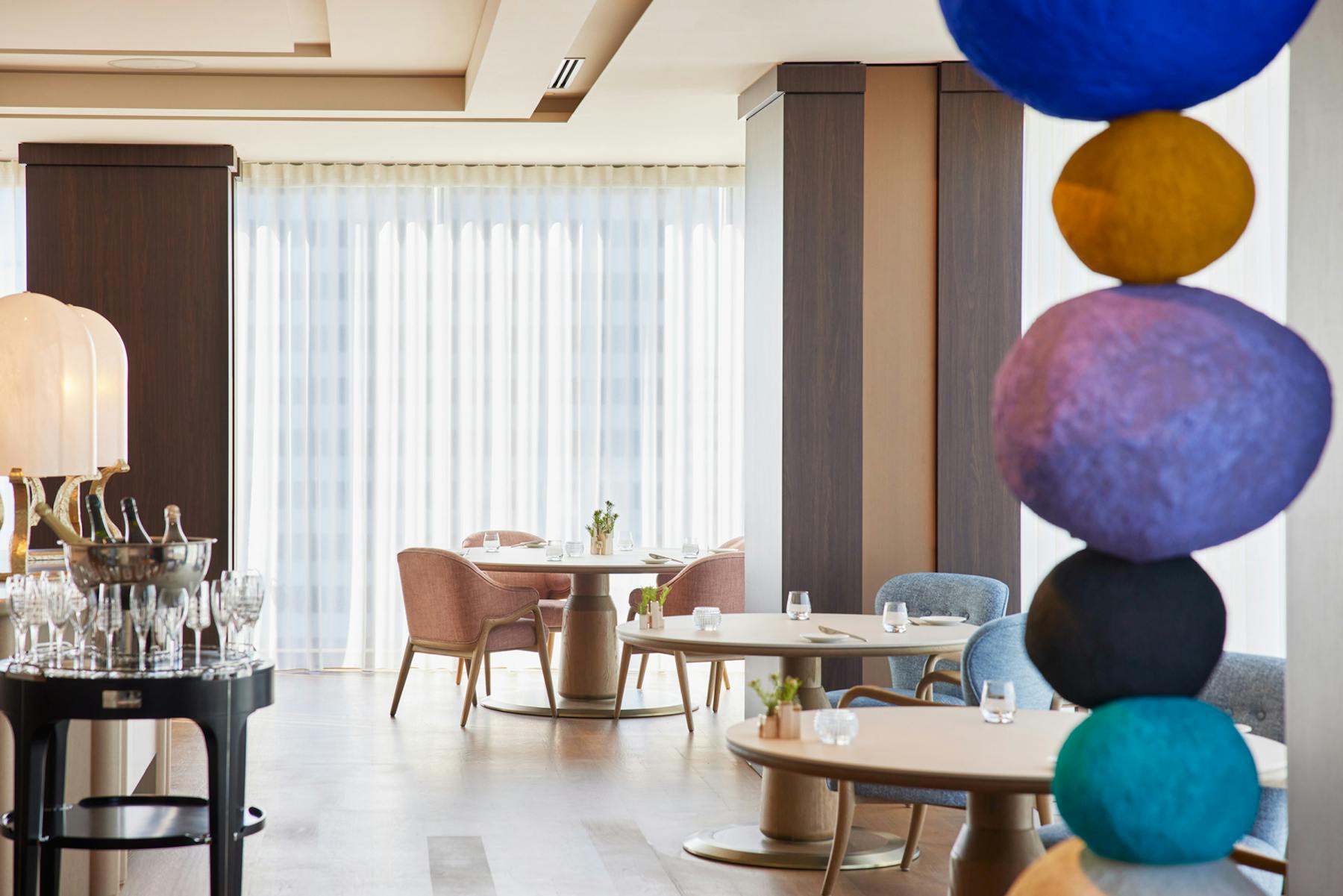
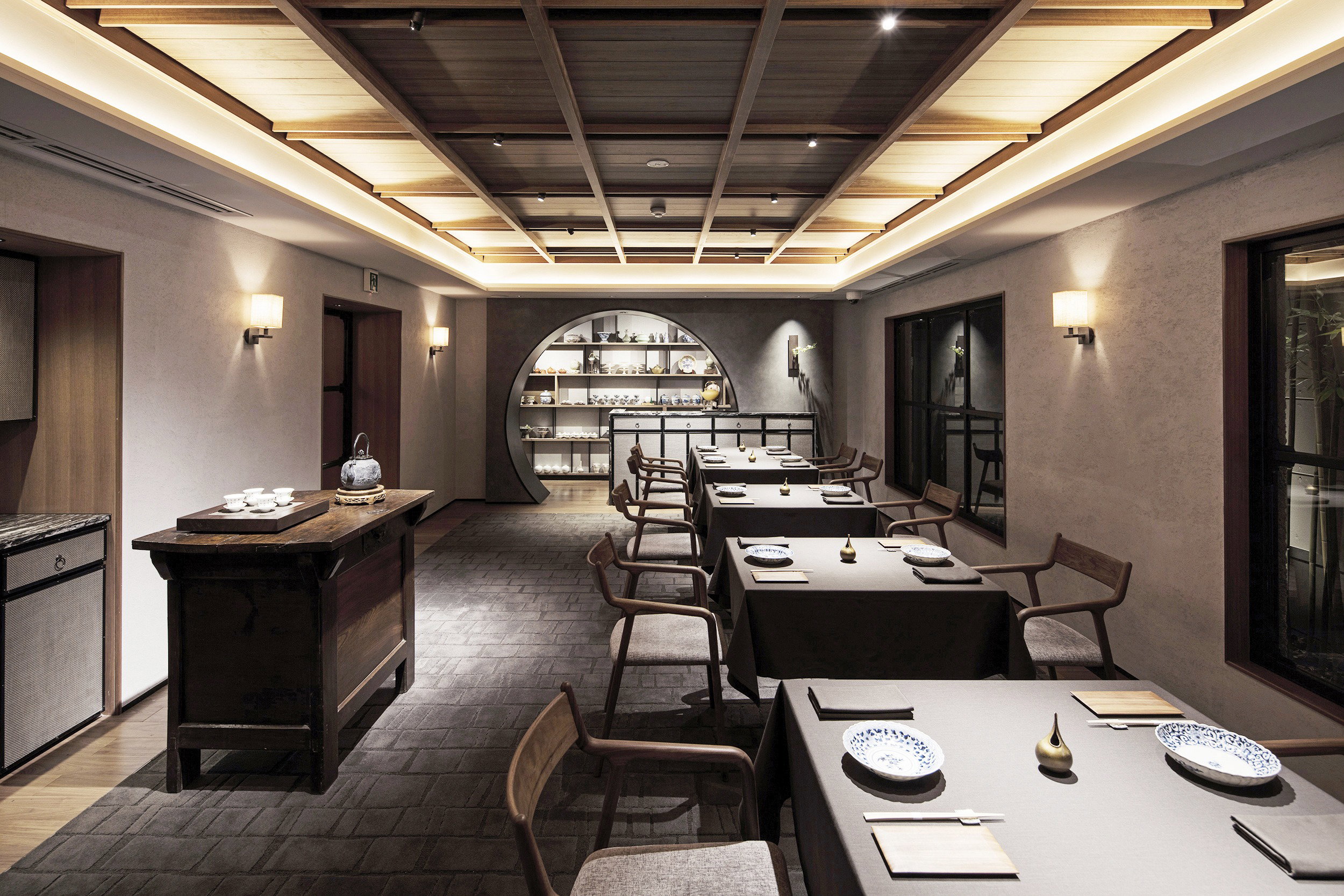
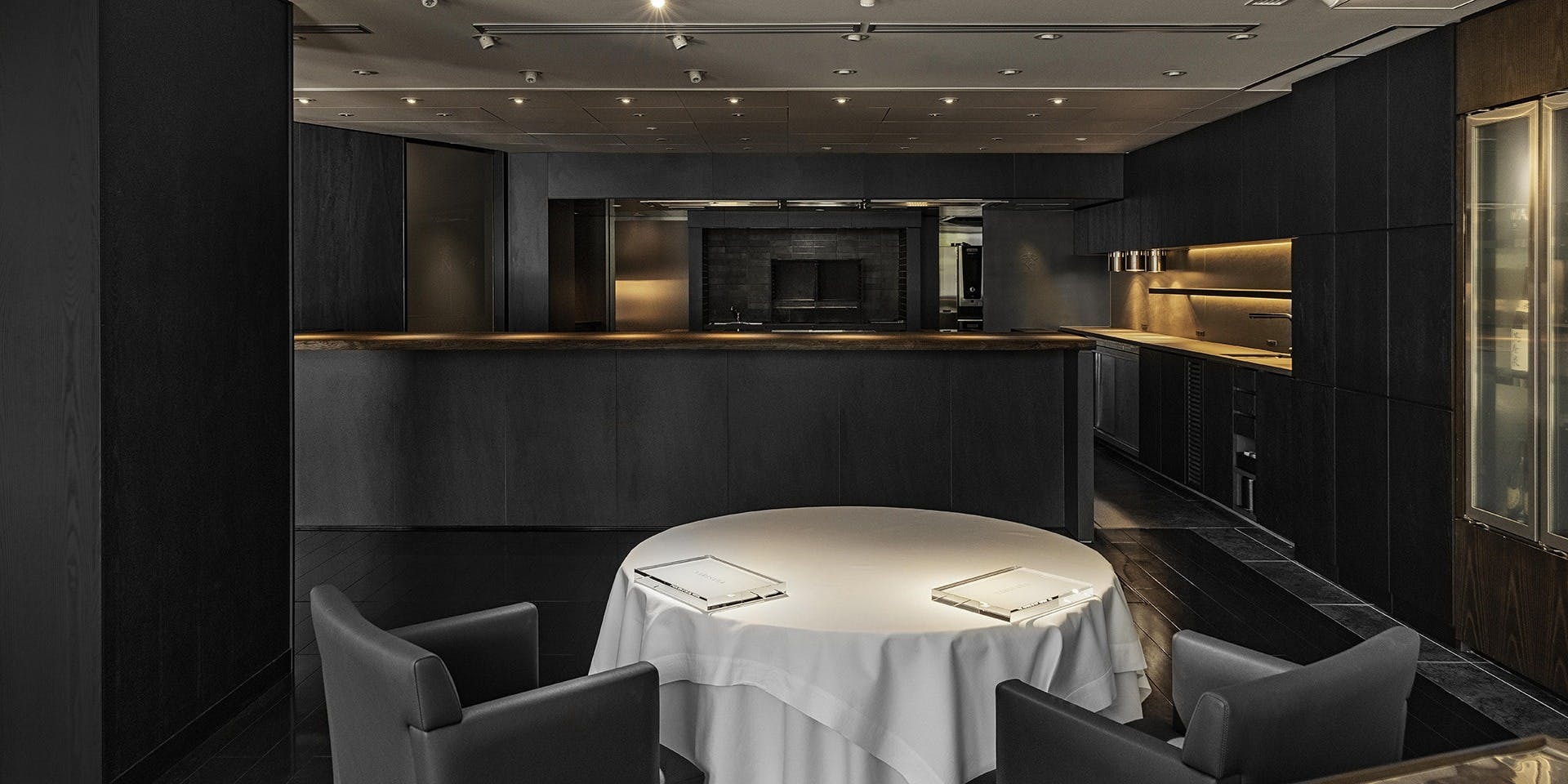
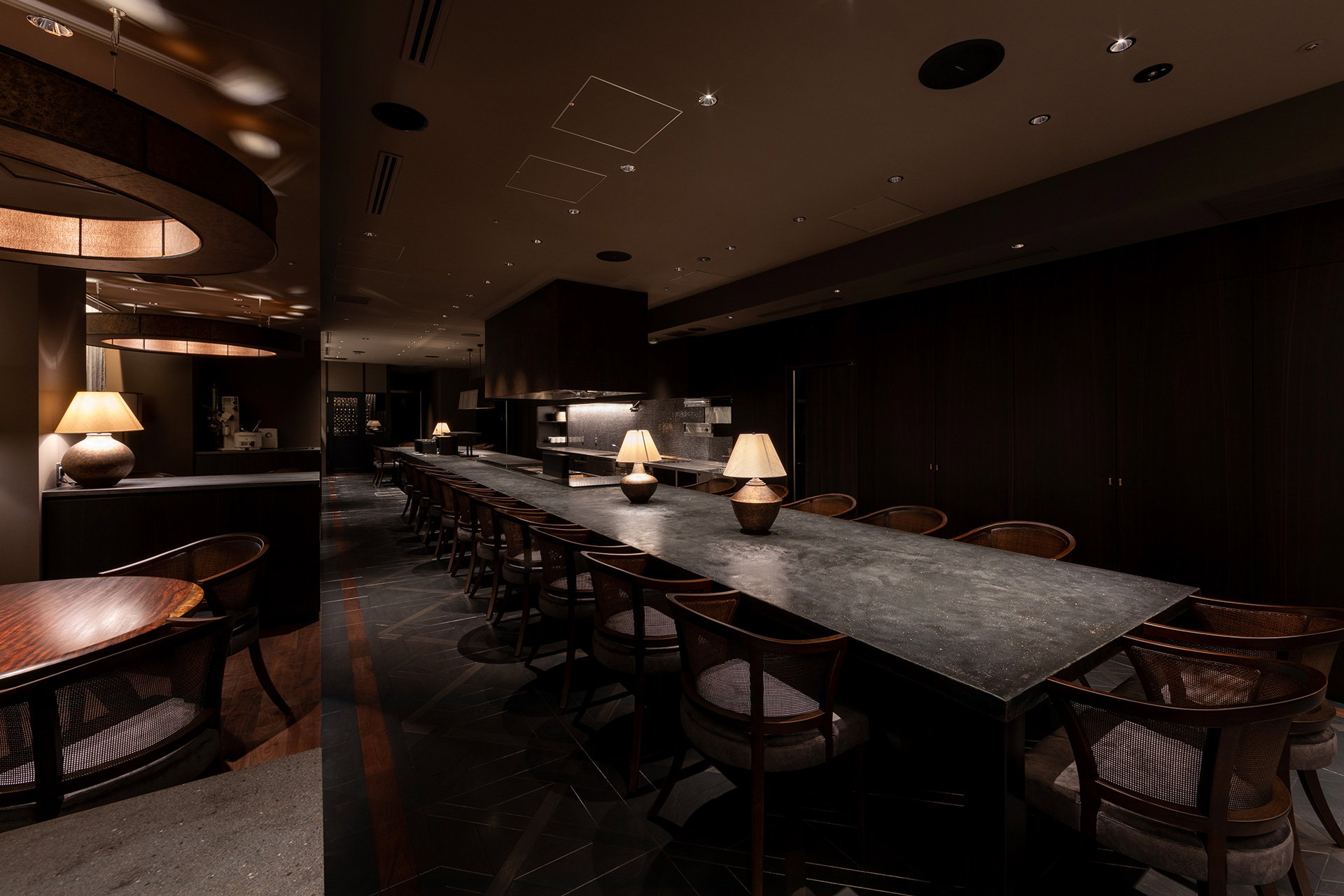
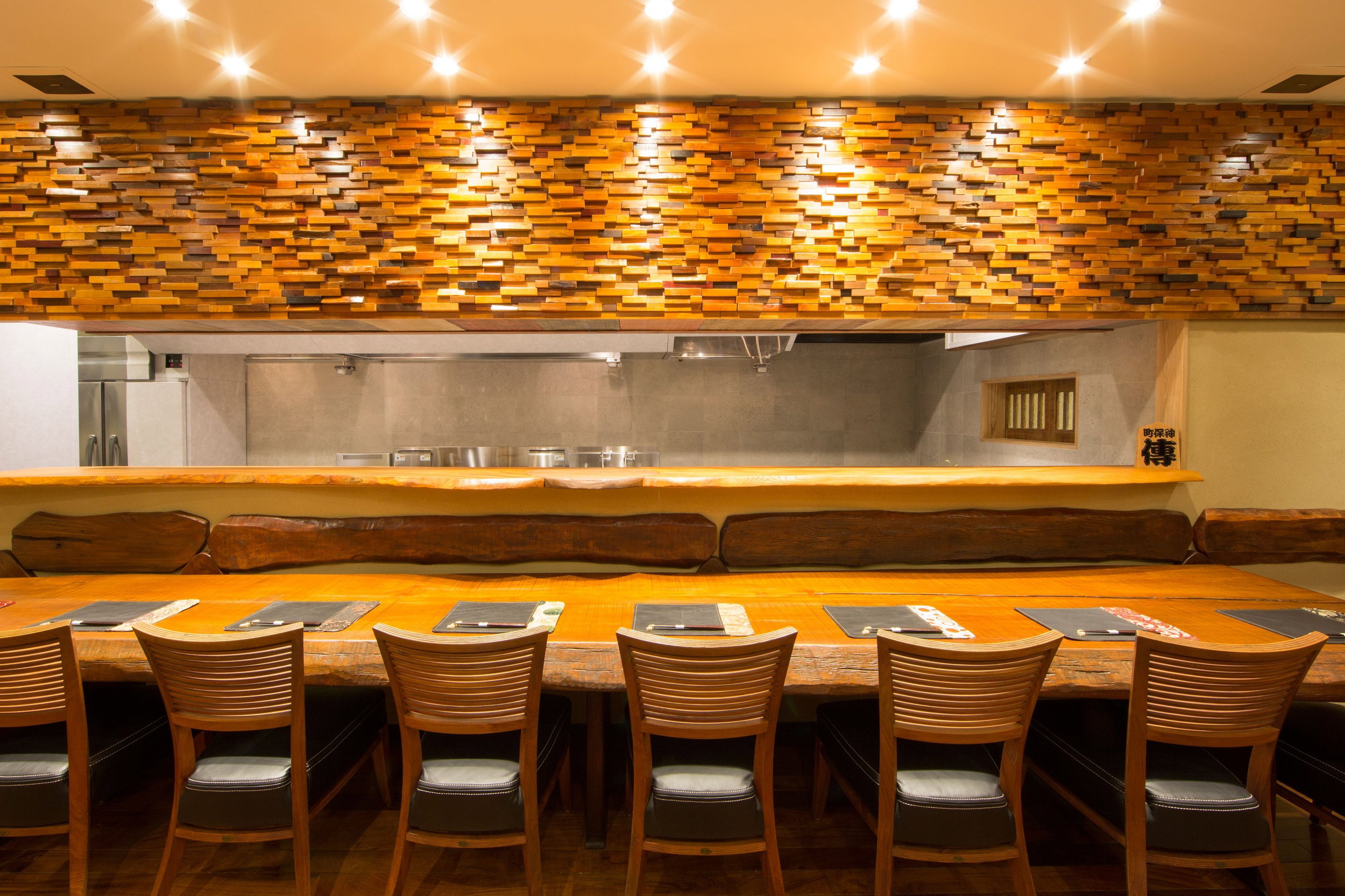
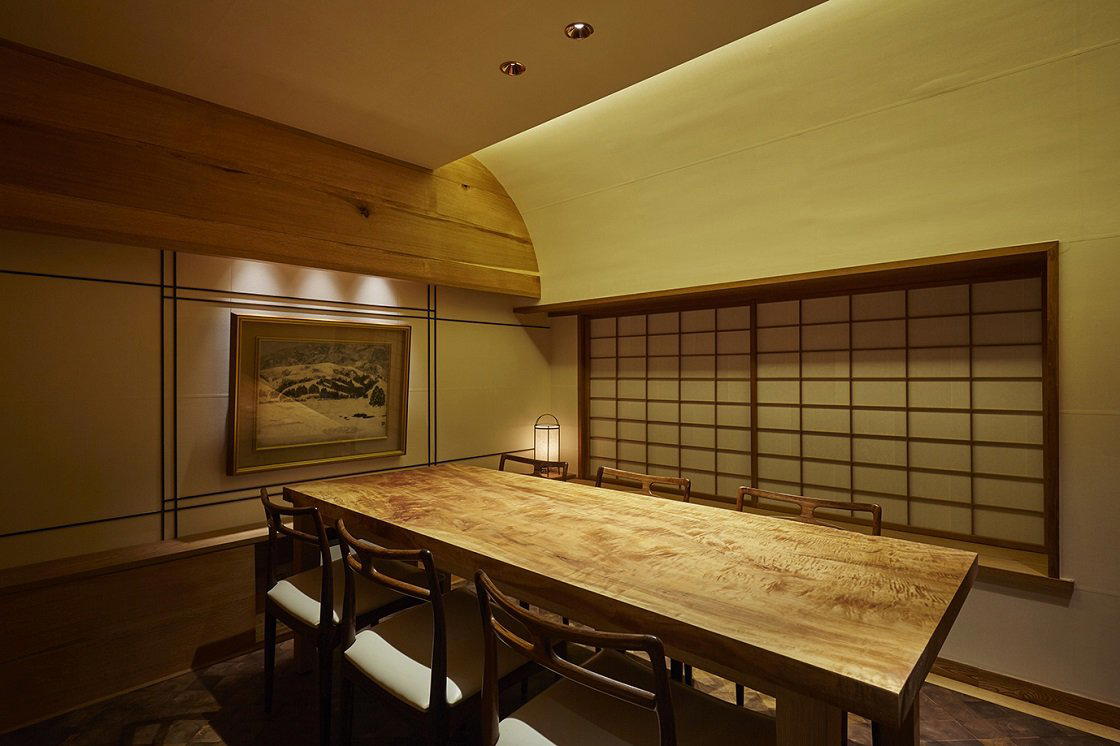
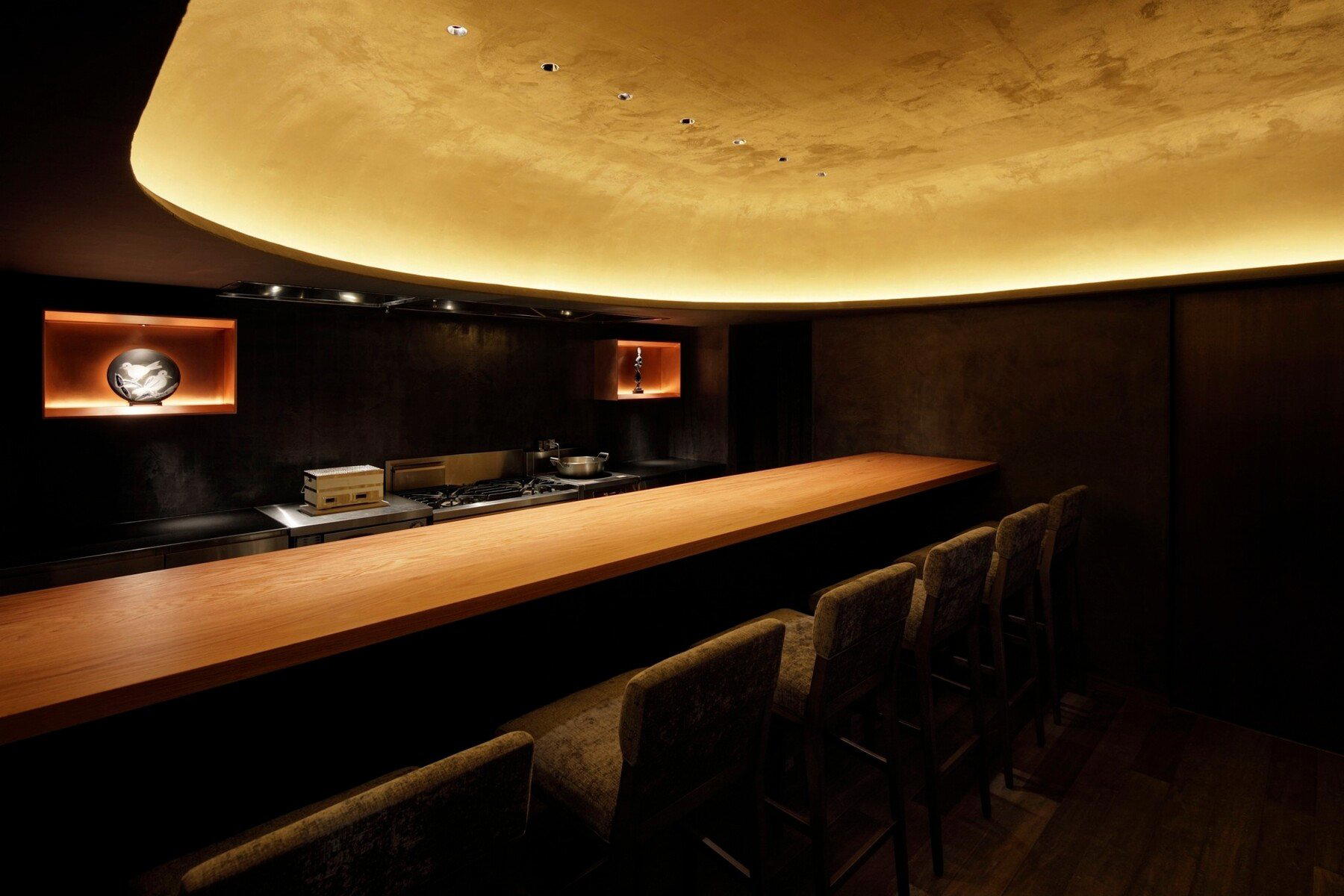
Intimate 7-seat counter with clean, minimalist design; warm shari service and focused sushi preparation create a sophisticated, welcoming atmosphere.
Tags
Vibe
Best For
Experience
At the Table
- Dress Code
- Smart Casual
- Noise Level
- Quiet
- Service Style
- Omakase Bar
- Meal Pacing
- Leisurely
- Capacity
- Intimate
Signature Dishes
- aji
- katsuo
- hokkigai
- kohada
Know before you go
Know Before You Go
- Getting there
- Japan, 〒106-0045 Tokyo, Minato City, Azabujuban, 3 Chome−3−10 1F
Planning details
Location
Japan, 〒106-0045 Tokyo, Minato City, Azabujuban, 3 Chome−3−10 1F · Directions
Recognition and awards
Also consider
Also Consider
- Harutaka, Sushi, ¥¥¥¥
- RyuGin, Kaiseki, Japanese, ¥¥¥¥
- L'Effervescence, French, ¥¥¥¥
- HOMMAGE, Innovtive French, French, ¥¥¥¥
- Florilège, French, ¥¥¥
Restaurant context
Within Tokyo's sushi tier, Sushiya Shota at ¥¥¥ sits a clear price step below Harutaka, which operates at ¥¥¥¥ and is one of the city's most technically demanding and hardest-to-book omakase experiences. If your priority is absolute prestige and you have the budget and lead time, Harutaka is the stronger flex. But if you want Michelin-starred edomae sushi without the ¥¥¥¥ commitment, Shota is the more practical choice, and its Azabujuban address gives you a quieter, less tourist-saturated setting than most of the ¥¥¥¥ counters clustered in Ginza.
If you are deciding between a sushi meal and a broader Japanese dining experience, RyuGin at ¥¥¥¥ offers kaiseki at the highest level, a fundamentally different format that suits diners who want range across a meal rather than the focused progression of a sushi counter. For French cuisine at comparable or higher price points, both L'Effervescence and HOMMAGE are ¥¥¥¥ operations with strong critical standing; they are the right call if you want a Western fine-dining format in Tokyo rather than a Japanese one. Florilège at ¥¥¥ is the closest French-format peer on price, and it carries Michelin recognition as well, making it a direct decision point if you are weighing sushi against French on the same night and budget.
For most visitors building a Tokyo dining itinerary around one serious meal at the mid-luxury price point, Sushiya Shota is the stronger recommendation over Florilège if edomae sushi is the format you want. It is the weaker choice if you need a larger group table, English-language support, or easier booking logistics, in those cases, look at the broader options in our full Tokyo restaurants guide for venues better suited to those constraints.
Explore Tokyo
Around this place
Discover more on Pearl
Unlock the full Sushiya Shota guide in Pearl, including awards, comparisons, FAQs, planning details, and nearby places.
Compare Sushiya Shota
| Venue | Price | Booking Difficulty | Awards |
|---|---|---|---|
| Sushiya Shota | ¥¥¥ | Hard | 2026 Michelin Plate2024 Michelin 1 Star |
| Harutaka | ¥¥¥¥ | Unknown | 2026 Tabelog Silver · #312026 OAD Top Restaurants in Japan Ranked · #1282026 Michelin 3 Stars2026 La Liste Top RestaurantsTabelog 100 - Sushi - TOKYO - 2025 · #372025 Asia's 50 Best Restaurants · #762025 OAD Top Restaurants in Japan Ranked · #1172025 La Liste Top Restaurants2025 Tabelog Bronze |
| RyuGin | ¥¥¥¥ | Unknown | 2026 OAD Top Restaurants in Japan Ranked · #802026 Tabelog Bronze · #3772026 Michelin 3 Stars2026 La Liste Top RestaurantsTabelog 100 - Japanese cuisine - TOKYO - 2025 · #212025 OAD Top Restaurants in Japan Ranked · #542025 Michelin 3 Stars2025 La Liste Top Restaurants2025 The Best Chef Three Knives |
| L'Effervescence | ¥¥¥¥ | Unknown | 2026 Tabelog Silver · #682026 OAD Top Restaurants in Japan Ranked · #103Star Wine Lists 20262026 Black Pearl 2 Diamond2026 Relais Chateaux Restaurants2026 La Liste Top Restaurants2026 Michelin 3 Stars2025 Asia's 50 Best Restaurants · #692025 OAD Top Restaurants in Japan Ranked · #92 |
| HOMMAGE | ¥¥¥¥ | Unknown | 2026 Tabelog Bronze · #1232026 OAD Top Restaurants in Japan Highly Recommended2026 Michelin 2 StarsTabelog 100 - French - TOKYO - 2025 · #762025 Asia's 50 Best Restaurants · #782025 OAD Top Restaurants in Japan Ranked · #1752025 Michelin 2 Stars2025 The Best Chef One Knife2025 La Liste Top Restaurants |
| Florilège | ¥¥¥ | Unknown | 2026 Asia's 50 Best Restaurants · #312026 Tabelog Bronze · #712026 OAD Top Restaurants in Japan Ranked · #1242026 Black Pearl 1 Diamond2026 Michelin 2 Stars2026 La Liste Top Restaurants2025 Asia's 50 Best Restaurants · #172025 World's 50 Best Restaurants · #36Tabelog 100 - French - TOKYO - 2025 · #68 |
.png?width=1200&quality=80)













A quick look at how Sushiya Shota measures up.
FAQ
Frequently Asked Questions
What should a first-timer know about Sushiya Shota?
Go in knowing this is almost certainly an omakase or set-course format — that is standard for Michelin one-star sushi counters at the ¥¥¥ tier in Tokyo. You will not be ordering à la carte. The address puts you in Azabujuban, a genuinely residential neighbourhood rather than a tourist-heavy district, so build in time to find the 1F entrance on a third-floor side street. Booking is the hardest part: Michelin recognition in 2024 has made availability tight, so treat the reservation as a prerequisite, not an afterthought.
What should I wear to Sushiya Shota?
Dress neatly but practically. Azabujuban is an international, grounded neighbourhood — not a venue that demands formal attire, but a sushi counter at the Michelin one-star level expects you to look considered. Avoid strong perfume or cologne, which is a genuine courtesy at close-proximity counter dining. No specific dress code is documented so err toward clean, unfussy clothes you would wear to a serious dinner.
Is Sushiya Shota good for solo dining?
Yes, and it is arguably the format where this venue works best. A sushi counter at the ¥¥¥ tier is designed around individual interaction with the chef, and solo diners typically have an easier time securing a single seat when reservations are scarce. If you are visiting Tokyo alone and want one Michelin-recognised sushi meal, a one-star counter like Sushiya Shota is a more proportionate choice than a ¥¥¥¥ venue — and easier to get into.
Is Sushiya Shota worth the price?
At ¥¥¥, yes — provided omakase sushi is the format you want. This price tier sits meaningfully below Tokyo's ¥¥¥¥ tier dominated by multi-decade institutions, while still carrying a 2024 Michelin one-star credential. If your priority is value in the Michelin sushi category, ¥¥¥ is the tier to target. If you want à la carte flexibility, this is not the right venue regardless of price.
Is the tasting menu worth it at Sushiya Shota?
For a Michelin one-star sushi counter in Tokyo, the set course is the entire point — there is no meaningful alternative. At the ¥¥¥ price point, the format delivers Michelin-recognised quality at a tier where the investment is defensible for most serious diners. Compare it to Harutaka, which operates at a higher price ceiling: Sushiya Shota is the more accessible entry point to comparable credential territory in Tokyo.
Can I eat at the bar at Sushiya Shota?
Counter seating is the standard configuration at a venue of this type — the bar is the dining room. This is not a restaurant with a separate bar area where you can drop in for drinks. All seating at a Michelin one-star sushi counter in Tokyo is tied to a reservation and a set course, so there is no casual counter option available without booking.