.png?width=1200&quality=80)
Sushiya Hajime
Sushi · Shinjuku, Tokyo
Restaurant in Tokyo, Japan
 Book with Pearl
The Read
Ancient-Method Omakase
Price
$150–200per person
Dress
Smart Casual
Why go
Sushiya Hajime in Kagurazaka holds back-to-back Michelin Plate recognition (2024, 2025) and, offering omakase grounded in ancient fish-preparation techniques at ¥¥¥ pricing — a tier below Tokyo's most competitive counters. For a special occasion or a serious sushi meal without the six-month waitlist, it is one of the better-value options in the city.
About Sushiya Hajime
Should You Book Sushiya Hajime?
If you are choosing between a well-known Edomae counter in Tokyo and somewhere that takes a more considered approach to sushi's older foundations, Sushiya Hajime in Kagurazaka makes a compelling case for the latter. At ¥¥¥ pricing, it sits a tier below the city's most celebrated omakase rooms — places like Harutaka or Sukiyabashi Jiro Roppongiten — which makes it one of the more accessible serious sushi options in the city. Book here if value-for-quality matters and you want something more philosophically grounded than a standard omakase tasting progression.
Portrait: What Sushiya Hajime Actually Is
The name is doing real work here. The character for sushi in Sushiya Hajime refers specifically to fermented sushi, a deliberate nod to the origins of the form before vinegared rice became the default. "Hajime" translates as "beginning", and the kitchen applies that framing literally: fish is treated according to ancient techniques, salting, simmering, preparation methods that predate modern Edomae convention. For a diner who has eaten through Tokyo's contemporary sushi circuit, this register is noticeably different. For a first-timer at a Japanese counter, it is worth understanding before you sit down.
The omakase format here consists of numerous small pieces, offering wider variety per sitting than the more austere progression you would find at Sushi Kanesaka or Edomae Sushi Hanabusa. The small-piece format is deliberate, variety and commitment to quality are both prioritised, and the service is described as attentive enough that the skill behind each piece is made legible to the guest. That matters for a special occasion booking, where the experience needs to hold across a full sitting rather than peak in the middle.
Address puts you on the second floor of a building in Kagurazaka, Shinjuku City, a neighbourhood that rewards an evening arrival, with its mix of French-influenced alleys and quiet, residential-scale streets. Kagurazaka is meaningfully different from the Ginza sushi corridor, and that difference carries through to the room's atmosphere. If you have been working through our full Tokyo restaurants guide, Sushiya Hajime fills a specific gap: classical technique, non-standard price point, neighbourhood setting.
The Morning and Weekend Service Question
Editorial angle here is relevant: Sushiya Hajime's assigned emphasis is on what the morning or weekend format delivers. Hours are not confirmed in the available data, so a specific service schedule cannot be stated. What the available record does confirm is that the omakase structure, numerous small pieces, attentive service, a philosophy rooted in variety, is well-suited to a longer, unhurried sitting. A weekend omakase session at a counter of this type tends to run at a different pace than a weekday dinner, and the Kagurazaka neighbourhood makes the before-and-after logistics easy: the area has good coffee, wine bars, and the kind of walking streets that make a long Tokyo afternoon worthwhile. If you are planning a special occasion trip and want to build a day around a lunch counter rather than anchor everything to an evening reservation, Sushiya Hajime is worth considering, though confirming current lunch availability directly with the restaurant before booking is advisable.
Special Occasion Framing
For a celebration or a date night, the value proposition here is clearer than at the city's top-tier sushi rooms. You are getting Michelin-recognised quality, a counter that takes its philosophy seriously, and a price tier that does not require you to justify the booking against a ¥¥¥¥ alternative. For a business meal, the room's intimate Kagurazaka setting works better than the formal Ginza rooms, where the atmosphere can feel transactional. Compare this to Hiroo Ishizaka for a similarly considered but kaiseki-adjacent experience at a comparable investment level.
If your occasion requires something with greater international recognition, Harutaka carries more weight as a name. But if the meal itself is the point rather than the credential, Sushiya Hajime delivers more per yen spent.
Practical Details
Reservations: Booking is rated Easy, significantly more accessible than the city's starred sushi counters, though the 4.8 rating means demand is real; book as early as your schedule allows. Budget: ¥¥¥, mid-tier by Tokyo omakase standards, below the ¥¥¥¥ rooms but not an inexpensive meal by any standard. Location: Kagurazaka, Shinjuku City, second floor, accessible from the main neighbourhood streets. Dress: Not formally specified; smart casual is appropriate for a counter of this calibre. Group size: Counter omakase works well for two; confirm with the restaurant for larger groups. Nearby: Kagurazaka pairs well with an evening or afternoon itinerary; see our full Tokyo bars guide and our full Tokyo experiences guide for pairing suggestions.
Broader Japan Context
If you are building a wider Japan itinerary, sushi at this level of philosophical specificity is worth comparing to what is available elsewhere. Gion Sasaki in Kyoto and HAJIME in Osaka represent the Kansai end of serious Japanese dining at comparable or higher investment levels. For regional variety, Goh in Fukuoka and akordu in Nara offer strong alternatives if your itinerary extends beyond the capital. In the wider Asia sushi context, Sushi Shikon in Hong Kong and Shoukouwa in Singapore are the most direct regional comparisons, though neither replicates the neighbourhood intimacy of a Kagurazaka counter. For Tokyo hotel planning around a booking like this, our full Tokyo hotels guide covers the leading base options by area. Also worth noting: 1000 in Yokohama and 6 in Okinawa round out the broader Kanto and island dining picture if day-trip options are on your itinerary.
Planning details
- Location
- Japan, 〒162-0825 Tokyo, Shinjuku City, Kagurazaka, 4 Chome−3 神楽坂Tkビル 2F
- Reservations
- Book on TableCheck
- Website
- sushiyahajime.wordpress.com
- Phone
- +81 3-6677-8830
The take
The Take
The Vibe
Sushiya Hajime presents a deliberately historical, study-like take on sushi in Kagurazaka, grounding its identity in narezushi and preservation methods that pre-date the Edomae tradition. The counter treats salting, simmering, and controlled fermentation as central techniques, so the meal feels more like a curated investigation of flavor development than a display of modern nigiri theatrics. The dining room centers on close attention to craft: the chef-led progression rewards quiet focus and curiosity, and the overall mood reads as restrained, scholarly, and quietly refined.
Best For
This counter is best for diners who prize technique, provenance, and culinary history. Guests seeking an immersive omakase that foregrounds fermentation and salt-curing will get the most from Hajime’s sequences; the format suits small parties or solo diners who want direct interaction with the chef. It also works well for intimate dinners where conversation is secondary to a measured tasting progression—guests expecting spectacle or bold, heavily seasoned preparations should come prepared to appreciate subtle, preserved flavors.
Ordering Tips
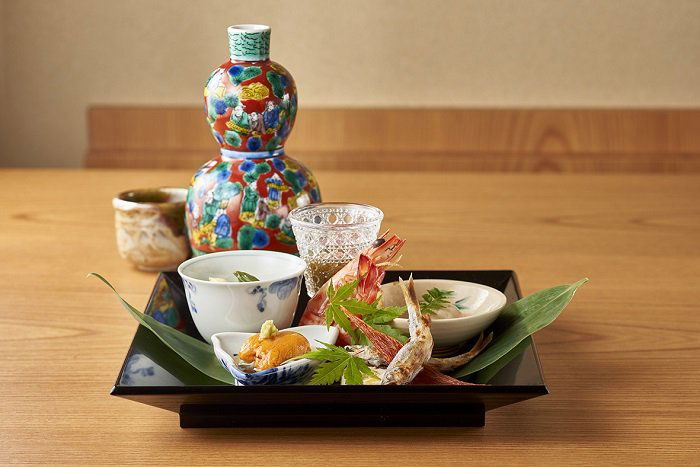
Choose the chef-led sequence (omakase) to experience the restaurant’s core philosophy: preservation techniques such as salting, simmering, and fermentation. Highlighted items like akami zuke, bafun uni, jabara otoro, and kuruma ebi exemplify the house approach and are useful touchstones for the menu. Because the kitchen emphasizes aged and salt-curated flavors, avoid asking for heavy additional seasoning that would mask the subtleties; instead, let the chef’s progression reveal the balance between rice, salt, and preserved fish.
Venue details
Ambiance
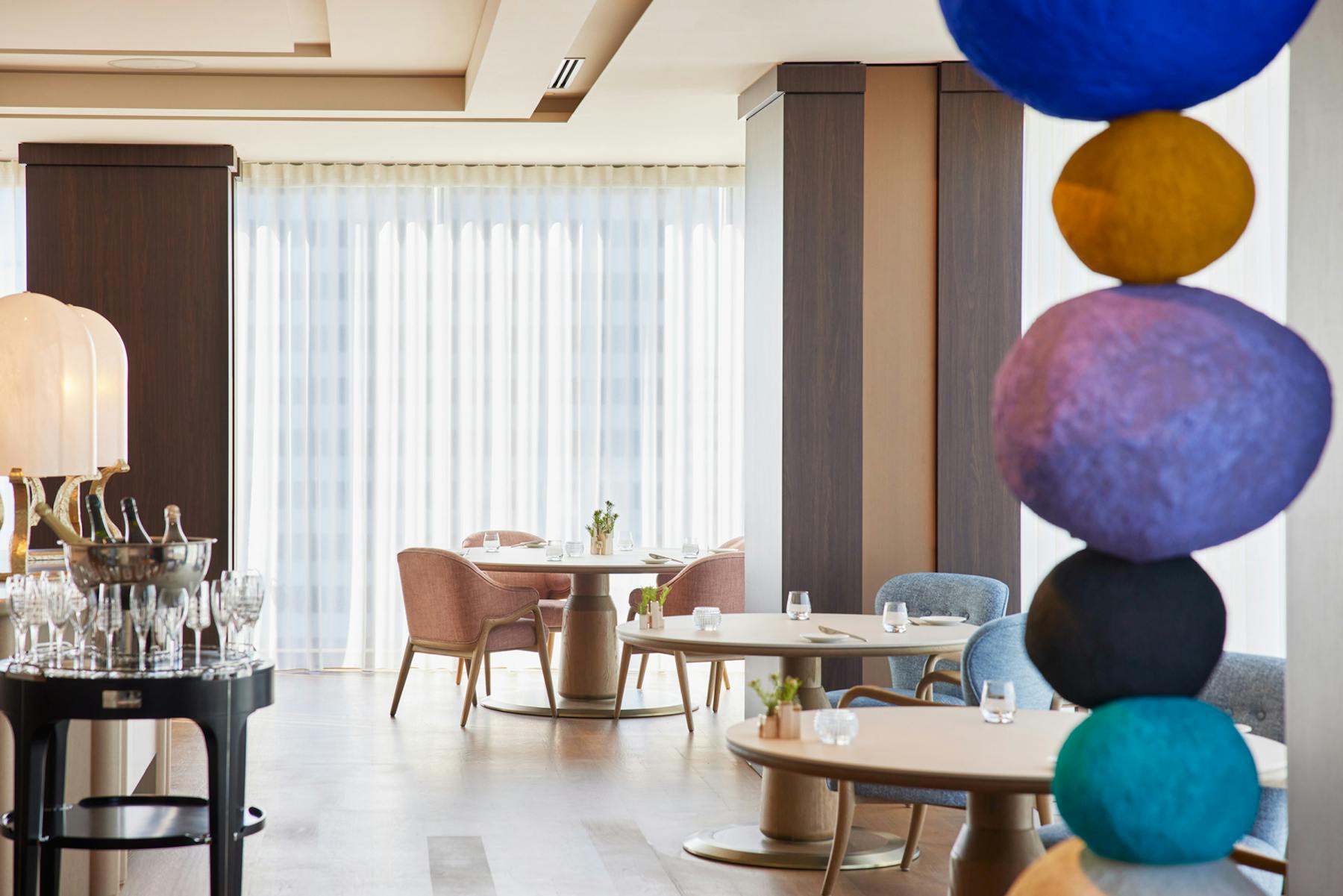
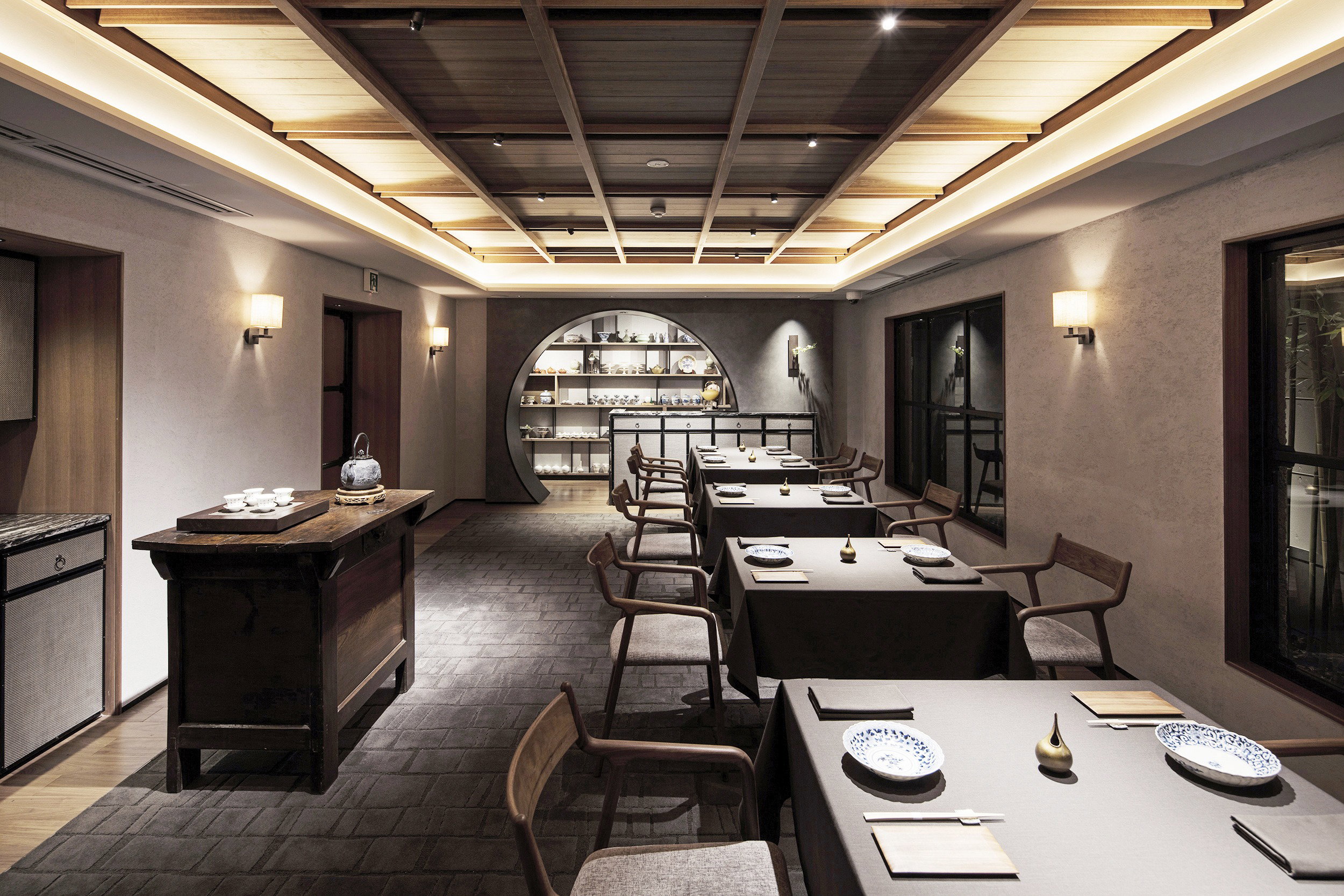
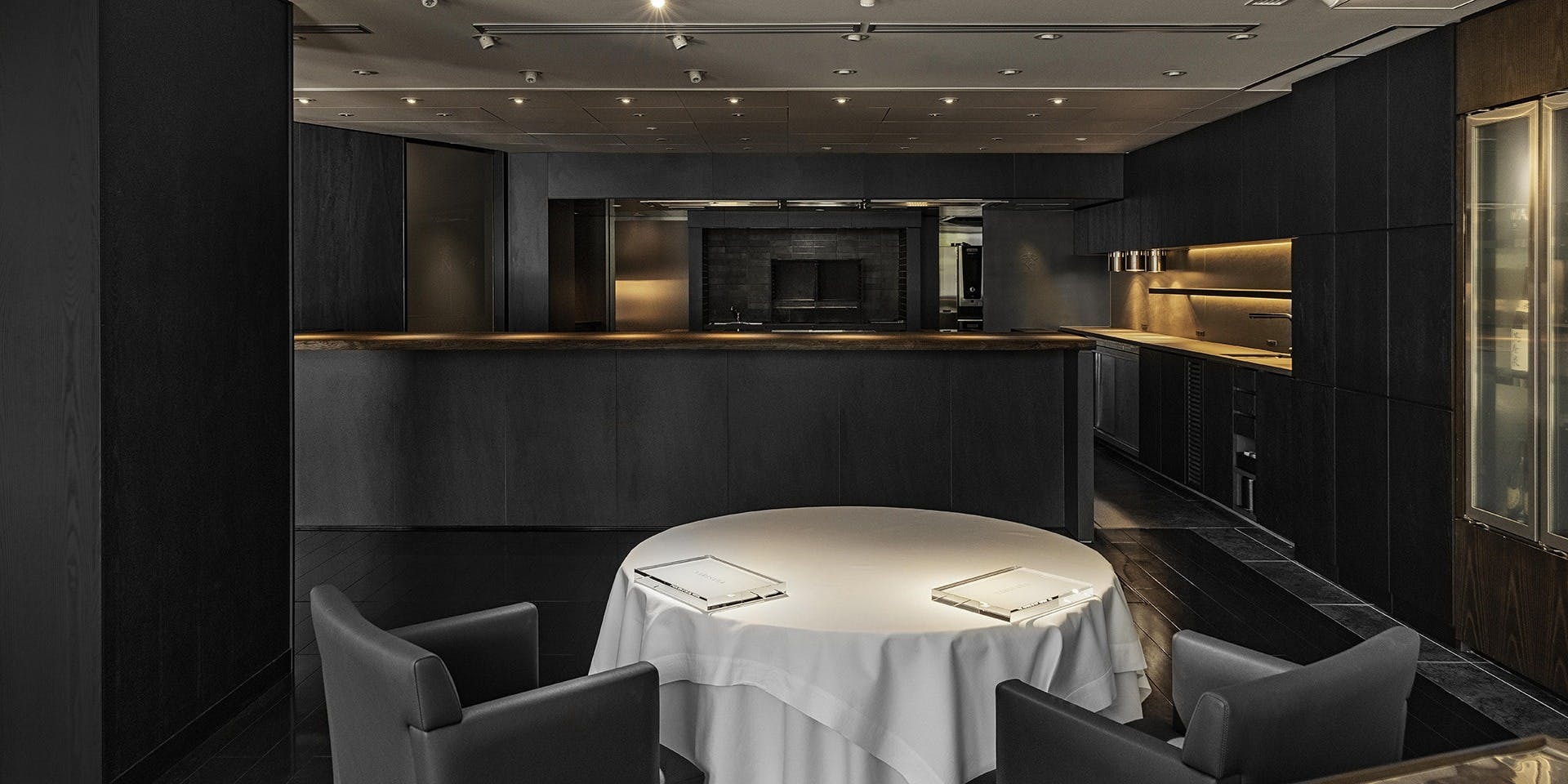
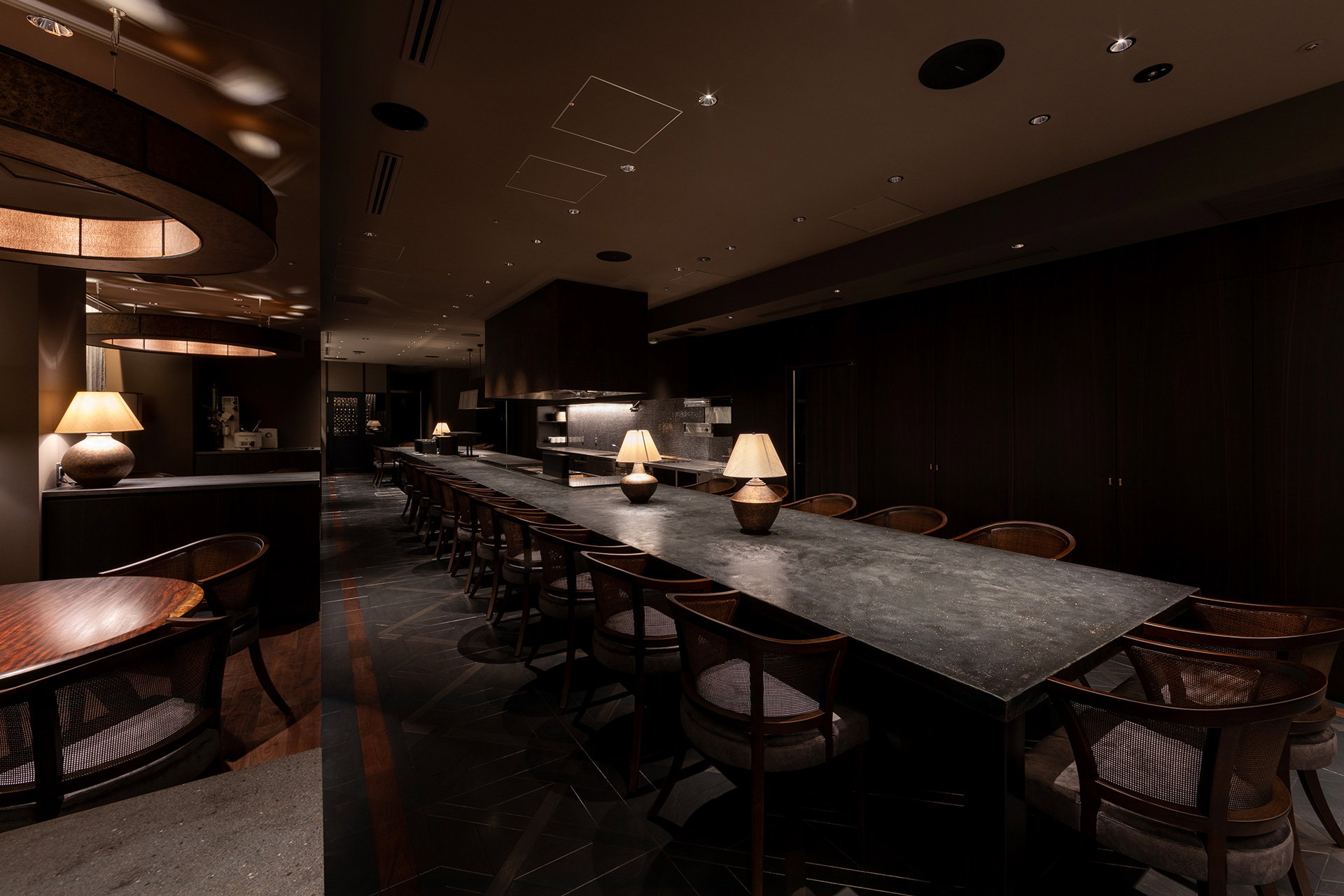
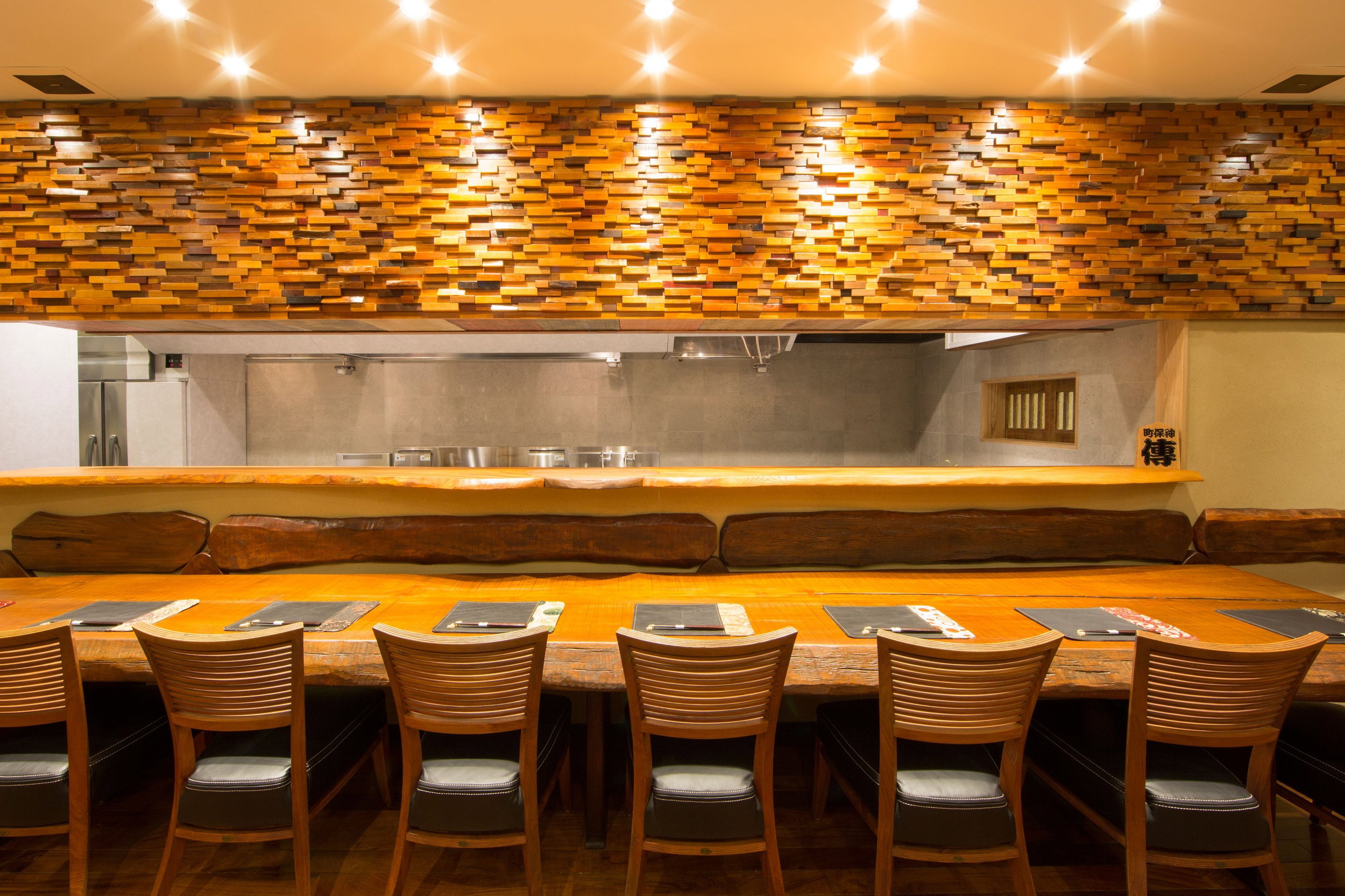
Serene and private atmosphere around a traditional wooden counter with attentive, hospitable service in a hidden upstairs location.
Tags
Vibe
Best For
Experience
Sourcing
At the Table
- Dress Code
- Smart Casual
- Noise Level
- Quiet
- Service Style
- Formal
- Meal Pacing
- Leisurely
- Capacity
- Intimate
- Kitchen
- Traditional
- Menu Format
- Omakase, Counter dining
- Wine Program
- Curated
- Drinks Focus
- Sake
Signature Dishes
- akami zuke
- bafun uni
- jabara otoro
- kuruma ebi
Know before you go
Know Before You Go
- Getting there
- Japan, 〒162-0825 Tokyo, Shinjuku City, Kagurazaka, 4 Chome−3 神楽坂Tkビル 2F
Planning details
Location
Japan, 〒162-0825 Tokyo, Shinjuku City, Kagurazaka, 4 Chome−3 神楽坂Tkビル 2F · Directions
Recognition and awards
Also consider
Also Consider
- Harutaka, Sushi, ¥¥¥¥
- RyuGin, Kaiseki, Japanese, ¥¥¥¥
- L'Effervescence, French, ¥¥¥¥
- HOMMAGE, Innovtive French, French, ¥¥¥¥
- Florilège, French, ¥¥¥
Restaurant context
Sushiya Hajime sits at ¥¥¥ in a Tokyo sushi market where the most discussed rooms operate at ¥¥¥¥. That price difference is meaningful. Harutaka is the more credentialed sushi counter and carries stronger recognition for guests where the name of the room matters, but it is considerably harder to book and commands a higher outlay. If your priority is technical quality at a sushi counter where the philosophy is clear and the booking is achievable, Sushiya Hajime is the more practical choice for most diners visiting Tokyo on a planned itinerary.
For guests choosing between sushi and other formats at a similar price level, Florilège at ¥¥¥ offers the strongest alternative, a French-technique counter with comparable standing and a very different sensory experience. If budget is not a constraint and you want a kaiseki comparison, RyuGin at ¥¥¥¥ is the reference point for seasonal Japanese progression dining in Tokyo. L'Effervescence and HOMMAGE are both ¥¥¥¥ French rooms worth considering for a business meal or celebration where a non-Japanese format is preferred.
The clearest recommendation: book Sushiya Hajime if you want Michelin-recognised sushi at a mid-tier price with easy availability. Book Harutaka if credentials and prestige matter more than value. Book Florilège if you want comparable quality and investment in a French rather than Japanese format.
Explore Tokyo
Around this place
Discover more on Pearl
Unlock the full Sushiya Hajime guide in Pearl, including awards, comparisons, FAQs, planning details, and nearby places.
Compare Sushiya Hajime
| Venue | Cuisine | Awards | Booking Difficulty |
|---|---|---|---|
| Sushiya Hajime | Sushi | 2026 Michelin Plate2025 Michelin Plate2024 Michelin Plate | Easy |
| Harutaka | Sushi | 2026 Tabelog Silver · #312026 OAD Top Restaurants in Japan Ranked · #1282026 Michelin 3 Stars2026 La Liste Top RestaurantsTabelog 100 - Sushi - TOKYO - 2025 · #372025 Asia's 50 Best Restaurants · #762025 OAD Top Restaurants in Japan Ranked · #1172025 La Liste Top Restaurants2025 Tabelog Bronze | Unknown |
| RyuGin | Kaiseki, Japanese | 2026 OAD Top Restaurants in Japan Ranked · #802026 Tabelog Bronze · #3772026 Michelin 3 Stars2026 La Liste Top RestaurantsTabelog 100 - Japanese cuisine - TOKYO - 2025 · #212025 OAD Top Restaurants in Japan Ranked · #542025 Michelin 3 Stars2025 La Liste Top Restaurants2025 The Best Chef Three Knives | Unknown |
| L'Effervescence | French | 2026 Tabelog Silver · #682026 OAD Top Restaurants in Japan Ranked · #103Star Wine Lists 20262026 Black Pearl 2 Diamond2026 Relais Chateaux Restaurants2026 La Liste Top Restaurants2026 Michelin 3 Stars2025 Asia's 50 Best Restaurants · #692025 OAD Top Restaurants in Japan Ranked · #92 | Unknown |
| HOMMAGE | Innovtive French, French | 2026 Tabelog Bronze · #1232026 OAD Top Restaurants in Japan Highly Recommended2026 Michelin 2 StarsTabelog 100 - French - TOKYO - 2025 · #762025 Asia's 50 Best Restaurants · #782025 OAD Top Restaurants in Japan Ranked · #1752025 Michelin 2 Stars2025 The Best Chef One Knife2025 La Liste Top Restaurants | Unknown |
| Florilège | French | 2026 Asia's 50 Best Restaurants · #312026 Tabelog Bronze · #712026 OAD Top Restaurants in Japan Ranked · #1242026 Black Pearl 1 Diamond2026 Michelin 2 Stars2026 La Liste Top Restaurants2025 Asia's 50 Best Restaurants · #172025 World's 50 Best Restaurants · #36Tabelog 100 - French - TOKYO - 2025 · #68 | Unknown |













Comparing your options in Tokyo for this tier.
FAQ
Frequently Asked Questions
Is Sushiya Hajime worth the price?
At ¥¥¥, Sushiya Hajime sits in the mid-to-upper range for Tokyo omakase — below the top-tier starred rooms, but with a Michelin Plate in both 2024 and 2025 confirming the quality. The philosophical angle (ancient salting and simmering techniques, small-formed pieces for variety) gives it a point of difference that justifies the spend over a generic high-end counter. If you want recognised craft without the ¥¥¥¥ premium of a starred seat, the value case is solid.
How far ahead should I book Sushiya Hajime?
Booking is rated Easy relative to Tokyo's competitive sushi scene, so you won't need months of lead time the way you would for a Michelin-starred counter like Harutaka. That said, a 4.8 rating signals real demand — aim for two to three weeks out to secure your preferred date. Weekend evenings will fill faster than weekday lunch slots.
Is the tasting menu worth it at Sushiya Hajime?
Yes, particularly if you have eaten omakase elsewhere in Tokyo and want something with a distinct identity. The set here is structured around numerous small-formed sushi pieces, which maximises variety across the meal — a different proposition from counters that lean on fewer, larger-format pieces. The fermented sushi philosophy gives the progression a coherence that makes the format feel purposeful rather than formulaic.
What should I order at Sushiya Hajime?
Sushiya Hajime operates on an omakase format, so the menu is chef-led — you are not selecting individual dishes. The kitchen's focus is fish prepared through ancient techniques including salting and simmering, so expect the selection to reflect those methods rather than a standard Edomae repertoire. Trust the set; that is what the counter is built around.
What should a first-timer know about Sushiya Hajime?
The name signals intent: 'Hajime' means 'beginning', and the counter takes sushi's fermented origins seriously rather than treating them as a marketing footnote. It is located on the second floor in Kagurazaka, a neighbourhood better known for its French bistros and traditional machiya alleys than for sushi — which means the walk to the restaurant is quieter than you'd get near Ginza. With a Michelin Plate and accessible booking, this is a lower-friction entry point into serious omakase for Tokyo first-timers.