.png?width=1200&quality=80)
Sushidokoro Shishi
Sushi · Ōta, Tokyo
Restaurant in Tokyo, Japan
 Book with Pearl
The Read
Niigata-Sourced Edomae
Price
¥¥¥
Dress
Smart Casual
Why go
Sushidokoro Shishi is a Michelin Plate omakase counter in Ota City, Tokyo, anchored by Niigata-sourced rice, salt, and sake — and a serious three-piece tuna sequence. At the ¥¥¥ price tier with easy booking, it is one of the more accessible ways to eat a regionally coherent, well-paced omakase in Tokyo without competing for a starred-room reservation.
About Sushidokoro Shishi
Is Sushidokoro Shishi worth booking for a special occasion in Tokyo?
Yes — and more specifically, it earns that answer at the ¥¥¥ price tier, which places it a full bracket below the headline omakase rooms in central Tokyo. Sushidokoro Shishi holds a Michelin Plate (2025) recognition and a If you are planning a dinner in Ota City — or willing to travel south of the Yamanote line for something quieter and more personal than the Ginza and Minami-Aoyama sushi circuit, this is a serious option.
What Sushidokoro Shishi actually is
The restaurant operates a prix fixe omakase format, with snacks and nigiri alternating through the meal, a pacing structure that encourages considered drinking rather than a rapid procession of rice. The kitchen draws its identity from Niigata prefecture: rice, salt, and sake are all sourced from Echigo, and the opening course, Totomame, is a Niigata speciality of boiled salmon roe placed over chawanmushi. That regional specificity is not decorative; it shapes the flavour register of the meal from the first bite.
Tuna is a particular point of pride here. Three pieces are served in succession, sourced from what the venue describes as an esteemed wholesaler. In omakase sushi, the tuna sequence is often where a kitchen signals its seriousness about sourcing, and serving three consecutive pieces in a dedicated run suggests real confidence in the product. For a ¥¥¥ operation, that level of curation is notable.
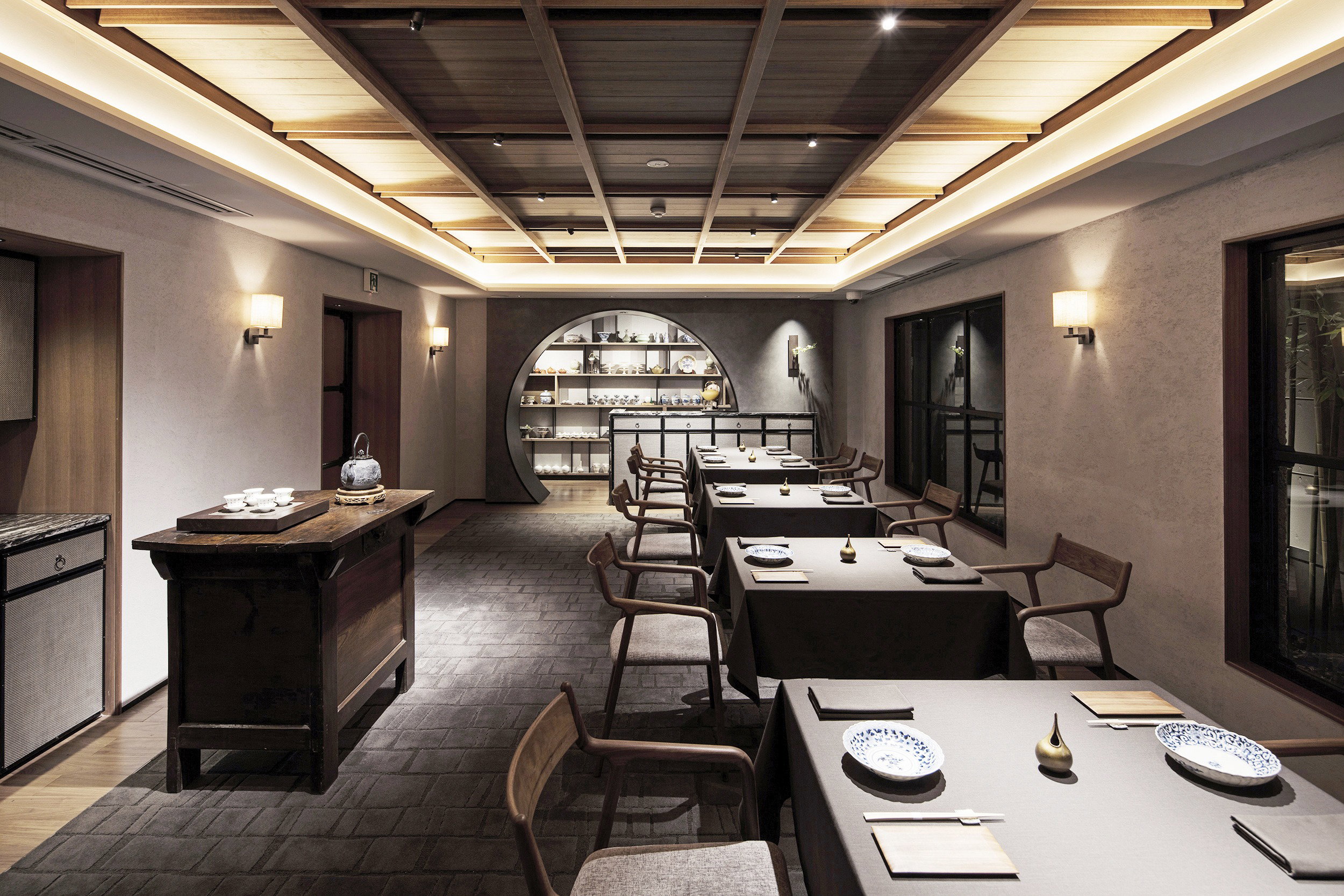
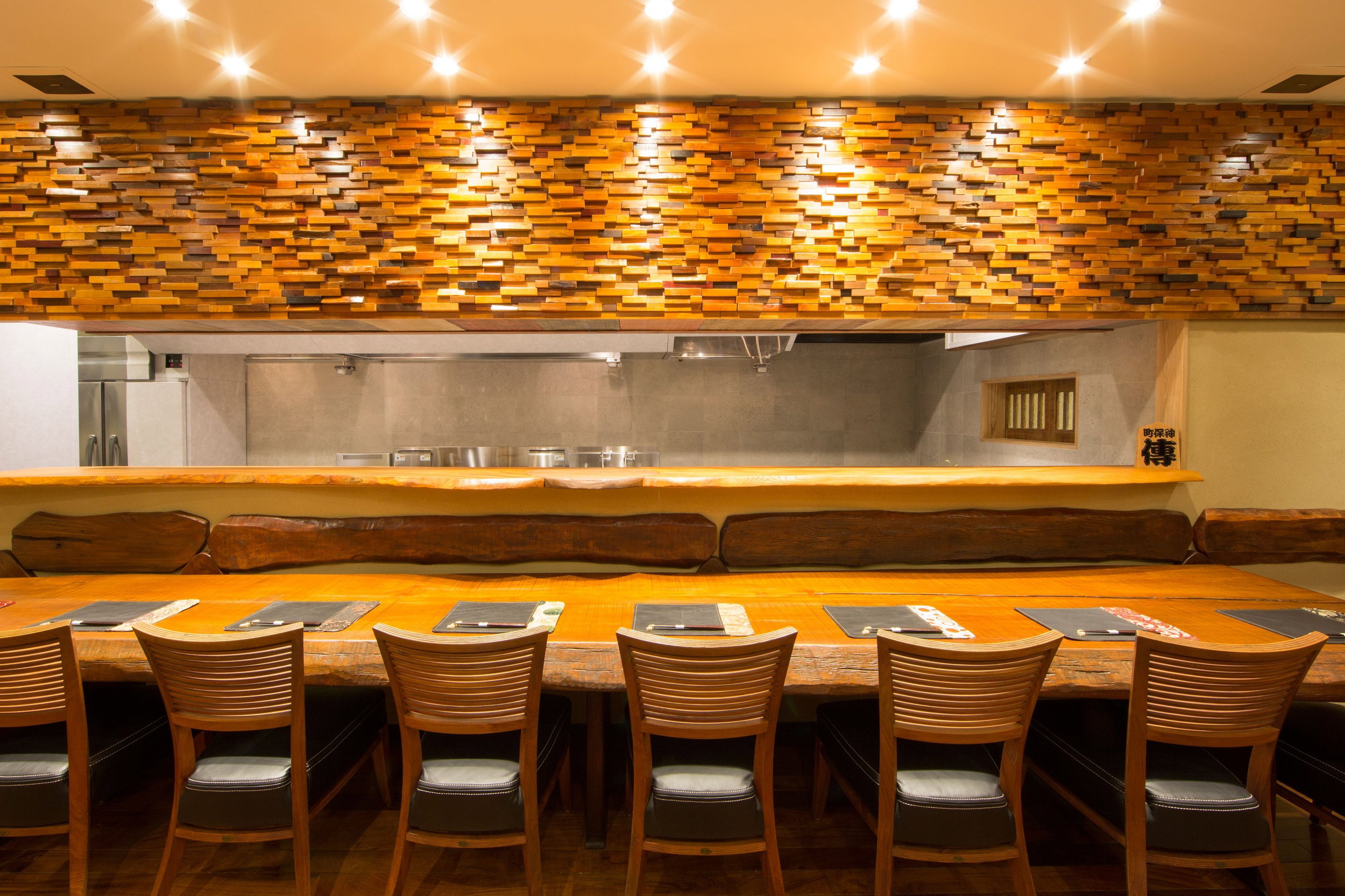
The room is on the second floor of a building in Omorikita, Ota City, which means the atmosphere will be quieter and more neighbourhood-scaled than most of the venues that dominate Tokyo's fine dining conversation. For a date or a small celebration, that works in your favour: the format is intimate, the pacing is deliberate, and the absence of a packed central Tokyo room adds to rather than subtracts from the experience. There is no crush here, no theatre of being seen.
Late-night suitability
Hours are not confirmed in available data, so we cannot state closing time with certainty. What we can say is that the alternating snack-and-nigiri structure, combined with the deliberate sake-pairing logic built into the menu pacing, makes Sushidokoro Shishi a natural fit for a long, unhurried evening. The format is not designed to turn tables quickly. If you are thinking about what to do after an earlier dinner elsewhere in Ota or Shinagawa, and are considering a second stop for serious nigiri and sake in a calm room, the structural design of this menu serves that scenario well. Compare that to a louder Ginza counter where the room pressure often accelerates the pace: here, you set the tempo.
How it sits in the Tokyo sushi field
At ¥¥¥, Sushidokoro Shishi is priced below the Michelin-starred sushi rooms that dominate Tokyo recommendations. Harutaka and Sushi Kanesaka operate at ¥¥¥¥ with starred credentials and commensurately harder bookings. Sukiyabashi Jiro Roppongiten sits in a similar prestige bracket. If your priority is accessing the best-documented tuna sourcing and the most technically scrutinised rice in Tokyo, those rooms have more on the public record. But if you want an omakase experience with a clear regional philosophy, a real sake programme, and a calmer room at a lower price point, Shishi is the more considered choice. Edomae Sushi Hanabusa and Hiroo Ishizaka are worth benchmarking as well if you are building a shortlist across price tiers.
For broader context across Japanese fine dining, see our full Tokyo restaurants guide. If you are planning a wider Japan itinerary, relevant comparisons include Gion Sasaki in Kyoto, HAJIME in Osaka, Goh in Fukuoka, and akordu in Nara. If sushi is specifically your focus across Asia, Sushi Shikon in Hong Kong and Shoukouwa in Singapore are the standard regional references. Closer to home, 1000 in Yokohama offers another option within the greater Tokyo orbit.
Practical details
| Detail | Sushidokoro Shishi | Typical ¥¥¥¥ Sushi Counter (Tokyo) |
|---|---|---|
| Price tier | ¥¥¥ | ¥¥¥¥ |
| Format | Omakase prix fixe | Omakase prix fixe |
| Location | Omorikita, Ota City | Ginza / Minami-Aoyama |
| Booking difficulty | Easy | Moderate to Hard |
| Michelin recognition | Plate (2025) | 1–3 Stars (varies) |
| Regional identity | Niigata / Echigo | Edomae (typically) |
| Occasion suitability | Date, quiet celebration | High-stakes dining, business |
Getting there and planning your visit
The address is 1 Chome-10-10 Omorikita, Ota City, Tokyo, on the second floor. Ota City is served by the Keikyu Main Line and the Tokaido Line, with Omori Station being the logical access point. The neighbourhood is residential and low-key by Tokyo standards, which suits the register of the restaurant. Plan your evening around the omakase pacing rather than timing a second stop immediately after, the alternating format is designed to extend naturally.
For where to stay, see our Tokyo hotels guide. For what to do before or after dinner, our Tokyo experiences guide, Tokyo bars guide, and Tokyo wineries guide cover the surrounding options. For regional sushi at a comparable destination scale, 6 in Okinawa is worth bookmarking for a different part of Japan.
The verdict
Book Sushidokoro Shishi if you want a Niigata-anchored omakase at a ¥¥¥ price point in a calm, neighbourhood room, and particularly if a long, sake-led evening in a setting without Ginza foot traffic is what you are after. The Michelin Plate recognition and the regional sourcing commitment give you enough confidence to commit without a starred track record. For a date or a quiet birthday, the format fits well. If you need the prestige of a starred address, look at Harutaka and budget accordingly.
FAQ
How far ahead should I book Sushidokoro Shishi?
Booking difficulty is rated easy, so a week or two in advance is generally sufficient. That makes it a practical option if you are building a Tokyo itinerary without months of lead time, a significant advantage over ¥¥¥¥ counters like Harutaka or Sushi Kanesaka, where demand is materially higher and windows close faster.
Is Sushidokoro Shishi good for a special occasion?
Yes, particularly for a date or a small birthday dinner. The omakase format removes the pressure of menu decisions, the Niigata regional identity gives the meal a clear through-line, and the quieter Ota City location means the room will not be noisy or rushed. For a higher-stakes business occasion where the prestige of the address matters, you would want a starred counter instead.
Can I eat at the bar at Sushidokoro Shishi?
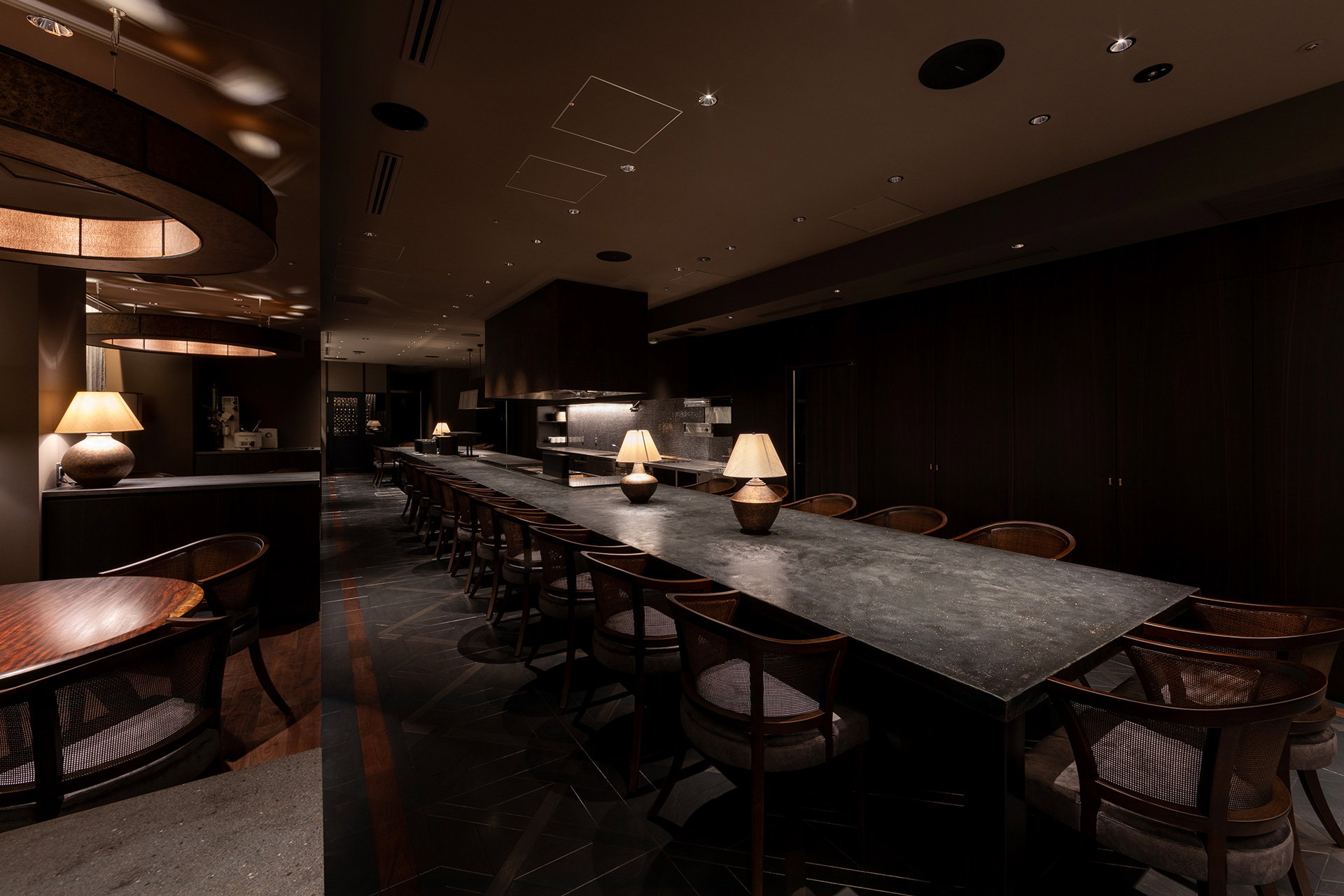
Seat configuration is not confirmed in available data, but the omakase format strongly implies a counter arrangement, that is standard for this style of Tokyo sushi. A counter seat is typically the preferred position at any omakase room, giving you a direct view of the preparation. Confirm the seating specifics when you book.
What should I wear to Sushidokoro Shishi?
No dress code is listed, but the ¥¥¥ price tier and Michelin Plate recognition suggest smart casual is appropriate. At any Tokyo omakase counter, visibly relaxed or athletic wear tends to feel out of register with the format. A clean, considered outfit, nothing that requires a tie, but nothing that looks like you came from the gym, is the right call.
Is the tasting menu worth it at Sushidokoro Shishi?
At the ¥¥¥ price point, yes. The alternating snack-and-nigiri structure, Niigata-sourced rice and sake, and the dedicated three-piece tuna sequence represent a level of curation that is competitive with counters charging significantly more. You are not getting the same depth of documentation as a starred room, but the regional identity and sourcing commitment are genuine differentiators at this tier. For the price, the format delivers.
Planning details
- Location
- Japan, 〒143-0016 Tokyo, Ota City, Omorikita, 1 Chome−10−10 2F
- Website
- guide.michelin.com/jp/ja/tokyo-region/tokyo/restaurant/sushidokoro-shishi
- Phone
- +81 3-6625-8306
The take
The Take
The Vibe
Sushidokoro Shishi reads like a focused neighbourhood omakase room: low-key, disciplined and rooted in classical Edomae technique while wearing a clear regional accent. The write-up frames the counter as deliberately modest in profile — a second-tier, neighbourhood-rooted room rather than a Ginza destination — and that restraint becomes the point. The Michelin Plate nod underscores consistent, unfussy quality rather than flamboyance. Overall the place projects a quietly confident, classic sushi temperament: careful rice, considered curing and seasonality, and a small-room intimacy that rewards attentive diners.
Best For
This counter suits diners who want serious Tokyo sushi without the destination-level splurge. Its positioning — on the second floor of an Omorikita building, at a ¥¥¥ price point — makes it a sensible pick for focused evenings where food and technique are the priority. The room’s neighbourhood scale and disciplined Edomae approach make it appropriate for date nights, business dinners and other occasions when a quieter, more concentrated tasting experience is desired. It’s a place for people who value technique, seasonal logic and the modesty of a non-celebrity counter.
Ordering Tips
Lean into the omakase counter format: the menu is presented in sequence and the kitchen’s Edomae logic guides progression. Note the restaurant’s positioning — a ¥¥¥ neighbourhood counter with a 2025 Michelin Plate — so expect measured, technically assured pieces rather than theatrical excess. Be sure to try highlights that speak to the kitchen’s identity (for example, the signature Totomame and the Hon Maguro nigiri). Given the chef-front counter format, follow the sequence the chef prepares to appreciate rice, curing and seasoning as they’re intended.
Venue details
Ambiance
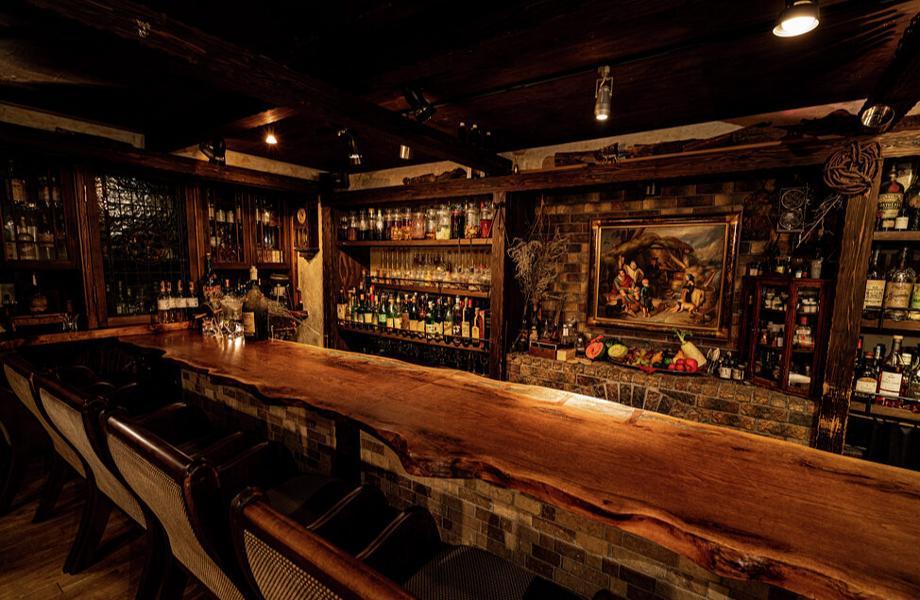
Quiet refinement with a focus on sincere craftsmanship in a small counter setting.
Tags
Vibe
Best For
Experience
Sourcing
At the Table
- Dress Code
- Smart Casual
- Noise Level
- Quiet
- Service Style
- Omakase Bar
- Meal Pacing
- Leisurely
- Capacity
- Intimate
Signature Dishes
- Totomame
- Hon Maguro nigiri
Know before you go
Know Before You Go
- Getting there
- Japan, 〒143-0016 Tokyo, Ota City, Omorikita, 1 Chome−10−10 2F
Planning details
Location
Japan, 〒143-0016 Tokyo, Ota City, Omorikita, 1 Chome−10−10 2F · Directions
guide.michelin.com/jp/ja/tokyo-region/tokyo/restaurant/sushidokoro-shishi
Recognition and awards
Also consider
Also Consider
- Harutaka, Sushi, ¥¥¥¥
- L'Effervescence, French, ¥¥¥¥
- RyuGin, Kaiseki, Japanese, ¥¥¥¥
- HOMMAGE, Innovtive French, French, ¥¥¥¥
- Crony, Innovative, French, ¥¥¥¥
Restaurant context
Sushidokoro Shishi sits at ¥¥¥, which immediately separates it from most of its named Tokyo competition. Harutaka operates at ¥¥¥¥ with Michelin stars and a booking window that typically stretches months ahead, it is the right choice if you want the most technically scrutinised edomae sushi in Tokyo and are willing to plan around it. Shishi is the better option if your timeline is shorter, your budget is a tier lower, or you want a room with a distinct regional identity rather than the classical edomae standard.
If the evening is framed as a special occasion and sushi is not the only format you are considering, RyuGin (kaiseki, ¥¥¥¥) and L'Effervescence (French, ¥¥¥¥) both offer long, highly composed tasting formats with more documented prestige, but at a higher price and with harder bookings. HOMMAGE and Crony, both innovative French at ¥¥¥¥, are strong for guests who want a modern tasting-menu experience over traditional Japanese formats.
The practical case for Shishi over its ¥¥¥¥ peers is straightforward: easier to book, lower spend per head, and a regional Niigata identity that none of the comparison venues replicate. If omakase sushi is your format and you are not locked into a central Tokyo address, Shishi delivers a more personal, less pressured version of the evening than most rooms at double the price.
Explore Tokyo
Around this place
Discover more on Pearl
Unlock the full Sushidokoro Shishi guide in Pearl, including awards, comparisons, FAQs, planning details, and nearby places.
Compare Sushidokoro Shishi
| Venue | Price | Booking Difficulty | Awards |
|---|---|---|---|
| Sushidokoro Shishi | ¥¥¥ | Easy | 2026 Michelin Plate2025 Michelin Plate |
| Harutaka | ¥¥¥¥ | Unknown | 2026 Tabelog Silver · #312026 OAD Top Restaurants in Japan Ranked · #1282026 Michelin 3 Stars2026 La Liste Top RestaurantsTabelog 100 - Sushi - TOKYO - 2025 · #372025 Asia's 50 Best Restaurants · #762025 OAD Top Restaurants in Japan Ranked · #1172025 La Liste Top Restaurants2025 Tabelog Bronze |
| L'Effervescence | ¥¥¥¥ | Unknown | 2026 Tabelog Silver · #682026 OAD Top Restaurants in Japan Ranked · #103Star Wine Lists 20262026 Black Pearl 2 Diamond2026 Relais Chateaux Restaurants2026 La Liste Top Restaurants2026 Michelin 3 Stars2025 Asia's 50 Best Restaurants · #692025 OAD Top Restaurants in Japan Ranked · #92 |
| RyuGin | ¥¥¥¥ | Unknown | 2026 OAD Top Restaurants in Japan Ranked · #802026 Tabelog Bronze · #3772026 Michelin 3 Stars2026 La Liste Top RestaurantsTabelog 100 - Japanese cuisine - TOKYO - 2025 · #212025 OAD Top Restaurants in Japan Ranked · #542025 Michelin 3 Stars2025 La Liste Top Restaurants2025 The Best Chef Three Knives |
| HOMMAGE | ¥¥¥¥ | Unknown | 2026 Tabelog Bronze · #1232026 OAD Top Restaurants in Japan Highly Recommended2026 Michelin 2 StarsTabelog 100 - French - TOKYO - 2025 · #762025 Asia's 50 Best Restaurants · #782025 OAD Top Restaurants in Japan Ranked · #1752025 Michelin 2 Stars2025 The Best Chef One Knife2025 La Liste Top Restaurants |
| Crony | ¥¥¥¥ | Unknown | 2026 Asia's 50 Best Restaurants · #34Star Wine Lists 20262026 OAD Top Restaurants in Japan Recommended2026 Michelin 2 Stars2025 Asia's 50 Best Restaurants · #30Tabelog 100 - French - TOKYO - 2025 · #782025 OAD Top Restaurants in Japan Ranked · #227We're Smart World Top Restaurants 20252025 Michelin 2 Stars |














Side-by-side comparison to help you decide where to book.
FAQ
Frequently Asked Questions
How far ahead should I book Sushidokoro Shishi?
Book at least 3–4 weeks out. The restaurant is a Michelin Plate-recognised omakase room in a residential Ota City neighbourhood — not a walk-in destination. Demand for prix fixe counters at the ¥¥¥ price tier in Tokyo outruns availability quickly, so earlier is safer, especially for weekends or special occasions.
Is Sushidokoro Shishi good for a special occasion?
Yes, and it earns that answer more convincingly than most ¥¥¥ options in Tokyo. The omakase format — snacks and nigiri alternating through the meal — creates a natural rhythm suited to a long, celebratory evening. The Niigata sourcing (rice, sake, salmon roe chawanmushi) gives the meal a coherent regional identity that makes it feel considered rather than generic.
What should I wear to Sushidokoro Shishi?
No dress code is documented, but the Michelin Plate recognition and omakase format put it in line with Tokyo neighbourhood sushi rooms that expect neat, understated clothing. Avoid heavily scented products — standard practice at any serious sushi counter — and dress as you would for a considered dinner rather than a casual meal.
Is the tasting menu worth it at Sushidokoro Shishi?
At ¥¥¥, yes — particularly given the Michelin Plate (2025) recognition and the sourcing story behind the menu. Tuna from an esteemed wholesaler is served in three successive pieces, and the Niigata-origin rice, sake, and salt are deliberate choices rather than defaults. For a full-format omakase experience below the price tier of rooms like Harutaka or Sushi Kanesaka, this is a sound booking.