.png?width=1200&quality=80)
Sushidokoro Shigeru
Sushi · Shinjuku, Tokyo
Restaurant in Tokyo, Japan
 Book with Pearl
The Read
Accessible Edomae Counter
Price
¥¥
Chef
Shigeru Sagara
Dress
Smart Casual
Why go
Michelin Bib Gourmand-recognised sushi counter in Shinjuku where Chef Shigeru Sagara runs structured omakase at ¥¥ pricing — a rarity in Tokyo's serious sushi tier. The meal progresses from steamed and grilled courses into practiced nigiri, with torotaku as the signature. Better value than most credentialled counters in the city; easier to book than Harutaka or Sushi Kanesaka.
About Sushidokoro Shigeru
The Verdict
Picture the moment: you're watching a sushi chef's hands move with unhurried precision, assembling nigiri in a neighbourhood restaurant that has no interest in performing luxury. That's Sushidokoro Shigeru — a Michelin Bib Gourmand-recognised counter in Shinjuku's Funamachi district where the format is omakase but the attitude is deliberately accessible. Chef Shigeru Sagara made a conscious choice to open here rather than in Ginza or Roppongi, and that decision defines everything about the experience: serious craft, reasonable prices, no theatre tax. Book it.
What to Expect
The draw at Sushidokoro Shigeru is the omakase set menu, and the meal's architecture is worth understanding before you sit down. Sagara trained across multiple genres of Japanese cuisine — not just sushi, and that background shapes the progression. The meal opens with steamed preparations, shifts into grilled and simmered courses, and builds toward the nigiri sequence. This is not the stripped-back Edomae format where the sushi arrives from the first minute. You are eating a structured meal with a narrative arc: warming, cooked, then raw. By the time the nigiri appears, the meal has already told you something about the chef's range.
The nigiri sequence itself is where Sagara's knife work becomes visible. The cuts are quick and confident, the result of a career spent across different disciplines rather than narrowly within sushi alone. Among the courses, torotaku (a preparation of beaten fatty tuna combined with pickled daikon) has earned a reputation as the dish regulars return for. It threads the richness of toro against the sharp acidity of pickled radish, and it signals the kind of considered flavour thinking that runs through the menu without announcement.
Bib Gourmand recognition from Michelin, awarded in 2024, is the relevant credential here. The Bib exists specifically to identify restaurants that deliver quality at prices below the Guide's starred tier, it is a value signal, not a consolation. At ¥¥ pricing in a city where serious omakase routinely reaches ¥¥¥¥, Sushidokoro Shigeru occupies a relatively rare position: a counter with evident culinary depth that does not price out its own neighbourhood. Sagara's stated purpose, a sushi restaurant for the masses, is not marketing copy. The Bib Gourmand is the external verification of that claim.
Location in Shinjuku City, in the Funamachi area, is part of the proposition. Shinjuku is Tokyo's most populated ward and one of its most navigated transit hubs, which means access is not a complication. The restaurant sits on the ground floor of the Arakawa Building. This is not a destination that requires advance route-planning or a late-night taxi budget to reach. For travellers staying centrally or exploring Tokyo's broader restaurant scene, the location works cleanly into an itinerary.
Booking appears to be manageable relative to the top-tier counters in the city. Unlike Harutaka or Sushi Kanesaka, where reservations require months of lead time and often a local intermediary, Sushidokoro Shigeru's accessible positioning suggests a more approachable booking window, though specific availability, hours, and reservation method are not confirmed in our data, so checking current booking channels directly is advised. The ¥¥ price point means the financial commitment is low enough that you can plan this as one counter among several rather than the singular dining event of a trip.
For explorers building a multi-stop sushi itinerary in Tokyo, the strategic logic is clear: anchor one meal at a ¥¥¥¥ counter like Sukiyabashi Jiro Roppongiten for the ceremonial experience, and pair it with Sushidokoro Shigeru for a session that trades prestige for craft-to-price ratio. The two experiences are not competing, they are complementary data points about what Tokyo sushi can be at different registers. You can also extend the lens further and compare against Edomae Sushi Hanabusa if strict Edomae tradition is your reference point, or Hiroo Ishizaka if you want to see how a different neighbourhood shapes a different kind of sushi counter.
Beyond Shinjuku, if your trip extends across Japan, the craft-first, accessible-pricing model at Shigeru has counterparts worth tracking: Goh in Fukuoka occupies a comparable position in its city's creative dining tier, and Gion Sasaki in Kyoto demonstrates the same principle, serious kitchen credentials priced below the ceiling of what the market would bear. Internationally, Sushi Shikon in Hong Kong and Shoukouwa in Singapore represent what happens when Tokyo-trained sushi moves abroad and absorbs a different price reality, useful comparisons if you're travelling the region. For the full picture of where Sushidokoro Shigeru fits in Tokyo's wider dining scene, see our full Tokyo restaurants guide.
How It Compares
Practical Details
Sushidokoro Shigeru is located at the Arakawa Building, 1F, 15 Funamachi, Shinjuku City, Tokyo. The price range is ¥¥, making it among the more accessible omakase options in the city. Hours and current booking method are not confirmed in our data, check current listings or contact the restaurant directly. For broader trip planning around the restaurant, explore our Tokyo hotels guide, Tokyo bars guide, and Tokyo experiences guide. If you're extending your Japan trip, HAJIME in Osaka, akordu in Nara, 1000 in Yokohama, and 6 in Okinawa are all worth adding to the itinerary. You can also browse Tokyo's wineries guide for pairing ideas before or after dinner.
Planning details
- Location
- Japan, 〒160-0006 Tokyo, Shinjuku City, Funamachi, 15 荒川ビル 1F
- Phone
- +81 3-3226-1588
The take
The Take
The Vibe
Sushidokoro Shigeru reads as a neighborhood counter that privileges technique over theatrics. Chef Shigeru Sagara intentionally set the room in Funamachi, Shinjuku, to keep sushi within reach for locals rather than mirroring Ginza’s elevated pricing and reservation churn. The writing frames the place as modest in scale and purpose — a focused counter experience recognised with a 2024 Michelin Bib Gourmand — so the overall impression is quietly confident rather than flashy. Diners find a pared-back, approachable sushi counter where precision and restraint are the point, not price or prestige.
Best For
This is best for diners who want a concentrated Edomae sushi counter without the logistical fuss and expense of Tokyo’s high-end omakase circuit. The room’s neighbourhood orientation and counter format suit solo diners and people who appreciate skilled, ingredient-driven sushi served directly at the bar. It also appeals to guests seeking serious technique in a more democratic price bracket — those who value craft and an up-close interaction with the chef without the formality or premium pricing of Ginza counters.
Ordering Tips
Expect an omakase-focused counter experience and plan to sit at the bar: the restaurant is presented as a neighbourhood counter where service and technique center on direct chef-to-guest engagement. The piece contrasts Shigeru’s accessible approach with the advance-allocation model of higher-tier counters, so diners should anticipate a more straightforward, local-oriented booking dynamic. Lean into the chef’s selections rather than trying to replicate high-end reservations elsewhere; the room’s Bib Gourmand recognition signals good value for a counter omakase.
Venue details
Ambiance
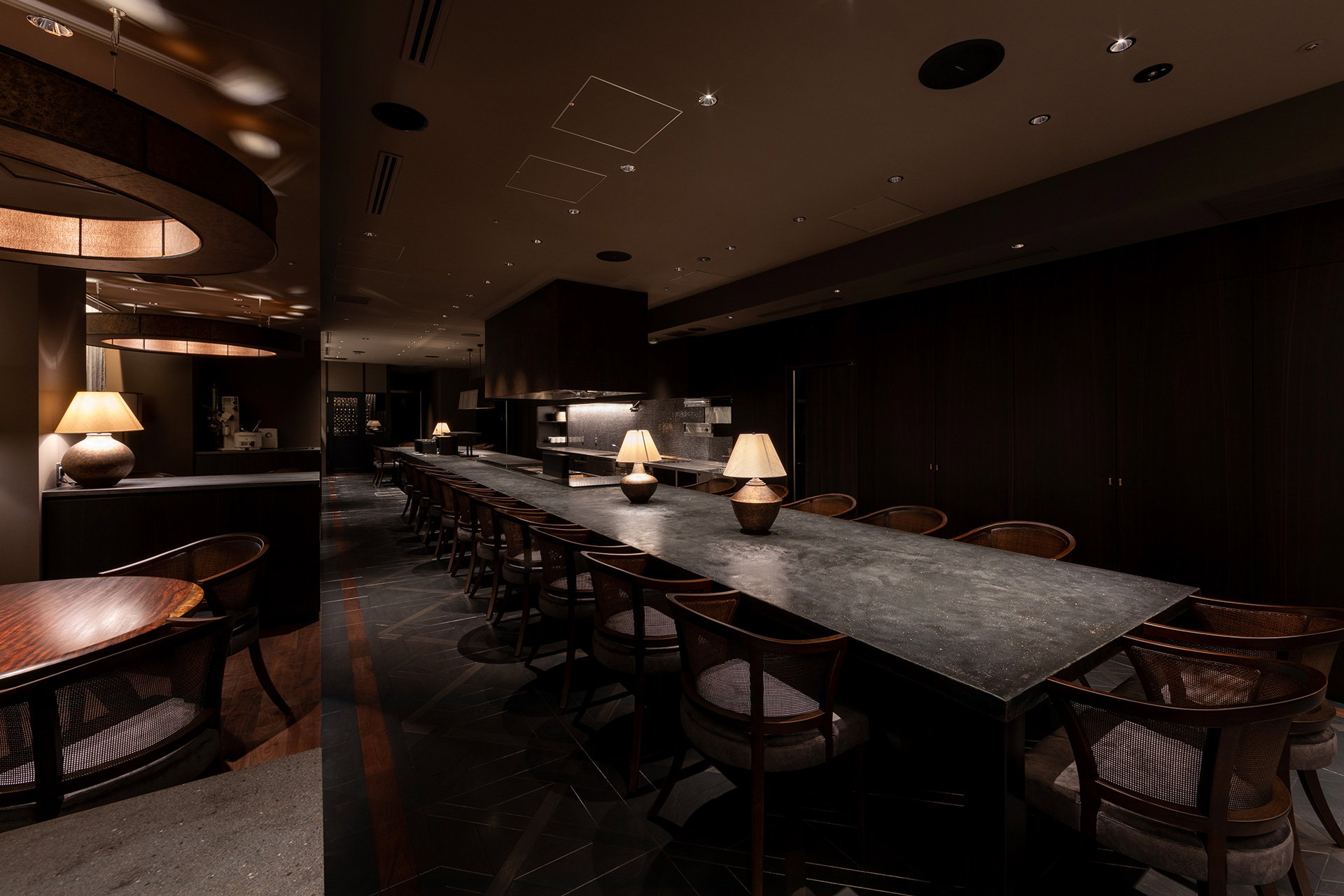
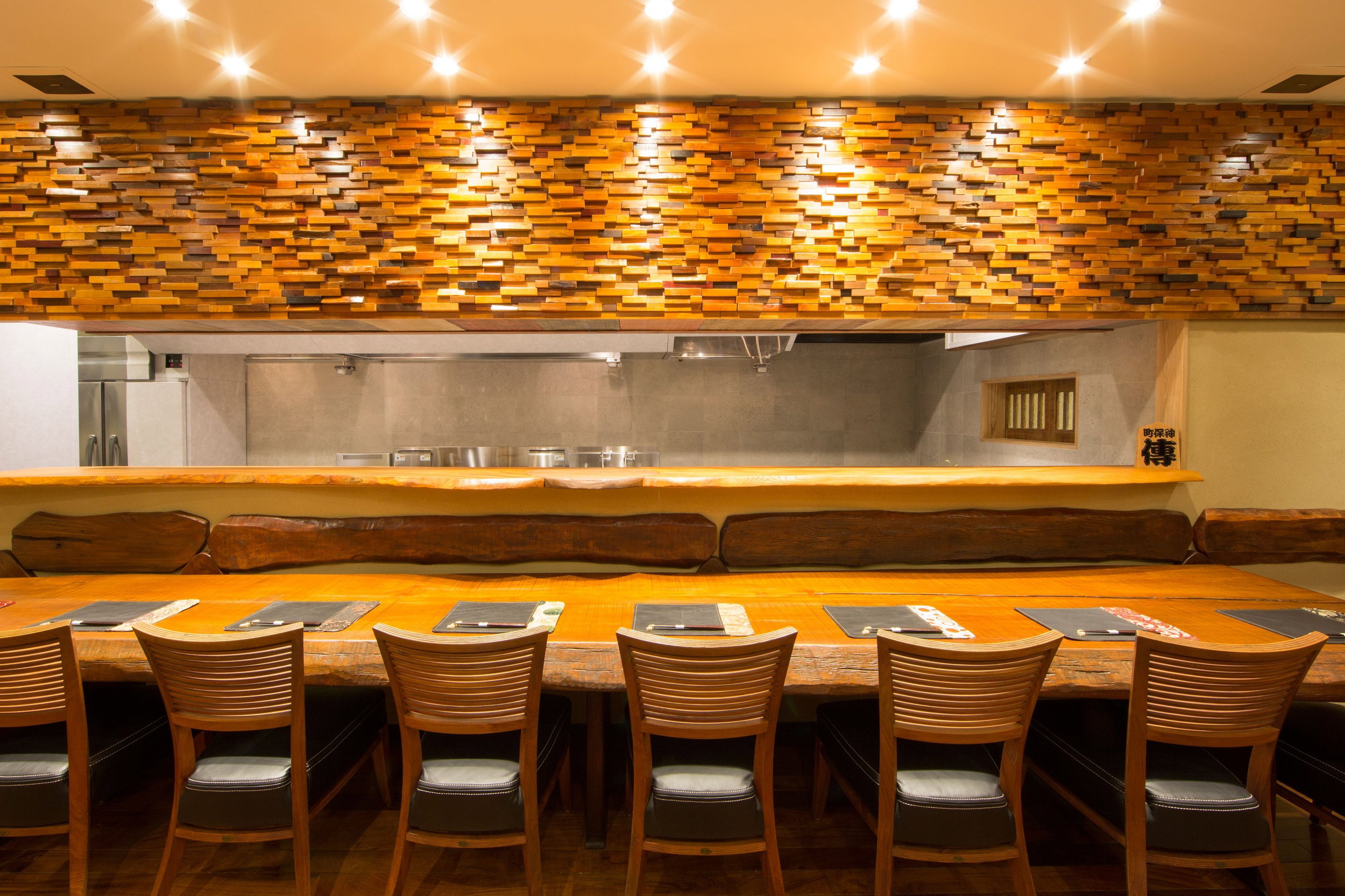
Cozy and delightful atmosphere at a small counter fostering kinship and conversation.
Tags
Vibe
Best For
Experience
At the Table
- Dress Code
- Smart Casual
- Noise Level
- Quiet
- Service Style
- Omakase Bar
- Meal Pacing
- Leisurely
- Capacity
- Intimate
Know before you go
Know Before You Go
- Getting there
- Japan, 〒160-0006 Tokyo, Shinjuku City, Funamachi, 15 荒川ビル 1F
Planning details
Location
Japan, 〒160-0006 Tokyo, Shinjuku City, Funamachi, 15 荒川ビル 1F · Directions
Recognition and awards
Also consider
Also Consider
- Harutaka, Sushi, ¥¥¥¥
- L'Effervescence, French, ¥¥¥¥
- RyuGin, Kaiseki, Japanese, ¥¥¥¥
- HOMMAGE, Innovtive French, French, ¥¥¥¥
- Crony, Innovative, French, ¥¥¥¥
Restaurant context
Against Tokyo's ¥¥¥¥ sushi counters, Sushidokoro Shigeru's case is straightforward: it is the choice when craft matters more than prestige and your budget has limits. Harutaka is operating at a different technical and ceremonial register, with pricing and booking difficulty to match, if the goal is the definitive Tokyo omakase experience and cost is secondary, Harutaka is the stronger answer. But Shigeru's Bib Gourmand recognition means you are not trading quality for price in any meaningful way; you are trading atmosphere and exclusivity, which may not be what you are buying in the first place.
If your trip includes non-sushi options at the top tier, RyuGin's kaiseki format covers Japanese haute cuisine with similar structural depth, courses that build and respond to each other, but at four times the price and with a very different booking window. L'Effervescence, HOMMAGE, and Crony are all ¥¥¥¥ French-leaning options that serve a different dining profile entirely, better choices if you want European-influenced tasting menus rather than Japanese sushi craft. For a Tokyo trip that wants to cover serious sushi ground without committing the entire dining budget to one counter, Sushidokoro Shigeru is the practical anchor: book it alongside one higher-tier counter and you have covered the range.
Explore Tokyo
Around this place
Discover more on Pearl
Unlock the full Sushidokoro Shigeru guide in Pearl, including awards, comparisons, FAQs, planning details, and nearby places.
Compare Sushidokoro Shigeru
| Venue | Cuisine | Price | Booking Difficulty | Awards |
|---|---|---|---|---|
| Sushidokoro Shigeru | Sushi | ¥¥ | Easy | 2026 Bib Gourmand2024 Michelin Bib Gourmand |
| Harutaka | Sushi | ¥¥¥¥ | Unknown | 2026 Tabelog Silver · #312026 OAD Top Restaurants in Japan Ranked · #1282026 Michelin 3 Stars2026 La Liste Top RestaurantsTabelog 100 - Sushi - TOKYO - 2025 · #372025 Asia's 50 Best Restaurants · #762025 OAD Top Restaurants in Japan Ranked · #1172025 La Liste Top Restaurants2025 Tabelog Bronze |
| L'Effervescence | French | ¥¥¥¥ | Unknown | 2026 Tabelog Silver · #682026 OAD Top Restaurants in Japan Ranked · #103Star Wine Lists 20262026 Black Pearl 2 Diamond2026 Relais Chateaux Restaurants2026 La Liste Top Restaurants2026 Michelin 3 Stars2025 Asia's 50 Best Restaurants · #692025 OAD Top Restaurants in Japan Ranked · #92 |
| RyuGin | Kaiseki, Japanese | ¥¥¥¥ | Unknown | 2026 OAD Top Restaurants in Japan Ranked · #802026 Tabelog Bronze · #3772026 Michelin 3 Stars2026 La Liste Top RestaurantsTabelog 100 - Japanese cuisine - TOKYO - 2025 · #212025 OAD Top Restaurants in Japan Ranked · #542025 Michelin 3 Stars2025 La Liste Top Restaurants2025 The Best Chef Three Knives |
| HOMMAGE | Innovtive French, French | ¥¥¥¥ | Unknown | 2026 Tabelog Bronze · #1232026 OAD Top Restaurants in Japan Highly Recommended2026 Michelin 2 StarsTabelog 100 - French - TOKYO - 2025 · #762025 Asia's 50 Best Restaurants · #782025 OAD Top Restaurants in Japan Ranked · #1752025 Michelin 2 Stars2025 The Best Chef One Knife2025 La Liste Top Restaurants |
| Crony | Innovative, French | ¥¥¥¥ | Unknown | 2026 Asia's 50 Best Restaurants · #34Star Wine Lists 20262026 OAD Top Restaurants in Japan Recommended2026 Michelin 2 Stars2025 Asia's 50 Best Restaurants · #30Tabelog 100 - French - TOKYO - 2025 · #782025 OAD Top Restaurants in Japan Ranked · #227We're Smart World Top Restaurants 20252025 Michelin 2 Stars |















How Sushidokoro Shigeru stacks up against the competition.
FAQ
Frequently Asked Questions
Is Sushidokoro Shigeru good for a special occasion?
Yes, with the right expectations. The Michelin Bib Gourmand recognition signals quality, but Chef Sagara built this place explicitly for a casual atmosphere — his stated goal was a sushi restaurant for the masses. If your special occasion calls for a relaxed, counter-focused meal over formal ceremony, it fits well. If you need white-glove service and a prestige address, look at Harutaka instead.
Is the tasting menu worth it at Sushidokoro Shigeru?
At a ¥¥ price point with Michelin Bib Gourmand backing, the omakase set menu offers strong value. The meal moves through steamed, grilled, and simmered courses before reaching nigiri — a structure that reflects Sagara's training across multiple genres of Japanese cuisine, not just sushi. For the price, the depth of the menu is difficult to match in Shinjuku.
Can Sushidokoro Shigeru accommodate groups?
The venue is a first-floor unit in the Arakawa Building in Funamachi — a compact neighbourhood setting rather than a large-format restaurant. Groups of more than four should approach with caution and confirm capacity before booking, as smaller sushi counters in Tokyo routinely cap reservations for larger parties.
Is Sushidokoro Shigeru worth the price?
Yes. The ¥¥ price range puts it among the more accessible omakase options in Tokyo, and the Michelin Bib Gourmand award — given specifically for good food at moderate prices — confirms the value case independently. Comparable omakase experiences in the city routinely cost two to three times more. For what you get from a chef with cross-genre Japanese training, the price-to-quality ratio holds up.
What should I wear to Sushidokoro Shigeru?
Sagara designed the restaurant for a casual atmosphere, and the ¥¥ pricing aligns with that intent. Neat, comfortable clothing is appropriate — there is no indication of a formal dress requirement. Avoid anything overpowering in scent, as close-quarters counter dining makes that a practical courtesy at any sushi restaurant.
What should a first-timer know about Sushidokoro Shigeru?
The meal follows a deliberate sequence: steamed dishes first, then grilled and simmered, then nigiri — so expect a longer arc than a pure sushi counter. Torotaku, the beaten tuna and pickled daikon dish, is a perennial favourite worth watching for. The restaurant is in Funamachi, Shinjuku City, and carries a Michelin Bib Gourmand (2024) — book ahead, as that recognition reliably fills seats.
What are alternatives to Sushidokoro Shigeru in Tokyo?
For higher-end omakase with more formal service, Harutaka is the peer comparison in Tokyo's premium sushi tier. RyuGin offers a kaiseki-influenced tasting format if you want to move beyond sushi entirely. If the draw at Shigeru is value-for-quality rather than format specifically, Crony covers a different cuisine at a similarly accessible price point. For pure sushi craft at a step up in spend, Harutaka is the clearest like-for-like upgrade.