
Sushidokoro Kiraku
Sushi · Setagaya, Tokyo
Restaurant in Tokyo, Japan
 Book with Pearl
The Read
Edomae Neighbourhood Counter
Price
¥¥¥
Dress
Smart Casual
Why go
Michelin 1 Star Edomae omakase in Tokyo's residential Setagaya, priced at ¥¥¥ rather than the ¥¥¥¥ that most decorated sushi counters demand. The third-generation owner shifted the format to omakase while keeping traditional ageing, marinating, and curing techniques intact. Best for solo diners and pairs who want serious craft without Ginza pricing. Book at least three to four weeks out.
About Sushidokoro Kiraku
Is Sushidokoro Kiraku worth booking for omakase in Tokyo?
Yes, especially if you want Michelin-recognized Edomae technique without the ¥¥¥¥ price tag that most of Tokyo's decorated sushi counters demand. Kiraku holds a Michelin 1 Star (2024) and sits in the residential Setagaya neighbourhood rather than Ginza or Minami-Aoyama, which tells you something important about its positioning: this is a local counter that earned its star on craft, not on address or spectacle. For the food-focused traveler who wants substance over prestige theatre, that trade-off works heavily in your favor.
What Kiraku is, and why it matters
The most useful thing to know about Kiraku before you book is that it is a restaurant mid-evolution. The current format is the result of a deliberate pivot by the third owner, who shifted the restaurant away from its catering roots and into a focused omakase program built around appetizers and nigiri. That transition did not mean abandoning the foundations: Edomae techniques — ageing, marinating, and curing the fish — remain central to the format. These are not finishing flourishes. They are the structural logic of the meal, the thing that separates Edomae sushi from direct fresh-fish counters and that gives each piece a depth of flavor that arrives before the fish even touches the rice.
The format is a two-person operation. The chef runs the counter and the omakase progression; his wife handles the grilled dishes. That division of labor is worth noting for a practical reason: it means the kitchen produces hot and cold components with focused attention on each. What it also means is that this is a small, personal counter, not a scalable operation. The atmosphere is welcoming and relaxed. For a solo diner or a pair, that register is close to ideal. For a group wanting a private-room experience or a loud celebration, it is not the right room.
The Edomae question: why technique matters here
Edomae sushi is the historical style of Tokyo, fish sourced from the local waters, prepared with preservation techniques that predate refrigeration. Ageing concentrates flavor; marinating adds acidity and salt that balance richness; curing firms texture. In the hands of a serious practitioner, these processes produce nigiri with more complexity than raw-only presentations. At Kiraku, those techniques have survived the ownership transition intact, which is the key signal from the awards data. The Michelin inspectors are not credentialing ambiance or novelty; they are recognizing that the craft is sound.
The food is structured around progressive flavor intensity and varied texture, a format that responds well to sake pairing in experienced hands. If drinks matter to your evening as much as food, confirm the drinks list before booking, do not assume a wine program of comparable depth to what you would find at a French-influenced Tokyo restaurant.
Booking Kiraku: what you are actually dealing with
Booking difficulty is rated Hard. Kiraku is a small counter in a residential part of Setagaya, not a high-profile destination with an international PR operation. That cuts both ways. The venue is less aggressively marketed than Ginza-area counters, but it is also well-known enough among Tokyo food enthusiasts and Michelin followers that seats fill. No booking method, website, or phone number is available in the current record; the practical recommendation is to pursue a reservation via a concierge service, a hotel with strong Tokyo dining relationships, or a specialist booking platform. If you are traveling to Tokyo and Kiraku is a priority, begin that process at least three to four weeks in advance. Walk-in access at a Michelin-starred omakase counter of this size is not realistic.
Who should book Kiraku
Kiraku is the right choice if you want a Michelin-starred Edomae omakase at ¥¥¥ pricing, a counter run by the people who own it, and a room that prioritizes craft over performance. It is the right choice for solo diners and couples. It is not the right choice if you need a central Tokyo location, require a documented wine program, or are booking for a group of four or more expecting a formal special-occasion setting.
For context on the broader Tokyo dining scene, see our full Tokyo restaurants guide. If you are planning around accommodation, our Tokyo hotels guide covers options across the city's neighborhoods. For bars before or after, see our Tokyo bars guide.
Pearl Practical Details
| Detail | Sushidokoro Kiraku | Harutaka | Sushi Kanesaka |
|---|---|---|---|
| Price tier | ¥¥¥ | ¥¥¥¥ | ¥¥¥¥ |
| Michelin recognition | 1 Star (2024) | 2 Stars | 1 Star |
| Location | Setagaya (residential) | Ginza area | Ginza |
| Format | Omakase counter | Omakase counter | Omakase counter |
| Booking difficulty | Hard | Very Hard | Hard |
| Leading for | Value-focused enthusiasts, solo, pairs | Prestige omakase | Central Tokyo access |
Nearby and regional alternatives
If Kiraku cannot be secured, the closest equivalents in the Edomae sushi category worth considering are Edomae Sushi Hanabusa and Hiroo Ishizaka. For a higher-spend counter with more established international booking infrastructure, Sukiyabashi Jiro Roppongiten is the reference point, though the price tier and formality are both significantly higher.
If you are extending your Japan trip beyond Tokyo, comparable precision-focused dining is available at Gion Sasaki in Kyoto and HAJIME in Osaka. For sushi specifically in the region, Sushi Shikon in Hong Kong and Shoukouwa in Singapore represent the Edomae style exported to other Asian markets, useful reference points if Tokyo timing does not work. Elsewhere in Japan, Goh in Fukuoka and akordu in Nara offer strong dining in different formats. Also worth noting: 1000 in Yokohama and 6 in Okinawa for travelers moving beyond the capital. For Tokyo drinks and experiences, see our Tokyo wineries guide and our Tokyo experiences guide.
Planning details
- Location
- 1 Chome-12-12 Kyodo, Setagaya City, Tokyo 156-0052, Japan
- Website
- edomaekiraku.gorp.jp
- Phone
- +81 50-5487-1277
The take
The Take
The Vibe
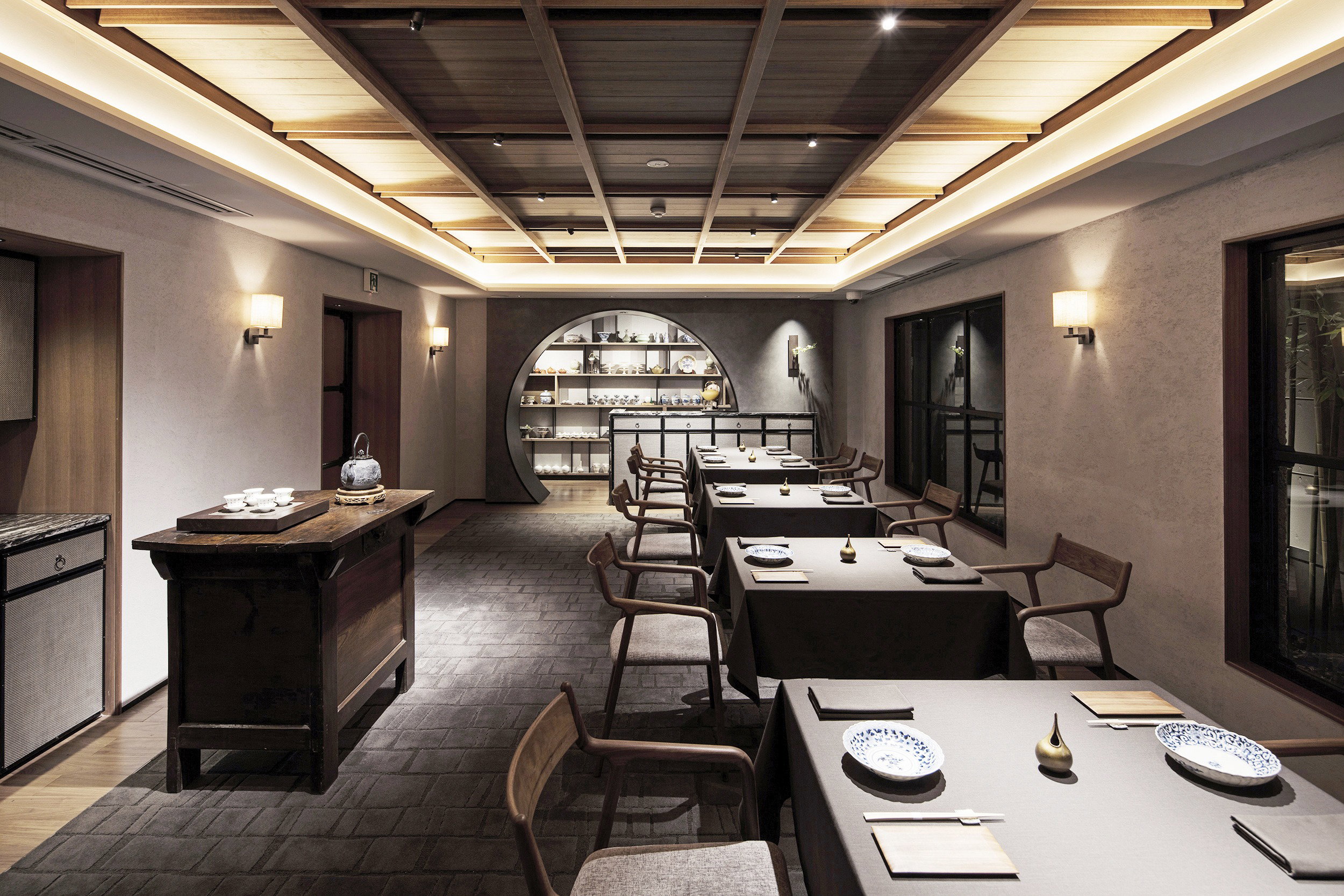
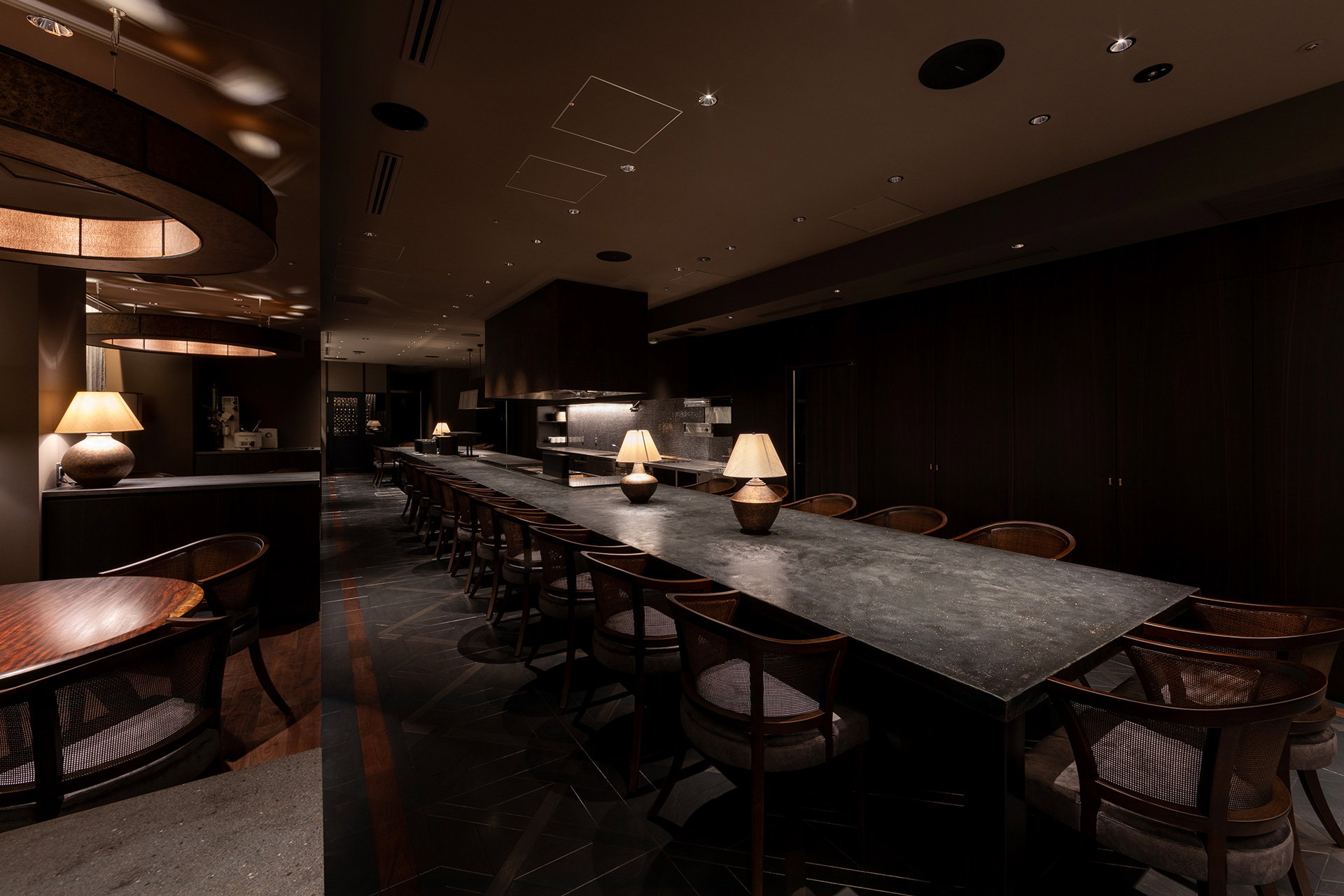
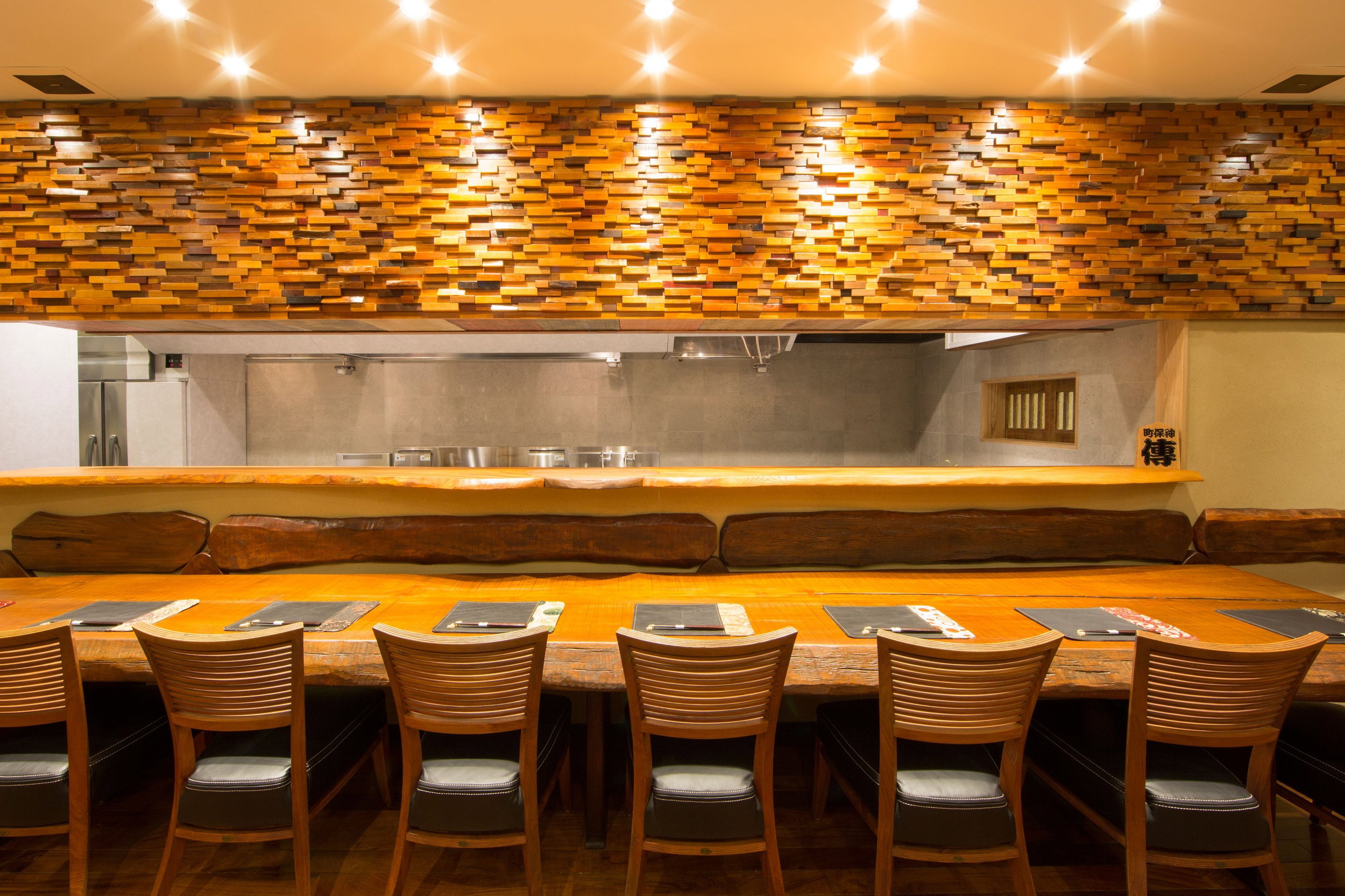
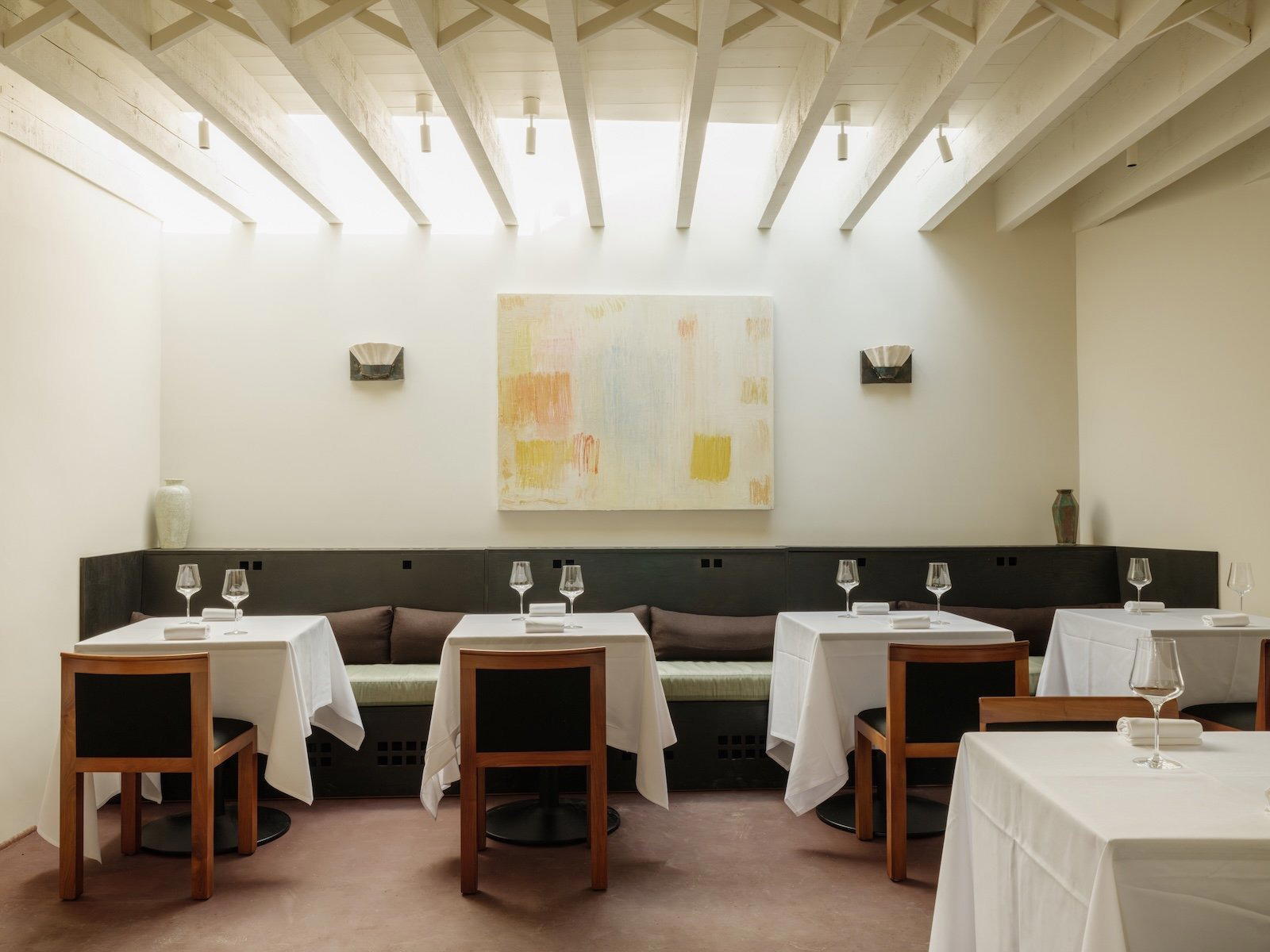
Sushidokoro Kiraku reads like a quietly sophisticated neighbourhood counter. It marries the intimacy of a small sushi bar with classic Edomae technique, the kind of restrained craft that earns notice from the Michelin Guide without altering the room’s local character. The dining room feels cozy and low-key rather than constructed for tourists—regulars populate the seats and the atmosphere is driven by the rhythm of the counter. That backstory—a generational conversion from catering to omakase—gives the place a historic, authentic register: a polished, elegant counter that still feels like it belongs to the neighbourhood.
Best For
Kiraku is best for focused, occasion-driven dinners where the counter is the event. The format suits couples on a date night, solo diners who want to watch craft unfold, or small special occasions that prize technique over theatrics. Its one-star recognition and consistent reviews make it a compelling, more accessible alternative to pricier central counters, so diners seeking Michelin-level Edomae in a residential setting will find it especially rewarding. The experience is about proximity to the chef and a steady, deliberate tasting sequence rather than a boisterous night out.
Ordering Tips
Treat reservations and expectations to match a counter-led omakase: the meal is choreographed by the chef and pieces appear immediately when they are ready. The description highlights the discipline of the counter—watching rice pressed and fish cut—so come prepared to be present and engaged rather than to customize. Note the price positioning: Kiraku sits below the highest-priced Ginza counters, so understand the relative value before booking. Because the room is neighbourhood-focused and intimate, plan for limited seating and an experience centered on the chef’s sequence rather than à la carte choices.
Venue details
Ambiance
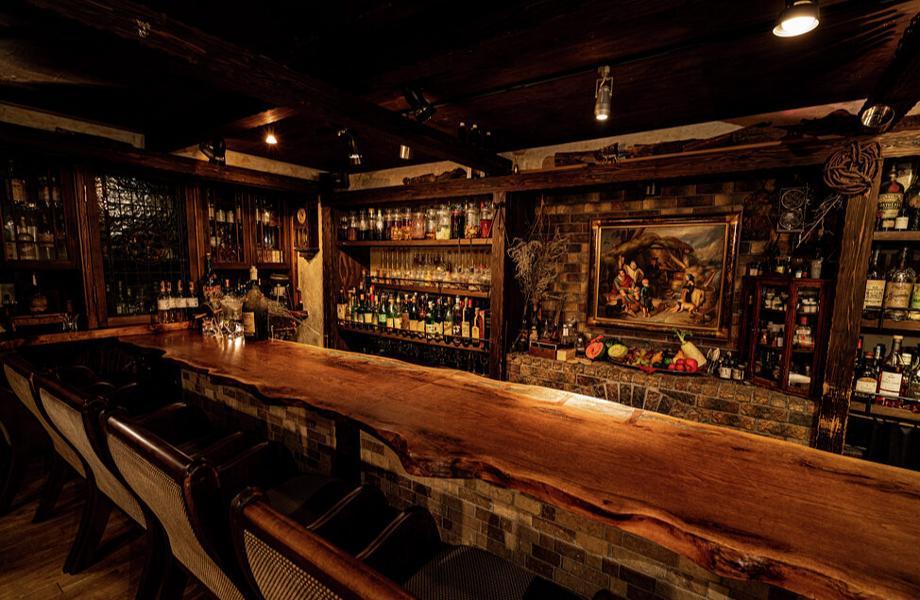
Warm, relaxing, and intimate atmosphere created by the friendly chef-owner; feels like a true local treasure with personal touches and genuine hospitality throughout the meal.
Tags
Vibe
Best For
Experience
Sourcing
At the Table
- Dress Code
- Smart Casual
- Noise Level
- Quiet
- Service Style
- Omakase Bar
- Meal Pacing
- Extended Experience
- Capacity
- Intimate
Signature Dishes
- aged white fish nigiri
- wavy-cut octopus
- tiger prawns with fish floss
- kasugodai marinated in vinegar
- uni from Aomori
Know before you go
Know Before You Go
- Getting there
- 1 Chome-12-12 Kyodo, Setagaya City, Tokyo 156-0052, Japan
Planning details
Location
1 Chome-12-12 Kyodo, Setagaya City, Tokyo 156-0052, Japan · Directions
Recognition and awards
Also consider
Also Consider
- Harutaka, Sushi, ¥¥¥¥
- RyuGin, Kaiseki, Japanese, ¥¥¥¥
- L'Effervescence, French, ¥¥¥¥
- HOMMAGE, Innovtive French, French, ¥¥¥¥
- Florilège, French, ¥¥¥
Restaurant context
Kiraku's clearest advantage over most of its Tokyo peers is the price-to-recognition ratio. Harutaka holds two Michelin stars and operates at ¥¥¥¥, which is the right choice if you want the most technically refined sushi experience in the city and price is secondary. Kiraku, at ¥¥¥ with one star, is the more repeatable option for a food-focused traveler who wants verified Edomae craft without spending at the ceiling of Tokyo's sushi market. The Setagaya location is less convenient than a Ginza counter, but that inconvenience is priced in.
Against non-sushi peers at the ¥¥¥¥ level, the comparison shifts. RyuGin offers kaiseki precision and a significantly deeper drinks program; if the drinks component of your meal matters as much as the food, RyuGin is the stronger booking. Florilège at ¥¥¥ offers French technique with a more documented wine and natural drinks program, useful if you want wine alongside your meal rather than sake. L'Effervescence and HOMMAGE both operate at ¥¥¥¥ and suit diners who want a French-influenced format with more ceremony and more drinks depth than a focused sushi counter provides.
The decision is relatively direct: if Edomae sushi is the format you want and you are price-conscious, Kiraku is the booking. If you want the prestige ceiling of Tokyo sushi, book Harutaka and accept the higher spend. If drinks parity with food is a requirement for your evening, a kaiseki or French-influenced counter will serve you better than any omakase sushi room in this set.
Explore Tokyo
Around this place
Discover more on Pearl
Unlock the full Sushidokoro Kiraku guide in Pearl, including awards, comparisons, FAQs, planning details, and nearby places.
Compare Sushidokoro Kiraku
| Venue | Price | Booking Difficulty | Awards |
|---|---|---|---|
| Sushidokoro Kiraku | ¥¥¥ | Hard | 2026 Michelin 1 Star2024 Michelin 1 Star |
| Harutaka | ¥¥¥¥ | Unknown | 2026 Tabelog Silver · #312026 OAD Top Restaurants in Japan Ranked · #1282026 Michelin 3 Stars2026 La Liste Top RestaurantsTabelog 100 - Sushi - TOKYO - 2025 · #372025 Asia's 50 Best Restaurants · #762025 OAD Top Restaurants in Japan Ranked · #1172025 La Liste Top Restaurants2025 Tabelog Bronze |
| RyuGin | ¥¥¥¥ | Unknown | 2026 OAD Top Restaurants in Japan Ranked · #802026 Tabelog Bronze · #3772026 Michelin 3 Stars2026 La Liste Top RestaurantsTabelog 100 - Japanese cuisine - TOKYO - 2025 · #212025 OAD Top Restaurants in Japan Ranked · #542025 Michelin 3 Stars2025 La Liste Top Restaurants2025 The Best Chef Three Knives |
| L'Effervescence | ¥¥¥¥ | Unknown | 2026 Tabelog Silver · #682026 OAD Top Restaurants in Japan Ranked · #103Star Wine Lists 20262026 Black Pearl 2 Diamond2026 Relais Chateaux Restaurants2026 La Liste Top Restaurants2026 Michelin 3 Stars2025 Asia's 50 Best Restaurants · #692025 OAD Top Restaurants in Japan Ranked · #92 |
| HOMMAGE | ¥¥¥¥ | Unknown | 2026 Tabelog Bronze · #1232026 OAD Top Restaurants in Japan Highly Recommended2026 Michelin 2 StarsTabelog 100 - French - TOKYO - 2025 · #762025 Asia's 50 Best Restaurants · #782025 OAD Top Restaurants in Japan Ranked · #1752025 Michelin 2 Stars2025 The Best Chef One Knife2025 La Liste Top Restaurants |
| Florilège | ¥¥¥ | Unknown | 2026 Asia's 50 Best Restaurants · #312026 Tabelog Bronze · #712026 OAD Top Restaurants in Japan Ranked · #1242026 Black Pearl 1 Diamond2026 Michelin 2 Stars2026 La Liste Top Restaurants2025 Asia's 50 Best Restaurants · #172025 World's 50 Best Restaurants · #36Tabelog 100 - French - TOKYO - 2025 · #68 |













Comparing your options in Tokyo for this tier.
FAQ
Frequently Asked Questions
Can Sushidokoro Kiraku accommodate groups?
Groups of more than three or four will find Kiraku difficult. It is a small counter format in a residential Setagaya neighbourhood, not a restaurant with private dining rooms or flexible floor space. Booking difficulty is already rated Hard for individuals — group reservations compound that considerably. Parties larger than four should look at venues with dedicated private rooms instead.
What should a first-timer know about Sushidokoro Kiraku?
Kiraku is a Michelin 1-star (2024) omakase counter built around traditional Edomae techniques — ageing, marinating, and curing — combined with grilled dishes handled by the chef's wife. It is located in a residential part of Setagaya City, not a central tourist district, so first-timers should plan their route from central Tokyo accordingly. Reservations are hard to secure, so book as far ahead as possible. The format is omakase only: you eat what the chef decides, beginning with appetizers and moving through nigiri.
Is Sushidokoro Kiraku good for solo dining?
Yes. Counter seating and an owner-led kitchen make Kiraku well-suited to solo diners. The Michelin inspectors noted the chef creates a welcoming atmosphere, which matters when you are sitting alone at a counter for the duration of an omakase. Solo diners may also find it easier to secure a single seat when the counter is otherwise full.
Is Sushidokoro Kiraku worth the price?
At ¥¥¥ pricing with a Michelin 1-star (2024) and a kitchen committed to classical Edomae technique, Kiraku delivers measurably more per yen than most of Tokyo's decorated sushi counters, which typically price at ¥¥¥¥. If your benchmark is quality-to-cost ratio among Michelin-recognized Edomae omakase in Tokyo, Kiraku is one of the stronger arguments for booking.
What are alternatives to Sushidokoro Kiraku in Tokyo?
If Kiraku is unavailable, Edomae Sushi Hanabusa and Hiroo Ishizaka are the closest category equivalents. For a higher-budget Edomae experience, Harutaka operates at ¥¥¥¥ and carries stronger name recognition internationally. Kiraku's specific advantage over those options is the combination of Michelin recognition at ¥¥¥ and a neighbourhood counter atmosphere that the higher-profile central Tokyo spots do not replicate.
Is Sushidokoro Kiraku good for a special occasion?
It works well for a low-key special occasion between two people who appreciate craft over ceremony. The atmosphere, per Michelin's own notes, is welcoming rather than formal. If the occasion calls for a grander room, more central location, or private space, a ¥¥¥¥ counter in central Tokyo will better fit those expectations. Kiraku's strength is intimacy and technique, not spectacle.
Is the tasting menu worth it at Sushidokoro Kiraku?
The omakase format at Kiraku, covering appetizers through nigiri with grilled courses handled by the chef's wife, is the entire offering at this counter. At ¥¥¥ pricing for Michelin 1-star (2024) Edomae execution, it represents strong value against Tokyo's wider omakase market. The menu is set by the chef, so there is no à la carte alternative — commit to the format or choose a different venue.