.png?width=1200&quality=80)
Sushi Yoshino
Sushi · Chiyoda, Tokyo
Restaurant in Tokyo, Japan
 Book with Pearl
The Read
Old-School Edomae Lineage
Price
$30–50per person
Dress
Smart Casual
Why go
A sushi counter in Nishikanda, Sushi Yoshino makes a strong case at the ¥¥ tier: traditional edomae technique, red vinegar rice, a striking zelkova wood counter, and a two-generation lineage rooted in Kyobashi. With easy booking relative to Tokyo's top omakase rooms, this is the right call for a date or celebration dinner where quality matters and the bill doesn't need to be punishing.
About Sushi Yoshino
A 4.7-rated Bib Gourmand sushi counter in Nishikanda — and one of Tokyo's clearest cases for booking at the ¥¥ tier
That combination — Michelin recognition at a mid-range price point, is the single most useful fact about this restaurant. It tells you that the kitchen is operating well above what the price suggests, and that the gap between cost and quality is wide enough to make this a genuinely easy recommendation for anyone who wants serious edomae sushi without committing to a ¥¥¥¥ omakase bill.
The Space
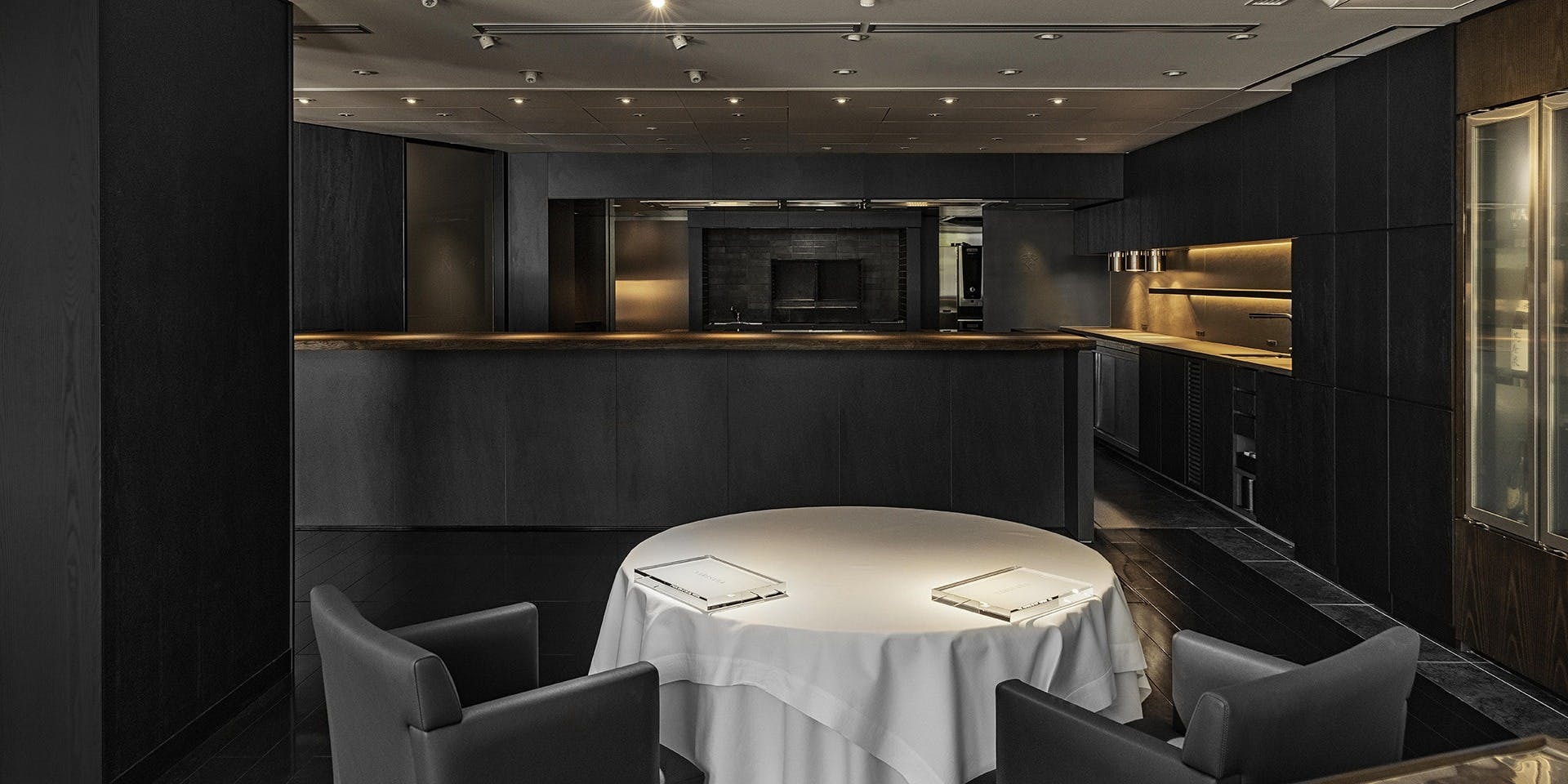
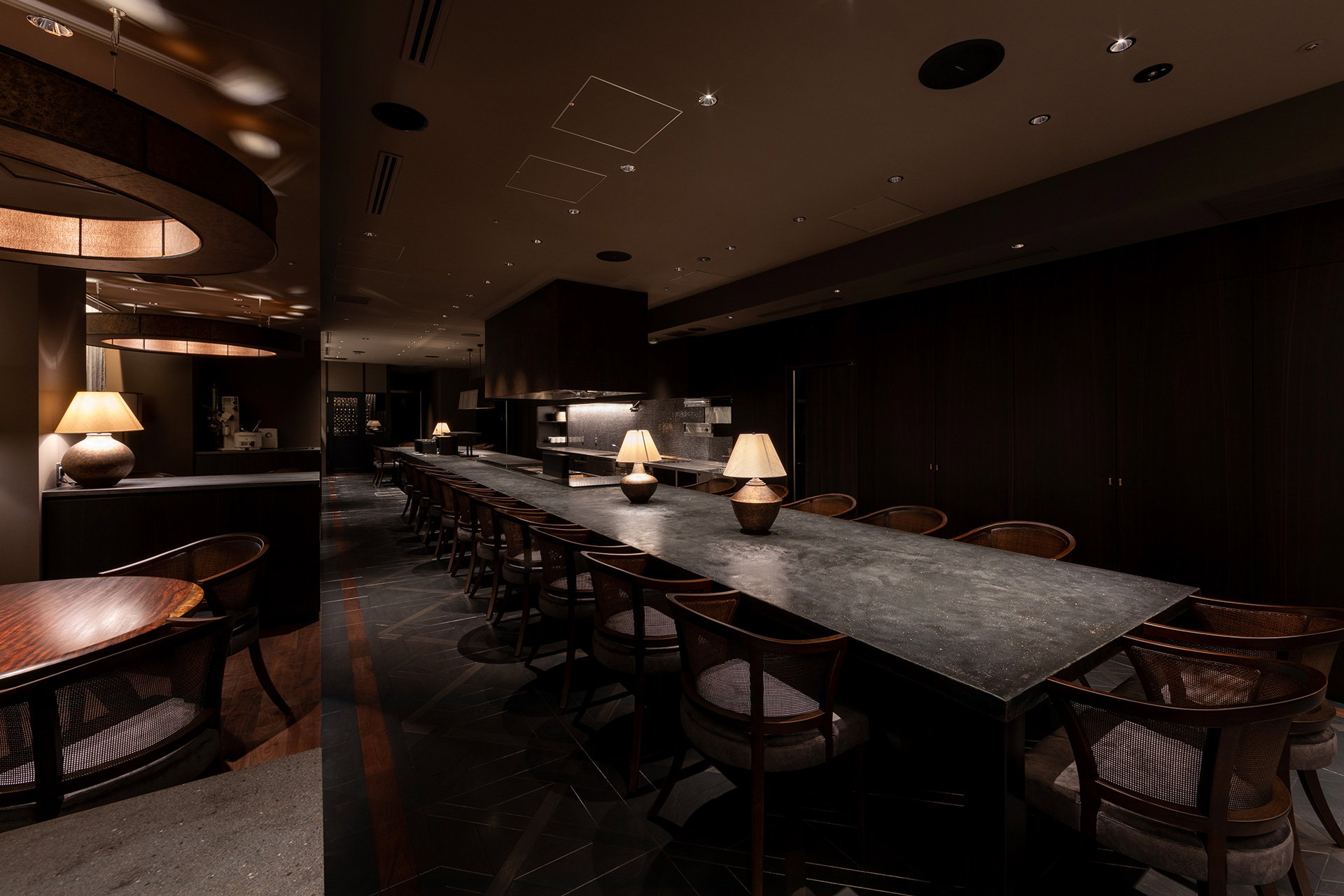
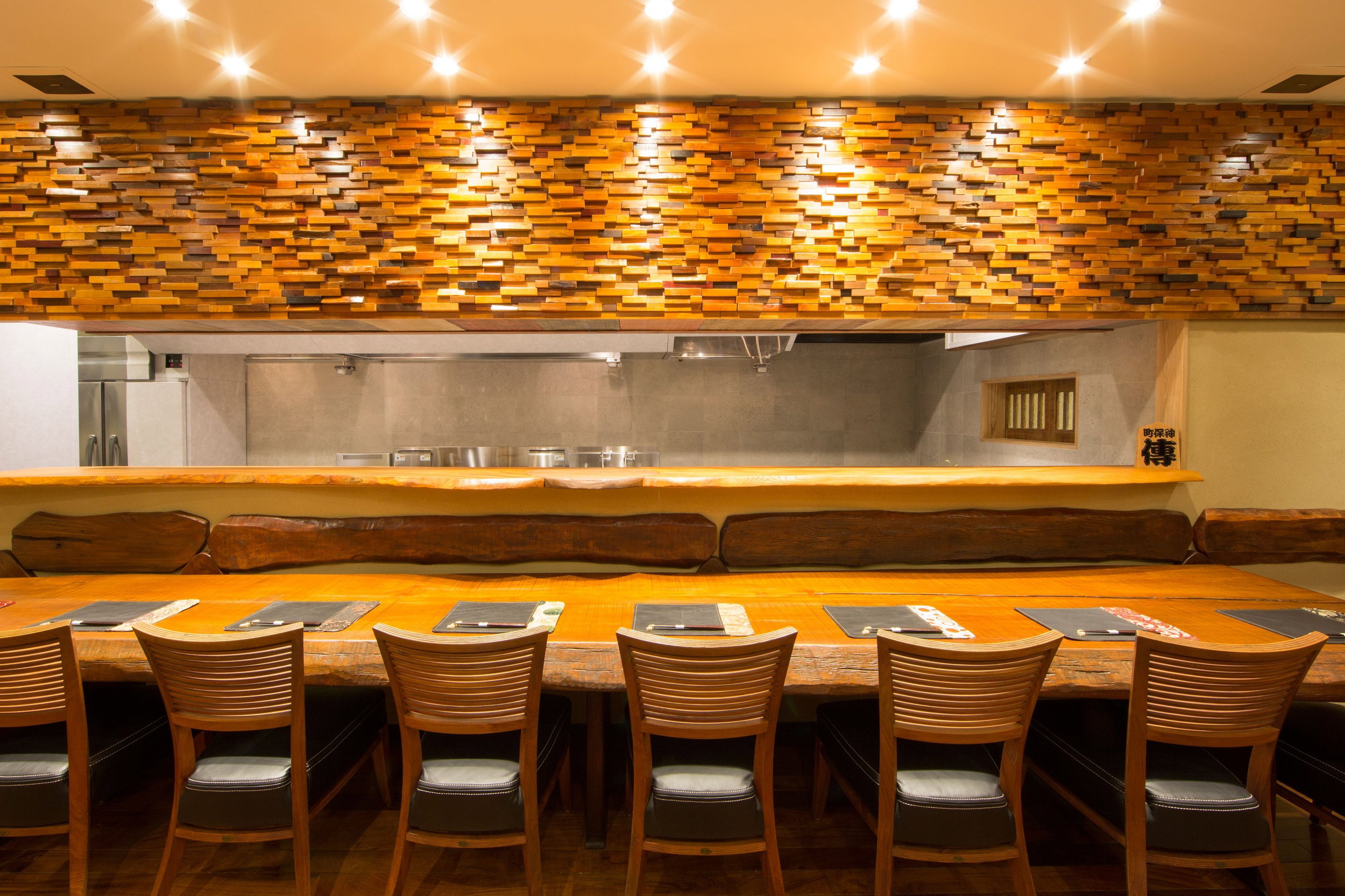
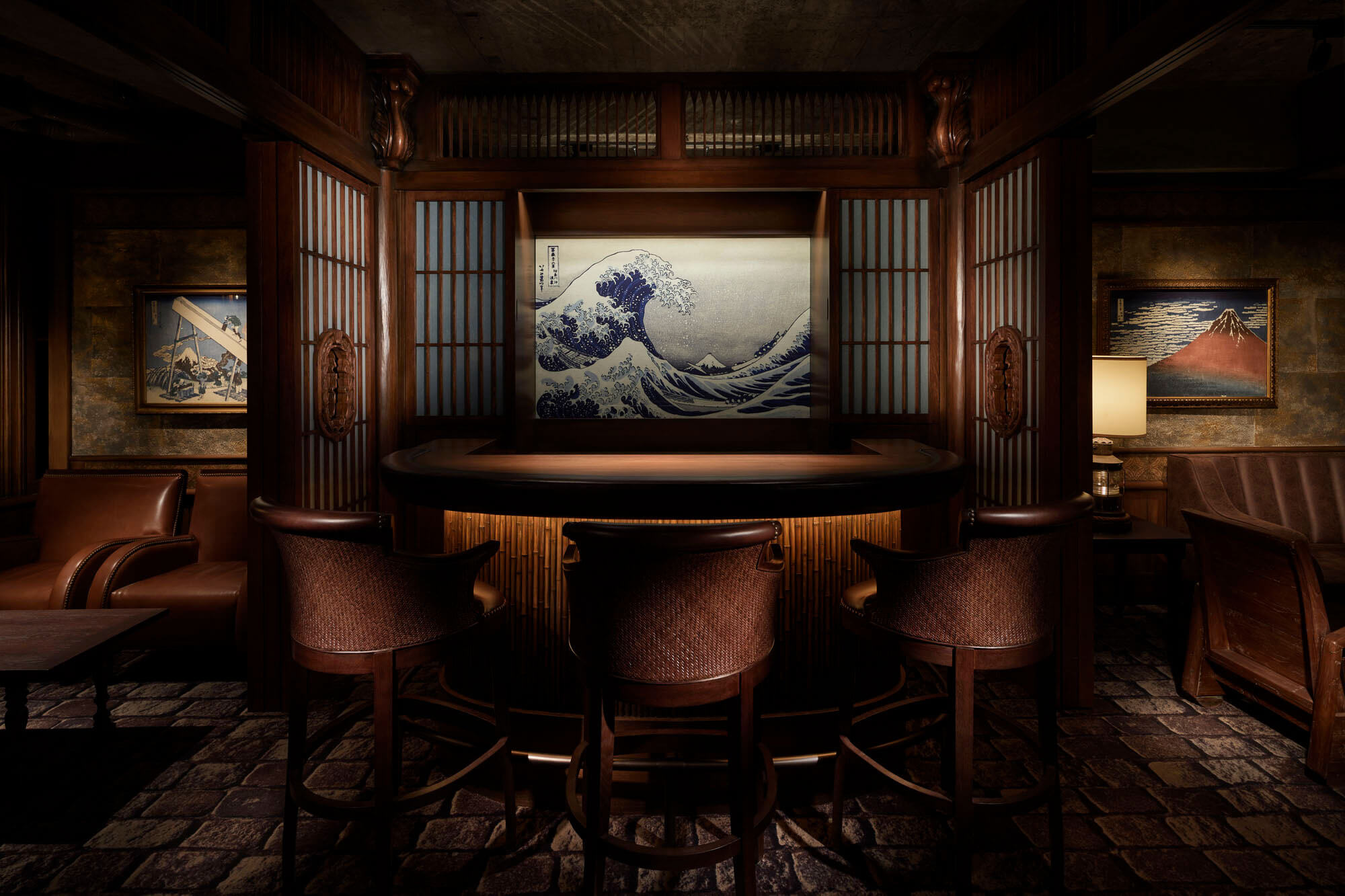
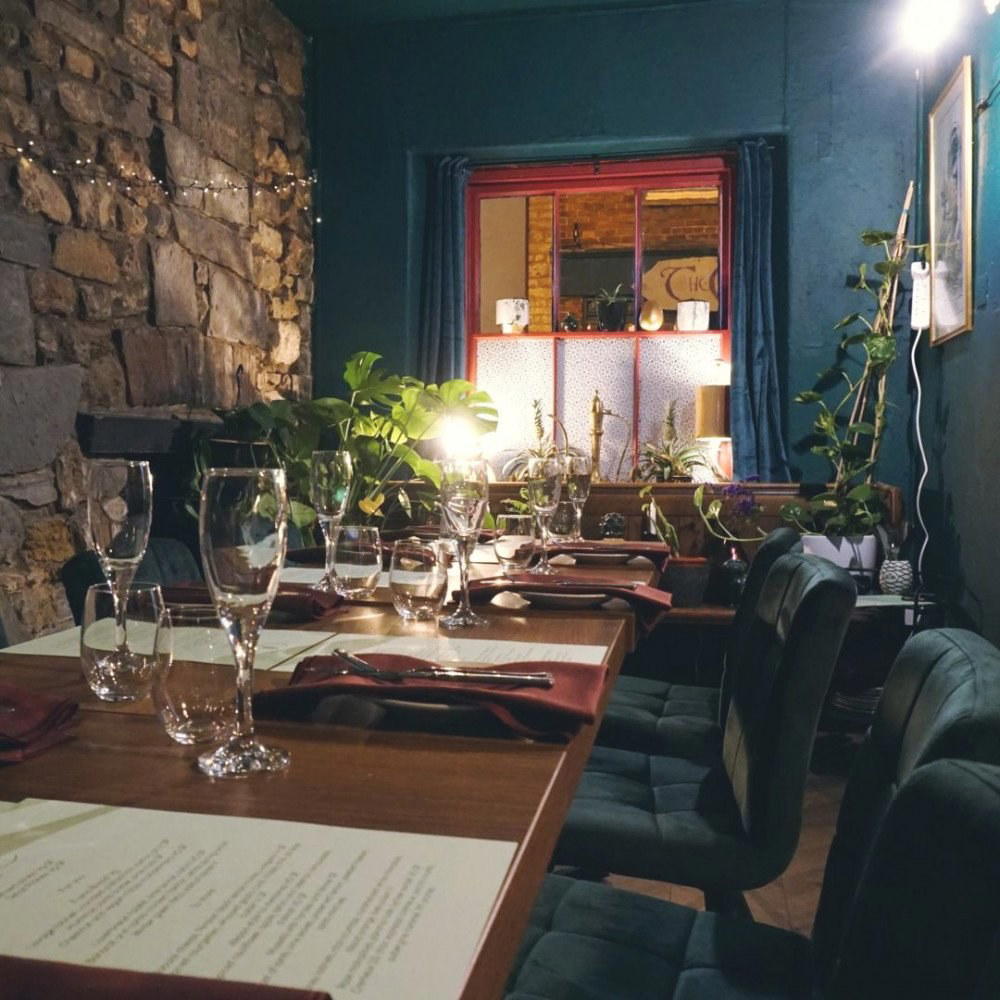
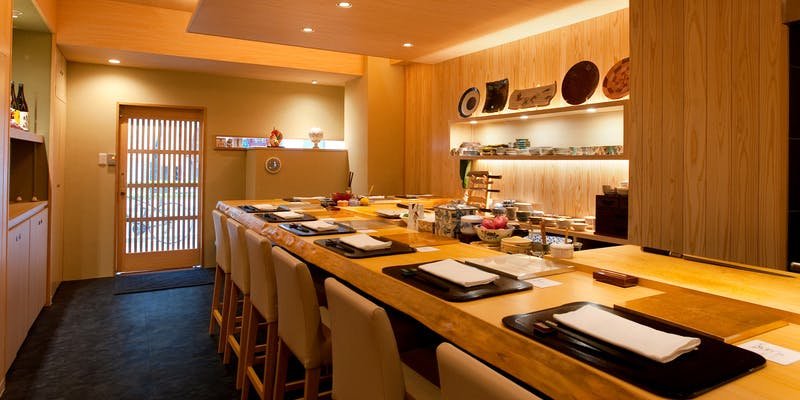
Sushi Yoshino occupies a basement location in Nishikanda, Chiyoda City. Basement sushi counters in Tokyo can go either way, cramped and airless, or considered and intimate. Here, the room is handled well. Lighting has been used deliberately to counter the below-ground setting, and the centrepiece is a long counter of zelkova wood, a hardwood with visible grain and warmth that gives the room a quieter, more grounded character than the lacquered surfaces you find at higher-price-bracket rooms. For a special occasion dinner or a date where atmosphere matters, the counter format works in your favour: you are seated directly in front of the chef, the interaction is close, and the room does not attempt to be anything other than a sushi restaurant. There is no distraction. The physical space signals craft over theatre, which is consistent with what the food is supposed to deliver.
The Sushi and the Drinks
The kitchen follows an old-school preparation approach, toppings handled in the traditional edomae style, paired with sushi rice seasoned with red vinegar rather than white. Red vinegar rice is the older standard in Tokyo sushi; it has a darker colour and a more assertive flavour that interacts differently with aged or cured fish. It is not a novelty choice here, it is a lineage choice, traceable to the restaurant's founding story. The current operation is run by chef Tadashi Yoshida, whose father trained at a respected sushi restaurant in Tokyo's Kyobashi district before opening independently and inheriting the Yoshino name. That two-generation continuity is worth noting because it shapes the menu's conservatism. This is not a counter experimenting with fusion toppings or modern garnishes. If you want technical precision inside a defined traditional framework, this is the right room.
On drinks: at the ¥¥ price tier, a dedicated sake programme is more the norm than an exception at Tokyo sushi counters, and the pairing of aged nigiri with a well-chosen junmai or junmai daiginjo is a legitimate reason to order beyond beer. The venue data does not confirm specific sake labels or a curated drinks menu, so treat the drinks programme as a complement to the sushi rather than a standalone draw. If sake pairing is central to your evening, venues like Harutaka at the ¥¥¥¥ tier offer a more documented and curated drinks experience alongside the nigiri. For Sushi Yoshino, the drink is leading understood as support for the food, not the headline.
Who Should Book This
This is a good restaurant for a date or a celebration dinner where you want a proper sushi counter experience without the financial exposure of Tokyo's top-tier omakase rooms. It is also a good choice for visitors to Tokyo who want to eat serious edomae sushi in an environment that feels local and considered rather than tourist-adjacent. The Nishikanda address is not a tourist dining corridor, which works in your favour on atmosphere.
If you are looking at other credentialed sushi options in Tokyo across different price points, the comparisons worth making are: Sushi Kanesaka for a step up in formality and price, Sukiyabashi Jiro Roppongiten for the most formally documented edomae tradition, and Edomae Sushi Hanabusa as another mid-range option worth considering. Further afield in Japan, HAJIME in Osaka and Gion Sasaki in Kyoto represent the broader fine dining conversation if your trip extends beyond Tokyo. For sushi at comparable quality outside Japan, Sushi Shikon in Hong Kong and Shoukouwa in Singapore are the regional benchmarks.
Practical Details
Reservations: Booking difficulty is rated Easy, you do not need to plan weeks in advance the way you would for top-tier omakase counters, but calling or booking ahead is still advised given the counter format and limited seating. Budget: ¥¥ pricing makes this one of the more accessible Michelin-recognised sushi options in Tokyo. Dress: No dress code is confirmed in the venue data, but a sushi counter with Michelin recognition in Chiyoda warrants smart casual at minimum, avoid beachwear or overly casual sportswear. Getting there: The address is Nishikanda, Chiyoda City, accessible via central Tokyo train lines. Group size: The counter format suits parties of two most naturally; larger groups should confirm availability in advance.
For more options in the city, see our full Tokyo restaurants guide, our full Tokyo hotels guide, our full Tokyo bars guide, our full Tokyo wineries guide, and our full Tokyo experiences guide. If you are travelling more broadly through Japan, akordu in Nara, Goh in Fukuoka, 1000 in Yokohama, 6 in Okinawa, and Hiroo Ishizaka are worth having on your radar.
Planning details
- Location
- Japan, 〒101-0065 Tokyo, Chiyoda City, Nishikanda, 2 Chome−3−2 牧ビル 102
- Reservations
- Book on the venue's website
- Website
- hitosara.com/0006084726/?cid=part_yext_gm_hp%3A0006084726
- Phone
- +81 3-6272-6567
The take
The Take
The Vibe
Sushi Yoshino feels like a focused, old-school sushi counter rooted in Tokyo’s apprenticeship system. The room centers on a single counter where technique and lineage are the point of view: the founder, trained in Kyobashi, works alongside his son, and that transmission is visible in every gesture. It’s not a theatrical three-star omakase room but a disciplined, mid-priced counter where rice temperature, knife work and timing matter. The atmosphere is restrained and quietly refined, favoring craftsmanship over flash — an intimate, family-run place for diners who care about the traditions behind Edomae sushi.
Best For
This counter is especially well suited to solo diners, business dinners and intimate date nights. The format rewards attention to the craft: sitting at the counter lets you watch technique unfold, which makes for a focused, conversation-friendly experience with a chef-led pace. The pricing sits in a middle tier, so it’s appealing to guests who want serious Edomae technique without Ginza-scale covers. Groups larger than the counter’s footprint are less likely to fit naturally here; the place is best for small parties and individuals who appreciate lineage-driven sushi.
Ordering Tips
Sit at the counter and follow the chef’s rhythm: the restaurant’s strength is transmission of technique, so letting the chef pace servings highlights rice temperature, knife cuts and timing. Prioritize signature nigiri—toro nigiri, karei, kuruma ebi and anago—which are listed as house specialties. Expect a focused, sequential progression rather than à la carte fast service; this is the kind of counter where trust in the hand that trained under a Kyobashi house yields the best experience. Reservations or arriving with time to settle at the counter are wise.
Venue details
Ambiance
Casual neighborhood sushi joint with middle-class vibe, old-school counter seating, and effective lighting in a basement location.
Tags
Vibe
Best For
Experience
At the Table
- Dress Code
- Smart Casual
- Noise Level
- Quiet
- Service Style
- Counter Service
- Meal Pacing
- Standard
- Capacity
- Intimate
- Kitchen
- Traditional
- Menu Format
- Counter dining, A la carte, Omakase
- Wine Program
- Curated
- Drinks Focus
- Sake
Signature Dishes
- toro nigiri
- karei
- kuruma ebi
- anago
Know before you go
Know Before You Go
- Getting there
- Japan, 〒101-0065 Tokyo, Chiyoda City, Nishikanda, 2 Chome−3−2 牧ビル 102
Planning details
Location
Japan, 〒101-0065 Tokyo, Chiyoda City, Nishikanda, 2 Chome−3−2 牧ビル 102 · Directions
Recognition and awards
Also consider
Also Consider
- Harutaka, Sushi, ¥¥¥¥
- L'Effervescence, French, ¥¥¥¥
- RyuGin, Kaiseki, Japanese, ¥¥¥¥
- HOMMAGE, Innovtive French, French, ¥¥¥¥
- Crony, Innovative, French, ¥¥¥¥
Restaurant context
Sushi Yoshino sits at ¥¥ with a Michelin Bib Gourmand, that positioning immediately separates it from most of its comparison set. Harutaka operates at ¥¥¥¥ and delivers a more formally curated omakase with a documented drinks programme and a higher degree of service orchestration. If budget is not a constraint and you want the full top-tier Tokyo sushi experience, Harutaka is the stronger recommendation. But if you are comparing value for quality rather than absolute quality ceiling, Sushi Yoshino wins that argument by a significant margin, the Bib Gourmand is the Michelin guide's explicit signal that the price-to-quality gap is unusually wide.
Against the ¥¥¥¥ non-sushi options in Tokyo's fine dining set, L'Effervescence for French, RyuGin for kaiseki, HOMMAGE and Crony for innovative French, Sushi Yoshino is a different proposition in format and spend. Those venues make sense if you want a multi-course, longer-format meal with more elaborate service. Sushi Yoshino makes sense if you want focused, technically grounded nigiri in an intimate counter setting at a fraction of the cost. The decision comes down to what type of evening you want, not which restaurant is objectively better.
For booking practicality, Sushi Yoshino is the easiest of this group to secure. The ¥¥¥¥ rooms, particularly RyuGin and Harutaka, require significantly more lead time and are harder to book on short notice. If you are planning a trip to Tokyo without months of advance preparation, Sushi Yoshino is where the combination of accessibility, credentialed quality, and fair pricing aligns most clearly.
Explore Tokyo
Around this place
Discover more on Pearl
Unlock the full Sushi Yoshino guide in Pearl, including awards, comparisons, FAQs, planning details, and nearby places.
Compare Sushi Yoshino
| Venue | Cuisine | Price | Booking Difficulty | Awards |
|---|---|---|---|---|
| Sushi Yoshino | Sushi | ¥¥ | Easy | 2026 Bib Gourmand2024 Michelin Bib Gourmand |
| Harutaka | Sushi | ¥¥¥¥ | Unknown | 2026 Tabelog Silver · #312026 OAD Top Restaurants in Japan Ranked · #1282026 Michelin 3 Stars2026 La Liste Top RestaurantsTabelog 100 - Sushi - TOKYO - 2025 · #372025 Asia's 50 Best Restaurants · #762025 OAD Top Restaurants in Japan Ranked · #1172025 La Liste Top Restaurants2025 Tabelog Bronze |
| L'Effervescence | French | ¥¥¥¥ | Unknown | 2026 Tabelog Silver · #682026 OAD Top Restaurants in Japan Ranked · #103Star Wine Lists 20262026 Black Pearl 2 Diamond2026 Relais Chateaux Restaurants2026 La Liste Top Restaurants2026 Michelin 3 Stars2025 Asia's 50 Best Restaurants · #692025 OAD Top Restaurants in Japan Ranked · #92 |
| RyuGin | Kaiseki, Japanese | ¥¥¥¥ | Unknown | 2026 OAD Top Restaurants in Japan Ranked · #802026 Tabelog Bronze · #3772026 Michelin 3 Stars2026 La Liste Top RestaurantsTabelog 100 - Japanese cuisine - TOKYO - 2025 · #212025 OAD Top Restaurants in Japan Ranked · #542025 Michelin 3 Stars2025 La Liste Top Restaurants2025 The Best Chef Three Knives |
| HOMMAGE | Innovtive French, French | ¥¥¥¥ | Unknown | 2026 Tabelog Bronze · #1232026 OAD Top Restaurants in Japan Highly Recommended2026 Michelin 2 StarsTabelog 100 - French - TOKYO - 2025 · #762025 Asia's 50 Best Restaurants · #782025 OAD Top Restaurants in Japan Ranked · #1752025 Michelin 2 Stars2025 The Best Chef One Knife2025 La Liste Top Restaurants |
| Crony | Innovative, French | ¥¥¥¥ | Unknown | 2026 Asia's 50 Best Restaurants · #34Star Wine Lists 20262026 OAD Top Restaurants in Japan Recommended2026 Michelin 2 Stars2025 Asia's 50 Best Restaurants · #30Tabelog 100 - French - TOKYO - 2025 · #782025 OAD Top Restaurants in Japan Ranked · #227We're Smart World Top Restaurants 20252025 Michelin 2 Stars |















How Sushi Yoshino stacks up against the competition.
FAQ
Frequently Asked Questions
What should I wear to Sushi Yoshino?
This is a mid-range sushi counter (¥¥) with a traditional, craft-focused atmosphere, so dress neatly but there is no need for formal attire. Think clean, presentable clothes rather than a suit — the kind of outfit you would wear to a respectable neighbourhood restaurant. Avoid heavy perfume or cologne, which is standard etiquette at any serious sushi counter in Tokyo.
How far ahead should I book Sushi Yoshino?
Booking difficulty is rated Easy, so you do not need to plan weeks out the way you would for Tokyo's top-tier omakase counters. That said, the counter seats are limited, so calling or booking a few days ahead is the sensible move — especially for evenings or weekends. Walk-in availability exists, but do not count on it.
Is the tasting menu worth it at Sushi Yoshino?
At ¥¥ pricing with a 2024 Michelin Bib Gourmand, Sushi Yoshino is one of Tokyo's clearer value cases for a proper edomae sushi experience. The kitchen follows old-school preparation — toppings handled in the traditional style, paired with sushi rice seasoned with red vinegar — which is the format you are paying for. If you want that craft without the financial exposure of Tokyo's ¥¥¥¥ omakase circuit, this is a sound call.
Can I eat at the bar at Sushi Yoshino?
Yes — Sushi Yoshino has a long counter made of zelkova wood, and counter seating is the intended way to experience this restaurant. The basement space is designed around that counter, and the lighting is set up specifically to make it work. Book a counter seat if you can; it is the format the kitchen is built for.
What are alternatives to Sushi Yoshino in Tokyo?
For a step up in formality and price, Harutaka is the comparison most serious sushi diners make — it operates at a higher tier and demands more advance planning. If you are looking for another Bib Gourmand-level counter with traditional credentials, Sushi Yoshino is one of the harder cases to talk yourself out of at ¥¥. For non-sushi options at a similar quality-to-price ratio in Tokyo, HOMMAGE and Crony cover French-influenced fine dining at different price points.