.png?width=1200&quality=80)
Sushi Teru
Sushi · Shinjuku, Tokyo
Restaurant in Tokyo, Japan
 Book with Pearl
The Read
Edomae Sequence Discipline
Price
¥¥¥
Dress
Smart Casual
Why go
Sushi Teru is an owner-run omakase counter in Shinjuku's quiet Arakicho neighbourhood, holding a Michelin Plate in both 2024 and 2025. At ¥¥¥, it delivers a classical sushi progression — lighter fish first, richness building toward conger eel — in a warm, personal setting that suits food-focused travellers who want craft over ceremony. Easier to book than Tokyo's starred counters and more honest in its ambitions.
About Sushi Teru
Who Should Book Sushi Teru
Sushi Teru is the right call for a food-focused traveller who wants a personal, owner-run omakase in Shinjuku without committing to the four-figure price tags of Tokyo's most decorated counters. If your priority is a warm, direct relationship with the chef, a progression of sushi built on classical Edomae logic, and a setting that feels genuinely neighbourhood rather than hotel-adjacent, book here. If you need a Michelin-starred trophy experience to justify the trip, look elsewhere — Sushi Teru holds a Michelin Plate rather than a star, and its appeal is closer to a skilled craftsperson's workshop than a formal dining institution.
The Setting and First Impression
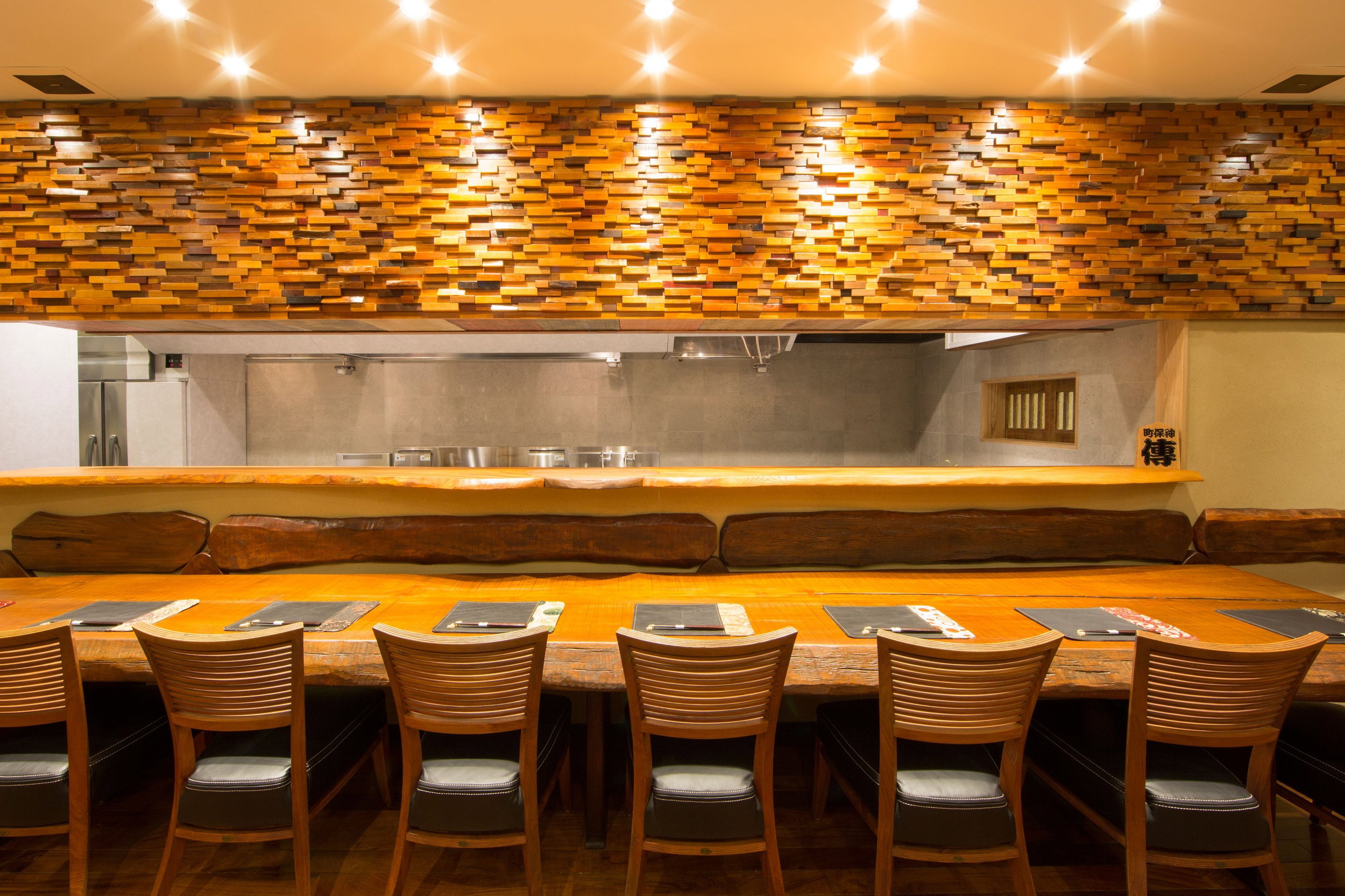
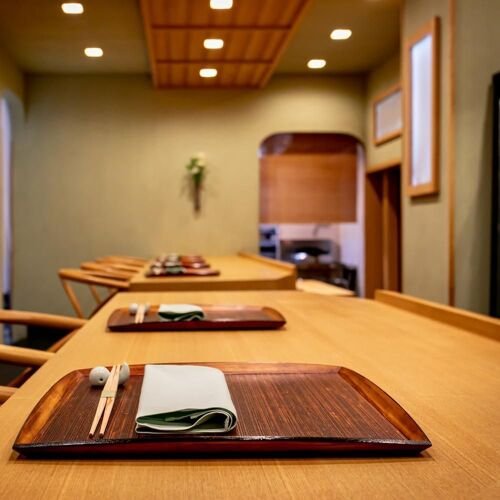
The visual cue that marks Sushi Teru is a brightly painted wall in one of Arakicho's narrow alleys — a quiet, residential pocket of Shinjuku Ward that sits at a distance from the district's more frenetic corridors. The entrance is small and the owner-chef is, by Michelin's own account, cheerful: the kind of welcome that immediately separates this counter from the formal solemnity that can characterise Tokyo's grander sushi rooms. Arakicho itself is worth noting as context, it is one of Shinjuku's older, low-rise neighbourhoods, and arriving on foot from the station puts you through streets that feel more local than touristic. That character carries through to the room. This is not a minimalist showpiece designed to signal luxury; it is a working sushi counter where the focus is on the food and the person preparing it.
Service Philosophy: What the Omakase Format Delivers Here
Service is omakase-only, with no à la carte option. Michelin's description of the meal structure is specific and useful: snacks open with simple, honest fare, seafood sashimi and grilled items, before the sushi sequence begins. That sequence follows a deliberate progression, moving from lighter flavours to richer ones. White-fleshed fish such as gizzard shad come first, followed by tuna and then conger eel as the richness builds. This is a classical approach to omakase pacing rather than an inventive or avant-garde one, and that matters for how you frame the booking decision.
The service philosophy at Sushi Teru is worth examining directly in relation to price. At ¥¥¥, this sits one tier below the ¥¥¥¥ counters that dominate Tokyo's omakase conversation. What you gain at that lower price point is not a compromise on the chef's knowledge or the structural integrity of the meal, the Michelin Plate recognition in both 2024 and 2025 confirms a standard worth acknowledging, but you are in a more intimate, less formally managed environment. There is no brigade, no choreographed service, and likely no sommelier. The owner-chef is doing the work, which for many diners is exactly the point. If you find highly choreographed service at major counters creates distance rather than adding to the experience, Sushi Teru's format is likely to suit you better. If you want that formal precision, compare the experience against Sushi Kanesaka or Harutaka before deciding.
The name carries its own quiet signal: Teru is named after the owner-chef's grandmother, and the naming was a wish for longevity. This is not a concept restaurant built on a brand. It is a place with a personal stake in its own continuity, which tends to produce a different kind of care at the counter.
The Michelin Plate across two consecutive years is the more reliable credential.
Practical Reference
Address: 7 Arakicho, Shinjuku City, Tokyo 160-0007. Cuisine: Omakase sushi. Price tier: ¥¥¥. Booking difficulty: Easy. Hours and booking method not confirmed, contact directly or check current platforms before visiting.
How It Compares
See the comparison section below for positioning against Tokyo peers.
Explore More in Tokyo and Beyond
Sushi Teru is one counter in a city with exceptional depth in this cuisine. For the broader picture, see our full Tokyo restaurants guide. Elsewhere in Japan, Gion Sasaki in Kyoto, HAJIME in Osaka, and Goh in Fukuoka offer strong alternatives for food-focused itineraries. If you are building a trip around the region, akordu in Nara and 1000 in Yokohama are also worth your attention, as is 6 in Okinawa if your travel extends further south. For sushi specifically across Asia, Sushi Shikon in Hong Kong and Shoukouwa in Singapore are the regional reference points. For planning the rest of your Tokyo trip, see our full Tokyo hotels guide, our full Tokyo bars guide, and our full Tokyo experiences guide.
Planning details
- Location
- 7 Arakicho, Shinjuku City, Tokyo 160-0007, Japan
- Website
- arakicho.com/shopinfo/%E9%AE%A8%E3%81%A6%E3%82%8B
- Phone
- +81 3-5379-8138
The take
The Take
The Vibe
Sushi Teru presents as a quietly serious neighborhood omakase counter rooted in Edomae tradition. The room is compact and owner-operated, the kind of small counter where disciplined technique and seasonality take precedence over spectacle. Reviewers note consistent Michelin Plate recognition, and the service favors sequence and precision: lighter white-fleshed fish leading into tuna and a deliberate close. The result is a refined, understated dining environment that rewards guests who appreciate focused craftsmanship and the calm intensity of a dedicated sushi counter.
Best For
This is a venue for diners who want a concentrated sushi experience rather than a social night out. The counter-centric omakase caters well to date nights, business dinners or milestone meals where the focus is on the tasting sequence and the chef’s selection. It also suits solo diners who prefer direct engagement with the chef. Because the kitchen follows Edomae logic and earns Michelin Plate recognition, the setting is especially appropriate when you want a disciplined, memorable sushi dinner anchored in seasonality and technique.
Ordering Tips
Book ahead and accept the chef’s flow: Sushi Teru structures its meal around Edomae sequence—lighter whites first, moving through tuna and finishing the program—so the omakase is the natural choice. The counter format means seats are limited; the write-up emphasizes that the room rewards the effort of finding and reserving it. If you have specific interests, mention them to the chef, but otherwise let the tasting run its course—signature moments include the house handling of fatty tuna and squid within the seasonal sequence.
Venue details
Ambiance
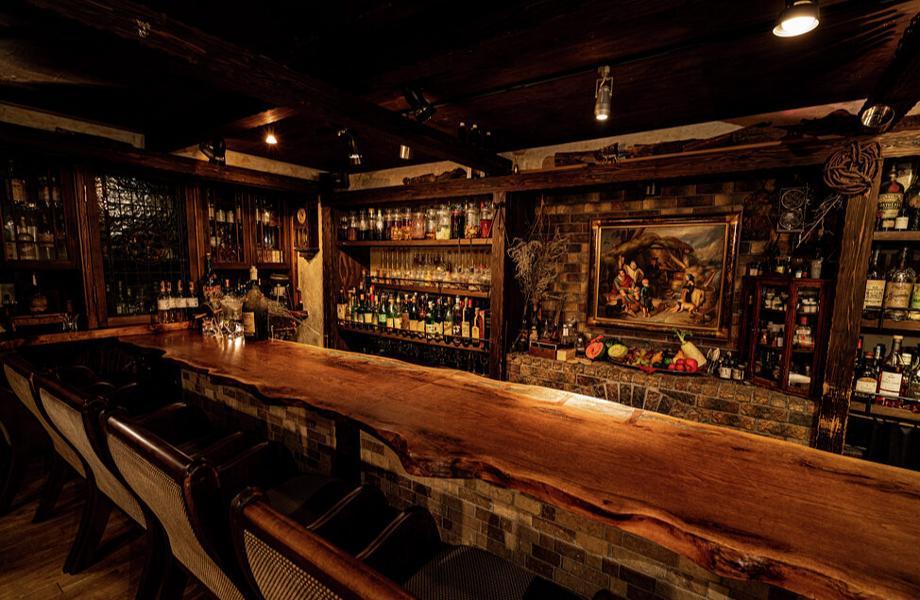
Relaxing and stylish space with counter seating in a quiet hideout location.
Tags
Vibe
Best For
Experience
At the Table
- Dress Code
- Smart Casual
- Noise Level
- Quiet
- Service Style
- Omakase Bar
- Meal Pacing
- Leisurely
- Capacity
- Intimate
Signature Dishes
- fatty tuna
- squid
Know before you go
Know Before You Go
- Getting there
- 7 Arakicho, Shinjuku City, Tokyo 160-0007, Japan
Planning details
Location
7 Arakicho, Shinjuku City, Tokyo 160-0007, Japan · Directions
Recognition and awards
Also consider
Also Consider
- Harutaka, Sushi, ¥¥¥¥
- RyuGin, Kaiseki, Japanese, ¥¥¥¥
- L'Effervescence, French, ¥¥¥¥
- HOMMAGE, Innovtive French, French, ¥¥¥¥
- Florilège, French, ¥¥¥
Restaurant context
Sushi Teru at ¥¥¥ occupies a different tier from most of the counters serious Tokyo sushi diners discuss. Harutaka sits at ¥¥¥¥ with Michelin stars and a formal precision that demands more from the diner in terms of both budget and advance planning. If your visit to Tokyo allows for only one sushi meal and budget is not a constraint, Harutaka is the harder argument to make against, the technical level and recognition are higher. But if you are spending several nights in the city and want to spread across price points, Sushi Teru gives you a genuinely structured omakase at a lower commitment, with the added draw of an owner-chef relationship that larger, more staffed counters cannot replicate.
Compared to the ¥¥¥¥ French options in Tokyo's comparison set, the decision is largely one of cuisine preference. RyuGin delivers kaiseki at a level that justifies its price and reputation, but it is a fundamentally different experience, multi-course Japanese cooking rather than sushi. L'Effervescence and HOMMAGE are both ¥¥¥¥ French restaurants where the case for booking rests on wanting European technique in a Tokyo context. Florilège at ¥¥¥ is the closest price-tier peer in that French category. None of these are direct competitors for what Sushi Teru does, they serve different needs on a Tokyo itinerary.
For the food-focused traveller choosing between sushi counters specifically, the practical hierarchy is clear: book Harutaka if you want the most formally recognised sushi experience in this comparison set and can plan far ahead. Book Sushi Teru if you want a personal, Michelin-recognised omakase at ¥¥¥ with easier availability and a neighbourhood character that the grander rooms in central Tokyo do not offer. Sushi Teru is the better call for a second or third sushi dinner on a longer trip, or as a primary booking for someone who finds the atmosphere of owner-run counters more rewarding than formal brigade service.
Explore Tokyo
Around this place
Discover more on Pearl
Unlock the full Sushi Teru guide in Pearl, including awards, comparisons, FAQs, planning details, and nearby places.
Compare Sushi Teru
| Venue | Cuisine | Awards | Booking Difficulty |
|---|---|---|---|
| Sushi Teru | Sushi | 2026 Michelin Plate2025 Michelin Plate2024 Michelin Plate | Easy |
| Harutaka | Sushi | 2026 Tabelog Silver · #312026 OAD Top Restaurants in Japan Ranked · #1282026 Michelin 3 Stars2026 La Liste Top RestaurantsTabelog 100 - Sushi - TOKYO - 2025 · #372025 Asia's 50 Best Restaurants · #762025 OAD Top Restaurants in Japan Ranked · #1172025 La Liste Top Restaurants2025 Tabelog Bronze | Unknown |
| RyuGin | Kaiseki, Japanese | 2026 OAD Top Restaurants in Japan Ranked · #802026 Tabelog Bronze · #3772026 Michelin 3 Stars2026 La Liste Top RestaurantsTabelog 100 - Japanese cuisine - TOKYO - 2025 · #212025 OAD Top Restaurants in Japan Ranked · #542025 Michelin 3 Stars2025 La Liste Top Restaurants2025 The Best Chef Three Knives | Unknown |
| L'Effervescence | French | 2026 Tabelog Silver · #682026 OAD Top Restaurants in Japan Ranked · #103Star Wine Lists 20262026 Black Pearl 2 Diamond2026 Relais Chateaux Restaurants2026 La Liste Top Restaurants2026 Michelin 3 Stars2025 Asia's 50 Best Restaurants · #692025 OAD Top Restaurants in Japan Ranked · #92 | Unknown |
| HOMMAGE | Innovtive French, French | 2026 Tabelog Bronze · #1232026 OAD Top Restaurants in Japan Highly Recommended2026 Michelin 2 StarsTabelog 100 - French - TOKYO - 2025 · #762025 Asia's 50 Best Restaurants · #782025 OAD Top Restaurants in Japan Ranked · #1752025 Michelin 2 Stars2025 The Best Chef One Knife2025 La Liste Top Restaurants | Unknown |
| Florilège | French | 2026 Asia's 50 Best Restaurants · #312026 Tabelog Bronze · #712026 OAD Top Restaurants in Japan Ranked · #1242026 Black Pearl 1 Diamond2026 Michelin 2 Stars2026 La Liste Top Restaurants2025 Asia's 50 Best Restaurants · #172025 World's 50 Best Restaurants · #36Tabelog 100 - French - TOKYO - 2025 · #68 | Unknown |













How Sushi Teru stacks up against the competition.
FAQ
Frequently Asked Questions
What are alternatives to Sushi Teru in Tokyo?
For a step up in prestige and price, Harutaka is the benchmark counter-seat omakase in Tokyo at a significantly higher price point. If you want a broader kaiseki-influenced experience rather than straight sushi, RyuGin and Florilège operate in different cuisine categories but serve a similar thoughtful progression format. Sushi Teru's advantage over all of them is accessibility: ¥¥¥ pricing and an owner-chef setting that most three-star rooms cannot replicate.
Can I eat at the bar at Sushi Teru?
Sushi Teru operates as a counter-only omakase, so seating at the bar in front of the owner-chef is the format, not an upgrade. There is no separate dining room or table option — the counter is the whole experience, which is part of the appeal at this price tier.
How far ahead should I book Sushi Teru?
Advance booking is advisable for any Michelin-noted Tokyo omakase counter, especially one run by a single owner-chef with limited seats. Aim for at least three to four weeks out if your dates are fixed; popular Friday and Saturday slots fill faster. Walk-in attempts at a counter this size are unlikely to succeed.
What should I wear to Sushi Teru?
The Arakicho setting is a narrow alley in a residential Shinjuku pocket, and the venue's tone — named after the chef's grandmother, described as cheerful — signals an unpretentious atmosphere. Neat casual is a reasonable baseline; there is nothing in the available information to suggest a strict dress code, but turning up in beachwear to a ¥¥¥ omakase counter would be misjudged.
Is the tasting menu worth it at Sushi Teru?
At ¥¥¥ pricing with a Michelin Plate in both 2024 and 2025, Sushi Teru delivers a structured progression — lighter white-fleshed fish first, tuna in the middle, richer conger eel toward the end — that reflects considered technique rather than a generic sushi set. For this price tier in Tokyo, that structure and the owner-chef setting make it a clear yes for food-focused diners. If you want à la carte flexibility, this counter is not set up for it.
Is Sushi Teru good for a special occasion?
Yes, with a caveat on scale: Sushi Teru is an intimate owner-run counter, not a large restaurant that can absorb a group or stage a formal celebration. For a two-person dinner where the meal itself is the occasion, the personal format and Michelin-noted quality at ¥¥¥ make it a stronger value case than many higher-profile Tokyo rooms. For a larger group or a venue with private dining, look at HOMMAGE or L'Effervescence instead.