.png?width=1200&quality=80)
Sushi Rinda
Sushi · Meguro, Tokyo
Restaurant in Tokyo, Japan
 Book with Pearl
The Read
Rock-Influenced Counter Energy
Price
¥¥¥¥
Dress
Smart Casual
Why go
A Michelin Plate sushi counter in Meguro with two years of consecutive recognition and. Sushi Rinda earns its place in Tokyo's ¥¥¥¥ tier with lively counter energy, technically considered fatty-tuna preparations, and the signature Rindamaki roll. Easier to book than Ginza competition, and a strong call for special-occasion sushi.
About Sushi Rinda
Should You Book Sushi Rinda?
If you're weighing up Meguro sushi options against the omakase heavyweights of Ginza or Shinjuku, Sushi Rinda makes a clear case for itself on atmosphere and energy. This is not the hushed, reverent counter experience you get at Sushi Kanesaka or Harutaka. The room runs with a lively momentum, the kitchen team moves fast, and the whole operation feels like a celebration rather than a ceremony. Book it for a special occasion where you want genuine warmth alongside serious fish work.
The Venue
Sushi Rinda sits in Shimomeguro, Meguro City, a residential neighbourhood that sits at a useful remove from the tourist-heavy sushi corridors of central Tokyo. The address alone signals something: this is a place that earns its audience rather than inheriting it from foot traffic. The venue's name is a double reference — to the chef's daughter and to a song by his favourite rock band — and that dual identity tells you something about what you're walking into. The energy here is personal, not institutional.
What the Michelin inspectors noted is worth taking seriously as a framing device for your decision. The technique on the tuna is deliberate and considered: fatty flesh sliced thin, piled high, then moulded so the fat melts faster against the rice. That is not a casual approach to nigiri construction. The 'Rindamaki' roll, tuna, sea urchin, and salmon roe, is cited specifically as a signature, combining three of the richest ingredients in the sushi vocabulary into a single piece. If your preference runs toward leaner, more austere edomae-style sushi, you may find the flavour profile here richer than you want. If you are booking for a celebration and want something that registers as genuinely generous, Rinda's approach delivers on that.
The kitchen team's energy is a feature, not a side effect. The Michelin description specifically calls out the young cooks as a blur of motion and notes the lively enthusiasm of the team as something that lifts the room. For a special occasion dinner, that matters: the difference between a technically accomplished counter where the atmosphere is formal and one where the room feels alive is significant. Sushi Rinda sits firmly in the latter category. Compare this with the more measured atmosphere at Edomae Sushi Hanabusa or Hiroo Ishizaka, where the formality is part of the proposition.
On price, the ¥¥¥¥ bracket in Tokyo puts Rinda in the same tier as some of the city's most decorated counters. That positioning asks a fair question: what are you trading off against the Ginza names? The answer is location convenience (Meguro is accessible but not central), the more casual atmosphere (clearly a feature for some, a drawback for others), and the relative booking ease. What you gain is a more personal room, a distinct flavour identity around rich, fatty cuts and layered combination pieces, and a counter that has earned its Michelin recognition two years running without becoming difficult to access.
For solo diners or pairs on a date, the counter format works well here. The team's energy means the room never feels quiet or uncomfortable for a single diner, and the combination-roll signatures give you something to engage with beyond direct nigiri progression. For groups marking a birthday or anniversary, the celebratory atmosphere is a genuine asset. This is one of the more party-friendly counters in Tokyo's ¥¥¥¥ sushi tier, a comparison worth making if you are choosing between this and somewhere more austere for a group occasion.
Tokyo's sushi scene extends well beyond the city, and if you are planning a broader Japan itinerary, the contrast is instructive. Sushi Shikon in Hong Kong and Shoukouwa in Singapore both export the Tokyo omakase format with notable success, but neither replicates the specific neighbourhood energy of a counter like Rinda. Within Japan, Gion Sasaki in Kyoto and HAJIME in Osaka offer high-end Japanese dining with very different formats and registers if you are building a multi-city trip.
Booking is rated Easy, which is a meaningful differentiator in Tokyo's top-tier sushi market. You do not need to plan months ahead the way you would for the most decorated Ginza counters. That accessibility, combined with two years of Michelin recognition, makes Rinda a strong option for visitors who have not pre-planned six months out, or for Tokyo residents who want a special-occasion counter without the reservation anxiety. See our full Tokyo restaurants guide for broader context, and our Tokyo hotels guide if you are planning a wider stay.
Ratings & Recognition
- Michelin Plate, 2025
- Michelin Plate, 2024
- Price range: ¥¥¥¥
Booking
Booking difficulty at Sushi Rinda is Easy by Tokyo ¥¥¥¥ sushi standards. No phone or website is listed in the current database, so confirm the current reservation method via a local concierge or hotel front desk before your visit. The Meguro address is direct to reach from central Tokyo.
Practical Details
| Detail | Sushi Rinda | Harutaka | Sukiyabashi Jiro Roppongiten |
|---|---|---|---|
| Price range | ¥¥¥¥ | ¥¥¥¥ | ¥¥¥¥ |
| Booking difficulty | Easy | Hard | Hard |
| Michelin recognition | Plate (2024, 2025) | Stars | Stars |
| Atmosphere | Lively, celebratory | Formal, precise | Formal, traditional |
| Location | Meguro (residential) | Ginza (central) | Roppongi (central) |
| Leading for | Special occasion, solo | Serious omakase fans | Prestige/status dining |
For more Tokyo dining, see our guides to Tokyo bars, Tokyo wineries, and Tokyo experiences. Also worth considering elsewhere in Japan: akordu in Nara, Goh in Fukuoka, 1000 in Yokohama, and 6 in Okinawa.
How It Compares
Against Harutaka, the comparison is sharp: both sit at ¥¥¥¥ and both have Michelin recognition, but Harutaka's starred status and Ginza location put it in a harder-to-book, higher-formality bracket. If technical precision and a quieter, more austere counter are your priority, Harutaka is the call. If you want Michelin-validated quality with a livelier room and easier access to a reservation, Rinda wins.
RyuGin and the French-leaning options, L'Effervescence, HOMMAGE, and Florilège, are different formats entirely. RyuGin is the pick if kaiseki is the format you want; its highly seasonal, multi-course structure is a fundamentally different proposition to a sushi counter. The French venues make sense if your group includes diners less comfortable with raw fish, or if you want a longer, more wine-friendly progression. Florilège also drops to ¥¥¥, making it the better-value option in that French set.
For a special occasion in Tokyo where sushi is the chosen format, Rinda occupies a clear position: accessible, energetic, Michelin-recognised, and genuinely celebratory in atmosphere. It is not the place to book if you want the most technically rigorous, starched-linen omakase experience in the city. It is a strong choice if you want a ¥¥¥¥ counter that delivers quality fish, a memorable room energy, and a reservation you can actually secure.
Planning details
- Location
- 2 Chome-24-12 Shimomeguro, Meguro City, Tokyo 153-0064, Japan
- Website
- sushi-rinda.com
- Phone
- +81 3-6420-3343
The take
The Take
The Vibe
Sushi Rinda sits comfortably in Shimomeguro’s tree-lined, residential calm, offering a subdued counter experience that favors local loyalty over spectacle. The room and service move at an unhurried pace, and the kitchen’s direct energy replaces the formal theatre you find in Ginza. That combination makes Rinda feel quietly assured rather than flashy: it’s the kind of neighbourhood sushi counter where the emphasis is on craft and familiarity. Diners encounter an intimate, relaxed setting that rewards repeat visits and an appreciation for understated, well-executed sushi.
Best For
Rinda is best for diners seeking an authentic neighbourhood sushi counter rather than a high‑profile, ceremonial tasting. It suits solo diners who want counter-side attention, couples on a low-key date, and small groups of locals who value food-first hospitality. Because the restaurant grows its reputation by word of mouth, visitors who come with an appreciation for the subtleties of seasonality and technique get the most out of the meal. The experience leans toward dinner service and benefits those who prefer a calm, unhurried pace.
Ordering Tips
Sit at the counter to watch the team’s direct cooking energy — the menu and service are built around the interaction between chef and guest. Lean into the signature pieces when ordering: the Rindamaki, Chutoro and Kurama ebi are highlighted for a reason and help illustrate the kitchen’s strengths. Expect less ceremonial presentation than Ginza counters and more straightforward, ingredient-focused service; pace your meal to enjoy the flow from nigiri to cooked items, and allow the chefs to guide selections when possible.
Venue details
Ambiance
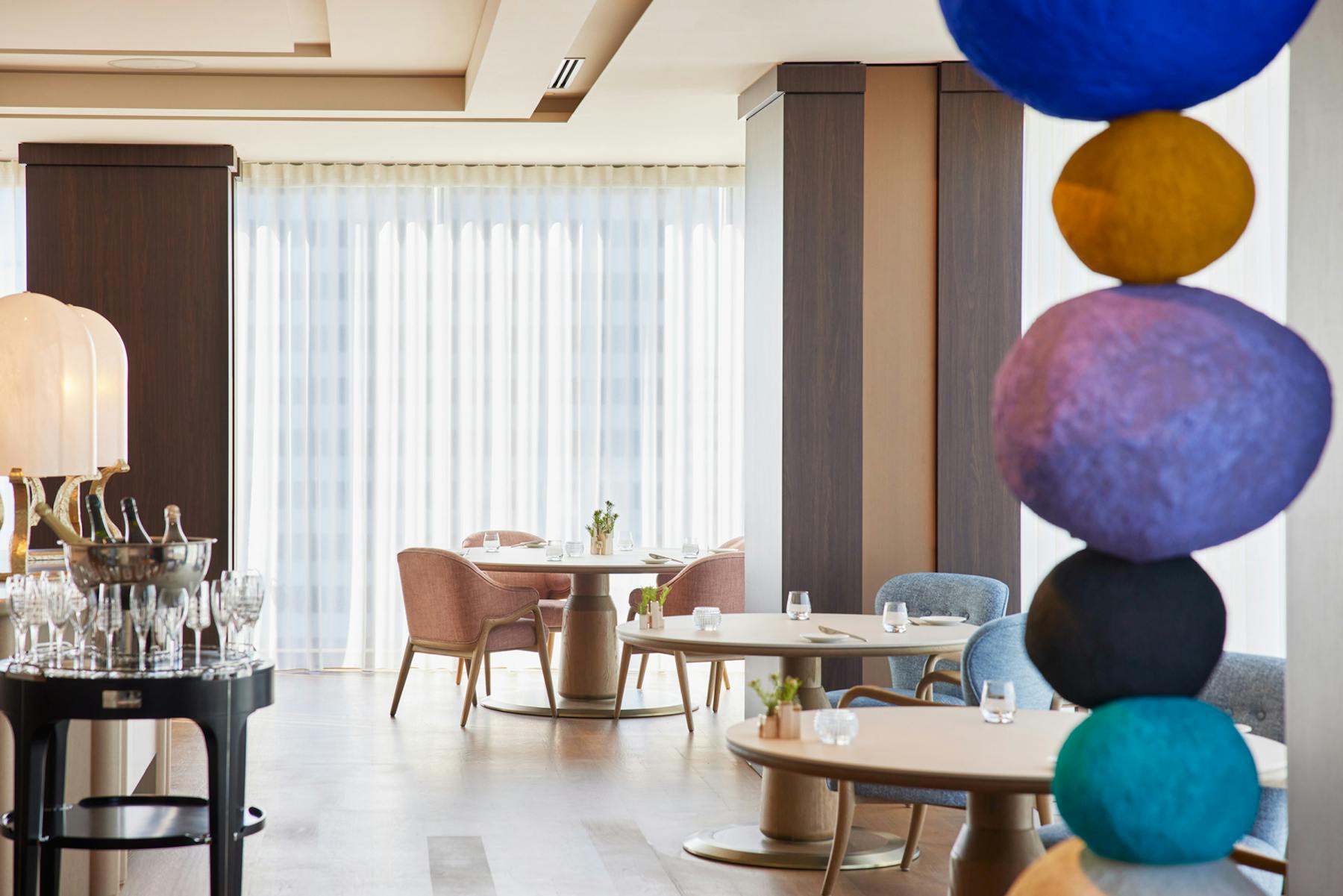
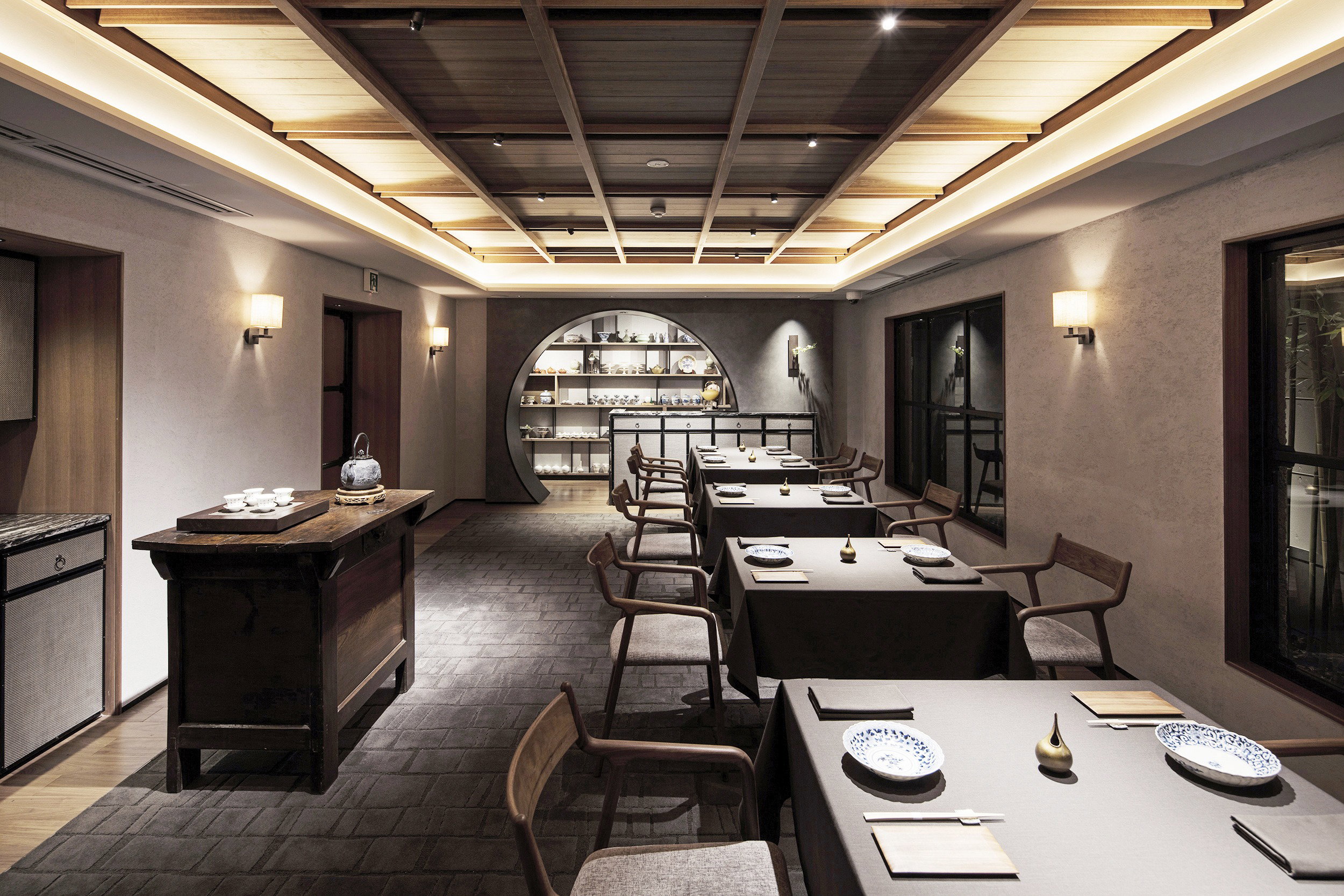
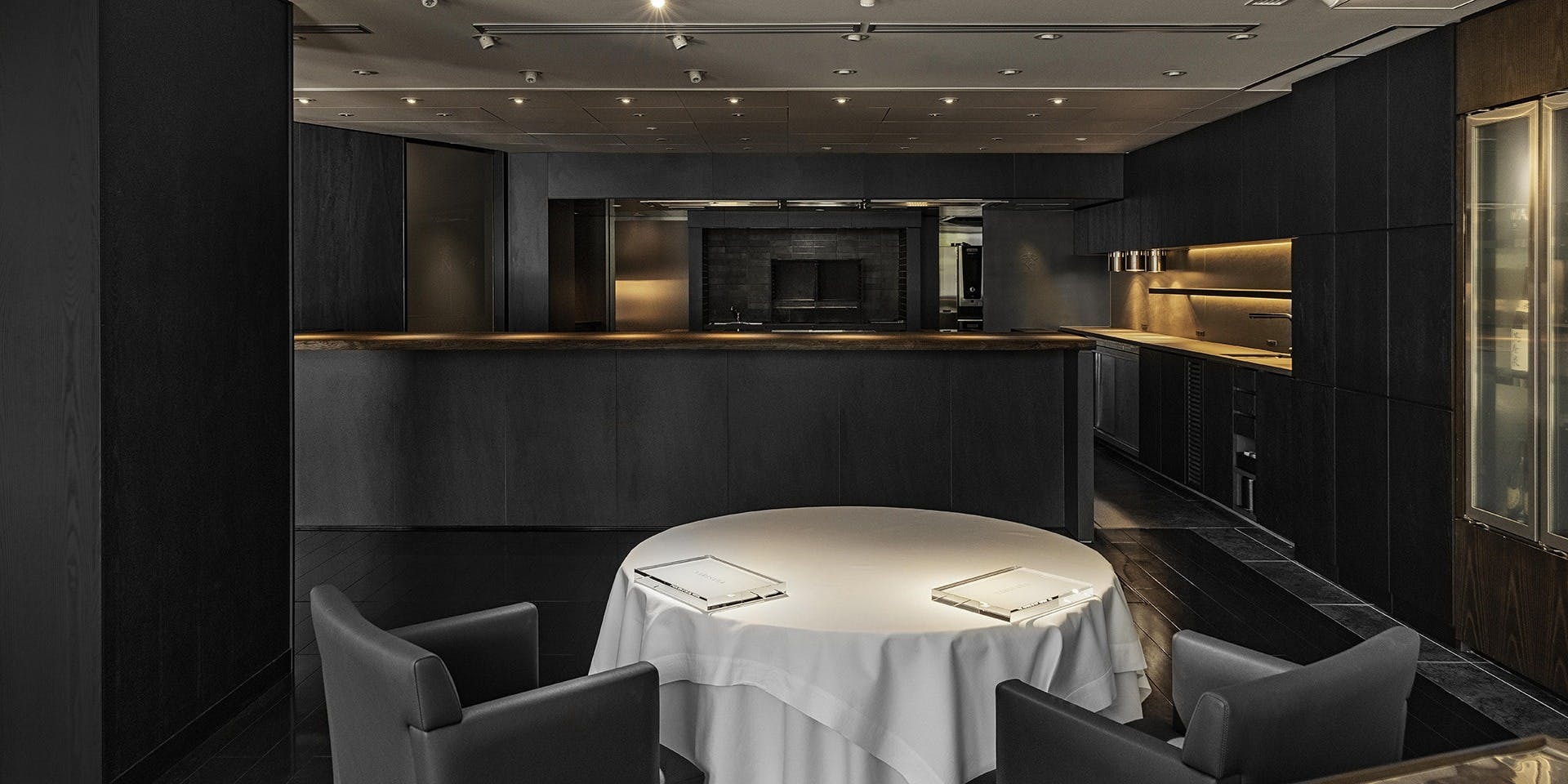
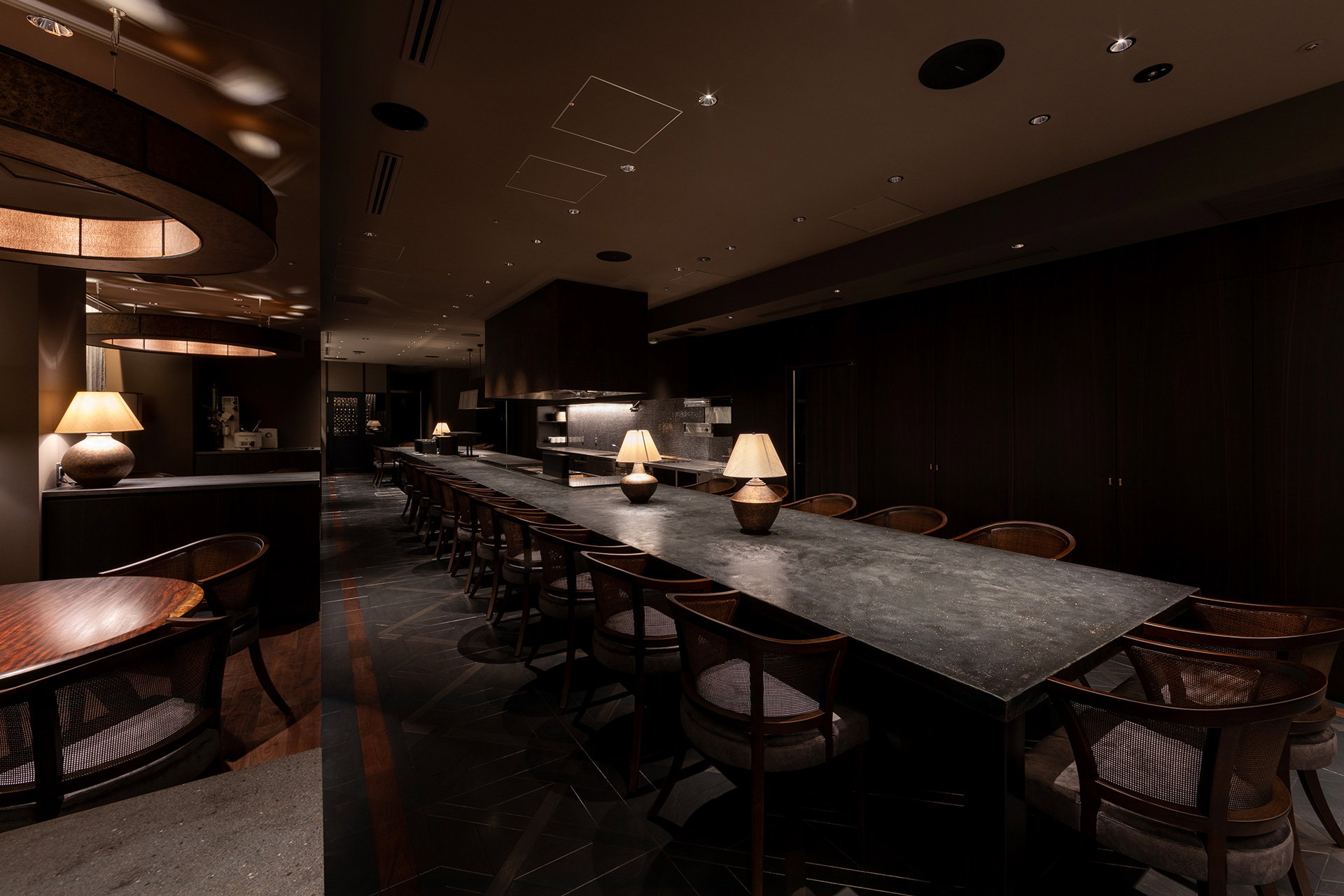
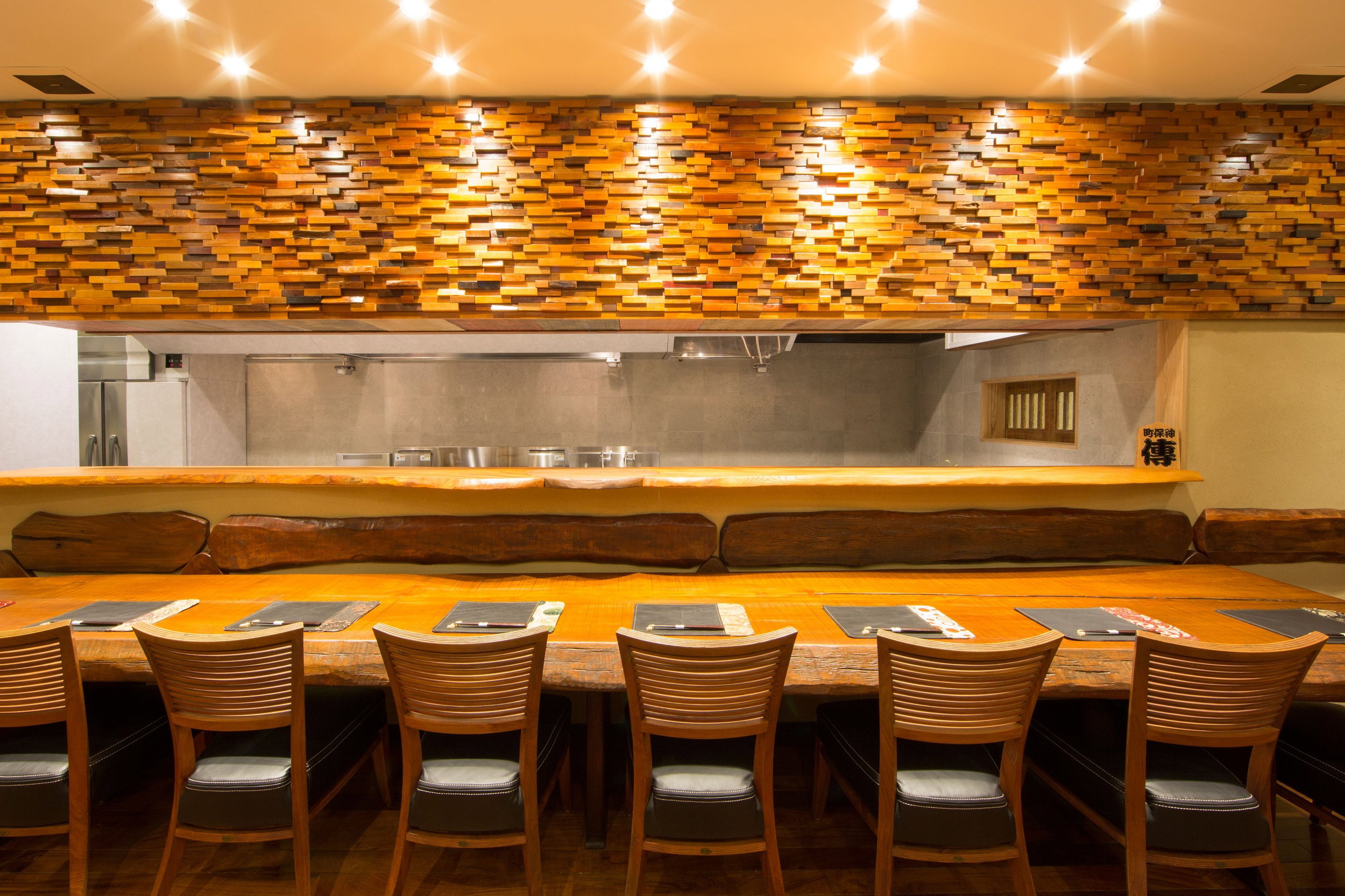
Cozy and warm counter seating with energetic young chefs creating a friendly, engaging atmosphere.
Tags
Vibe
Best For
Experience
At the Table
- Dress Code
- Smart Casual
- Noise Level
- Conversational
- Service Style
- Omakase Bar
- Meal Pacing
- Leisurely
- Capacity
- Intimate
Signature Dishes
- Rindamaki
- Chutoro
- Kurama ebi
Know before you go
Know Before You Go
- Getting there
- 2 Chome-24-12 Shimomeguro, Meguro City, Tokyo 153-0064, Japan
Planning details
Location
2 Chome-24-12 Shimomeguro, Meguro City, Tokyo 153-0064, Japan · Directions
Recognition and awards
Also consider
Also Consider
- Harutaka, Sushi, ¥¥¥¥
- RyuGin, Kaiseki, Japanese, ¥¥¥¥
- L'Effervescence, French, ¥¥¥¥
- HOMMAGE, Innovtive French, French, ¥¥¥¥
- Florilège, French, ¥¥¥
Restaurant context
Against Harutaka, the comparison is direct: both sit at ¥¥¥¥ and both carry Michelin recognition, but Harutaka's starred status and Ginza location put it in a harder-to-book, more formal bracket. If you want the most technically rigorous counter in this price tier and booking months out is not an obstacle, Harutaka is the stronger call. If you want Michelin-validated sushi with a livelier atmosphere and a reservation you can secure on shorter notice, Rinda is the practical choice.
RyuGin is a different format entirely, kaiseki rather than sushi, and the right pick if you want a highly seasonal, multi-course Japanese progression with wine pairing scope. The French options in this bracket, L'Effervescence and HOMMAGE, make sense if your group includes diners less comfortable with raw fish or if you want a longer, more wine-friendly format. Florilège drops to ¥¥¥ and offers the best value in the French set if price is a factor.
For a special occasion where sushi is the chosen format, Rinda occupies a clear position in Tokyo's market: accessible booking, genuine celebratory energy, and two consecutive Michelin Plates confirming consistent quality. It is not the place for the most austere, ceremony-focused omakase in the city. It is the right call if you want a ¥¥¥¥ counter that delivers serious fish work alongside a room that actually feels alive.
Explore Tokyo
Around this place
Discover more on Pearl
Unlock the full Sushi Rinda guide in Pearl, including awards, comparisons, FAQs, planning details, and nearby places.
Compare Sushi Rinda
| Venue | Cuisine | Price | Booking Difficulty | Awards |
|---|---|---|---|---|
| Sushi Rinda | Sushi | ¥¥¥¥ | Easy | 2026 Michelin Plate2025 Michelin Plate2024 Michelin Plate |
| Harutaka | Sushi | ¥¥¥¥ | Unknown | 2026 Tabelog Silver · #312026 OAD Top Restaurants in Japan Ranked · #1282026 Michelin 3 Stars2026 La Liste Top RestaurantsTabelog 100 - Sushi - TOKYO - 2025 · #372025 Asia's 50 Best Restaurants · #762025 OAD Top Restaurants in Japan Ranked · #1172025 La Liste Top Restaurants2025 Tabelog Bronze |
| RyuGin | Kaiseki, Japanese | ¥¥¥¥ | Unknown | 2026 OAD Top Restaurants in Japan Ranked · #802026 Tabelog Bronze · #3772026 Michelin 3 Stars2026 La Liste Top RestaurantsTabelog 100 - Japanese cuisine - TOKYO - 2025 · #212025 OAD Top Restaurants in Japan Ranked · #542025 Michelin 3 Stars2025 La Liste Top Restaurants2025 The Best Chef Three Knives |
| L'Effervescence | French | ¥¥¥¥ | Unknown | 2026 Tabelog Silver · #682026 OAD Top Restaurants in Japan Ranked · #103Star Wine Lists 20262026 Black Pearl 2 Diamond2026 Relais Chateaux Restaurants2026 La Liste Top Restaurants2026 Michelin 3 Stars2025 Asia's 50 Best Restaurants · #692025 OAD Top Restaurants in Japan Ranked · #92 |
| HOMMAGE | Innovtive French, French | ¥¥¥¥ | Unknown | 2026 Tabelog Bronze · #1232026 OAD Top Restaurants in Japan Highly Recommended2026 Michelin 2 StarsTabelog 100 - French - TOKYO - 2025 · #762025 Asia's 50 Best Restaurants · #782025 OAD Top Restaurants in Japan Ranked · #1752025 Michelin 2 Stars2025 The Best Chef One Knife2025 La Liste Top Restaurants |
| Florilège | French | ¥¥¥ | Unknown | 2026 Asia's 50 Best Restaurants · #312026 Tabelog Bronze · #712026 OAD Top Restaurants in Japan Ranked · #1242026 Black Pearl 1 Diamond2026 Michelin 2 Stars2026 La Liste Top Restaurants2025 Asia's 50 Best Restaurants · #172025 World's 50 Best Restaurants · #36Tabelog 100 - French - TOKYO - 2025 · #68 |













Key differences to consider before you reserve.
FAQ
Frequently Asked Questions
What should I wear to Sushi Rinda?
Nothing in the venue record prescribes a dress code, and the high-energy, rock-inspired atmosphere at Rinda suggests formality is not the priority here. Neat, clean clothing is a reasonable baseline for any ¥¥¥¥ Tokyo sushi counter. Leave the tie at the hotel.
Can Sushi Rinda accommodate groups?
No seating capacity is documented for Sushi Rinda, so large group bookings are hard to plan around. For ¥¥¥¥ omakase counters in Tokyo, parties of more than four tend to be difficult; confirm directly before assuming space exists. If group dining is the priority, a restaurant with a documented private room is a safer bet.
Can I eat at the bar at Sushi Rinda?
Counter seating is standard format at Tokyo sushi restaurants at this price level, and Rinda's described setup — with chefs in constant motion shaping nigiri in front of guests — is consistent with a counter-led experience. No alternative dining areas are documented in the venue record.
Is Sushi Rinda good for solo dining?
Yes. The counter format and the lively, engaged team described in the Michelin notes make Sushi Rinda well-suited to solo guests. A single seat at a busy counter is easier to secure than a table for two, and the direct chef interaction is part of what you are paying ¥¥¥¥ for.
What should a first-timer know about Sushi Rinda?
The restaurant is named for the chef's daughter — and a song by his favourite rock band — which sets the tone: this is not a solemn, reverent sushi temple. The Michelin Plate (2025) notes fast-moving young cooks, thinly sliced fatty tuna piled high, and the Rindamaki, a roll of tuna, sea urchin, and salmon roe. Come expecting energy, not ceremony.
How far ahead should I book Sushi Rinda?
Pearl rates booking difficulty as Easy by Tokyo ¥¥¥¥ standards, which is a genuine advantage over Ginza omakase counters that require months of lead time. That said, no phone or website is currently listed in the database, so confirming the booking channel before you plan around it is the first step. Two to three weeks out is a reasonable starting point.