

Sushi Oya
Sushi · Shinjuku, Tokyo
Restaurant in Tokyo, Japan
 Book with Pearl
The Read
Birch-Sap Modernism
Price
¥¥¥¥
Dress
Smart Casual
Why go
Sushi Oya earns its Pearl Recommended and back-to-back Michelin Plate status with a considered omakase counter in Kagurazaka, Shinjuku. At ¥¥¥¥, the technically careful progression, rice-matched-to-topping approach, and innovation-led touches like birch sap glaze justify the price for diners who want tradition with a point of view. Booking is Easy by Tokyo standards.
About Sushi Oya
Pearl's Verdict
Holding a Michelin Plate in both 2024 and 2025, and carrying Pearl Recommended status for 2025, Sushi Oya positions itself firmly in the tier of serious omakase experiences in Shinjuku's Kagurazaka neighbourhood. At ¥¥¥¥ pricing, it demands justification, and on the evidence available, it largely delivers one. Book this if you want a technically considered omakase with a chef who brings an outsider's deliberate relationship with Japanese tradition rather than a by-rote house style.
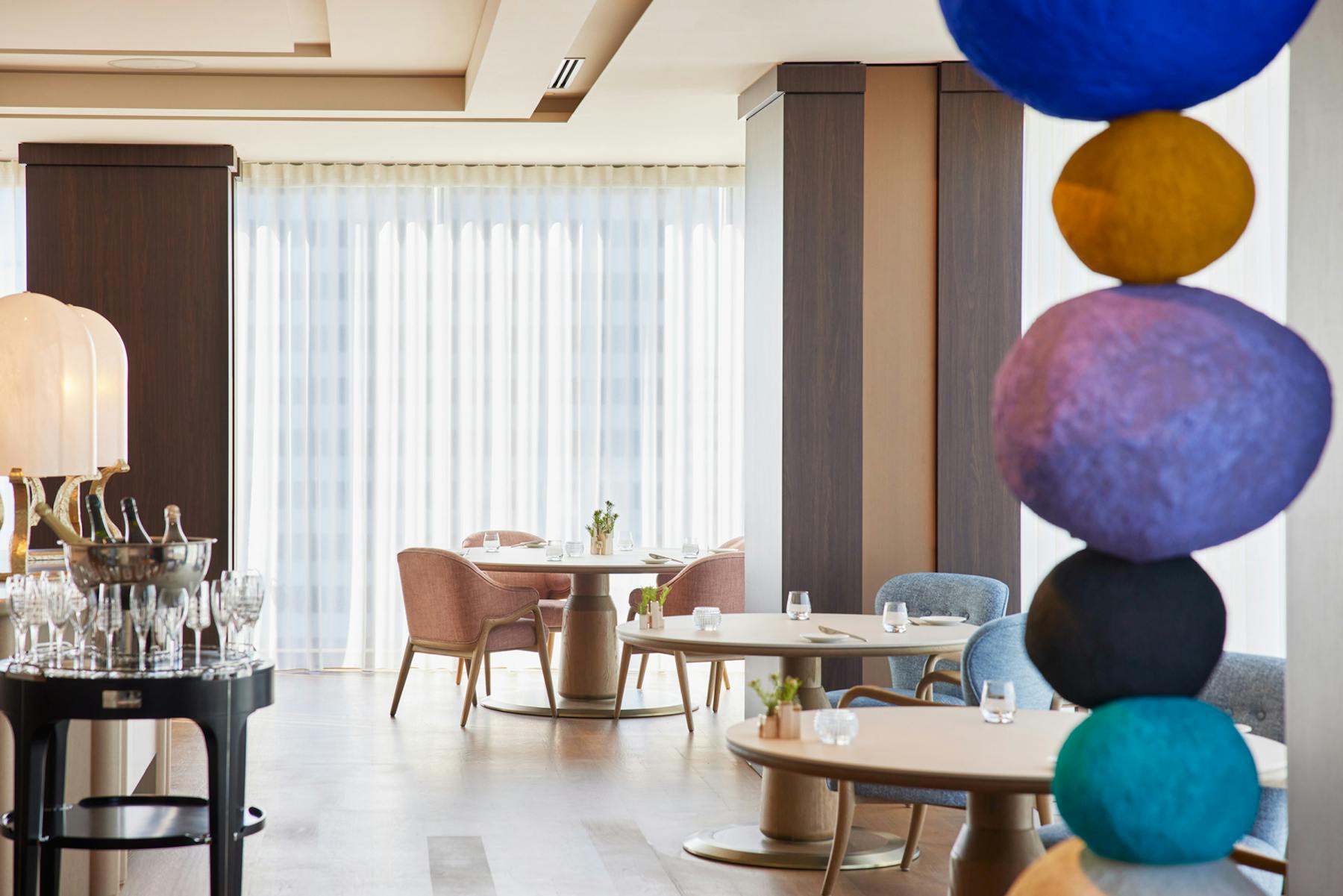
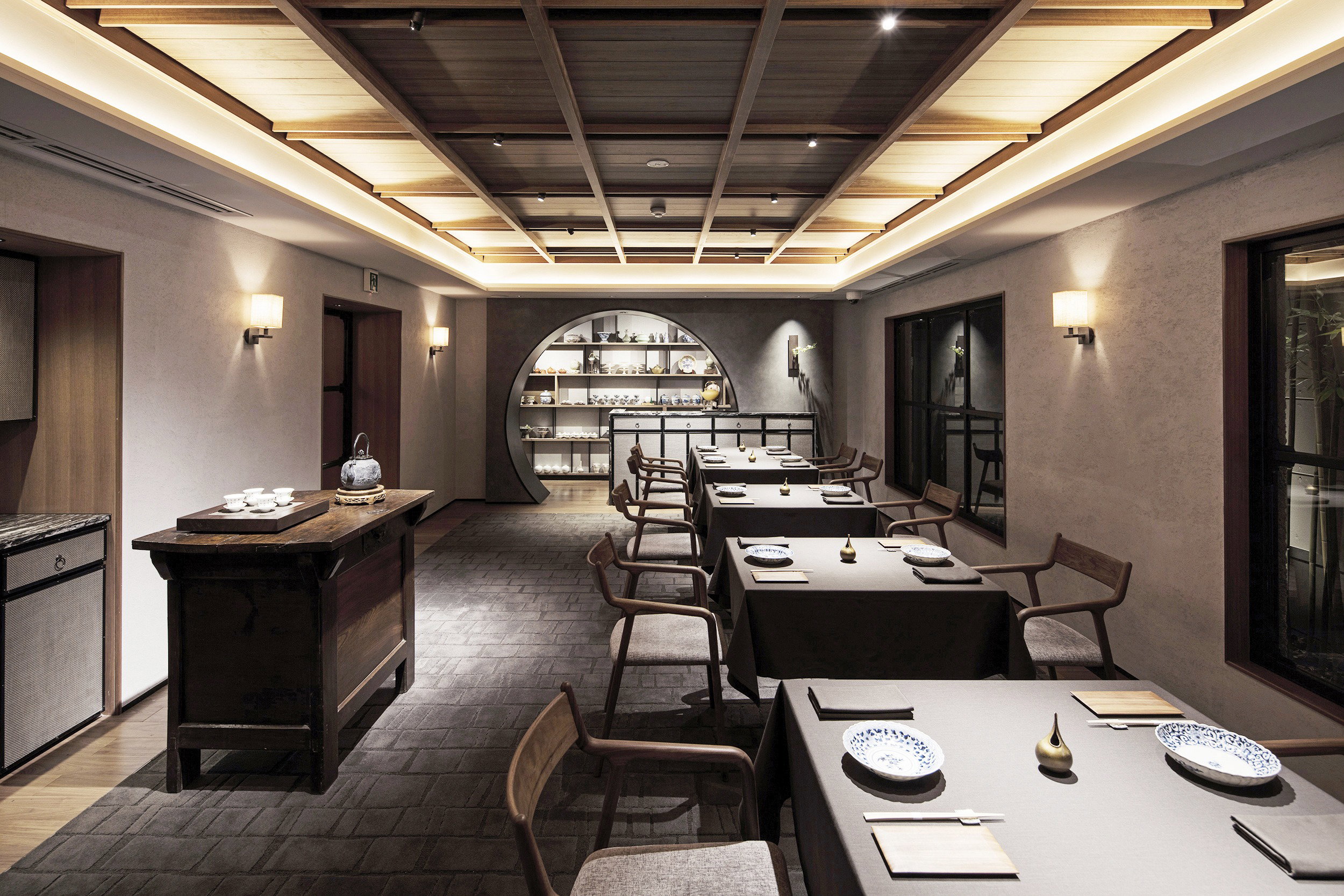
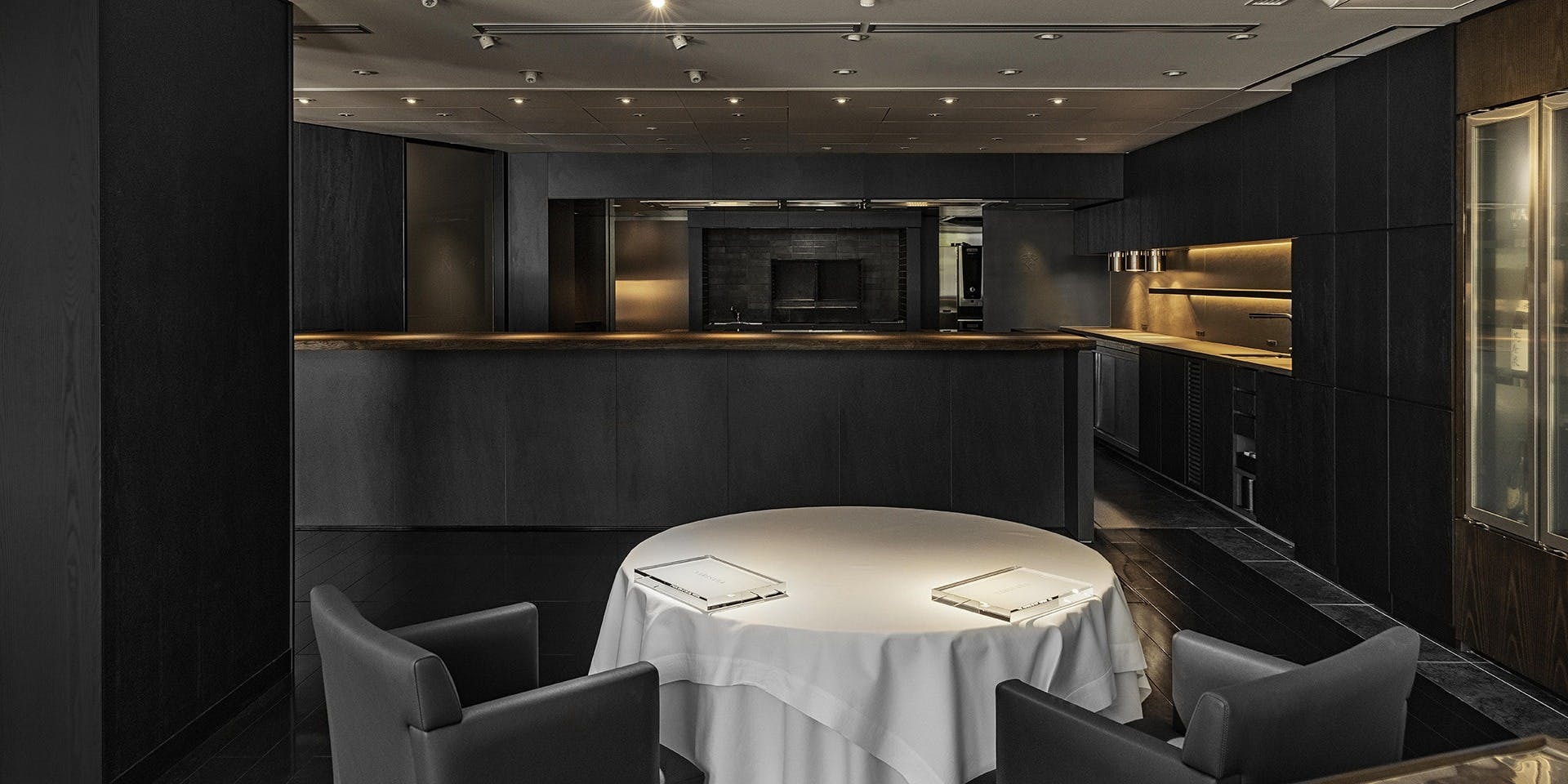
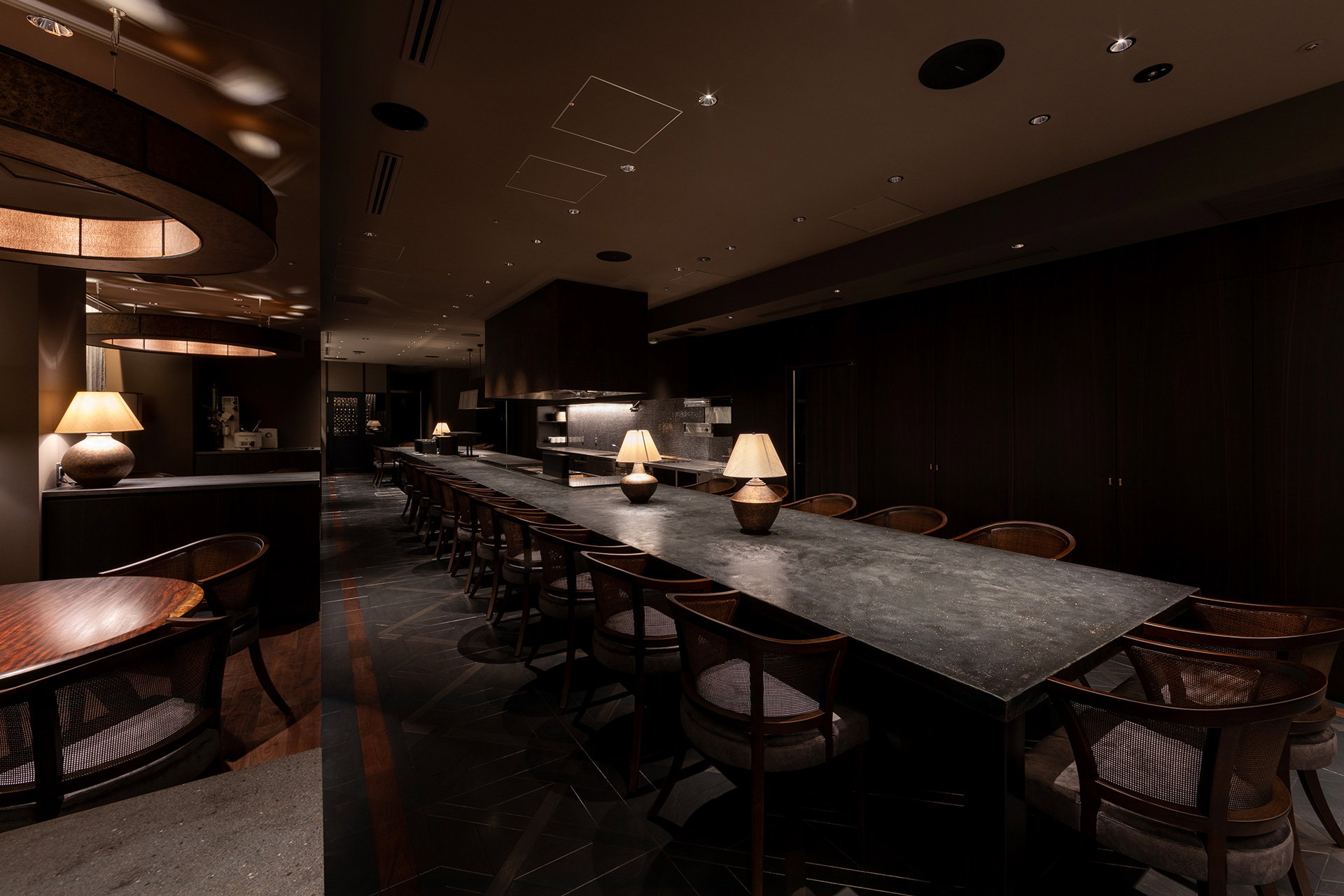
The Space and Setting
Sushi Oya operates on the third floor of the Kagurazaka Center Building ANNEX in Fukuromachi, Shinjuku City. Kagurazaka as a neighbourhood carries real weight for a special-occasion meal: it is one of the few corners of central Tokyo that retains a low-rise, intimate street character, with traditional machiya townhouses sitting alongside French bistros and quiet sake bars. That address alone communicates something about the likely scale of the room. Third-floor counter sushi in this district tends toward intimate seating, the kind of space where the chef's sequence of courses is the entire theatre. If you are planning a date, an anniversary, or a business dinner where the room itself should do some of the talking without overwhelming the conversation, this neighbourhood and format is well matched to that brief. For larger groups, confirm capacity before booking since omakase counters at this price tier in Kagurazaka rarely seat more than twelve.
What to Expect on the Plate
The documented menu structure at Sushi Oya follows an orthodox omakase progression with a few deliberate departures that are worth knowing about before you sit down. Appetisers include simmered monkfish liver and steamed abalone as standard items, both of which reflect the kitchen's comfort with classical Edomae-adjacent technique. The nigiri sequence moves from subtler flavours to bolder ones, with the rice choice (white-vinegar or red-vinegar shari) matched to the topping rather than fixed for the whole meal. That level of rice calibration is a genuine sign of technical seriousness; many counters at this price point use a single shari style throughout.
Where Sushi Oya earns its Pearl Recommended designation most clearly is in the approach to innovation. Squid glazed with a salt-water and white birch sap mixture, and conger eel paired with an herbal liquor reduction, are not random creativity for its own sake. They reflect a chef who has studied Japanese culinary tradition from the outside, arriving at it as a considered choice rather than an inheritance, and is now using that perspective to push at its edges in specific, ingredient-led ways. Whether that framing appeals to you depends on what you want from a ¥¥¥¥ omakase: if you want pure orthodoxy, Sushi Kanesaka or Sukiyabashi Jiro Roppongiten are better fits. If you want tradition used as a base for careful experimentation, Sushi Oya is the more interesting booking.
Service and Value
At ¥¥¥¥, the service encounter matters as much as the food. A Michelin Plate is not a star, but two consecutive Plate distinctions in 2024 and 2025 confirm that Michelin inspectors find the overall experience to be a credible one in Tokyo's deeply competitive sushi tier. The chef's background, described as having been born and raised overseas before choosing sushi as a deliberate path toward Japanese tradition, can actually work in the diner's favour: chefs who arrived at this craft by choice rather than lineage often bring an attentiveness and explanatory willingness to the counter that more traditional houses can lack. That is not a guarantee, but it is worth knowing when you are deciding whether to pay ¥¥¥¥ for a sushi counter in Kagurazaka rather than in Ginza or Akasaka.
For a special occasion, the combination of the neighbourhood, the counter format, and the innovation-within-tradition approach makes Sushi Oya a strong candidate. It is not the place to bring someone who expects the Ginza omakase experience with white-glove service choreography. It is the place to bring someone who wants a meal with a clear point of view, technical competence, and a room quiet enough to actually hear each other. Edomae Sushi Hanabusa and Hiroo Ishizaka are worth comparing if service formality or a different neighbourhood feel matters to your group.
Booking and Practical Details
Booking difficulty for Sushi Oya is rated Easy by Pearl's current data, which is a relative advantage in a city where the most sought-after omakase counters require months of lead time or a Japanese-speaking intermediary. For Tokyo's ¥¥¥¥ sushi tier, easy availability is not a red flag, it reflects the counter's position outside the Ginza publicity circuit rather than any quality gap. Book a few weeks ahead for weekend evenings to be safe, but this is not a venue requiring the months-out planning that Harutaka demands. Phone and website data are not currently listed in Pearl's records, so approach booking via the restaurant aggregators active in Tokyo (Tablecheck, Pocket Concierge, or Omakase) or through your hotel concierge if you are staying centrally. Dress code data is not confirmed, but a ¥¥¥¥ omakase counter in Kagurazaka warrants smart casual at minimum. Hours are not confirmed in Pearl's current database; verify before travelling. Solo diners are well served by the counter format, this is one of the more comfortable configurations for eating alone at this price point in Tokyo.
For more dining options across the city, see our full Tokyo restaurants guide. If you are planning a broader trip, our Tokyo hotels guide, bars guide, and experiences guide cover the rest of the city. For high-end sushi beyond Tokyo, Sushi Shikon in Hong Kong and Shoukouwa in Singapore are the regional comparisons worth knowing. Elsewhere in Japan, HAJIME in Osaka, Gion Sasaki in Kyoto, akordu in Nara, Goh in Fukuoka, 1000 in Yokohama, and 6 in Okinawa represent Pearl's broader Japan coverage.
Quick reference:
Planning details
- Location
- Japan, 〒162-0828 Tokyo, Shinjuku City, Fukuromachi, 3−6 神楽坂センタービル ANNEX3階
- Website
- omakase.in/ja/r/rt440062
- Phone
- +81 3-6228-1868
The take
The Take
The Vibe
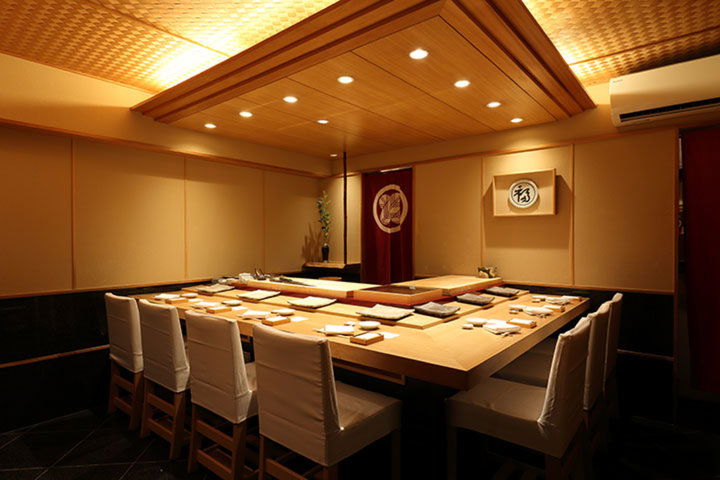
Sushi Oya sits quietly within Kagurazaka’s narrow lanes, presenting a classical sushi counter that favors tradition over flash. The piece emphasizes a residentially anchored, technically ambitious counter where the chef's deliberate turn toward Japanese technique meets a literary, artistic clientele. The restaurant reads as modest rather than trophy-level Ginza showmanship: serious practice, close seating at the bar, and a neighbourhood temperament define the mood. Expect a compact, charming space where careful technique and thoughtfully sourced nigiri are the focus, and where the setting amplifies the intimacy of watching the chef at work.
Best For
This counter suits focused dining occasions: it is presented as a place for date nights, special occasions and business dinners, where the sushi counter format encourages attentive tasting and conversation. Because the room is a narrow, chef-fronted counter and the clientele skews residential and literary, it also works well for solo diners who want a concentrated sushi experience. The restaurant positions itself between high-end Ginza counters and casual sushi spots—well suited to guests seeking serious technique without the most elevated price bracket.
Venue details
Ambiance
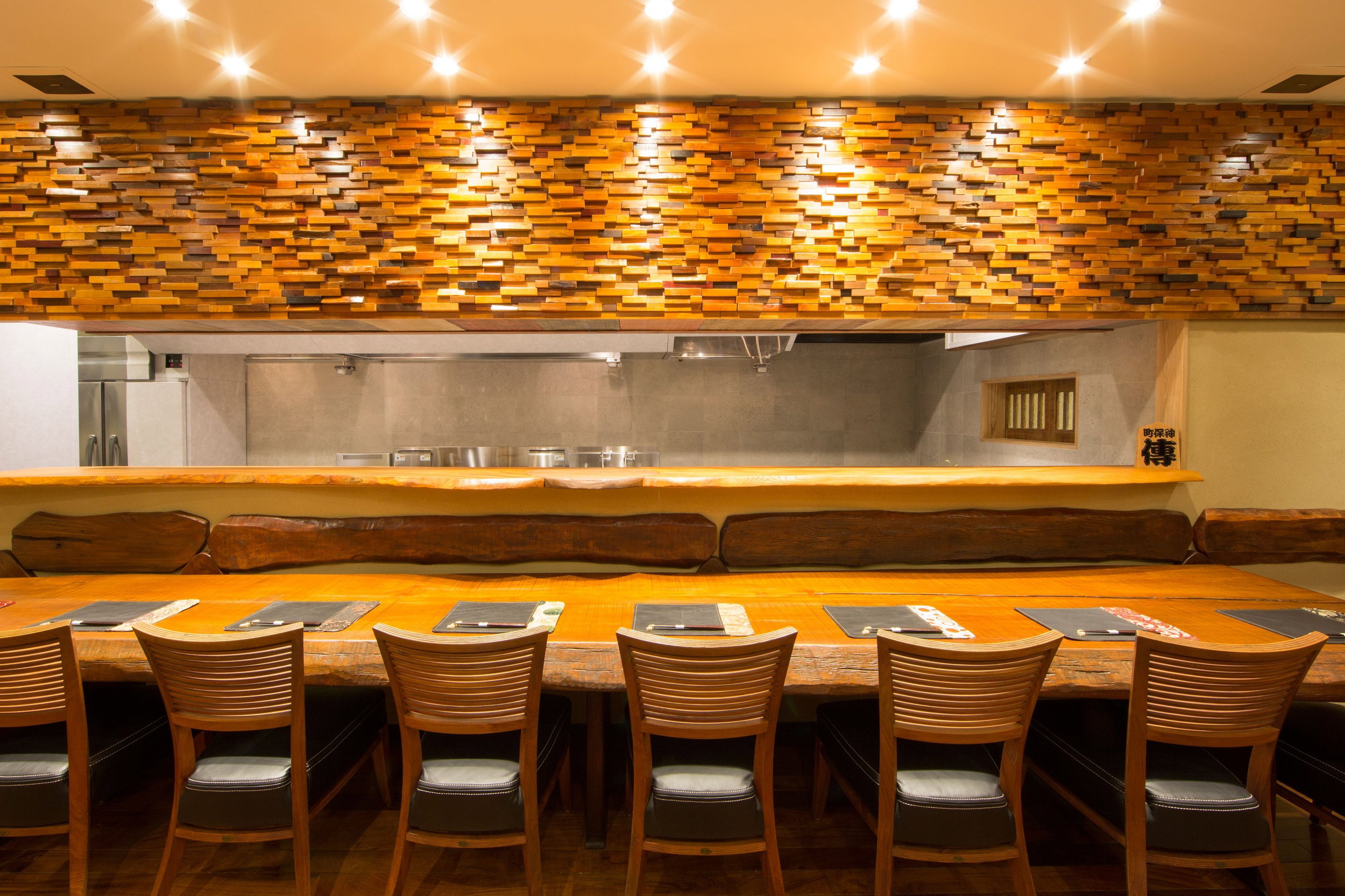
Serene and refined with minimalist design; seven-seat main counter made from 150-year-old Nara cypress with a small rock garden backdrop; warm, welcoming service from chef; hand-drawn calligraphy entrance marking; carefully curated tableware featuring wabi-sabi aesthetics.
Tags
Vibe
Best For
Experience
Sourcing
View
Accessibility
At the Table
- Dress Code
- Smart Casual
- Noise Level
- Quiet
- Service Style
- Omakase Bar
- Meal Pacing
- Extended Experience
- Capacity
- Intimate
Signature Dishes
- steamed abalone
- tuna trio (akami, chutoro, otoro)
- kohada (gizzard shad)
- sumiika (ink squid)
Know before you go
Know Before You Go
- Getting there
- Japan, 〒162-0828 Tokyo, Shinjuku City, Fukuromachi, 3−6 神楽坂センタービル ANNEX3階
Planning details
Location
Japan, 〒162-0828 Tokyo, Shinjuku City, Fukuromachi, 3−6 神楽坂センタービル ANNEX3階 · Directions
Recognition and awards
Also consider
Also Consider
- Harutaka, Sushi, ¥¥¥¥
- L'Effervescence, French, ¥¥¥¥
- RyuGin, Kaiseki, Japanese, ¥¥¥¥
- HOMMAGE, Innovtive French, French, ¥¥¥¥
- Crony, Innovative, French, ¥¥¥¥
Restaurant context
At ¥¥¥¥, Sushi Oya sits in the same price bracket as Harutaka, Tokyo's most cited omakase counter for orthodox Edomae precision. Harutaka is the stronger choice if uncompromising classical technique is the priority, but it is substantially harder to book and demands more planning lead time. Sushi Oya's relative accessibility, Pearl rates it Easy to book, makes it the more practical option for visitors without months of advance notice, and its innovation-led elements give it a distinct identity that Harutaka deliberately avoids. For solo diners or couples on a special occasion, Sushi Oya offers a more personal counter experience than Harutaka's higher-profile room.
If you are weighing a ¥¥¥¥ spend across cuisine types rather than sushi specifically, RyuGin delivers the broader kaiseki narrative for diners who want seasonal Japanese cooking beyond the sushi counter format. L'Effervescence is the better booking if French technique applied to Japanese ingredients is the draw. Neither directly competes with Sushi Oya's omakase format, but both serve the same occasion type at the same price point. For innovative French cooking in Tokyo at ¥¥¥¥, HOMMAGE and Crony are worth comparing if your group is split between sushi and something less format-constrained.
Within the sushi category specifically, the decision between Sushi Oya and peers like Sushi Kanesaka comes down to what you want the meal to do. Kanesaka leans toward formal Ginza orthodoxy; Sushi Oya offers the same price tier with more creative latitude and a neighbourhood setting that suits a lower-key special occasion.
Explore Tokyo
Around this place
Discover more on Pearl
Unlock the full Sushi Oya guide in Pearl, including awards, comparisons, FAQs, planning details, and nearby places.
Compare Sushi Oya
| Venue | Price | Awards |
|---|---|---|
| Sushi Oya | ¥¥¥¥ | 2026 Michelin 1 Star2025 Michelin Plate2024 Michelin PlatePearl Recommended Restaurants |
| Harutaka | ¥¥¥¥ | 2026 Tabelog Silver · #312026 OAD Top Restaurants in Japan Ranked · #1282026 Michelin 3 Stars2026 La Liste Top RestaurantsTabelog 100 - Sushi - TOKYO - 2025 · #372025 Asia's 50 Best Restaurants · #762025 OAD Top Restaurants in Japan Ranked · #1172025 La Liste Top Restaurants2025 Tabelog Bronze |
| L'Effervescence | ¥¥¥¥ | 2026 Tabelog Silver · #682026 OAD Top Restaurants in Japan Ranked · #103Star Wine Lists 20262026 Black Pearl 2 Diamond2026 Relais Chateaux Restaurants2026 La Liste Top Restaurants2026 Michelin 3 Stars2025 Asia's 50 Best Restaurants · #692025 OAD Top Restaurants in Japan Ranked · #92 |
| RyuGin | ¥¥¥¥ | 2026 OAD Top Restaurants in Japan Ranked · #802026 Tabelog Bronze · #3772026 Michelin 3 Stars2026 La Liste Top RestaurantsTabelog 100 - Japanese cuisine - TOKYO - 2025 · #212025 OAD Top Restaurants in Japan Ranked · #542025 Michelin 3 Stars2025 La Liste Top Restaurants2025 The Best Chef Three Knives |
| HOMMAGE | ¥¥¥¥ | 2026 Tabelog Bronze · #1232026 OAD Top Restaurants in Japan Highly Recommended2026 Michelin 2 StarsTabelog 100 - French - TOKYO - 2025 · #762025 Asia's 50 Best Restaurants · #782025 OAD Top Restaurants in Japan Ranked · #1752025 Michelin 2 Stars2025 The Best Chef One Knife2025 La Liste Top Restaurants |
| Crony | ¥¥¥¥ | 2026 Asia's 50 Best Restaurants · #34Star Wine Lists 20262026 OAD Top Restaurants in Japan Recommended2026 Michelin 2 Stars2025 Asia's 50 Best Restaurants · #30Tabelog 100 - French - TOKYO - 2025 · #782025 OAD Top Restaurants in Japan Ranked · #227We're Smart World Top Restaurants 20252025 Michelin 2 Stars |
.png?width=1200&quality=80)














Key differences to consider before you reserve.
FAQ
Frequently Asked Questions
How far ahead should I book Sushi Oya?
Pearl rates Sushi Oya's booking difficulty as Easy, which is a meaningful edge in Tokyo's omakase market where counters at comparable price points often require months of lead time. A few weeks' notice should be sufficient for most dates, though weekend slots and peak travel periods may book faster. Confirm via the venue directly — no online booking platform is documented in Pearl's current data.
What are alternatives to Sushi Oya in Tokyo?
For a higher-pressure, starred omakase experience at a similar price tier, Harutaka is the natural comparison. If you want to stay in the modern-sushi lane with documented creative technique, Sushi Oya holds its own without the booking difficulty that comes with starred counters. For a completely different format at ¥¥¥¥, RyuGin offers Japanese haute cuisine rather than sushi-focused progression.
What should I wear to Sushi Oya?
No dress code is specified in the venue's documentation, but the third-floor Kagurazaka address, ¥¥¥¥ price point, and omakase format suggest polished casual is appropriate: neat, unfussy, and nothing that will distract at a close-quarters counter. Avoid strong fragrance, which is broadly standard practice at sushi counters.
Is Sushi Oya good for a special occasion?
Yes — the omakase format, Michelin Plate recognition in both 2024 and 2025, and the Kagurazaka setting combine to make it a credible choice for a celebratory dinner. It works better for two than for a larger group, given the counter format.
Is Sushi Oya good for solo dining?
A sushi counter is one of the better solo dining formats in existence, and Sushi Oya fits that profile. The omakase progression gives solo diners a structured, chef-led experience without the social pressure of a table setting. Pearl's Easy booking rating also means you are unlikely to face the solo-seat availability problems that affect harder-to-book counters in Tokyo.
Is Sushi Oya worth the price?
The documented menu includes technically distinct elements — squid glazed with white birch sap, conger eel with herbal liquor reduction — that justify the positioning. If ¥¥¥¥ feels steep and a Plate rather than a star matters to you, comparable counters exist at lower price points; but for what Sushi Oya offers, the value case holds.
Is the tasting menu worth it at Sushi Oya?
The omakase is the format here, not an option alongside à la carte, so the question is really whether the omakase format suits you. The documented progression moves from subtler to bolder toppings, with rice variety matched to each piece — that is disciplined, orthodox structure. The creative departures (birch sap, herbal liquor reductions) add a modern layer without undermining the format. If you want sushi omakase with a clear point of view, it is worth it.