.png?width=1200&quality=80)
Sushi Marufuku
Sushi · Suginami, Tokyo
Restaurant in Tokyo, Japan
 Book with Pearl
The Read
Dry-Aged Fish Precision
Price
$150–200per person
Dress
Smart Casual
Why go
Sushi Marufuku is a Michelin Plate-recognised counter in western Tokyo's Nishiogikubo neighbourhood, built around dry-aged fish with a focus on intensified aroma and flavour. At the ¥¥¥ price tier with easy booking and an accomplished sake sommelier on hand, it is the right choice for food-focused travellers who want depth over prestige — and a stronger value case than the Ginza omakase circuit.
About Sushi Marufuku
Is Sushi Marufuku worth booking in Tokyo?
Yes — particularly if aged sushi is something you want to understand at depth rather than just experience once. Sushi Marufuku, in the quiet Nishiogikubo neighbourhood of Suginami, is a Michelin Plate restaurant (2025) built around a single, clearly argued idea: that dry-ageing fish produces a range of aroma, tenderness, and flavour that fresh-cut sushi simply cannot reach. If that proposition interests you, this is one of the more committed places in Tokyo to test it. If you are looking for the polished grandeur of a Ginza counter, book Sushi Kanesaka or Harutaka instead.
The Space and the Format
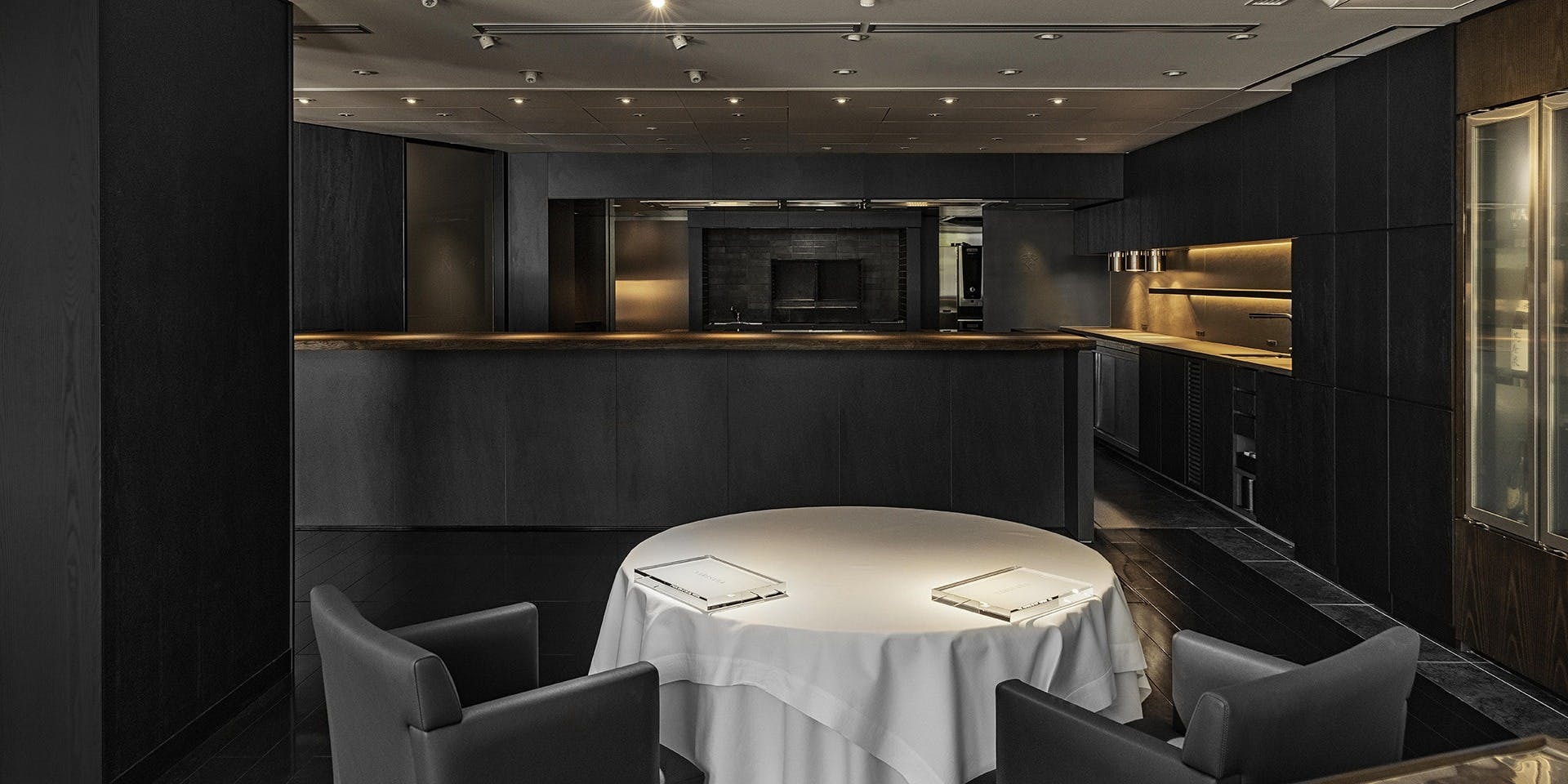
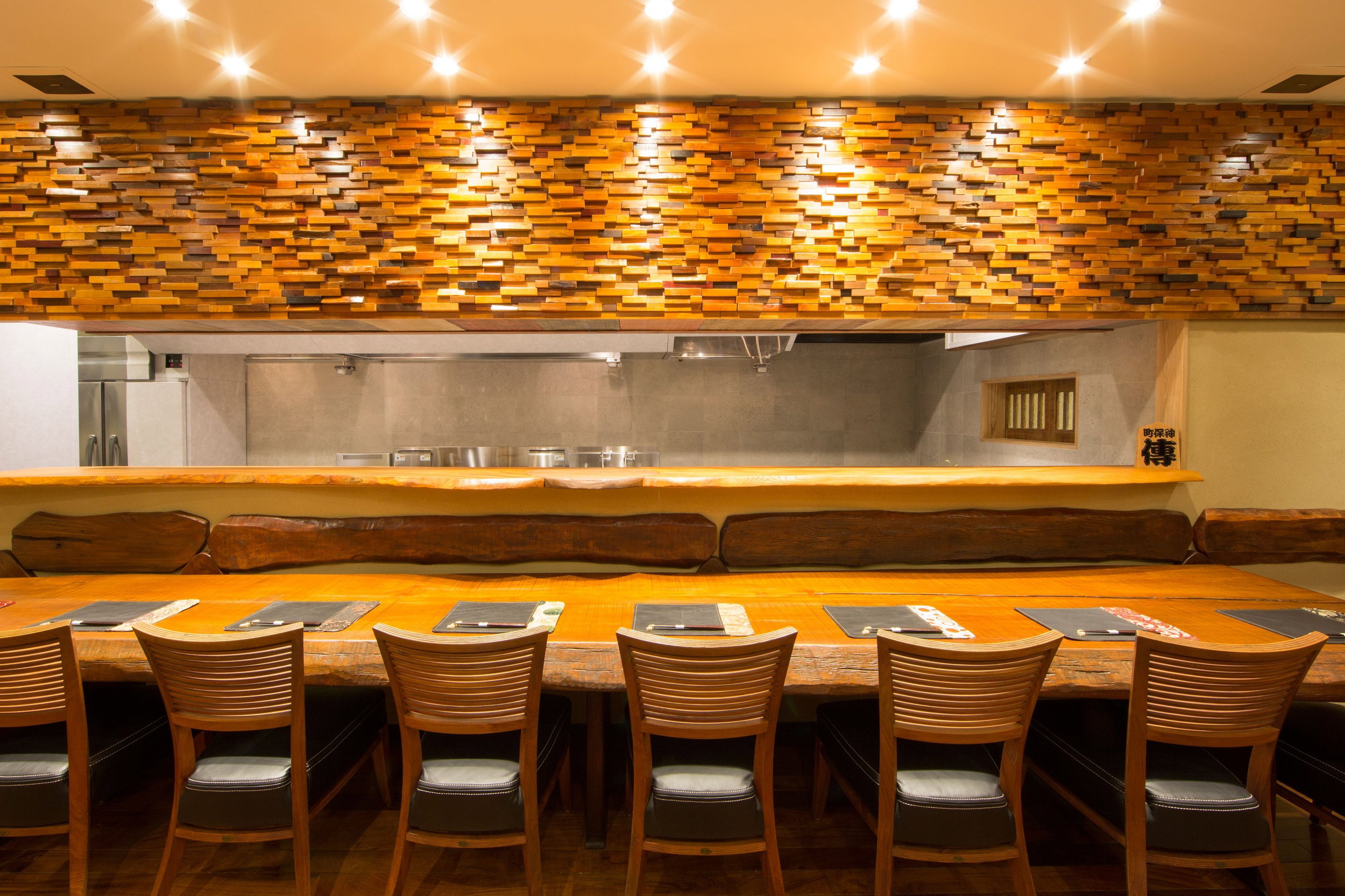
Sushi Marufuku sits in a residential pocket of western Tokyo — not a destination dining district, which tells you something about who comes here. The address in Nishiogikubo puts it well outside the central sushi circuit of Ginza and Shinjuku, and the journey is part of the self-selection: guests who find their way here have done so deliberately. The physical space is compact and counter-led, as is standard for serious Tokyo sushi-ya, meaning the format is intimate by design. You are close to the chef, close to the process, and close to the other diners. This is not a room for a loud group celebration; it is a room for paying close attention.
The seating arrangement matters for how you think about group bookings. Sushi counters of this type rarely exceed ten to fifteen seats, and the omakase format, one sitting, one sequence, means the room moves as a unit. If you are arriving as a pair or solo, the counter works perfectly. For groups of four or more, check availability carefully before committing; the format may not accommodate larger parties without a private arrangement, and no private dining data is confirmed in the record. Contact the restaurant directly to clarify group capacity before assuming the main counter can flex.
What Makes the Food Argument Interesting
The Michelin recognition frames the kitchen's focus precisely: aged sushi prepared with originality and passion, with dry-ageing used specifically to introduce what the guide describes as a certain wildness of taste. That phrase is worth holding onto. This is not the clean, bright precision of edomae tradition as practiced at Edomae Sushi Hanabusa or Sukiyabashi Jiro Roppongiten. The ageing process at Marufuku is intended to pull something different out of the fish, deeper umami, textural change, a profile that rewards attention rather than immediate gratification.
Structure of the meal accounts for this intensity. Snacks are interspersed between sushi pieces specifically so that the palate does not become fatigued by a succession of concentrated flavours. This is a considered sequencing decision, not a filler strategy, and it is a signal that the kitchen is thinking about how the meal reads over time rather than piece by piece in isolation. For a food-focused traveller, this kind of structural deliberateness is worth noting, it is a different conversation from the pure technical execution you find at higher-priced Ginza counters.
Sake and the Proprietress
One of the clearest practical reasons to engage fully with the service here: the proprietress is an accomplished sake sommelier, and aged sushi is one of the formats where sake pairing genuinely changes the experience. The weight and complexity that dry-ageing introduces to the fish creates alignment opportunities with aged sake styles, junmai daiginjo, koshu, that a wine-led list would struggle to match. Ask for guidance rather than ordering independently. This is one of the more concrete insider advantages the venue offers, and it is confirmed in the Michelin record. For sake-curious diners, this detail alone strengthens the case for booking.
Practical Details
Reservations: Booking difficulty is rated Easy, which is unusual for a Michelin-recognised Tokyo sushi counter and worth taking at face value, book with reasonable lead time but do not expect the weeks-out pressure of a starred venue. Location: 3 Chome-17-4 Nishiogikubo, Suginami City, a residential western Tokyo neighbourhood; plan your travel time accordingly, as this is not walking distance from major central hotel clusters. Price tier: ¥¥¥, placing it below the ¥¥¥¥ pricing of Ginza heavyweights, which makes the value case stronger for what the kitchen is attempting. Dress: No confirmed dress code, but counter dining at this level calls for smart casual at minimum. Phone and website: Not confirmed in available data, reach out via reservation platforms or directly through a hotel concierge for the latest booking channel.
How It Compares
Sushi Marufuku is the right call if aged sushi technique is your specific interest and you want a considered, sake-paired meal at a price point below the Ginza tier. For the edomae purist, Edomae Sushi Hanabusa is the more direct comparison. For maximum technical precision and prestige, Harutaka or Sushi Kanesaka deliver more conventional excellence at higher cost. Hiroo Ishizaka offers another off-the-main-circuit option worth comparing if neighbourhood location and a quieter room appeal to you.
If you are building a broader Japan trip, the ageing-focused approach at Marufuku sits in interesting contrast to the kaiseki tradition at venues like Gion Sasaki in Kyoto or HAJIME in Osaka. For sushi outside Japan, Sushi Shikon in Hong Kong and Shoukouwa in Singapore are the regional reference points, though neither pursues the same ageing focus. See our full Tokyo restaurants guide, our Tokyo hotels guide, our Tokyo bars guide, our Tokyo wineries guide, and our Tokyo experiences guide for broader planning. Also worth considering on a Japan circuit: akordu in Nara, Goh in Fukuoka, 1000 in Yokohama, and 6 in Okinawa.
Planning details
- Location
- 3 Chome-17-4 Nishiogiminami, Suginami City, Tokyo 167-0053, Japan
- Reservations
- Book on Omakase
- Website
- instagram.com/sushi_marufuku
- Phone
- +81 3-3334-6029
The take
The Take
The Vibe
Sushi Marufuku reads like a focused neighbourhood counter: intimate by scale and decidedly opinionated in technique. The kitchen centers on dry-aging as an argument — fish are rested long enough to develop pronounced aroma, increased tenderness and a 'wildness' of taste that deliberately diverges from classic Edomae brightness. That concentrated approach gives the counter a quietly revelatory quality, the sort of local operation Michelin recognises for specificity rather than spectacle. The room favors a close, counter-forward experience where the chef’s choices and the evolving intensity of each piece shape the mood more than decor or theatrics.
Best For
This is a destination for diners who want a technical, tasting-driven omakase rather than a generic sushi run. The meal is built around dry-aged toppings and an extended sequence of intensely flavoured pieces, so it suits guests who enjoy depth and textural nuance. Michelin Plate recognition signals serious craft without the formality or price of top-tier Ginza counters, making Marufuku ideal for food-focused special evenings where the chef’s point of view and the progression of味 (flavour) are the priority.
Ordering Tips
Expect a carefully sequenced omakase: the menu at Marufuku is structured with awareness of how successive dry-aged pieces affect the palate. Because many toppings are intentionally aged to amplify depth and aroma, guests should be prepared for a series of intensely flavoured bites rather than repeatedly bright, mineral examples. The counter setting means the chef paces the meal, so it’s best to follow the flow and allow the progression to unfold; the description emphasizes technique and sequence rather than à la carte adjustments.
Venue details
Ambiance
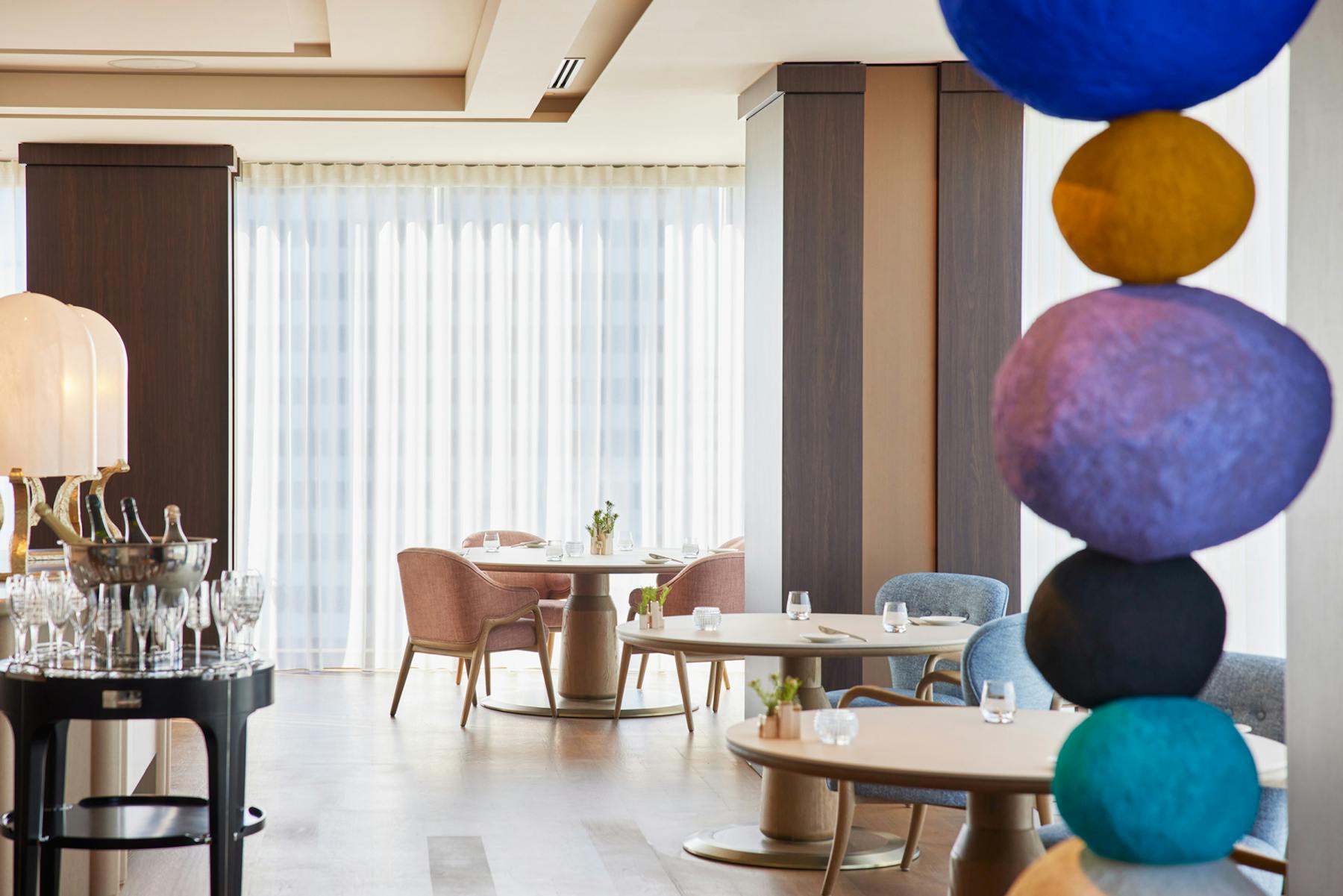
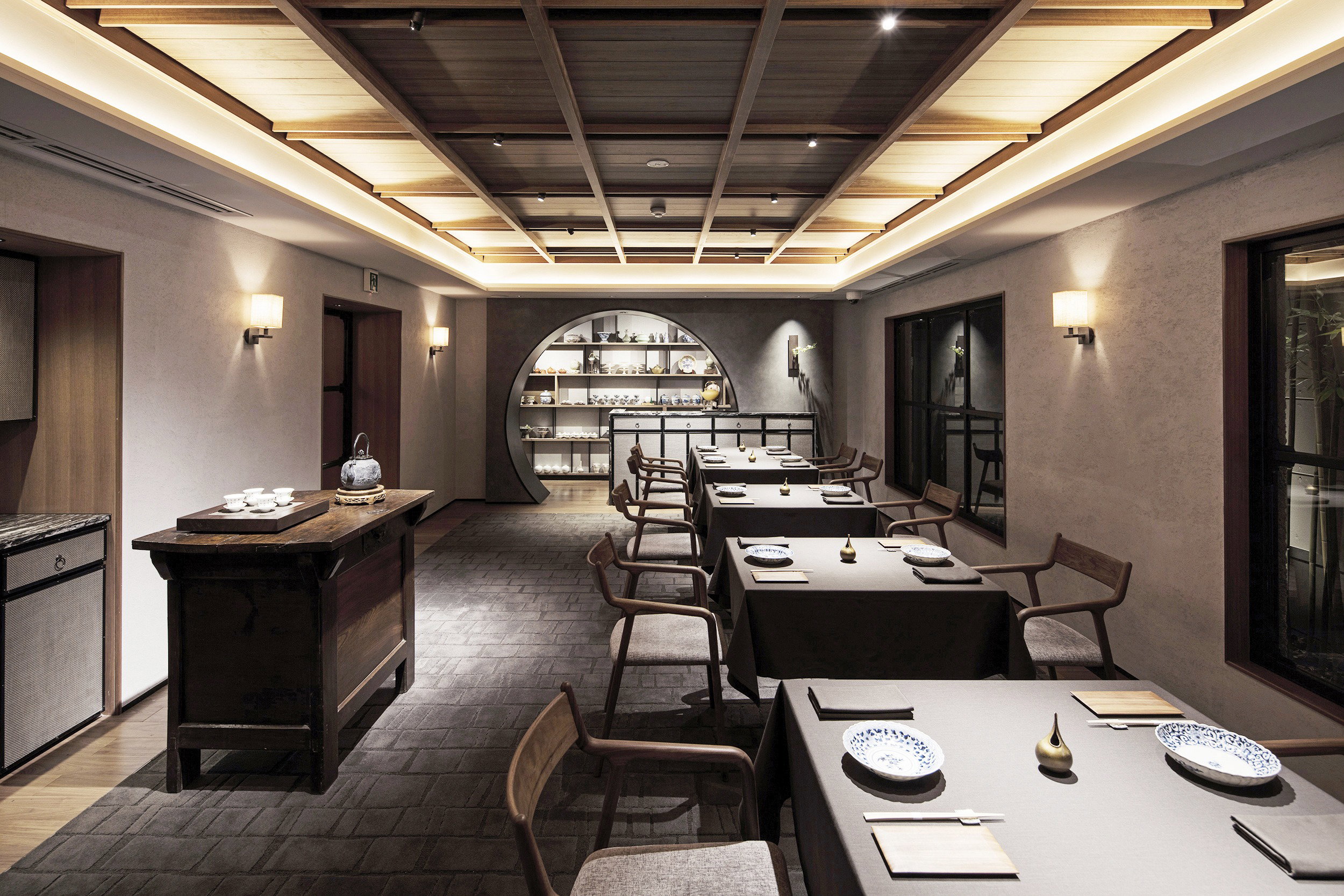
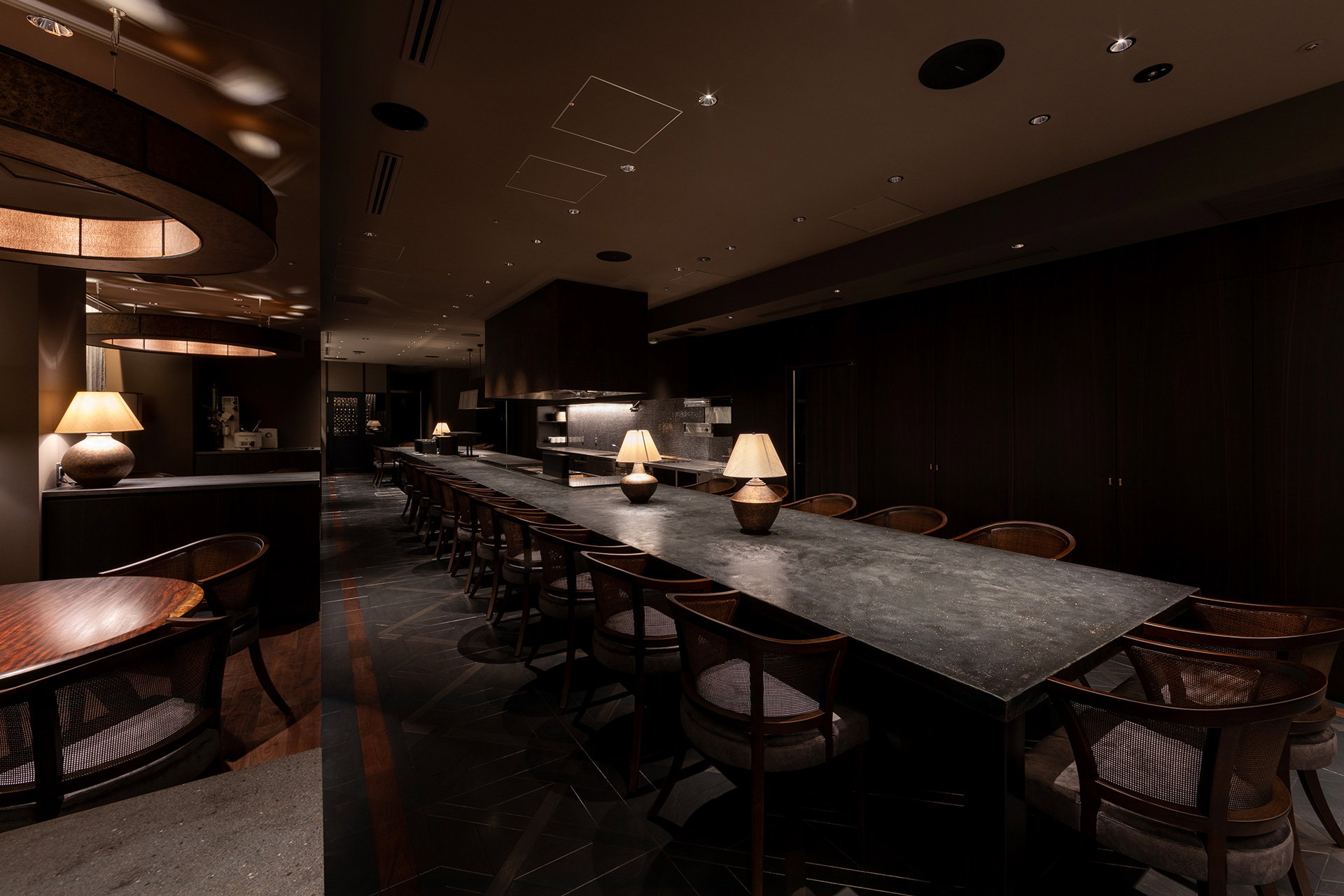
Refined and relaxing counter-only space with hinoki wood counter, Toyama craftsmanship walls, and a slightly lowered ceiling creating a calm atmosphere.
Tags
Vibe
Best For
Experience
Sourcing
At the Table
- Dress Code
- Smart Casual
- Noise Level
- Quiet
- Service Style
- Omakase Bar
- Meal Pacing
- Leisurely
- Capacity
- Intimate
- Kitchen
- Traditional
- Menu Format
- Omakase, Counter dining
- Wine Program
- Curated
- Drinks Focus
- Sake
Know before you go
Know Before You Go
- Getting there
- 3 Chome-17-4 Nishiogiminami, Suginami City, Tokyo 167-0053, Japan
Planning details
Location
3 Chome-17-4 Nishiogiminami, Suginami City, Tokyo 167-0053, Japan · Directions
Recognition and awards
Also consider
Also Consider
- Harutaka, Sushi, ¥¥¥¥
- RyuGin, Kaiseki, Japanese, ¥¥¥¥
- L'Effervescence, French, ¥¥¥¥
- HOMMAGE, Innovtive French, French, ¥¥¥¥
- Florilège, French, ¥¥¥
Restaurant context
Sushi Marufuku sits at the ¥¥¥ tier, which immediately separates it from most serious Tokyo omakase counters. Harutaka operates at ¥¥¥¥ and delivers the kind of technical precision and Ginza seriousness that justifies the premium, book Harutaka if execution polish and setting matter as much as the fish. Sushi Marufuku is the better call if you want a more direct engagement with a specific technique (dry-ageing) at lower spend, with easier access to a table.
Against non-sushi alternatives in the ¥¥¥¥ bracket, the comparison shifts toward format preference. RyuGin is the reference point for kaiseki at that level, a completely different structure and experience, better suited to diners who want a broader seasonal narrative rather than a fish-focused counter. Florilège at ¥¥¥ is the French-technique peer on price, and a strong alternative for diners who want a modern tasting menu over omakase; the two restaurants are not in direct competition but occupy similar decision territory for the explorer diner choosing a single Tokyo booking. L'Effervescence and HOMMAGE both operate at ¥¥¥¥ in the French space, worth considering for a second or third Tokyo booking, but not the comparison that matters if sushi is the specific draw.
The clearest practical differentiator for Sushi Marufuku is booking difficulty: rated Easy, which is a real advantage in a city where the most talked-about counters require weeks of lead time or a hotel concierge relationship. If you are planning a Tokyo trip without months of runway, Marufuku offers Michelin-level recognition with accessible reservations, a combination that is less common than it should be at this quality level.
Explore Tokyo
Around this place
Discover more on Pearl
Unlock the full Sushi Marufuku guide in Pearl, including awards, comparisons, FAQs, planning details, and nearby places.
Compare Sushi Marufuku
| Venue | Cuisine | Price | Awards | Booking Difficulty |
|---|---|---|---|---|
| Sushi Marufuku | Sushi | ¥¥¥ | 2026 Michelin Plate2025 Michelin Plate2024 Michelin Plate | Easy |
| Harutaka | Sushi | ¥¥¥¥ | 2026 Tabelog Silver · #312026 OAD Top Restaurants in Japan Ranked · #1282026 Michelin 3 Stars2026 La Liste Top RestaurantsTabelog 100 - Sushi - TOKYO - 2025 · #372025 Asia's 50 Best Restaurants · #762025 OAD Top Restaurants in Japan Ranked · #1172025 La Liste Top Restaurants2025 Tabelog Bronze | Unknown |
| RyuGin | Kaiseki, Japanese | ¥¥¥¥ | 2026 OAD Top Restaurants in Japan Ranked · #802026 Tabelog Bronze · #3772026 Michelin 3 Stars2026 La Liste Top RestaurantsTabelog 100 - Japanese cuisine - TOKYO - 2025 · #212025 OAD Top Restaurants in Japan Ranked · #542025 Michelin 3 Stars2025 La Liste Top Restaurants2025 The Best Chef Three Knives | Unknown |
| L'Effervescence | French | ¥¥¥¥ | 2026 Tabelog Silver · #682026 OAD Top Restaurants in Japan Ranked · #103Star Wine Lists 20262026 Black Pearl 2 Diamond2026 Relais Chateaux Restaurants2026 La Liste Top Restaurants2026 Michelin 3 Stars2025 Asia's 50 Best Restaurants · #692025 OAD Top Restaurants in Japan Ranked · #92 | Unknown |
| HOMMAGE | Innovtive French, French | ¥¥¥¥ | 2026 Tabelog Bronze · #1232026 OAD Top Restaurants in Japan Highly Recommended2026 Michelin 2 StarsTabelog 100 - French - TOKYO - 2025 · #762025 Asia's 50 Best Restaurants · #782025 OAD Top Restaurants in Japan Ranked · #1752025 Michelin 2 Stars2025 The Best Chef One Knife2025 La Liste Top Restaurants | Unknown |
| Florilège | French | ¥¥¥ | 2026 Asia's 50 Best Restaurants · #312026 Tabelog Bronze · #712026 OAD Top Restaurants in Japan Ranked · #1242026 Black Pearl 1 Diamond2026 Michelin 2 Stars2026 La Liste Top Restaurants2025 Asia's 50 Best Restaurants · #172025 World's 50 Best Restaurants · #36Tabelog 100 - French - TOKYO - 2025 · #68 | Unknown |













Key differences to consider before you reserve.
FAQ
Frequently Asked Questions
What are alternatives to Sushi Marufuku in Tokyo?
For aged sushi specifically, Sushi Marufuku has few direct peers at this price range. Harutaka in Ginza offers a more traditional omakase at a higher price point if prestige matters to your group. If you want to compare technique-forward counters, Sushi Marufuku is the call for dry-ageing focus; Harutaka is the call for classical precision.
What should a first-timer know about Sushi Marufuku?
The format centres on dry-aged sushi — fish rested to develop aroma and a wilder, more assertive flavour than standard omakase. Snacks are worked into the progression to reset the palate between intensely flavoured pieces. Booking is rated Easy by Pearl, which is rare for a Michelin-recognised Tokyo counter, so you are not fighting a months-long queue. The proprietress is an accomplished sake sommelier — engage her on pairings rather than defaulting to beer.
Can Sushi Marufuku accommodate groups?
Sushi Marufuku is a counter-format restaurant in a residential pocket of Suginami City, which means group capacity is limited by the counter itself. It suits pairs and small parties of three to four more naturally than large groups. If you are planning a party of six or more, confirm availability directly before booking; there is no publicly listed group policy in the venue record.
What should I order at Sushi Marufuku?
The format is omakase — the kitchen decides the progression, so there is no à la carte selection to navigate. The dry-aged fish pieces are the centrepiece of the meal, and sake pairings chosen by the proprietress are the practical complement. Ask her for sake suggestions rather than arriving with a fixed list; the pairing is a documented strength of the experience.
Is the tasting menu worth it at Sushi Marufuku?
At ¥¥¥ pricing and with a Michelin Plate (2025), Sushi Marufuku sits below the cost of Tokyo's starred omakase counters while offering a more focused, technique-specific experience than most counters in that bracket. If dry-ageing technique and sake pairing are what you are there for, the value case is clear. If you want classical Edomae sushi without the aged-fish flavour profile, a different counter would be a better fit.