.png?width=1200&quality=80)
Sushi Kobayashi
Sushi · Chūō, Tokyo
Restaurant in Tokyo, Japan
 Book with Pearl
The Read
Edo-Style Neighbourhood Sushi
Price
¥¥¥
Dress
Smart Casual
Why go
A Michelin Plate-recognised Edomae sushi counter in Ginza that operates as a neighbourhood staple rather than a destination showpiece. Red-vinegar shari, old-school Edo atmosphere, and ¥¥¥ pricing make this one of Ginza's more honest sushi options — well-suited to solo diners and food-focused visitors who want craft without ceremony.
About Sushi Kobayashi
Verdict
If you want a taste of how Tokyoites actually eat sushi — not a performance of it — Sushi Kobayashi in Ginza is worth booking. This is a Michelin Plate-recognised counter (2024 and 2025) that operates as a neighbourhood staple rather than a destination showpiece. The price sits at ¥¥¥, meaning you are paying for serious technique and quality ingredients without the ¥¥¥¥ omakase theatre that dominates the Ginza block. For food-focused visitors who want Edo-style sushi in an old-school setting, this is one of the more honest choices in the area.
About Sushi Kobayashi
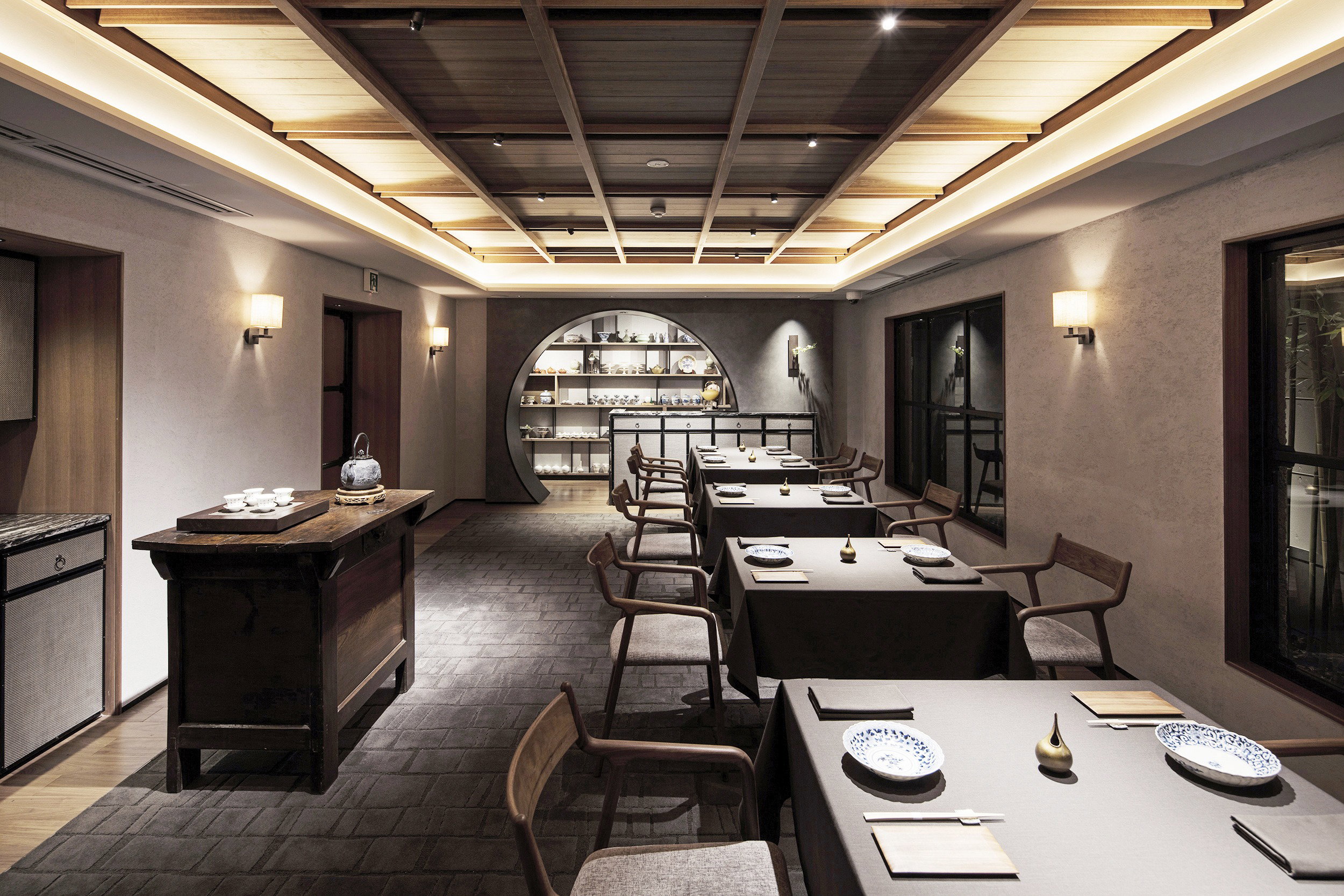
Sushi Kobayashi carries the atmosphere of an Edo-era food stall into its Ginza address. A short shop curtain hangs beneath a market-stall-style roof, and the space greets you with steaming hot towels, piping hot tea, and the Edo dialect greeting "Irasshaimashi." None of this is affectation, it reflects a deliberate commitment to the older, less ceremonial tradition of sushi in Tokyo, where the counter was a quick, democratic stop rather than a multi-hour ritual.
The owner-chef trained under two mentors and works in the Edomae tradition, preparing fish with patience and using red vinegar to season the rice portions. Red-vinegar shari is the historical standard for Edomae sushi, it produces a firmer, tangier rice that holds together differently from the white-vinegar versions that have become more common at contemporary counters. If you have been eating your way through Tokyo's modern omakase circuit, the contrast here is immediate. The rice carries more character, and the pacing of the meal is set by the chef's rhythm rather than a tasting-menu structure.
The stated aim of the chef is to be an everyday sushi destination for regulars, not a once-a-year splurge stop. That framing shapes everything: the portions, the format, the pricing, and the absence of the formal choreography you find at higher-end counters.
Who Should Book
Sushi Kobayashi is well-suited to food-focused travellers who already understand Edomae technique and want to experience it in an unpretentious setting. If you are new to omakase or sushi counters and want a guided, explained experience, a counter like Sushi Kanesaka or Harutaka may offer more hand-holding. But if you are confident at a counter and want to eat the way a Ginza regular eats, without a script, Kobayashi delivers that clearly.
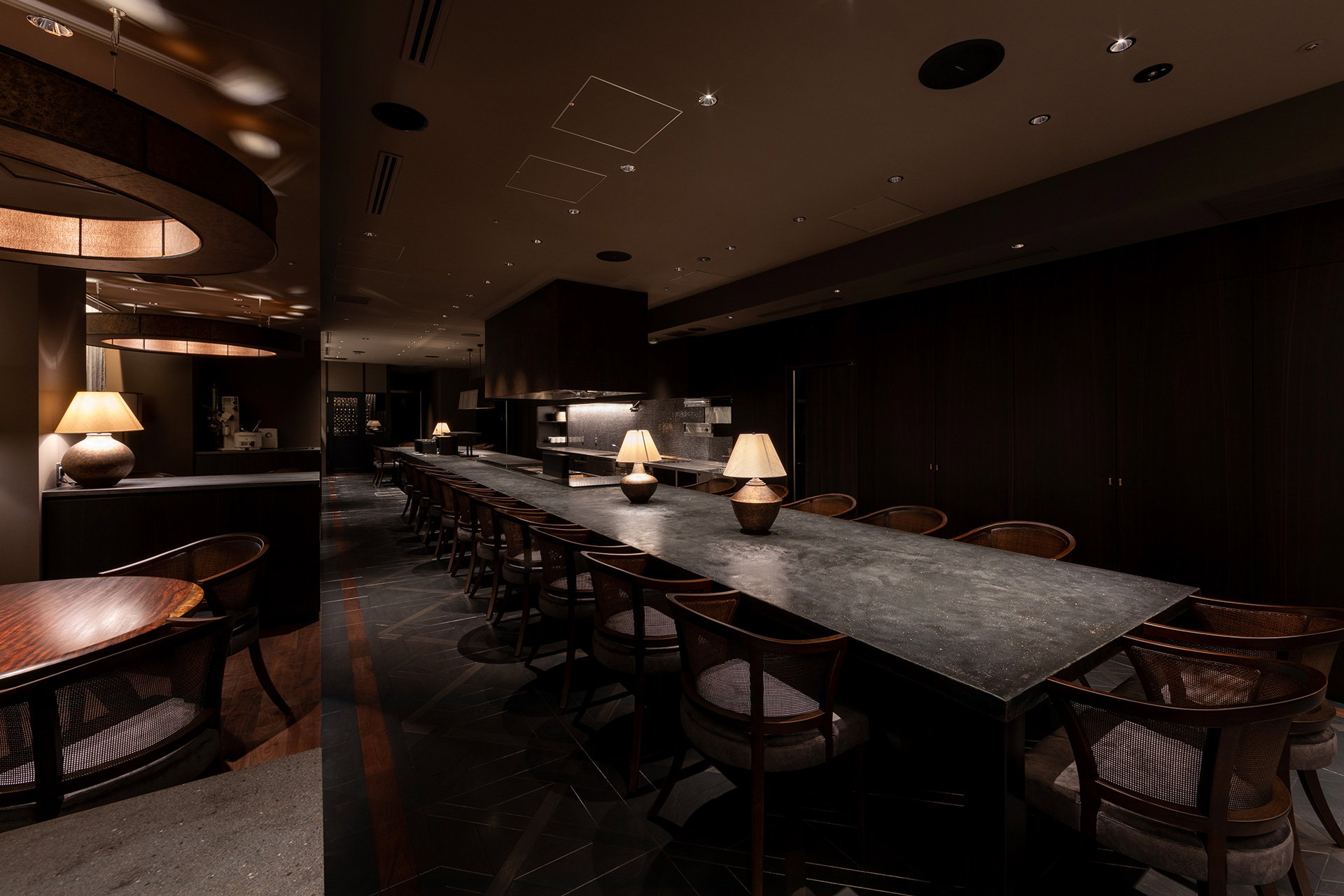
Solo diners will find this format natural. Counter seating at a chef-run sushi shop is one of the better solo dining experiences Tokyo offers, and Kobayashi's no-ceremony approach makes it comfortable rather than intimidating. For pairs, the counter also works well. Groups larger than three or four would need to check capacity, as the intimate, food-stall-scale setup is not designed for large parties.
The ¥¥¥ price tier means this sits below the top-end Ginza sushi counters in cost but above casual conveyor-belt or neighbourhood lunch spots. It is a considered spend for a weekday meal, not a budget option, but it is meaningfully more accessible than the ¥¥¥¥ counters on the same block. For travellers building a Tokyo dining itinerary, this is the kind of place that adds texture alongside higher-end meals, see our full Tokyo restaurants guide for a broader picture of the city's dining range.
Morning and Lunch Format
The editorial angle here matters: Sushi Kobayashi's positioning as an everyday counter, the chef's own stated goal, makes it relevant for daytime dining in a way that many Ginza sushi counters are not. The Edo food-stall heritage was explicitly a lunch and quick-meal tradition. Sushi was street food before it was fine dining, and Kobayashi's format honours that history. Specific hours are not confirmed in available data, so contact the venue directly to verify lunch service availability before building your itinerary around a midday visit.
For a morning or early-afternoon sushi experience in the Ginza area, Kobayashi's accessible pricing and fast-paced, no-ceremony style make it a more practical choice than a full evening omakase. You are not committing to a two-hour tasting sequence. The experience is closer to a well-executed, thoughtful lunch, which, for many visitors, is exactly what a second or third Tokyo sushi meal should be. For further context on the neighbourhood and what else surrounds this address, our Tokyo hotels guide, bars guide, and experiences guide cover the broader Ginza area well.
Booking and Access
Booking difficulty is rated easy.Sukiyabashi Jiro Roppongiten difficult to access without months of lead time. A reservation a few days to a week in advance should be sufficient for most visitors, though you should always call ahead since specific booking methods are not confirmed in public data. The address is 8 Chome-2-10 Ginza, Chuo City, Tokyo, well-positioned in central Ginza and accessible by public transport from most of the city's major hotel zones.
For edomae-style sushi at a comparable price point, also consider Edomae Sushi Hanabusa. If you are travelling beyond Tokyo and want to compare Japan's sushi culture with its kaiseki traditions, Gion Sasaki in Kyoto and HAJIME in Osaka offer strong reference points. For sushi outside Japan entirely, Sushi Shikon in Hong Kong and Shoukouwa in Singapore are the region's most credible comparisons.
Quick reference: Michelin Plate 2024 and 2025 | ¥¥¥ | Ginza, Tokyo | Booking: easy | Counter format | Edomae technique | Red-vinegar shari.
How It Compares
Planning details
- Location
- 8 Chome-2-10 Ginza, Chuo City, Tokyo 104-0061, Japan
- Phone
- +81 3-6252-3288
The take
The Take
The Vibe
Sushi Kobayashi presents an old-school, unpretentious counter in the heart of Ginza. It leans into Showa-era sushi-shop cues — a short noren, market-stall roof aesthetic and close counter seating — and greets customers in warm Edo dialect. The place trades lacquered ceremony for everyday familiarity: the service is neighborly rather than theatrical, and the Michelin Plate signals steady quality without the formality of starred omakase. The result is a cozy, historic-feeling spot that feels like a practiced local institution tucked among Ginza’s more ceremonial dining rooms.
Best For
This is a neighborhood counter built for repeat visits: solo diners, locals stopping by after work and small groups who want focused sushi without fuss will find it particularly fitting. The setup favors the counter experience and a steady, conversational atmosphere rather than large parties or milestone-centered spectacle. While it sits in a neighborhood known for destination omakase, Kobayashi is positioned as an everyday alternative — good for routine sushi runs, quiet dates and those who prefer an approachable Tokyo sushi counter to a formal, reservation-driven tasting.
Ordering Tips
Expect an Edomae-informed, counter-led service; the write-up frames Kobayashi against the omakase tradition and the heading on red vinegar signals attention to classic rice-and-block-fish techniques. Take a seat at the counter and follow the chef’s rhythm: the place emphasizes chef-led sequencing over à la carte ceremony. Note the mid-tier price point (¥¥¥) and the relaxed, neighborhood intent — reservations may be simpler than Ginza’s starred rooms, but the experience is still centered on the chef’s selections and the compact counter format.
Venue details
Ambiance
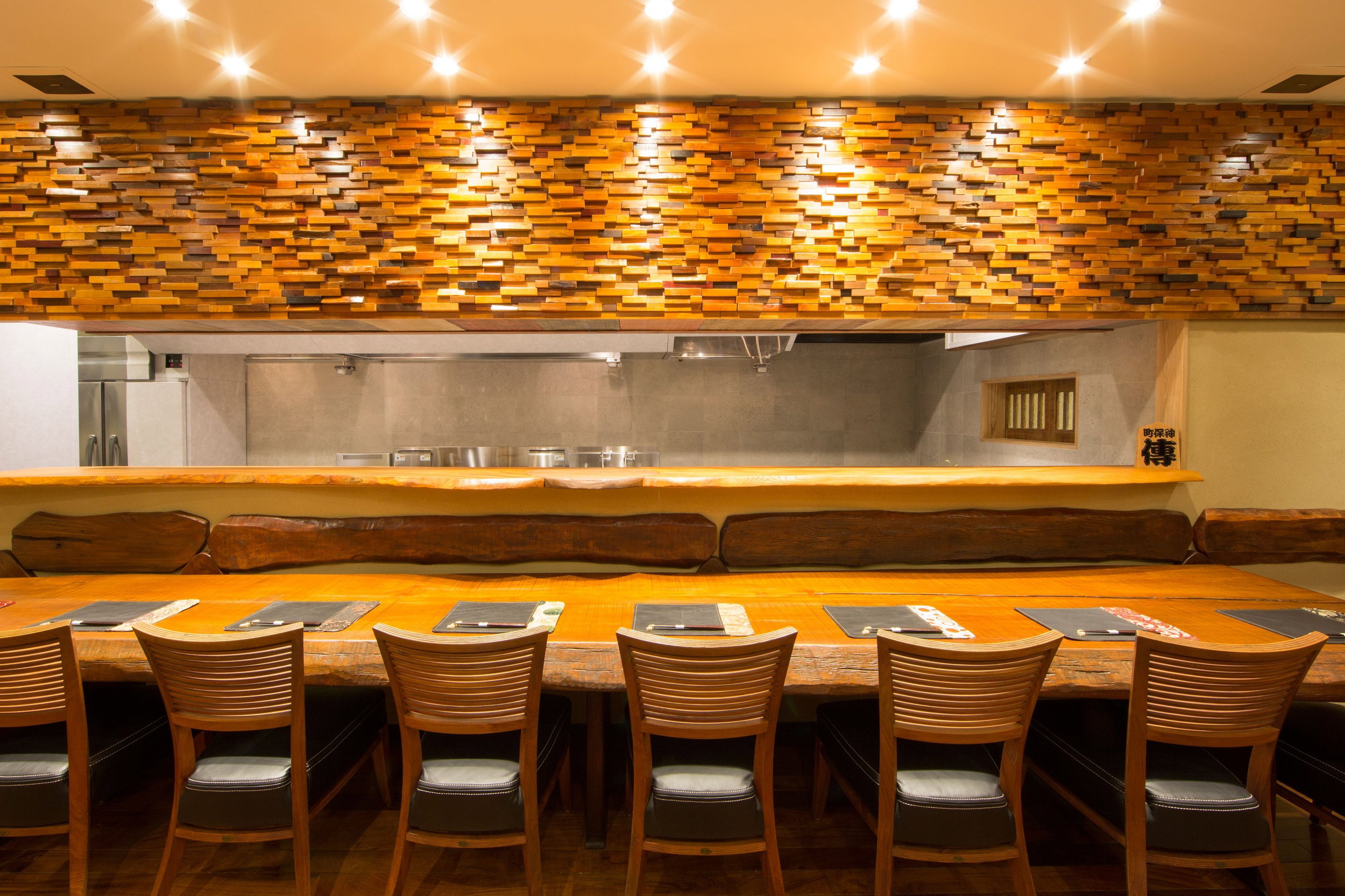
Cozy, minimalist counter seating with Edo-era food-stall ambience, steaming hot towels, and gracious service.
Tags
Vibe
Best For
Experience
At the Table
- Dress Code
- Smart Casual
- Noise Level
- Quiet
- Service Style
- Omakase Bar
- Meal Pacing
- Leisurely
- Capacity
- Intimate
Know before you go
Know Before You Go
- Getting there
- 8 Chome-2-10 Ginza, Chuo City, Tokyo 104-0061, Japan
Planning details
Location
8 Chome-2-10 Ginza, Chuo City, Tokyo 104-0061, Japan · Directions
Recognition and awards
Also consider
Also Consider
- Harutaka, Sushi, ¥¥¥¥
- RyuGin, Kaiseki, Japanese, ¥¥¥¥
- L'Effervescence, French, ¥¥¥¥
- HOMMAGE, Innovtive French, French, ¥¥¥¥
- Florilège, French, ¥¥¥
Restaurant context
Sushi Kobayashi sits at ¥¥¥ in a neighbourhood where most serious sushi counters charge ¥¥¥¥. The most direct comparison is Harutaka, which operates at a higher price tier and delivers a more formal, guided omakase experience with greater international recognition. If occasion-dining and structured pacing matter to you, Harutaka is worth the premium. Kobayashi is the better choice if you want Edomae technique in a setting that feels like actual Tokyo rather than a performance of it.
RyuGin and L'Effervescence are different categories entirely, kaiseki and French respectively, both at ¥¥¥¥, and you should only be comparing them to Kobayashi if you are deciding between sushi and a completely different cuisine format for the same evening. For pure sushi value, neither beats Kobayashi at its price point. Florilège matches Kobayashi on price tier but is a French counter, the comparison is useful only if you are undecided on cuisine.
The practical decision: book Kobayashi if you want a second or third Tokyo sushi meal that eats like a local habit rather than a tourist milestone, or if budget is a genuine factor and you still want Michelin-recognised quality. Book Harutaka or a comparable ¥¥¥¥ counter for a once-in-trip sushi centrepiece. Kobayashi is harder to book ahead than Harutaka in terms of information availability, but the demand pressure is lower, you are unlikely to face a months-long waitlist here.
Explore Tokyo
Around this place
Discover more on Pearl
Unlock the full Sushi Kobayashi guide in Pearl, including awards, comparisons, FAQs, planning details, and nearby places.
Compare Sushi Kobayashi
| Venue | Price | Booking Difficulty | Awards |
|---|---|---|---|
| Sushi Kobayashi | ¥¥¥ | Easy | 2026 Michelin Plate2025 Michelin Plate2024 Michelin Plate |
| Harutaka | ¥¥¥¥ | Unknown | 2026 Tabelog Silver · #312026 OAD Top Restaurants in Japan Ranked · #1282026 Michelin 3 Stars2026 La Liste Top RestaurantsTabelog 100 - Sushi - TOKYO - 2025 · #372025 Asia's 50 Best Restaurants · #762025 OAD Top Restaurants in Japan Ranked · #1172025 La Liste Top Restaurants2025 Tabelog Bronze |
| RyuGin | ¥¥¥¥ | Unknown | 2026 OAD Top Restaurants in Japan Ranked · #802026 Tabelog Bronze · #3772026 Michelin 3 Stars2026 La Liste Top RestaurantsTabelog 100 - Japanese cuisine - TOKYO - 2025 · #212025 OAD Top Restaurants in Japan Ranked · #542025 Michelin 3 Stars2025 La Liste Top Restaurants2025 The Best Chef Three Knives |
| L'Effervescence | ¥¥¥¥ | Unknown | 2026 Tabelog Silver · #682026 OAD Top Restaurants in Japan Ranked · #103Star Wine Lists 20262026 Black Pearl 2 Diamond2026 Relais Chateaux Restaurants2026 La Liste Top Restaurants2026 Michelin 3 Stars2025 Asia's 50 Best Restaurants · #692025 OAD Top Restaurants in Japan Ranked · #92 |
| HOMMAGE | ¥¥¥¥ | Unknown | 2026 Tabelog Bronze · #1232026 OAD Top Restaurants in Japan Highly Recommended2026 Michelin 2 StarsTabelog 100 - French - TOKYO - 2025 · #762025 Asia's 50 Best Restaurants · #782025 OAD Top Restaurants in Japan Ranked · #1752025 Michelin 2 Stars2025 The Best Chef One Knife2025 La Liste Top Restaurants |
| Florilège | ¥¥¥ | Unknown | 2026 Asia's 50 Best Restaurants · #312026 Tabelog Bronze · #712026 OAD Top Restaurants in Japan Ranked · #1242026 Black Pearl 1 Diamond2026 Michelin 2 Stars2026 La Liste Top Restaurants2025 Asia's 50 Best Restaurants · #172025 World's 50 Best Restaurants · #36Tabelog 100 - French - TOKYO - 2025 · #68 |













What to weigh when choosing between Sushi Kobayashi and alternatives.
FAQ
Frequently Asked Questions
Is Sushi Kobayashi good for a special occasion?
Only if your idea of a special occasion is an authentic Edomae counter with no ceremony attached. Kobayashi holds a Michelin Plate (2025) and the chef uses traditional red-vinegar rice in a deliberately low-key Edo-era setting. For milestone dinners where atmosphere and theatrics matter, Harutaka or RyuGin will serve that purpose better. Kobayashi is a special occasion for the kind of person who finds the unvarnished version more meaningful than the dressed-up one.
Can I eat at the bar at Sushi Kobayashi?
The format is a counter — that is the whole point. Sushi Kobayashi is structured around direct, chef-to-guest service in keeping with its Edo food-stall character. Sitting at the counter is not an option among options; it is the experience.
What are alternatives to Sushi Kobayashi in Tokyo?
For a step up in prestige and price, Harutaka in Ginza operates in the same neighbourhood with a stronger reservation backlog and higher placement in critical rankings. RyuGin offers an entirely different format — modern Japanese kaiseki rather than pure sushi — for diners who want more theatrical ambience. If Kobayashi's everyday-counter appeal is the draw, look for other Michelin Plate sushi counters in Shimbashi or Tsukiji where the same unpretentious tradition runs deep.
Is Sushi Kobayashi good for solo dining?
Yes, and arguably this is the ideal format for it. A counter-only sushi shop with an Edo food-stall character is built for solo diners who want to watch the chef work and eat at pace. The low-key setting removes the awkwardness that sometimes accompanies solo visits to more formal counters.
Is the tasting menu worth it at Sushi Kobayashi?
The chef's stated goal is to be a patron's everyday sushi stop, which sets a different expectation than a destination omakase. At ¥¥¥ pricing with a Michelin Plate recognition, you are paying for technique and tradition rather than a curated multi-hour experience. If you want an extended omakase with pacing and presentation as part of the value, a venue like Harutaka or a higher-tier counter will give you more of that format. Kobayashi delivers on quality and honesty of craft, not on occasion-building.
Is Sushi Kobayashi worth the price?
At ¥¥¥ with a Michelin Plate for two consecutive years (2024, 2025), Kobayashi sits at a price point that is high for a casual counter but justified by the quality of the underlying technique. The red-vinegar rice, the Edo-era service style, and the chef's patient fish preparation give you something specific that cheaper conveyor-belt or mid-range sushi in Ginza does not. If you are comparing it to higher-end omakase counters, the experience is less elaborate — but the value-to-craft ratio is strong.