.png?width=1200&quality=80)
Sushi Kanesho
Sushi · Taitō, Tokyo
Restaurant in Tokyo, Japan
 Book with Pearl
The Read
Edomae Rice Craft
Price
$50–100per person
Dress
Smart Casual
Why go
A Michelin Plate edomae counter in Asakusa that delivers serious technique at ¥¥¥ pricing — one tier below the Ginza omakase ceiling, with none of the booking difficulty. Chef Akira Watanabe's rice-first philosophy and considered sequencing, including his distinctive kurakake egg, have earned back-to-back Michelin recognition and. Book here before spending more elsewhere.
About Sushi Kanesho
Sushi Kanesho, Asakusa: The Verdict
Sushi Kanesho earns a confident recommendation for anyone who wants serious edomae technique at ¥¥¥ pricing, in a neighbourhood that most Tokyo omakase tourists bypass entirely. If you have already done one high-end Tokyo omakase at a ¥¥¥¥ counter, Kanesho is the natural next booking — more personality, lower spend, harder to find.
Portrait: What to Expect at Sushi Kanesho
Sushi Kanesho sits in a low-rise building on a residential stretch of Asakusa, about as far from the Ginza sushi corridor as you can get while staying in central Tokyo. That address is a signal, not a drawback. Chef Akira Watanabe trained in old-school edomae tradition and has spent years quietly refining his rice — the component he regards, correctly, as the foundation of the entire format. His vinegared sushi rice has evolved through what Michelin describes as sustained trial and error, and the result is a base that balances acidity and warmth with the kind of precision that separates craftsmen from technicians.
The sequencing at Kanesho reflects considered judgment. Watanabe opens with gizzard shad (kohada), a lean, acidic fish that tests rice quality immediately and signals his confidence in the fundamentals. The progression includes simmered conger eel (anago), cooked low and slow until it collapses, and kurakake egg, an egg preparation that sits across the rice like a saddle, a distinctive flourish that appears in the Michelin record as evidence of Watanabe's willingness to add his own spin to received tradition. His stated philosophy is to "investigate the old and understand the new," which in practice means the menu is rooted in classical edomae forms but not frozen in them.
The Asakusa location matters for the experience as a whole. The neighbourhood carries its own ambient character, temple incense from Senso-ji drifts through the area, particularly in the mornings, though Kanesho's kitchen produces its own backdrop of vinegar, warm rice, and nori as service begins. Coming from the direction of the temple, you arrive at the restaurant with the weight of the neighbourhood already on you, which suits the understated seriousness of the counter.
Lunch vs. Dinner: Where the Value Sits
Hours are not confirmed in our database, so verify directly before booking. That said, the structure of a Michelin Plate edomae counter in Tokyo almost always means omakase service at both meal periods, with lunch typically running shorter and at a lower price point than dinner. At ¥¥¥ pricing, Kanesho sits one tier below the ¥¥¥¥ counters in Ginza and Nihonbashi, and if a lunch omakase is available, it is likely to represent the strongest value proposition in the building. For a returning visitor who has already experienced the full dinner sequence, a lunch visit is worth considering: the rice and technique do not change, but the pace is often less formal and the spend is lower. If you are planning a second visit, lunch is the move.
For first-timers, dinner makes sense if you want the full progression at a relaxed pace. The Michelin Plate recognition at this price tier is the clearest signal that Watanabe's counter punches above its cost. Comparable edomae quality in Ginza routinely runs ¥¥¥¥, sometimes significantly beyond that. At Kanesho, you are getting substantively the same craft in a less pressurised room, in a neighbourhood worth visiting on its own terms.
Ratings and Recognition
- Michelin Plate, 2024 and 2025
- Price tier, ¥¥¥ (mid-to-upper, below the Ginza omakase ceiling)
Booking and Logistics
Booking difficulty is rated Easy, which makes Sushi Kanesho genuinely accessible compared to the hardest-to-book Tokyo sushi counters. Phone and website details are not currently in our database, your leading approach is to contact the venue directly at its Asakusa address (3 Chome-33-9 Miyashita Building 101, Taito City) or book through a Japanese reservation service. Arriving at the venue in person to make a reservation is a viable option in Asakusa, where foot traffic is manageable and the neighbourhood pace allows for it. Given the Michelin recognition, booking a week or two in advance is sensible, particularly for weekend evenings.
Practical Details
| Detail | Sushi Kanesho | Harutaka | Sushi Kanesaka |
|---|---|---|---|
| Cuisine | Edomae Sushi | Sushi | Sushi |
| Price tier | ¥¥¥ | ¥¥¥¥ | ¥¥¥¥ |
| Michelin | Plate (2025) | Starred | Starred |
| Booking difficulty | Easy | Hard | Hard |
| Neighbourhood | Asakusa | Ginza | Ginza |
For more Tokyo dining options across all cuisines and price tiers, see our full Tokyo restaurants guide. If you are planning the wider trip, our Tokyo hotels guide, Tokyo bars guide, Tokyo wineries guide, and Tokyo experiences guide cover the rest.
Other Sushi in Tokyo Worth Knowing
If Kanesho is fully booked or you want to compare options before committing, Harutaka and Sushi Kanesaka represent the starred Ginza tier. Sukiyabashi Jiro Roppongiten is the most recognisable name in the category. For something closer to Kanesho's neighbourhood spirit, Edomae Sushi Hanabusa and Hiroo Ishizaka are worth a look.
If your Japan trip extends beyond Tokyo, HAJIME in Osaka, Gion Sasaki in Kyoto, akordu in Nara, Goh in Fukuoka, 1000 in Yokohama, and 6 in Okinawa are all in our database. For edomae sushi in other Asian cities, Sushi Shikon in Hong Kong and Shoukouwa in Singapore are the closest regional comparisons.
Frequently Asked Questions
What should I wear to Sushi Kanesho?
Smart casual is the right call. Asakusa counters of this calibre expect a degree of consideration in dress, but Kanesho is not operating at the hyper-formal level of a Ginza starred room. Avoid strong perfume or cologne, at a sushi counter, scent interferes with the food, and this applies universally across edomae venues.
Can Sushi Kanesho accommodate groups?
Counter sushi formats are generally well suited to parties of two to four. Larger groups are harder to accommodate at a small counter without disrupting the flow of service. If you are planning a group of more than four, contact the venue directly to confirm capacity before booking.
How far ahead should I book Sushi Kanesho?
Booking difficulty is rated Easy, which means a week to two weeks in advance should be sufficient for most visits. Michelin Plate recognition will generate some demand, so do not leave it to the day before, particularly for weekend dinners. Weekday lunch slots, if available, are likely to be the most accessible.
Is the tasting menu worth it at Sushi Kanesho?
At ¥¥¥ pricing with Michelin Plate recognition, yes. Watanabe's sequencing, opening with gizzard shad and moving through to anago and the kurakake egg, reflects a considered omakase structure. You are getting craft-level edomae technique at a price point below the Ginza starred counters. That gap in spend does not correspond to a proportionate gap in quality here.
Is Sushi Kanesho worth the price?
Yes, at ¥¥¥ it is well positioned. For the same quality in Ginza you would typically spend more. If value relative to technique is a factor in your decision, Kanesho compares favourably.
What are alternatives to Sushi Kanesho in Tokyo?
Within the ¥¥¥ sushi tier, Edomae Sushi Hanabusa is a direct comparison worth checking. If you are willing to move up to ¥¥¥¥, Harutaka and Sushi Kanesaka are among the most technically accomplished counters in the city, though both are significantly harder to book. Sukiyabashi Jiro Roppongiten is the most well-known name but requires planning well in advance.
Is Sushi Kanesho good for a special occasion?
Yes, with the right expectations. It is a strong choice for a milestone dinner where quality matters more than theatre or prestige address. The Michelin recognition gives it credibility, and the Asakusa setting adds a sense of occasion without the self-conscious formality of a Ginza room. If your guest wants a big-name address they can recognise, go to a starred Ginza counter instead. If they want excellent food in a less performative setting, Kanesho delivers.
What should a first-timer know about Sushi Kanesho?
The format is omakase, which means the chef sets the sequence, there is no à la carte ordering. Arrive on time, keep conversation moderate during service, and let the progression unfold. Watanabe opens with gizzard shad, which signals his confidence in the rice and sets the tone for the rest of the meal. The ¥¥¥ price tier means this is a more accessible entry point than most Michelin-recognised sushi in Tokyo, so first-timers to the omakase format should not be deterred by the recognition.
Planning details
- Location
- Japan, 〒111-0032 Tokyo, Taito City, Asakusa, 3 Chome−33−9 宮下ビル 101
- Reservations
- Book on Omakase
- Website
- sushi-kanesho.com
- Phone
- +81 3-3871-6081
The take
The Take
The Vibe
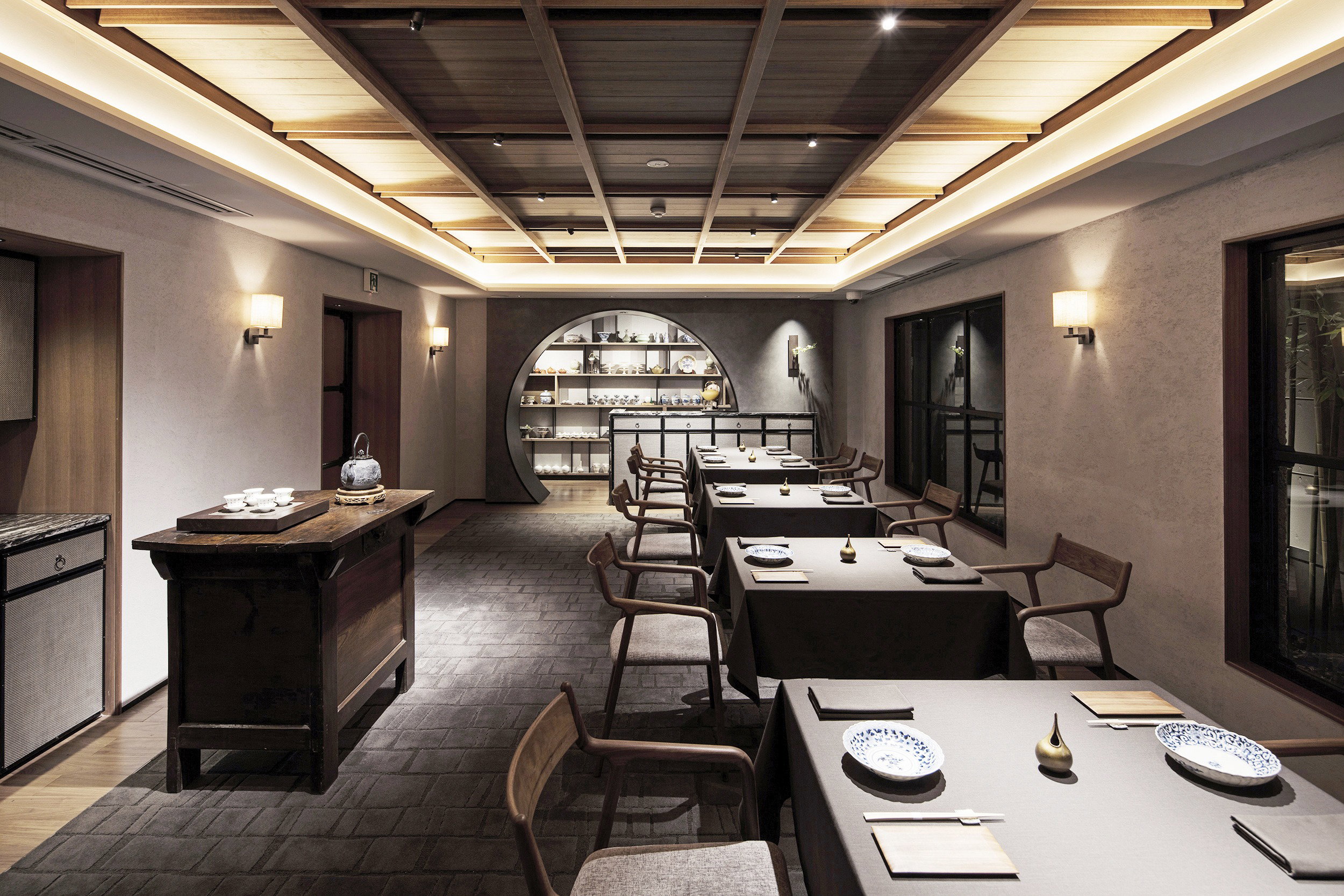
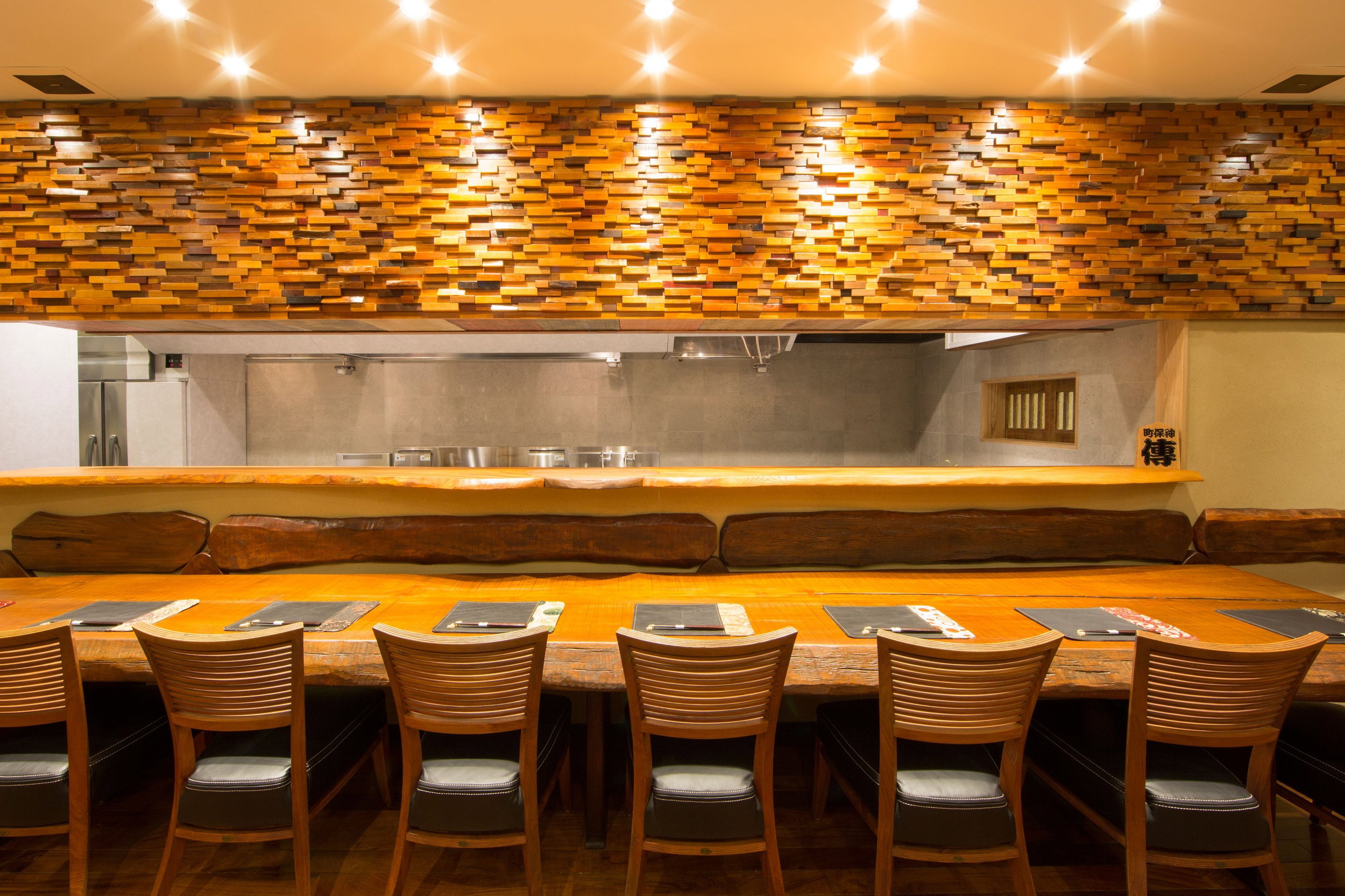
Sushi Kanesho reads like a preserved corner of Edo-era Tokyo transported into the present. The kitchen adheres to Edomae principles—fish cured, marinated or briefly aged, balanced against rice seasoned with red vinegar—while the setting sits quietly in Asakusa's shitamachi residential grid. It feels neighborhood-first rather than performative, operating amid craft workshops and family shops rather than the tourist axis. The result is a restrained, historic counter experience: intimate and low-key, focused on technical precision and the modest, unshowy pleasures of traditional sushi-making rather than flash or spectacle.
Best For
This is a place for diners who come to study the art of sushi as much as to taste it. Serious sushi lovers, repeat visitors and anyone curious about Edomae technique—especially the rice—will get the most out of a visit. The counter setting suits solo diners and small parties who want a focused, paced meal delivered by a single chef’s hand. Because the restaurant operates within a local neighborhood context rather than as a tourist showcase, guests who appreciate authenticity, quiet craftsmanship and a measured omakase rhythm will find it especially rewarding.
Ordering Tips
Treat the service like a classic Edomae counter: lean into the omakase flow and let the chef set the sequence and tempo. The copy emphasizes the primacy of shari, so ask about the rice seasoning and how pieces are balanced if you’re curious—Chef Akira Watanabe is noted for iterating his shari over years. Prioritize signature items such as kohada, kurakake tamago and nama kinmedai to sample the house approach, and allow each piece to be eaten in a single, deliberate bite to appreciate the rice-to-fish interplay.
Venue details
Ambiance
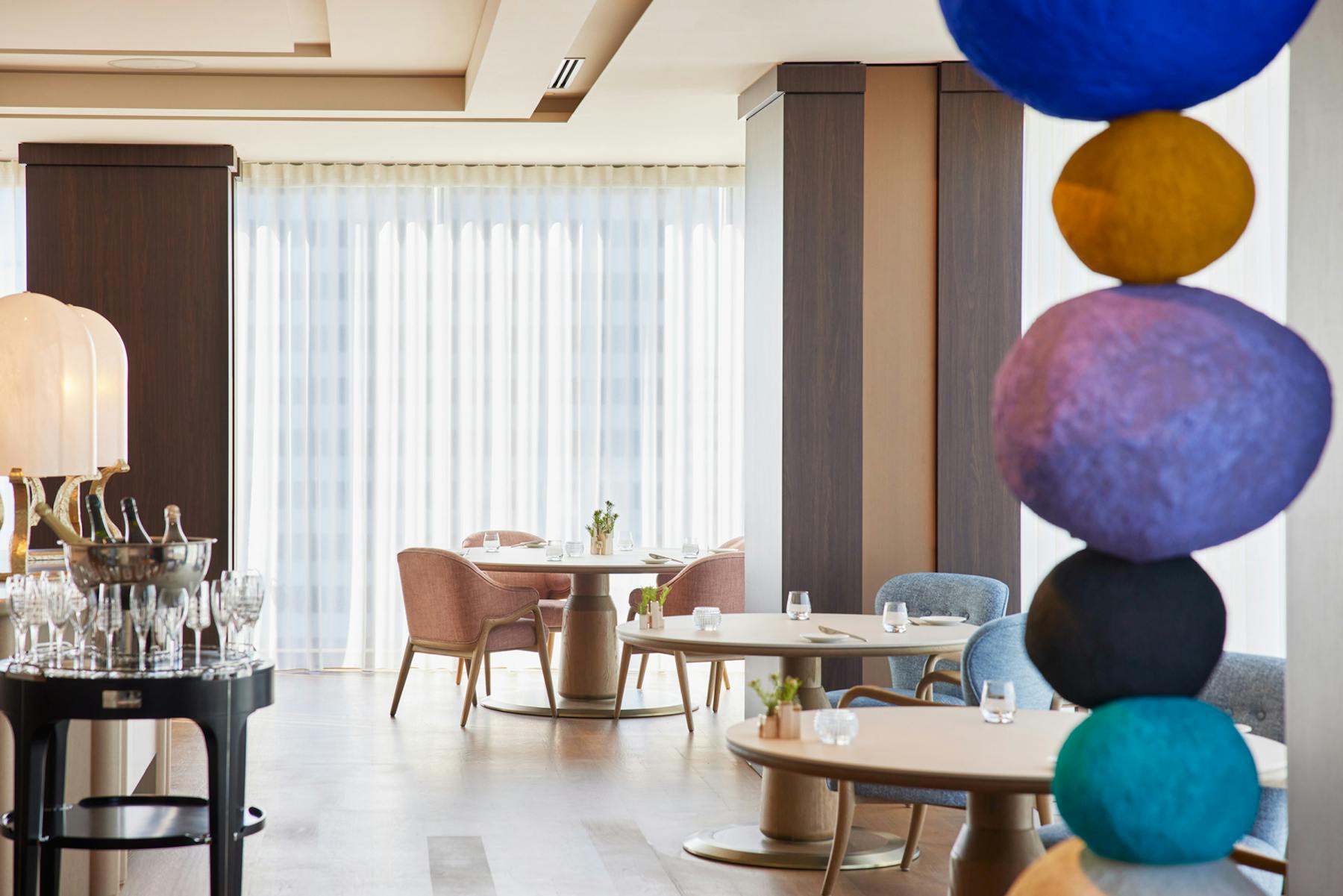
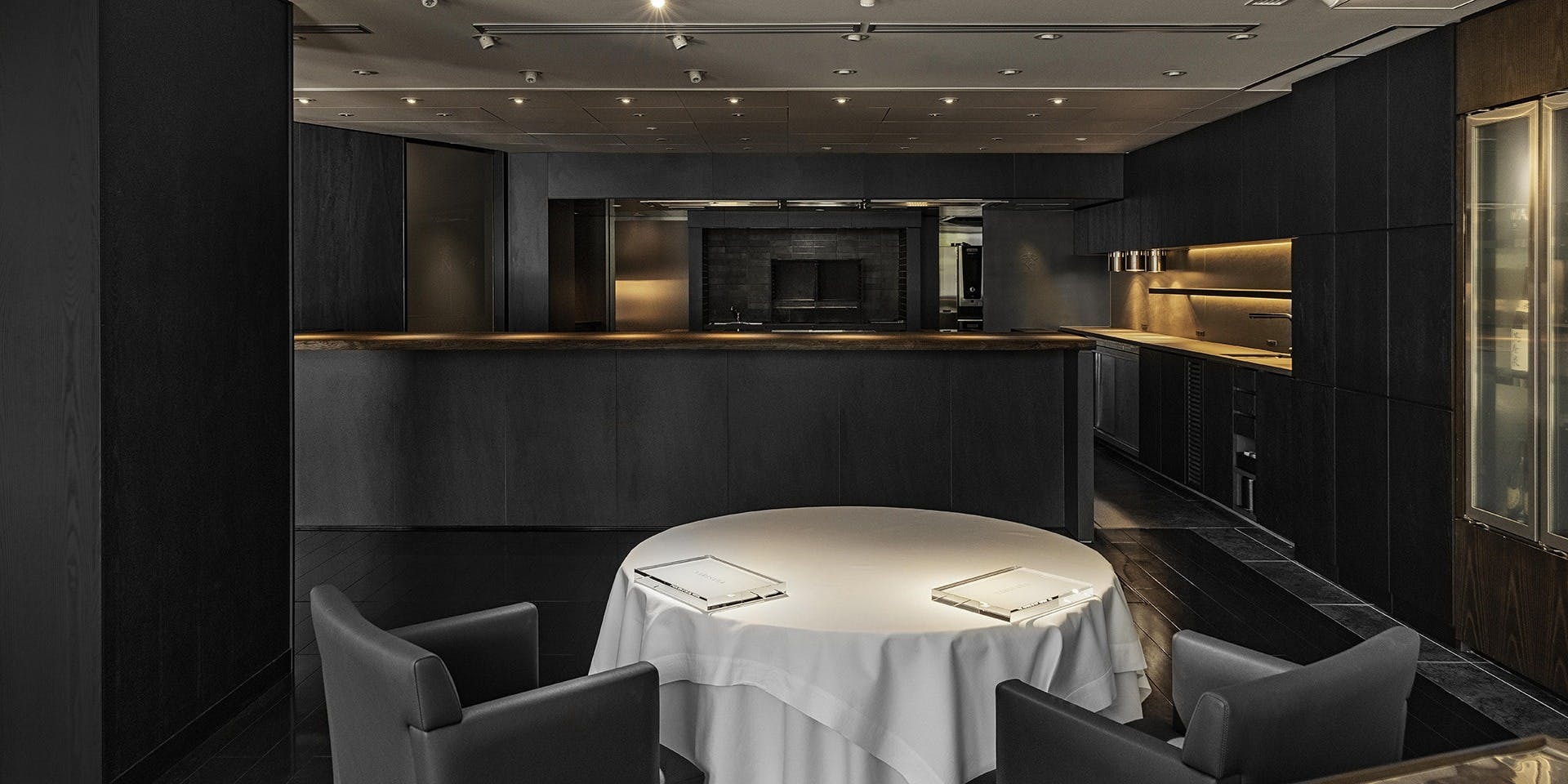
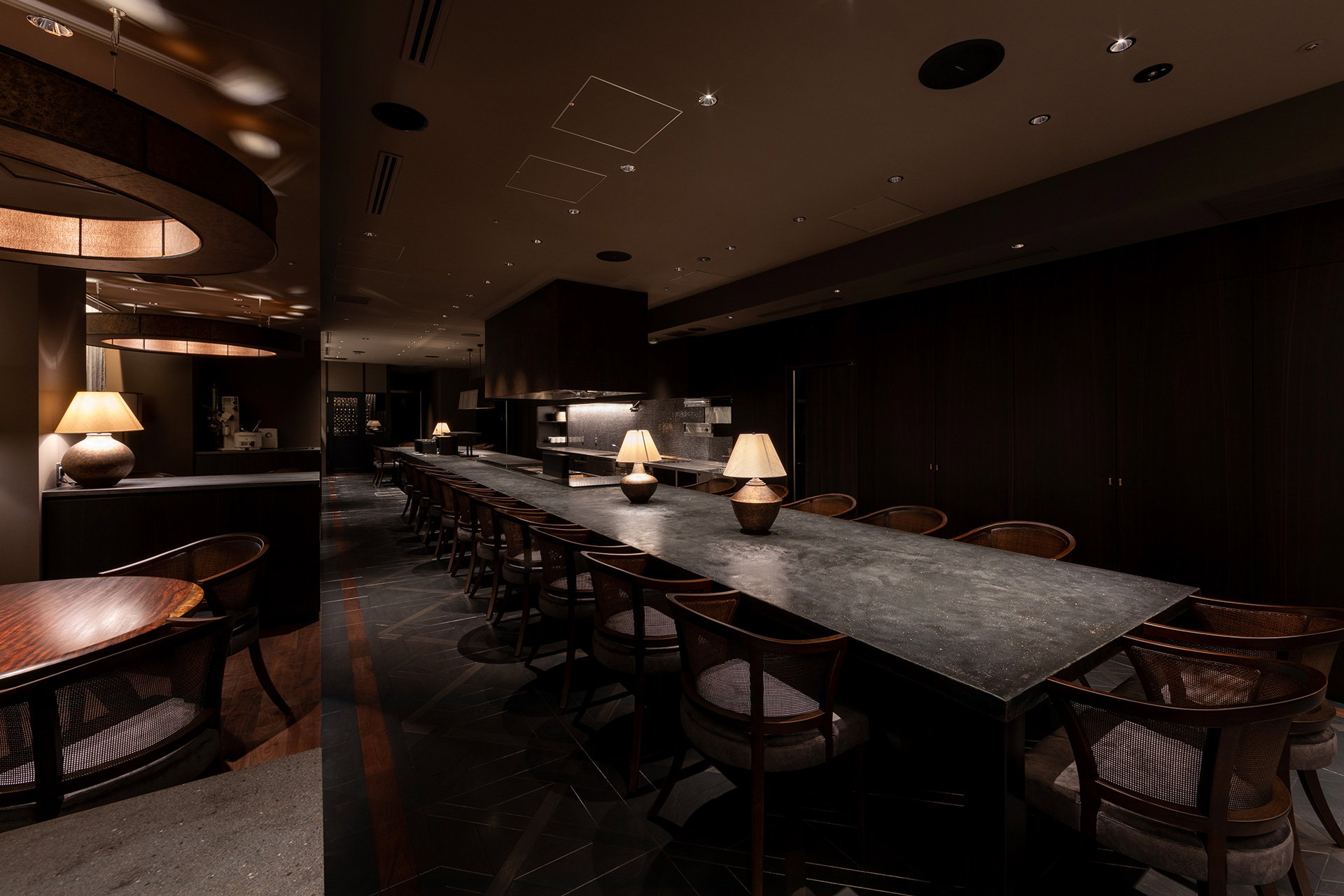
Comfortable and relaxed counter atmosphere with a boisterous, welcoming chef fostering a warm, authentic dining experience.
Tags
Vibe
Best For
Experience
At the Table
- Dress Code
- Smart Casual
- Noise Level
- Conversational
- Service Style
- Upscale Casual
- Meal Pacing
- Standard
- Capacity
- Intimate
- Kitchen
- Traditional
- Menu Format
- Omakase, Counter dining
Signature Dishes
- kohada
- kurakake tamago
- nama kinmedai
Know before you go
Know Before You Go
- Getting there
- Japan, 〒111-0032 Tokyo, Taito City, Asakusa, 3 Chome−33−9 宮下ビル 101
Planning details
Location
Japan, 〒111-0032 Tokyo, Taito City, Asakusa, 3 Chome−33−9 宮下ビル 101 · Directions
Recognition and awards
Also consider
Also Consider
- Harutaka, Sushi, ¥¥¥¥
- RyuGin, Kaiseki, Japanese, ¥¥¥¥
- L'Effervescence, French, ¥¥¥¥
- HOMMAGE, Innovtive French, French, ¥¥¥¥
- Florilège, French, ¥¥¥
Restaurant context
Sushi Kanesho sits at ¥¥¥ in a category where most Michelin-recognised counters charge ¥¥¥¥. That pricing difference is the clearest reason to book here over Harutaka, which operates at the top of the Tokyo sushi tier but requires significantly more planning and spend. If your priority is edomae craft at a more accessible price point, and you are willing to travel to Asakusa rather than Ginza, Kanesho is the better call. Harutaka is the right choice if you want starred-level recognition and have the budget to match.
Against the ¥¥¥¥ French options in the city, RyuGin, L'Effervescence, HOMMAGE, Kanesho is a different proposition entirely: tighter format, shorter service, lower spend, and a focus on a single cuisine tradition rather than a multicourse architectural build. If you are choosing between an omakase and a French tasting menu for a special dinner, the decision comes down to format preference and budget. Kanesho wins on value per course at its price tier. Florilège, also at ¥¥¥, is the closest French parallel in terms of price positioning, but the experience is structurally very different.
For the returning Tokyo visitor who has already worked through the Ginza sushi circuit, Kanesho is the most practical next booking: easier to get into than the starred counters, lower spend, and a distinct neighbourhood setting that adds context without sacrificing quality. If it is your first omakase in Tokyo and you want to start at a high but not top-tier level, Kanesho is a sound entry point.
Explore Tokyo
Around this place
Discover more on Pearl
Unlock the full Sushi Kanesho guide in Pearl, including awards, comparisons, FAQs, planning details, and nearby places.
Compare Sushi Kanesho
| Venue | Cuisine | Awards | Booking Difficulty |
|---|---|---|---|
| Sushi Kanesho | Sushi | 2026 Michelin Plate2025 Michelin Plate2024 Michelin Plate | Easy |
| Harutaka | Sushi | 2026 Tabelog Silver · #312026 OAD Top Restaurants in Japan Ranked · #1282026 Michelin 3 Stars2026 La Liste Top RestaurantsTabelog 100 - Sushi - TOKYO - 2025 · #372025 Asia's 50 Best Restaurants · #762025 OAD Top Restaurants in Japan Ranked · #1172025 La Liste Top Restaurants2025 Tabelog Bronze | Unknown |
| RyuGin | Kaiseki, Japanese | 2026 OAD Top Restaurants in Japan Ranked · #802026 Tabelog Bronze · #3772026 Michelin 3 Stars2026 La Liste Top RestaurantsTabelog 100 - Japanese cuisine - TOKYO - 2025 · #212025 OAD Top Restaurants in Japan Ranked · #542025 Michelin 3 Stars2025 La Liste Top Restaurants2025 The Best Chef Three Knives | Unknown |
| L'Effervescence | French | 2026 Tabelog Silver · #682026 OAD Top Restaurants in Japan Ranked · #103Star Wine Lists 20262026 Black Pearl 2 Diamond2026 Relais Chateaux Restaurants2026 La Liste Top Restaurants2026 Michelin 3 Stars2025 Asia's 50 Best Restaurants · #692025 OAD Top Restaurants in Japan Ranked · #92 | Unknown |
| HOMMAGE | Innovtive French, French | 2026 Tabelog Bronze · #1232026 OAD Top Restaurants in Japan Highly Recommended2026 Michelin 2 StarsTabelog 100 - French - TOKYO - 2025 · #762025 Asia's 50 Best Restaurants · #782025 OAD Top Restaurants in Japan Ranked · #1752025 Michelin 2 Stars2025 The Best Chef One Knife2025 La Liste Top Restaurants | Unknown |
| Florilège | French | 2026 Asia's 50 Best Restaurants · #312026 Tabelog Bronze · #712026 OAD Top Restaurants in Japan Ranked · #1242026 Black Pearl 1 Diamond2026 Michelin 2 Stars2026 La Liste Top Restaurants2025 Asia's 50 Best Restaurants · #172025 World's 50 Best Restaurants · #36Tabelog 100 - French - TOKYO - 2025 · #68 | Unknown |













A quick look at how Sushi Kanesho measures up.
FAQ
Frequently Asked Questions
What should I wear to Sushi Kanesho?
Smart casual is appropriate. Kanesho holds Michelin Plate recognition and operates as a serious edomae counter, so a degree of care in dress is expected, but this is Asakusa, not the Ginza corridor. You do not need a jacket or formal attire. Avoid strong perfume or cologne, which is a standard expectation at any sushi counter where the chef's sequencing is designed to be tasted precisely.
How far ahead should I book Sushi Kanesho?
One to two weeks in advance should be sufficient. Booking difficulty at Kanesho is rated Easy, which places it well below the hardest-to-book Tokyo counters. Two consecutive Michelin Plates (2024 and 2025) have raised its profile, so earlier is safer if your dates are fixed.
Is the tasting menu worth it at Sushi Kanesho?
Yes. At ¥¥¥ pricing, Watanabe's omakase delivers a structured sequence — opening with gizzard shad, moving through simmered conger eel and the distinctive kurakake egg — that reflects genuine technique and a considered point of view. That level of craft at this price tier is the core reason to book Kanesho over a more anonymous mid-range counter.
Is Sushi Kanesho worth the price?
Yes. ¥¥¥ is the right price band for what Kanesho offers: Michelin Plate recognition in two consecutive years, a chef with a documented philosophy around vinegared rice and edomae tradition, and an Asakusa address that keeps demand manageable. For ¥¥¥¥ you can access starred counters in Ginza, but you will pay significantly more and face harder bookings for a different kind of experience rather than a categorically better one.
What are alternatives to Sushi Kanesho in Tokyo?
Within the ¥¥¥ tier, Edomae Sushi Hanabusa is a direct comparison worth checking. If you want to move up to ¥¥¥¥ and the Ginza corridor, Harutaka and Sushi Kanesaka represent Michelin-starred options with harder bookings and higher prices. Sukiyabashi Jiro is frequently cited as a reference point but operates at a different tier entirely in price and reservation difficulty.
Is Sushi Kanesho good for a special occasion?
Yes, with the right expectations. Kanesho is a strong choice for a milestone dinner where quality and technique matter more than a prestige address or theatrical setting. The Michelin Plate recognition gives it credibility, and the ¥¥¥ price means the occasion does not require a ¥¥¥¥ budget. It is not a venue for celebrations that need private rooms or large groups.