.png?width=1200&quality=80)
Sushi Kagura
Sushi · Shinjuku, Tokyo
Restaurant in Tokyo, Japan
 Book with Pearl
The Read
Basics-Faithful Omakase
Price
$200–300per person
Dress
Smart Casual
Why go
Sushi Kagura in Shimbashi holds a Michelin Plate (2024 and 2025) and, delivering traditional Edomae-style sushi at ¥¥¥ — a tier below Tokyo's headline omakase counters. The structured meal progresses from delicate to more assertive flavours, making it a strong choice for diners who want careful, technique-led sushi without the access friction or cost of a two-star counter.
About Sushi Kagura
If You've Been Once, Here's Why to Go Back
A second visit to Sushi Kagura in Kagurazaka is where the experience starts to make more sense. The first time, you're calibrating — reading the room, adjusting to the pacing, figuring out what this place is. The second time, you can focus on what the chef is actually doing: building a meal that moves deliberately from delicate to more assertive flavours, each piece of nigiri shaped to reflect a philosophy rooted in fundamentals rather than flourish. If that sounds like the kind of sushi you want to eat more than once, Sushi Kagura is worth returning to.
The restaurant sits on the fourth floor of a building in Kagurazaka, Shinjuku — a neighbourhood that carries genuine character without the tourist density of some central Tokyo dining corridors. It holds a Michelin Plate in both 2024 and 2025, which signals consistent technical competence rather than experimental ambition. That distinction matters when you're deciding whether to book: this is not a venue for diners chasing cutting-edge omakase innovation. It is a venue for diners who want sushi done carefully, traceably, and without distraction.
What the Meal Actually Delivers
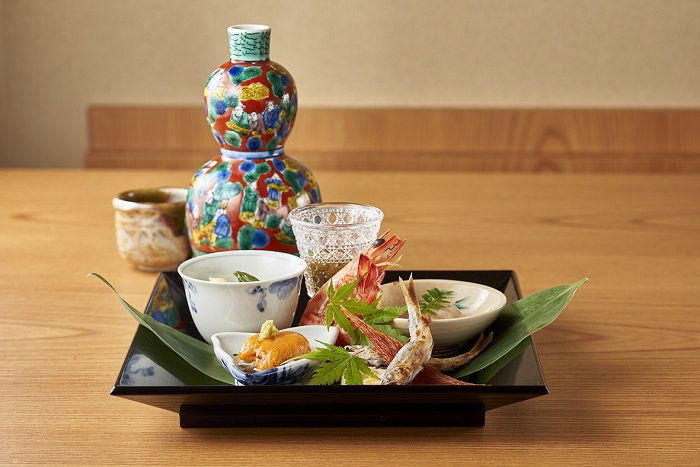
Meals at Sushi Kagura follow a structured arc: small appetisers first, then a progression through nigiri that tracks from lighter, cleaner flavours toward pieces with more depth and intensity. The chef's training at a sushi restaurant with a documented connection to the epicure Rosanjin, a figure known for uncompromising standards, informs how each piece is handled. That grounding in traditional Edomae technique means the rice, vinegar balance, and neta temperature are treated as the substance of the meal, not the backdrop to it.
For a returning visitor, this structure becomes something to read rather than simply receive. You start noticing the sequencing decisions, when the flavour weight shifts, how the appetisers prime the palate, where the chef chooses restraint over statement. That is where the value of a second visit sits: in the detail that's harder to catch when everything is new.
Lunch vs. Dinner: Which Sitting to Choose
Sushi Kagura's hours are not publicly listed in available data, so confirming whether a lunch service operates requires checking directly. That said, the general calculus for a Michelin Plate omakase-style sushi counter in Tokyo applies here: if lunch is available, it typically offers the same kitchen at a lower price point, making it the sharper value proposition for most diners. Dinner at this tier in Tokyo tends to carry a premium for the same core experience. For a regular visitor who has already done one evening meal, a lunch sitting, if confirmed, is the logical next step: same sequence, potentially lower spend, and a lighter atmosphere that suits the Kagurazaka neighbourhood.
If dinner is your only option, the neighbourhood works in your favour. Kagurazaka is walkable and quieter than Ginza or Shinjuku proper after a meal, which suits the measured pace of this kind of dining.
How It Compares
At ¥¥¥, Sushi Kagura sits a price tier below venues like Harutaka and Sushi Kanesaka, both of which carry heavier Michelin recognition and correspondingly higher spend. If your priority is maximising technical pedigree per yen and you're comfortable with a longer booking window, those venues are worth the premium. For a comparable approach to Edomae craft at a similar price point, Edomae Sushi Hanabusa is worth considering as an alternative.
Solo, Pair, or Group?
A counter format, standard for this category, suits solo diners and pairs well. Groups of three or more should confirm seat availability before booking, since smaller counters in this category often cap at what the chef can serve attentively in a single sitting. Solo dining here is a genuine option: the pacing of the meal and the proximity to the chef's work means there is always something to observe, which makes solitary visits feel purposeful rather than awkward. For solo sushi dining elsewhere in Tokyo, Hiroo Ishizaka is another counter worth knowing.
Practical Details
Reservations: Easy to book relative to higher-tier Tokyo omakase counters, book in advance to confirm your preferred date but do not expect the weeks-long waits common at Michelin-starred venues. Price tier: ¥¥¥, mid-to-upper range for Tokyo sushi; lower than two- and three-star alternatives. Location: 4F, 3 Chome-2-8, Kagurazaka, Shinjuku City, Tokyo. Dress: Not formally specified; smart casual is appropriate for this price point. Phone/website: Not publicly listed in available data, book through a reservation platform or hotel concierge.
Beyond Sushi Kagura
If you're building a Tokyo itinerary around serious dining, Sukiyabashi Jiro Roppongiten represents the apex of the traditional Edomae canon at a higher price and booking difficulty. For a different format entirely, our full Tokyo restaurants guide covers the broader field. Travellers extending into other Japanese cities should consider Gion Sasaki in Kyoto for kaiseki, HAJIME in Osaka for a contemporary Japanese approach, or Goh in Fukuoka for regional depth. For sushi outside Japan, Sushi Shikon in Hong Kong and Shoukouwa in Singapore are the strongest regional comparisons. Tokyo's wider dining and hotel scene is covered in our Tokyo hotels guide, bars guide, and experiences guide. For something closer to the main city but outside the capital, 1000 in Yokohama is worth the short trip, and akordu in Nara offers a contrasting European-Japanese register for those travelling further afield. 6 in Okinawa rounds out the national picture for serious diners planning a wider Japan trip. See also the Tokyo wineries guide for pairing context.
The Verdict
Book Sushi Kagura if you want traditional sushi done with care and traceable craft at a price point below Tokyo's headline omakase counters. The 4.9 rating and consecutive Michelin Plate recognition confirm this is not a neighbourhood filler, it is a serious counter that rewards repeat visits. If you have been once and want to go deeper, confirm whether a lunch sitting is available: it is likely the best-value way to revisit the meal.
What should a first-timer know about Sushi Kagura?
The meal is structured, appetisers first, then nigiri progressing from lighter to more intense flavours. Come hungry and don't rush the pacing. If you are new to Tokyo sushi counters generally, Sushi Kagura is a more accessible entry point than venues like Sukiyabashi Jiro Roppongiten in terms of both cost and booking difficulty.
How far ahead should I book Sushi Kagura?
Booking difficulty is rated as easy relative to the Tokyo omakase market. You do not need the weeks-long lead time required at Michelin-starred counters. That said, Kagurazaka is a popular neighbourhood and the seat count is not large, so booking a week or more in advance is sensible for weekend evenings. A hotel concierge can assist if the venue's direct booking channel is unclear.
Is Sushi Kagura good for a special occasion?
Yes, with the right expectations. The structured meal format, traditional craft emphasis, and Michelin Plate status make it a credible special-occasion choice at the ¥¥¥ tier. It will not deliver the ceremony of a two-star counter, but the experience is deliberate and considered rather than casual. For a higher-ceremony sushi occasion with a larger budget, Harutaka or Sushi Kanesaka are the natural upgrades.
Is Sushi Kagura good for solo dining?
Counter seating is the standard format for this category of sushi restaurant, which makes it well-suited to solo diners. The proximity to the chef's work and the progression of the meal give you plenty to engage. Sushi Kagura's approachable booking difficulty and mid-tier price point make it one of the more practical solo options in the Kagurazaka area. Hiroo Ishizaka is a comparable solo-friendly alternative worth knowing.
Is Sushi Kagura worth the price?
At ¥¥¥, the price-to-quality ratio is competitive within Tokyo's sushi market. The trade-off is less prestige and fewer operational frills. For diners who prioritise the quality of what's on the plate over the cachet of the booking, that is a reasonable deal. If budget is the primary constraint, a lunch sitting (if available) sharpens the value further.
Planning details
- Location
- Japan, 〒162-0825 Tokyo, Shinjuku City, Kagurazaka, 3 Chome−2−8 4階
- Website
- kagurazaka-sushi-kagura.com
- Phone
- +81 3-6228-1606
The take
The Take
The Vibe
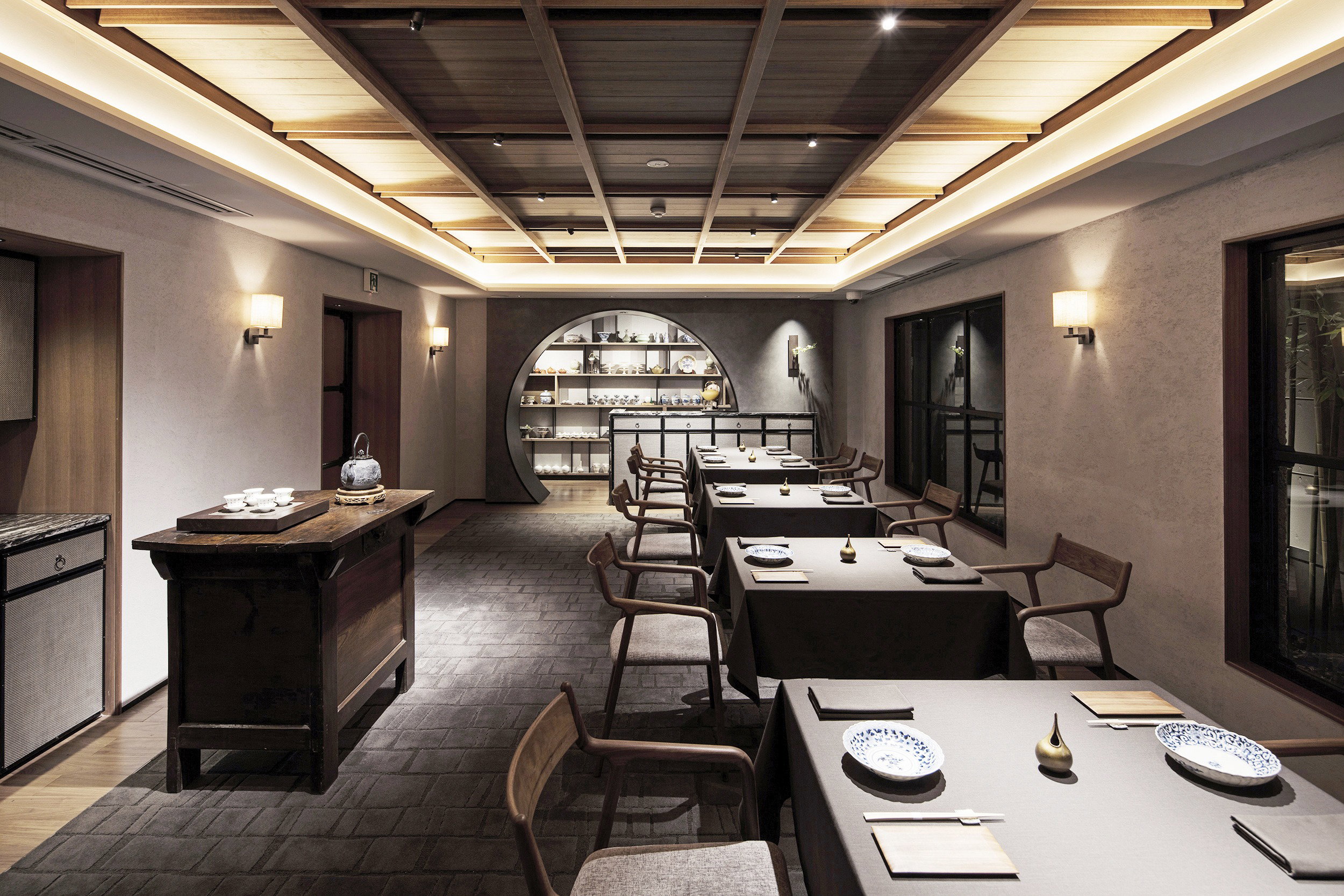
Sushi Kagura sits modestly within Kagurazaka’s narrow lanes, channeling the neighbourhood’s preserved machiya character into a focused sushi counter experience. The room reads as part of Tokyo’s second tier of serious omakase counters: unflashy, disciplined and historically minded. Training that emphasizes apprenticeship and a lineage tied to notable episodes in sushi history gives the service a rigorous, work-first sensibility. Consecuitive Michelin Plate recognition frames the counter as respected rather than theatrical—an environment where craft and restraint define the mood and the meal unfolds with quiet authority.
Best For
This is a destination for diners who want a concentrated, chef-led sushi experience: think omakase devotees, solo counter guests and couples seeking an elevated evening. The counter format and the menu’s focus on seasonal, precise seafood make it suitable for special-occasion dinners or business meals that favour attentive, restrained service. Consecutive Michelin Plate mentions signal a room that rewards those who value technique and provenance over spectacle, and the neighbourhood setting keeps the overall tone local and understated.
Ordering Tips
Choose the omakase course to experience the kitchen’s intended progression—this is the format the counter is built around. Be sure to sample signature items called out for the venue, such as sea urchin, to get a sense of the chef’s handling of delicate seafood. Expect a disciplined, chef-directed service style: follow the pacing and guidance from the counter and allow the sequence to unfold rather than asking for extensive substitutions. The room’s reputation and focused format mean the best way to judge the place is through the set course.
Venue details
Ambiance
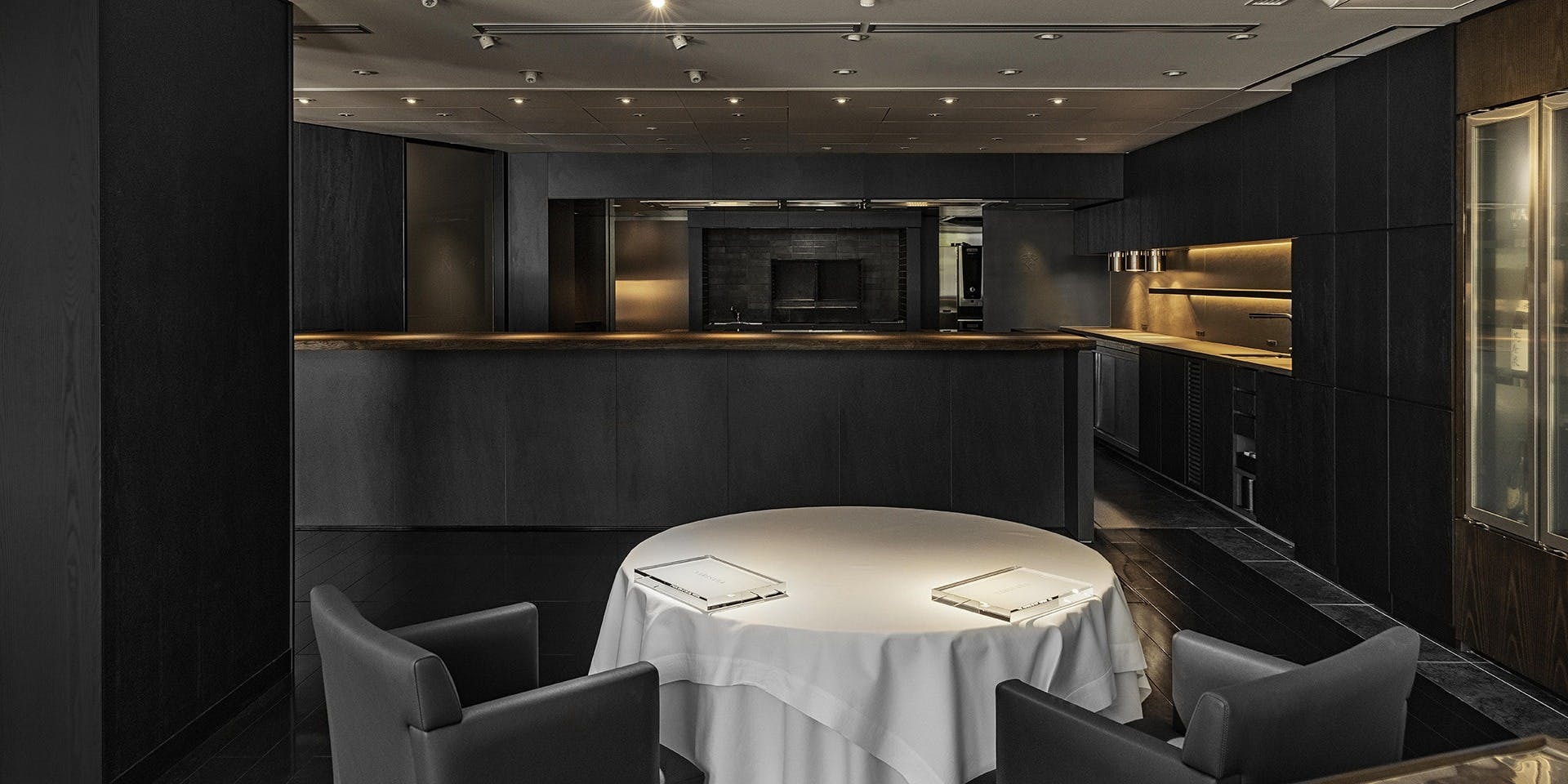
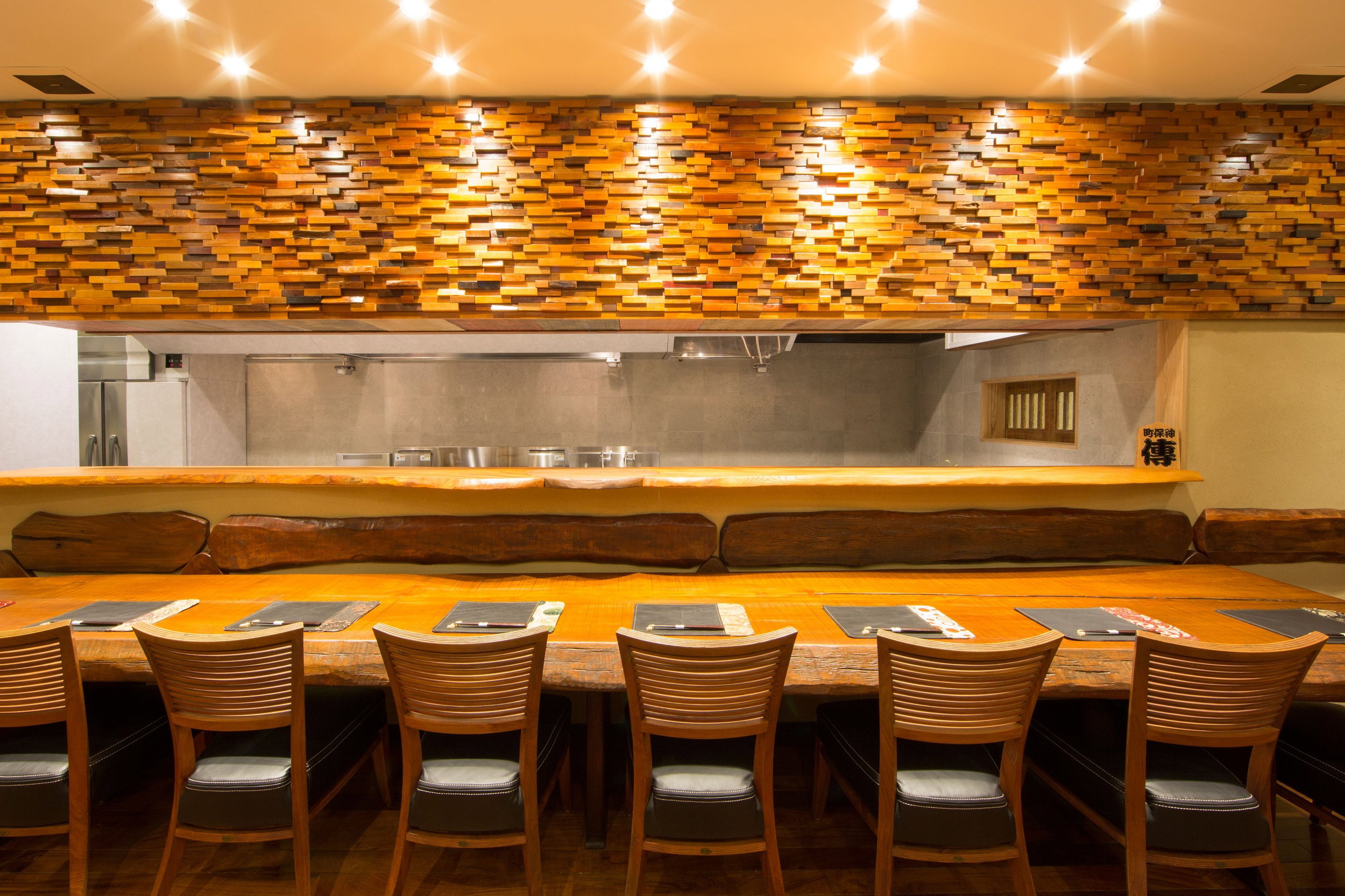
Cozy L-shaped counter with 7 seats in a quiet alley, offering a calm, leisurely, and intimate dining experience.
Tags
Vibe
Best For
Experience
At the Table
- Dress Code
- Smart Casual
- Noise Level
- Quiet
- Service Style
- Omakase Bar
- Meal Pacing
- Leisurely
- Capacity
- Intimate
- Kitchen
- Modern
- Menu Format
- Omakase, Counter dining
- Wine Program
- Curated
- Drinks Focus
- Sake program
- Dietary
- Gluten-free options, Allergy accommodating
Signature Dishes
- sea urchin
- omakase course
Know before you go
Know Before You Go
- Getting there
- Japan, 〒162-0825 Tokyo, Shinjuku City, Kagurazaka, 3 Chome−2−8 4階
Planning details
Location
Japan, 〒162-0825 Tokyo, Shinjuku City, Kagurazaka, 3 Chome−2−8 4階 · Directions
Recognition and awards
Also consider
Also Consider
- Harutaka, Sushi, ¥¥¥¥
- RyuGin, Kaiseki, Japanese, ¥¥¥¥
- L'Effervescence, French, ¥¥¥¥
- HOMMAGE, Innovtive French, French, ¥¥¥¥
- Florilège, French, ¥¥¥
Restaurant context
Sushi Kagura at ¥¥¥ occupies a distinct position in the Tokyo dining field: it offers Michelin-recognised sushi craft without the ¥¥¥¥ price tag or competitive booking window of venues like Harutaka. Harutaka is the stronger choice if you want maximum technical prestige and are prepared to book well in advance and spend more, but for diners who want a serious, traditional sushi counter at a more accessible price, Sushi Kagura delivers a comparable format at a lower cost.
If you're weighing sushi against other high-end formats, RyuGin at ¥¥¥¥ offers a kaiseki approach that covers far more culinary ground than a sushi counter, and is the right choice if you want a single showpiece meal in Tokyo rather than a focused sushi experience. For French at the same ¥¥¥¥ tier, both L'Effervescence and HOMMAGE are worth considering if the cuisine format matters more than staying within Japanese cooking. Florilège matches Sushi Kagura's ¥¥¥ price tier and offers a French format with strong critical credentials, a direct comparison if you're deciding between sushi and contemporary French at a similar spend level.
The practical summary: book Sushi Kagura for traditional sushi at a mid-upper price with easy access. Book Harutaka if prestige and technical ceiling are the priority and budget is secondary. Choose RyuGin if you want a single, format-spanning tasting experience. Florilège is the closest like-for-like alternative in price if you're open to French rather than Japanese.
Explore Tokyo
Around this place
Discover more on Pearl
Unlock the full Sushi Kagura guide in Pearl, including awards, comparisons, FAQs, planning details, and nearby places.
Compare Sushi Kagura
| Venue | Price | Awards |
|---|---|---|
| Sushi Kagura | ¥¥¥ | 2026 Michelin Plate2025 Michelin Plate2024 Michelin Plate |
| Harutaka | ¥¥¥¥ | 2026 Tabelog Silver · #312026 OAD Top Restaurants in Japan Ranked · #1282026 Michelin 3 Stars2026 La Liste Top RestaurantsTabelog 100 - Sushi - TOKYO - 2025 · #372025 Asia's 50 Best Restaurants · #762025 OAD Top Restaurants in Japan Ranked · #1172025 La Liste Top Restaurants2025 Tabelog Bronze |
| RyuGin | ¥¥¥¥ | 2026 OAD Top Restaurants in Japan Ranked · #802026 Tabelog Bronze · #3772026 Michelin 3 Stars2026 La Liste Top RestaurantsTabelog 100 - Japanese cuisine - TOKYO - 2025 · #212025 OAD Top Restaurants in Japan Ranked · #542025 Michelin 3 Stars2025 La Liste Top Restaurants2025 The Best Chef Three Knives |
| L'Effervescence | ¥¥¥¥ | 2026 Tabelog Silver · #682026 OAD Top Restaurants in Japan Ranked · #103Star Wine Lists 20262026 Black Pearl 2 Diamond2026 Relais Chateaux Restaurants2026 La Liste Top Restaurants2026 Michelin 3 Stars2025 Asia's 50 Best Restaurants · #692025 OAD Top Restaurants in Japan Ranked · #92 |
| HOMMAGE | ¥¥¥¥ | 2026 Tabelog Bronze · #1232026 OAD Top Restaurants in Japan Highly Recommended2026 Michelin 2 StarsTabelog 100 - French - TOKYO - 2025 · #762025 Asia's 50 Best Restaurants · #782025 OAD Top Restaurants in Japan Ranked · #1752025 Michelin 2 Stars2025 The Best Chef One Knife2025 La Liste Top Restaurants |
| Florilège | ¥¥¥ | 2026 Asia's 50 Best Restaurants · #312026 Tabelog Bronze · #712026 OAD Top Restaurants in Japan Ranked · #1242026 Black Pearl 1 Diamond2026 Michelin 2 Stars2026 La Liste Top Restaurants2025 Asia's 50 Best Restaurants · #172025 World's 50 Best Restaurants · #36Tabelog 100 - French - TOKYO - 2025 · #68 |













How Sushi Kagura stacks up against the competition.
FAQ
Frequently Asked Questions
What should a first-timer know about Sushi Kagura?
Expect a structured, chef-led meal: small appetisers first, then a nigiri progression that moves from lighter to more assertive flavours. The chef trained at a storied sushi house with a philosophy grounded in fundamentals, so each piece reflects technique over flourish. At ¥¥¥, this is a price tier below Tokyo's most decorated counters, which makes it a reasonable entry point for traditional omakase. Come focused — this format rewards attention, not conversation.
How far ahead should I book Sushi Kagura?
Book in advance to secure your preferred date, but Sushi Kagura is easier to reserve than headline Tokyo counters like Harutaka or Sushi Kanesaka, which often require months of lead time. A few weeks out is typically sufficient. Confirm hours directly with the restaurant, as service times are not publicly listed.
Is Sushi Kagura good for a special occasion?
Yes, for the right kind of occasion. The structured omakase format — appetisers into a full nigiri progression — gives the meal a natural sense of ceremony, and the Kagurazaka setting adds to that. At ¥¥¥, it is more accessible than Michelin-starred alternatives, so it works well for a celebration where the focus is craft and intimacy rather than prestige signalling.
Is Sushi Kagura good for solo dining?
Counter-format sushi is one of the few dining categories where solo genuinely works better than group. You get direct sightlines to the chef, a seat without negotiation, and the full arc of the meal at your own pace. Pairs also work well; groups of three or more should confirm availability before assuming seats can be held together.
Is Sushi Kagura worth the price?
At ¥¥¥, it sits below Tokyo counters carrying heavier Michelin recognition, and the Michelin Plate awards in both 2024 and 2025 confirm it clears a quality threshold worth acknowledging. If you want traditional omakase with traceable craft and a philosophy grounded in basics, it delivers a fair exchange. If Michelin stars and maximum prestige are the criteria, Harutaka or Sushi Kanesaka are higher-rated options at a higher price.