.png?width=1200&quality=80)
Sushi Ikki
Sushi · Setagaya, Tokyo
Restaurant in Tokyo, Japan
 Book with Pearl
The Read
Sushi-Plus Omakase
Price
¥¥¥
Dress
Smart Casual
Why go
Sushi Ikki is a Michelin Plate-recognised omakase counter in Shibuya that delivers more range than its ¥¥¥ price tier suggests. The chef blends traditional sushi-shop snacks with broader Japanese cooking influences, including baked goma tofu, and is rated easy to book — a real advantage in Tokyo. A practical first choice for first-timers who want a credible omakase without the top-tier pricing or booking complexity.
About Sushi Ikki
A ¥¥¥ omakase that punches above its price tier — if you can find it
At the ¥¥¥ price point, Sushi Ikki in Shibuya sits below the top-tier omakase rooms Tokyo is known for, and that gap in price does not mean a gap in ambition. This is a counter worth booking specifically because it refuses to act like a budget concession. The chef has built a menu that balances traditional sushi-shop snacks with more considered additions, including baked goma tofu made from ground sesame paste — a detail that signals real range rather than a kitchen staying narrowly in its lane. For a first-timer trying to understand what Tokyo sushi at this tier actually delivers, Sushi Ikki is a strong starting point.
Michelin awarded the restaurant its Plate recognition in both 2024 and 2025, not a star, but a meaningful signal that the inspectors found the cooking worth flagging. At the ¥¥¥ level, that kind of recognition is competitive. You are not paying for a three-hour ceremony or a rarified counter with a three-year waitlist. You are paying for a chef who is, by his own working method, constantly refining the relationship between sushi rice and toppings, a pursuit that sounds simple and is not.
What the menu is actually doing
The structure of the meal at Sushi Ikki is described as a judicious balance of sushi and snacks. That word, judicious, is doing real work here. Many omakase counters at this price tier default to volume: a run of nigiri, something fried, a soup, done. The chef at Sushi Ikki draws on training across disciplines of Japanese cuisine to bring in snack formats that would be at home in a different kind of counter entirely. The baked goma tofu is the most specific data point available, and it points to a kitchen that is thinking about flavour transitions, not just fish quality alone.
The location itself carries a layer of meaning that affects how the counter feels: the chef chose Shibuya's 1-5-9 address because it was where he studied sushi on his days off. That background story is relevant to a first-timer not as sentimentality but as a signal about commitment. A chef who returns to a neighbourhood because of what it meant during his formation is likely running a tighter, more personal operation than one who picked a postcode for foot traffic.
How to think about booking
Booking difficulty is rated easy, which is genuinely useful information in a city where the leading sushi counters, Harutaka, Sukiyabashi Jiro Roppongiten, Sushi Kanesaka, are genuinely difficult to access without contacts or significant lead time. Sushi Ikki does not require that infrastructure. For a first-timer planning a Tokyo dining itinerary, the practical advice is to book a few weeks in advance rather than months, and to treat this as an accessible entry point into the city's omakase culture rather than a compromise choice.
Exact hours and the booking method are not confirmed in Pearl's current data. Contact the restaurant directly or use a service like Tableall or Omakase to approach reservation. Shibuya is one of Tokyo's most connected transit hubs, so getting to the 1-5-9 address is not a logistical problem from most parts of the city.
Who should book and who should look elsewhere
Book Sushi Ikki if you are a first-timer who wants a credible omakase experience in Tokyo without the booking complexity or the top-tier price of Edomae Sushi Hanabusa or Hiroo Ishizaka. The Michelin Plate recognition across two consecutive years gives you a quality floor to trust. The chef's approach, mixing sushi with broader Japanese snack formats, also makes the meal more interesting for someone who has already done a direct nigiri-only counter and wants more texture in the progression.
If your priority is the full ceremony of a starred omakase, this is not the right counter. The ¥¥¥ tier is honest about what it is: high-quality execution at a level below the room where Michelin stars live in Tokyo. That is not a criticism, it is a useful positioning note. For a broader map of where Sushi Ikki fits in Tokyo's dining options, see our full Tokyo restaurants guide. If you are also planning the rest of your trip, our full Tokyo hotels guide, our full Tokyo bars guide, and our full Tokyo experiences guide are practical next stops.
For comparable sushi experiences elsewhere in Japan, Goh in Fukuoka and Gion Sasaki in Kyoto offer different regional takes. If you are extending to other cities, HAJIME in Osaka and akordu in Nara are worth knowing. For sushi outside Japan, Sushi Shikon in Hong Kong and Shoukouwa in Singapore are the regional benchmarks. Closer to Tokyo, 1000 in Yokohama and 6 in Okinawa round out the wider picture.
Know Before You Go
- Price tier: ¥¥¥, accessible for Tokyo omakase without reaching the top-tier price ceiling
- Address: 1-5-9 Shibuya, Shibuya-ku, Tokyo, 150-0002
- Booking difficulty: Easy, no specialist contacts or months-long lead time required
- Lead time: A few weeks ahead is sufficient; no need for the multi-month planning required at starred counters
- Recognition: Michelin Plate 2024 and 2025
- Menu format: Omakase, a balance of sushi and Japanese snack courses
- Dress code: Not confirmed; smart casual is a safe default for an omakase counter in Shibuya
- Hours: Not confirmed, contact directly before visiting
- Getting there: Shibuya Station is one of Tokyo's major transit hubs; the address is walkable from multiple exits
Planning details
- Location
- 1-5-9 Shibuya, Shibuya-ku, Tokyo, 150-0002, Japan
- Phone
- +81 3-6413-6168
The take
The Take
The Vibe
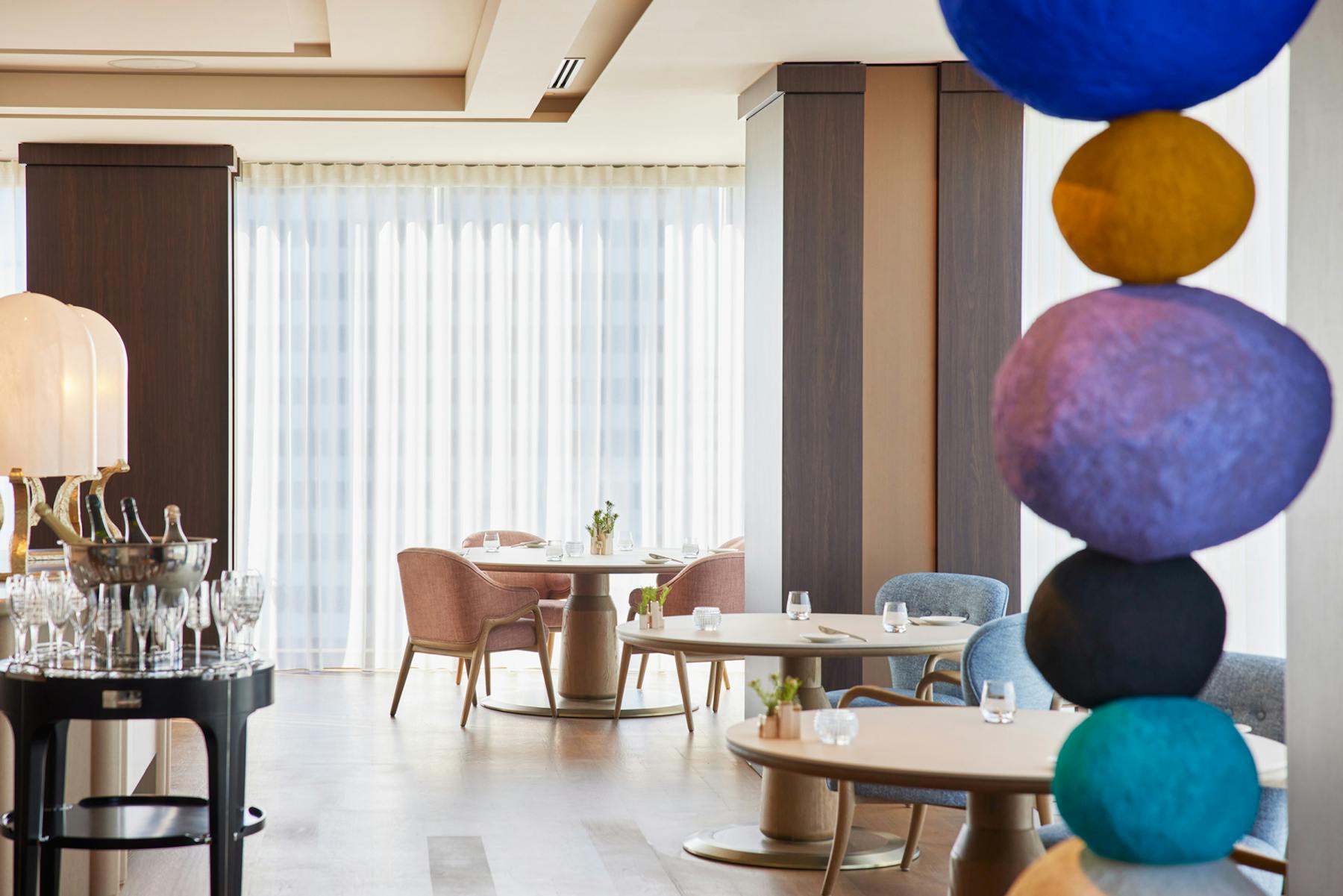
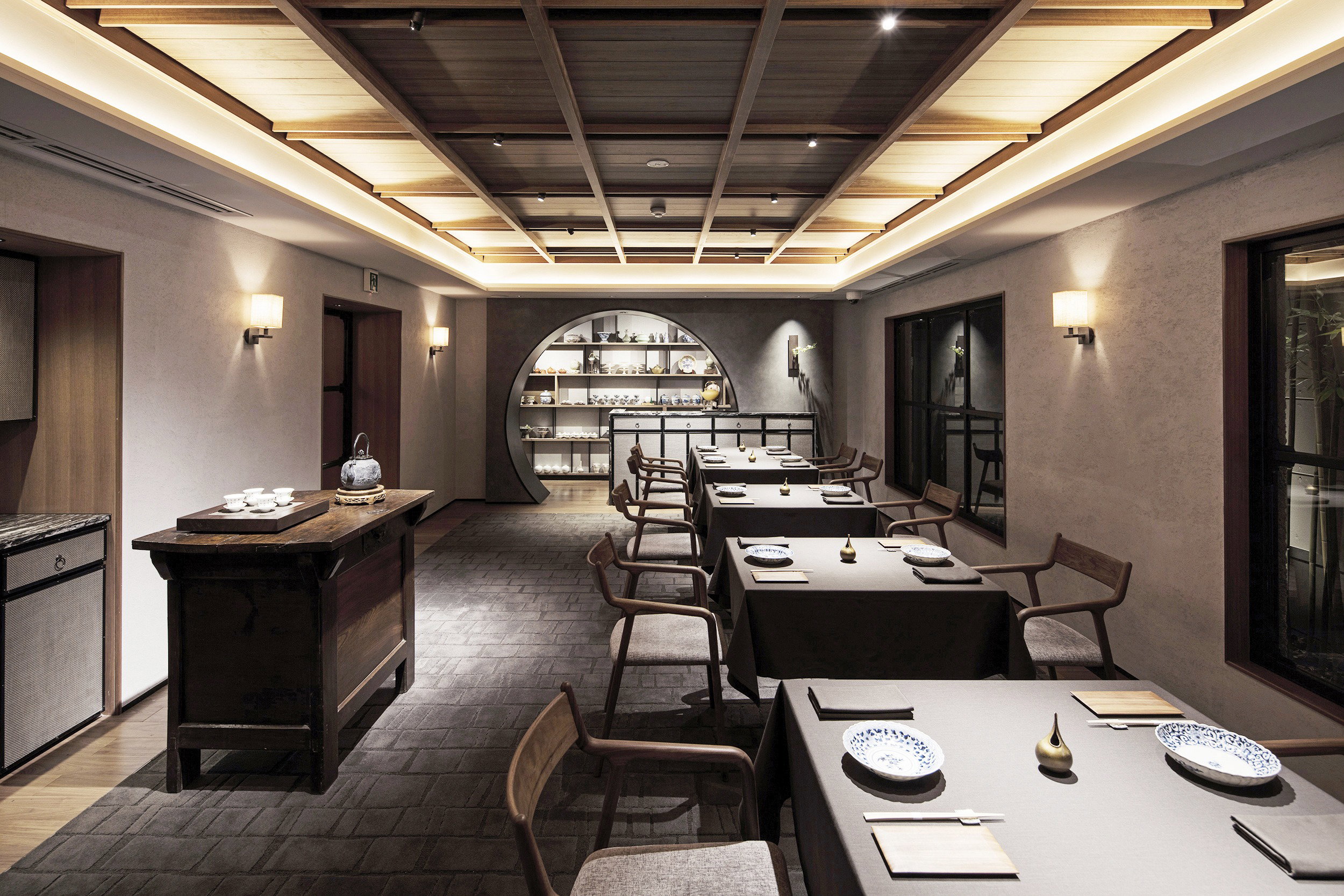
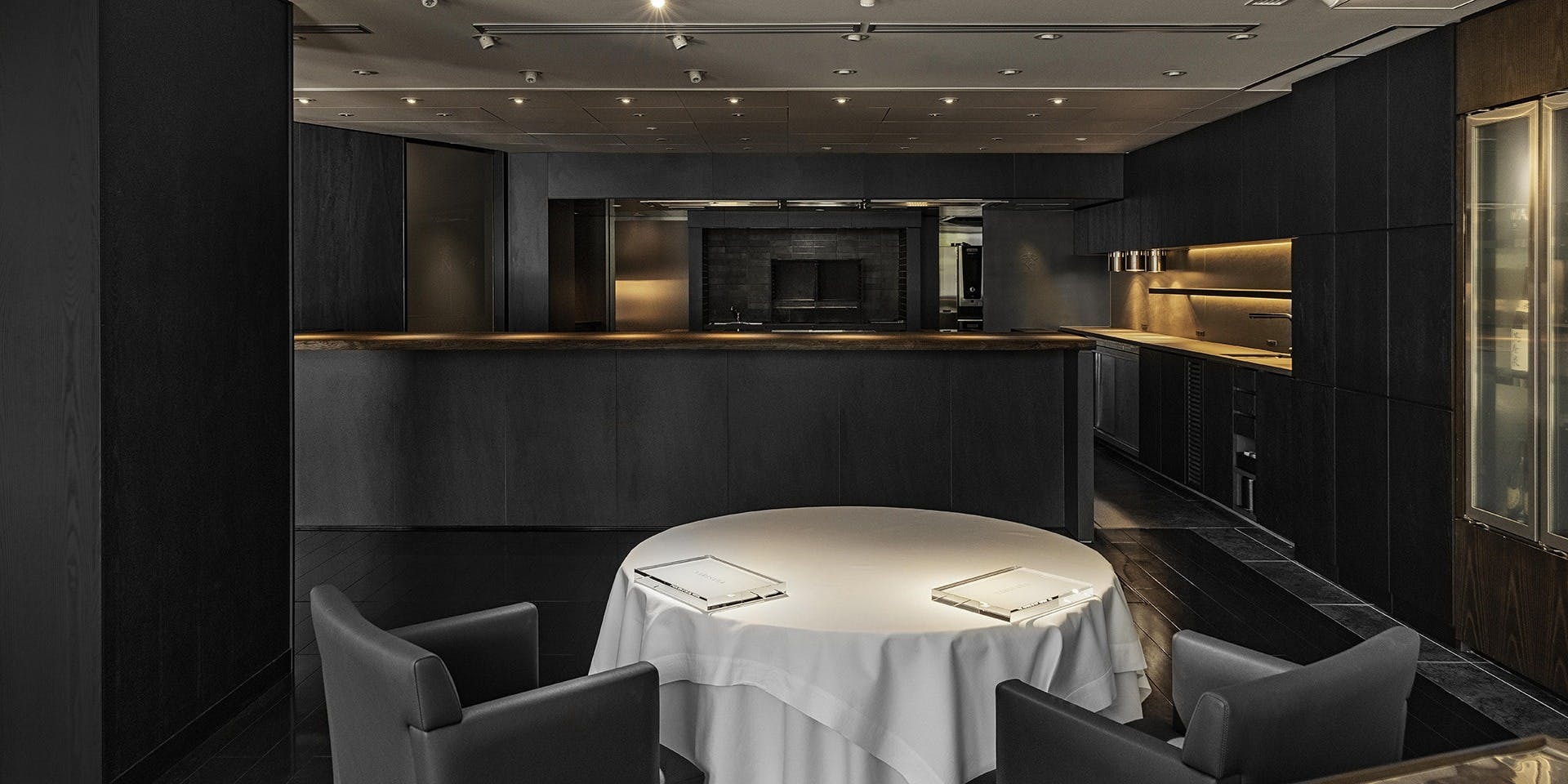
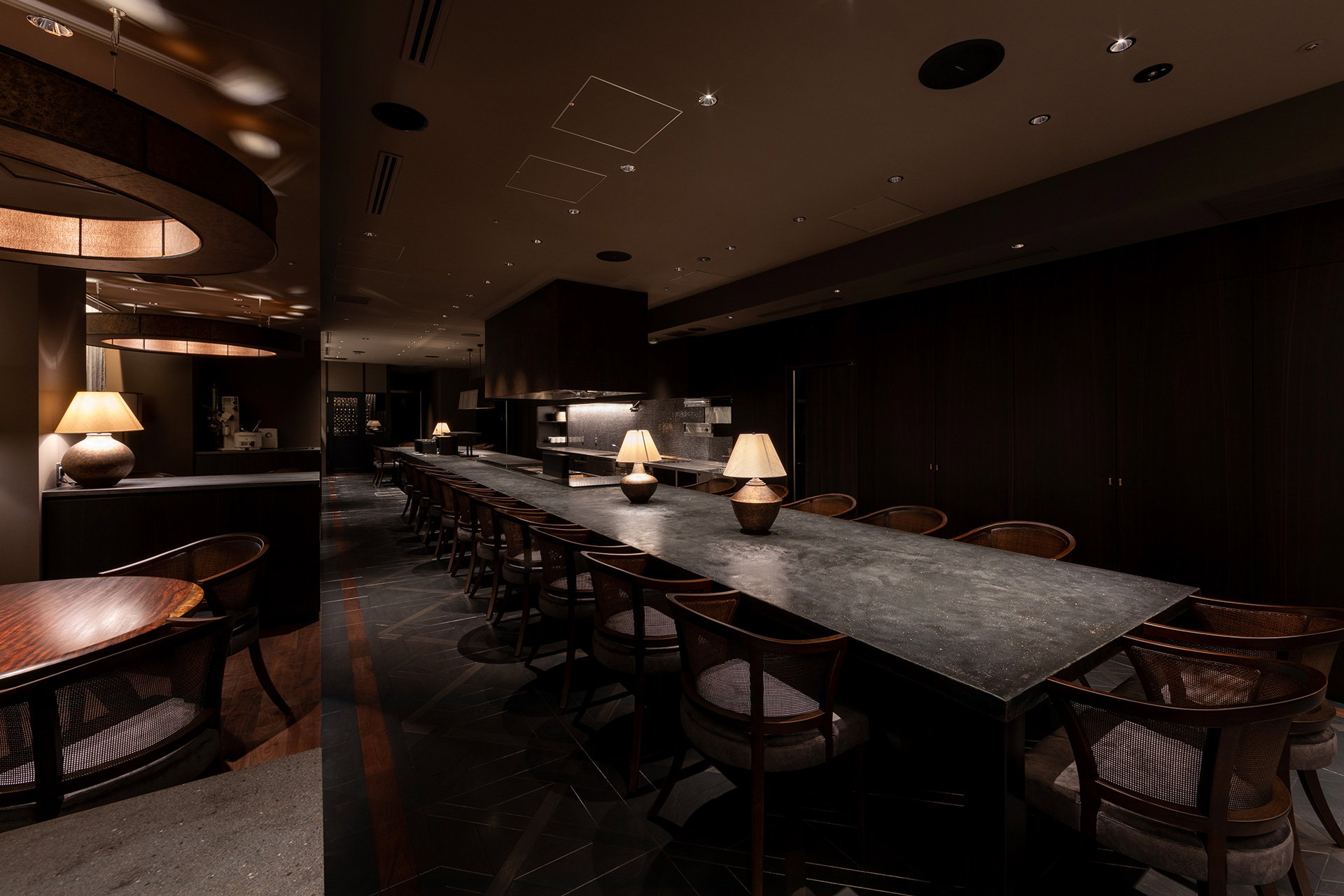
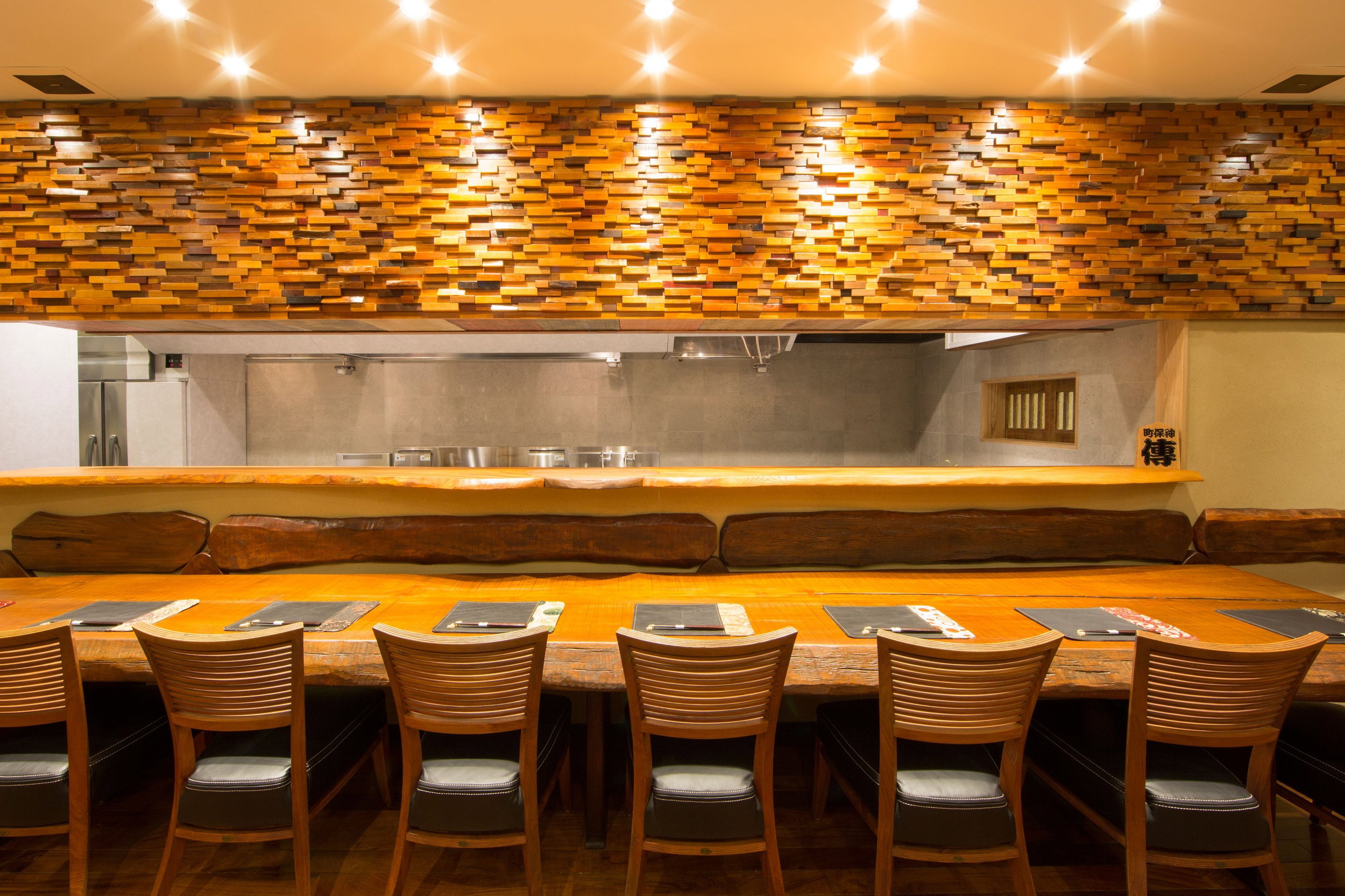
Sushi Ikki presents a restrained, classic sushi-counter atmosphere that leans into the intimate intensity of omakase rather than theatrical presentation. The room reads like a neighborhood counter in Shibuya: compact and familiar, where the chef recognizes regulars and the focus stays squarely on the sequence of fish and rice. It favors careful technique and thoughtful pacing over spectacle, and that sense of quiet attention—paired with Michelin Plate recognition—gives the space a quietly confident, cozy character rather than flamboyant flash.
Best For
This spot suits diners who want serious, chef-driven sushi without the financial commitment of Ginza’s top-tier counters. The omakase at Sushi Ikki sits in a ¥¥¥ bracket and carries Michelin Plate recognition, making it a smart choice for date nights, business dinners, or special-occasion meals where quality and coherence matter more than ceremony. It also appeals to locals and repeat customers who appreciate a counter that feels familiar and attentive rather than performed for a transient crowd.
Ordering Tips
Treat the meal as a contract: you relinquish the menu to the chef and accept the sequence they craft. The review emphasizes that at this price tier the service is 'less ceremonial but no less considered,' so trust the chef to build a coherent progression of nigiri rather than picking à la carte. Expect a focused counter experience centered on timing and technique; come prepared to be guided through a concise sequence rather than a la carte choices.
Venue details
Ambiance
Calm and intimate interior with relaxing space and counter seating.
Tags
Vibe
Best For
Experience
Sourcing
At the Table
- Dress Code
- Smart Casual
- Noise Level
- Quiet
- Service Style
- Upscale Casual
- Meal Pacing
- Leisurely
- Capacity
- Intimate
Know before you go
Know Before You Go
- Getting there
- 1-5-9 Shibuya, Shibuya-ku, Tokyo, 150-0002, Japan
Planning details
Location
1-5-9 Shibuya, Shibuya-ku, Tokyo, 150-0002, Japan · Directions
Recognition and awards
Also consider
Also Consider
- Harutaka, Sushi, ¥¥¥¥
- RyuGin, Kaiseki, Japanese, ¥¥¥¥
- L'Effervescence, French, ¥¥¥¥
- HOMMAGE, Innovtive French, French, ¥¥¥¥
- Florilège, French, ¥¥¥
Restaurant context
How It Compares
Sushi Ikki sits at ¥¥¥ with Michelin Plate recognition, a different category to Harutaka, which operates at ¥¥¥¥ with a significantly harder booking process and a more ceremonialized counter experience. If your priority is the prestige of a starred or near-starred sushi counter, Harutaka is the step up from here. But if you are a first-timer weighing whether to spend the extra money and lead time on a top-tier room, Sushi Ikki makes a strong case: Michelin vetted it twice, the format is genuine omakase, and you can actually get a reservation without months of planning or a Japanese-speaking contact.
Comparing across cuisine types, RyuGin, L'Effervescence, and HOMMAGE all operate at ¥¥¥¥ and offer more elaborate multi-course formats. Those are better choices if you want a longer, more theatrical meal and are willing to pay and plan accordingly. Florilège matches Sushi Ikki on price tier (¥¥¥) but is a French kitchen, a different decision entirely depending on whether you are prioritising Japanese cuisine while in Tokyo.
The most useful way to frame the comparison: Sushi Ikki is the right booking if accessibility and value are your criteria, and you want sushi specifically. If you are willing to spend more and plan further ahead, the ¥¥¥¥ counters offer more ceremony and, typically, harder-to-source fish. For a first Tokyo visit where you want one strong omakase experience without the logistics of the top tier, Sushi Ikki is a more practical choice than most of the rooms above it on price.
Explore Tokyo
Around this place
Discover more on Pearl
Unlock the full Sushi Ikki guide in Pearl, including awards, comparisons, FAQs, planning details, and nearby places.
Compare Sushi Ikki
| Venue | Cuisine | Awards | Booking Difficulty |
|---|---|---|---|
| Sushi Ikki | Sushi | 2026 Michelin Plate2025 Michelin Plate2024 Michelin Plate | Easy |
| Harutaka | Sushi | 2026 Tabelog Silver · #312026 OAD Top Restaurants in Japan Ranked · #1282026 Michelin 3 Stars2026 La Liste Top RestaurantsTabelog 100 - Sushi - TOKYO - 2025 · #372025 Asia's 50 Best Restaurants · #762025 OAD Top Restaurants in Japan Ranked · #1172025 La Liste Top Restaurants2025 Tabelog Bronze | Unknown |
| RyuGin | Kaiseki, Japanese | 2026 OAD Top Restaurants in Japan Ranked · #802026 Tabelog Bronze · #3772026 Michelin 3 Stars2026 La Liste Top RestaurantsTabelog 100 - Japanese cuisine - TOKYO - 2025 · #212025 OAD Top Restaurants in Japan Ranked · #542025 Michelin 3 Stars2025 La Liste Top Restaurants2025 The Best Chef Three Knives | Unknown |
| L'Effervescence | French | 2026 Tabelog Silver · #682026 OAD Top Restaurants in Japan Ranked · #103Star Wine Lists 20262026 Black Pearl 2 Diamond2026 Relais Chateaux Restaurants2026 La Liste Top Restaurants2026 Michelin 3 Stars2025 Asia's 50 Best Restaurants · #692025 OAD Top Restaurants in Japan Ranked · #92 | Unknown |
| HOMMAGE | Innovtive French, French | 2026 Tabelog Bronze · #1232026 OAD Top Restaurants in Japan Highly Recommended2026 Michelin 2 StarsTabelog 100 - French - TOKYO - 2025 · #762025 Asia's 50 Best Restaurants · #782025 OAD Top Restaurants in Japan Ranked · #1752025 Michelin 2 Stars2025 The Best Chef One Knife2025 La Liste Top Restaurants | Unknown |
| Florilège | French | 2026 Asia's 50 Best Restaurants · #312026 Tabelog Bronze · #712026 OAD Top Restaurants in Japan Ranked · #1242026 Black Pearl 1 Diamond2026 Michelin 2 Stars2026 La Liste Top Restaurants2025 Asia's 50 Best Restaurants · #172025 World's 50 Best Restaurants · #36Tabelog 100 - French - TOKYO - 2025 · #68 | Unknown |













How Sushi Ikki stacks up against the competition.
FAQ
Frequently Asked Questions
How far ahead should I book Sushi Ikki?
Booking difficulty is rated easy by Pearl, which is rare for a Michelin-recognised omakase counter in Tokyo. A week or two out should be sufficient in most cases, though visiting during peak travel periods warrants more lead time. If you have struggled to land a seat at counters like Harutaka, Sushi Ikki is a practical alternative that does not require the same planning effort.
What should a first-timer know about Sushi Ikki?
The meal is structured as a balance of traditional sushi and snacks, including dishes like baked goma tofu made with ground sesame paste — so expect more than a straight sushi progression. The chef draws on broader Japanese culinary knowledge, which gives the menu range without straying from a sushi-shop sensibility. At the ¥¥¥ price point with a Michelin Plate recognition in both 2024 and 2025, this is a credible entry point into Tokyo omakase without the financial or logistical pressure of the city's top-tier rooms.
Is Sushi Ikki good for solo dining?
A sushi counter format is one of the better settings for solo dining in Tokyo — you eat at the counter, the pacing is set by the chef, and there is no awkwardness around table sizes. Sushi Ikki fits that format. The ¥¥¥ price tier also makes a solo booking easier to justify than a top-tier omakase room where the per-head cost can be two or three times higher.
What should I wear to Sushi Ikki?
Dress code details are not specified in available venue data, but a sushi counter at the ¥¥¥ tier in Shibuya generally calls for neat, presentable clothing rather than formal wear. Avoid overpowering fragrances, which is standard etiquette at any serious sushi counter in Japan where subtle fish and rice aromas are part of the experience.