
Sumibikappo SHIROSAKA
Japanese · Minato, Tokyo
Restaurant in Tokyo, Japan
 Book with Pearl
The Read
Bincho-Grilled Kappo
Price
¥¥¥
Dress
Smart Casual
Why go
Sumibikappo SHIROSAKA in Akasaka delivers charcoal-forward kappo cooking shaped by chef Hideki Ii's time cooking abroad in Sydney and New York. The result is a menu that pairs bincho-grilled wagyu and eel with caviar-topped uni and tuna — more creative range than most kappo rooms at this price tier. At ¥¥¥ with easy booking, it's a practical choice before the harder-to-access ¥¥¥¥ rooms on your Tokyo list.
About Sumibikappo SHIROSAKA
Verdict
If you want a single venue in Tokyo that combines kappo-style charcoal cooking with genuine international technique, Sumibikappo SHIROSAKA in Akasaka is the clearest answer. It sits a price tier below RyuGin and Harutaka Book here if you want bincho charcoal-grilled wagyu and eel alongside caviar-topped uni and tuna, served by a chef whose cooking was shaped in Sydney and New York as much as in Tokyo. Skip it if you want the strict formality of a multi-Michelin kaiseki room.
About Sumibikappo SHIROSAKA
Akasaka sits between the political weight of Nagatacho and the after-hours energy of Roppongi, and SHIROSAKA's position in this neighbourhood matters for timing. It draws a crowd that spans business diners finishing late and food-focused visitors who've already done the obvious tasting rooms. The atmosphere skews composed rather than loud — bincho charcoal cooking is by nature a slow, low-heat process, and the room takes on that rhythm. This is not a venue for a quick bite; plan for a full evening.
The cooking logic here is worth understanding before you book. Owner-chef Hideki Ii runs what the venue describes as sumibi kappo, charcoal-centred counter cooking where seasonal ingredients are grilled over bincho charcoal at low heat to draw out fragrance rather than impose it. That technique is the anchor, but the menu is structured with considerably more freedom than a traditional kappo sequence. A hassun platter might include spring rolls and roasted pork fillet alongside more expected Japanese elements. The Cold Tuna and Uni comes with gelatinised dashi and caviar, a dish that signals how Ii uses classical Japanese foundations and adds layers borrowed from his time cooking abroad. For food-focused visitors who've built itineraries around Kagurazaka Ishikawa or Azabu Kadowaki, SHIROSAKA offers a usefully different angle: less ceremony, more direct expression of the chef's accumulated reference points.
The meal structure moves through seafood appetisers, hassun, broiled seafood, charcoal grills of eel and wagyu, and finishes with handmade soba or rice in clay pots, the latter available on request. That last detail is worth noting: if you want the rice course, ask when you book or early in the meal. The bincho charcoal aroma carries through the meal as a consistent sensory thread rather than a single highlight, which makes the pacing feel cohesive even when individual dishes pull in different directions.
Ideal time to visit
SHIROSAKA makes most sense mid-week in the evening, when Akasaka's business-district energy has settled and the room operates at its intended pace. Late-evening seatings suit the format well, kappo dining is designed to unfold slowly, and arriving after 8 PM puts you in step with how Tokyo's counter restaurants genuinely work. If you're planning a Japan trip that also takes in Gion Sasaki in Kyoto or HAJIME in Osaka, SHIROSAKA works well as a Tokyo opener rather than a closer, it calibrates your expectations for charcoal-forward cooking without the full weight of a top-tier kaiseki bill.
Seasonal ingredients drive the menu, so visiting in autumn or spring gives you the widest range of what Ii does well with the grill. Summer menus lean toward cold preparations and lighter seafood; winter brings richer wagyu and earthier courses. Hours are not confirmed in our database, contact the venue directly to confirm service times and late seating availability before planning around it.
Solo Dining and Group Fit
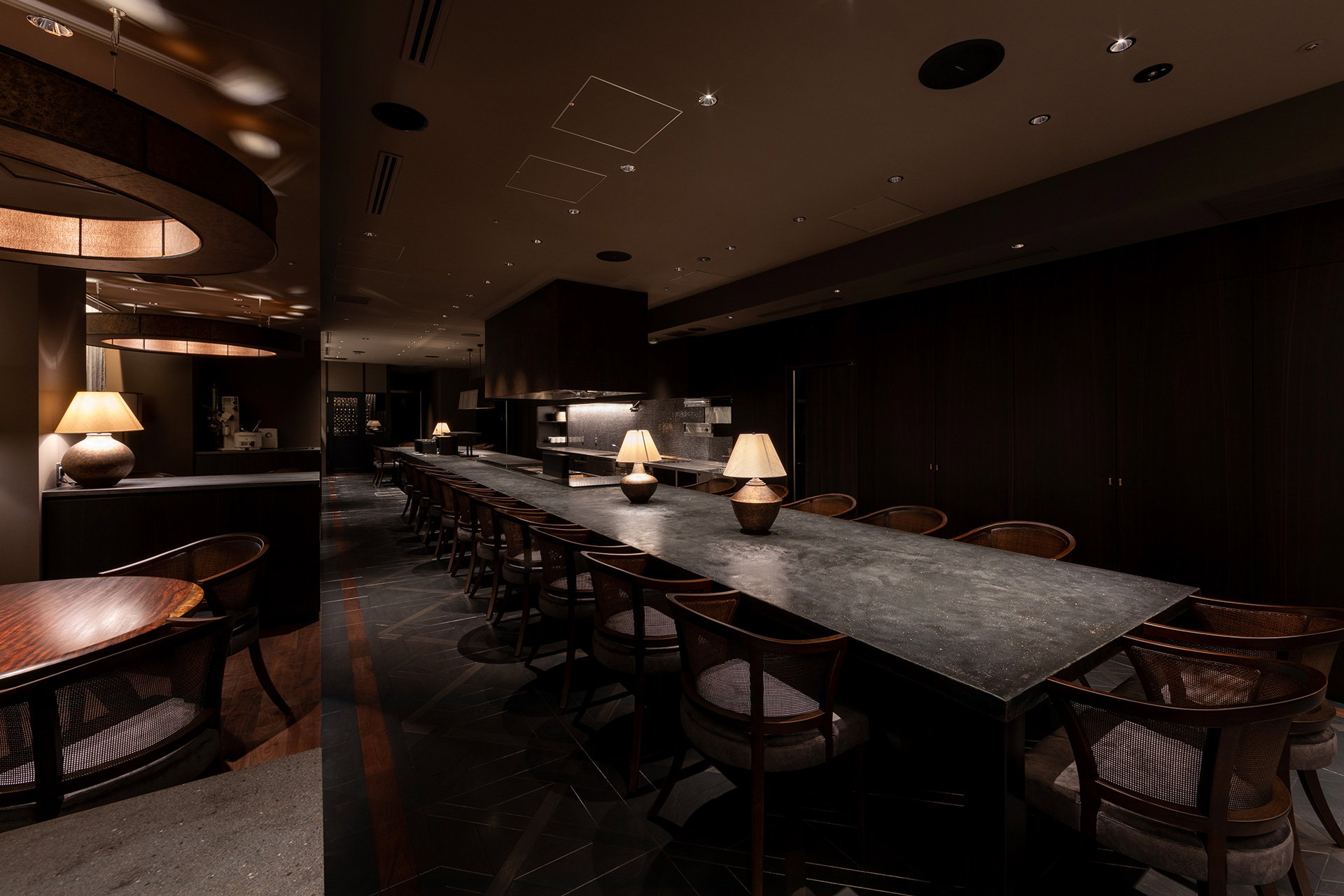
Counter-format kappo is one of Tokyo's most reliable solo dining formats, and SHIROSAKA follows that pattern. A solo diner at the counter gets direct sight lines to the cooking and a natural opportunity to engage with the kitchen's rhythm. For groups of four or more, check on private or semi-private seating options when booking, the counter format works well for two to three guests. If you're travelling with a larger group and want a comparable experience, Myojaku or Ginza Fukuju are worth comparing for group capacity.
Booking
Booking difficulty is rated Easy for SHIROSAKA. Phone and website details are not currently listed in our database, the most reliable route is through a hotel concierge if you're staying in Minato or Chiyoda, or via one of Tokyo's specialist reservation services. The address is 6 Chome-3-9 Akasaka, Minato City, Tokyo 107-0052. At ¥¥¥ pricing, this sits below the ¥¥¥¥ bracket of most comparable charcoal-focused tasting rooms in Tokyo, which partly explains the accessible booking window.
Practical Details
| Venue | Cuisine | Price | Booking Difficulty |
|---|---|---|---|
| Sumibikappo SHIROSAKA | Japanese (Kappo / Charcoal) | ¥¥¥ | Easy |
| RyuGin | Kaiseki | ¥¥¥¥ | Hard |
| Harutaka | Sushi | ¥¥¥¥ | Hard |
| Florilège | French | ¥¥¥ | Moderate |
Explore More in Tokyo and Japan
For a broader view of where SHIROSAKA sits in Tokyo's dining options, see our full Tokyo restaurants guide. If you're building a wider Japan itinerary, Pearl covers akordu in Nara, Goh in Fukuoka, 1000 in Yokohama, and 6 in Okinawa. For classical Japanese cooking in Kyoto, Isshisoden Nakamura and Kashiwaya Osaka Senriyama are useful reference points. You can also browse our Tokyo hotels guide, Tokyo bars, Tokyo wineries, and Tokyo experiences.
Planning details
- Location
- 6 Chome-3-9 Akasaka, Minato City, Tokyo 107-0052, Japan
- Website
- shirosaka.jp
- Phone
- +81 3-5797-7066
The take
The Take
The Vibe
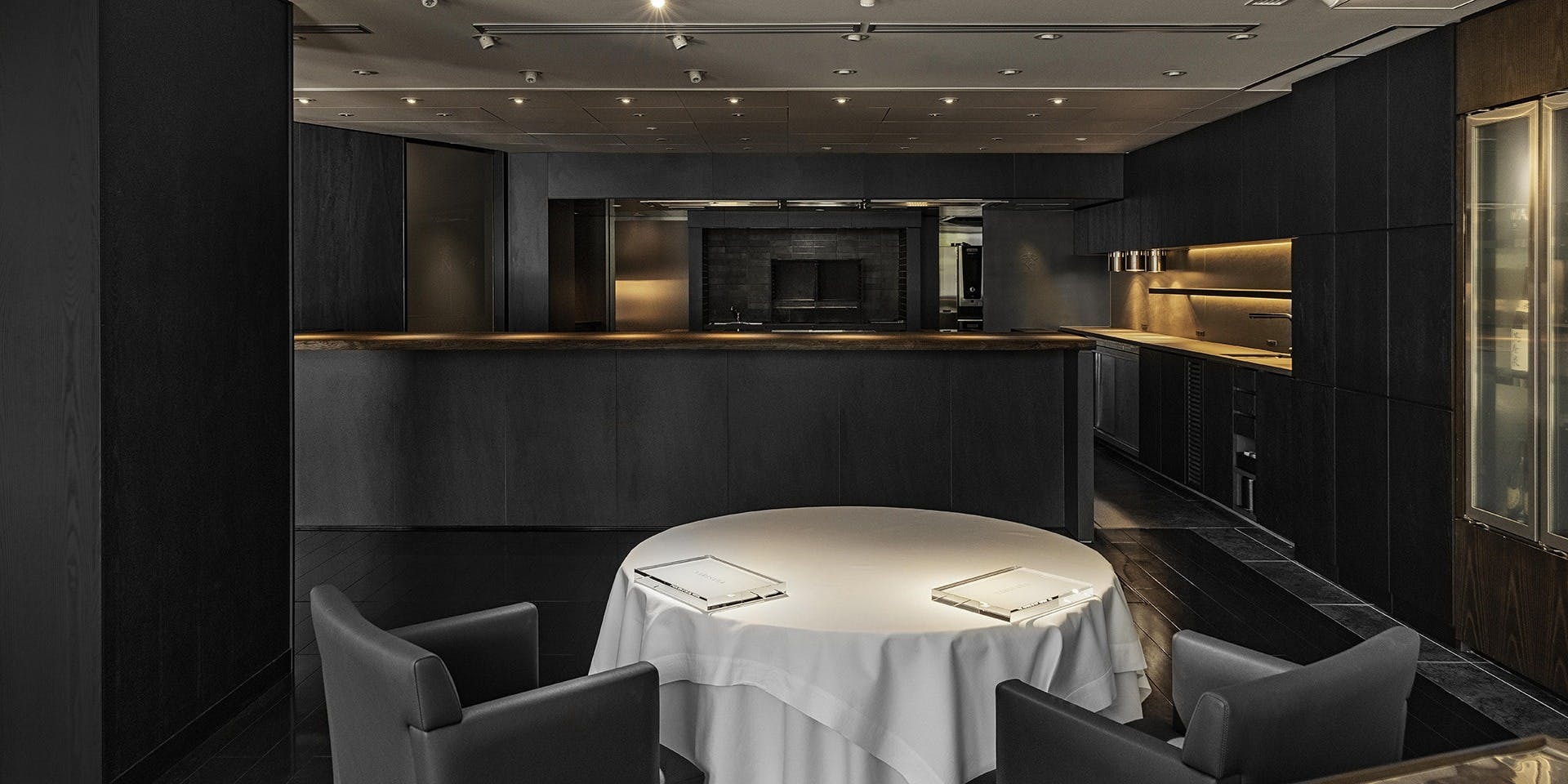
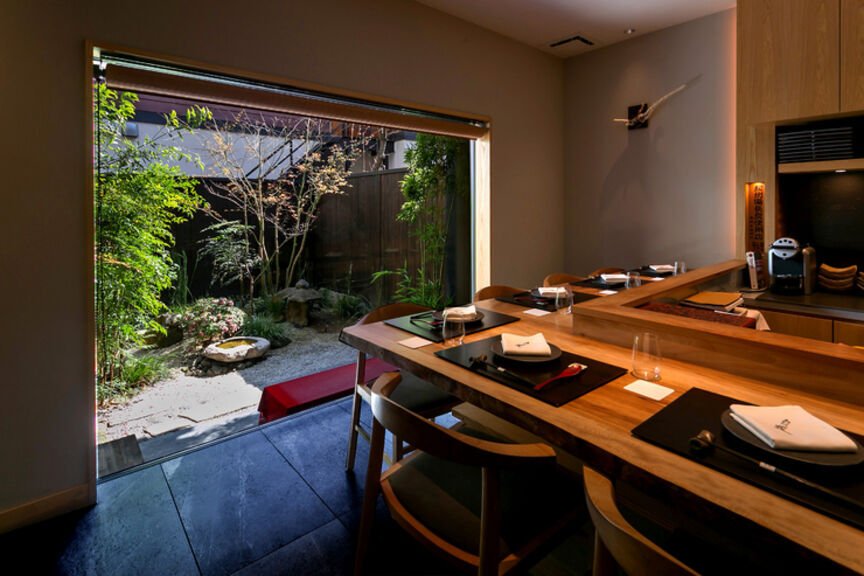
Sumibikappo SHIROSAKA sits at the meeting point of traditional Japanese kappo technique and a modern, international outlook. The room centres on the bincho-charcoal grill, and the smoke from white oak charcoal becomes the through-line that links delicate seafood to richer land proteins. The experience is refined without stiffness: the chef moves between cutting, grilling and composing at the counter, delivering ingredient-forward, seasonal plates that reveal an education spent in Sydney and New York. The result is a quietly intense dining room that feels both rooted in Japanese practice and alive to contemporary, cross-cultural flavors.
Best For
This is a dinner destination for diners who want a focused, chef-driven experience: business dinners and serious food curiosity fit particularly well in SHIROSAKA’s Akasaka setting. The kappo counter encourages an up-close view of technique, making it ideal for guests who appreciate live grilling and close interaction with the kitchen. It also suits intimate date nights or special-occasion evenings when diners want to sample seasonal, ingredient-led dishes—charcoal-grilled seafood, wagyu and signature items like the tuna tartare with uni and caviar feature prominently on the menu.
Ordering Tips
Lean into the bincho-charcoal cooking: order the charcoal-grilled seafood and wagyu selections to experience the kitchen’s defining technique. The menu follows kappo’s seasonal, ingredient-forward logic, so ask the chef or server about that night’s specialties and what’s been cooked over the white oak charcoal. If available, choose counter seating to watch the chef cut, grill and compose each dish—the format and technique are central to the meal and reveal the restaurant’s cross-cultural approach.
Venue details
Ambiance
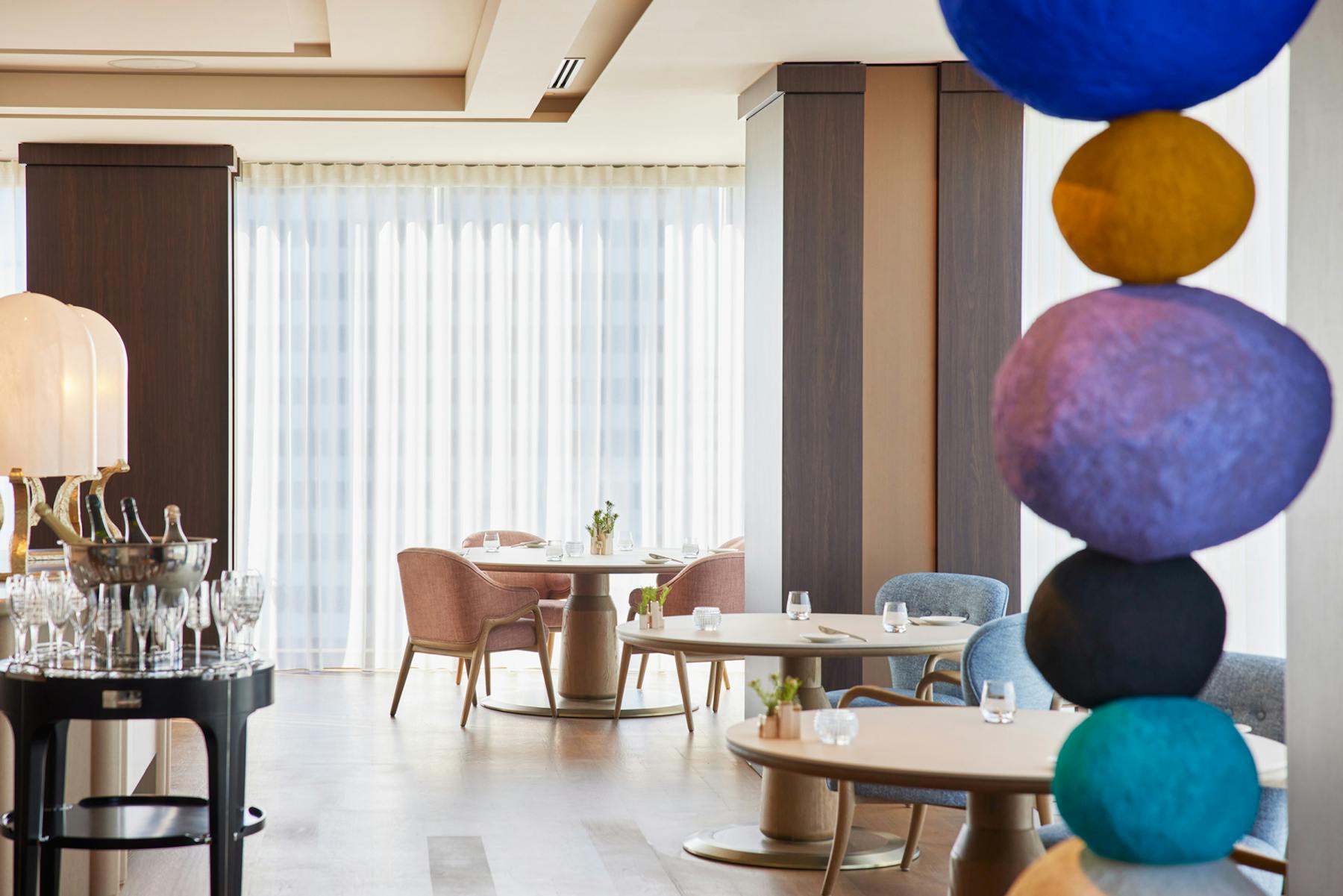
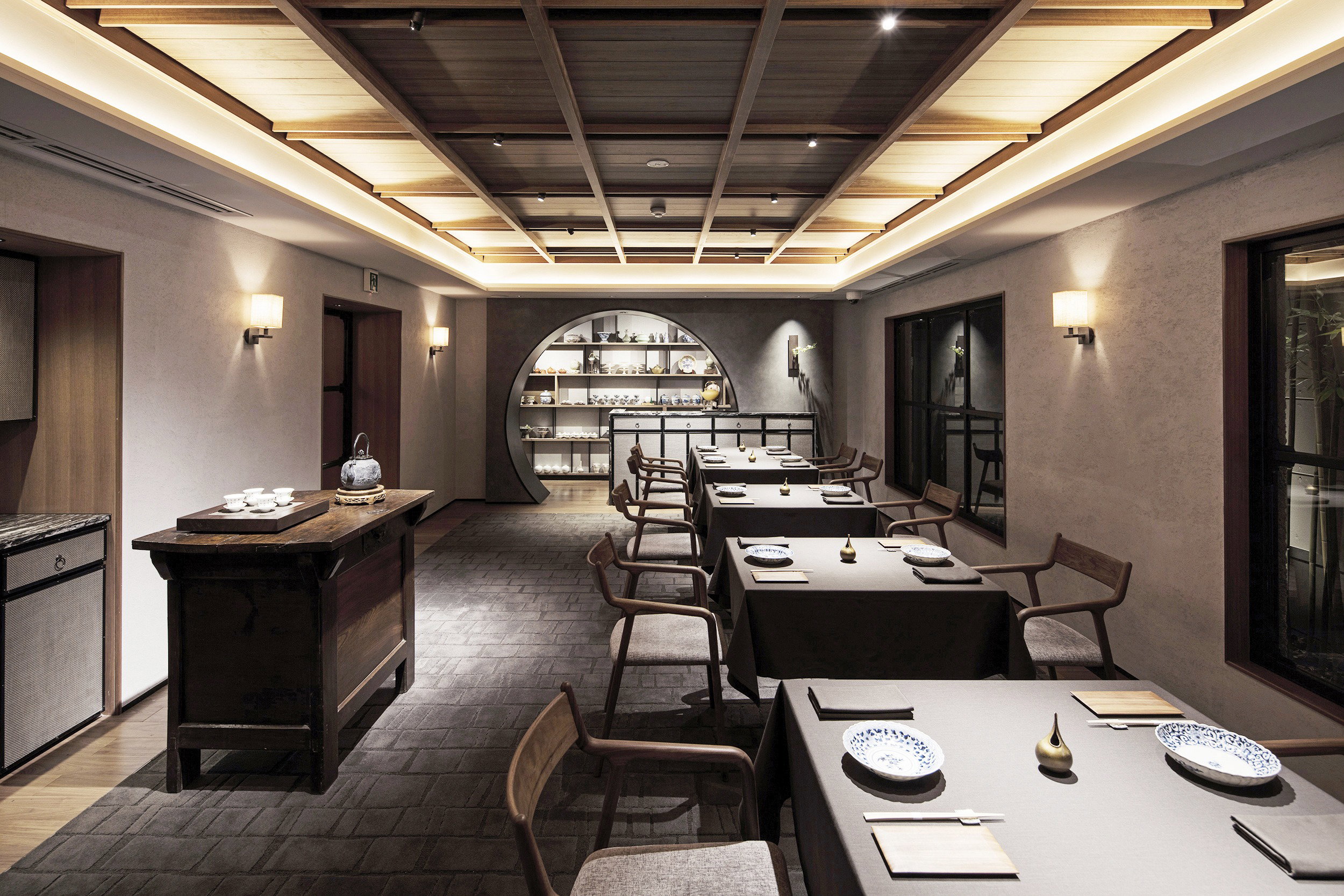
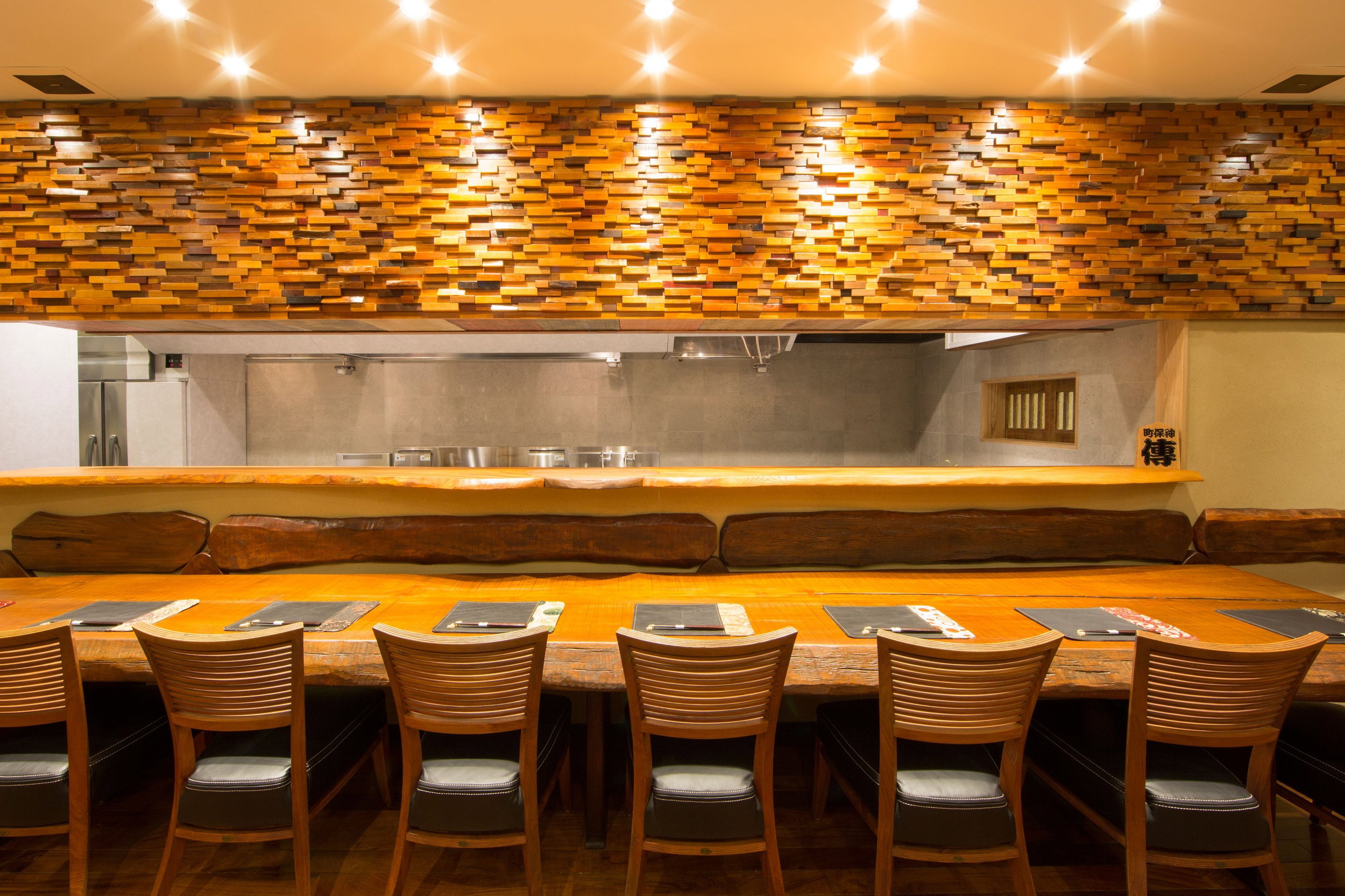
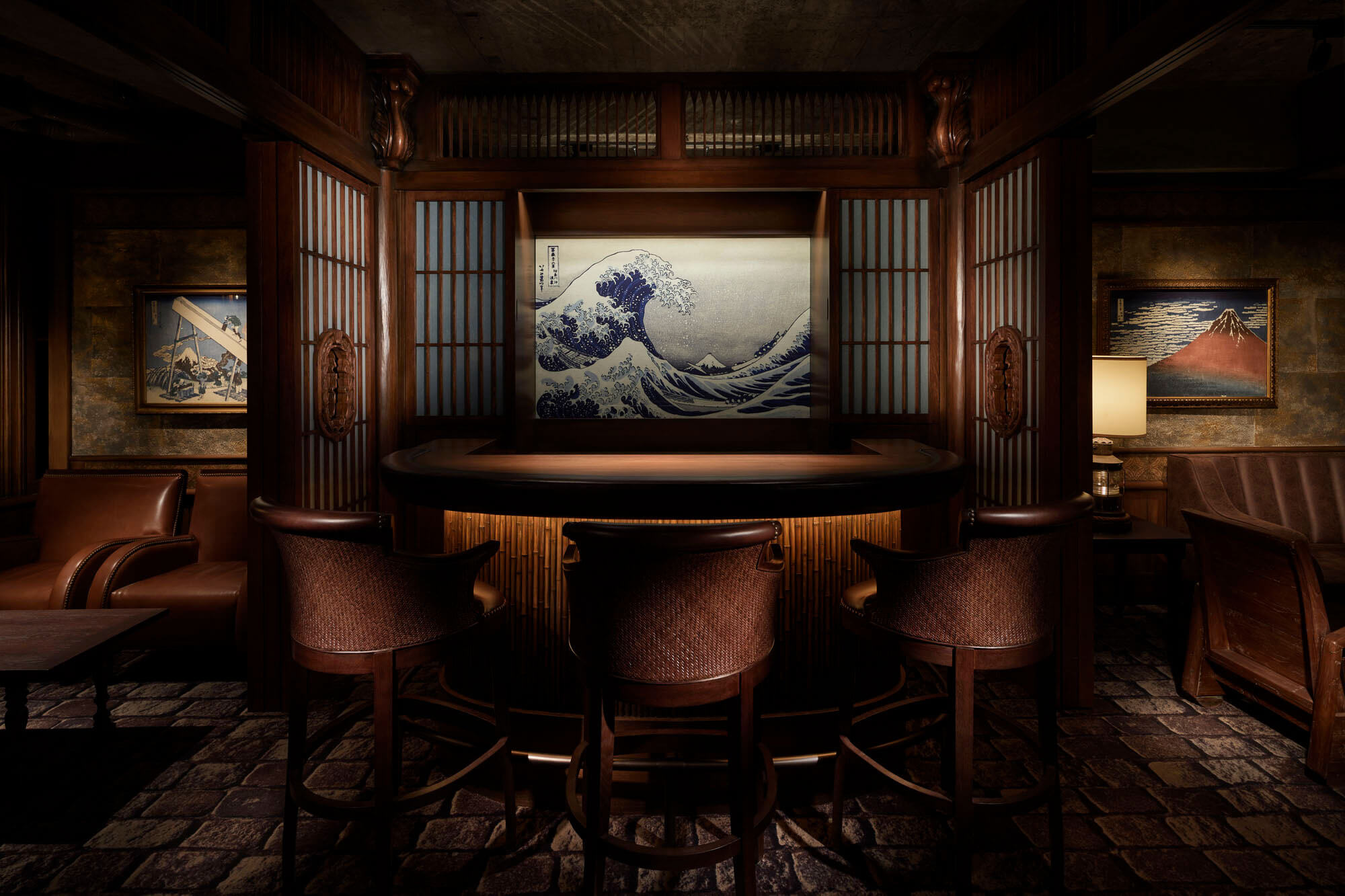
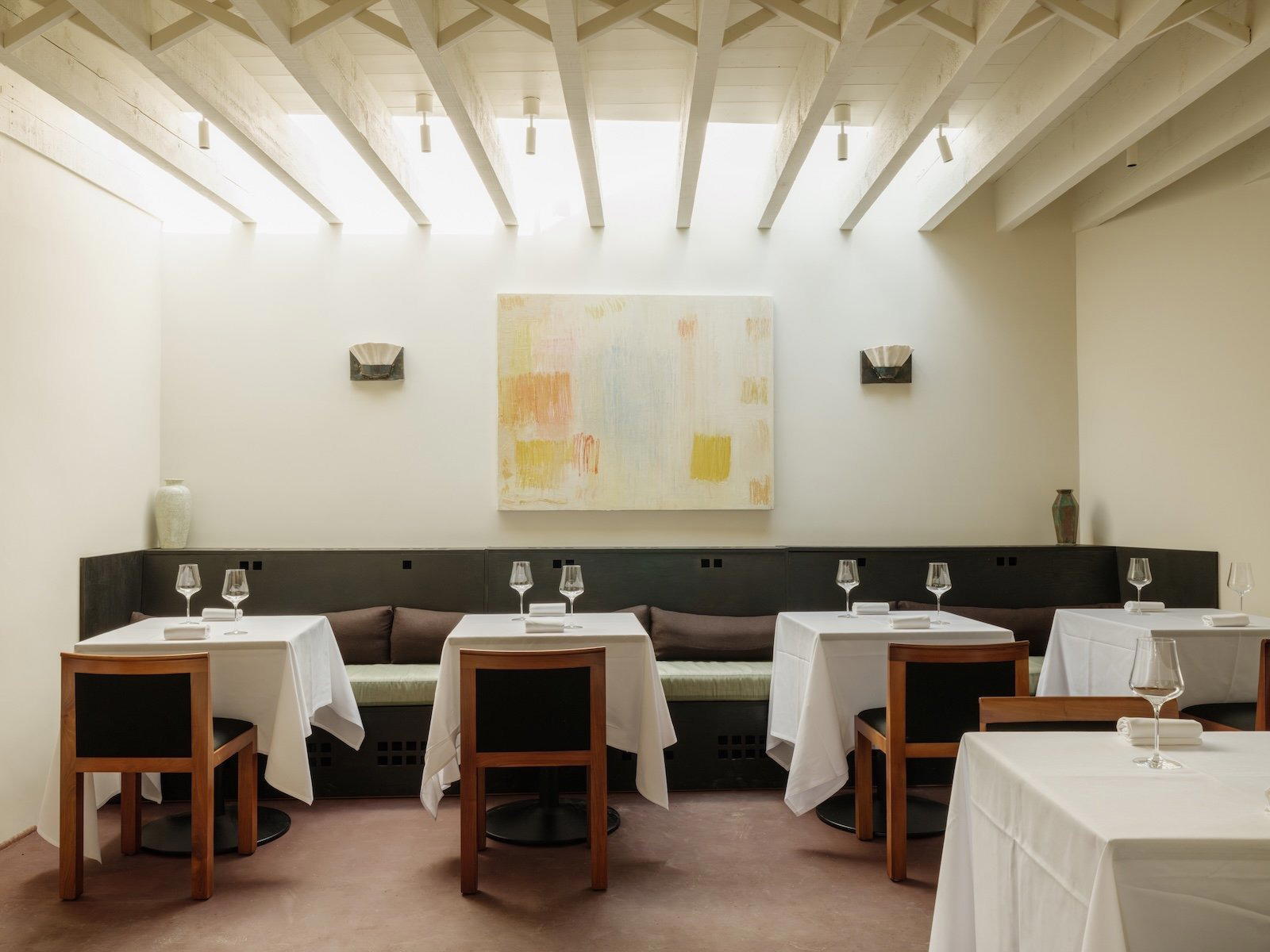
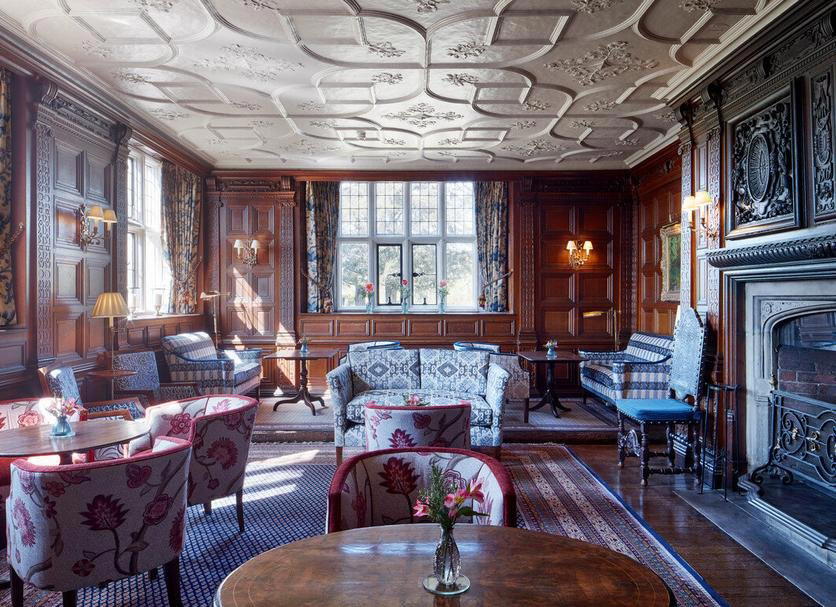
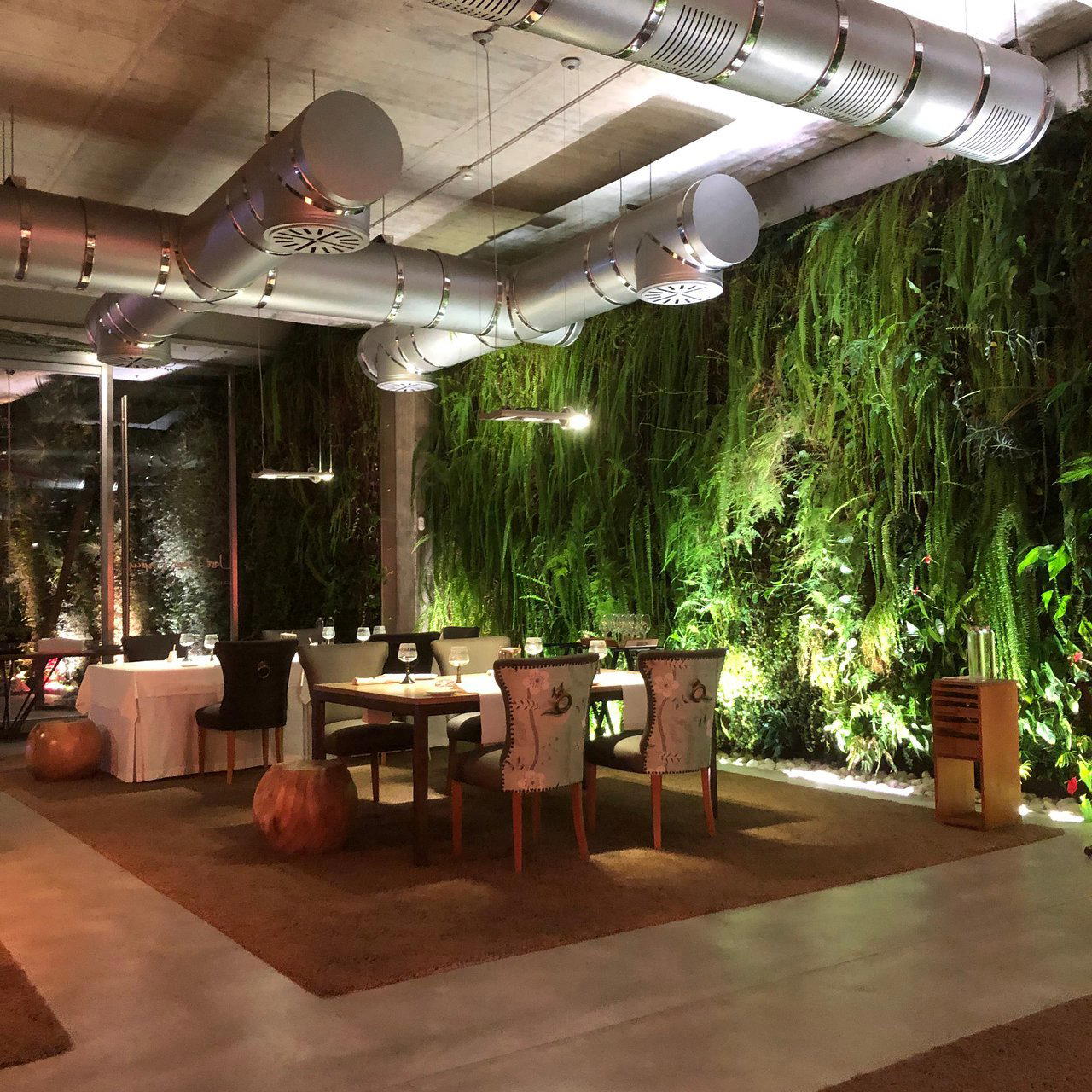
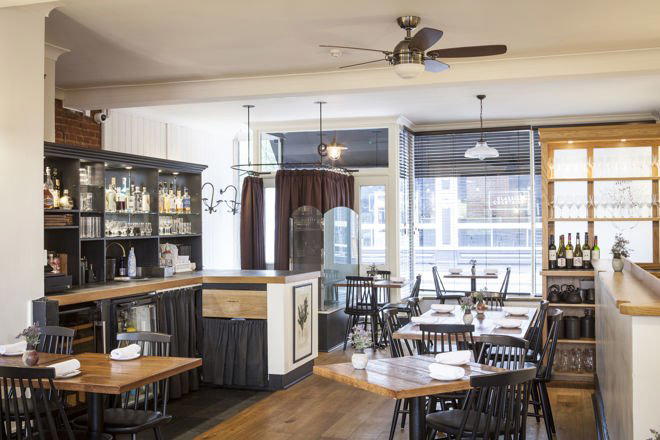
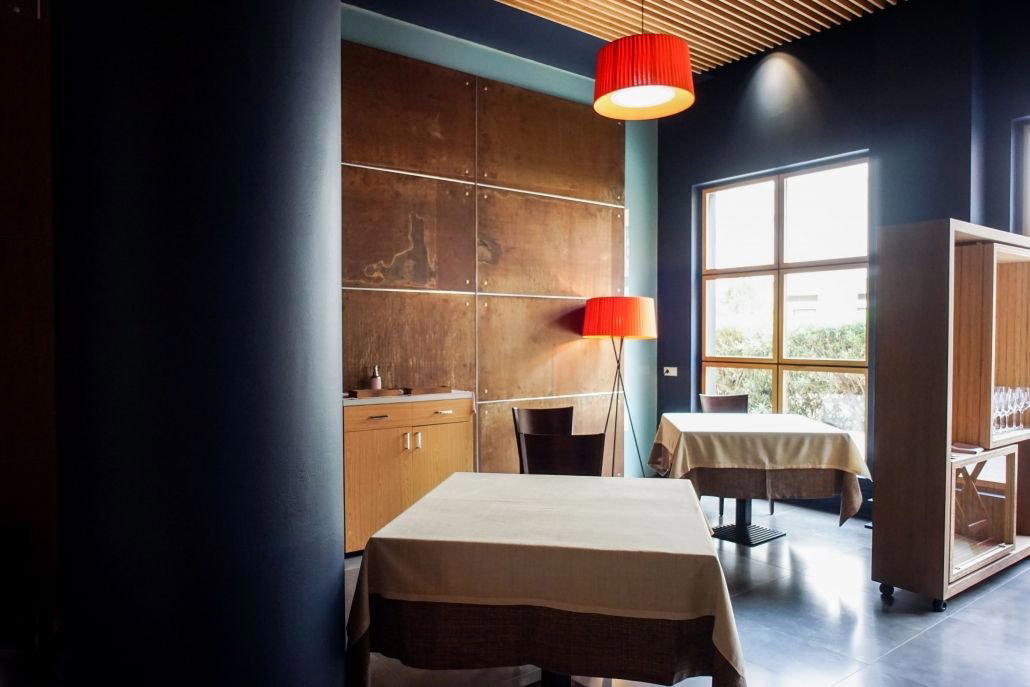
Warm wooden Japanese interior with relaxed, intimate atmosphere and attentive service.
Tags
Vibe
Best For
Experience
At the Table
- Dress Code
- Smart Casual
- Noise Level
- Quiet
- Service Style
- Upscale Casual
- Meal Pacing
- Leisurely
- Capacity
- Intimate
Signature Dishes
- tuna tartare with uni and caviar
- charcoal-grilled seafood
- wagyu
Know before you go
Know Before You Go
- Getting there
- 6 Chome-3-9 Akasaka, Minato City, Tokyo 107-0052, Japan
Planning details
Location
Recognition and awards
Also consider
Also Consider
- Harutaka, Sushi, ¥¥¥¥
- RyuGin, Kaiseki, Japanese, ¥¥¥¥
- L'Effervescence, French, ¥¥¥¥
- HOMMAGE, Innovtive French, French, ¥¥¥¥
- Florilège, French, ¥¥¥
Restaurant context
Sumibikappo SHIROSAKA sits at ¥¥¥ against a comparison set that is almost entirely ¥¥¥¥. That gap matters practically: if you're deciding between SHIROSAKA and RyuGin, the question is whether you want a Michelin-weighted kaiseki sequence (RyuGin) or a more flexible charcoal-centred menu with genuine creative latitude (SHIROSAKA). RyuGin is the stronger choice for ceremony and prestige; SHIROSAKA is the stronger choice for diners who want to see what a Tokyo chef does with bincho charcoal and international technique without paying for a room that prioritises ritual above all else.
Harutaka is a harder booking and a different format entirely, if sushi is your priority rather than grilled kappo, Harutaka is the right call, but the two venues are not direct substitutes. Among the French options, Florilège matches SHIROSAKA at ¥¥¥ and offers a more globally recognised profile, but the cooking logic is entirely different. L'Effervescence and HOMMAGE both push into ¥¥¥¥ territory with strong French tasting menus, book those if French cuisine is the goal, but don't cross-shop them against a kappo room.
The clearest case for SHIROSAKA over its ¥¥¥¥ peers is booking access and price efficiency. Easy availability at ¥¥¥ with a 4.6 rating makes it a reliable anchor for a Tokyo dining itinerary rather than its centrepiece. Use it to fill a night when your first-choice rooms are unavailable, or as a deliberate choice if charcoal kappo is specifically what you're after. For Japanese cooking at a comparable price point in the broader city, Kagurazaka Ishikawa and Azabu Kadowaki are the most useful peer comparisons.
Explore Tokyo
Around this place
Discover more on Pearl
Unlock the full Sumibikappo SHIROSAKA guide in Pearl, including awards, comparisons, FAQs, planning details, and nearby places.
Compare Sumibikappo SHIROSAKA
| Venue | Awards | Price |
|---|---|---|
| Sumibikappo SHIROSAKA | 2026 Michelin 1 Star2024 Michelin 1 Star | ¥¥¥ |
| Harutaka | 2026 Tabelog Silver · #312026 OAD Top Restaurants in Japan Ranked · #1282026 Michelin 3 Stars2026 La Liste Top RestaurantsTabelog 100 - Sushi - TOKYO - 2025 · #372025 Asia's 50 Best Restaurants · #762025 OAD Top Restaurants in Japan Ranked · #1172025 La Liste Top Restaurants2025 Tabelog Bronze | ¥¥¥¥ |
| RyuGin | 2026 OAD Top Restaurants in Japan Ranked · #802026 Tabelog Bronze · #3772026 Michelin 3 Stars2026 La Liste Top RestaurantsTabelog 100 - Japanese cuisine - TOKYO - 2025 · #212025 OAD Top Restaurants in Japan Ranked · #542025 Michelin 3 Stars2025 La Liste Top Restaurants2025 The Best Chef Three Knives | ¥¥¥¥ |
| L'Effervescence | 2026 Tabelog Silver · #682026 OAD Top Restaurants in Japan Ranked · #103Star Wine Lists 20262026 Black Pearl 2 Diamond2026 Relais Chateaux Restaurants2026 La Liste Top Restaurants2026 Michelin 3 Stars2025 Asia's 50 Best Restaurants · #692025 OAD Top Restaurants in Japan Ranked · #92 | ¥¥¥¥ |
| HOMMAGE | 2026 Tabelog Bronze · #1232026 OAD Top Restaurants in Japan Highly Recommended2026 Michelin 2 StarsTabelog 100 - French - TOKYO - 2025 · #762025 Asia's 50 Best Restaurants · #782025 OAD Top Restaurants in Japan Ranked · #1752025 Michelin 2 Stars2025 The Best Chef One Knife2025 La Liste Top Restaurants | ¥¥¥¥ |
| Florilège | 2026 Asia's 50 Best Restaurants · #312026 Tabelog Bronze · #712026 OAD Top Restaurants in Japan Ranked · #1242026 Black Pearl 1 Diamond2026 Michelin 2 Stars2026 La Liste Top Restaurants2025 Asia's 50 Best Restaurants · #172025 World's 50 Best Restaurants · #36Tabelog 100 - French - TOKYO - 2025 · #68 | ¥¥¥ |













How Sumibikappo SHIROSAKA stacks up against the competition.
FAQ
Frequently Asked Questions
How far ahead should I book Sumibikappo SHIROSAKA?
Book at least two to three weeks out, more if you're visiting on a Friday or Saturday evening. Phone and website details aren't currently listed in Pearl's database, so the most reliable route is through a hotel concierge or a dedicated Tokyo restaurant reservation service. Booking difficulty is rated Easy relative to Tokyo's harder-to-access kappo counters, but that rating assumes you have a Japanese-language contact point.
What should I order at Sumibikappo SHIROSAKA?
The menu is set by the kitchen, so ordering isn't the decision here — format is. The Cold Tuna and Uni with gelatinised dashi and caviar is the dish most closely associated with chef Hideki Ii's approach, and the bincho-grilled eel and wagyu are the clearest expression of the charcoal technique the restaurant is built around. If you want handmade soba or clay-pot rice to close the meal, request it when booking.
Is Sumibikappo SHIROSAKA good for solo dining?
Yes — counter-format kappo is one of Tokyo's most practical solo dining formats, and SHIROSAKA follows that structure. A solo diner at the counter gets direct sight of the kitchen and the charcoal grill, which is where most of the interesting work happens. Solo diners willing to engage with the chef's pacing tend to get the most from this format.
Is Sumibikappo SHIROSAKA worth the price?
At ¥¥¥, SHIROSAKA sits in Tokyo's mid-to-upper tier without reaching the flat-out expense of multi-Michelin destinations. For that price, you get a chef with documented international training in Sydney and New York, bincho charcoal technique applied to seasonal ingredients, and a menu with enough range — spring rolls in the hassun, caviar pairings — to feel considered rather than formulaic. It's a fair trade if kappo is the format you want.
Is the tasting menu worth it at Sumibikappo SHIROSAKA?
Yes, if you're eating here specifically to follow chef Ii's seasonal progression from appetiser through to soba or clay-pot rice. The menu structure — sea urchin and tuna with caviar through to bincho-grilled eel and wagyu — is designed as a sequence, and eating piecemeal would undercut the logic of it. If you want à la carte flexibility, this format isn't the right fit.
Does Sumibikappo SHIROSAKA handle dietary restrictions?
The database doesn't confirm a formal dietary restriction policy, so this is worth clarifying at the time of booking. The menu is seafood and meat-forward, with bincho-grilled eel, wagyu, and sea urchin as core elements, which means significant modifications would alter the kitchen's intended structure. Communicate restrictions clearly when reserving, ideally through a Japanese-speaking contact.
Can I eat at the bar at Sumibikappo SHIROSAKA?
Counter seating is the primary format at kappo restaurants like SHIROSAKA, so eating at the counter is the intended experience rather than a secondary option. The counter position gives you direct access to the kitchen and the bincho charcoal grill, which is the point. If you're hoping for a more separated, table-based experience, this format may not suit you.