.png?width=1200&quality=80)
SUKIYAKI ASAI
Sukiyaki · Minato, Tokyo
Restaurant in Tokyo, Japan
 Book with Pearl
The Read
Counter-Side Beef Ceremony
Price
$200–300per person
Dress
Smart Casual
Why go
Sukiyaki Asai is a Michelin Guide-selected counter sukiyaki in Toranomon where the beef — sourced from a named Shiga Prefecture butcher — is prepared directly in front of you. At the ¥¥¥ tier, it is the right choice for solo diners and pairs who want sourcing precision and an attentive counter format, not a table-cook group experience.
About SUKIYAKI ASAI
Verdict
Sukiyaki Asai is not a casual dinner option you stumble into. It is a counter-format sukiyaki specialist in Toranomon that earns its Michelin Plate recognition (2024 and 2025) through sourcing discipline and a highly precise service style, not through spectacle or size. At the ¥¥¥ price tier, it sits below the ceiling of Tokyo's fine dining market but well above neighbourhood-restaurant spend. Book it if sukiyaki is the format you want to explore seriously, and if sourcing provenance matters to your decision. Skip it if you are hoping for a large-group gathering or a flexible à la carte experience.
What Sukiyaki Asai Actually Is
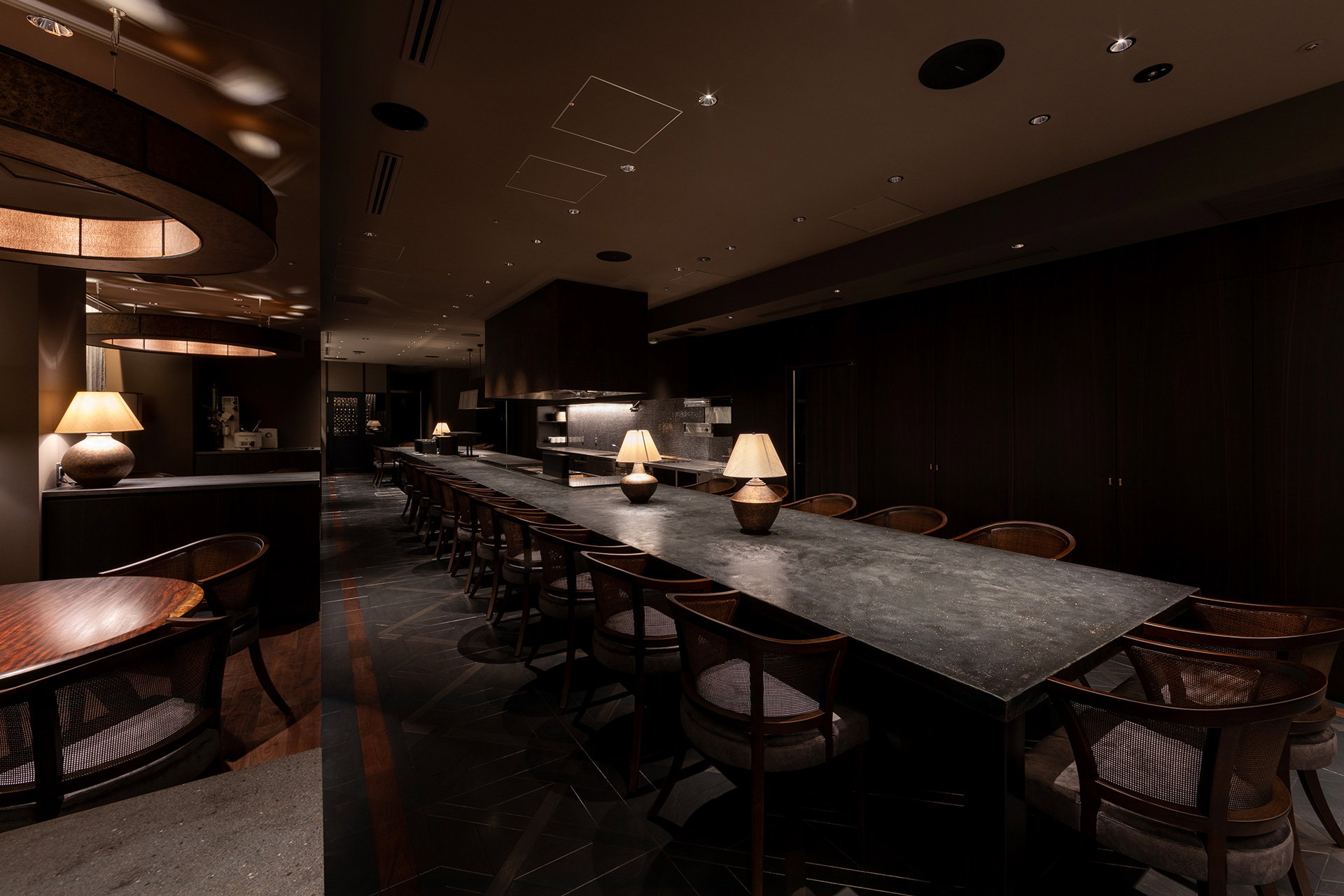
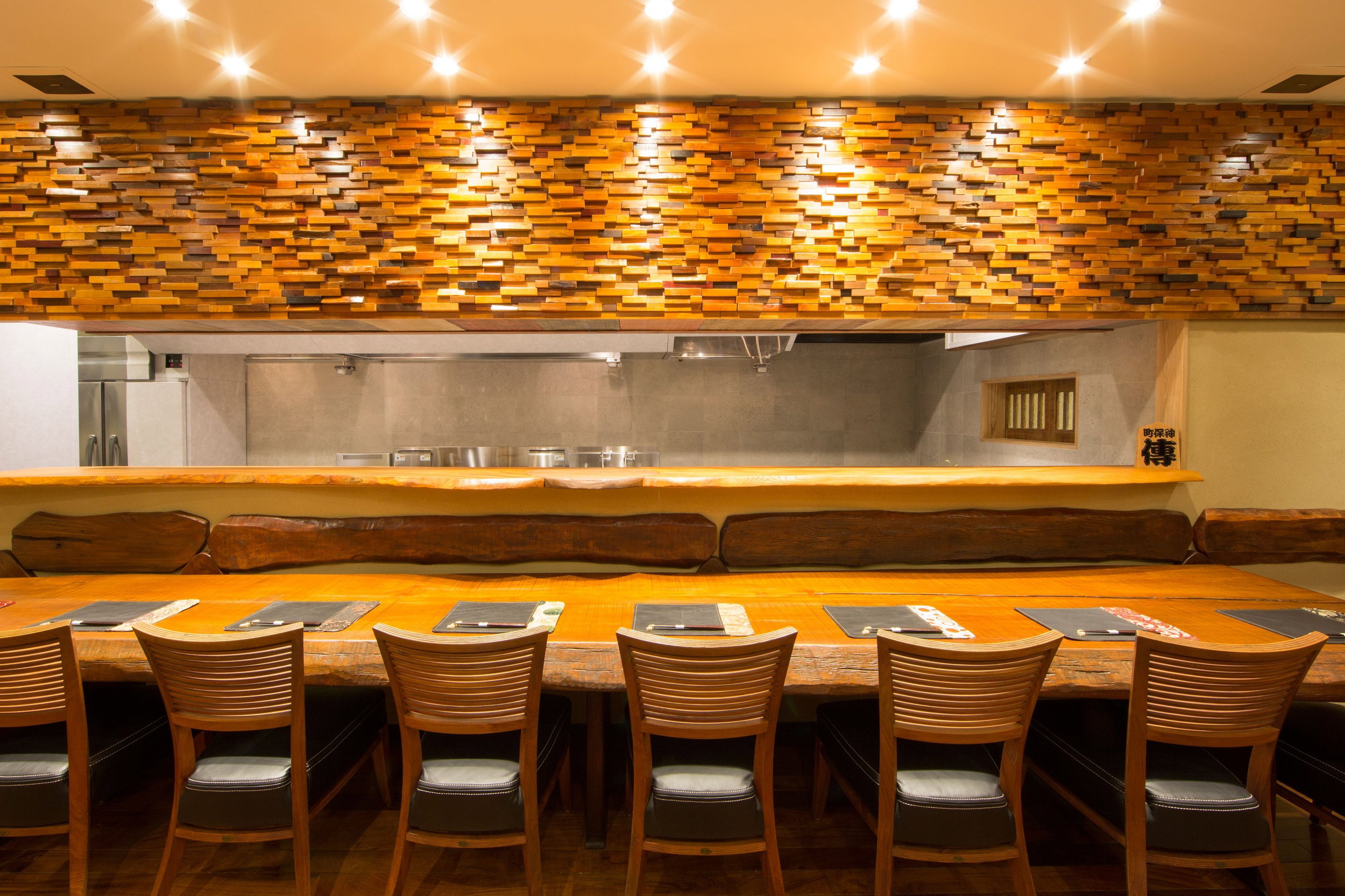
The most common assumption about sukiyaki restaurants in Tokyo is that the format is interchangeable: a hot pot, some beef, a raw egg on the side. Sukiyaki Asai corrects that assumption from the moment you sit down at the counter. This is a single-format venue built entirely around the counter experience, where the server prepares each course directly in front of you. The spatial arrangement is the point. You are close enough to watch the beef being laid into the pan, the vegetables placed in alternating sequence, the sauce adjusted. There is no distance between the preparation and the diner, which means the counter seat is not just a seat — it is the seat.
The beef comes from a named butcher in Shiga Prefecture, one of Japan's most respected prefectures for Omi wagyu production. That sourcing decision is not decorative. Shiga Prefecture's Omi beef has a longer documented history than Kobe beef, and choosing a specific butcher within that region rather than a generic supplier signals a deliberate quality position. The beef is served in a variety of thicknesses across the meal, which is a meaningful structural choice: different thicknesses cook at different rates in warishita sauce, producing genuinely different textures from the same cut. For a food-focused traveller, this is the kind of detail that separates a thoughtfully constructed meal from a format exercise.
Dipping sauces reinforce that precision. The meringue-like beaten egg is prepared to a specific consistency rather than left to the diner to scramble in a bowl tableside, as is common elsewhere. The alternative — rich egg yolk cut with Tosa vinegar, introduces acidity that balances the fat of the wagyu without overwhelming it. These are not incidental accompaniments; they are the calibration system for the whole meal. The meal closes with shirataki noodles stir-fried in warishita sauce and beef fat, which absorbs the concentrated cooking liquid from earlier in the sequence. It functions as a savoury conclusion that uses the meal's own by-products rather than introducing a separate dessert logic.
Address, ground floor of SVAX TT in Toranomon, Minato City, puts this in one of Tokyo's more corporate-flavoured neighbourhoods, which is worth knowing in advance. Toranomon is not Ginza or Roppongi; it does not have the ambient restaurant density of those areas. That is not a drawback, but it does mean Sukiyaki Asai is a destination visit rather than part of a broader evening stroll. Plan accordingly. If you are combining it with other dining or drinking in the area, see our full Tokyo bars guide for options nearby, and check our full Tokyo restaurants guide for what else Minato City has to offer at this price tier.
How It Compares in the Sukiyaki Category
Within the sukiyaki format specifically, Sukiyaki Asai's counter-service model and named-source beef put it in a different tier from standard sukiyaki houses. Hiyama and Imahan are the city's most recognisable sukiyaki establishments for overseas visitors; both are larger, more tourist-accessible operations with a wider table configuration. Imafuku operates in a more traditional private-room format. Asai's counter structure makes it the better choice for solo diners and pairs who want to watch the cooking process as part of the experience. For sukiyaki outside Tokyo, Wadakin in Mie is the reference point for Matsusaka beef sourcing and is worth comparing if you are travelling across the Kansai-Tokai corridor.
Ratings and Trust Signals
- Michelin Plate: 2024 and 2025, recognition for quality cooking at a level below Michelin star threshold but above undifferentiated market
- Price tier: ¥¥¥, mid-to-upper range for Tokyo, accessible relative to the ¥¥¥¥ tier that dominates Michelin-starred Japanese dining
- Sourcing credential: Named butcher, Shiga Prefecture, Omi wagyu, one of Japan's oldest documented beef traditions
Booking
Booking difficulty is rated Easy for Sukiyaki Asai. No phone number or website is listed in current venue data, so confirm the booking channel through a hotel concierge or a third-party reservations platform before your trip. Given the counter format, seat count is likely small, this is not a venue where you can walk in for eight. If you are in Tokyo for a short window and sukiyaki is a priority, treat this as a day-one booking task rather than a day-of decision. For context on booking difficulty across Tokyo's dining scene, see our full Tokyo restaurants guide.
Practical Details
| Detail | Sukiyaki Asai | Imahan (peer) | Hiyama (peer) |
|---|---|---|---|
| Cuisine | Sukiyaki | Sukiyaki | Sukiyaki |
| Price tier | ¥¥¥ | ¥¥¥ | ¥¥¥ |
| Format | Counter, server-prepared | Table, self-cook option | Private room, table |
| Booking difficulty | Easy | Moderate | Moderate |
| Michelin recognition | Plate (2024, 2025) | Not listed | Not listed |
| Sourcing highlight | Named Shiga butcher | Varied wagyu sources | Varies by season |
If You Are Travelling Beyond Tokyo
If this trip extends beyond Tokyo, the sourcing-first philosophy you find at Sukiyaki Asai has parallels in a handful of restaurants across Japan worth noting. HAJIME in Osaka takes ingredient provenance to a different level entirely within kaiseki-adjacent French structure. Gion Sasaki in Kyoto is the reference point for seasonal sourcing discipline within traditional kaiseki. For something outside the main cities, akordu in Nara and Goh in Fukuoka both reward travellers willing to move beyond the Tokyo-Kyoto-Osaka triangle. For broader Japan trip planning, our city-level guides cover Tokyo hotels, Tokyo wineries, and Tokyo experiences.
FAQs: Sukiyaki Asai
- Is Sukiyaki Asai good for solo dining? Yes, the counter format is specifically suited to solo diners. Sitting directly across from the server as each course is prepared is a more engaging experience alone than at a private table. Solo travellers at the ¥¥¥ tier in Tokyo rarely find a format this attentive; most comparable venues seat singles at the bar as an afterthought rather than a design choice.
- What should a first-timer know about Sukiyaki Asai? The format is set rather than à la carte: the meal progresses through beef cooked in alternating slices with vegetables, two distinct dipping egg preparations, and finishes with shirataki noodles in warishita and beef fat. You are not choosing dishes; you are accepting a structured sequence. The beef is sourced from a named butcher in Shiga Prefecture, which is context worth knowing before you arrive. Michelin Plate recognition in 2024 and 2025 puts this above the undifferentiated end of the market.
- Is the tasting menu worth it at Sukiyaki Asai? At ¥¥¥, the set format is the only format, there is no à la carte alternative to compare it against. The value case rests on sourcing: Shiga Prefecture wagyu from a specific butcher, prepared at the counter with precision, is a materially different proposition from sukiyaki at a table-cook restaurant using unspecified beef. If sukiyaki is the cuisine you want to spend seriously on during this trip, this is the right venue in its tier.
- How far ahead should I book Sukiyaki Asai? Booking difficulty is rated Easy, which suggests availability is not as constrained as at Tokyo's most sought-after counters. That said, counter-format venues have limited seats by definition. Book at least one to two weeks ahead if your dates are fixed, and use a hotel concierge to confirm the current booking channel since no website or phone number is publicly listed in current data.
- Is Sukiyaki Asai worth the price? At ¥¥¥ with two consecutive Michelin Plate recognitions and named-source wagyu from Shiga Prefecture, the price-to-quality ratio is credible. This is not the most expensive sukiyaki in Tokyo, and the counter-service format delivers a level of attention that justifies the spend for food-focused diners. If your priority is maximum beef volume at lower cost, a traditional table-format sukiyaki house will serve that goal. If sourcing provenance and counter-service precision matter, Asai is the better allocation of the same budget.
- Can I eat at the bar at Sukiyaki Asai? The venue is built around a counter, so the counter is the primary and likely only seating format. This is not a bar in the conventional sense; it is a service counter where the server prepares each dish in front of you. That distinction matters: the counter here is the main event, not an overflow option.
- What should I order at Sukiyaki Asai? The meal follows a set sequence, so there is no ordering in the conventional sense. The kitchen moves through alternating beef and vegetable preparations, the two egg dipping sauces (meringue-beaten whole egg and egg yolk with Tosa vinegar), and concludes with shirataki noodles in warishita sauce and beef fat. Pay attention to the thickness variations in the beef service, the kitchen uses different thicknesses deliberately to produce texture variation across the meal.
- Can Sukiyaki Asai accommodate groups? Counter-format venues in Tokyo typically have limited seat counts, and no group booking information is available in current venue data. For groups of four or more, contact the venue through a hotel concierge before assuming availability. Larger sukiyaki groups in Tokyo are generally better served by traditional establishments such as Imahan, which have private room configurations designed for table-seated parties.
Planning details
- Location
- Japan, 〒105-0001 Tokyo, Minato City, Toranomon, 3 Chome−11−15 SVAX TT, 1階
- Reservations
- Book on Omakase
- Website
- sukiyaki-asai.com
- Phone
- +81 3-6452-9995
The take
The Take
The Vibe
Sukiyaki Asai reads as a quietly assured counter restaurant that treats every detail as part of the performance. The splitting of the dipping egg into a meringue‑like beaten white and a yolk blended with Tosa vinegar signals the kitchen’s fastidiousness. Consecutive Michelin Plate recognition and close attention to sourcing underline a classic, craft‑forward sensibility: it’s refined without the austerity of kaiseki, and the counter layout makes the cook’s technique the interior focal point. The result is an intimate, measured experience where the food and the cook’s timing set the atmosphere.
Best For
This is a place for diners who want an engaged, chef‑led meal: think date nights, business dinners, or small special‑occasion parties where watching the sequence and savoring high‑grade beef matters. The counter format favors solo diners or pairs who enjoy interaction with the cook and a clearly choreographed progression of courses. It’s less suited to large groups or loud celebrations; instead, it rewards attentive eating and an appreciation for sourcing and technique—especially those interested in how quality beef and precise timing transform a simple hot‑pot into a performance.
Ordering Tips
Let the cook guide the sequence and timing—counter dining here is choreographed, and the staff manage heat and reductions in real time. Order the Omi Beef Sukiyaki to experience the restaurant’s signature sourcing and texture, and don’t skip the distinctive dipping setup: the meringue‑style beaten egg and the Tosa‑vinegar yolk are deliberately prepared and worth sampling. Approach the meal with patience and focus; the value is in the gradual reductions, precise cuts, and the chef’s timing rather than in hurried sharing or large, multi‑dish ordering.
Venue details
Ambiance
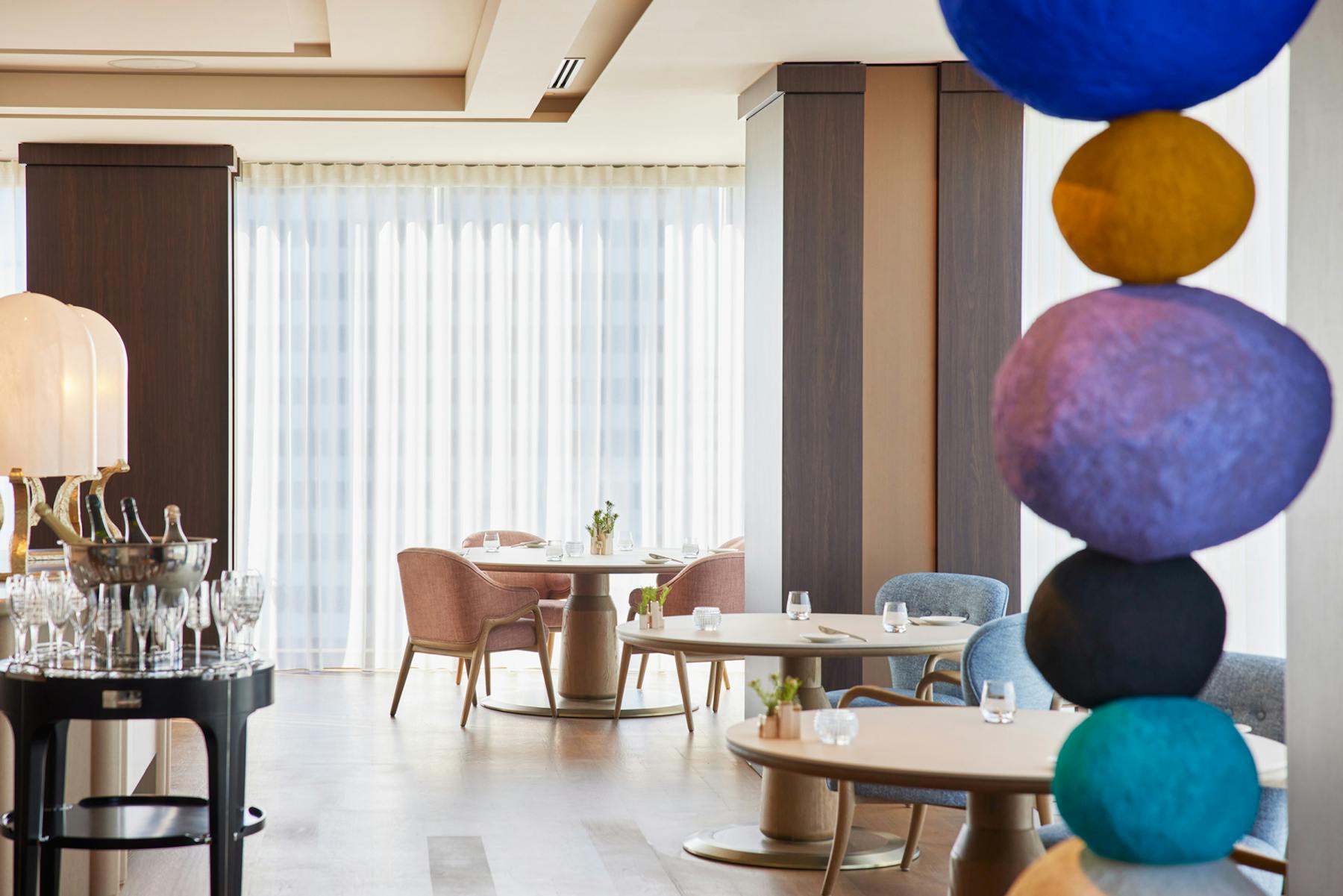
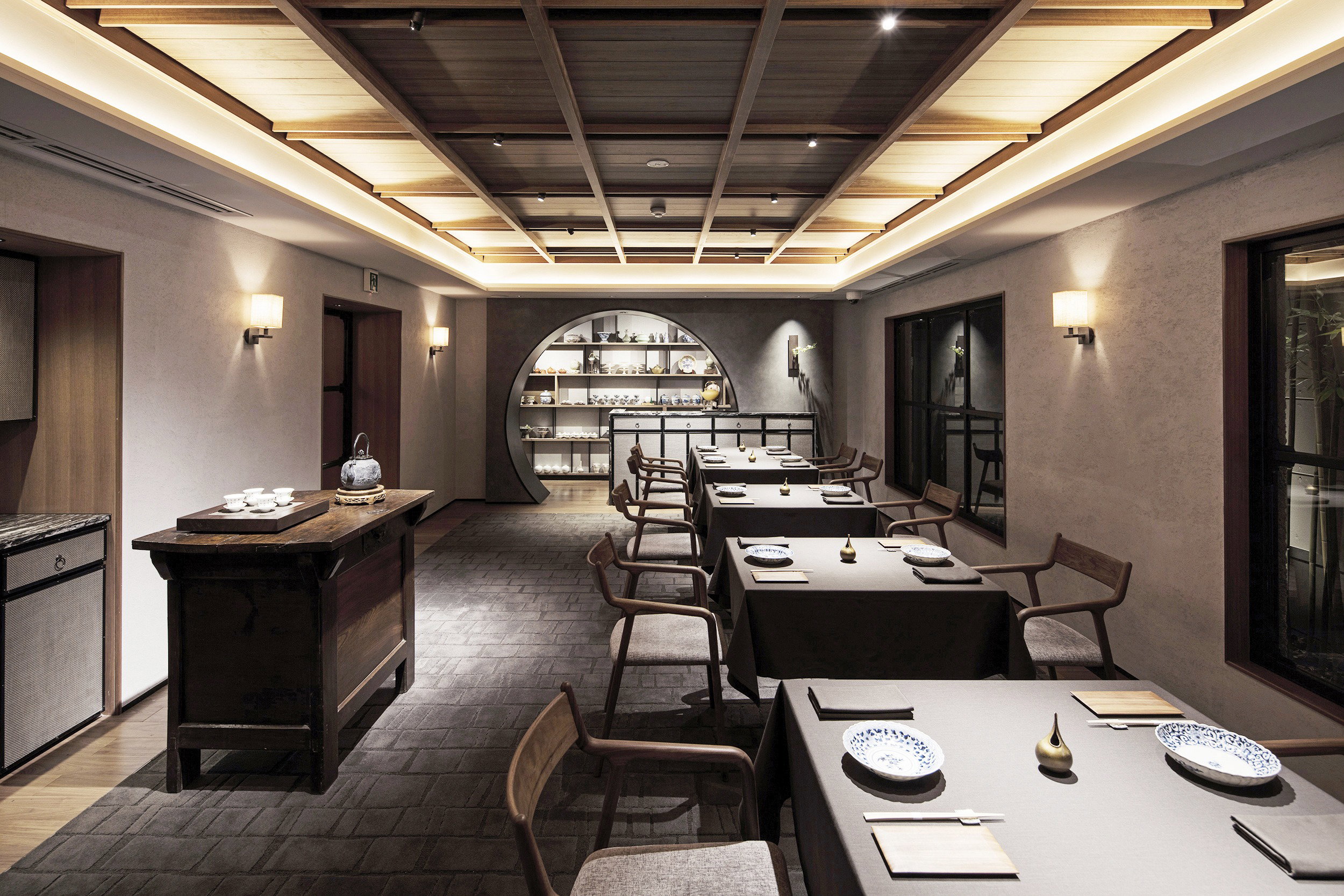
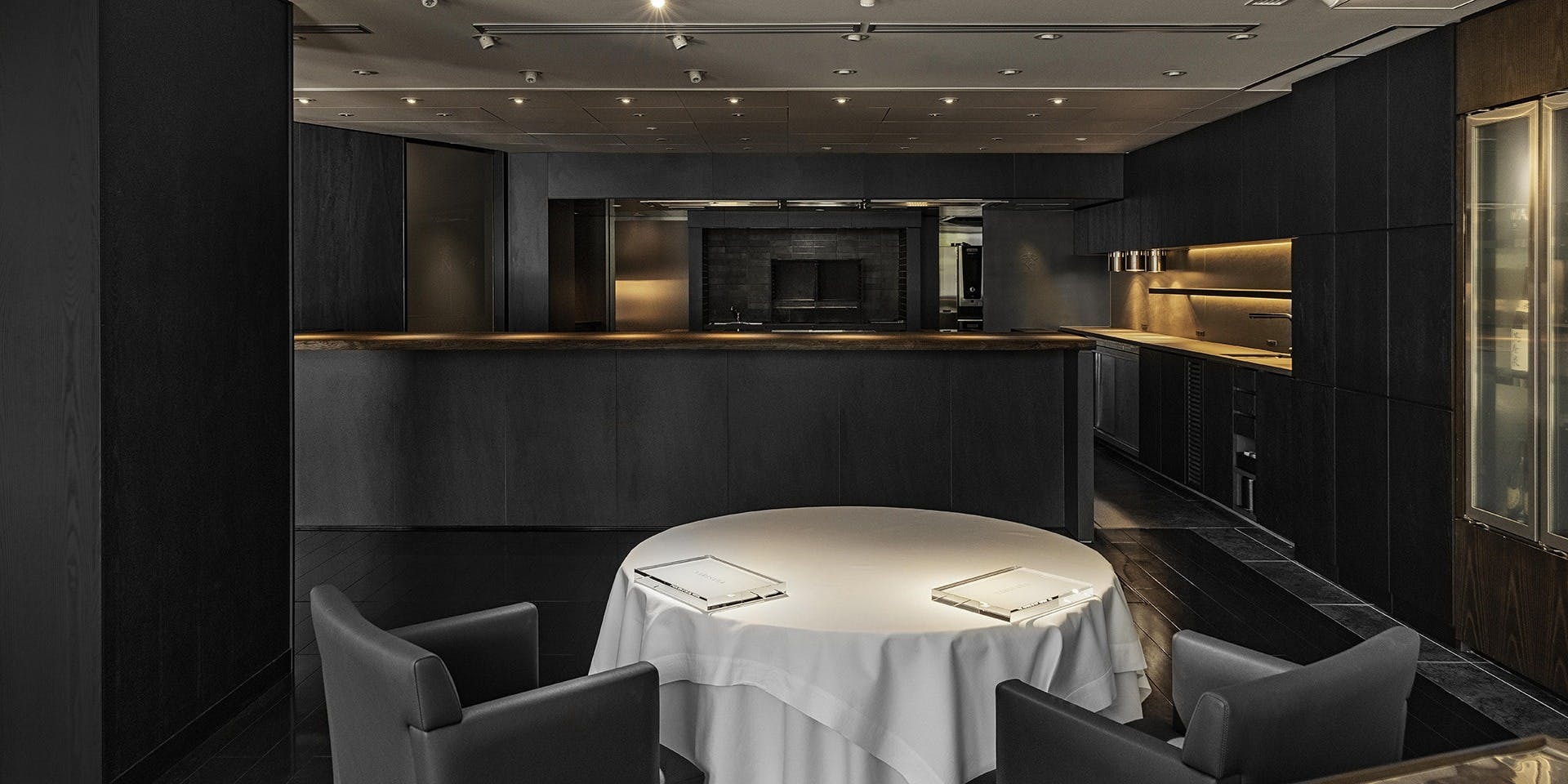
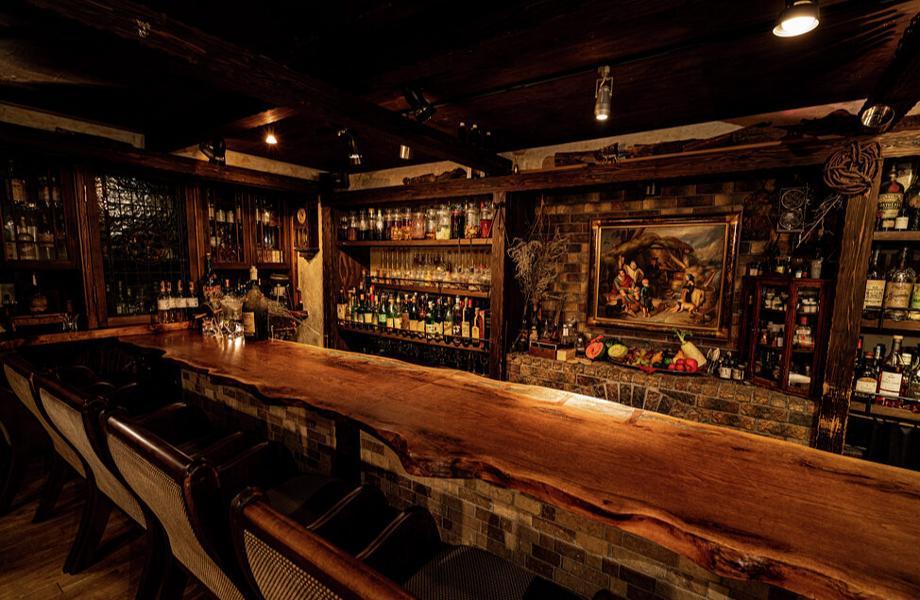
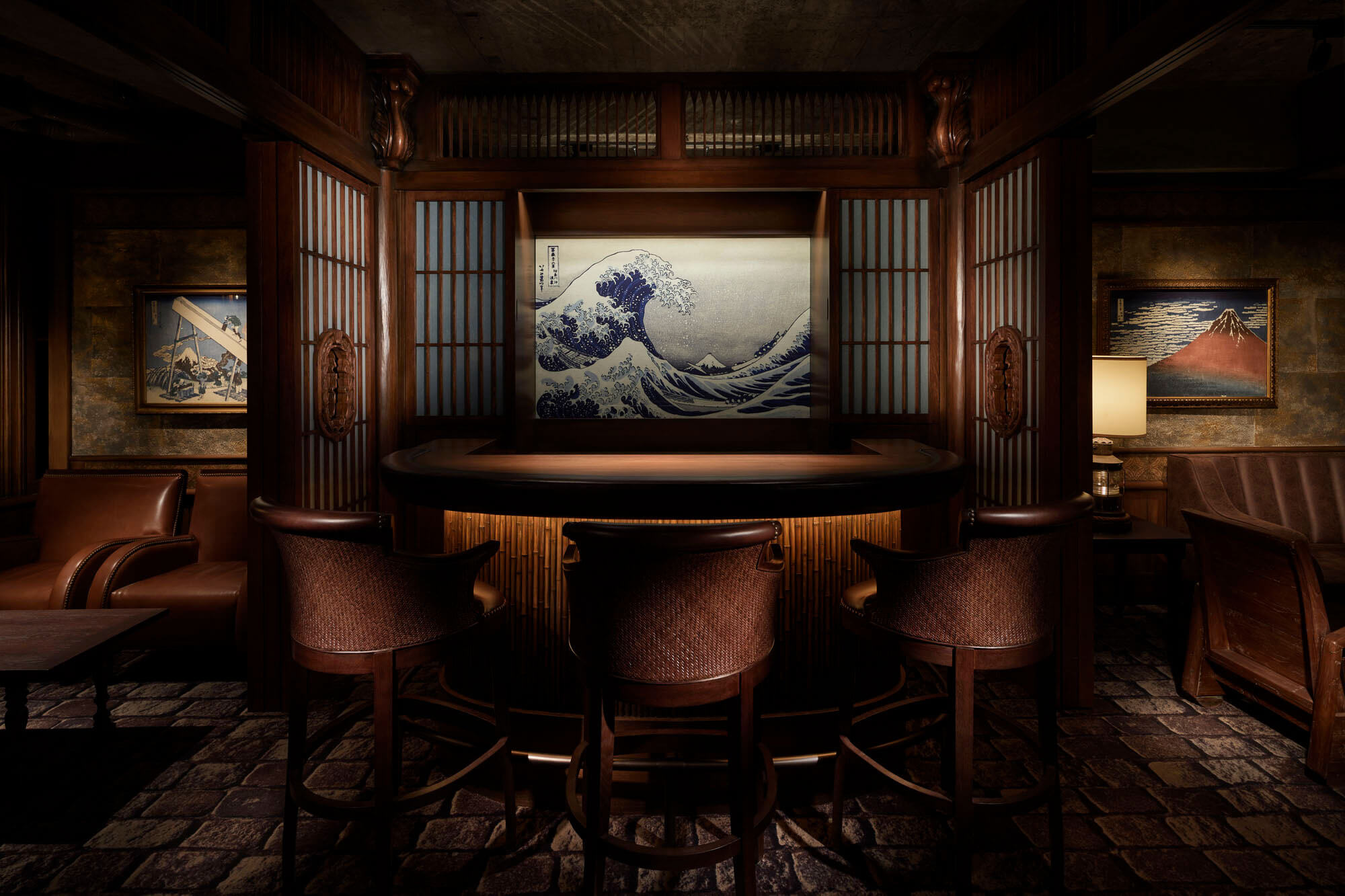
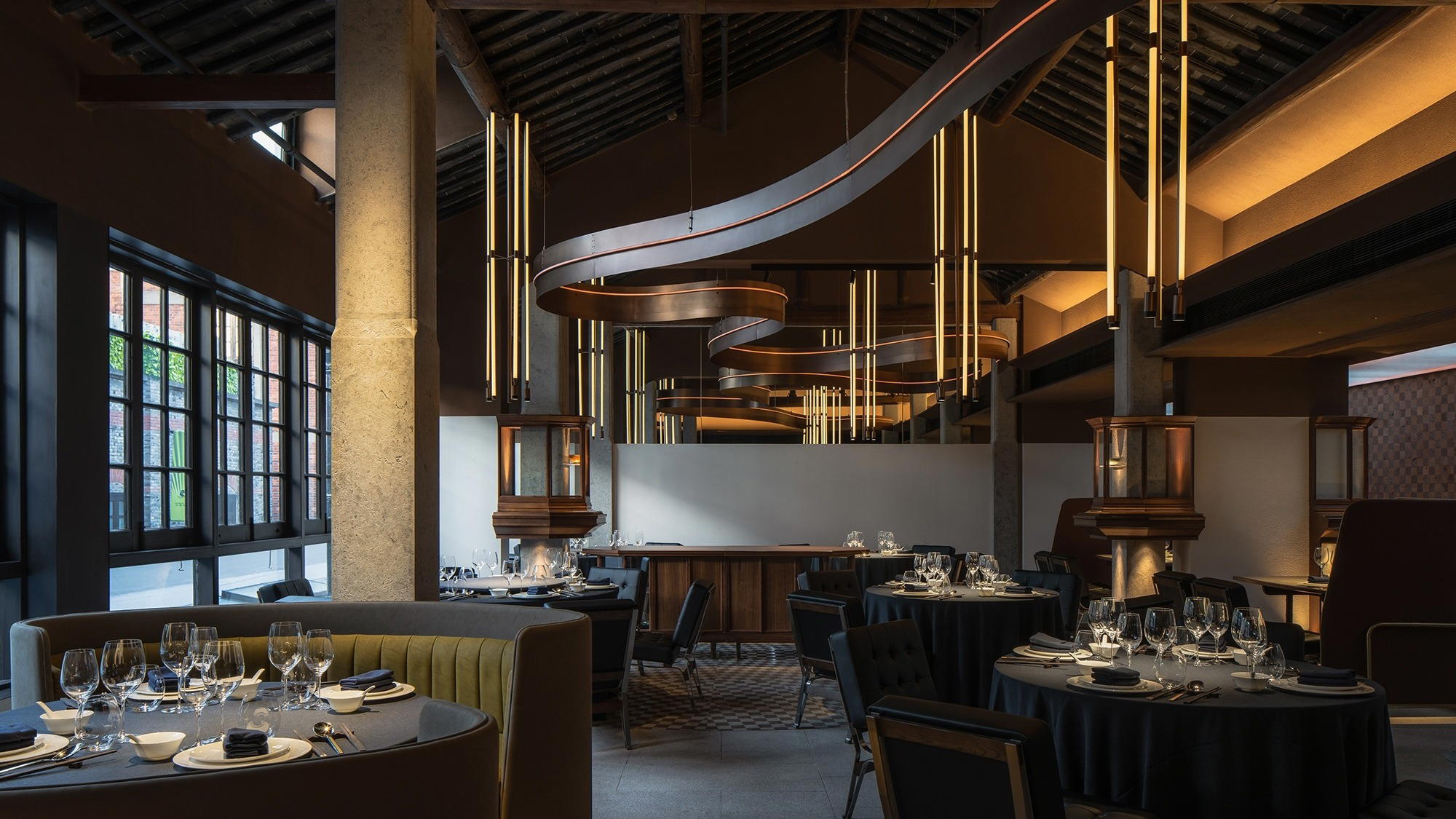
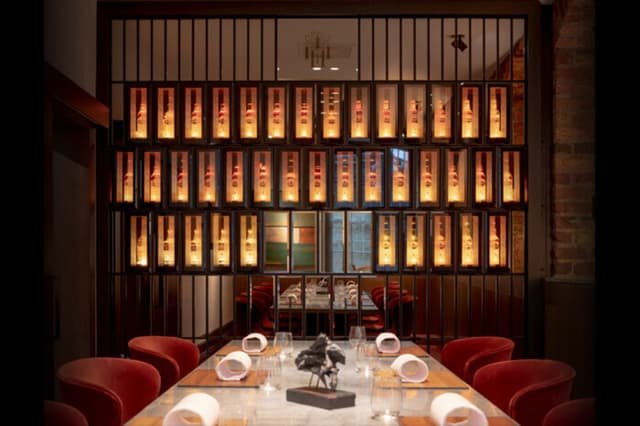
Cozy and refined wooden interior with a warm, welcoming atmosphere, blending traditional Japanese elements and modern design.
Tags
Vibe
Best For
Experience
At the Table
- Dress Code
- Smart Casual
- Noise Level
- Quiet
- Service Style
- Upscale Casual
- Meal Pacing
- Leisurely
- Capacity
- Intimate
- Kitchen
- Traditional
- Menu Format
- Counter dining, Set menu
- Wine Program
- Curated
- Drinks Focus
- Sake, Wine
- Private Dining
- Available
Signature Dishes
- Omi Beef Sukiyaki
- Meringue Egg
- Truffle Egg Yolk
Know before you go
Know Before You Go
- Getting there
- Japan, 〒105-0001 Tokyo, Minato City, Toranomon, 3 Chome−11−15 SVAX TT, 1階
Planning details
Location
Japan, 〒105-0001 Tokyo, Minato City, Toranomon, 3 Chome−11−15 SVAX TT, 1階 · Directions
Recognition and awards
Also consider
Also Consider
- Harutaka, Sushi, ¥¥¥¥
- RyuGin, Kaiseki, Japanese, ¥¥¥¥
- L'Effervescence, French, ¥¥¥¥
- HOMMAGE, Innovtive French, French, ¥¥¥¥
- Florilège, French, ¥¥¥
Restaurant context
Sukiyaki Asai sits at ¥¥¥ with Michelin Plate recognition, which puts it at a different price point from most of Tokyo's comparison-tier fine dining. Harutaka (¥¥¥¥, sushi) and RyuGin (¥¥¥¥, kaiseki) are both harder to book and considerably more expensive, targeting diners for whom the upper ceiling of Japanese fine dining is the goal. Asai is the better choice if sukiyaki specifically is what you want and you are not looking to spend at the ¥¥¥¥ tier.
Against the French options at ¥¥¥¥, L'Effervescence, HOMMAGE, Sukiyaki Asai offers a fundamentally different experience. Those venues are multi-course tasting menus with wine pairings and a high degree of service theatre. Asai is more focused: one cuisine, one format, one sourcing story. For a traveller who wants to eat deeply within a single Japanese culinary tradition rather than experience a broad tasting progression, Asai is the stronger decision. Florilège (¥¥¥, French) is the closest peer in price tier, but the cuisines are not interchangeable, compare them based on what you actually want to eat rather than on price alone.
Within the sukiyaki category, Asai's counter format and named-source beef make it the choice for diners who want provenance and precision. Imahan handles groups better. Hiyama offers a more traditional private-room format. If you are a solo diner or a pair with a serious interest in how sukiyaki is meant to be prepared, Asai is the clearer booking.
Explore Tokyo
Around this place
Discover more on Pearl
Unlock the full SUKIYAKI ASAI guide in Pearl, including awards, comparisons, FAQs, planning details, and nearby places.
Compare SUKIYAKI ASAI
| Venue | Price | Awards |
|---|---|---|
| SUKIYAKI ASAI | ¥¥¥ | 2026 Michelin Plate2025 Michelin Plate2024 Michelin Plate |
| Harutaka | ¥¥¥¥ | 2026 Tabelog Silver · #312026 OAD Top Restaurants in Japan Ranked · #1282026 Michelin 3 Stars2026 La Liste Top RestaurantsTabelog 100 - Sushi - TOKYO - 2025 · #372025 Asia's 50 Best Restaurants · #762025 OAD Top Restaurants in Japan Ranked · #1172025 La Liste Top Restaurants2025 Tabelog Bronze |
| RyuGin | ¥¥¥¥ | 2026 OAD Top Restaurants in Japan Ranked · #802026 Tabelog Bronze · #3772026 Michelin 3 Stars2026 La Liste Top RestaurantsTabelog 100 - Japanese cuisine - TOKYO - 2025 · #212025 OAD Top Restaurants in Japan Ranked · #542025 Michelin 3 Stars2025 La Liste Top Restaurants2025 The Best Chef Three Knives |
| L'Effervescence | ¥¥¥¥ | 2026 Tabelog Silver · #682026 OAD Top Restaurants in Japan Ranked · #103Star Wine Lists 20262026 Black Pearl 2 Diamond2026 Relais Chateaux Restaurants2026 La Liste Top Restaurants2026 Michelin 3 Stars2025 Asia's 50 Best Restaurants · #692025 OAD Top Restaurants in Japan Ranked · #92 |
| HOMMAGE | ¥¥¥¥ | 2026 Tabelog Bronze · #1232026 OAD Top Restaurants in Japan Highly Recommended2026 Michelin 2 StarsTabelog 100 - French - TOKYO - 2025 · #762025 Asia's 50 Best Restaurants · #782025 OAD Top Restaurants in Japan Ranked · #1752025 Michelin 2 Stars2025 The Best Chef One Knife2025 La Liste Top Restaurants |
| Florilège | ¥¥¥ | 2026 Asia's 50 Best Restaurants · #312026 Tabelog Bronze · #712026 OAD Top Restaurants in Japan Ranked · #1242026 Black Pearl 1 Diamond2026 Michelin 2 Stars2026 La Liste Top Restaurants2025 Asia's 50 Best Restaurants · #172025 World's 50 Best Restaurants · #36Tabelog 100 - French - TOKYO - 2025 · #68 |













Comparing your options in Tokyo for this tier.
FAQ
Frequently Asked Questions
Is SUKIYAKI ASAI good for solo dining?
Counter-format dining is where solo visits make the most sense here. You sit directly across from the server who prepares the meal in front of you, which makes for an engaged, interactive experience rather than an isolating one. At ¥¥¥ pricing, it's a deliberate solo splurge rather than a casual drop-in.
What should a first-timer know about SUKIYAKI ASAI?
The format is counter-only, and the preparation happens in front of you — alternating slices of beef and vegetables cooked to order. The dipping sauces are the differentiator: a meringue-style beaten egg and an egg yolk mixed with Tosa vinegar. The meal closes with shirataki noodles cooked in warishita sauce and beef fat, so pace yourself accordingly.
Is the tasting menu worth it at SUKIYAKI ASAI?
If sukiyaki is the format you want, yes. The beef is sourced from a named butcher in Shiga Prefecture and served in multiple thicknesses, which is a step above the undifferentiated wagyu you get at mid-tier sukiyaki chains. The Michelin Plate recognition in both 2024 and 2025 confirms it clears a quality threshold. If you want a broader Japanese fine-dining experience, RyuGin or L'Effervescence are different propositions entirely.
How far ahead should I book SUKIYAKI ASAI?
Booking difficulty is rated Easy, but no phone number or website is currently listed in venue data, so you will need to confirm the booking channel directly — through the venue's Google listing or a concierge service is the most reliable route. Book before you arrive in Tokyo rather than trying to arrange it on the ground.
Is SUKIYAKI ASAI worth the price?
At ¥¥¥, it sits in the serious-dinner tier for Tokyo, and the sourcing from a named Shiga Prefecture butcher and two consecutive Michelin Plate recognitions support that pricing. It is worth it specifically if you want to eat sukiyaki at a counter where the beef provenance matters — it is not worth it if you are indifferent to the format and just want a high-end Japanese meal.
Can I eat at the bar at SUKIYAKI ASAI?
The counter is the format — there is no separate dining room mentioned in venue data. Sitting at the counter while the server prepares your meal directly in front of you is the intended experience, not an alternative seating option.
What should I order at SUKIYAKI ASAI?
The menu follows a set progression: alternating beef and vegetable slices prepared at the counter, served with the signature dipping sauces, and finishing with shirataki noodles in warishita sauce and beef fat. There is no à la carte component referenced in venue data — the sequenced meal is the offering.