
.png?width=1200&quality=80)
Sudachi
Sushi, Japanese · Minato, Tokyo
Restaurant in Tokyo, Japan
 Book with Pearl
The Read
Goroawase Counter Dining
Price
$50–100per person
Chef
Various
Dress
Smart Casual
Why go
Sudachi is a Michelin Plate-recognised counter restaurant in Minami Aoyama that folds goroawase number-puzzle menus into an otherwise serious kaiseki and sushi format. At the ¥¥¥ tier it sits a price point below Tokyo's top-tier kaiseki rooms. Dinner is where the puzzle element runs; lunch is a more traditional kaiseki service finishing with sea bream rice and green tea.
About Sudachi
Verdict
Sudachi is worth booking if you want something Tokyo's kaiseki and sushi scenes rarely offer: a dinner that turns the meal into a participatory puzzle. The goroawase coded-menu format, the counter seats with a direct view of food preparation, and a young kitchen team create an atmosphere that sits closer to playful precision than solemn ceremony. At the ¥¥¥ price tier, it costs meaningfully less than the ¥¥¥¥ heavy-hitters clustered around Minami Aoyama, and it holds a Michelin Plate (2025) alongside an Opinionated About Dining recommendation (2023). If you have been once and had the puzzle-menu dinner, the lunch service offers a completely different experience worth returning for.
The Experience
Sudachi occupies a basement space in Minamiaoyama — an address that puts it within reach of some of Tokyo's most polished dining rooms, yet the venue deliberately runs at a register those neighbours do not. The counter format is the engine of the experience: sitting directly opposite the kitchen as dishes are prepared gives the meal a sense of momentum that a table arrangement rarely matches. For a returning visitor, that counter seat is the one to request, particularly in the evening when the goroawase puzzle element is active.
The goroawase tradition assigns number sounds to syllables in Japanese, and the kitchen uses this to encode menu information in a way that rewards diners who bring even a basic knowledge of the language. If you are not a Japanese speaker, the puzzles still function as a structural conceit that adds anticipation to each course, but the payoff deepens with linguistic familiarity. This is not a gimmick layered onto otherwise ordinary cooking — the Michelin recognition and the OAD listing confirm that the food justifies its own attention. The playful format is additive rather than compensatory.
Lunch runs a traditional kaiseki format from 11:30 am to 2 pm Tuesday through Sunday, finishing with sea bream rice with green tea poured over it, a closing course that functions as a palate-resetting ritual. Dinner runs 6 to 11 pm on the same days; Monday is the one dark day. The lunch and dinner services are distinct enough in character that a second visit does not repeat the first, which is a practical reason to return rather than simply move on to another address on your Tokyo list.
On the wine and drinks side, the database does not specify the full beverage program, so specific pairings and list depth cannot be confirmed here. What the kaiseki and sushi format typically demands is a drinks program that neither overpowers delicate dashi-based courses nor competes with the fish-focused preparation, whether Sudachi handles this through sake, domestic Japanese wine, or a more international list is a detail worth asking when you book. Counter dining makes the drinks conversation with the kitchen staff natural, which is one practical reason to sit at the bar rather than request any available table seating.
At the ¥¥¥ tier, Sudachi costs less than comparable kaiseki rooms in the same neighbourhood. The trade-off relative to a ¥¥¥¥ kaiseki experience is the absence of formal service theatre, but if the puzzle-menu concept appeals, that trade-off reads as a feature, not a concession.
Booking is rated Easy. The restaurant is closed on Mondays. Given the counter format and what is likely a small seat count, basement counter restaurants in this part of Tokyo typically seat under twenty, booking ahead is advisable for dinner especially, even if walk-in availability is technically possible for some lunch slots. Contact through the venue directly or via Tokyo reservation services; no direct booking link or phone number is confirmed in the available data.
For context on what else Tokyo's dining scene offers at this and adjacent price points, see our full Tokyo restaurants guide. If you are planning a wider Japan trip, consider adding Gion Sasaki in Kyoto, HAJIME in Osaka, or akordu in Nara to build a broader picture of Japanese fine dining at different registers. Further afield, Goh in Fukuoka and 1000 in Yokohama are worth knowing. For international sushi comparison points, Masa in New York City and Sushi Masaki Saito in Toronto represent two very different takes on Japanese counter dining exported abroad. For the rest of your Tokyo trip, our Tokyo hotels guide, bars guide, wineries guide, and experiences guide cover the full city picture. You might also want to note 6 in Okinawa if your Japan itinerary extends south.
Practical Details
Sudachi is located in Minami Aoyama (〒107-0062 Tokyo, Minato City, Minamiaoyama, 7 Chome-12-12, basement level). Lunch is served Tuesday through Sunday from 11:30 am to 2 pm. Dinner runs Tuesday through Sunday from 6 to 11 pm. Monday is closed. Booking is rated Easy; advance reservation is still the safer approach for dinner given the counter format. No dress code is confirmed in available data, though the Minamiaoyama neighbourhood and kaiseki-adjacent format suggest smart casual at minimum.
How It Compares
Planning details
- Hours
- Monday: Closed · Tuesday: 6–11 pm
- Location
- Japan, 〒107-0062 Tokyo, Minato City, Minamiaoyama, 7 Chome−12−12 南青山モワビル 地下1階
- Reservations
- Book on the venue's website
- Website
- sudachi.tokyo
- Phone
- +81 3-6433-5386
The take
The Take
The Vibe
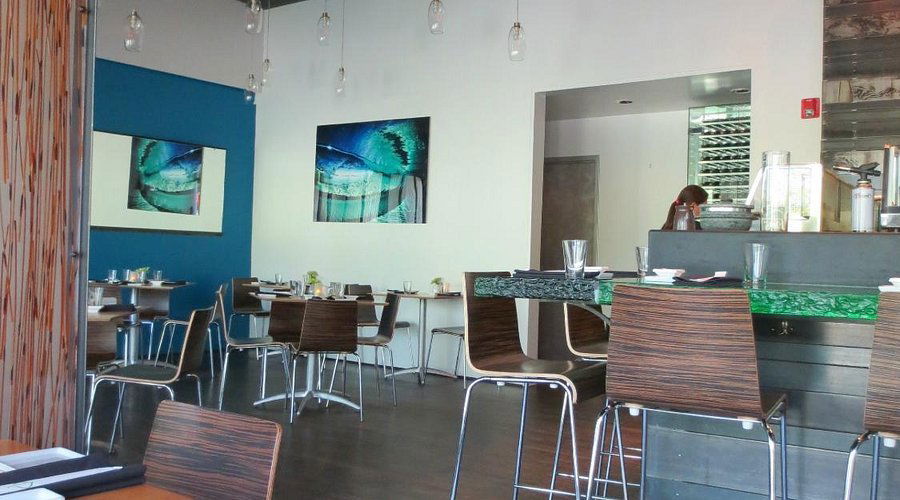
Sudachi feels youthful and purposeful: a Midori-Aoyama spot that trades solemn ceremony for a lively, participatory energy. Located one floor below street level, the room centers on counter seating where the kitchen’s young cooks project a palpable enthusiasm. The service and pacing emphasize engagement — a menu built around goroawase wordplay asks guests to read and respond rather than simply observe. Within the neighborhood’s constellation of highly formal tasting rooms and classical kaiseki, Sudachi stands out as a modern, trend-aware counter experience that still retains an intimate, up-close focus on technique and seasonality.
Best For
This is primarily an evening destination: the restaurant’s coded, goroawase-driven format is built for the dinner service and suits couples, small groups and solo diners who enjoy direct interaction with the cooks. It works well for celebratory nights where a hands-on counter experience is part of the appeal, and for diners looking for a less formal but still refined alternative to the area’s more ceremonious tasting rooms. Because the format is participatory and conversational, it’s best for guests who want to be involved in the flow of the meal rather than tucked away in a private room.
Ordering Tips
Expect an evening tasting that leans on a coded, puzzle-like menu; the description notes that guests with some Japanese literacy will get extra reward from the goroawase format, so be prepared to engage or ask the staff to explain the menu’s logic. The counter setting makes interaction with cooks easy—use that access to inquire about the Miyazaki Beef Niku Kappo, the Seasonal Sushi with Foie Gras, and the Wagyu and Duck course listed among the signatures. Because the kitchen emphasizes a participatory tone, consider letting staff guide the sequence rather than insisting on a strict à la carte approach.
Venue details
Ambiance
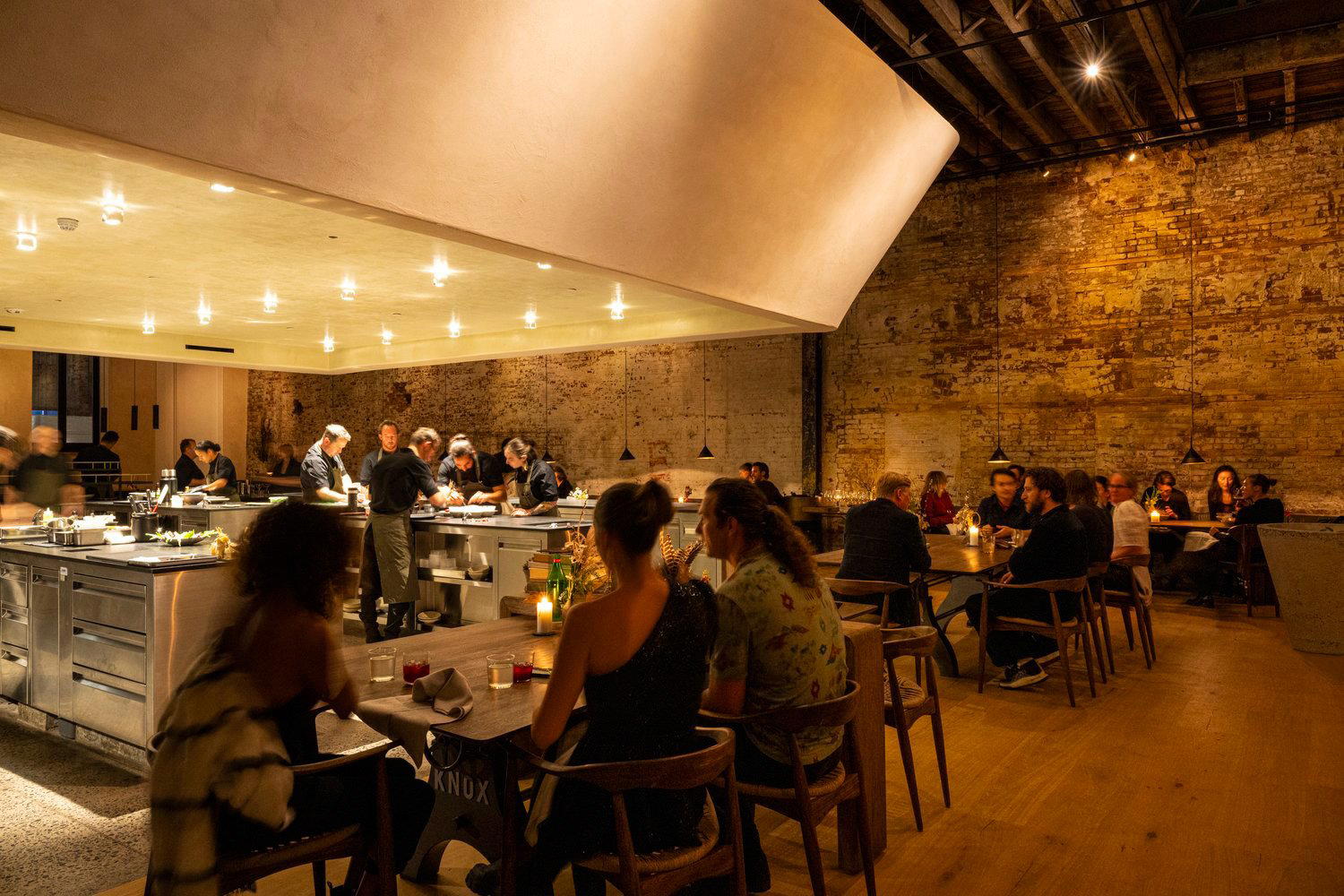
Lively yet refined atmosphere with an open kitchen counter where diners can immerse themselves in the energy of chefs at work, complemented by semi-private table seating for a more intimate experience.
Tags
Vibe
Best For
Experience
Sourcing
At the Table
- Dress Code
- Smart Casual
- Noise Level
- Conversational
- Service Style
- Upscale Casual
- Meal Pacing
- Extended Experience
- Capacity
- Small
- Kitchen
- Seasonal
- Menu Format
- Tasting menu, Counter dining, Set menu
- Wine Program
- Curated
- Drinks Focus
- Sake, Wine
- Dietary
- Vegetarian friendly, Allergy accommodating
- Private Dining
- Available
Signature Dishes
- Miyazaki Beef Niku Kappo
- Seasonal Sushi with Foie Gras
- Wagyu and Duck Course
Know before you go
Know Before You Go
- Getting there
- Japan, 〒107-0062 Tokyo, Minato City, Minamiaoyama, 7 Chome−12−12 南青山モワビル 地下1階
Planning details
Hours
- Monday
- Closed
- Tuesday
- 6–11 pm
- Wednesday
- 11:30 am–2 pm, 6–11 pm
- Thursday
- 11:30 am–2 pm, 6–11 pm
- Friday
- 11:30 am–2 pm, 6–11 pm
- Saturday
- 11:30 am–2 pm, 6–11 pm
- Sunday
- 11:30 am–2 pm, 6–11 pm
Location
Japan, 〒107-0062 Tokyo, Minato City, Minamiaoyama, 7 Chome−12−12 南青山モワビル 地下1階 · Directions
Recognition and awards

Also consider
Also Consider
- Harutaka, Sushi, ¥¥¥¥
- L'Effervescence, French, ¥¥¥¥
- RyuGin, Kaiseki, Japanese, ¥¥¥¥
- HOMMAGE, Innovtive French, French, ¥¥¥¥
- Crony, Innovative, French, ¥¥¥¥
Restaurant context
Sudachi sits at ¥¥¥ in a peer group that is mostly priced at ¥¥¥¥, which is the first thing to factor into any comparison. Against Harutaka, the sushi counter that regularly draws comparisons to Tokyo's most technically precise omakase rooms, Sudachi offers a meaningfully different proposition: more participatory atmosphere, interactive menu format, and a kaiseki-adjacent structure rather than a pure sushi progression. Harutaka is the stronger choice if technical sushi precision is the priority. Sudachi is the better call if you want engagement and personality at a lower price point.
Against kaiseki-format peers, RyuGin operates at the formal, high-ceremony end of Tokyo Japanese dining, it is a ¥¥¥¥ room where the service and surroundings carry as much weight as the food. Sudachi's young team and basement counter setting create the opposite dynamic. If the occasion requires the gravitas of RyuGin's format, Sudachi will feel too casual. If you want serious cooking without the ceremony, Sudachi's value case is clear. On the French side, L'Effervescence and Crony serve very different food at ¥¥¥¥ and are not direct competitors, but both are worth considering if your Tokyo dining budget has room for one formal and one more relaxed meal.
For the returning visitor who has already worked through Tokyo's formal kaiseki circuit, Sudachi is a practical next booking: the puzzle-menu dinner is something the ¥¥¥¥ rooms do not offer, the price is lower, and the booking difficulty is rated Easy compared to the months-out waits that Harutaka and RyuGin often require. It is not a substitute for the top-tier rooms, but it earns its place on a serious Tokyo dining itinerary as a distinct experience rather than a fallback option.
Explore Tokyo
Around this place
Discover more on Pearl
Unlock the full Sudachi guide in Pearl, including awards, comparisons, FAQs, planning details, and nearby places.
Compare Sudachi
| Venue | Cuisine | Awards | Booking Difficulty |
|---|---|---|---|
| Sudachi | Sushi, Japanese | 2026 OAD Top Restaurants in Japan Recommended2026 Michelin Plate2025 Michelin Plate2024 Michelin Plate2023 OAD Top Restaurants in Japan Recommended | Easy |
| Harutaka | Sushi | 2026 Tabelog Silver · #312026 OAD Top Restaurants in Japan Ranked · #1282026 Michelin 3 Stars2026 La Liste Top RestaurantsTabelog 100 - Sushi - TOKYO - 2025 · #372025 Asia's 50 Best Restaurants · #762025 OAD Top Restaurants in Japan Ranked · #1172025 La Liste Top Restaurants2025 Tabelog Bronze | Unknown |
| L'Effervescence | French | 2026 Tabelog Silver · #682026 OAD Top Restaurants in Japan Ranked · #103Star Wine Lists 20262026 Black Pearl 2 Diamond2026 Relais Chateaux Restaurants2026 La Liste Top Restaurants2026 Michelin 3 Stars2025 Asia's 50 Best Restaurants · #692025 OAD Top Restaurants in Japan Ranked · #92 | Unknown |
| RyuGin | Kaiseki, Japanese | 2026 OAD Top Restaurants in Japan Ranked · #802026 Tabelog Bronze · #3772026 Michelin 3 Stars2026 La Liste Top RestaurantsTabelog 100 - Japanese cuisine - TOKYO - 2025 · #212025 OAD Top Restaurants in Japan Ranked · #542025 Michelin 3 Stars2025 La Liste Top Restaurants2025 The Best Chef Three Knives | Unknown |
| HOMMAGE | Innovtive French, French | 2026 Tabelog Bronze · #1232026 OAD Top Restaurants in Japan Highly Recommended2026 Michelin 2 StarsTabelog 100 - French - TOKYO - 2025 · #762025 Asia's 50 Best Restaurants · #782025 OAD Top Restaurants in Japan Ranked · #1752025 Michelin 2 Stars2025 The Best Chef One Knife2025 La Liste Top Restaurants | Unknown |
| Crony | Innovative, French | 2026 Asia's 50 Best Restaurants · #34Star Wine Lists 20262026 OAD Top Restaurants in Japan Recommended2026 Michelin 2 Stars2025 Asia's 50 Best Restaurants · #30Tabelog 100 - French - TOKYO - 2025 · #782025 OAD Top Restaurants in Japan Ranked · #227We're Smart World Top Restaurants 20252025 Michelin 2 Stars | Unknown |













What to weigh when choosing between Sudachi and alternatives.
FAQ
Frequently Asked Questions
Can I eat at the bar at Sudachi?
Counter seating is available at Sudachi and is worth requesting. The counter gives you a direct view of the food preparation, which is particularly relevant at dinner when the goroawase puzzle experience is in play. If you are visiting as a pair, the counter is the format that makes the most sense here.
Is lunch or dinner better at Sudachi?
Depends on what you are after. Dinner is the more distinctive experience: that is when the goroawase coded-menu puzzles run, adding an interactive layer that sets Sudachi apart from standard kaiseki. Lunch is traditional kaiseki, finishing with sea bream rice with green tea poured over it — solid, but closer to what you can find elsewhere in Minami Aoyama. First-timers should go at dinner.
Is the tasting menu worth it at Sudachi?
At the ¥¥¥ price point, Sudachi is priced in line with mid-to-upper Tokyo kaiseki, and the puzzle-menu format at dinner gives you something beyond the food itself. The Michelin Plate recognition (2025) and an Opinionated About Dining recommendation confirm the kitchen is cooking at a credible level. If you find standard kaiseki progression a little passive, the added goroawase layer makes the price easier to justify.
Is Sudachi good for a special occasion?
Yes, with the right group. The puzzle element at dinner makes it more engaging than a straight tasting-menu celebration — it gives the table something to do together, which works well for birthdays or low-key milestones. The basement setting in a Minamiaoyama building is intimate rather than grand, so if you need a formal showpiece room, look elsewhere. Counter seating for two on a weeknight dinner is the sweet spot.
Is Sudachi worth the price?
At ¥¥¥, Sudachi is not a budget meal, but the value case is clearer than at comparably priced kaiseki rooms. The goroawase puzzle format at dinner is a concrete differentiator — you are paying for an experience that requires some engagement from you, not just passive tasting. Michelin Plate (2025) and OAD recognition confirm the food holds up. If you want straightforward kaiseki at this price tier, there are more refined options in Tokyo; if the interactive format appeals, Sudachi earns the spend.