
Simplicité
French · Shibuya, Tokyo
Restaurant in Tokyo, Japan
 Book with Pearl
The Read
Charcuterie of the Sea
Price
$150–200per person
Chef
Kaoru Aihara
Dress
Smart Casual
Why go
MICHELIN Guide-selected French in Daikanyama built entirely around Japanese seafood. Chef Kaoru Aihara applies French charcuterie technique to fish with disciplined precision, and at ¥¥¥ pricing sits a tier below most Tokyo peers of comparable quality. Booking is hard, plan three to four weeks out minimum and use a hotel concierge if you have one.
About Simplicité
Verdict
Simplicité is one of the harder reservations to secure in Tokyo's French dining scene, and for good reason. Chef Kaoru Aihara holds a Michelin star (2024) and ranked #372 on the Opinionated About Dining Leading Restaurants in Japan list for 2025, up from #407 the previous year. The concept is focused and deliberate: French culinary technique applied to Japanese seafood, with the ocean geography of Japan as the through-line. If that framing connects with you, book it. If you want broader French repertoire or more theatrical presentation, consider L'Effervescence or Sézanne instead.
The Restaurant
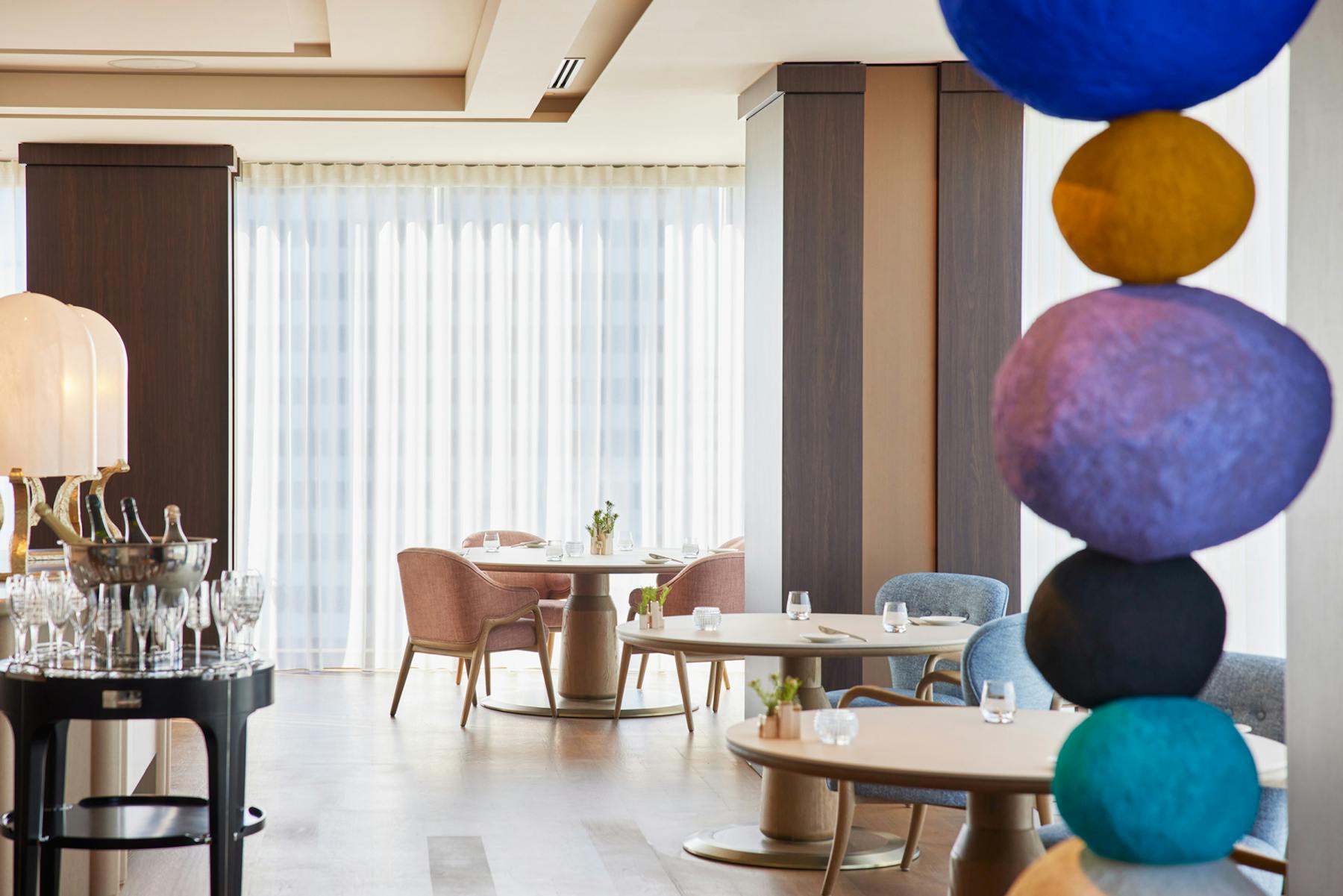
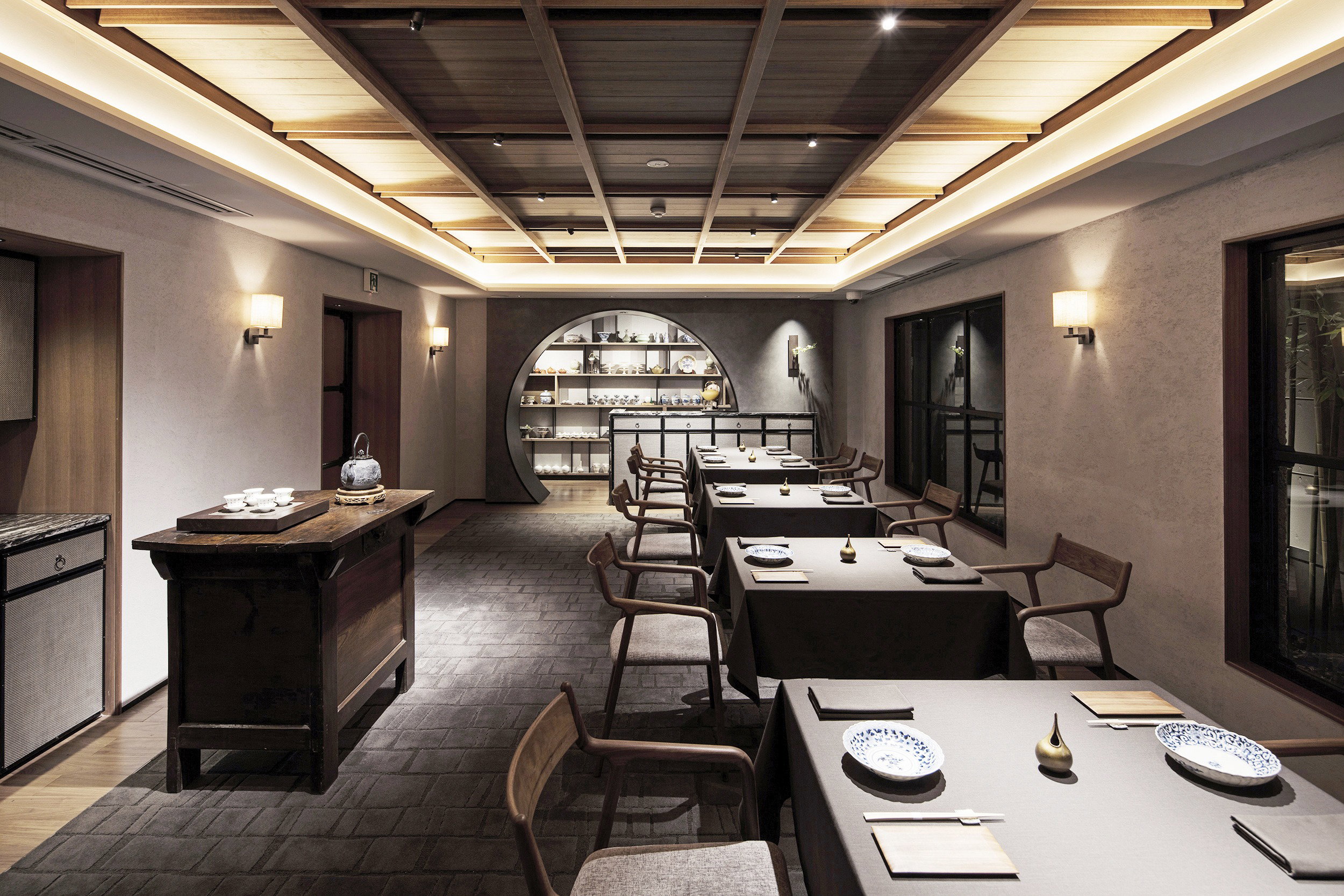
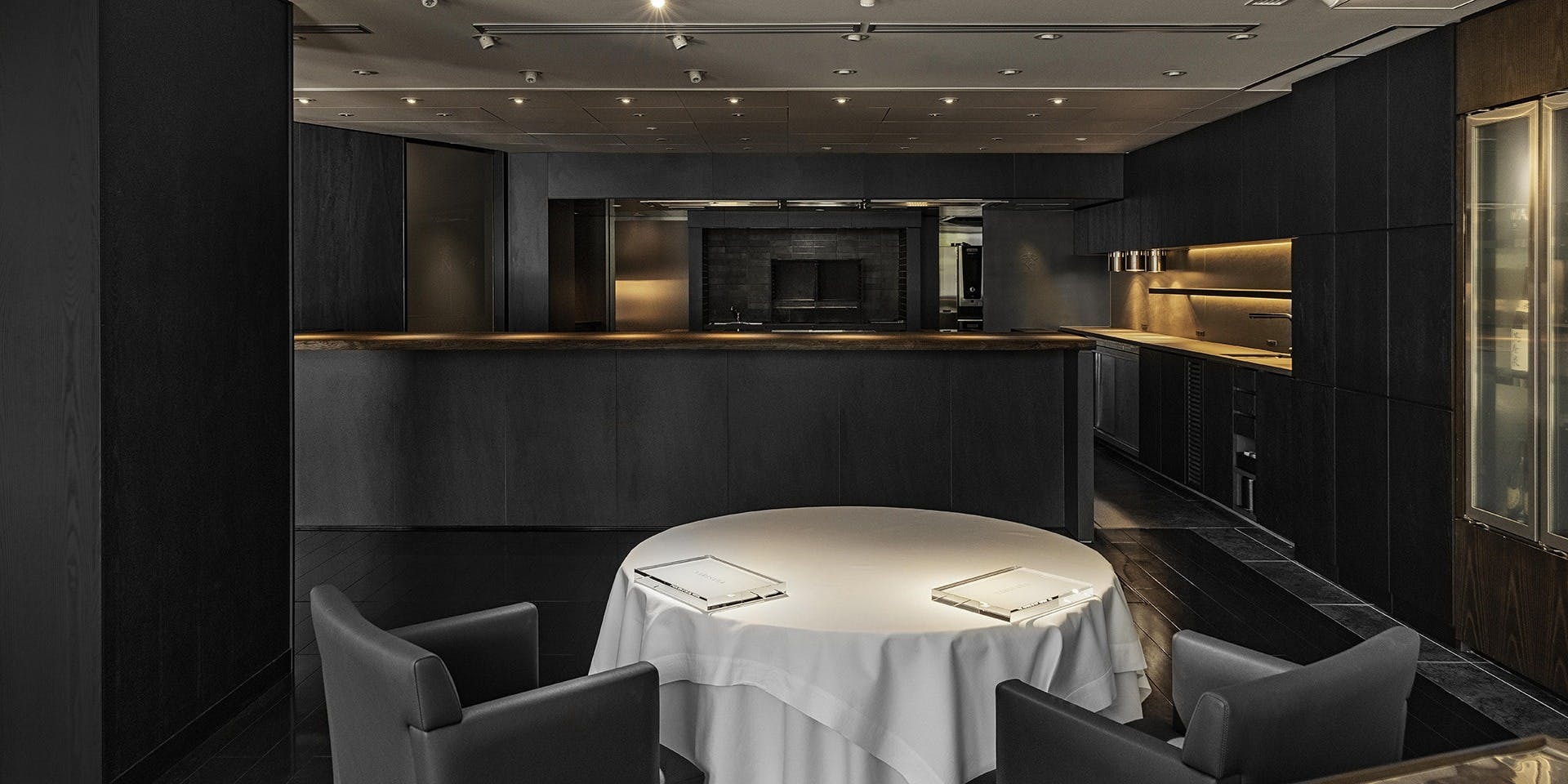
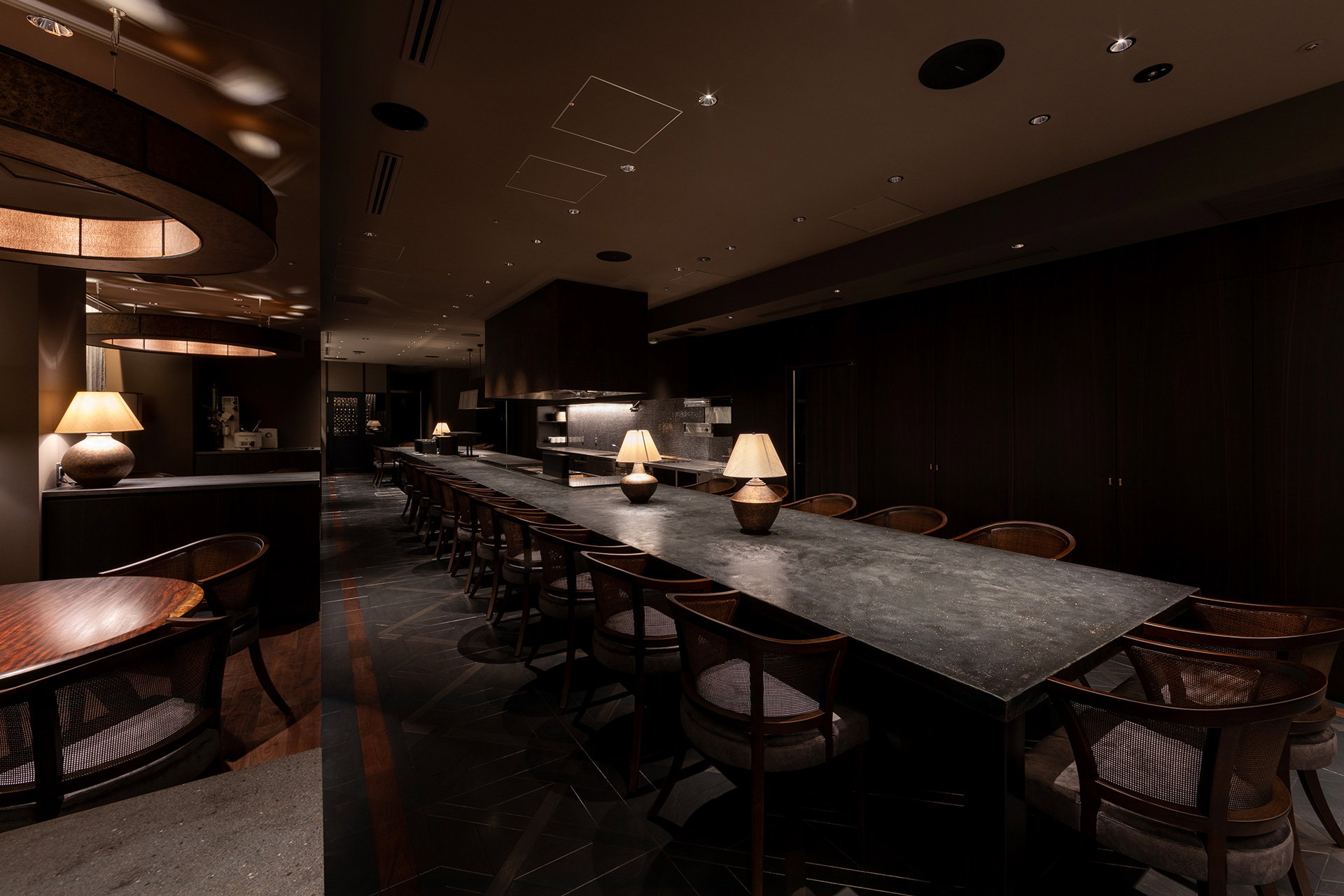
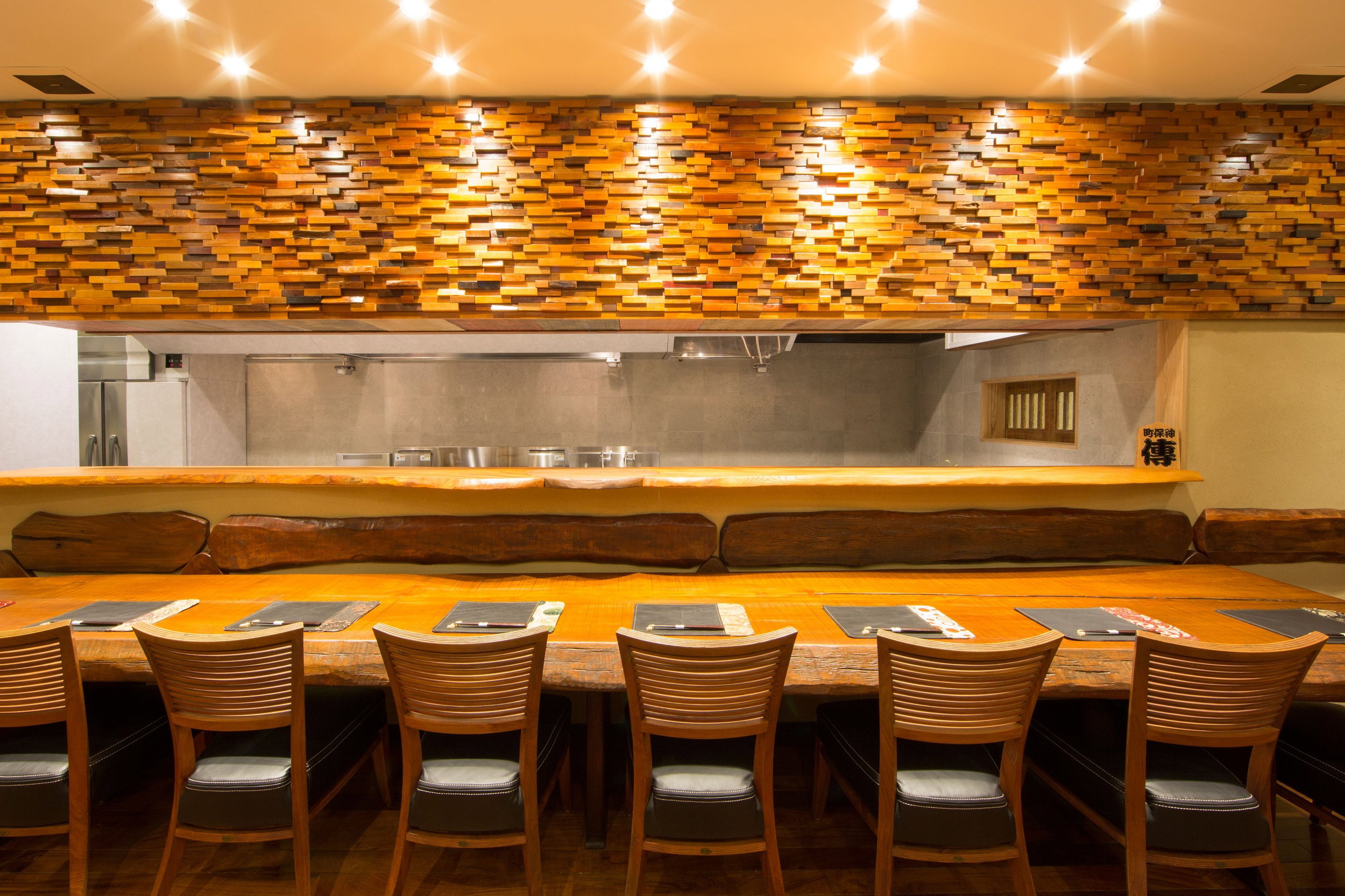
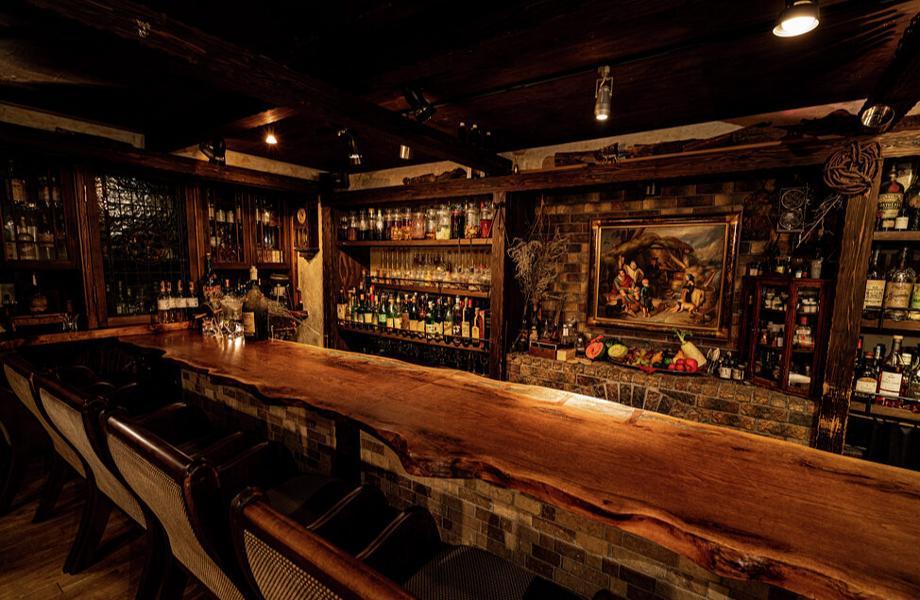
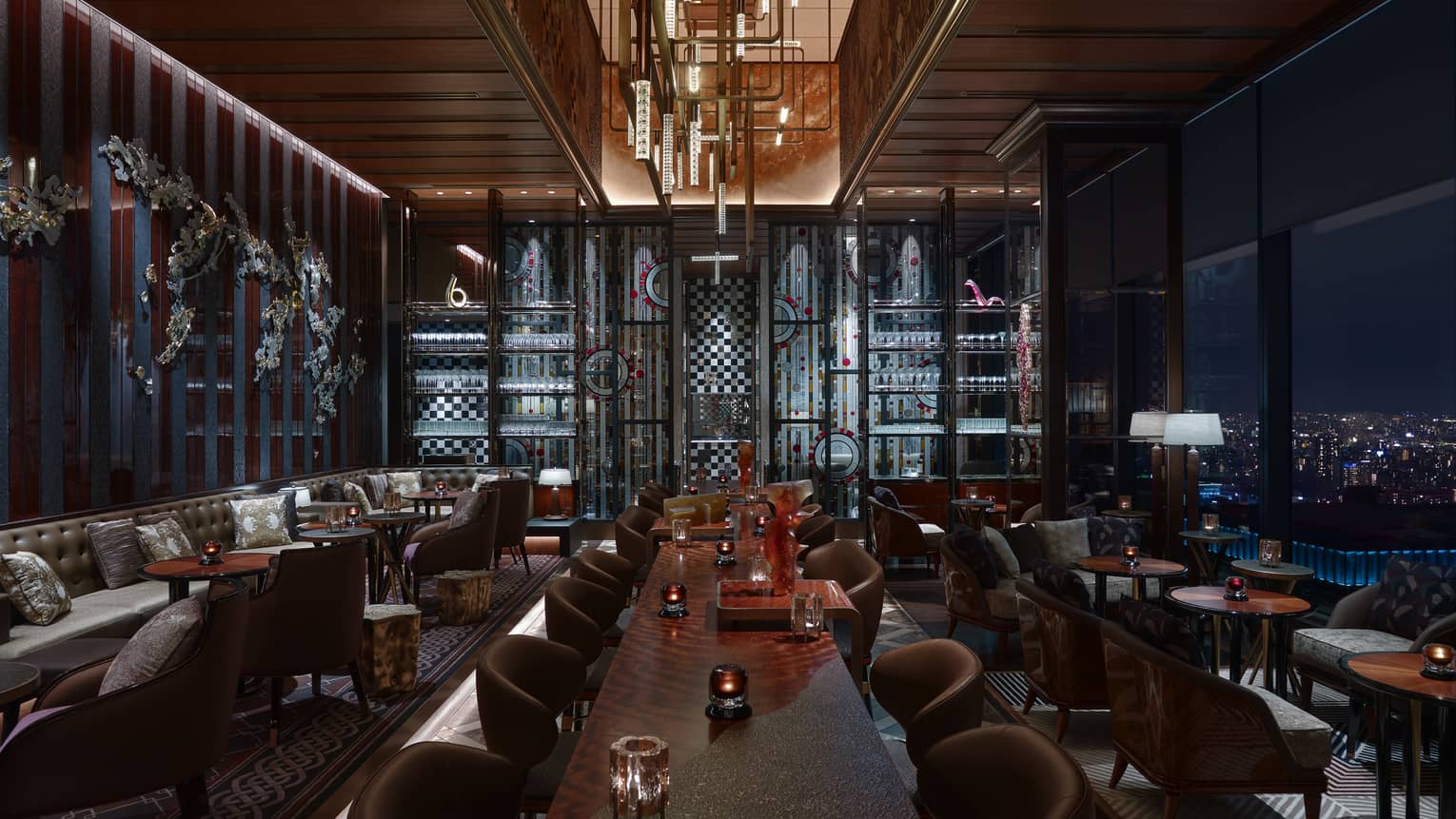
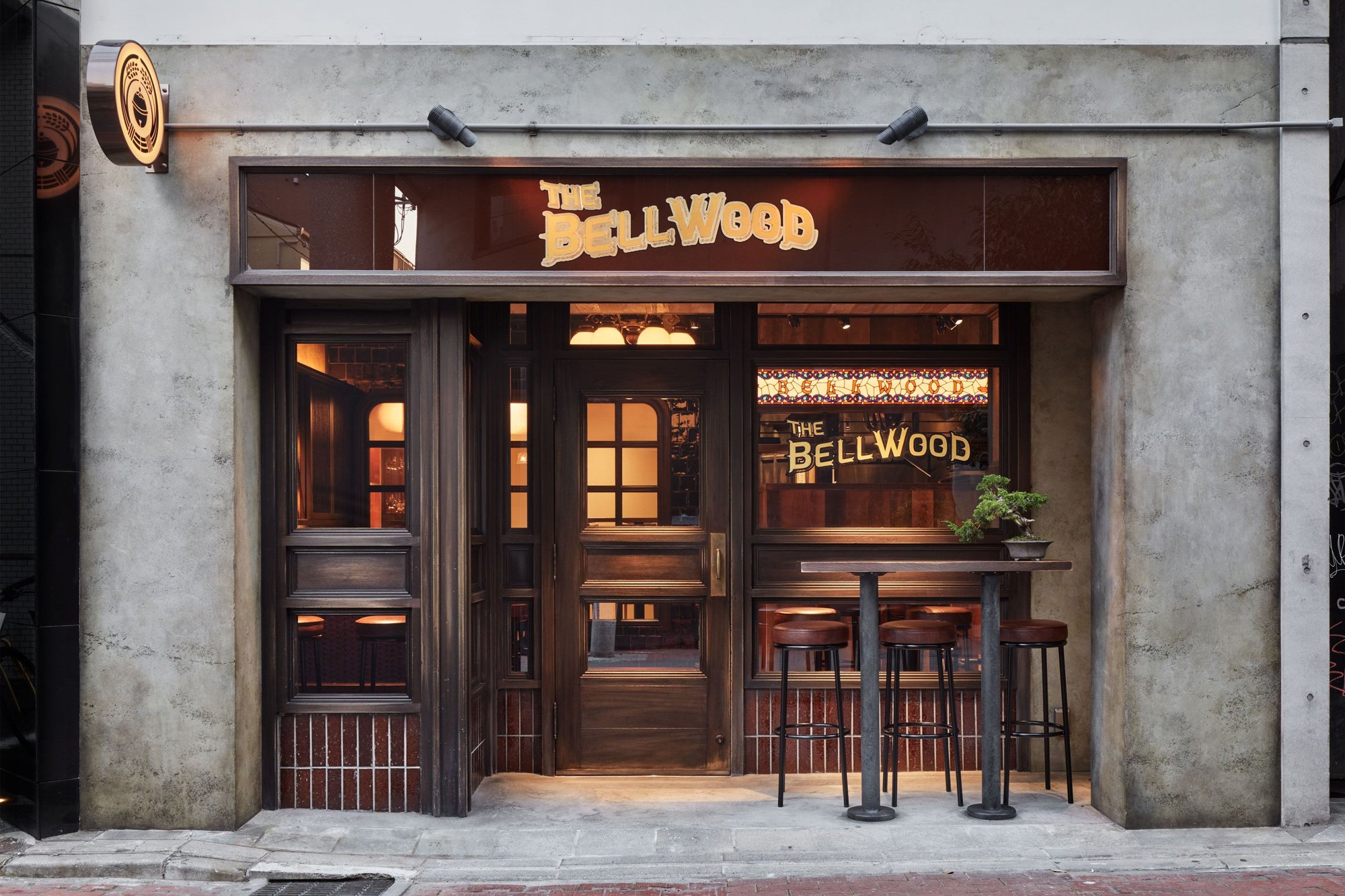
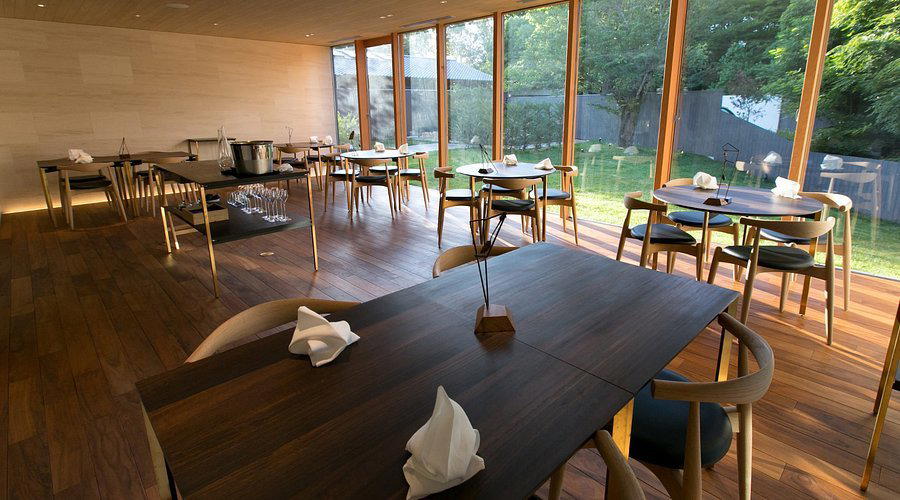
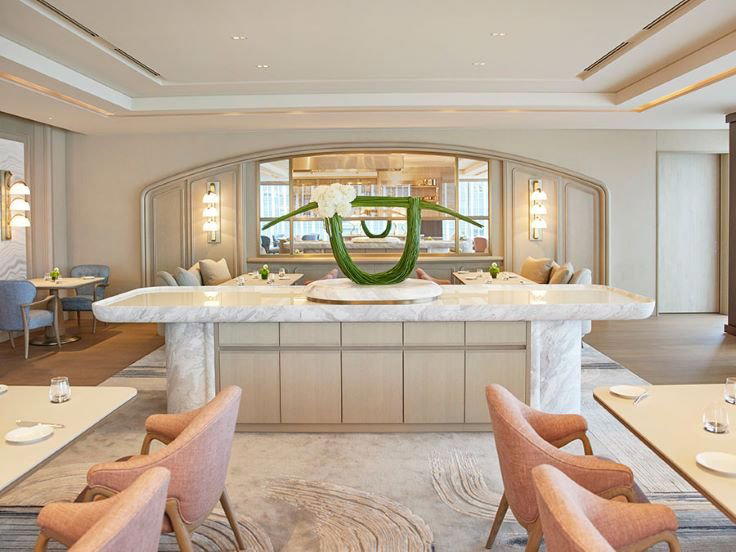
Simplicité sits in Daikanyama, one of Tokyo's quieter, more residential pockets, inside a low-rise building on a side street in Ebisunishi. The ground-floor space reads intimate rather than grand: this is not a room designed to impress on arrival, but one that rewards you once you're seated. The scale is small, which means service attention is high and the atmosphere on most evenings is private enough for a serious conversation or a celebration you don't want overheard. For a special occasion dinner in Tokyo, the spatial register here is a better match than the larger, more performative rooms you'll find at Château Restaurant Joël Robuchon.
The kitchen's signature framing is what Aihara calls 'Charcuterie of the Sea': an appetiser course that applies the logic and technique of French charcuterie to fish, breaking apart fibres, working fish oils, building umami, and layering aromatic complexity. This is not fusion in the loose sense. It is a disciplined application of one culinary tradition onto the primary ingredient of another. The OAD trajectory from 407 to 372 in a single year suggests the kitchen is moving in the right direction.
Seasonality and When to Visit
This is where the booking decision gets more specific. Japanese fish cookery is inseparable from the seasonal calendar. What swims off Hokkaido in autumn differs entirely from what comes out of the Seto Inland Sea in spring, and a chef whose stated concept is built around the geography of Japan's coastline will be working that calendar closely. Spring brings sea bream and cherry blossom-season fish; late autumn and winter are when fattier cold-water fish peak. If you're planning a visit, the current season should influence your timing meaningfully. A winter booking at a restaurant built around fish oils and umami depth is not the same meal as a spring lunch.
Thursday through Sunday lunch (12–3pm) and dinner (6–10:30pm) are the available windows. Monday and Tuesday are closed. The lunch service on Thursday is the lowest-competition slot and worth considering if your schedule allows: fewer competing bookings, often better light in a ground-floor room, and the same kitchen running the same menu. For a special occasion dinner, Friday or Saturday evening is the obvious choice, but expect those to fill first.
Booking Reality
Booking difficulty here is classified as hard. Simplicité is a small, Michelin-starred restaurant in a city with extremely high competition for exactly this type of table. There is no phone number or website in the public record, which means you will almost certainly need to book through a third-party reservation platform or hotel concierge. If you're staying somewhere with a well-connected concierge desk, use them: for restaurants at this level of demand in Tokyo, concierge use is real. Build in a minimum three-to-four week lead time, longer if you want a specific date in peak season (spring cherry blossom period and late-autumn kaiseki season both drive competition for Tokyo's better tables across all cuisine types).
Groups should be aware that the intimate scale of the room may limit large-party configurations. There is no seat count in the public record, but a ground-floor space in a Daikanyama side-street building of this type typically runs to a small counter or a handful of tables. Parties of five or more should confirm capacity directly before assuming a group booking is feasible.
Value and Price Positioning
At ¥¥¥, Simplicité sits one tier below the ¥¥¥¥ pricing of peers like L'Effervescence, ESqUISSE, and Florilège. For a Michelin-starred French restaurant in Tokyo with this level of culinary focus and a rising OAD ranking, that represents clear value. You are getting starred-level cooking at a price point that sits below the top tier. The trade-off is that the room is modest and the booking is not easy. If the idea of a quiet, focused, fish-driven French meal in a small Daikanyama space appeals, the price-to-quality ratio here is in your favour. If you want a grander room or a more comprehensive French wine programme, step up to ¥¥¥¥ and look at ESqUISSE or Sézanne.
Solo Dining and Special Occasions
For solo diners, the small room and counter-style intimacy typical of restaurants at this scale in Tokyo works in your favour. You are less likely to feel conspicuous eating alone at a focused tasting counter than at a large table-service room. The cuisine format, built around a sequential fish-driven menu, also suits solo engagement: there is enough technical content in each course to hold your attention. For couples marking a birthday or anniversary, the room's quietness and the kitchen's narrative coherence (the geography of Japan's coast as a through-line) give the meal a sense of occasion without requiring theatrical service. It is a better date restaurant than a group celebration venue.
For further context on the French dining scene across Japan, see also HAJIME in Osaka, akordu in Nara, and for global French reference points, Hotel de Ville Crissier and Les Amis in Singapore. Explore the full picture with our full Tokyo restaurants guide, our full Tokyo hotels guide, our full Tokyo bars guide, our full Tokyo wineries guide, and our full Tokyo experiences guide.
Planning details
- Hours
- Monday: Closed · Tuesday: Closed
- Location
- Japan, 〒150-0021 Tokyo, Shibuya, Ebisunishi, 2 Chome−17−13 SOPHIAS代官山 1F
- Reservations
- Book on the venue's website
- Website
- simplicite123.com
- Phone
- +81 3-6759-1096
The take
The Take
The Vibe
Simplicité presents a focused, quietly refined take on French cooking in Tokyo. The restaurant reads like an intimate, minimalist atelier where French technique is applied almost exclusively to Japan’s coastal larder — cold-water fish, shellfish and seaweeds — producing work that feels elegant and sophisticated rather than flashy. The Michelin star and the team’s European training ground the place in a tradition of disciplined service and high standards, while the singular focus on fish gives the dining room a purposeful, contemplative mood that suits close conversation and careful tasting.
Best For
This is a venue built for thoughtful evenings: date nights, special occasions and celebrations where the meal itself is the centerpiece. Located in Daikanyama and holding a Michelin star, Simplicité emphasizes a refined, intimate experience best enjoyed at dinner, when the kitchen’s fish-centric repertoire and meticulous technique are on full display. The atmosphere supports quiet conversation and attentive service, making it a natural pick when you want a memorable, culinary-first night out rather than a casual meal.
Ordering Tips
The kitchen’s sustained focus on fish is the clearest ordering hint: prioritize seafood preparations and the signature items called out by the restaurant. Highlights to look for include the Aged Fish and the White Asparagus with Oyster Sauce, plus seafood features such as Clam and Sardine. Ask the staff about that day’s coastal catch and how the team is using French technique to age or dress the fish — those conversations will steer you toward the dishes that best represent the restaurant’s intent.
Venue details
Ambiance
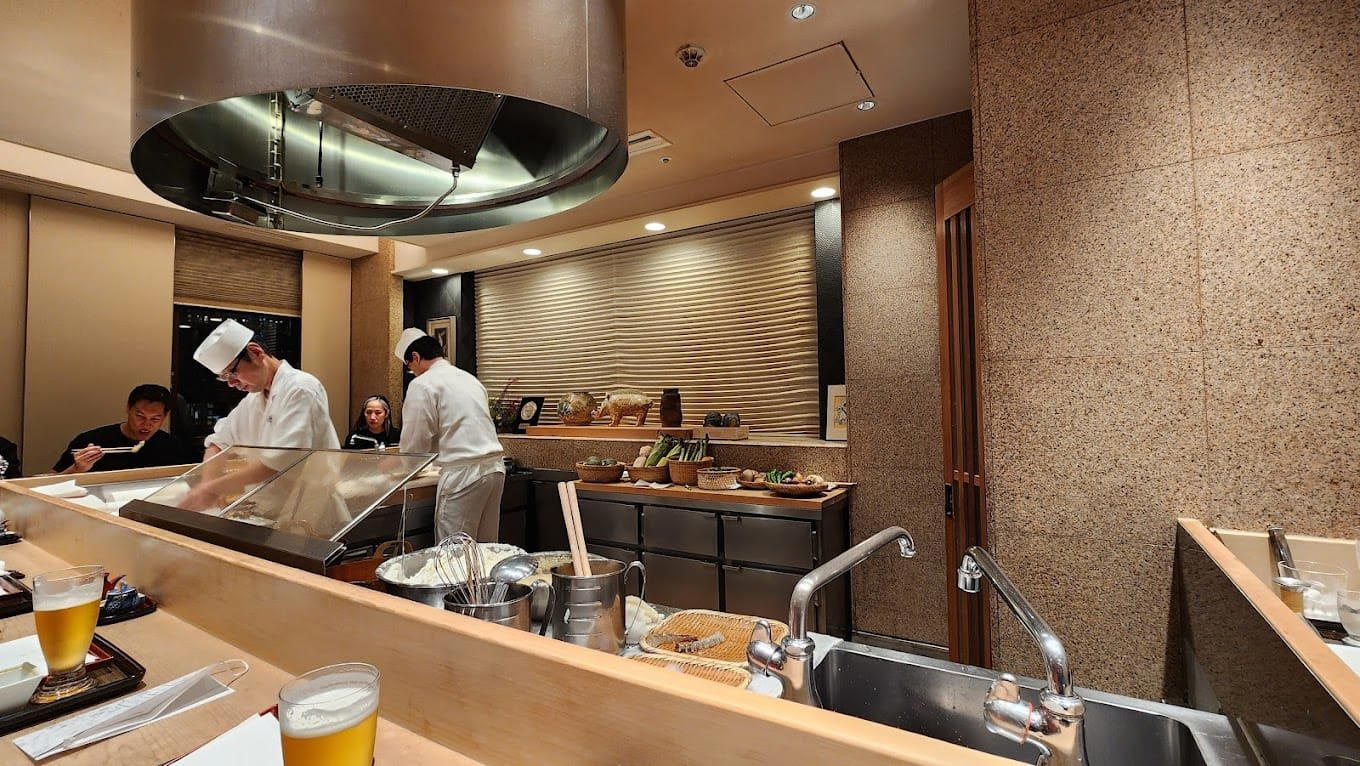
Intimate counter seating with an open kitchen where guests engage directly with the chef and staff in a warm, refined atmosphere with minimalist yet elegant presentation.
Tags
Vibe
Best For
Experience
Sourcing
At the Table
- Dress Code
- Smart Casual
- Noise Level
- Quiet
- Service Style
- Omakase Bar
- Meal Pacing
- Extended Experience
- Capacity
- Intimate
- Kitchen
- Modern
- Menu Format
- Omakase, Counter dining, Set menu
- Drinks Focus
- Wine, Sake
- Dietary
- Allergy accommodating, Pescatarian friendly
Signature Dishes
- Aged Fish
- White Asparagus with Oyster Sauce
- Clam
- Sardine
Know before you go
Know Before You Go
- Getting there
- Japan, 〒150-0021 Tokyo, Shibuya, Ebisunishi, 2 Chome−17−13 SOPHIAS代官山 1F
Planning details
Hours
- Monday
- Closed
- Tuesday
- Closed
- Wednesday
- 6–10:30 pm
- Thursday
- 12–3 pm, 6–10:30 pm
- Friday
- 12–3 pm, 6–10:30 pm
- Saturday
- 12–3 pm, 6–10:30 pm
- Sunday
- 12–3 pm, 6–10:30 pm
Location
Japan, 〒150-0021 Tokyo, Shibuya, Ebisunishi, 2 Chome−17−13 SOPHIAS代官山 1F · Directions

Also consider
Also Consider
- Harutaka, Sushi, ¥¥¥¥
- L'Effervescence, French, ¥¥¥¥
- RyuGin, Kaiseki, Japanese, ¥¥¥¥
- HOMMAGE, Innovtive French, French, ¥¥¥¥
- Crony, Innovative, French, ¥¥¥¥
Restaurant context
Simplicité's clearest differentiator in Tokyo's French scene is its singular focus: this is a fish-first kitchen, and every other consideration follows from that. At ¥¥¥, it also sits below the ¥¥¥¥ pricing of most comparable Michelin-starred French venues in the city. If you want the most technically focused, seafood-driven experience at the most accessible price in the starred French tier, Simplicité is the booking to make. If you want broader menu scope or a grander room, L'Effervescence at ¥¥¥¥ offers more range across both the land and sea and a more substantial room, though at higher cost and with comparably difficult reservations.
HOMMAGE and Crony are both ¥¥¥¥ French-leaning venues with an inventive, modern approach. If the innovation angle matters more to you than a focused ingredient philosophy, either is worth considering, and Crony in particular has a less formal register that suits diners who find the Michelin-starred room atmosphere constraining. RyuGin at ¥¥¥¥ shifts the frame entirely into kaiseki, where Japanese seasonal produce is also the organising principle, if you are drawn to Simplicité because of its engagement with Japan's coastal geography, RyuGin applies a similar seasonal rigour through a wholly Japanese lens and is worth comparing directly.
For sushi at a comparable price tier, Harutaka at ¥¥¥¥ is the reference point, though the format and experience type are different enough that the comparison is mainly useful for budget allocation rather than deciding between two equivalent evenings. The short version: book Simplicité if you want Michelin-starred French fish cookery at ¥¥¥ in an intimate Daikanyama room. Step up to L'Effervescence or HOMMAGE if price is less of a factor and you want more menu breadth or a larger room.
Explore Tokyo
Around this place
Discover more on Pearl
Unlock the full Simplicité guide in Pearl, including awards, comparisons, FAQs, planning details, and nearby places.
Compare Simplicité
| Venue | Price | Awards |
|---|---|---|
| Simplicité | ¥¥¥ | 2026 OAD Top Restaurants in Japan Recommended2026 Michelin PlateTabelog 100 - French - TOKYO - 2025 · #312025 OAD Top Restaurants in Japan Ranked · #3722024 OAD Top Restaurants in Japan Ranked · #4072024 Michelin 1 Star |
| Harutaka | ¥¥¥¥ | 2026 Tabelog Silver · #312026 OAD Top Restaurants in Japan Ranked · #1282026 Michelin 3 Stars2026 La Liste Top RestaurantsTabelog 100 - Sushi - TOKYO - 2025 · #372025 Asia's 50 Best Restaurants · #762025 OAD Top Restaurants in Japan Ranked · #1172025 La Liste Top Restaurants2025 Tabelog Bronze |
| L'Effervescence | ¥¥¥¥ | 2026 Tabelog Silver · #682026 OAD Top Restaurants in Japan Ranked · #103Star Wine Lists 20262026 Black Pearl 2 Diamond2026 Relais Chateaux Restaurants2026 La Liste Top Restaurants2026 Michelin 3 Stars2025 Asia's 50 Best Restaurants · #692025 OAD Top Restaurants in Japan Ranked · #92 |
| RyuGin | ¥¥¥¥ | 2026 OAD Top Restaurants in Japan Ranked · #802026 Tabelog Bronze · #3772026 Michelin 3 Stars2026 La Liste Top RestaurantsTabelog 100 - Japanese cuisine - TOKYO - 2025 · #212025 OAD Top Restaurants in Japan Ranked · #542025 Michelin 3 Stars2025 La Liste Top Restaurants2025 The Best Chef Three Knives |
| HOMMAGE | ¥¥¥¥ | 2026 Tabelog Bronze · #1232026 OAD Top Restaurants in Japan Highly Recommended2026 Michelin 2 StarsTabelog 100 - French - TOKYO - 2025 · #762025 Asia's 50 Best Restaurants · #782025 OAD Top Restaurants in Japan Ranked · #1752025 Michelin 2 Stars2025 The Best Chef One Knife2025 La Liste Top Restaurants |
| Crony | ¥¥¥¥ | 2026 Asia's 50 Best Restaurants · #34Star Wine Lists 20262026 OAD Top Restaurants in Japan Recommended2026 Michelin 2 Stars2025 Asia's 50 Best Restaurants · #30Tabelog 100 - French - TOKYO - 2025 · #782025 OAD Top Restaurants in Japan Ranked · #227We're Smart World Top Restaurants 20252025 Michelin 2 Stars |
.png?width=1200&quality=80)












Comparing your options in Tokyo for this tier.
FAQ
Frequently Asked Questions
What should I order at Simplicité?
The kitchen is built around Chef Kaoru Aihara's 'Charcuterie of the Sea' concept, which applies French technique to Japanese fish. There is no à la carte decision to make, the tasting menu is the format, so the fish-driven courses are what you are there for. Aihara's approach varies by species and season, so the specific dishes will shift depending on when you visit.
Is the tasting menu worth it at Simplicité?
Yes, if fish-forward French cookery is the format you want. Simplicité holds a Michelin star (2024) and is ranked #372 among Japan's top restaurants by Opinionated About Dining (2025), which puts it in credible company. The tasting menu is the only way to experience Aihara's 'Charcuterie of the Sea' concept, so diners who want à la carte flexibility should look elsewhere, Crony or HOMMAGE offer a different entry point into Tokyo's French scene.
Is Simplicité worth the price?
At ¥¥¥, it sits one tier below L'Effervescence, ESqUISSE, and Florilège, making it one of the more accessible price points for Michelin-starred French in Tokyo. Given the OAD ranking and Michelin star, the value case is stronger here than at comparable ¥¥¥¥ rooms. If your budget is firm at ¥¥¥, this is one of the better-credentialled options in that bracket.
Can Simplicité accommodate groups?
The restaurant is small, which limits group suitability. Large parties will find the room tight and there is no indication of a private dining space in the venue record. Groups of two to four are the practical ceiling for a comfortable experience. For a larger celebration in Tokyo's French scene, L'Effervescence or Florilège offer more capacity.
What should I wear to Simplicité?
No dress code is specified in the venue record, but a Michelin-starred French restaurant in Daikanyama warrants at minimum smart casual, clean, considered clothing without being formal. Tokyo dining culture at this level generally skews neat rather than dressed down. When in doubt, dress one step above what you'd wear to a mid-range restaurant.
Is lunch or dinner better at Simplicité?
Lunch runs Thursday through Sunday and is the easier slot to secure given dinner's higher competition for bookings. The kitchen format is the same either way, so lunch is the practical recommendation if you are flexible, you get the same Michelin-starred tasting menu at likely similar pricing, with a booking that is less difficult to land.
Is Simplicité good for solo dining?
Yes. The small room and intimate scale typical of Tokyo restaurants at this tier works in a solo diner's favour, you are unlikely to be seated awkwardly or feel out of place. Solo diners at a tasting-menu counter in Tokyo are a normal occurrence, and the fish-focused format makes the experience coherent without needing a dining partner to share dishes.