

Shunkeian Arakaki
Tempura · Chūō, Tokyo
Restaurant in Tokyo, Japan
 Book with Pearl
The Read
Edo-Tradition Counter Tempura
Price
¥¥¥
Dress
Smart Casual
Why go
Harder to access than the city's internationally-known tempura venues, which means a more local room and consistent execution. Worth booking for food-focused travellers who want starred tempura without the tourist circuit. Secure a reservation through a hotel concierge — this is not a walk-in option.
About Shunkeian Arakaki
The Verdict
If you are weighing up Tokyo's Michelin-starred tempura scene, Shunkeian Arakaki sits in a different register from the city's most-booked counters. Where Tempura Kondo draws international crowds and commands months-long waitlists, Arakaki is harder to find in English-language booking channels, which makes it genuinely difficult to secure a table but also means the room skews local. For a food-focused traveller who wants a Michelin 1 Star (2024) tempura experience without the tourist-circuit atmosphere, this is one of the stronger options in Chuo City. Book early, plan around the seasonal calendar, and treat this as a destination meal.
About Shunkeian Arakaki
Shunkeian Arakaki is a tempura specialist in Chuo City, Tokyo, holding a Michelin star as of the 2024 guide. The address — 3 Chome-5-10 Minato, Chuo City — places it in a quieter pocket of central Tokyo, removed from the dense concentration of fine-dining venues in Ginza and Minato-ku proper. That geography matters: this is not a venue you stumble into. You book deliberately, or you miss it.
Tempura at this tier is a precision format. The kitchen's job is to source ingredients at their seasonal peak, control oil temperature to within a narrow band, and time the coating and cook so the result is light, coherent, and expressive of the ingredient rather than the batter. At Michelin 1 Star level, that baseline is expected. What distinguishes venues in this category is how they handle the current season's produce, winter in Tokyo means a different counter from spring, and the leading tempura restaurants build their sequence around what is actually ready. Book now and you are eating what this season offers, not a fixed menu designed for a brochure.
The beverage pairing question at a Japanese tempura counter is worth thinking through before you arrive. Sake is the default, and for good reason: the clean, slightly umami-forward profile of quality junmai or daiginjo sake sits alongside delicate tempura without competing with the batter's lightness. That said, at this price tier, a well-chosen domestic wine or curated sake flight can shift the meal from good to memorable. The venue's wine program details are not confirmed in Pearl's database, so ask when you book what the current pairing options are, this is not a question to leave until you are seated.
For context, this is the profile of a venue that does what it does reliably rather than one chasing attention. That consistency is exactly what you want when a meal costs this much.
If you are building a broader Japan itinerary around serious food, Shunkeian Arakaki pairs logically with other Michelin-recognised venues across the region. HAJIME in Osaka, Gion Sasaki in Kyoto, and Goh in Fukuoka each represent the top tier of their respective cities' dining scenes. Within Tokyo itself, the full picture of where Arakaki sits relative to other tempura counters is covered in our full Tokyo restaurants guide. For tempura specifically, compare also Tempura Ginya, Tempura Motoyoshi, Edomae Shinsaku, and Fukamachi before you commit. In Osaka, Numata and Shunsaiten Tsuchiya are the comparable tempura references.
Ratings at a Glance
- Michelin: 1 Star (2024)
- Price tier: ¥¥¥
Booking & Practical Details
Booking difficulty is high. With no English-language website confirmed in Pearl's database and a small, locally-focused operation, the most reliable route is through a hotel concierge in Tokyo or a specialist reservation service. Build at least three to four weeks of lead time into your planning, more if you are travelling during cherry blossom season (late March to early April) or autumn (October to November), when Tokyo's fine-dining calendar fills quickly. Phone and hours data are not currently in Pearl's database, so do not rely on walk-in availability.
Practical Comparison: Tempura Counters in Tokyo
| Venue | Price Tier | Michelin | Booking Difficulty |
|---|---|---|---|
| Shunkeian Arakaki | ¥¥¥ | 1 Star (2024) | Hard |
| Tempura Kondo | ¥¥¥¥ | Michelin-recognised | Very Hard |
| Tempura Ginya | ¥¥¥ | Check Pearl | Moderate |
| Fukamachi | ¥¥¥ | Check Pearl | Moderate |
Explore More in Tokyo
- Our full Tokyo hotels guide
- Our full Tokyo bars guide
- Our full Tokyo wineries guide
- Our full Tokyo experiences guide
- akordu in Nara
- 1000 in Yokohama
- 6 in Okinawa
Planning details
- Location
- 3 Chome-5-10 Minato, Chuo City, Tokyo 104-0043, Japan
- Website
- shunkeianarakaki-japan.com
- Phone
- +81 90-7716-4125
The take
The Take
The Vibe
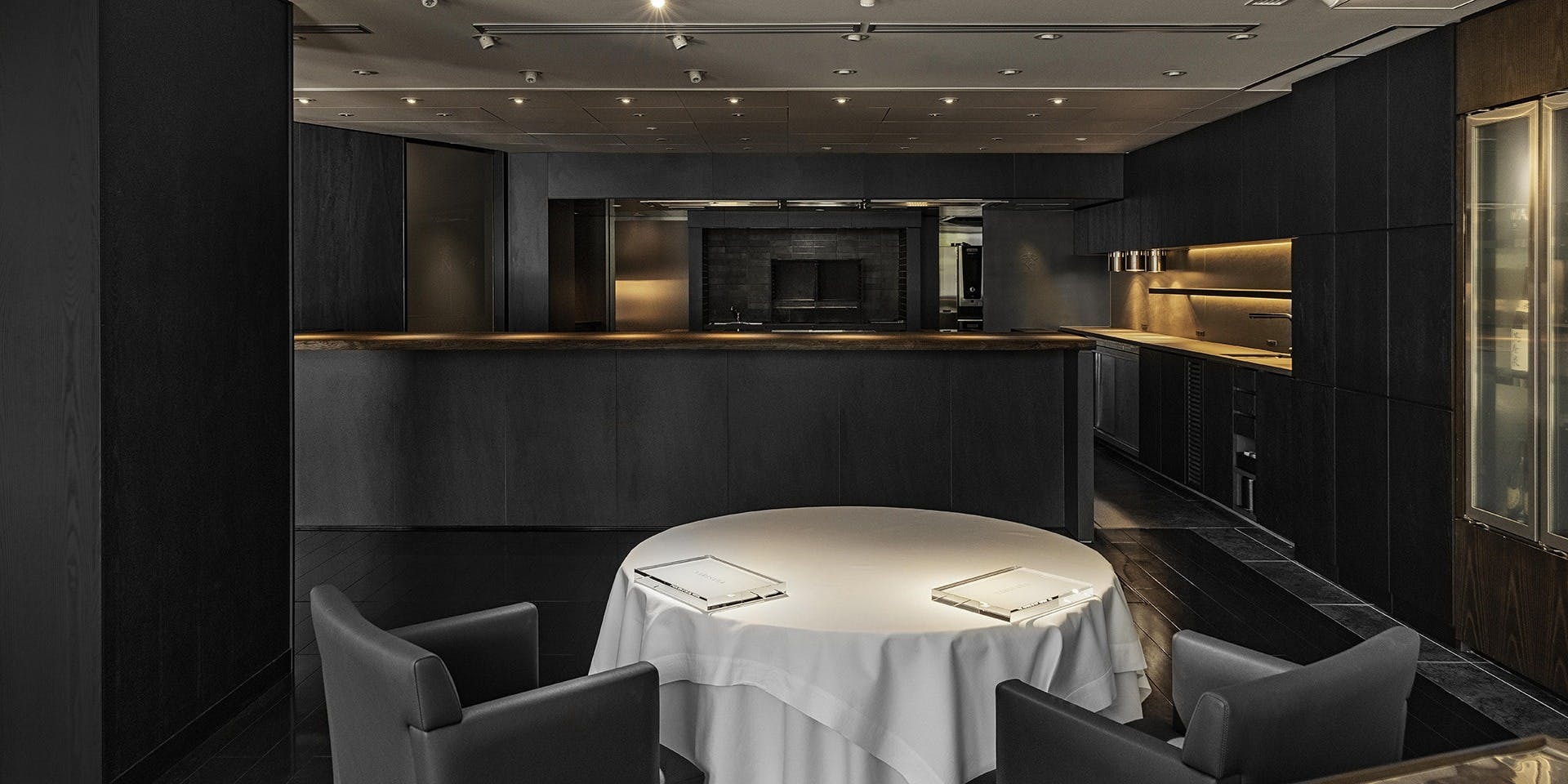
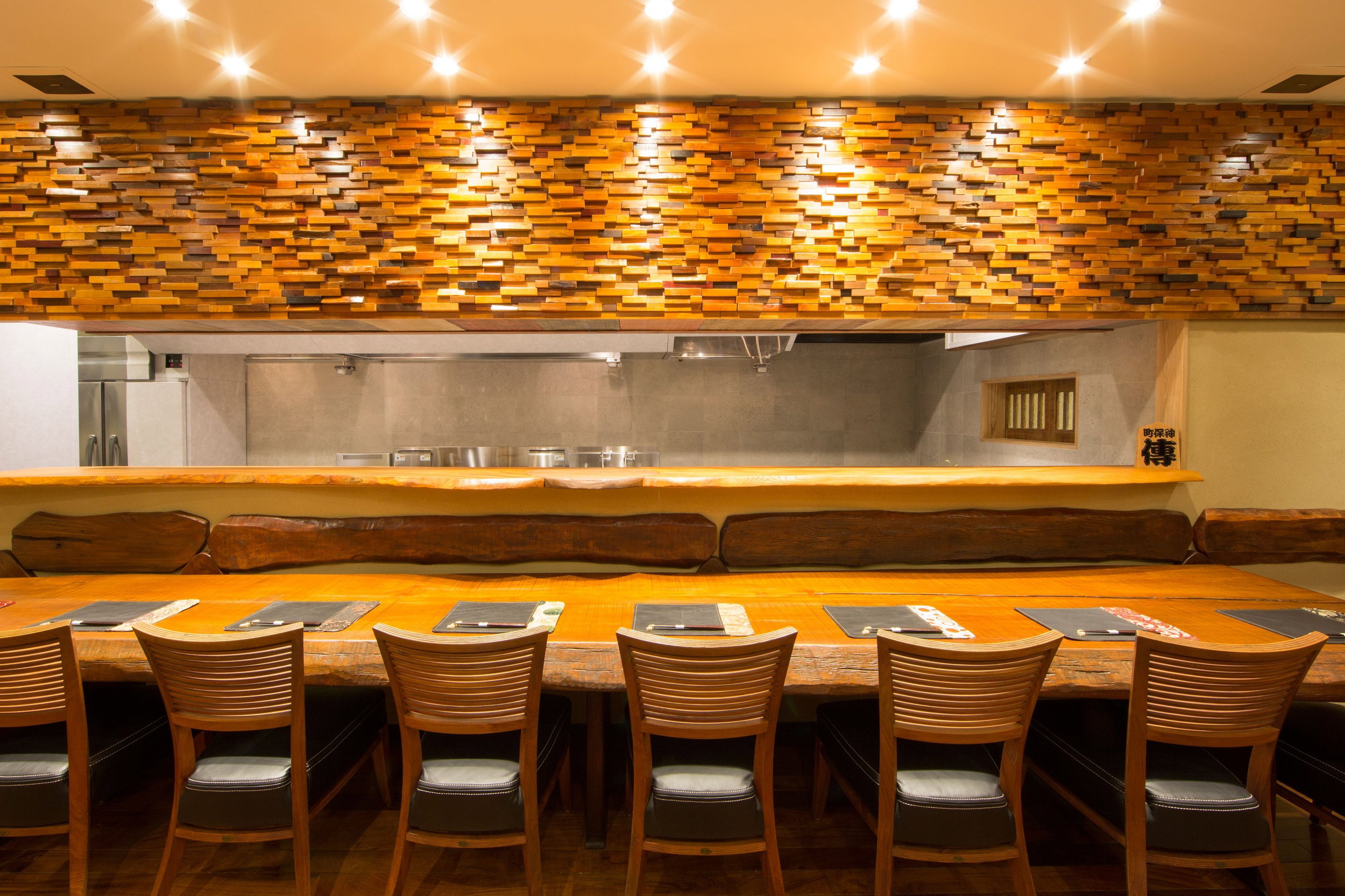
Shunkeian Arakaki presents a focused, historically rooted tempura experience centered on the counter. The room is organized around the chef’s station, making the frying process visible and integral to the meal; there is effectively no separation between kitchen and dining. The writing highlights the lineage of the craft back to the Edo period and positions the restaurant within Tokyo’s high-standard counter-tempura tier, underscored by a 2024 Michelin star. The result is a quietly authoritative spot where technique, rhythm and timing are as much the point as the ingredients themselves.
Best For
This is a destination for guests who want a deliberate, chef-led meal rather than casual group dining. The counter format and piece-by-piece frying make it especially well suited to date nights and special occasions, when the performative calibration of oil temperature and batter is part of the appeal. Seating is arranged for a small audience and the service follows an omakase pattern, so the restaurant is best for focused dinners with an appreciation for technical precision and seasonal ingredients rather than large parties or informal drop-ins.
Ordering Tips
The signature approach here is tempura omakase: the chef fries each item to order, so ordering the omakase lets you experience the intended progression and timing. Look out for house highlights mentioned in the listing — squid tempura with shiso, conger eel tempura and the tempura rice bowl — and finish with the black sugar pudding if it’s offered. Because the counter format stages the cooking in front of diners, expect a paced service that emphasizes freshness and texture; ordering à la carte is secondary to the curated, piece-by-piece sequence the chef provides.
Venue details
Ambiance
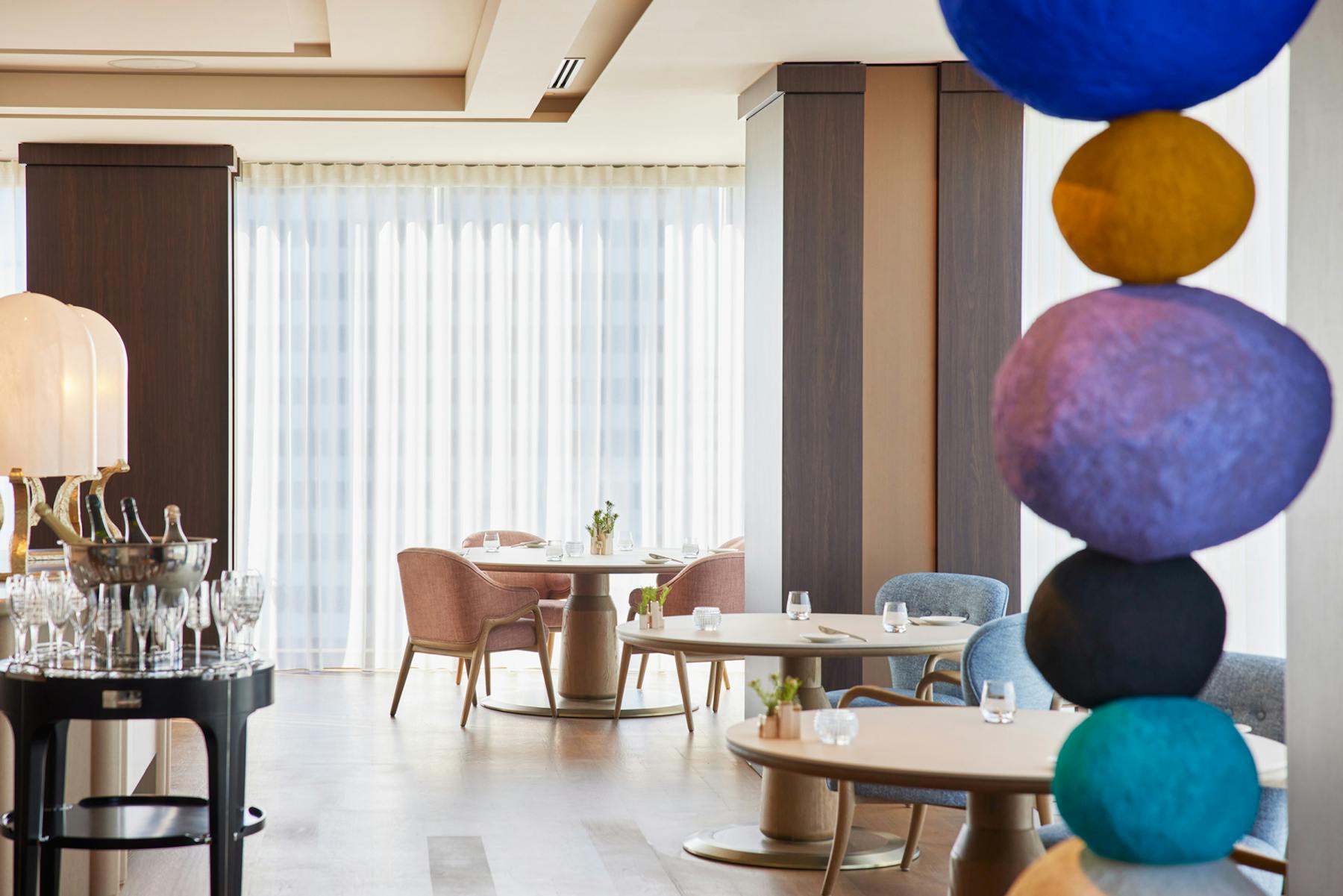
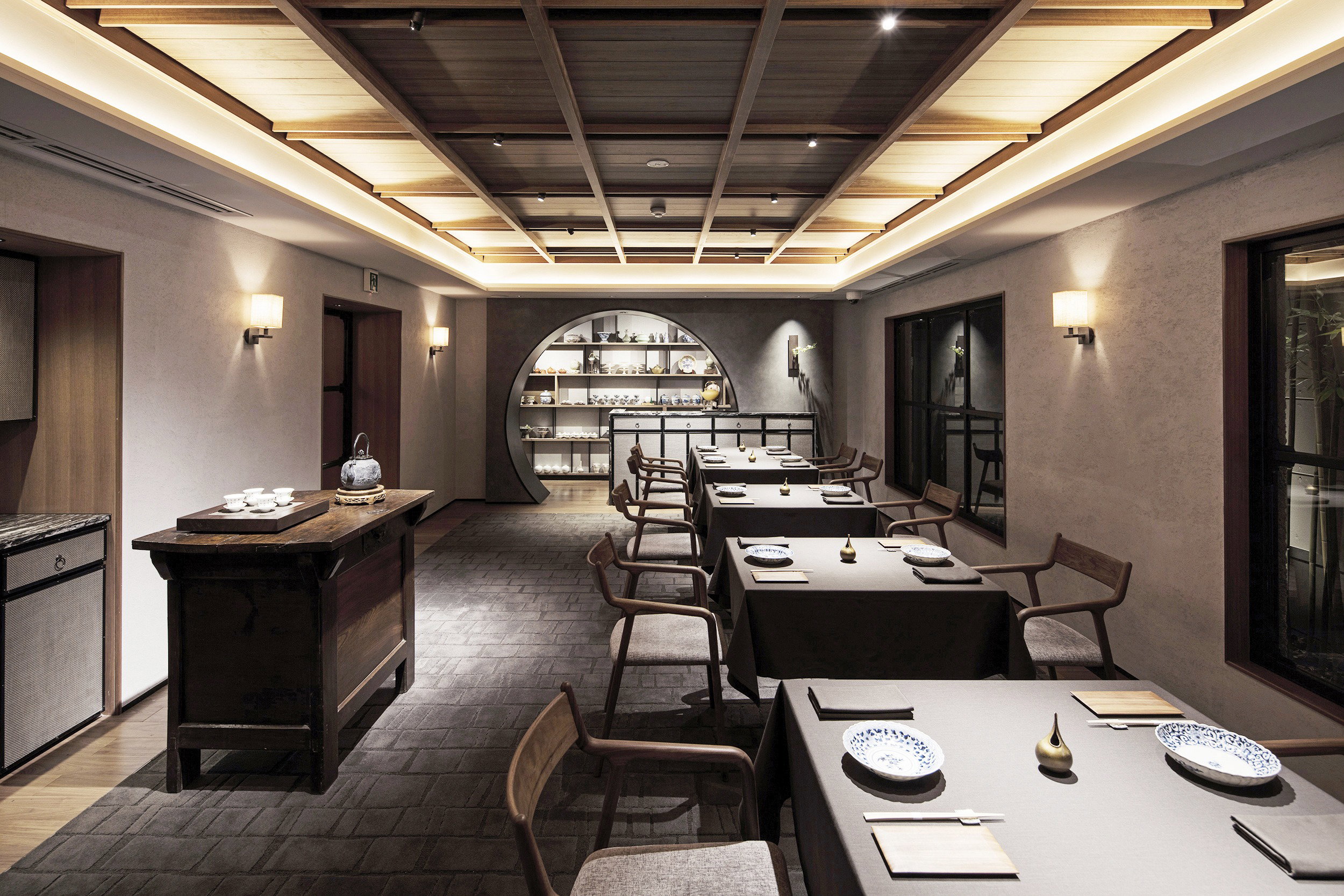
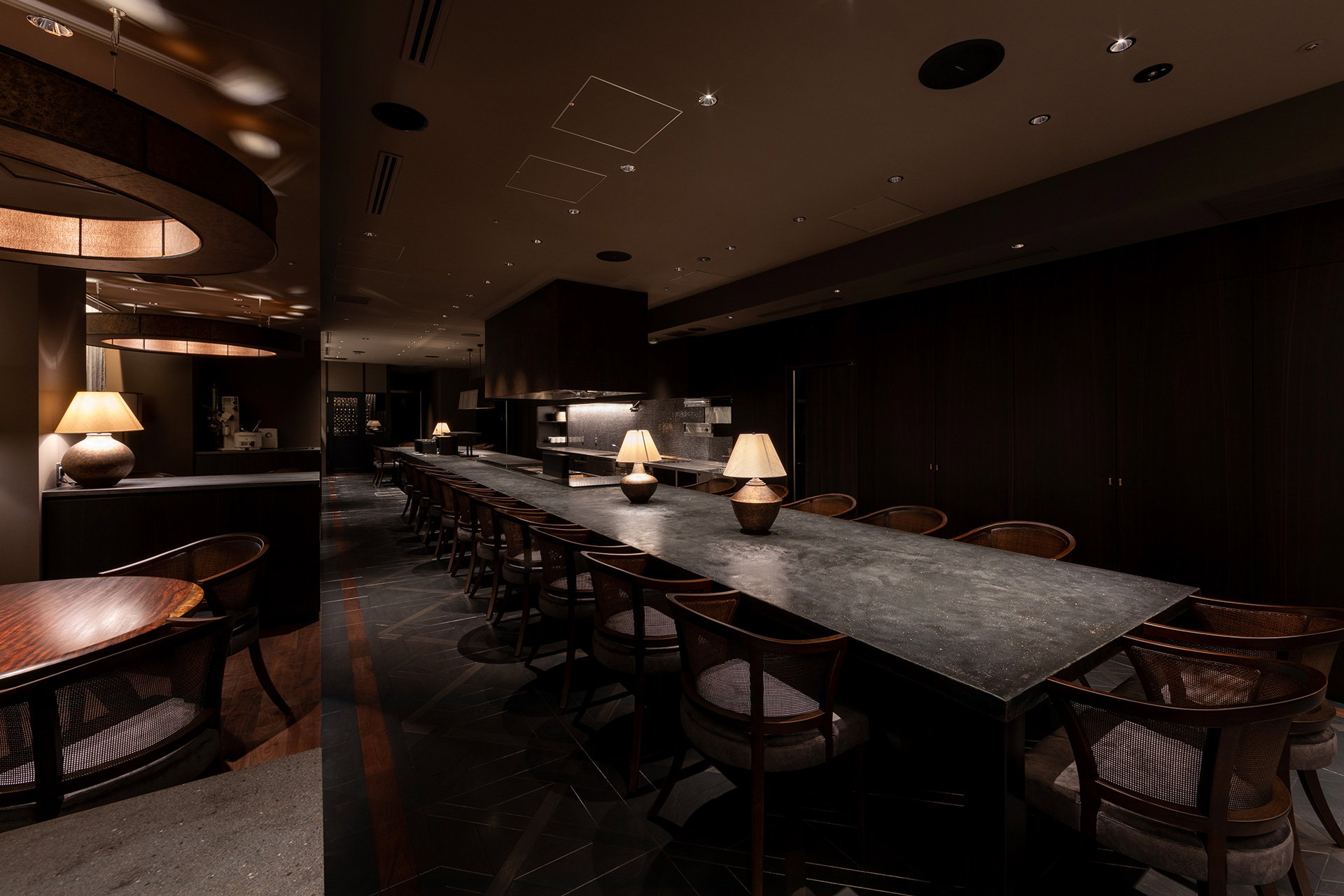
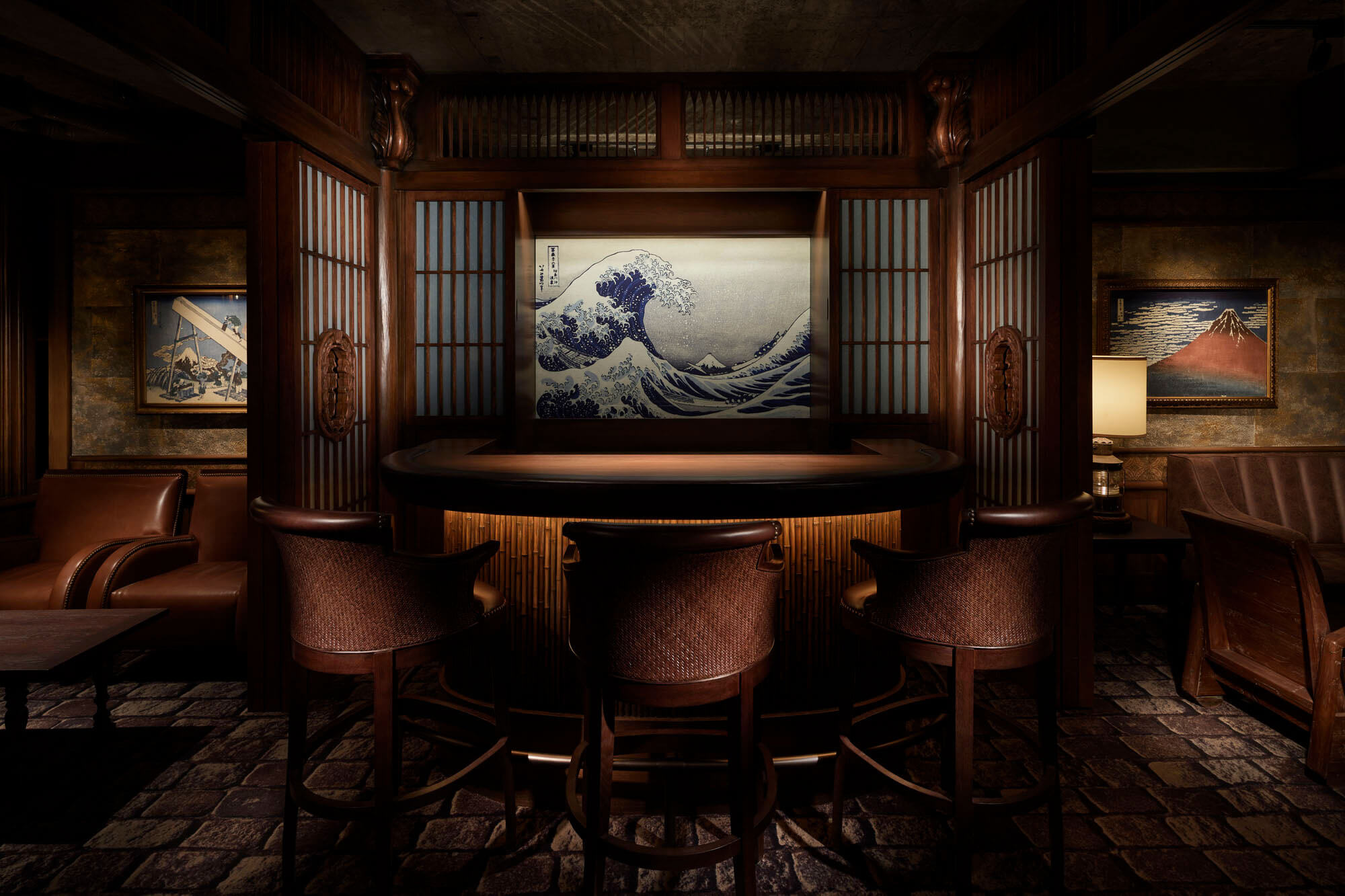
Calm, high-class Japanese modern decor with traditional wooden L-shaped counter seating, creating an intimate and refined atmosphere where diners can observe the chef's meticulous techniques up close.
Tags
Vibe
Best For
Experience
Sourcing
At the Table
- Dress Code
- Smart Casual
- Noise Level
- Quiet
- Service Style
- Omakase Bar
- Meal Pacing
- Leisurely
- Capacity
- Intimate
Signature Dishes
- tempura omakase
- squid tempura with shiso leaves
- conger eel tempura
- black sugar pudding
- tempura rice bowl
Know before you go
Know Before You Go
- Getting there
- 3 Chome-5-10 Minato, Chuo City, Tokyo 104-0043, Japan
Planning details
Location
3 Chome-5-10 Minato, Chuo City, Tokyo 104-0043, Japan · Directions
Recognition and awards
Also consider
Also Consider
- Harutaka, Sushi, ¥¥¥¥
- RyuGin, Kaiseki, Japanese, ¥¥¥¥
- L'Effervescence, French, ¥¥¥¥
- HOMMAGE, Innovtive French, French, ¥¥¥¥
- Florilège, French, ¥¥¥
Restaurant context
Shunkeian Arakaki's clearest advantage over Tokyo's other high-end dining options is its price tier. At ¥¥¥ with a Michelin star, it costs less than RyuGin (kaiseki, ¥¥¥¥), L'Effervescence (French, ¥¥¥¥), HOMMAGE (innovative French, ¥¥¥¥), and Harutaka (sushi, ¥¥¥¥). If your ceiling is ¥¥¥ and you want a Michelin-recognised experience, Arakaki and Florilège (French, ¥¥¥) are the strongest options in this peer group, one Japanese, one French, different formats entirely.
On booking difficulty, Arakaki is hard but not impossible, and notably more accessible than RyuGin or Harutaka, where waiting periods of one to two months are standard for international visitors. The trade-off is that Arakaki's booking process requires more effort upfront, no confirmed English website, no simple online reservation system, so the concierge route is essential. If ease of booking matters to you more than price, Florilège tends to be more accessible in English-language channels.
For a special occasion where budget is not the constraint, RyuGin delivers a broader kaiseki format with more dramatic presentation, and L'Effervescence offers the most polished front-of-house experience in this comparison set. Arakaki is the right call for a traveller who wants disciplined, ingredient-focused cooking in a specialist format, at a price point that leaves room for the rest of the trip.
Explore Tokyo
Around this place
Discover more on Pearl
Unlock the full Shunkeian Arakaki guide in Pearl, including awards, comparisons, FAQs, planning details, and nearby places.
Compare Shunkeian Arakaki
| Venue | Cuisine | Price | Booking Difficulty | Awards |
|---|---|---|---|---|
| Shunkeian Arakaki | Tempura | ¥¥¥ | Hard | Tabelog 100 - Tempura - 2025 · #882024 Michelin 1 Star |
| Harutaka | Sushi | ¥¥¥¥ | Unknown | 2026 Tabelog Silver · #312026 OAD Top Restaurants in Japan Ranked · #1282026 Michelin 3 Stars2026 La Liste Top RestaurantsTabelog 100 - Sushi - TOKYO - 2025 · #372025 Asia's 50 Best Restaurants · #762025 OAD Top Restaurants in Japan Ranked · #1172025 La Liste Top Restaurants2025 Tabelog Bronze |
| RyuGin | Kaiseki, Japanese | ¥¥¥¥ | Unknown | 2026 OAD Top Restaurants in Japan Ranked · #802026 Tabelog Bronze · #3772026 Michelin 3 Stars2026 La Liste Top RestaurantsTabelog 100 - Japanese cuisine - TOKYO - 2025 · #212025 OAD Top Restaurants in Japan Ranked · #542025 Michelin 3 Stars2025 La Liste Top Restaurants2025 The Best Chef Three Knives |
| L'Effervescence | French | ¥¥¥¥ | Unknown | 2026 Tabelog Silver · #682026 OAD Top Restaurants in Japan Ranked · #103Star Wine Lists 20262026 Black Pearl 2 Diamond2026 Relais Chateaux Restaurants2026 La Liste Top Restaurants2026 Michelin 3 Stars2025 Asia's 50 Best Restaurants · #692025 OAD Top Restaurants in Japan Ranked · #92 |
| HOMMAGE | Innovtive French, French | ¥¥¥¥ | Unknown | 2026 Tabelog Bronze · #1232026 OAD Top Restaurants in Japan Highly Recommended2026 Michelin 2 StarsTabelog 100 - French - TOKYO - 2025 · #762025 Asia's 50 Best Restaurants · #782025 OAD Top Restaurants in Japan Ranked · #1752025 Michelin 2 Stars2025 The Best Chef One Knife2025 La Liste Top Restaurants |
| Florilège | French | ¥¥¥ | Unknown | 2026 Asia's 50 Best Restaurants · #312026 Tabelog Bronze · #712026 OAD Top Restaurants in Japan Ranked · #1242026 Black Pearl 1 Diamond2026 Michelin 2 Stars2026 La Liste Top Restaurants2025 Asia's 50 Best Restaurants · #172025 World's 50 Best Restaurants · #36Tabelog 100 - French - TOKYO - 2025 · #68 |












What to weigh when choosing between Shunkeian Arakaki and alternatives.
FAQ
Frequently Asked Questions
Is Shunkeian Arakaki worth the price?
At the ¥¥¥ price point, a 2024 Michelin star is a credible signal that the kitchen is operating at a level that justifies the spend. Tokyo's tempura counter scene is competitive at this tier, so the question is less about value in isolation and more about whether you are prioritising tempura specifically — if you are, the Michelin recognition puts Shunkeian Arakaki in a bracket worth the outlay.
Is Shunkeian Arakaki good for solo dining?
Tempura counters in Tokyo are structured almost specifically for solo and two-top diners, and Shunkeian Arakaki fits that pattern. Sitting at the counter alone is the intended format here, and solo bookings are typically easier to secure at specialist counters than tables for groups. If solo counter dining is your preference, this is a natural fit.
What should I wear to Shunkeian Arakaki?
No dress code is documented for Shunkeian Arakaki, but the Michelin-starred tempura counter format in Tokyo typically calls for neat, understated dress — not a suit, but not casual streetwear either. Avoiding strong fragrances is considered courteous at any tempura counter, since the frying aromas are central to the experience.
Can Shunkeian Arakaki accommodate groups?
Specialist tempura counters in Tokyo are not designed for large groups — the format is built around sequential, individually prepared pieces for a small number of diners at a time. Groups of more than four will likely find the counter format restrictive and booking harder to arrange, particularly at a locally-focused operation with no confirmed English-language booking channel.
Is Shunkeian Arakaki good for a special occasion?
A Michelin-starred counter meal in Tokyo carries the weight that most special occasions call for, and tempura done at this level is a genuinely considered dining format rather than a routine dinner. The challenge is logistics: with no confirmed website or English booking channel in Pearl's database, securing a reservation requires advance planning, ideally through a hotel concierge or Japanese-speaking contact.
Is the tasting menu worth it at Shunkeian Arakaki?
Tempura counters at this tier in Tokyo operate on a set-course or omakase structure by default — there is no à la carte alternative at venues in this category. If the sequential, chef-directed format suits you, the Michelin star is a reasonable indicator that the pacing and sourcing justify the fixed menu. If you prefer to order freely, tempura counters at this level are not the right format regardless of venue.
What are alternatives to Shunkeian Arakaki in Tokyo?
For Michelin-starred Japanese counter dining in Tokyo at a comparable price point, HOMMAGE offers a French-Japanese counter format in the same city. If you want to stay in the tempura-specialist category, Tokyo has a handful of Michelin-recognised tempura counters including Kondo and Yamanoue — both with longer track records and slightly easier booking infrastructure for non-Japanese speakers. Shunkeian Arakaki's appeal is its lower profile relative to those names, which can mean a more focused room.