.png?width=1200&quality=80)
Shirokane Shin
Japanese · Minato, Tokyo
Restaurant in Tokyo, Japan
 Book with Pearl
The Read
Guest-Directed Omakase
Price
$100–150per person
Dress
Smart Casual
Why go
Shirokane Shin holds a Michelin Plate for 2024 and 2025 and a 4.4 from nearly a thousand reviewers — strong credentials for a ¥¥¥-tier Japanese room in Minato that is also Easy to book. The format is the draw: the chef opens with a curated narrative sequence, then hands control to the guest. Return visitors get the most from it.
About Shirokane Shin
If you have been once and are deciding whether to return, the short answer is yes — particularly if you want to explore the menu more freely on a second visit. The format here is what makes Shirokane Shin worth a second look: the chef opens your meal with a curated sequence of his own choosing, establishing a narrative arc for the evening, then hands control to you. After that structured beginning, guests order freely from the menu according to their mood. In a city where omakase is the dominant format and guests often sit in passive receipt of whatever the kitchen sends, Shirokane Shin's approach is a genuine structural departure.
That hybrid model rewards returning guests more than first-timers. On your first visit, the chef's opening sequence does the orienting work, and you spend the back half of the meal finding your footing with the à-la-carte portion. Come back and you already know what you want: you arrive with preferences, you know which items held up, and you can build a more confident programme for yourself. The kitchen's willingness to let guests drive that second half is, as the Michelin recognition notes, a show of mutual respect rather than a gimmick.
The address is Shirokane, Minato City, a quieter, residential-leaning pocket of Tokyo that sits at some remove from the tourist circuits of Ginza or Shinjuku. That matters for atmosphere. The energy here runs calm rather than buzzy; it is not a room that fills with celebratory noise or industry crowd-watching. If you are coming from the Ginza end of the city, plan extra time. For comparable Japanese dining in areas with easier access, Ginza Fukuju and Kagurazaka Ishikawa are both worth mapping against your itinerary.
Pricing sits at the ¥¥¥ tier, meaningful spend, but a step below the full ¥¥¥¥ omakase commitments you will find across much of Tokyo's recognised dining scene. That positioning makes Shirokane Shin one of the more accessible Michelin-recognised Japanese restaurants in the city, particularly for guests who are not yet ready to commit to a locked, multi-course omakase at the leading price point. For a regular visitor, that mid-tier price with a degree of menu freedom is a genuinely useful combination.
Booking here is rated Easy, which is notable context for Tokyo. Many of the city's most decorated rooms require weeks or months of forward planning, with reservation systems that open and close on strict cycles. Shirokane Shin does not appear to carry that friction. If you are building a Tokyo itinerary, this is one of the rooms you can schedule without the same lead time required at, say, Myojaku or Azabu Kadowaki. That ease of access, combined with the format's suitability for return visits, makes it a strong candidate for mid-trip additions when a planned dinner falls through.
For timing, aim for earlier sittings if the room runs a standard evening service. The quieter atmosphere of Shirokane means you are unlikely to be navigating a loud, late-night crowd regardless of when you arrive, but an earlier slot gives you more time to work through the menu freely without feeling the pace of the kitchen pushing you toward the end of your meal. Weeknight visits are typically lower pressure than weekends for any mid-tier room in Tokyo drawing both local and visiting clientele.
If you are building a broader Japan itinerary, Shirokane Shin fits well as a Tokyo anchor before or after exploring Gion Sasaki in Kyoto, HAJIME in Osaka, or Goh in Fukuoka. For Japanese dining specifically within Tokyo, Jingumae Higuchi is another ¥¥¥-tier option worth comparing. See our full Tokyo restaurants guide for a broader view of where Shirokane Shin sits in the city's current dining picture, or check our Tokyo hotels guide if you are still sorting accommodation in Minato.
Know Before You Go
- Location: Shirokane, Minato City, Tokyo, 3 Chome-2-3, Kinshun Building 1F
- Price range: ¥¥¥
- Awards: Michelin Plate 2024, Michelin Plate 2025
- Booking difficulty: Easy
- Format: Chef-led opening sequence, then guest-directed ordering
- Leading for: Return visitors, guests who want menu agency, mid-tier spend with Michelin recognition
- Phone/website: Not publicly listed, book via a reservation platform or hotel concierge
How It Compares
See the comparison section below for how Shirokane Shin sits against its Tokyo peers.
FAQ
How far ahead should I book Shirokane Shin?
- Booking difficulty is rated Easy, which makes Shirokane Shin one of the more accessible Michelin-recognised Japanese rooms in Tokyo. A week's notice is likely sufficient in most cases, though weekends may warrant a few extra days of lead time. This is a meaningful advantage over higher-demand rooms in the city.
What should I order at Shirokane Shin?
- The format here hands you the second half of the meal to direct yourself, so the practical answer is: know what you want before you arrive. If you have been once, use that prior visit to target the dishes you found most compelling. The chef's opening sequence will orient the meal, trust it and then build your own programme from what the menu offers. Come with a preference in mind rather than waiting to be guided throughout.
Can Shirokane Shin accommodate groups?
- Seat count is not publicly confirmed, but the Shirokane neighbourhood and the building's first-floor positioning suggest an intimate room rather than a banquet-scale venue. For larger groups, confirm capacity directly when booking. If you need a larger Japanese dining room in Tokyo, Kagurazaka Ishikawa may be worth investigating.
Is Shirokane Shin worth the price?
- At ¥¥¥, yes, especially relative to the ¥¥¥¥ omakase rooms that dominate Tokyo's Michelin-recognised Japanese dining. The value case is strong for a mid-tier spend in this city.
Is the tasting menu worth it at Shirokane Shin?
- The format is not a fixed tasting menu in the conventional sense. The chef controls the opening sequence, then guests order freely, which means the experience is more dynamic than a locked omakase. For guests who find traditional omakase passive or repetitive, this structure is a distinct advantage. If you prefer the full chef-curated experience with no input required, a room like Azabu Kadowaki may suit you better.
Is Shirokane Shin good for solo dining?
- The format, with its emphasis on guest-directed ordering after the chef's opening arc, works well for solo diners who want to eat precisely what they feel like rather than working through a fixed multi-course progression. Solo dining at a counter or intimate Japanese room in Tokyo is common and well-supported culturally. Shirokane Shin's approach gives solo guests agency without requiring a group to share the decision-making.
Does Shirokane Shin handle dietary restrictions?
- No specific dietary policy is listed in public records. Given the guest-directed ordering format for much of the meal, there is more flexibility here than in a fully locked omakase, but for serious dietary requirements, contact the restaurant directly before booking. No phone or website is publicly listed; approach through a reservation platform or hotel concierge who can communicate in advance.
What should I wear to Shirokane Shin?
- No dress code is formally stated. At a ¥¥¥-tier Michelin Plate restaurant in Tokyo's Minato ward, smart casual is the practical standard: avoid athletic wear, but a jacket is not required. The neighbourhood and venue profile suggest a composed, quiet room where understated dress fits naturally.
Planning details
- Location
- Japan, 〒108-0072 Tokyo, Minato City, Shirokane, 3 Chome−2−3 白金 金春ビル 1階
- Reservations
- Book on TableCheck
- Website
- shirokane-shin.com
- Phone
- +81 70-9013-3094
The take
The Take
The Vibe
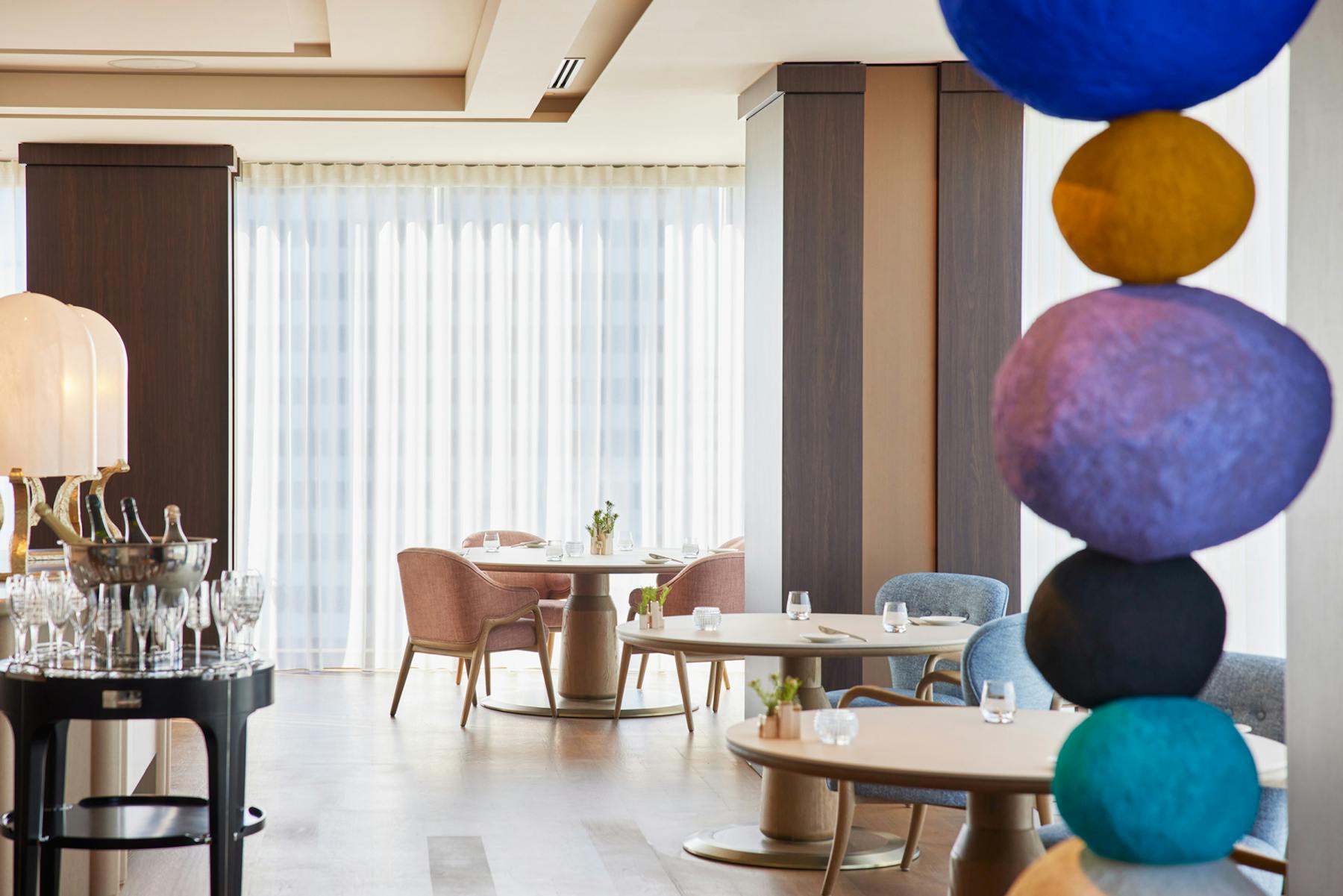
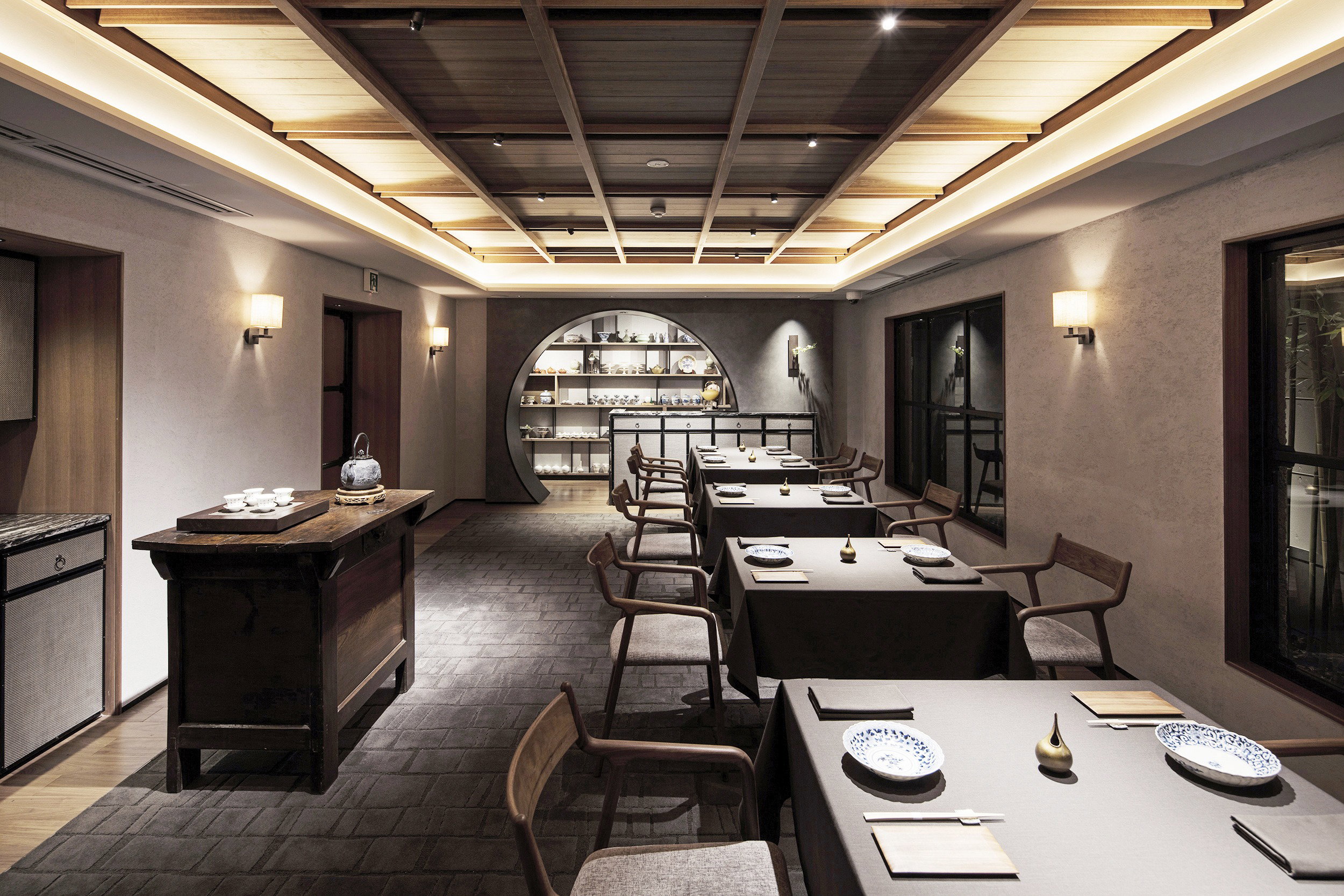
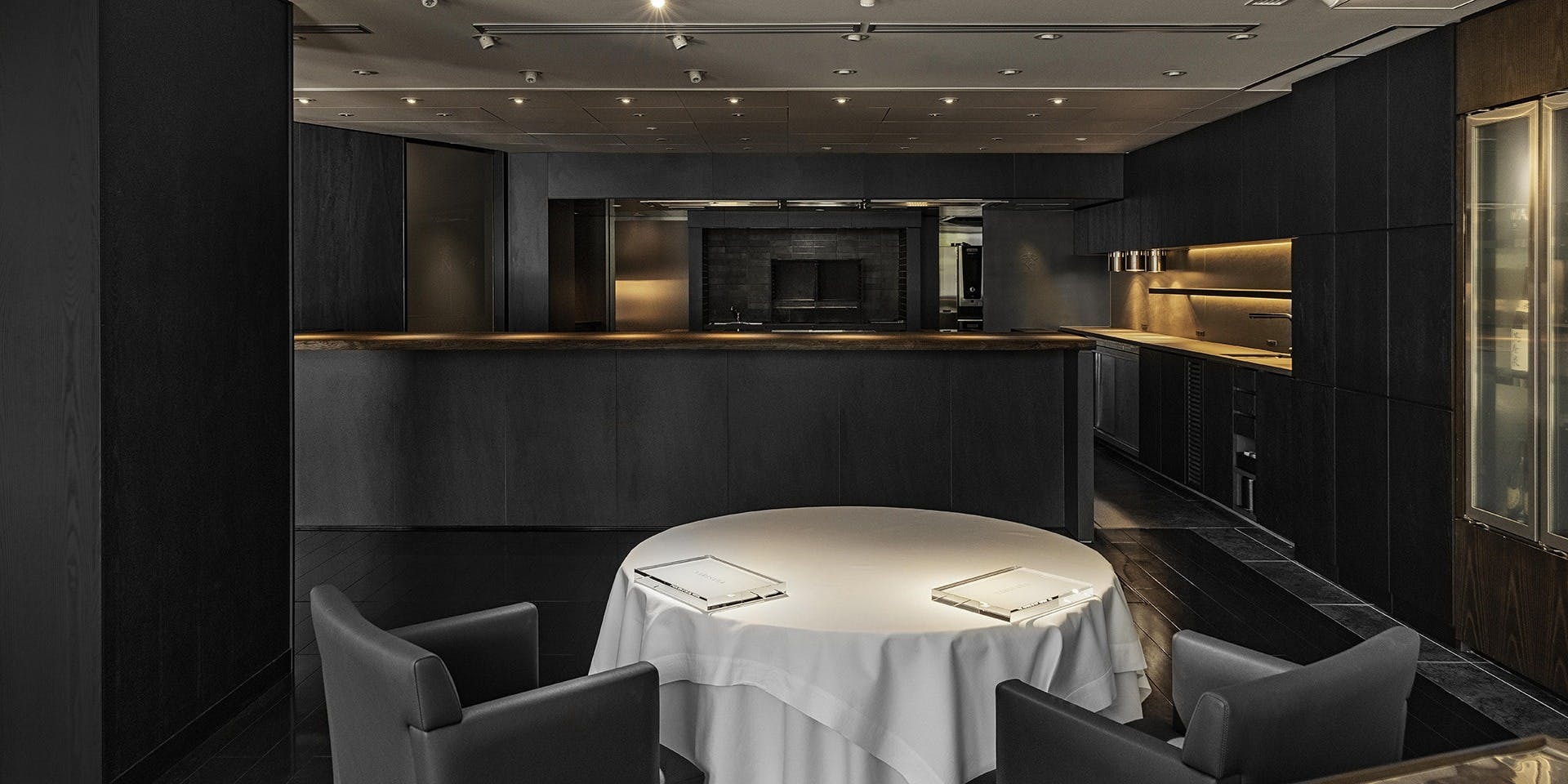
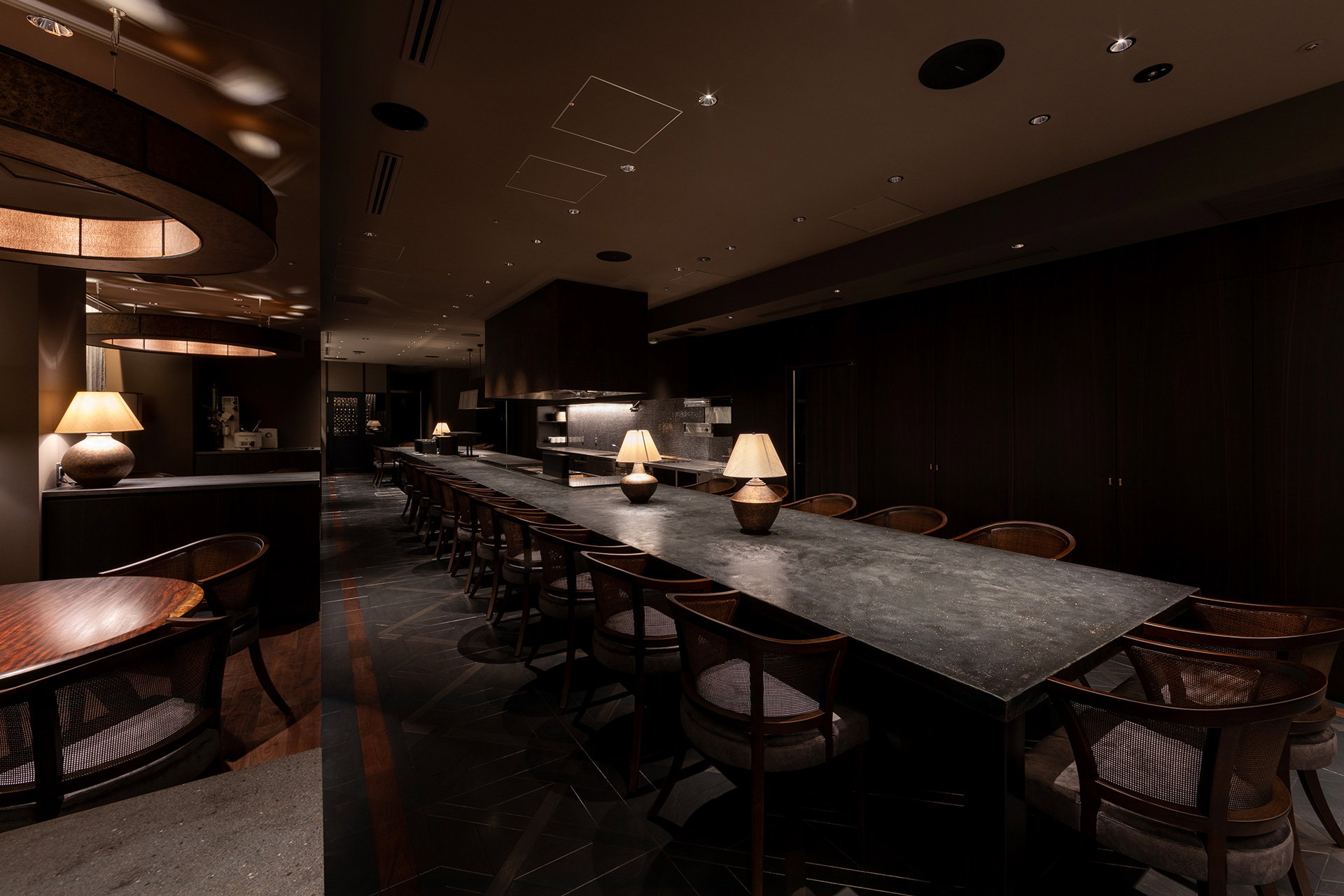
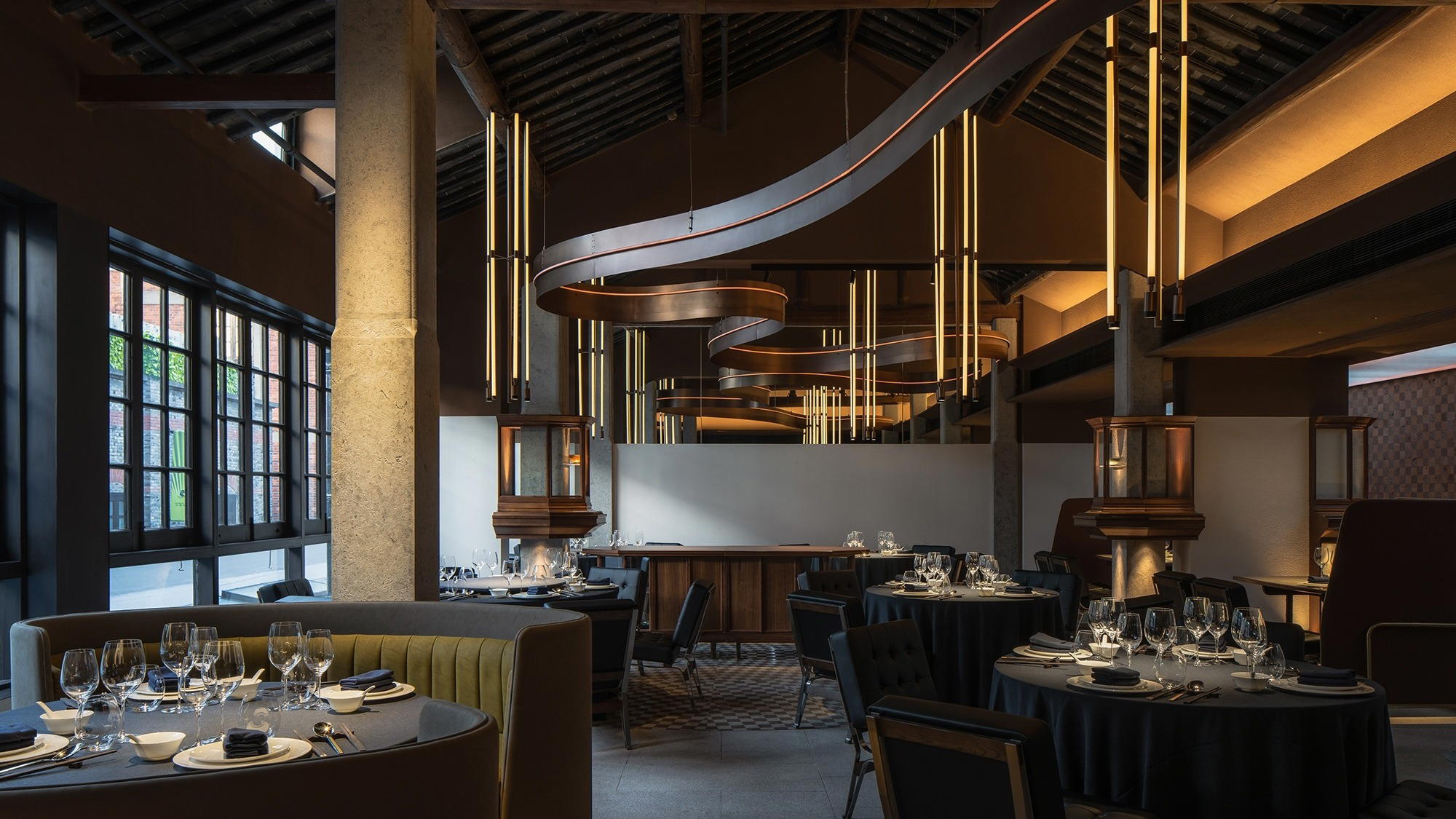
Shirokane Shin sits quietly on the ground floor of the Kinshun Building, reflecting the restrained character of its neighbourhood. The restaurant favors craft and precision over theatricality, and that low-key approach gives it an understated charm: regulars arrive for the cooking rather than a show. Interiors and pacing feel intimate and refined rather than loud or ostentatious, and the evening atmosphere is more about attentive technique and measured hospitality than spectacle. The result is a polished, modest address that rewards diners who appreciate subtlety and focus in a modern Japanese setting.
Best For
This is a dinner destination for diners who value meticulous cooking without the rigid constraints of a full omakase. It suits couples and small groups who want a composed, intimate evening and professionals seeking a focused meal in a quiet neighbourhood. The format and tone also attract regulars who prioritize craft and choice over zaftig presentation; guests who prefer to guide part of their meal will find Shin especially rewarding. Because the restaurant emphasizes an opening sequence followed by à la carte selection, evenings here unfold at a deliberate, considered pace.
Ordering Tips
Shirokane Shin operates with a distinctive structure: the chef begins with a set of opening courses that establish a narrative and tone, then the service shifts to guest-led ordering from the menu. Treat the initial sequence as a prologue — it frames the chef’s intent — and then choose the remainder of your meal based on what appeals that night. If you enjoy a dialogue with the kitchen, be prepared to select items freely in the second half; this hybrid approach rewards both trust in the chef’s vision and active menu engagement.
Venue details
Ambiance
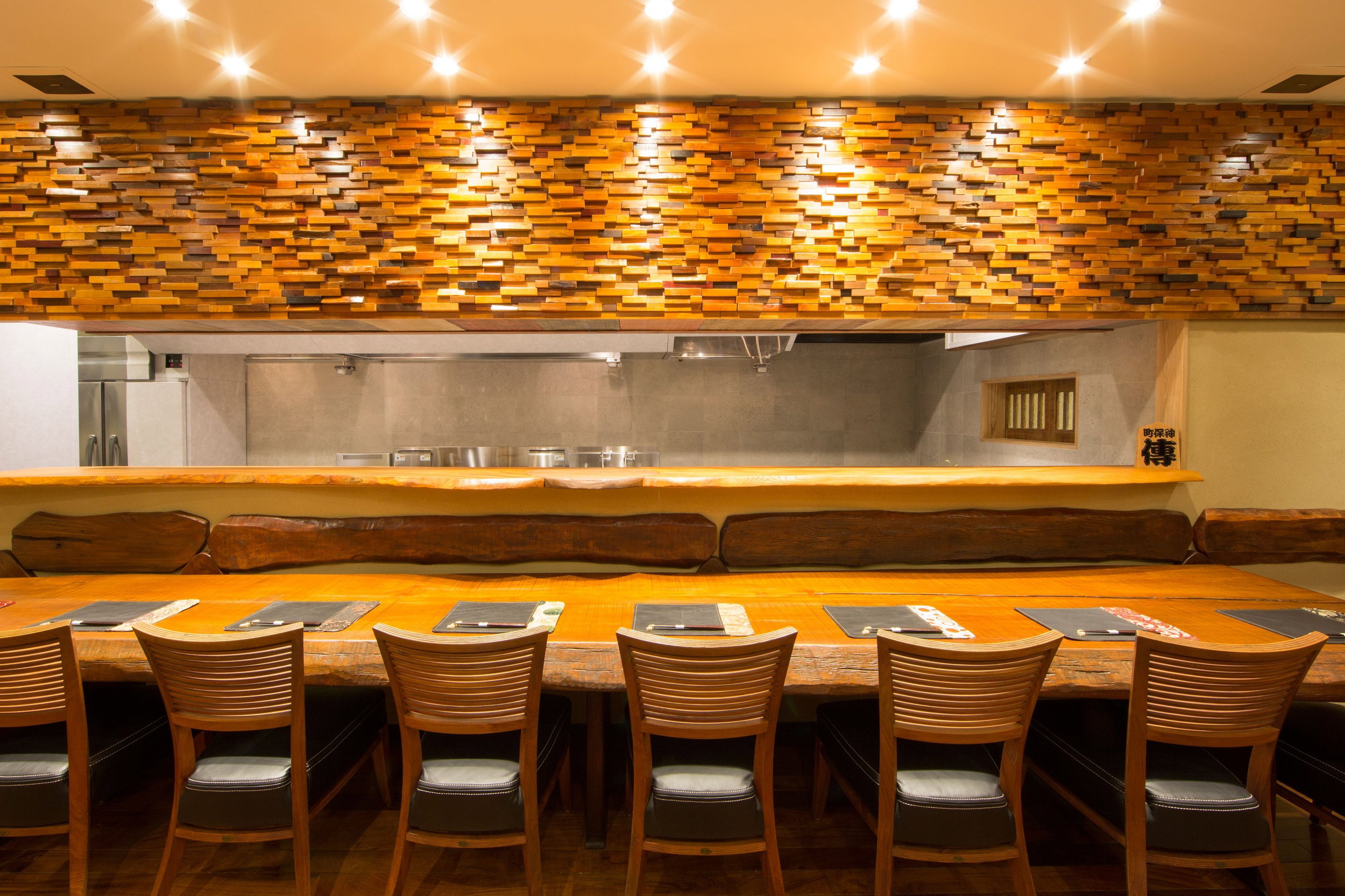
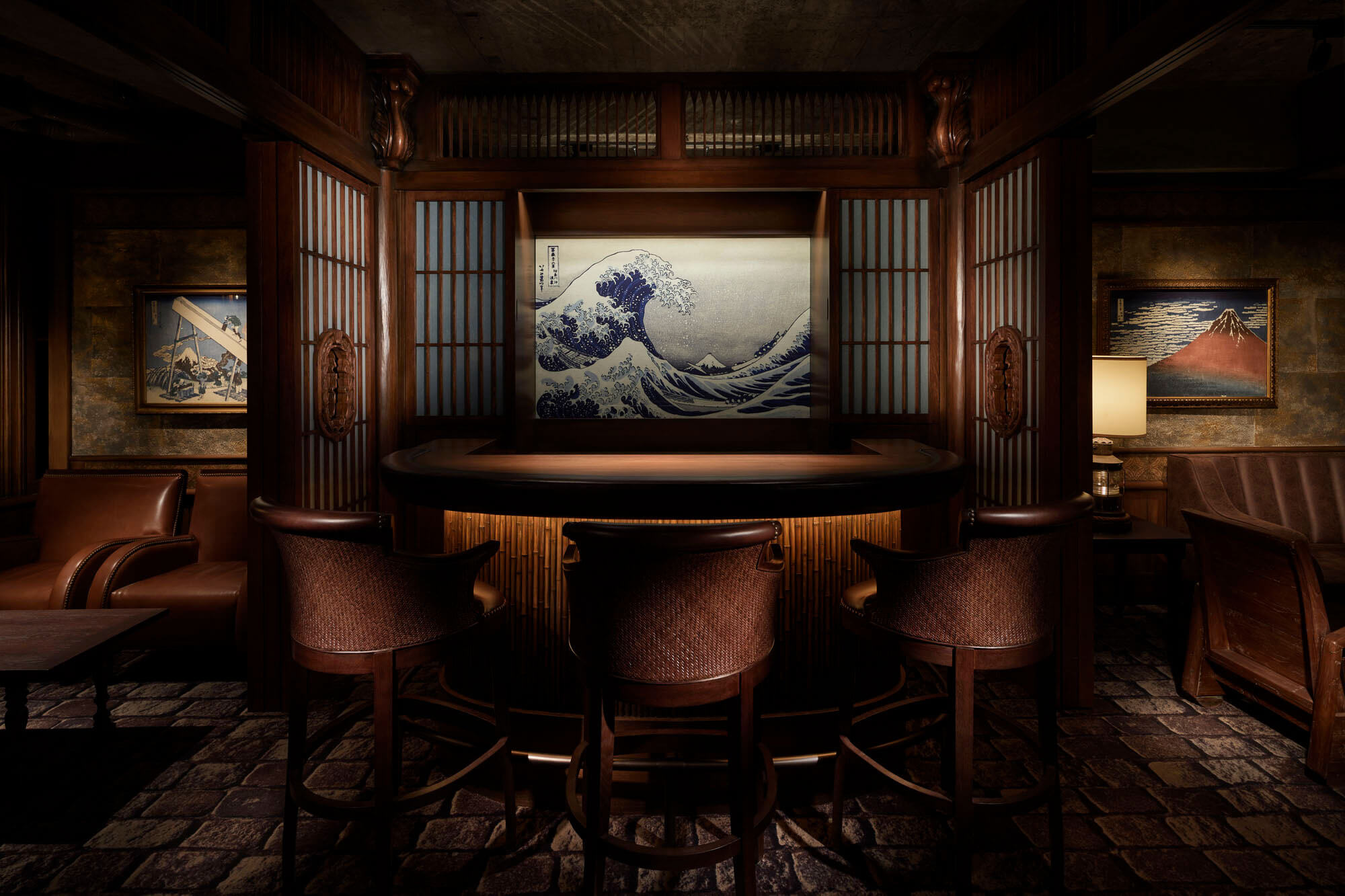
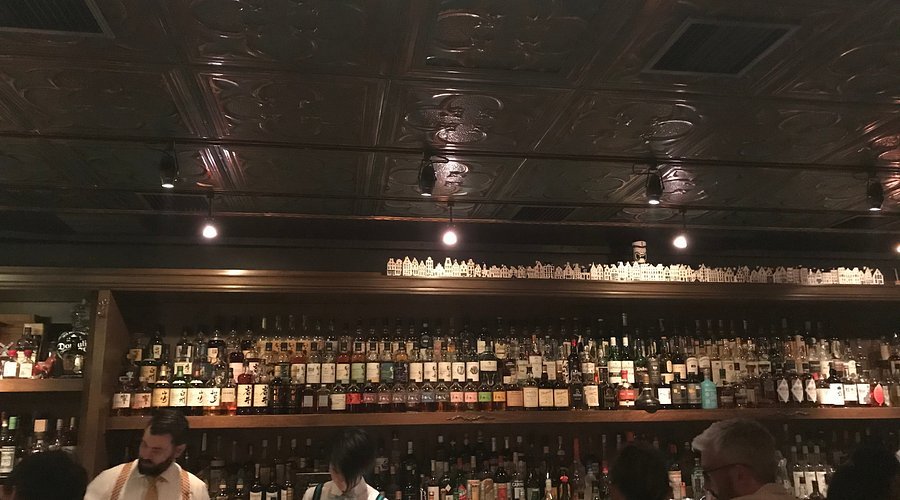
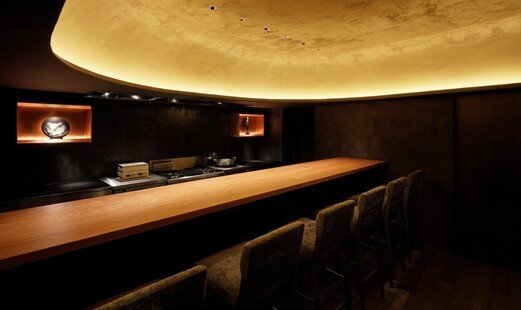
Refined lighting, hushed tones, and sophisticated space with a curved wooden counter blending Japanese elegance and modern design.
Tags
Vibe
Best For
Experience
Sourcing
At the Table
- Dress Code
- Smart Casual
- Noise Level
- Quiet
- Service Style
- Upscale Casual
- Meal Pacing
- Leisurely
- Capacity
- Intimate
- Kitchen
- Seasonal
- Menu Format
- Omakase, A la carte, Counter dining
- Wine Program
- Curated
Know before you go
Know Before You Go
- Getting there
- Japan, 〒108-0072 Tokyo, Minato City, Shirokane, 3 Chome−2−3 白金 金春ビル 1階
Planning details
Location
Japan, 〒108-0072 Tokyo, Minato City, Shirokane, 3 Chome−2−3 白金 金春ビル 1階 · Directions
Recognition and awards
Also consider
Also Consider
- Harutaka, Sushi, ¥¥¥¥
- RyuGin, Kaiseki, Japanese, ¥¥¥¥
- L'Effervescence, French, ¥¥¥¥
- HOMMAGE, Innovtive French, French, ¥¥¥¥
- Florilège, French, ¥¥¥
Restaurant context
Shirokane Shin sits at ¥¥¥ with Michelin Plate recognition and Easy booking, a different proposition from most of its Tokyo peers. Harutaka and RyuGin both operate at ¥¥¥¥ with full omakase or kaiseki formats where the chef controls the entire progression and booking is considerably harder to secure. If you want a fully chef-directed, prestige-tier experience, RyuGin is the stronger argument. If you want sushi at the top end, Harutaka is the reference point. Shirokane Shin is the right call when you want Michelin-recognised Japanese dining without the full omakase commitment or the booking difficulty.
On the French side of Tokyo's ¥¥¥¥ tier, L'Effervescence, HOMMAGE, and Florilège all occupy different corners: L'Effervescence for seasonal French with philosophical depth, HOMMAGE for innovative French technique, and Florilège at ¥¥¥ for a more accessible French creative format. Florilège is the closest structural peer in terms of price tier, but the cuisines are entirely different. If your goal is Japanese food specifically and you are weighing spend, Shirokane Shin is the clearer choice at this price point.
For return visitors building a second or third Tokyo dining itinerary, Shirokane Shin earns its place on the list ahead of locked-format rooms precisely because of its guest-directed ordering model. It is the room to book when you already know Tokyo's dining scene and want agency over your meal. For first-time visitors who would prefer to be guided entirely by the kitchen, a full omakase at Harutaka or the kaiseki progression at RyuGin will feel more complete, but they will cost more and take longer to book.
Explore Tokyo
Around this place
Discover more on Pearl
Unlock the full Shirokane Shin guide in Pearl, including awards, comparisons, FAQs, planning details, and nearby places.
Compare Shirokane Shin
| Venue | Cuisine | Awards | Booking Difficulty |
|---|---|---|---|
| Shirokane Shin | Japanese | 2026 Michelin Plate2025 Michelin Plate2024 Michelin Plate | Easy |
| Harutaka | Sushi | 2026 Tabelog Silver · #312026 OAD Top Restaurants in Japan Ranked · #1282026 Michelin 3 Stars2026 La Liste Top RestaurantsTabelog 100 - Sushi - TOKYO - 2025 · #372025 Asia's 50 Best Restaurants · #762025 OAD Top Restaurants in Japan Ranked · #1172025 La Liste Top Restaurants2025 Tabelog Bronze | Unknown |
| RyuGin | Kaiseki, Japanese | 2026 OAD Top Restaurants in Japan Ranked · #802026 Tabelog Bronze · #3772026 Michelin 3 Stars2026 La Liste Top RestaurantsTabelog 100 - Japanese cuisine - TOKYO - 2025 · #212025 OAD Top Restaurants in Japan Ranked · #542025 Michelin 3 Stars2025 La Liste Top Restaurants2025 The Best Chef Three Knives | Unknown |
| L'Effervescence | French | 2026 Tabelog Silver · #682026 OAD Top Restaurants in Japan Ranked · #103Star Wine Lists 20262026 Black Pearl 2 Diamond2026 Relais Chateaux Restaurants2026 La Liste Top Restaurants2026 Michelin 3 Stars2025 Asia's 50 Best Restaurants · #692025 OAD Top Restaurants in Japan Ranked · #92 | Unknown |
| HOMMAGE | Innovtive French, French | 2026 Tabelog Bronze · #1232026 OAD Top Restaurants in Japan Highly Recommended2026 Michelin 2 StarsTabelog 100 - French - TOKYO - 2025 · #762025 Asia's 50 Best Restaurants · #782025 OAD Top Restaurants in Japan Ranked · #1752025 Michelin 2 Stars2025 The Best Chef One Knife2025 La Liste Top Restaurants | Unknown |
| Florilège | French | 2026 Asia's 50 Best Restaurants · #312026 Tabelog Bronze · #712026 OAD Top Restaurants in Japan Ranked · #1242026 Black Pearl 1 Diamond2026 Michelin 2 Stars2026 La Liste Top Restaurants2025 Asia's 50 Best Restaurants · #172025 World's 50 Best Restaurants · #36Tabelog 100 - French - TOKYO - 2025 · #68 | Unknown |













How Shirokane Shin stacks up against the competition.
FAQ
Frequently Asked Questions
What should I order at Shirokane Shin?
The format here is the answer: the chef sets the opening arc of the meal, then you order freely from the menu according to what you want that day. That hybrid structure means the decision is partly made for you, but the rest is yours — lean into the flexibility and request the dishes that interest you most rather than deferring entirely to a fixed omakase sequence.
Is Shirokane Shin worth the price?
At ¥¥¥, Shirokane Shin sits at a price point where the format needs to justify the spend — and the guest-directed ordering model gives it a clear edge over standard omakase at the same price. If you want a fixed tasting sequence with no input, look elsewhere; if you want quality anchored by a chef's editorial judgment but shaped by your own preferences, the price holds up.
Is the tasting menu worth it at Shirokane Shin?
Shirokane Shin does not operate a strict tasting menu. The chef curates the opening courses, then guests order freely — which makes it a stronger choice than a fully fixed omakase if you have dietary preferences or simply want agency over the meal. For those who prefer to hand full control to the kitchen from start to finish, a venue with a pure omakase format may suit better.
Is Shirokane Shin good for solo dining?
The guest-directed ordering format works particularly well for solo diners who want to pace a meal on their own terms. With Michelin Plate recognition in both 2024 and 2025, the quality baseline is there for a solo visit that justifies the ¥¥¥ spend. Solo diners at counter-style Japanese restaurants in Tokyo generally get attentive service, and the format here rewards the curious eater eating alone.