.png?width=1200&quality=80)

Shiosoba Jiku
Ramen · Suginami, Tokyo
Restaurant in Tokyo, Japan
 Book with Pearl
The Read
Hiroshima Shio Clarity
Price
$10–20per person
Dress
Casual
Why go
At the ¥ price tier, it delivers one of the most credible quality-to-cost ratios in Tokyo ramen. Worth the journey from central Tokyo for anyone serious about the shio style.
About Shiosoba Jiku
Who Should Book Shiosoba Jiku
If you want a serious bowl of ramen without spending serious money, Shiosoba Jiku in Suginami is the right call. This is the place for ramen enthusiasts who want to eat well on a single-digit budget, solo travelers looking for a focused, no-fuss meal with genuine craft behind it, and anyone who finds that a well-made bowl of shio soba hits harder than a multi-course dinner on the right evening. The Michelin Bib Gourmand recognition in 2024 confirms what regulars already knew: the quality here punches well above the price point.
The Venue
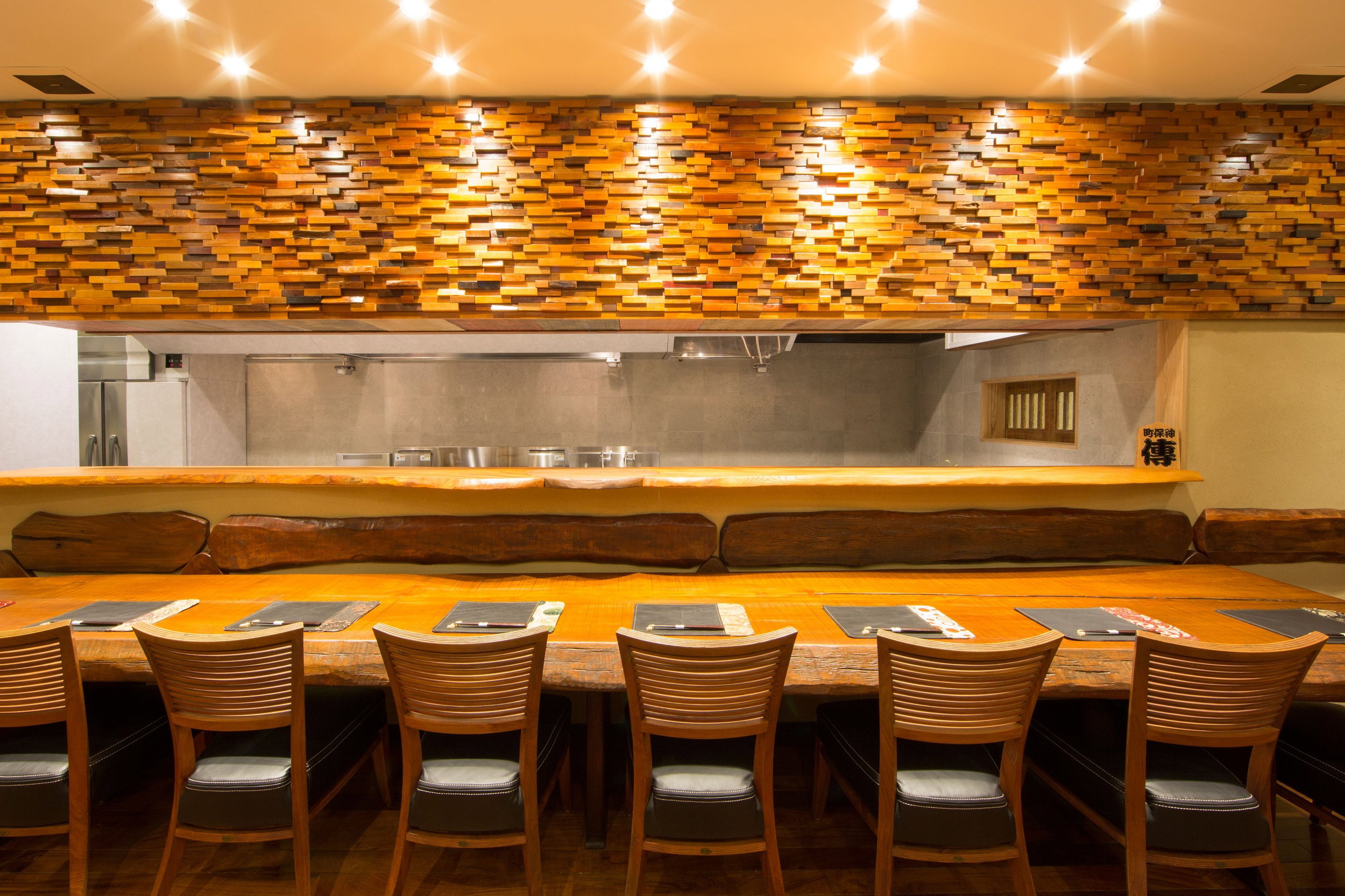
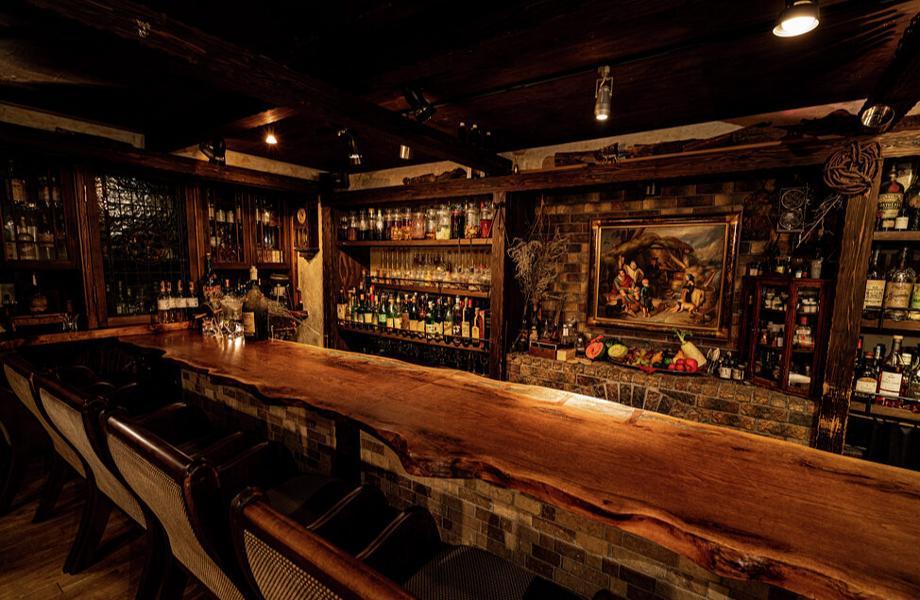
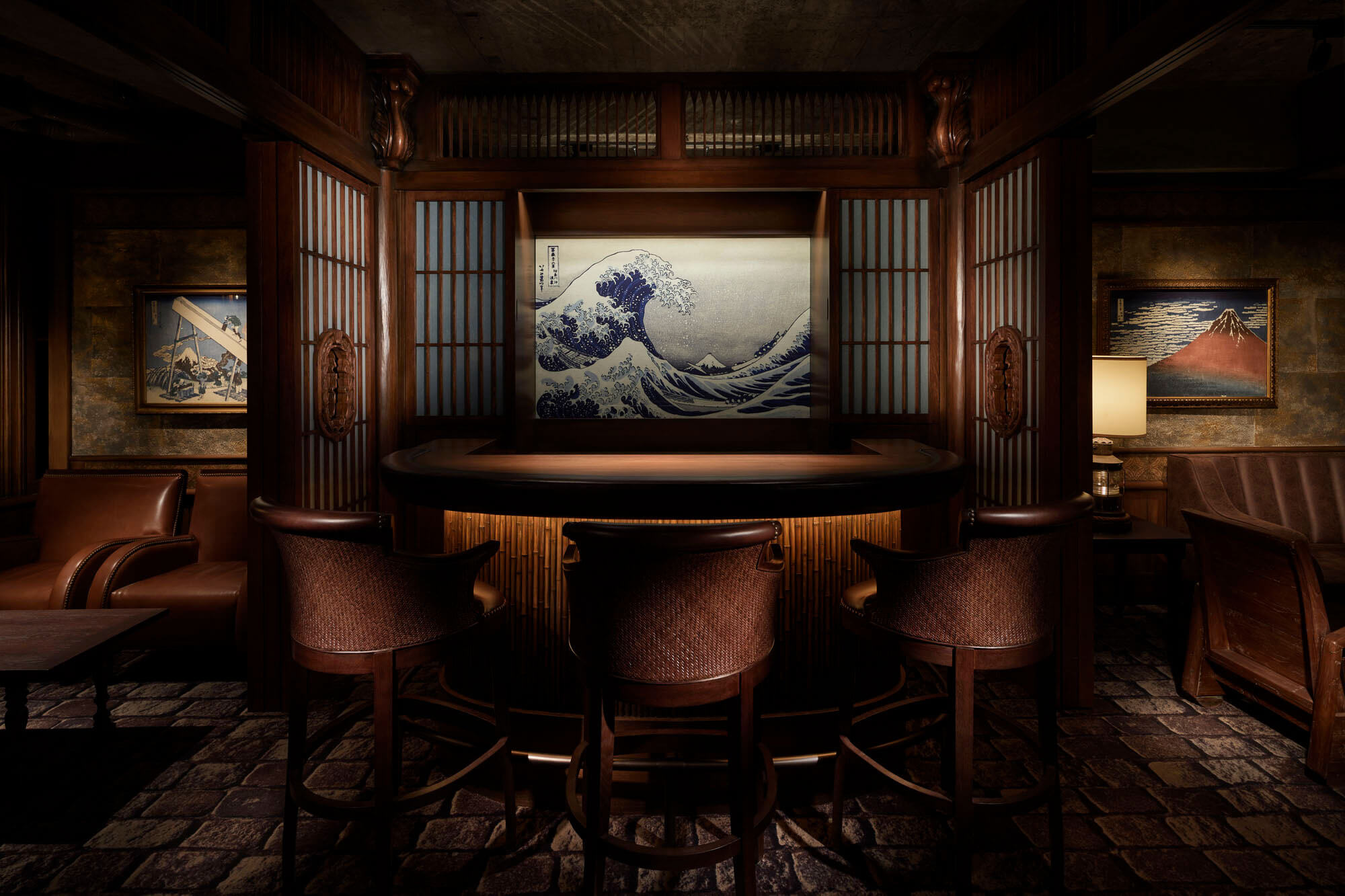
Shiosoba Jiku sits in Takaidohigashi, a residential corner of Suginami City that sees far fewer tourists than the ramen corridors of Shinjuku or Shibuya. The room draws from the aesthetic of old-time food stalls, with ceiling decoration referencing the humble yatai culture that carried ramen across Japan during the postwar decades. That reference is not just decorative; it sets the mood. The energy here is quiet, focused, and a little intimate: the kind of atmosphere where the bowl in front of you is the point, not the room around it. Expect a low noise level compared to the louder, higher-turnover ramen shops in central Tokyo. If you want a meal that feels like a genuine pause rather than a pit stop, the ambient feel here works in your favor.
Chef Daniel Sakl's route to this kitchen is a matter of public record: a motorcycle tour along the Seto Inland Sea, a chance encounter with a ramen shop, and a clarity of purpose that followed. That backstory matters only insofar as it explains the specificity of the menu. The shio (salt-based) broth is the focus, built on clear seafood stock, and the noodles are made in-house with aroma as a deliberate design consideration. This is not the rich, fatty tonkotsu that dominates many Western-facing ramen conversations. It is restrained, precise, and rooted in the Hiroshima tradition Sakl grew up around. For the diner, that means a lighter bowl that rewards attention rather than demanding it.
The Bib Gourmand designation places Shiosoba Jiku in the company of restaurants Michelin considers to offer particularly good cooking at a moderate price. In Tokyo's ramen context, that is a meaningful signal. The city has hundreds of ramen shops; the inspectors found this one worth flagging specifically. At the ¥ price tier, you are looking at a meal that costs a fraction of what you would spend at almost any other Michelin-recognized venue in Tokyo, making this one of the most accessible quality signals in the city.
For a special occasion framing, this is less a celebration dinner and more a meaningful solo ritual or a quiet, low-key meal with someone you actually want to talk to. The atmosphere supports conversation better than high-volume ramen counters, and the quality of the bowl gives you something worth discussing. If your group is looking for a landmark evening with service and wine, look elsewhere. If you want to remember a meal because the broth was genuinely arresting, this is the right choice.
Practical Details
Reservations: Walk-in format typical for this style of venue; booking difficulty is rated Easy, so arriving with some patience during peak lunch hours is the main consideration. Dress: No dress code; casual is both appropriate and expected. Budget: ¥ tier, making this one of the most affordable Michelin Bib Gourmand options in Tokyo. Getting there: Takaidohigashi, Suginami City; further from central Tokyo than most tourist-circuit ramen shops, so factor in travel time from Shinjuku or Shibuya. Awards: Michelin Bib Gourmand 2024.
How It Compares
Shiosoba Jiku operates in a completely different tier from the other Michelin-recognized venues on this list. Harutaka, L'Effervescence, RyuGin, HOMMAGE, and Crony are all ¥¥¥¥ venues where a meal will run you several hundred dollars per head. Shiosoba Jiku costs a fraction of any of them. The comparison is almost categorical: those are destination-dining commitments; this is a neighborhood bowl with Michelin backing. If your Tokyo dining budget is limited, Shiosoba Jiku gives you a recognized quality signal at a price that leaves room for everything else.
Within the ramen category specifically, Tokyo offers strong competition. Afuri is more centrally located and well-known internationally, making it an easier booking for tourists but a busier, higher-volume room. Chukasoba Ginza Hachigou and Chukasoba KOTETSU both operate at a similar quality level and are worth comparing directly if you are building a ramen itinerary across the city. Fuunji is the go-to recommendation for tsukemen (dipping noodles), a different format entirely. Shiosoba Jiku's distinction is the shio broth specifically: clear, seafood-forward, and lighter than the tonkotsu or shoyu styles those other shops tend to emphasize.
If the question is simply where to eat the leading ramen for the least money with genuine Michelin-level quality assurance, Shiosoba Jiku makes a strong case. The trade-off is location: Suginami is a real journey from central Tokyo, and you should decide whether the specificity of the shio soba style justifies the trip versus eating at a closer, also-excellent option. For anyone already on the west side of the city, or anyone serious enough about ramen to travel for a bowl, the answer is direct.
More Tokyo Dining and Travel
Shiosoba Jiku is one entry point into Tokyo's ramen world. For a broader picture, see our full Tokyo restaurants guide, or explore further with our Tokyo hotels guide, Tokyo bars guide, Tokyo wineries, and Tokyo experiences. If you are traveling beyond Tokyo, the same quality-per-yen logic applies at HAJIME in Osaka, Gion Sasaki in Kyoto, akordu in Nara, Goh in Fukuoka, 1000 in Yokohama, and 6 in Okinawa. For ramen outside Japan, Afuri Ramen in Portland and Akahoshi Ramen in Chicago are two of the more serious international options. And if you want another Tokyo ramen stop that leans into the neighborhood rather than the tourist trail, Chuogo Hanten Mita is worth adding to the list.
Planning details
- Location
- 4 Chome-14-7 Takaidohigashi, Suginami City, Tokyo 168-0072, Japan
- Reservations
- Book on TableCheck
- Website
- x.com/ramen_sauna
- Phone
- +81 90-8359-8071
The take
The Take
The Vibe
Shiosoba Jiku feels like an understated, refined neighborhood ramen counter where restraint is the point. Located in a residential stretch of Suginami, the place earns attention not by flash but by technical care: its seafood-forward shio broth is described as translucent and spare, the kind of bowl that exposes every variable in stock-making. The 2024 Michelin Bib Gourmand cements its reputation as a quietly excellent option off the main tourist routes. The overall impression is intimate and minimalist, with an elegant focus on clarity and balance rather than boldness or spectacle.
Best For
This is a go-to for solo diners and low-key casual meetups who want a high-quality bowl without formality. The menu centers on shio ramen, a technique-sensitive salt broth, and highlights like tsukune (chicken meatballs) and a chashu rice bowl give simple, well-executed options. Michelin Bib Gourmand recognition underscores the value proposition: notable cooking at an accessible price. It suits people seeking subtlety and craftsmanship in ramen rather than heavy-handed flavors, especially visitors willing to explore residential Suginami for standout local bowls.
Venue details
Ambiance
Serene and contemplative with minimal or soothing background music; counter-only seating with a ceiling design recalling traditional food stall architecture; clean, well-lit space with a new but authentically Japanese aesthetic.
Tags
Vibe
Best For
Experience
Sourcing
At the Table
- Dress Code
- Casual
- Noise Level
- Quiet
- Service Style
- Counter Service
- Meal Pacing
- Quick Bite
- Capacity
- Intimate
- Kitchen
- Traditional
- Menu Format
- Counter dining, A la carte
- Dietary
- Vegetarian friendly
Signature Dishes
- Shio Ramen
- Tsukune (Chicken Meatballs)
- Chashu Rice Bowl
Know before you go
Know Before You Go
- Getting there
- 4 Chome-14-7 Takaidohigashi, Suginami City, Tokyo 168-0072, Japan
Planning details
Location
4 Chome-14-7 Takaidohigashi, Suginami City, Tokyo 168-0072, Japan · Directions
Recognition and awards
Also consider
Also Consider
- Harutaka: Sushi, ¥¥¥¥
- L'Effervescence: French, ¥¥¥¥
- RyuGin: Kaiseki, Japanese, ¥¥¥¥
- HOMMAGE: Innovtive French, French, ¥¥¥¥
- Crony: Innovative, French, ¥¥¥¥
Restaurant context
Shiosoba Jiku operates in a completely different tier from the other Michelin-recognized venues on this list. Harutaka, L'Effervescence, RyuGin, HOMMAGE, and Crony are all ¥¥¥¥ venues where a meal runs several hundred dollars per head. Shiosoba Jiku costs a fraction of any of them. The comparison is almost categorical: those are destination-dining commitments requiring advance planning and significant budget; this is a neighborhood ramen bowl with Michelin backing. If your Tokyo dining budget has limits, Shiosoba Jiku gives you a recognized quality signal at a price that leaves room for everything else on your itinerary.
Within the ramen category, Tokyo's competition is serious. Afuri is more centrally located and internationally recognized, making it the easier tourist booking, though the room runs at higher volume. Chukasoba Ginza Hachigou and Chukasoba KOTETSU are the most direct quality comparisons and worth stacking against Shiosoba Jiku if you are building a deliberate ramen itinerary. Fuunji is a different conversation entirely: go there for tsukemen, not shio broth.
The decision comes down to style and location. If you want a lighter, clear seafood broth with Michelin verification and do not mind traveling into Suginami, Shiosoba Jiku is the call. If you need to stay closer to Shinjuku or Shibuya, Afuri is the more practical alternative without a significant quality trade-off.
Explore Tokyo
Around this place
Discover more on Pearl
Unlock the full Shiosoba Jiku guide in Pearl, including awards, comparisons, FAQs, planning details, and nearby places.
Compare Shiosoba Jiku
| Venue | Price | Awards |
|---|---|---|
| Shiosoba Jiku | ¥ | 2026 Bib GourmandTabelog 100 - Ramen - TOKYO - 2025 · #452024 Michelin Bib Gourmand |
| Harutaka | ¥¥¥¥ | 2026 Tabelog Silver · #312026 OAD Top Restaurants in Japan Ranked · #1282026 Michelin 3 Stars2026 La Liste Top RestaurantsTabelog 100 - Sushi - TOKYO - 2025 · #372025 Asia's 50 Best Restaurants · #762025 OAD Top Restaurants in Japan Ranked · #1172025 La Liste Top Restaurants2025 Tabelog Bronze |
| L'Effervescence | ¥¥¥¥ | 2026 Tabelog Silver · #682026 OAD Top Restaurants in Japan Ranked · #103Star Wine Lists 20262026 Black Pearl 2 Diamond2026 Relais Chateaux Restaurants2026 La Liste Top Restaurants2026 Michelin 3 Stars2025 Asia's 50 Best Restaurants · #692025 OAD Top Restaurants in Japan Ranked · #92 |
| RyuGin | ¥¥¥¥ | 2026 OAD Top Restaurants in Japan Ranked · #802026 Tabelog Bronze · #3772026 Michelin 3 Stars2026 La Liste Top RestaurantsTabelog 100 - Japanese cuisine - TOKYO - 2025 · #212025 OAD Top Restaurants in Japan Ranked · #542025 Michelin 3 Stars2025 La Liste Top Restaurants2025 The Best Chef Three Knives |
| HOMMAGE | ¥¥¥¥ | 2026 Tabelog Bronze · #1232026 OAD Top Restaurants in Japan Highly Recommended2026 Michelin 2 StarsTabelog 100 - French - TOKYO - 2025 · #762025 Asia's 50 Best Restaurants · #782025 OAD Top Restaurants in Japan Ranked · #1752025 Michelin 2 Stars2025 The Best Chef One Knife2025 La Liste Top Restaurants |
| Crony | ¥¥¥¥ | 2026 Asia's 50 Best Restaurants · #34Star Wine Lists 20262026 OAD Top Restaurants in Japan Recommended2026 Michelin 2 Stars2025 Asia's 50 Best Restaurants · #30Tabelog 100 - French - TOKYO - 2025 · #782025 OAD Top Restaurants in Japan Ranked · #227We're Smart World Top Restaurants 20252025 Michelin 2 Stars |














A quick look at how Shiosoba Jiku measures up.
FAQ
Frequently Asked Questions
What are alternatives to Shiosoba Jiku in Tokyo?
For shio-focused ramen at a similar price point, Japanese ramen guides consistently point to shops in the Shinjuku and Shibuya corridors, but Shiosoba Jiku's 2024 Michelin Bib Gourmand puts it ahead of most walk-in alternatives on credentialled quality. If you want to stay in the Suginami area, the surrounding residential neighbourhoods have smaller local shops, but none with the same recognition. For a completely different register, RyuGin and L'Effervescence operate in fine-dining territory at multiples of the price.
Can I eat at the bar at Shiosoba Jiku?
Walk-in counter seating is the standard format for ramen shops at this level and price point in Tokyo, and Shiosoba Jiku fits that mould. The ceiling design references the layout of a traditional Japanese food stall, which typically means counter-style dining.
What should a first-timer know about Shiosoba Jiku?
This is a residential Suginami neighbourhood spot, not a tourist-corridor ramen hall: the address at Takaidohigashi puts it away from the main visitor drag, so factor in travel time. The venue holds a 2024 Michelin Bib Gourmand, which at a ¥ price range represents the strongest value-per-bowl credential you can find in Tokyo ramen. Walk-in format means patience during peak lunch hours, but booking difficulty is rated Easy.
Is Shiosoba Jiku worth the price?
Yes, without reservation. A Michelin Bib Gourmand at a ¥ price point is the definition of punching above its weight: you are getting formally recognised quality at the cost of a casual lunch. Chef Daniel Sakl's clear seafood broth and homemade noodles are the product of a deliberate concept, not a generic house recipe. For the price, there is no credentialled alternative in Tokyo ramen that clearly beats it.
What should I order at Shiosoba Jiku?
The menu centres on shio soba: a clear seafood broth with homemade noodles developed specifically for aroma. That is the dish the venue is built around and the one behind its Bib Gourmand recognition. Specific current menu items and pricing are not confirmed in available venue data, so treat the shio soba as the anchor order and ask staff about any seasonal variations on arrival.