.png?width=1200&quality=80)
Shiomachi
Izakaya · Shibuya, Tokyo
Restaurant in Tokyo, Japan
 Book with Pearl
The Read
Daily-Market Fish Izakaya
Price
¥¥¥
Dress
Smart Casual
Why go
A Michelin Plate-recognised fish izakaya in Uehara, Shibuya, where the owner-chef sources from Toyosu Market daily. Booking is easy at the ¥¥¥ price point, and counter seats deliver the most from the sourcing-led kitchen. A strong choice for a serious fish evening without the formality or booking difficulty of Tokyo's top sushi counters.
About Shiomachi
Verdict
Shiomachi is worth booking if fish-focused izakaya dining is your format and Uehara is on your map. Booking is rated Easy, so you are not fighting a lottery system here. If you want the full counter experience with a chef who sources daily from Toyosu Market, this is a strong choice at the ¥¥¥ price point.
About Shiomachi
Shiomachi sits on the second floor of a building in Uehara, a residential pocket of Shibuya that sits between Yoyogi-Uehara and Daikanyama. The name translates loosely as "waiting for the right tide" — the condition fishermen hold out for before heading to sea. That framing is not decorative. The owner-chef visits Toyosu Market every day, speaks with brokers directly, selects fish he considers genuinely exceptional, and bleeds the catch on-site to lock in freshness. The sourcing discipline is the product. What arrives on your plate reflects decisions made at the market that morning.
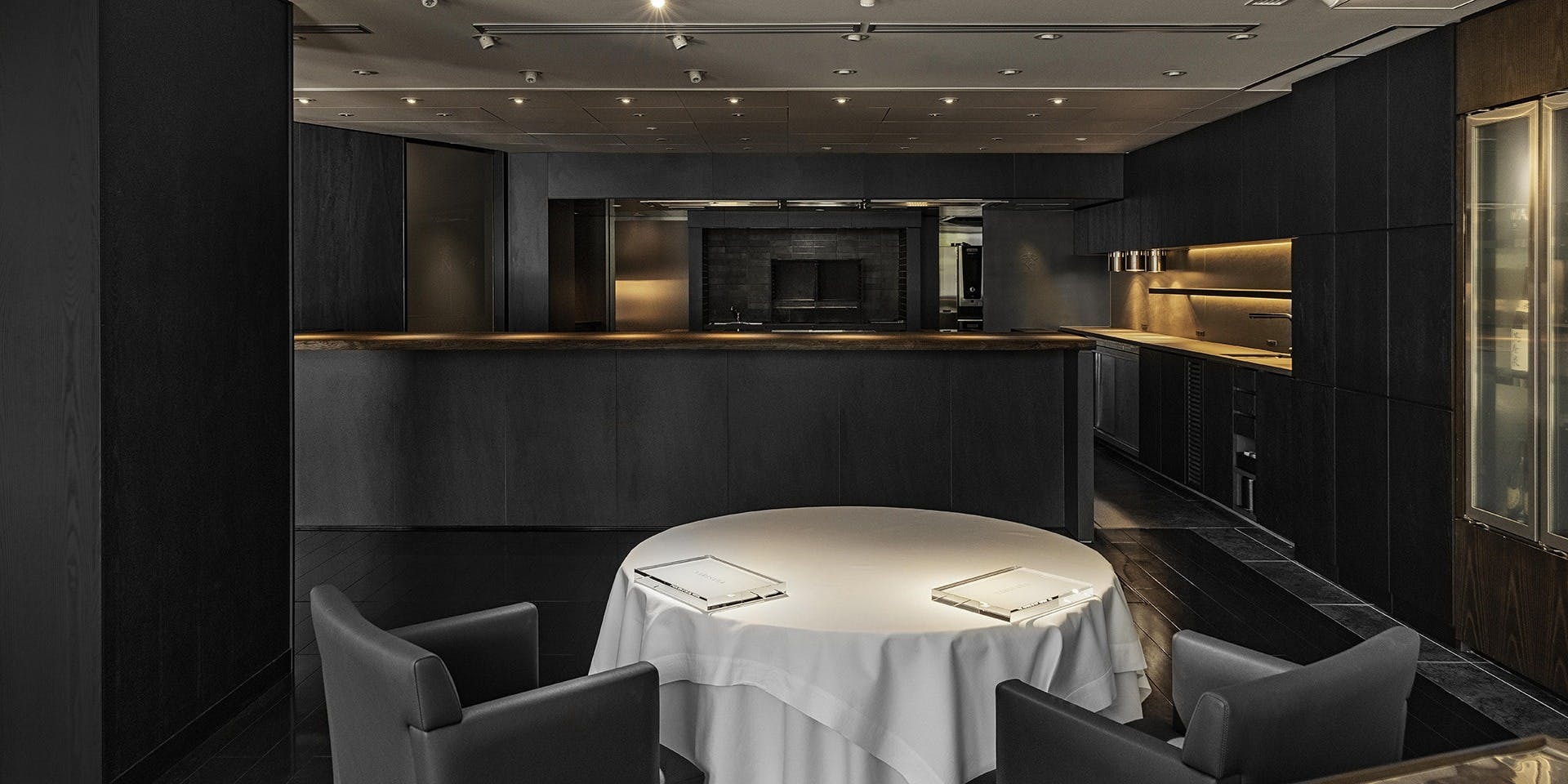
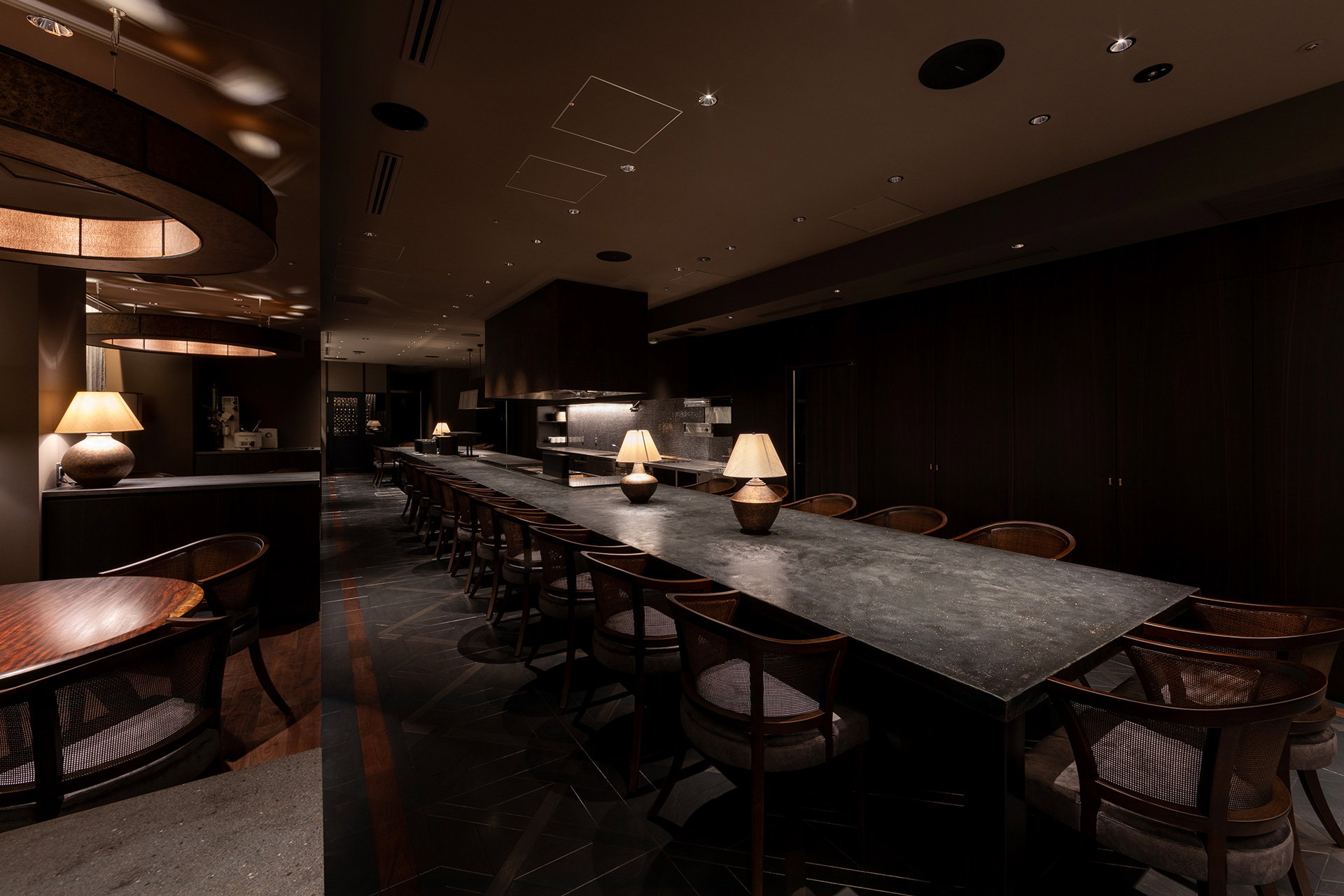
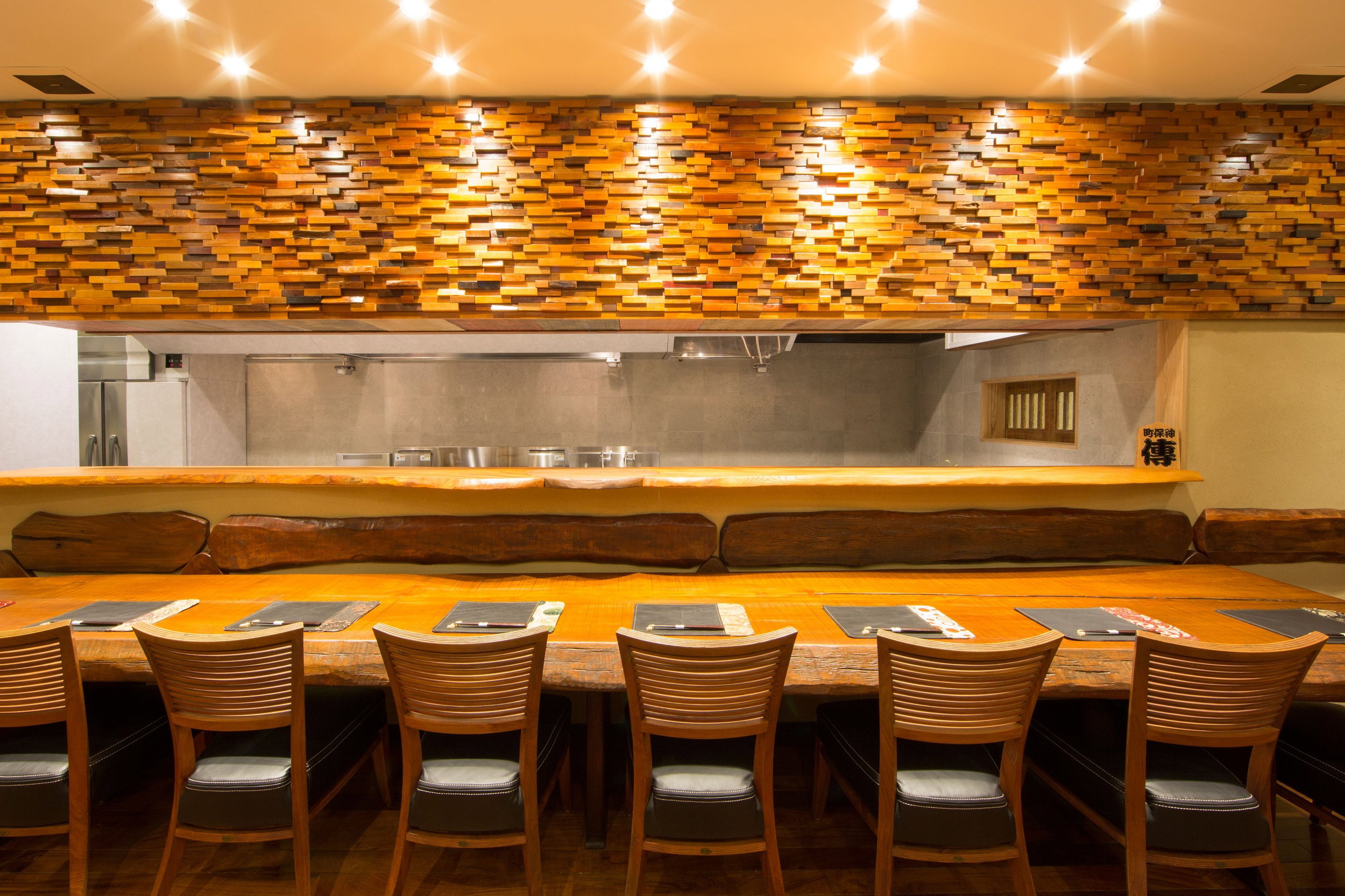
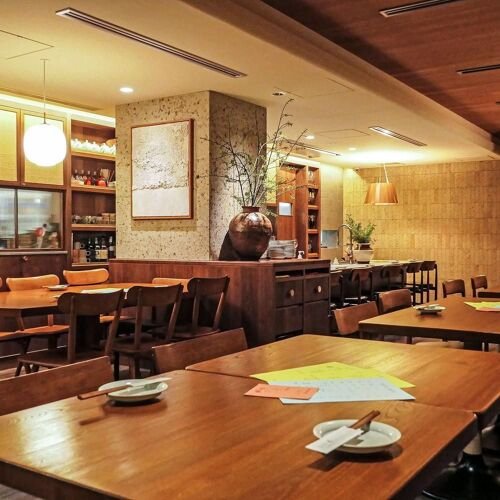
The physical setting matters here. As a second-floor izakaya, the room is compact and oriented around proximity to the kitchen. Counter seating at a venue like this puts you inside the sourcing logic: you can watch how fish is handled, ask questions, and track what the kitchen is working with that evening. This is not a large production restaurant. The scale is intimate, which means the counter is the right seat if your priority is understanding what you are eating and where it came from. Parties who take a table get the food; counter guests get the context.
The editorial angle for Shiomachi is what the counter adds to the meal. At a fish-led izakaya where the chef's daily market run is central to the offer, sitting at the counter closes the gap between sourcing and service. You are not reading about the Toyosu visit on a menu card — you are watching its results get prepared in front of you. That kind of transparency is one of the things Tokyo's better izakayas do well, and Shiomachi is structured to deliver it.
When to Go
For counter seats, aim for an earlier reservation on a weeknight. Izakayas in residential Tokyo neighbourhoods tend to fill from around 7 PM, and a 6 or 6:30 PM booking gives you the room before it reaches full noise. Early sittings also tend to get more attention from the kitchen, particularly at smaller spots where the chef is managing the counter personally. Weekend evenings will be busier and less conducive to the quieter, more conversational experience the counter format supports.
If you are visiting Tokyo across multiple nights, Shiomachi works well as a mid-week option rather than a special-occasion anchor. Save the longer, more formal meals for venues like Harutaka or RyuGin on a weekend, and use Shiomachi on a Tuesday or Wednesday when you want serious fish without ceremony.
How It Fits the Tokyo Izakaya Scene
Tokyo has a wide range of fish-led izakayas, and the category spans from casual standing bars to serious counter-only operations that rival dedicated sushi restaurants. Shiomachi sits toward the more considered end of that range. The daily Toyosu sourcing and the Michelin Plate recognition put it above the neighbourhood average. For comparison, Daikanyama Issai Kassai operates in a similar Shibuya-adjacent register. Further afield in the izakaya category, Benikurage in Osaka and Berangkat in Kyoto are worth knowing if your trip extends beyond Tokyo.
For a broader look at where Shiomachi sits within Tokyo's dining options, see our full Tokyo restaurants guide. If you are planning time in other Japanese cities, HAJIME in Osaka, Gion Sasaki in Kyoto, and Goh in Fukuoka each represent their city's more serious end. For Tokyo stay planning, our Tokyo hotels guide covers the full range of options.
Other Tokyo restaurants worth knowing in adjacent categories include Ginza Nominokoji Yamagishi, Ginza Shimada, Hakata Hotaru, and Hakata Issou. For a complete view of Tokyo's food and drink scene, see our Tokyo bars guide and our Tokyo experiences guide.
Know Before You Go
- Cuisine: Izakaya, fish-focused, daily Toyoyu Market sourcing
- Price range: ¥¥¥
- Address: 志賀屋ビル 2F, 1-34-10 Uehara, Shibuya, Tokyo 151-0064
- Awards: Michelin Plate 2025
- Booking difficulty: Easy
- Leading seats: Counter, for proximity to the kitchen and daily catch
- Leading time: Weeknight, early sitting (around 6–6:30 PM)
- Nearest area: Uehara, Shibuya, between Yoyogi-Uehara and Daikanyama stations
- Website / phone: Not publicly listed, check Google Maps or a concierge for current reservation contact
Planning details
- Location
- Japan, 〒151-0064 Tokyo, Shibuya, Uehara, 1 Chome−34−10 志賀屋ビル 2F
- Phone
- +81 3-6804-8484
The take
The Take
The Vibe
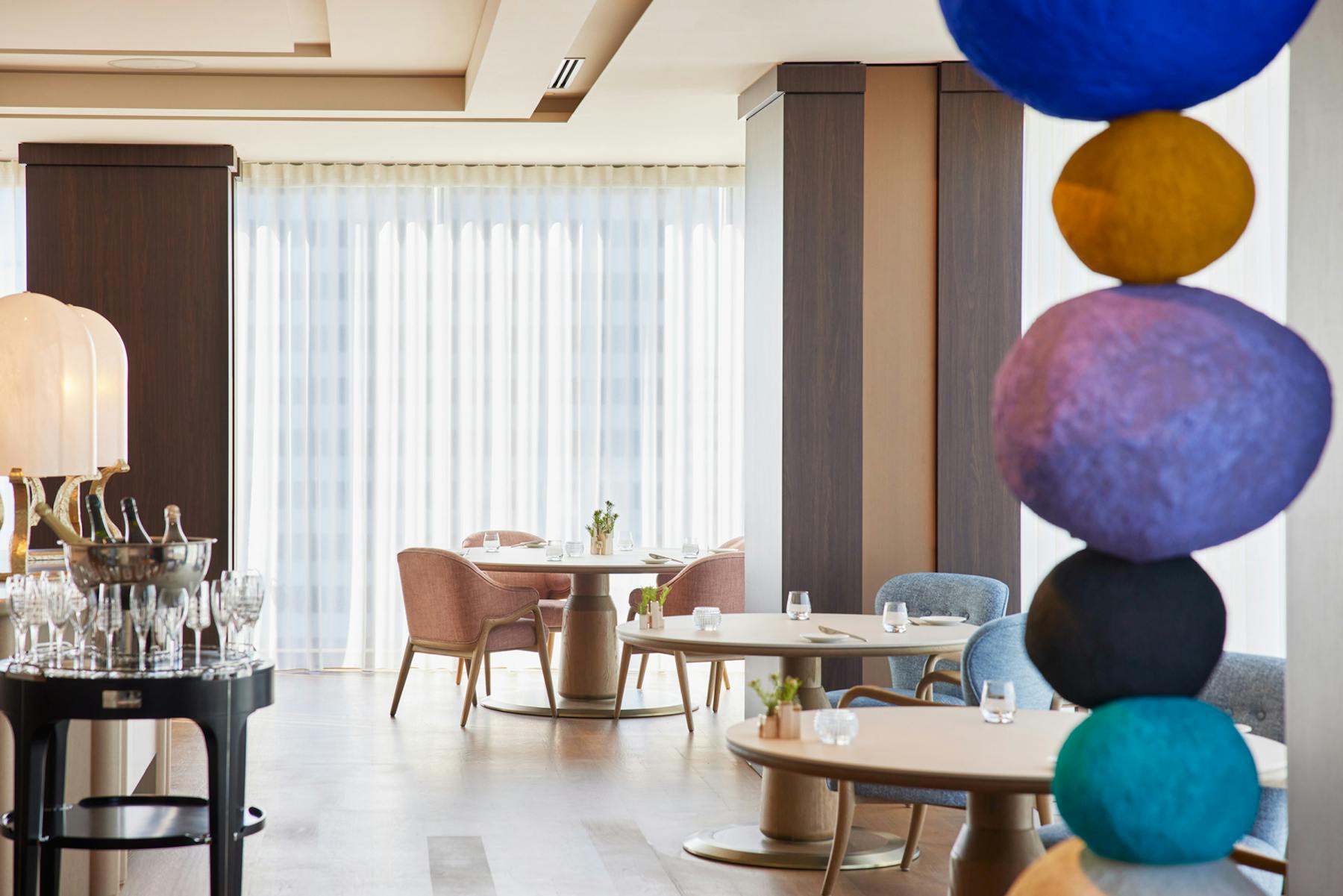
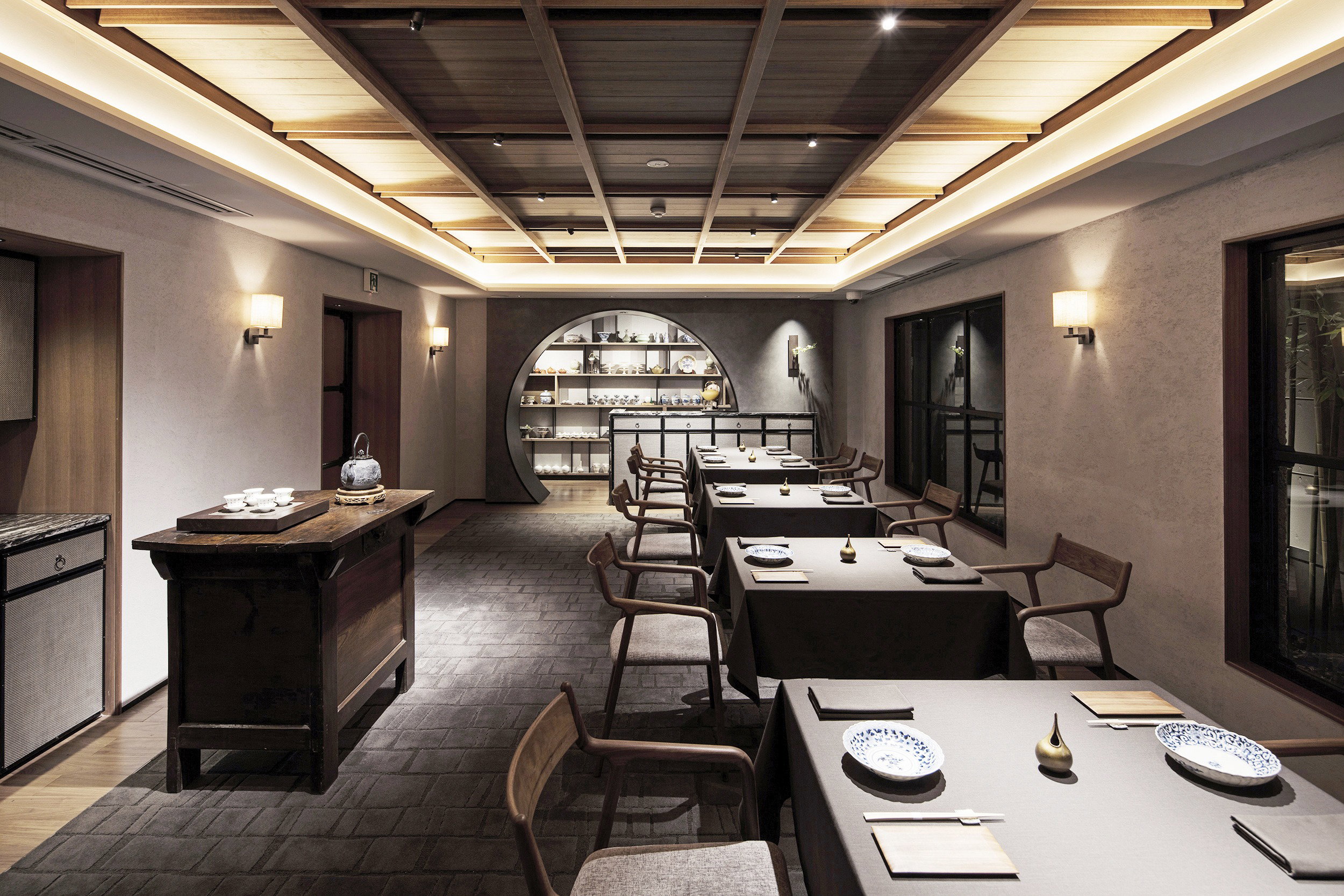
Shiomachi reads like a focused, single-room izakaya that feels both restrained and carefully curated. The space is intimate and minimalist, the sort of small second-floor spot where the interior recedes and the quality of the fish takes center stage. It carries a Michelin Plate and a quietly sophisticated attitude—not flashy, but meticulous about sourcing and technique. The service and format retain izakaya informality, so the mood is relaxed rather than ceremonious; diners come for serious seafood executed with restraint and an understated elegance that rewards close attention.
Best For
This is a dinner destination for diners who want exceptional fish without the formality of kaiseki or a counter-only omakase. Priced at ¥¥¥, it suits date nights, quiet special occasions and solo visits for people who appreciate high-caliber seafood and thoughtful, ordered-as-you-go sharing. The format encourages relaxed drinking and sampling across multiple small plates rather than a single tasting sequence. If you value provenance—daily Toyosu Market sourcing and ikejime technique—you’ll find the price and pacing appropriate to the focus here.
Ordering Tips
Treat the meal as an iterative, shared-plate experience: order items as they’re recommended and arrive, rather than expecting a prearranged multi-course tasting. Ask about the day’s Toyosu Market picks—the owner-chef selects fish daily and even performs ikejime blood-draining, so options will vary and quality is the point of difference. Because the place emphasizes sourcing over ceremony, lean into small-plate ordering and partner dishes with drinks as you go. Reservations are sensible for a small, single-room operation, and expect an evening-focused menu rather than a lunchtime or brunch offering.
Venue details
Ambiance
Serene and hushed coastal atmosphere with gleaming counter and subtle, exacting presentation evoking quiet luxury.
Tags
Vibe
Best For
Experience
Sourcing
At the Table
- Dress Code
- Smart Casual
- Noise Level
- Quiet
- Service Style
- Formal
- Meal Pacing
- Extended Experience
- Capacity
- Intimate
Know before you go
Know Before You Go
- Getting there
- Japan, 〒151-0064 Tokyo, Shibuya, Uehara, 1 Chome−34−10 志賀屋ビル 2F
Planning details
Location
Japan, 〒151-0064 Tokyo, Shibuya, Uehara, 1 Chome−34−10 志賀屋ビル 2F · Directions
Recognition and awards
Also consider
Also Consider
- Harutaka, Sushi, ¥¥¥¥
- RyuGin, Kaiseki, Japanese, ¥¥¥¥
- L'Effervescence, French, ¥¥¥¥
- HOMMAGE, Innovtive French, French, ¥¥¥¥
- Florilège, French, ¥¥¥
Restaurant context
Shiomachi at ¥¥¥ sits in a different tier from most of its listed peers. Harutaka and RyuGin both operate at ¥¥¥¥ with significantly harder bookings and a more formal service register. If your priority for a given evening is serious fish with a personal, counter-driven experience at a lower spend, Shiomachi wins that comparison. If you want omakase sushi at the highest technical level, Harutaka is the right call but expect a harder booking and a larger bill.
Florilège matches Shiomachi on price tier (¥¥¥) but is French and creative in orientation, a completely different dining proposition. L'Effervescence and HOMMAGE are both ¥¥¥¥ French restaurants, relevant if you are choosing between Japanese and Western fine dining for a special evening, but not direct competitors to an izakaya format.
For explorers who want to eat across multiple formats during a Tokyo trip, the practical recommendation is: use Shiomachi for a fish-led counter evening mid-week, save RyuGin or Harutaka for your one formal Japanese booking, and consider Florilège if a French tasting menu night is in the plan. Shiomachi is the easiest to book of this group and delivers the most direct relationship between sourcing and plate.
Explore Tokyo
Around this place
Discover more on Pearl
Unlock the full Shiomachi guide in Pearl, including awards, comparisons, FAQs, planning details, and nearby places.
Compare Shiomachi
| Venue | Price | Booking Difficulty | Awards |
|---|---|---|---|
| Shiomachi | ¥¥¥ | Easy | 2026 Michelin Plate2025 Michelin Plate2024 Michelin Plate |
| Harutaka | ¥¥¥¥ | Unknown | 2026 Tabelog Silver · #312026 OAD Top Restaurants in Japan Ranked · #1282026 Michelin 3 Stars2026 La Liste Top RestaurantsTabelog 100 - Sushi - TOKYO - 2025 · #372025 Asia's 50 Best Restaurants · #762025 OAD Top Restaurants in Japan Ranked · #1172025 La Liste Top Restaurants2025 Tabelog Bronze |
| RyuGin | ¥¥¥¥ | Unknown | 2026 OAD Top Restaurants in Japan Ranked · #802026 Tabelog Bronze · #3772026 Michelin 3 Stars2026 La Liste Top RestaurantsTabelog 100 - Japanese cuisine - TOKYO - 2025 · #212025 OAD Top Restaurants in Japan Ranked · #542025 Michelin 3 Stars2025 La Liste Top Restaurants2025 The Best Chef Three Knives |
| L'Effervescence | ¥¥¥¥ | Unknown | 2026 Tabelog Silver · #682026 OAD Top Restaurants in Japan Ranked · #103Star Wine Lists 20262026 Black Pearl 2 Diamond2026 Relais Chateaux Restaurants2026 La Liste Top Restaurants2026 Michelin 3 Stars2025 Asia's 50 Best Restaurants · #692025 OAD Top Restaurants in Japan Ranked · #92 |
| HOMMAGE | ¥¥¥¥ | Unknown | 2026 Tabelog Bronze · #1232026 OAD Top Restaurants in Japan Highly Recommended2026 Michelin 2 StarsTabelog 100 - French - TOKYO - 2025 · #762025 Asia's 50 Best Restaurants · #782025 OAD Top Restaurants in Japan Ranked · #1752025 Michelin 2 Stars2025 The Best Chef One Knife2025 La Liste Top Restaurants |
| Florilège | ¥¥¥ | Unknown | 2026 Asia's 50 Best Restaurants · #312026 Tabelog Bronze · #712026 OAD Top Restaurants in Japan Ranked · #1242026 Black Pearl 1 Diamond2026 Michelin 2 Stars2026 La Liste Top Restaurants2025 Asia's 50 Best Restaurants · #172025 World's 50 Best Restaurants · #36Tabelog 100 - French - TOKYO - 2025 · #68 |













A quick look at how Shiomachi measures up.
FAQ
Frequently Asked Questions
Is Shiomachi worth the price?
At ¥¥¥, Shiomachi earns its place given the Michelin Plate (2025) and a sourcing approach built around daily Toyosu visits and blood-draining fish on-site to preserve freshness. For Tokyo izakaya at this price tier, you're paying for procurement discipline, not just atmosphere. If fish quality is your priority, the price is defensible.
Can I eat at the bar at Shiomachi?
Counter seating is part of the izakaya format here, and the venue operates from the second floor of a building in Uehara. Aim for an earlier booking on a weeknight to secure counter spots — the neighbourhood fills from around 7 PM and seats go fast.
Is the tasting menu worth it at Shiomachi?
Shiomachi is an izakaya, so the format is typically ordered dishes rather than a structured tasting menu. If you want a set omakase progression around fish, a dedicated counter sushi restaurant is the better fit. Shiomachi's strength is the quality of its sourcing, best experienced through multiple courses ordered across the evening.
Is Shiomachi good for a special occasion?
The Michelin Plate and ¥¥¥ pricing make it a credible choice for a low-key special occasion, particularly if the other person appreciates serious fish. It won't deliver the formal ceremony of a Michelin-starred kappo or kaiseki, but the owner-chef's daily Toyosu sourcing gives the meal a distinct sense of care and intention.
What are alternatives to Shiomachi in Tokyo?
For fish-led izakaya at a comparable level, Tokyo's Uehara and Daikanyama corridors have strong options, though few combine Michelin recognition with the Toyosu daily-visit sourcing model at this price tier. If you want to move up in formality, a fish-focused omakase counter offers more structure; if you want to move down in price, standing fish bars around Shibuya deliver value with less ceremony.