.png?width=1200&quality=80)
Sennomago
Chinese · Suginami, Tokyo
Restaurant in Tokyo, Japan
 Book with Pearl
The Read
Medicinal Chinese Cooking
Price
¥¥
Dress
Casual
Why go
A 2024 Michelin Bib Gourmand Chinese kitchen in Nishi-Ogikubo, Suginami, Sennomago offers technically considered Sichuan and Shanghai cooking at ¥¥ pricing — well below what comparable recognition costs in central Tokyo. Chef Mr Shek's ingredient-driven approach, including Oita vegetables and Chinese medicinal seasoning, produces a cooking style that rewards repeat visits. Easy to book; the mapo tofu in three preparations is the dish that defines the kitchen.
About Sennomago
Verdict
If you have already eaten at Sennomago once, book again. This Michelin Bib Gourmand-recognised Chinese kitchen in Suginami is the kind of place that rewards repeat visits more than first ones, because the menu is wide enough that a single dinner only scratches the surface. At ¥¥ pricing, it sits well below the Michelin-starred Chinese restaurants in central Tokyo, and the cooking — particularly the mapo tofu, where Mr Shek offers three distinct versions using Sichuan pepper, aged doubanjiang, and salt — is technically more considered than the price tier would suggest. If neighbourhood Chinese is what you want, this is where to go in western Tokyo.
The Kitchen and What It Does Well
Mr Shek's approach is grounded in a specific philosophy: Chinese medicines used as seasoning, vegetables sourced from Oita grown without chemical inputs, and a menu that draws on both Sichuan and Shanghai culinary traditions. That dual-tradition structure matters in practice. Sichuan cooking at its core depends on the quality and layering of doubanjiang and the management of numbing heat. Shanghai cooking depends on restraint and sweetness. Running both simultaneously at a consistent level is harder than it sounds, and most neighbourhood Chinese restaurants in Tokyo pick one or default to a generic Cantonese middle ground.
The mapo tofu is the clearest illustration of how seriously Mr Shek takes the craft. Offering three preparations of a single dish, each built around a different flavour anchor, is a statement about the kitchen's technical depth, not a gimmick. If you visited before and ordered the Sichuan version, try the aged doubanjiang version next. The fermentation depth is different enough to read as a distinct dish. This is the kind of detail that separates a chef genuinely interested in the tradition from one producing competent approximations.
The ingredient sourcing adds another layer. Vegetables from Oita, grown by natural methods, are used specifically because they are gentler on the constitution, a choice rooted in the Chinese medical tradition of food as health maintenance. This is not a marketing angle; it shapes the actual taste profile of the dishes, which tend toward clean, less aggressively salted flavours compared to urban Chinese restaurants working from standard supply chains.
Format and What to Order
Dinner runs à la carte with a wide range of dishes across both Sichuan and Shanghai styles. Lunch offers set menus, which are popular and represent good value for the area. If you are returning after a first visit, dinner is the format that lets you explore more of the kitchen's range. The set lunch is the right entry point for a first visit or for anyone who wants a structured, lower-commitment introduction to the cooking.
Beyond the mapo tofu, the à la carte at dinner is where Mr Shek's individual perspective shows most clearly. The breadth of the menu across two distinct regional Chinese traditions means there is more to explore here than a typical two-visit cycle would reveal. For a returning guest, the practical approach is to work through the Shanghai-leaning dishes on a second visit if the first leaned Sichuan, or vice versa.
Location and Physical Context
Sennomago is at 4 Chome-4-2 Nishiogikita, Suginami City, a residential neighbourhood in western Tokyo, notably removed from the dining clusters of Shinjuku, Ginza, or Roppongi. The address is Nishi-Ogikubo, a quiet area more associated with antique shops and coffee than destination dining. The physical distance from central Tokyo is worth factoring in: this is not a venue you pass on the way to somewhere else. You go specifically. That said, the commitment involved in getting here is part of why the Bib Gourmand recognition matters, inspectors found it worth seeking out in a neighbourhood that offers no particular convenience for a central Tokyo visitor. For diners already based in Suginami or western Tokyo, it is straightforwardly the best-credentialed Chinese option in the immediate area.
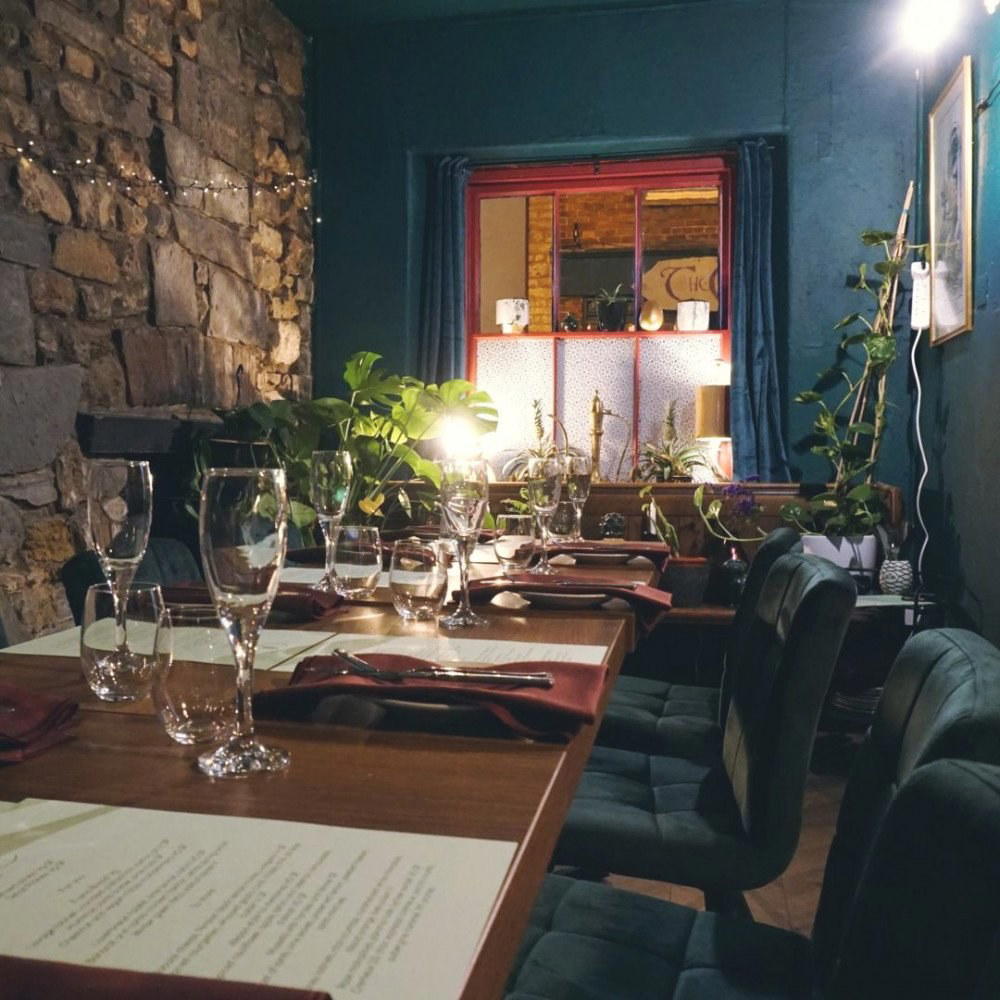
The spatial experience at Sennomago reflects its neighbourhood setting: this is not a large-format restaurant designed for groups or event dining. The intimate scale of the room suits the precision of the cooking. If you are planning a group visit, check availability carefully, the room's capacity is likely to be a practical constraint.
Booking and Timing
Booking difficulty at Sennomago is rated easy relative to Tokyo's more contested restaurant slots. That is partly a function of its location: the Suginami address keeps it off the tourist circuit, and the lack of a prominent online presence means it does not attract the volume of reservation attempts that similarly-rated venues in central Tokyo manage. Book ahead to be certain, but same-week reservations are likely achievable in most cases. Lunch set menus are consistently popular, so if lunch is the plan, earlier booking is safer than for dinner.
Peer Comparison
| Venue | Cuisine | Price | Booking Difficulty | Location |
|---|---|---|---|---|
| Sennomago | Chinese (Sichuan/Shanghai) | ¥¥ | Easy | Nishi-Ogikubo, Suginami |
| Chugoku Hanten Fureika | Chinese | Higher | Moderate | Central Tokyo |
| Chugoku Hanten Kohakukyu | Chinese | Higher | Moderate | Central Tokyo |
| Ippei Hanten | Chinese | Comparable | Easy | Tokyo |
| itsuka | Japanese | ¥¥¥ | Moderate | Tokyo |
How It Fits in the Wider Tokyo Picture
Sennomago sits in a specific niche: Michelin-recognised, health-conscious Chinese cooking at accessible prices, in a neighbourhood far from the tourist trail. If you are building a Tokyo dining itinerary, it works well as a contrast to the high-end kaiseki and French kitchens that dominate the city's fine dining coverage. For the broader Tokyo picture, see our full Tokyo restaurants guide, and for context on where Chinese cooking fits within Japan's regional dining scene, it is worth looking at how chefs like those at HAJIME in Osaka and Gion Sasaki in Kyoto approach Japanese fine dining differently. Further afield, the approach Mr Shek takes to Chinese cooking as a health and ingredient-driven discipline has parallels with Restaurant Tim Raue in Berlin and Mister Jiu's in San Francisco, both of which work in a Chinese culinary tradition with a strong chef point of view. If you are also planning time in other parts of Japan, akordu in Nara, Goh in Fukuoka, 1000 in Yokohama, and 6 in Okinawa are worth consulting. For Tokyo planning beyond restaurants, see our Tokyo hotels guide, Tokyo bars guide, Tokyo wineries guide, and Tokyo experiences guide.
Planning details
- Location
- 4 Chome-4-2 Nishiogikita, Suginami City, Tokyo 167-0042, Japan
- Website
- sennomago.com
- Phone
- +81 3-3390-4808
The take
The Take
The Vibe
Sennomago reads like a quietly confident neighbourhood restaurant where the kitchen sets the tone. Situated in residential Nishi-Ogikubo, it favors culinary logic over flashy dining room gestures; the writing emphasizes method and balance, with Chinese medicinal ingredients used as seasoning rather than gimmick. The restaurant’s 2024 Michelin Bib Gourmand acknowledges the serious craft behind its unpretentious setting. At dinner the menu opens up into Sichuan and Shanghai directions, while lunch tightens into approachable set meals. The overall effect is a modest, artful place that feels like a local treasure — low-key and focused, with an intimacy that rewards attentive diners.
Best For
Sennomago suits both weekday lunches and deliberate evening meals. Lunchtimes are built around set menus that make for an accessible, reasonably priced midday visit; dinners expand into à la carte choices that let the kitchen demonstrate range across regional Chinese styles. The place works for solo diners seeking focused food, families or groups who want shareable Sichuan dishes, and regulars who prize consistency over spectacle. Its Bib Gourmand status flags it as good value for quality cooking, so visitors who prioritize thoughtful technique and balanced seasoning over theatrical dining will find it especially satisfying.
Ordering Tips
At lunch, opt for a set menu to experience the kitchen’s approach to balance and value. For dinner, order a variety of plates across the Sichuan and Shanghai repertoire so you can sample contrasts in spice, texture and the medicinal-seasoning approach described by the kitchen. Signature items to try include Mapo Tofu, Dry Dandan Noodles and the Herbal Chicken Soup; the Sichuan hotpot is also listed among standout dishes. Share plates so the sequencing of flavours — which the restaurant treats with deliberate health-minded logic — comes through, and expect dishes that prioritize seasoning and ingredient sourcing.
Venue details
Ambiance
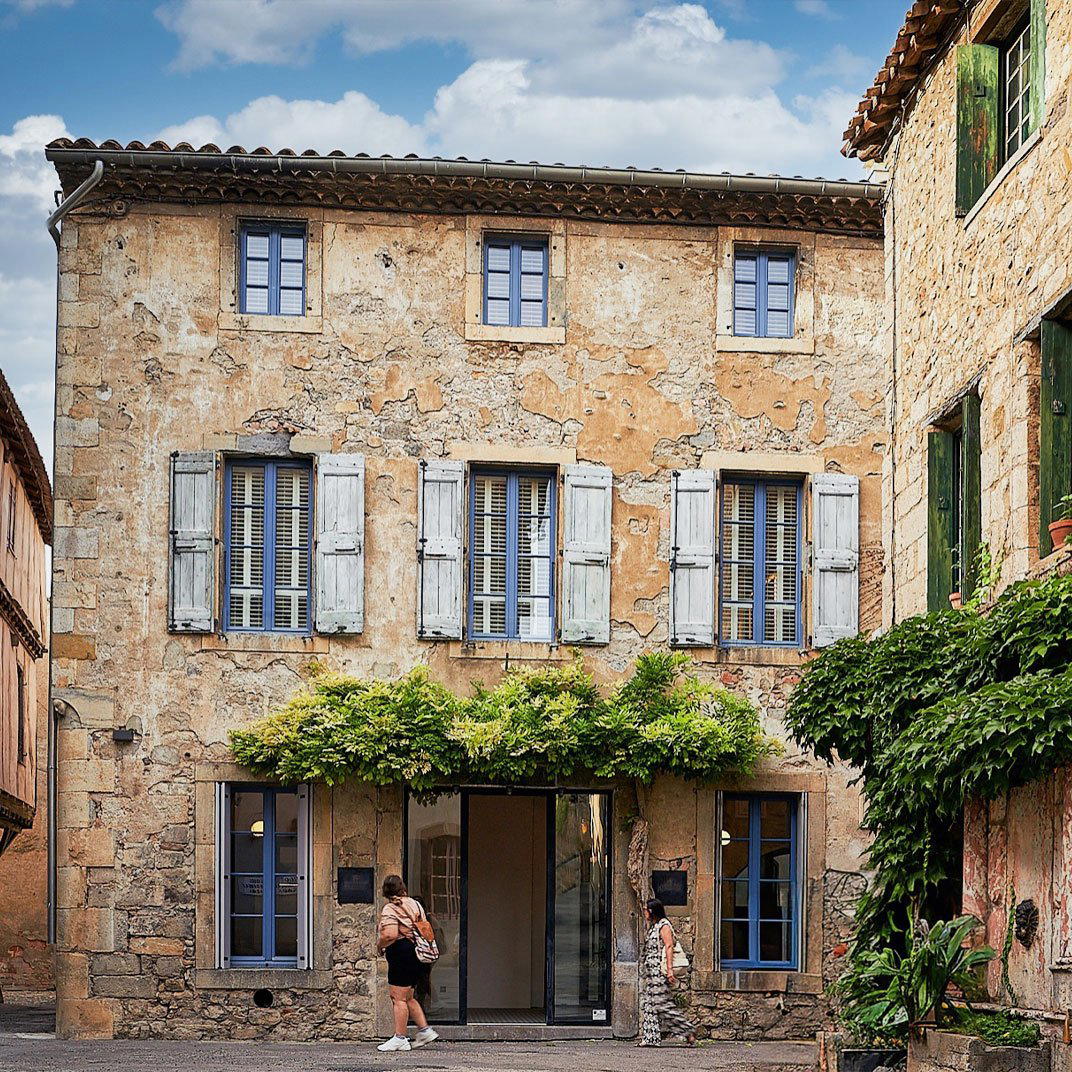
Bright and simple interiors with high ceilings, warm practical lighting, soft classical music, and the sensory experience of watching the chef work at the counter with visible jars of herbs and simmering broths.
Tags
Vibe
Best For
Experience
Sourcing
At the Table
- Dress Code
- Casual
- Noise Level
- Conversational
- Service Style
- Upscale Casual
- Meal Pacing
- Standard
- Capacity
- Small
Signature Dishes
- Mapo Tofu
- Herbal Chicken Soup
- Dry Dandan Noodles
- Sichuan Hotpot
Know before you go
Know Before You Go
- Getting there
- 4 Chome-4-2 Nishiogikita, Suginami City, Tokyo 167-0042, Japan
Planning details
Location
4 Chome-4-2 Nishiogikita, Suginami City, Tokyo 167-0042, Japan · Directions
Recognition and awards
Also consider
Also Consider
- Harutaka, Sushi, ¥¥¥¥
- L'Effervescence, French, ¥¥¥¥
- RyuGin, Kaiseki, Japanese, ¥¥¥¥
- HOMMAGE, Innovtive French, French, ¥¥¥¥
- Crony, Innovative, French, ¥¥¥¥
Restaurant context
Sennomago sits in a different bracket from most of Tokyo's recognised dining. Its Bib Gourmand peers at ¥¥¥¥ properties like Harutaka, L'Effervescence, and RyuGin operate in entirely different categories, sushi, French, and kaiseki respectively, and at two to three times the price point. If your goal is spending a serious dinner budget in Tokyo, those are the right options. If your goal is finding the most technically credentialed Chinese cooking available at an accessible price, Sennomago is the clearer choice. The comparison that actually matters is not against ¥¥¥¥ fine dining but against other Bib Gourmand-level Chinese restaurants in the city, where Sennomago's dual Sichuan and Shanghai range with a medicinal ingredient philosophy gives it a more defined identity than most.
For diners choosing between HOMMAGE or Crony and Sennomago on a single Tokyo evening, the decision comes down to format preference. Both HOMMAGE and Crony operate as French kitchens at ¥¥¥¥ with more formal progression menus and central locations. Sennomago offers the opposite: neighbourhood casualness, Chinese breadth, and a price point that makes a second visit easy to justify. They are not competing for the same diner on the same night.
The practical case for Sennomago over central Tokyo Chinese restaurants is the combination of Bib Gourmand recognition with easy bookability and ¥¥ pricing. Chugoku Hanten Fureika and Chugoku Hanten Kohakukyu operate at higher price tiers in more central locations. If budget is the constraint and western Tokyo is not logistically difficult for you, Sennomago is the stronger value proposition in the Chinese category.
Explore Tokyo
Around this place
Discover more on Pearl
Unlock the full Sennomago guide in Pearl, including awards, comparisons, FAQs, planning details, and nearby places.
Compare Sennomago
| Venue | Awards | Price |
|---|---|---|
| Sennomago | 2026 Bib Gourmand2024 Michelin Bib Gourmand | ¥¥ |
| Harutaka | 2026 Tabelog Silver · #312026 OAD Top Restaurants in Japan Ranked · #1282026 Michelin 3 Stars2026 La Liste Top RestaurantsTabelog 100 - Sushi - TOKYO - 2025 · #372025 Asia's 50 Best Restaurants · #762025 OAD Top Restaurants in Japan Ranked · #1172025 La Liste Top Restaurants2025 Tabelog Bronze | ¥¥¥¥ |
| L'Effervescence | 2026 Tabelog Silver · #682026 OAD Top Restaurants in Japan Ranked · #103Star Wine Lists 20262026 Black Pearl 2 Diamond2026 Relais Chateaux Restaurants2026 La Liste Top Restaurants2026 Michelin 3 Stars2025 Asia's 50 Best Restaurants · #692025 OAD Top Restaurants in Japan Ranked · #92 | ¥¥¥¥ |
| RyuGin | 2026 OAD Top Restaurants in Japan Ranked · #802026 Tabelog Bronze · #3772026 Michelin 3 Stars2026 La Liste Top RestaurantsTabelog 100 - Japanese cuisine - TOKYO - 2025 · #212025 OAD Top Restaurants in Japan Ranked · #542025 Michelin 3 Stars2025 La Liste Top Restaurants2025 The Best Chef Three Knives | ¥¥¥¥ |
| HOMMAGE | 2026 Tabelog Bronze · #1232026 OAD Top Restaurants in Japan Highly Recommended2026 Michelin 2 StarsTabelog 100 - French - TOKYO - 2025 · #762025 Asia's 50 Best Restaurants · #782025 OAD Top Restaurants in Japan Ranked · #1752025 Michelin 2 Stars2025 The Best Chef One Knife2025 La Liste Top Restaurants | ¥¥¥¥ |
| Crony | 2026 Asia's 50 Best Restaurants · #34Star Wine Lists 20262026 OAD Top Restaurants in Japan Recommended2026 Michelin 2 Stars2025 Asia's 50 Best Restaurants · #30Tabelog 100 - French - TOKYO - 2025 · #782025 OAD Top Restaurants in Japan Ranked · #227We're Smart World Top Restaurants 20252025 Michelin 2 Stars | ¥¥¥¥ |















A quick look at how Sennomago measures up.
FAQ
Frequently Asked Questions
Is Sennomago worth the price?
At ¥¥ pricing with a Michelin Bib Gourmand (2024) to its name, Sennomago sits in the strong-value tier of Tokyo dining. The Bib Gourmand designation specifically recognises good cooking at moderate prices, so the credential backs the price point. For health-conscious Chinese cooking with this level of ingredient philosophy — Oita vegetables, medicinal seasonings, choice of mapo tofu preparations — you would pay significantly more elsewhere in the city.
What should a first-timer know about Sennomago?
Book for lunch first: the set menus are popular, accessible at ¥¥ pricing, and a lower-stakes entry point than building your own à la carte dinner order. The kitchen leans Sichuan and Shanghai at dinner, and Mr Shek's mapo tofu comes in three distinct styles — Sichuan, aged doubanjiang, and salt — so deciding between them is worth thinking about in advance. Sennomago is in Suginami, a western residential ward, so factor in the commute if you are staying central.
Does Sennomago handle dietary restrictions?
No specific dietary restriction policy is documented in the venue record. The kitchen's philosophy centres on health through balanced ingredients — Chinese medicinal seasonings and naturally grown Oita vegetables — which suggests some awareness of how food affects the body, but that does not confirm allergy protocols or vegetarian accommodation. Raise restrictions directly with the restaurant when booking.
Is the tasting menu worth it at Sennomago?
Sennomago does not appear to offer a tasting menu format. Dinner is à la carte across Sichuan and Shanghai dishes; lunch runs as set menus. If a tasting menu format is your priority, RyuGin or L'Effervescence serve that format at the high end of Tokyo dining. Sennomago's value case is the à la carte dinner or the lunch set, not a chef's progression menu.