.png?width=1200&quality=80)
Seki Hanare
Japanese · Setagaya, Tokyo
Restaurant in Tokyo, Japan
 Book with Pearl
The Read
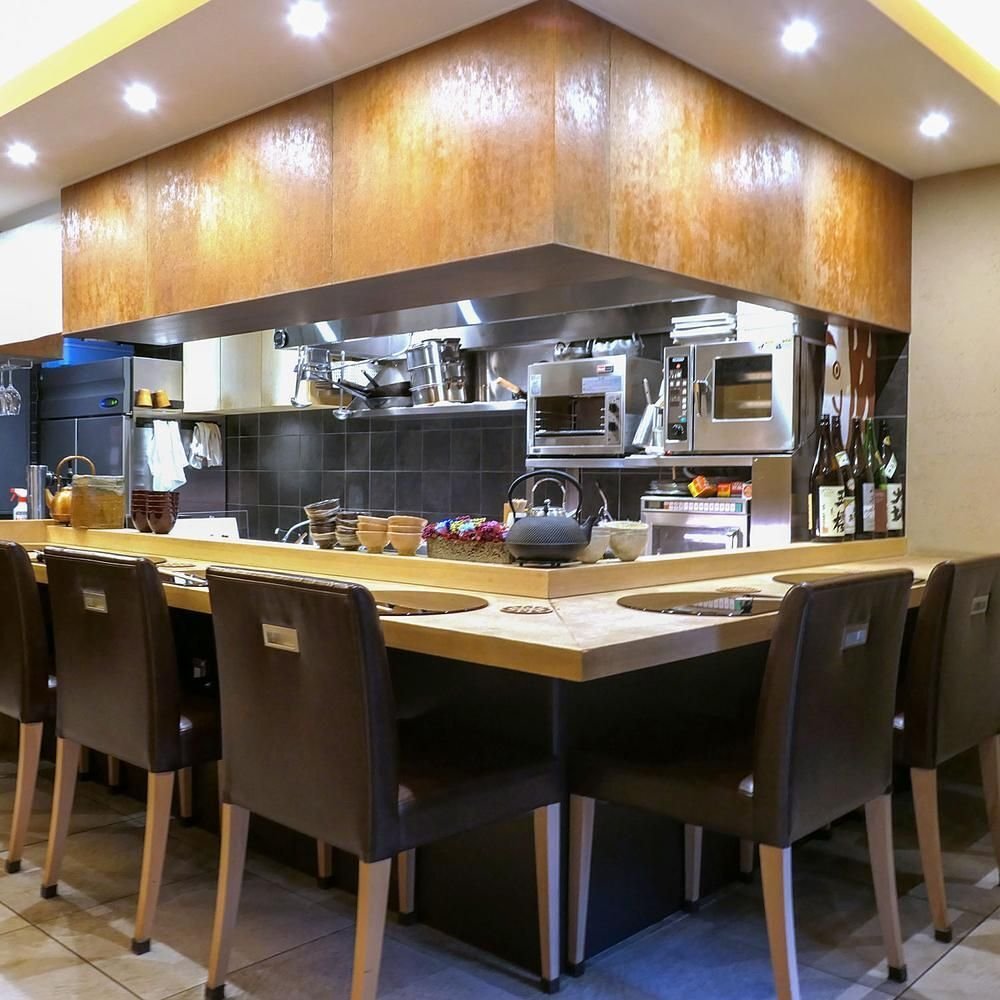
Brewery-Sourced Sake Counter
Price
¥¥
Chef
Kawakubo Satoshi
Dress
Smart Casual
Why go
A Michelin Bib Gourmand pick in Setagaya, Seki Hanare delivers creative Japanese cooking at ¥¥ with a sake and shochu list assembled directly from brewery visits. Chef Kawakubo Satoshi structures the meal around sake pairing, with generous portions and an unusual emphasis on meat dishes. The best-value sake-focused dinner in Tokyo's outer wards.
About Seki Hanare
Pearl Verdict
Seki Hanare is the right booking if you want creative Japanese cooking at a price point well below Tokyo's Michelin-starred heavyweights, with a sake program serious enough to anchor the entire meal. Chef Kawakubo Satoshi has earned a Michelin Bib Gourmand (2024), which at the ¥¥ price range makes this one of the stronger value propositions in Setagaya. Book it for a low-key special occasion or a date where the conversation matters as much as the food.
The Experience
Seki Hanare is built around the logic of sake pairing, and that shapes every decision on the menu. Appetisers arrive as a combination platter, a format designed to stretch across multiple pours rather than demand a single match. The tsukuri course takes the same philosophy further, with condiment arrangements that shift the flavour profile of each bite and open up options across the sake list. That kind of structural thinking is more common at higher price points; finding it at ¥¥ is the reason the Bib Gourmand recognition makes sense.
The inclusion of meat dishes is a deliberate departure from the default kaiseki template, and it works in the context of sake pairing. Japanese whisky is also represented, and the wine selection, while limited, is strictly domestic. The collection was assembled through direct visits to breweries, which means the list skews toward regional and small-production labels rather than the standard Tokyo izakaya rotation. For anyone who follows sake seriously, that distinction matters. For a first-time visitor to Japan, it is a low-stakes way to drink well without needing prior knowledge.
Portions are generous for the format. This is not a venue where you leave calculating whether to stop for ramen on the way home. That generosity, combined with the sake-forward pacing, makes the meal run longer than a typical two-hour dinner. Plan accordingly for a special occasion evening, and resist the instinct to rush.
The address places Seki Hanare in Setagaya, a residential ward in southwest Tokyo that does not see the same volume of international dining traffic as Ginza, Roppongi, or Shinjuku. That is part of the appeal. The atmosphere skews local and unhurried, which suits the sake-and-food pacing better than a high-visibility central location would. If you are staying centrally, factor in transit time; Setagaya is accessible but not a quick taxi from most tourist hotels.
For special occasions, the combination of Bib Gourmand recognition, generous portions, and a serious drinks program gives the evening a clear shape without requiring the kind of financial commitment that venues like Kagurazaka Ishikawa or Azabu Kadowaki demand. It is the kind of place where a birthday dinner or a quiet anniversary meal lands well because the food is considered and the drinks program gives the evening structure. Compare that to Ginza Fukuju or Jingumae Higuchi, where the setting carries more of the occasion weight but the per-head cost rises significantly.
If you are building a broader Tokyo dining itinerary, Seki Hanare pairs well with a higher-spend evening elsewhere. See our full Tokyo restaurants guide for a complete picture, and if you are extending the trip, Gion Sasaki in Kyoto, HAJIME in Osaka, and akordu in Nara are worth adding to the list. For nearby Tokyo options with a similar local-neighbourhood feel, Myojaku is worth considering.
Ratings & Recognition
- Michelin Bib Gourmand (2024) — recognised for high quality at a moderate price
- Price range: ¥¥
Booking
Booking difficulty is rated Easy. Given the Setagaya location and the ¥¥ price range, this is not a venue where you need to plan months in advance. That said, sake-focused creative dining at this recognition level attracts a loyal local following, so do not leave it to the night before for a weekend booking. A week out is a reasonable minimum for weekday tables; aim for two weeks out on weekends or for a specific occasion date.
Practical Details
| Detail | Seki Hanare | Kagurazaka Ishikawa | Myojaku |
|---|---|---|---|
| Price range | ¥¥ | ¥¥¥¥ | N/A |
| Cuisine | Japanese / sake-focused | Kaiseki | Japanese |
| Booking difficulty | Easy | Hard | N/A |
| Michelin recognition | Bib Gourmand 2024 | Starred | N/A |
| Location | Setagaya | Kagurazaka | Tokyo |
For bars and hotels to pair with your visit, see our Tokyo bars guide and our Tokyo hotels guide. Further afield, Goh in Fukuoka, 1000 in Yokohama, and 6 in Okinawa round out a Japan-wide itinerary. See also Isshisoden Nakamura in Kyoto and Kashiwaya Osaka Senriyama for comparable Japanese dining at different price tiers. For Tokyo experiences beyond restaurants, our Tokyo experiences guide and our Tokyo wineries guide are useful starting points.
Planning details
- Location
- 3 Chome-1-3 Setagaya, Setagaya City, Tokyo 154-0017, Japan
- Website
- m.facebook.com/%E3%82%BB%E3%82%AD-%E3%83%8F%E3%83%8A%E3%83%AC-1411555765750794
- Phone
- +81 3-5450-5870
The take
The Take
The Vibe
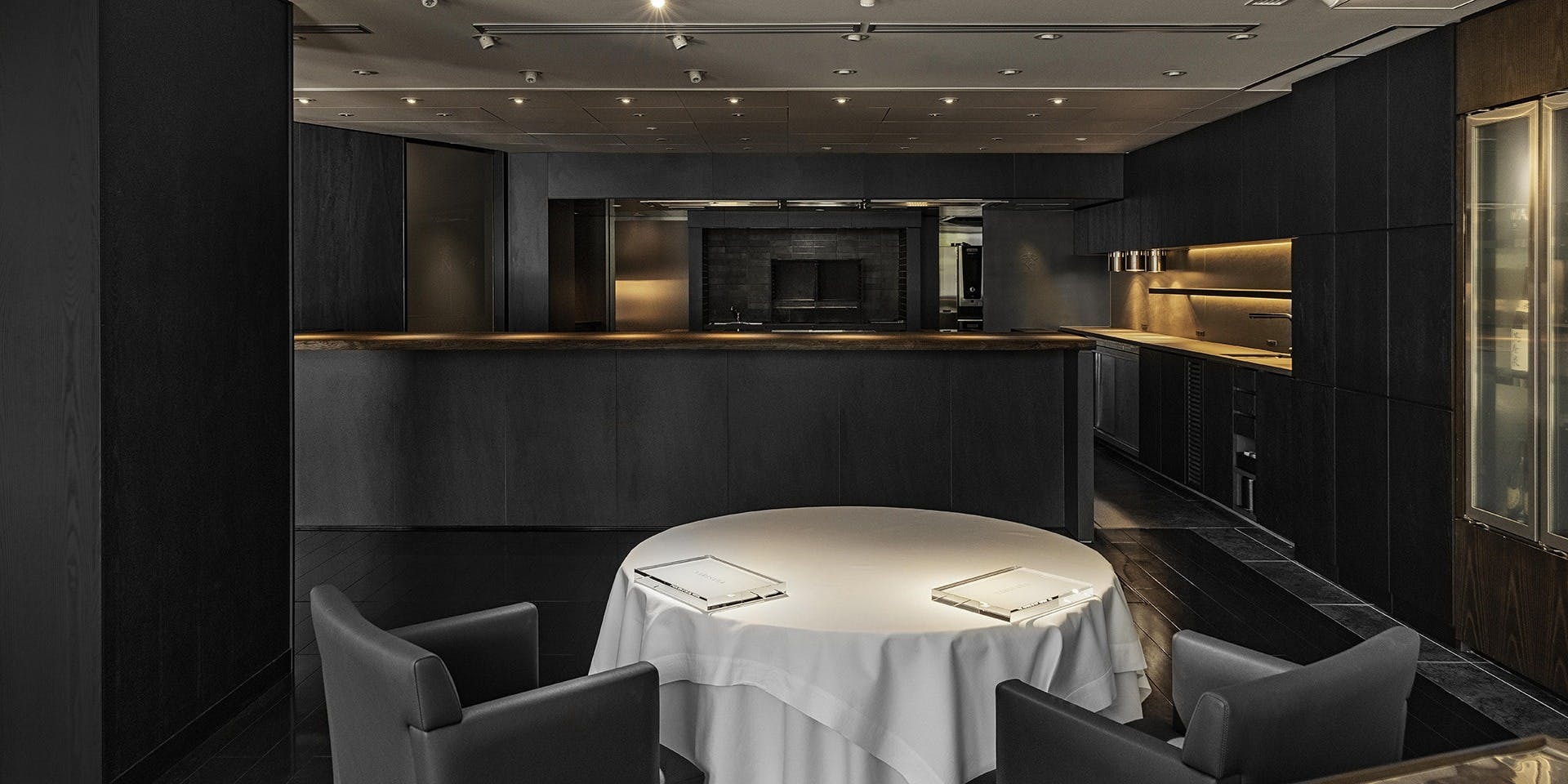
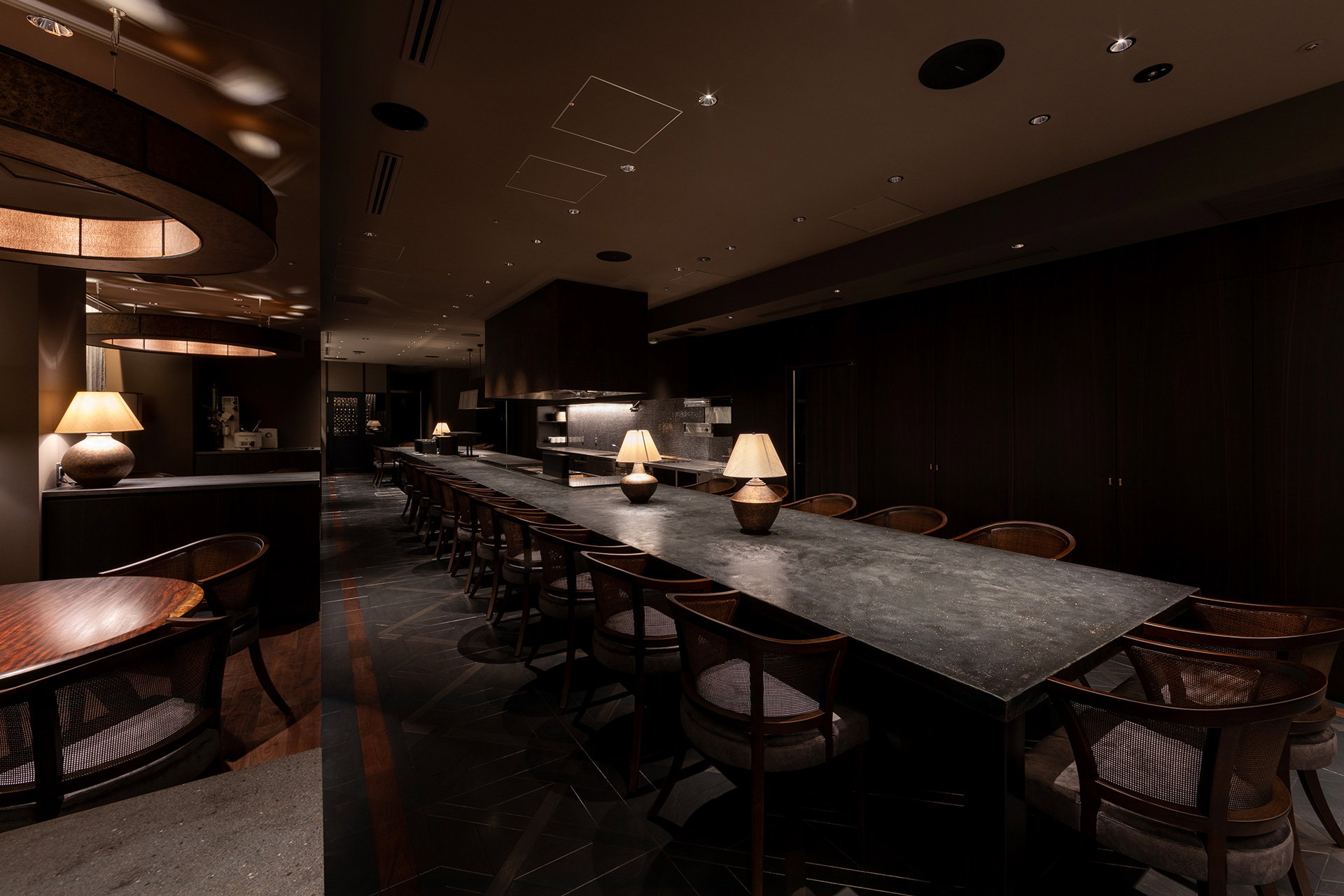
Seki Hanare presents itself as a quietly confident counter destination in residential Setagaya, earning a 2024 Bib Gourmand for accomplishing high-level, creative Japanese cooking at a restrained price point. The room centers on the counter and a sake-first agenda, so the mood is focused and deliberate rather than flashy. The experience feels intimate and refined: service and sequencing prioritize how dishes support drinking across multiple pour styles, and the kitchen leans on precision and restraint rather than spectacle. For diners who prize thoughtful pairing and value-minded excellence, Seki Hanare reads like a compact, well-honed discovery.
Best For
This is a dinner-first counter where the interplay of food and sake is the main draw. It suits date nights and small business dinners that want attentive service without the expense of kaiseki-level rooms, and it also works as a special-occasion spot for groups that value creative, sake-led sequencing. The Bib Gourmand designation signals good value, so guests seeking serious drinking with carefully paced courses — from shared appetiser combinations to signature sashimi and grilled beef — find the format especially rewarding in the evening service.
Ordering Tips
Order with the sake programme in mind: start with the opening combination platter of appetisers, which is explicitly designed to support sustained drinking across multiple pour styles. Ask staff for guided pours or a curated sake progression to accompany the tsukuri arrangements and the signature sashimi platter. The grilled beef course is a highlight; plan pairings that shift toward fuller, more textured sakes as you move to richer dishes. Portions and sequencing aim to keep the pace focused on pairing, so lean on the team’s recommendations rather than assembling an ad‑hoc tasting on your own.
Venue details
Ambiance
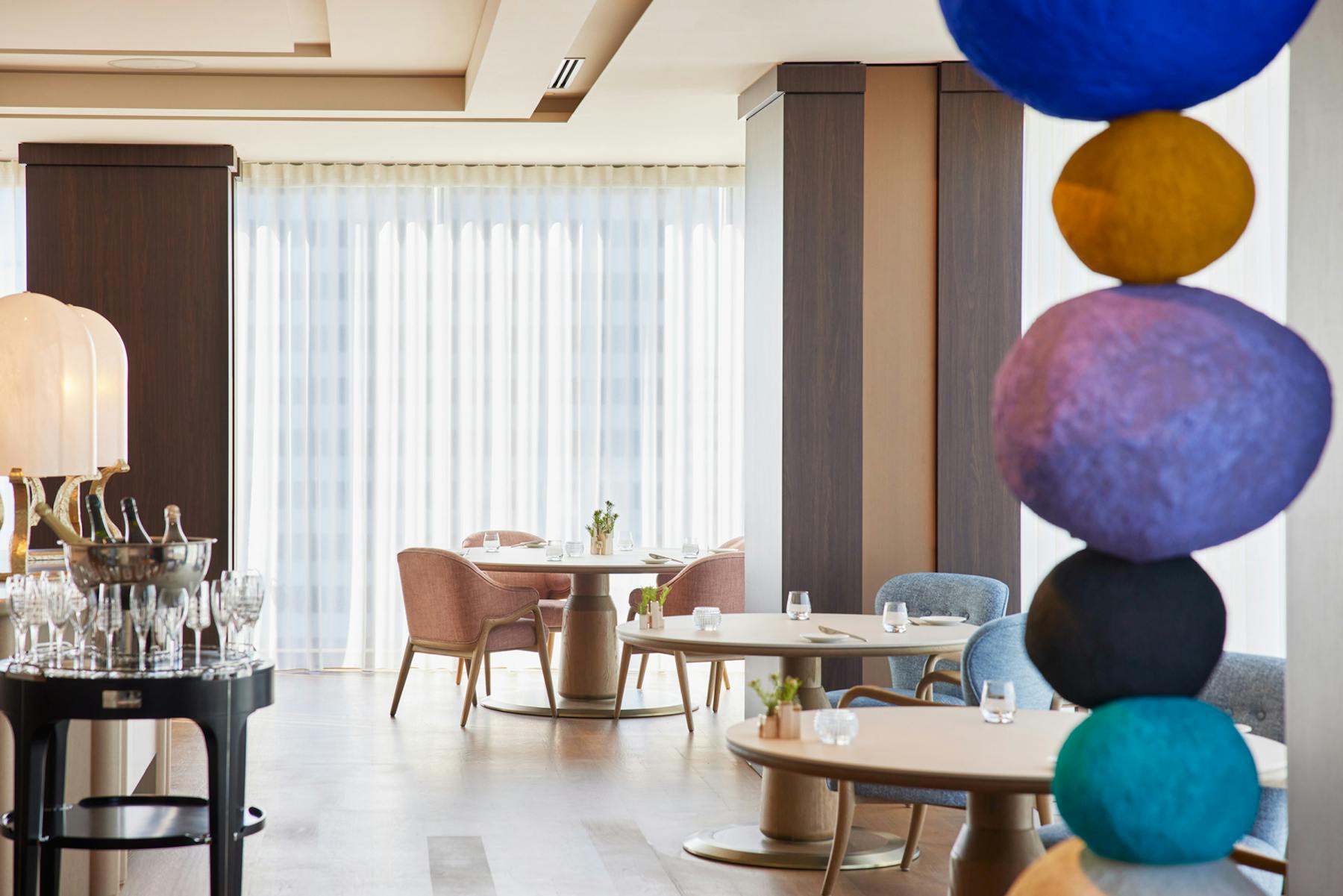
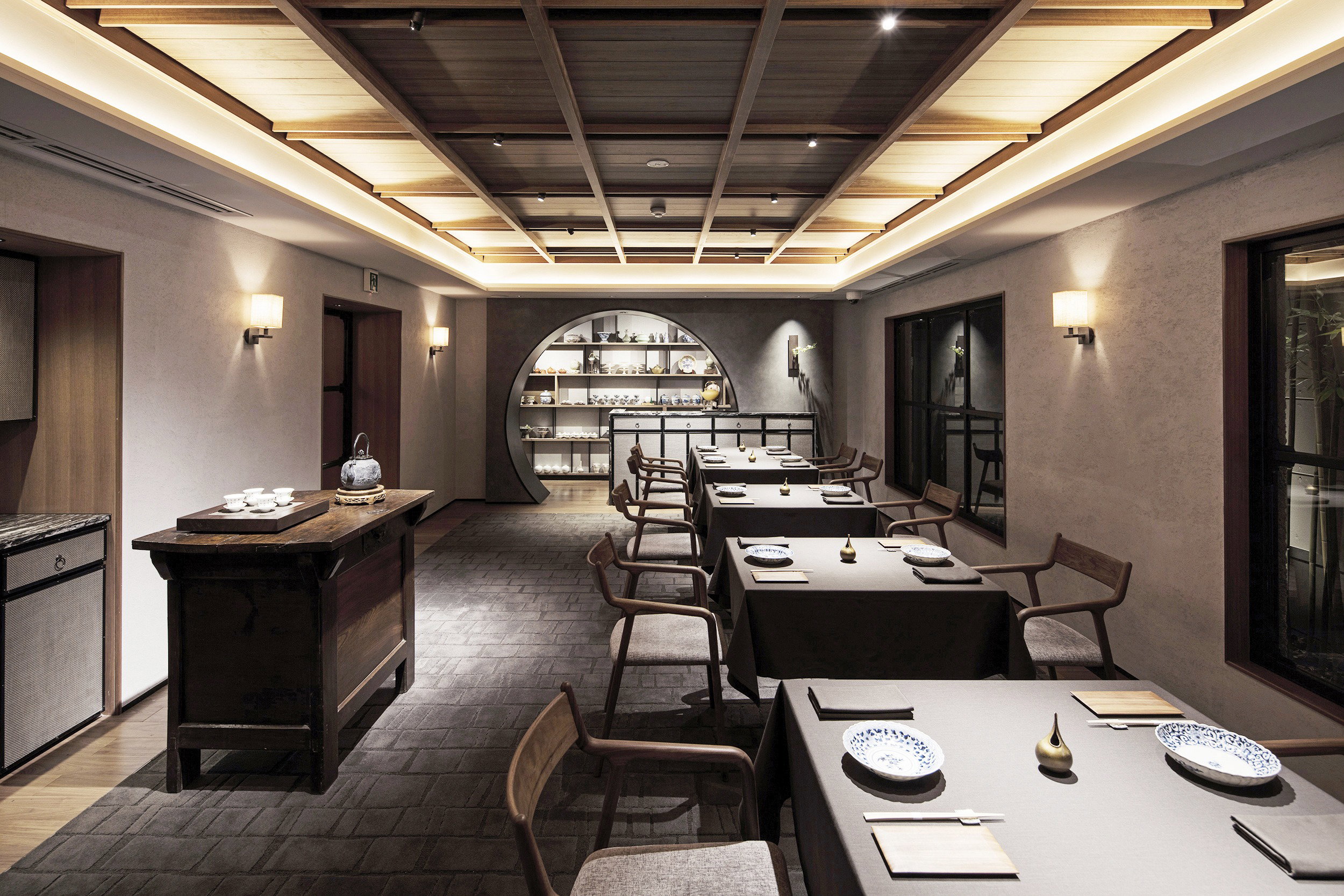
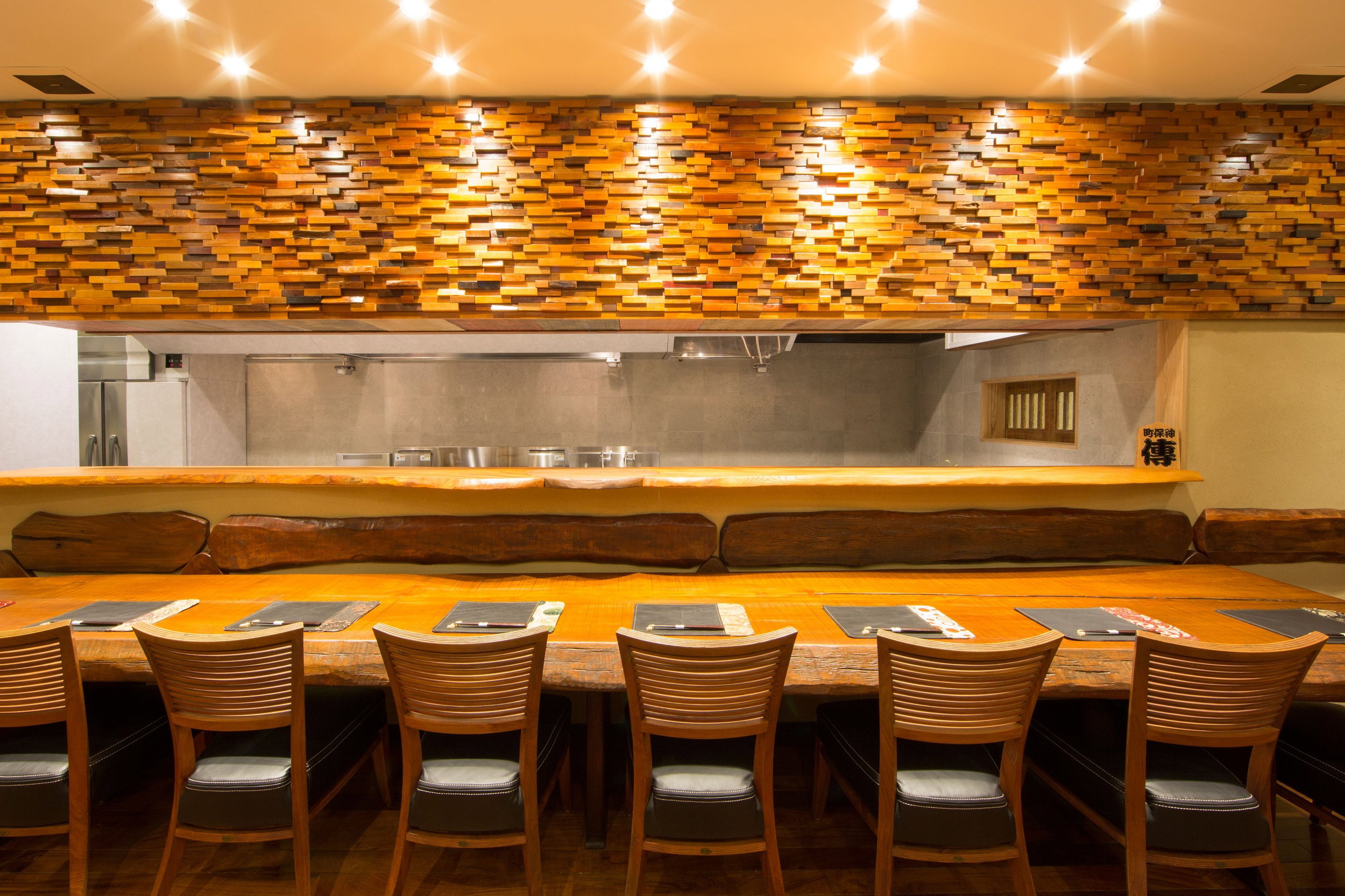
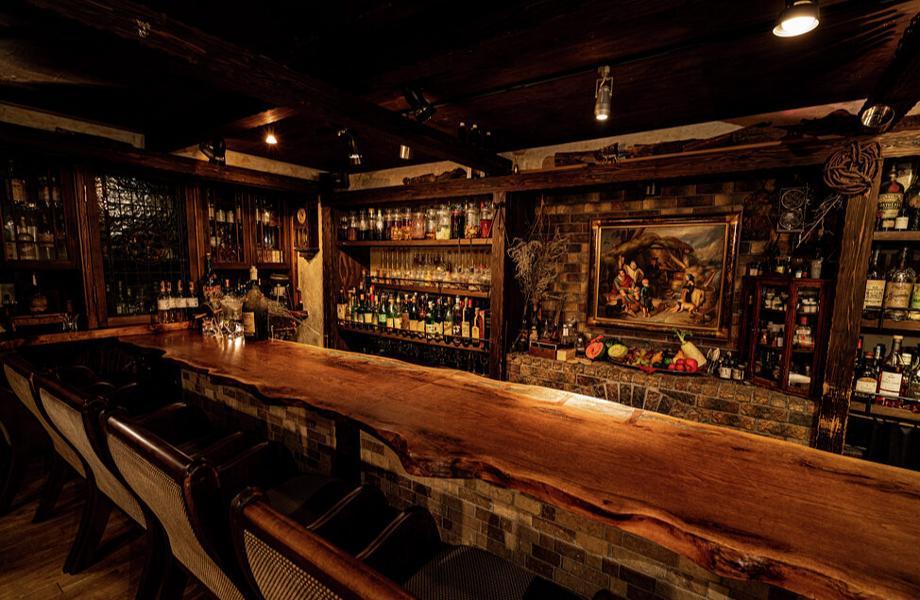
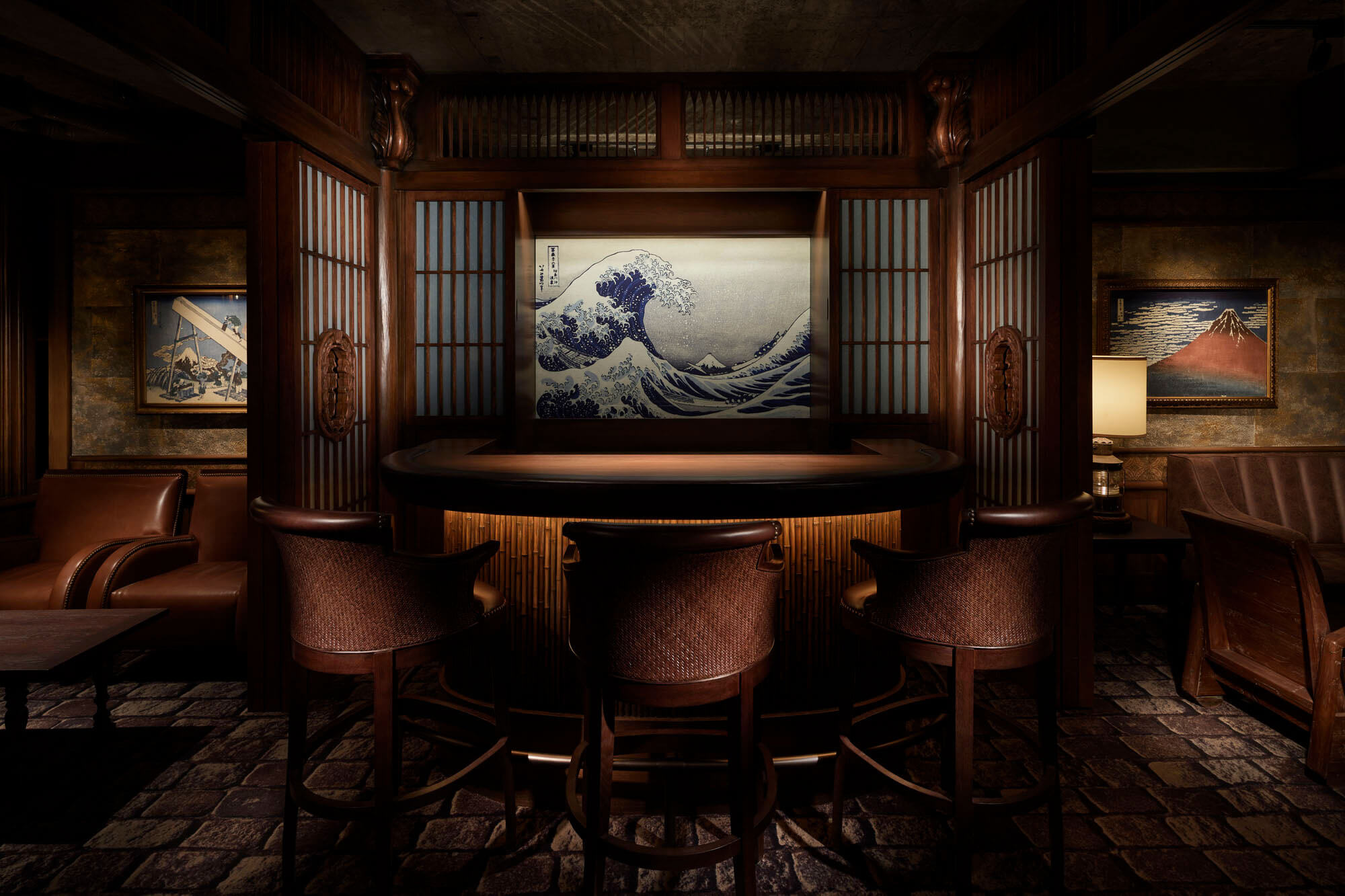
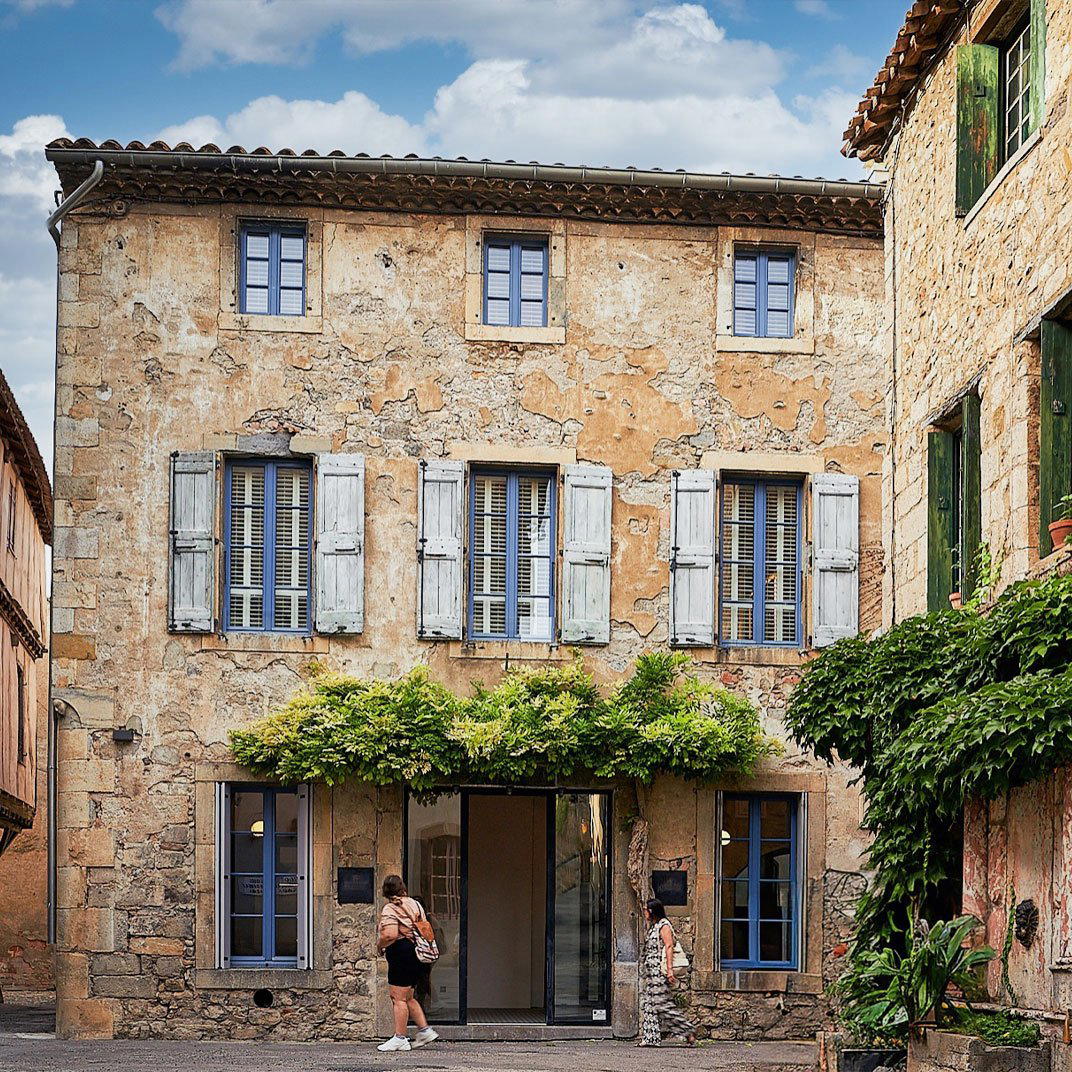
Warm wood interior with antiques creating a homey, rustic, and refined atmosphere; calm and mature with high ceilings on the second floor.
Tags
Vibe
Best For
Experience
Sourcing
At the Table
- Dress Code
- Smart Casual
- Noise Level
- Quiet
- Service Style
- Upscale Casual
- Meal Pacing
- Leisurely
- Capacity
- Intimate
Signature Dishes
- sashimi platter
- grilled beef course
Know before you go
Know Before You Go
- Getting there
- 3 Chome-1-3 Setagaya, Setagaya City, Tokyo 154-0017, Japan
Planning details
Location
3 Chome-1-3 Setagaya, Setagaya City, Tokyo 154-0017, Japan · Directions
m.facebook.com/%E3%82%BB%E3%82%AD-%E3%83%8F%E3%83%8A%E3%83%AC-1411555765750794
Recognition and awards
Also consider
Also Consider
- Harutaka, Sushi, ¥¥¥¥
- L'Effervescence, French, ¥¥¥¥
- RyuGin, Kaiseki, Japanese, ¥¥¥¥
- HOMMAGE, Innovtive French, French, ¥¥¥¥
- Crony, Innovative, French, ¥¥¥¥
Restaurant context
Against Tokyo's ¥¥¥¥ heavy hitters, Seki Hanare is a different kind of proposition. RyuGin and Harutaka both operate at the top of their respective categories with pricing to match; Seki Hanare's Bib Gourmand positioning means you are getting Michelin-recognised quality at roughly half the per-head outlay. If the goal is a formal, high-production tasting experience with the room to match, RyuGin wins. If value and a sake-first structure are the priority, Seki Hanare is the clearer call.
For French-influenced creative cooking in Tokyo, L'Effervescence, HOMMAGE, and Crony all sit at ¥¥¥¥ and deliver a different kind of tasting menu arc. These are better choices if the format of progressive French-inflected courses matters to you, or if you want a more central Tokyo address. Seki Hanare does not compete with them on setting or formality; it competes on the quality of its drinks program and the value of its food relative to price.
The practical verdict: book Seki Hanare when you want a serious sake-focused dinner without committing to a ¥¥¥¥ spend, or when you want to eat well in a neighbourhood setting rather than a destination dining room. Book RyuGin or L'Effervescence when the occasion calls for a grander production. For sushi specifically, Harutaka remains the reference point in Tokyo, but at a price and booking difficulty that puts it in a different planning bracket entirely.
Explore Tokyo
Around this place
Discover more on Pearl
Unlock the full Seki Hanare guide in Pearl, including awards, comparisons, FAQs, planning details, and nearby places.
Compare Seki Hanare
| Venue | Cuisine | Price | Awards | Booking Difficulty |
|---|---|---|---|---|
| Seki Hanare | Japanese | ¥¥ | 2026 Bib Gourmand2024 Michelin Bib Gourmand | Easy |
| Harutaka | Sushi | ¥¥¥¥ | 2026 Tabelog Silver · #312026 OAD Top Restaurants in Japan Ranked · #1282026 Michelin 3 Stars2026 La Liste Top RestaurantsTabelog 100 - Sushi - TOKYO - 2025 · #372025 Asia's 50 Best Restaurants · #762025 OAD Top Restaurants in Japan Ranked · #1172025 La Liste Top Restaurants2025 Tabelog Bronze | Unknown |
| L'Effervescence | French | ¥¥¥¥ | 2026 Tabelog Silver · #682026 OAD Top Restaurants in Japan Ranked · #103Star Wine Lists 20262026 Black Pearl 2 Diamond2026 Relais Chateaux Restaurants2026 La Liste Top Restaurants2026 Michelin 3 Stars2025 Asia's 50 Best Restaurants · #692025 OAD Top Restaurants in Japan Ranked · #92 | Unknown |
| RyuGin | Kaiseki, Japanese | ¥¥¥¥ | 2026 OAD Top Restaurants in Japan Ranked · #802026 Tabelog Bronze · #3772026 Michelin 3 Stars2026 La Liste Top RestaurantsTabelog 100 - Japanese cuisine - TOKYO - 2025 · #212025 OAD Top Restaurants in Japan Ranked · #542025 Michelin 3 Stars2025 La Liste Top Restaurants2025 The Best Chef Three Knives | Unknown |
| HOMMAGE | Innovtive French, French | ¥¥¥¥ | 2026 Tabelog Bronze · #1232026 OAD Top Restaurants in Japan Highly Recommended2026 Michelin 2 StarsTabelog 100 - French - TOKYO - 2025 · #762025 Asia's 50 Best Restaurants · #782025 OAD Top Restaurants in Japan Ranked · #1752025 Michelin 2 Stars2025 The Best Chef One Knife2025 La Liste Top Restaurants | Unknown |
| Crony | Innovative, French | ¥¥¥¥ | 2026 Asia's 50 Best Restaurants · #34Star Wine Lists 20262026 OAD Top Restaurants in Japan Recommended2026 Michelin 2 Stars2025 Asia's 50 Best Restaurants · #30Tabelog 100 - French - TOKYO - 2025 · #782025 OAD Top Restaurants in Japan Ranked · #227We're Smart World Top Restaurants 20252025 Michelin 2 Stars | Unknown |















What to weigh when choosing between Seki Hanare and alternatives.
FAQ
Frequently Asked Questions
Does Seki Hanare handle dietary restrictions?
Contact the restaurant in advance — the menu is built around a combination platter format and meat dishes are described as an indispensable part of the experience, so vegetarian or vegan guests may find the format limiting. The kitchen's creative approach to condiments and tsukuri suggests some flexibility, but this is not a venue designed around substitutions. If dietary restrictions are a firm constraint, confirm specifics before booking.
What should I order at Seki Hanare?
The sake and shochu selection, sourced directly from brewery visits, is the clearest differentiator here — lead with that. The combination appetiser platter is the designed entry point and worth leaning into. Meat dishes are unusual for this style of Japanese restaurant and worth ordering rather than skipping. Pair across the Japanese-only drinks list, which also includes wine and whisky.
What should I wear to Seki Hanare?
At ¥¥ pricing in a Setagaya neighbourhood setting, this is not a formal dress venue. Neat casual is appropriate. There is no indication in available information of a dress code, and the sake-focused, convivial format suggests a relaxed atmosphere.
Is Seki Hanare worth the price?
Yes, at the ¥¥ price point with a 2024 Michelin Bib Gourmand, the value case is clear. Bib Gourmand recognition specifically signals good cooking at below-Michelin-star pricing, and the generous portions reinforce that. For creative Japanese food with a serious sake collection, this is one of the stronger value propositions in Tokyo.
Is Seki Hanare good for a special occasion?
It works for a low-key celebration where the focus is on food and drink rather than ceremony. The Michelin Bib Gourmand credential adds credibility, but the ¥¥ pricing and neighbourhood location in Setagaya make this a relaxed setting rather than a grand occasion venue. For a milestone dinner with more formal atmosphere, RyuGin or L'Effervescence would be a better fit.
Is the tasting menu worth it at Seki Hanare?
The format here is built around combination platters designed to keep drinks flowing, which functions as a structured progression rather than a conventional tasting menu. Given the ¥¥ price range and Bib Gourmand standing, the per-head cost is well below comparable creative Japanese venues. If you are coming primarily to drink sake with food that matches it, the format justifies the spend.
What are alternatives to Seki Hanare in Tokyo?
For a step up in formality and price, RyuGin offers high-technique Japanese cuisine with Michelin recognition. L'Effervescence is the right alternative if French-influenced creative cooking is more relevant than sake pairing. Crony is worth considering for a similarly relaxed but chef-driven experience at a comparable price tier. Harutaka and HOMMAGE sit at a higher spend level and serve a different brief entirely.