.png?width=1200&quality=80)

SAKAKI
French · Chūō, Tokyo
Restaurant in Tokyo, Japan
 Book with Pearl
The Read
Generational French Continuity
Price
¥¥
Dress
Smart Casual
Why go
A Kyobashi institution since 1954, SAKAKI delivers classical French prix fixe dinners — roast lamb, beef cheek, south-of-France seafood — at ¥¥ pricing with Michelin Plate recognition in 2024 and 2025. At a 4.3 rating from 864 reviews, this is Tokyo's most credible value play for honest French cooking. Book for dinner; the format is relaxed but the quality is serious.
About SAKAKI
The Verdict
SAKAKI is not the kind of place you book to say you went somewhere. It is the kind of place you book when you want a proper French dinner in Tokyo at a price that does not require a special occasion budget. At ¥¥ pricing with a Michelin Plate recognition in both 2024 and 2025, this Kyobashi institution delivers classical French cooking — roast lamb, beef cheek stewed in red wine, seafood appetisers rooted in the south of France — at a tier that makes it one of the more credible value plays in the city's French dining scene. If you want Michelin-starred theatre, look elsewhere. If you want honest, well-executed French cuisine in a setting that has been doing this since 1954, SAKAKI earns the booking.
Portrait
Forget the assumption that French dining in Tokyo means spending ¥¥¥¥ and sitting in a room designed to impress. SAKAKI corrects that expectation quickly. The restaurant has been at its Kyobashi address since 1954, originally serving Western dishes in the broad, postwar sense of that phrase. The format has evolved across four generations of ownership, and the current iteration, lunch as Western fare, evenings as a prix fixe French dinner, reflects the fourth owner-chef's time cooking in France, particularly in the south.
That southern French influence shows up most directly in the seafood appetisers, which carry the kind of Mediterranean-coastal sensibility you would associate with Provence rather than the more austere northern French tradition. The main courses are traditional in the leading sense: roast lamb and beef cheek braised in red wine are not reinventions of classical dishes, they are competent executions of them. This is not a kitchen trying to redefine French cooking for a Tokyo audience.
The prix fixe format at dinner comes with enough menu choice that it does not feel restrictive. You are not locked into a single tasting path. That flexibility matters for groups with different appetites and dietary preferences, and it makes SAKAKI considerably more practical for a celebratory dinner or a business meal than a rigid omakase or chef's-choice-only format would be.
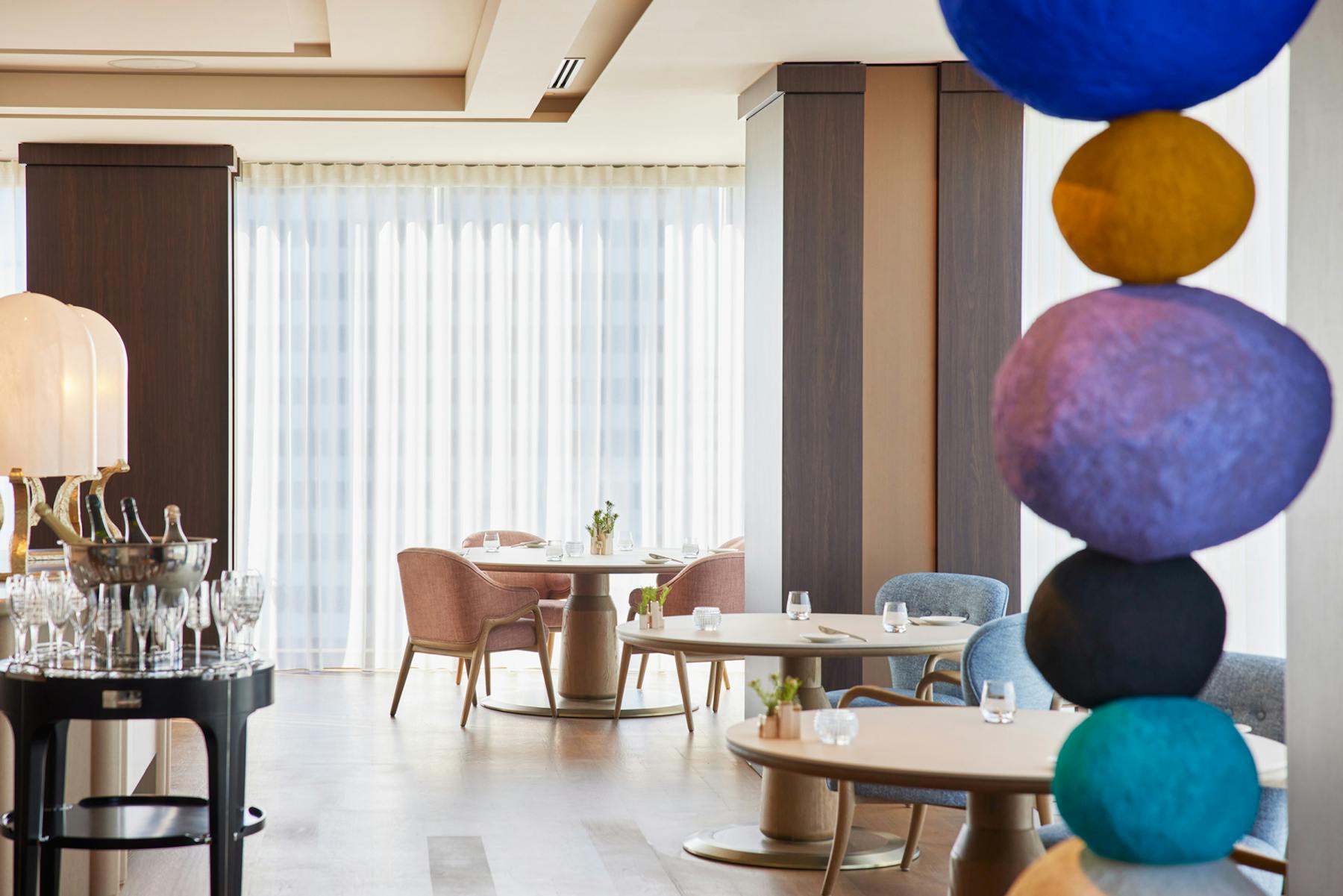
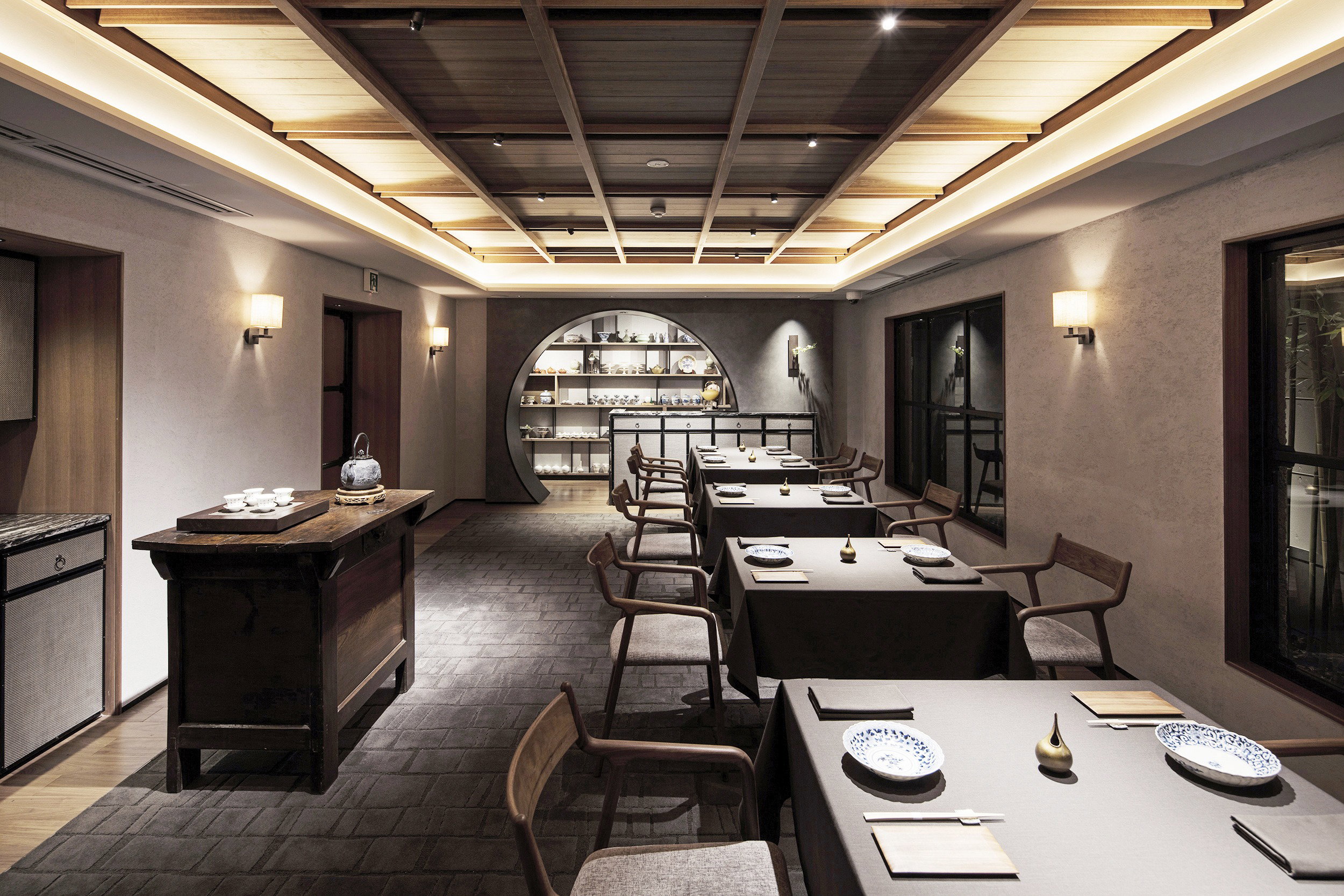
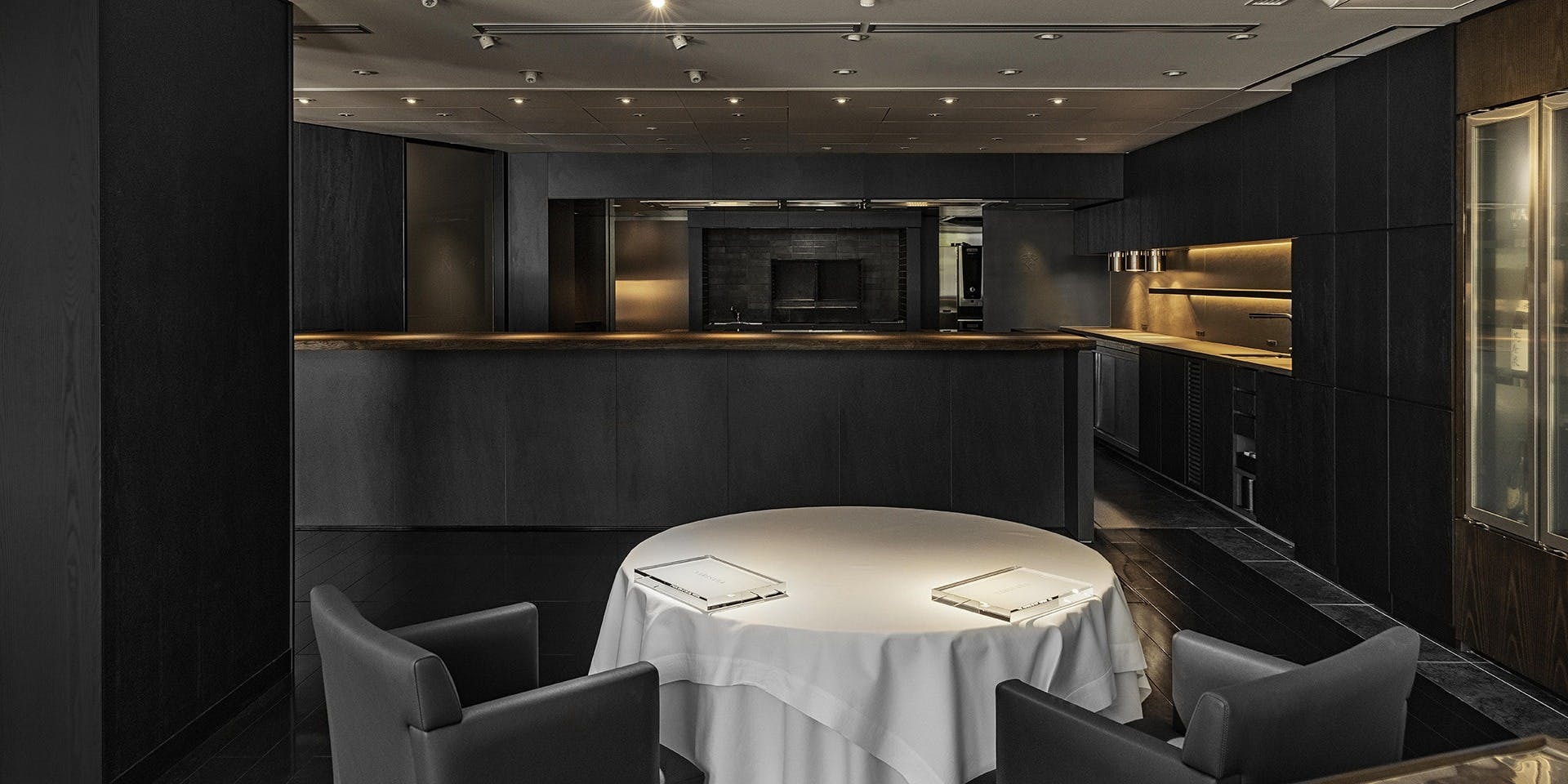
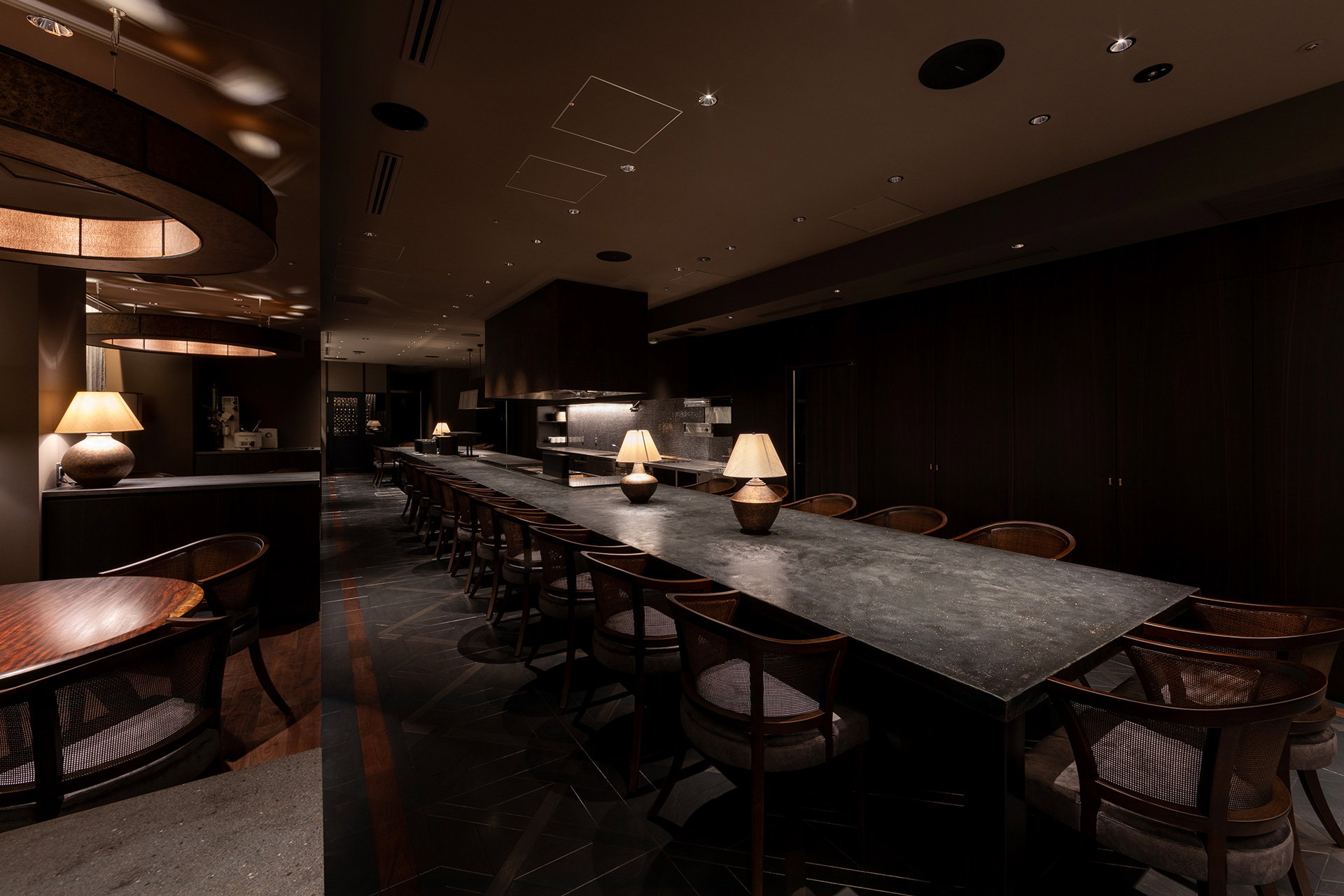
In terms of atmosphere, Kyobashi is a business district, and SAKAKI's ground-floor room reflects that context: the energy is measured rather than loud, the kind of room where a conversation can be had without leaning in. For a date or a business dinner where being heard matters, that is the right call. It is not a room designed for a high-energy night out, if you want a livelier French dining experience, Florilège in Minami-Aoyama operates in a more animated register. For a composed, occasion-appropriate dinner that does not demand you dress for a Michelin two-star, SAKAKI is the right choice.
The dual-format lunch and dinner structure means the daytime offering is distinct from the evening French prix fixe. If your schedule allows, dinner is the version worth prioritising, that is where the Michelin recognition applies and where the full French menu is in play.
For context on where SAKAKI sits in Tokyo's broader French dining picture: L'Effervescence, Sézanne, and ESqUISSE are all operating at a higher price and prestige tier. Château Restaurant Joël Robuchon is the benchmark for grand-format French dining in the city. SAKAKI makes none of those claims. What it offers instead is a dependable classical French dinner at ¥¥ pricing, backed by Michelin Plate recognition and a 70-year track record in the same building.
For context beyond Tokyo, diners interested in French cooking at this level of classical commitment might also consider Les Amis in Singapore or Hotel de Ville Crissier in Switzerland. Within Japan, the regional French and European scene has expanded considerably, HAJIME in Osaka and akordu in Nara offer French-influenced menus in very different registers. For wider planning across Tokyo, see our full Tokyo restaurants guide, our full Tokyo bars guide, our full Tokyo hotels guide, our full Tokyo wineries guide, and our full Tokyo experiences guide.
Ratings & Recognition
- Michelin Plate, 2024 and 2025
- Price tier: ¥¥
Booking
Booking difficulty at SAKAKI is rated Easy. Given the ¥¥ price point and the Kyobashi location, a business district rather than a destination dining street, this is not a venue where you need to plan three months ahead. That said, weekend dinner slots and Friday evenings in a business district can fill with local regulars, so booking a week or two in advance is sensible rather than essential. No specific booking method is confirmed in available data; check directly with the venue at its Kyobashi address.
Practical Details
| Detail | SAKAKI | Florilège | L'Effervescence |
|---|---|---|---|
| Price tier | ¥¥ | ¥¥¥ | ¥¥¥¥ |
| Cuisine | French (classical) | French (contemporary) | French |
| Format | Prix fixe (dinner); Western (lunch) | Tasting menu | Tasting menu |
| Michelin recognition | Plate (2024, 2025) | One star | Two stars |
| Booking difficulty | Easy | Moderate | Hard |
| Location | Kyobashi, Chuo City | Minami-Aoyama | Nishi-Azabu |
| Leading for | Value, business dinner | Lively occasion dining | Prestige occasion |
How It Compares
See the comparison section below.
Also Worth Considering in Japan
Planning details
- Location
- Japan, 〒104-0031 Tokyo, Chuo City, Kyobashi, 2 Chome−12−12 サカキビル 1F
- Website
- r-sakaki.com
- Phone
- +81 3-3561-9676
The take
The Take
The Vibe
SAKAKI presents as a durable, mid‑century fixture in Kyobashi rather than a fashion-forward newcomer. Operating from the same address since 1954 and passed down through four owner-chefs, the restaurant leans on continuity and a practiced approach to Western—especially French—cooking. The profile emphasizes institutional commitment over trend-chasing: service is organised and deliberate, and the kitchen upholds a legacy repertoire that rewards repeat visits. The overall impression is of a quietly established, historically grounded dining room where generational stewardship matters as much as the food.
Best For
The restaurant clearly separates its service rhythms: lunch offers a broader Western repertoire for accessible daytime dining, while evenings are devoted to a prix fixe French menu that foregrounds sequence and technique. That structure makes SAKAKI a dependable choice for diners seeking a taught, multi-course dinner—whether for focused business meals or quietly significant evenings out. The ¥¥ price tier and the described front-of-house choreography indicate an experience that favors composed, sit-down service rather than casual drop-in dining.
Ordering Tips
If you want a more relaxed, à-la-carte-style experience, opt for lunch, where the kitchen covers a wider Western repertoire. Reserve evening for the prix fixe French menu—dinner is presented as a sequenced service with intentional pacing, not a short-order list. Standout signature items to watch for include the Hamburg Steak, Pork Ginger and Sea Bream à la Niçoise; they signal the restaurant's continuity with classic Western and Southern French references. Expect a traditional, plated progression rather than tasting-menu experimentation.
Venue details
Ambiance
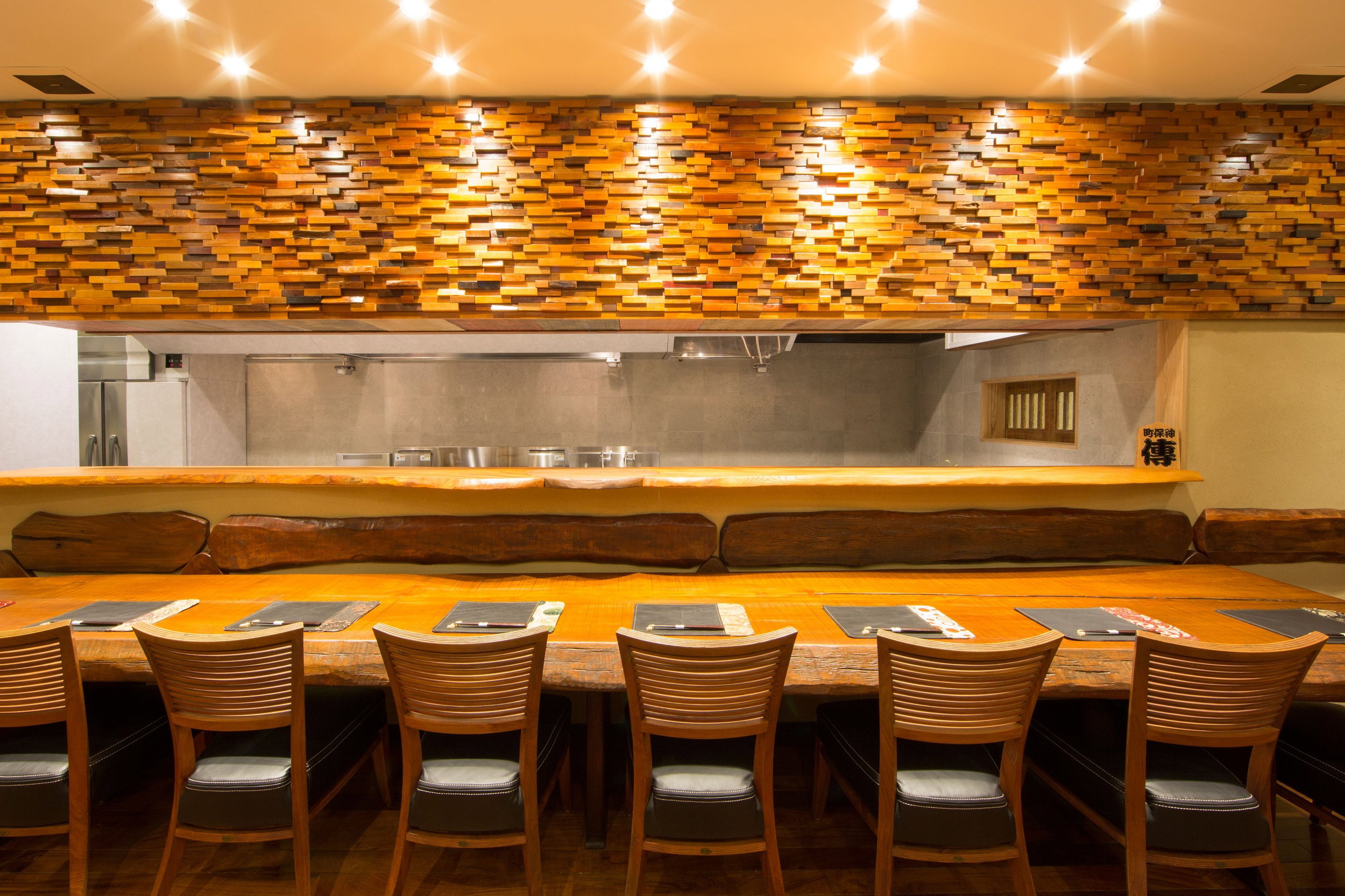
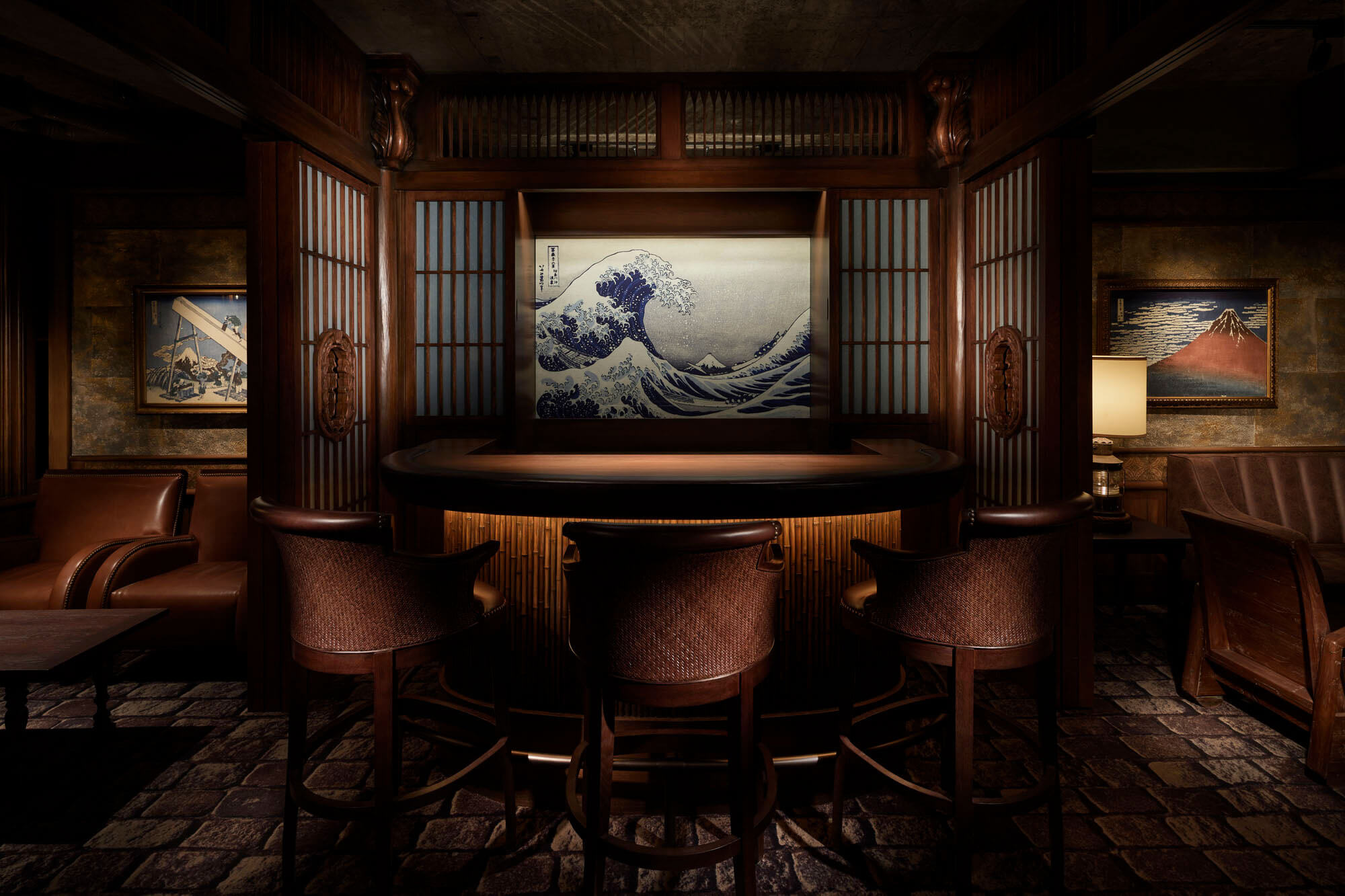
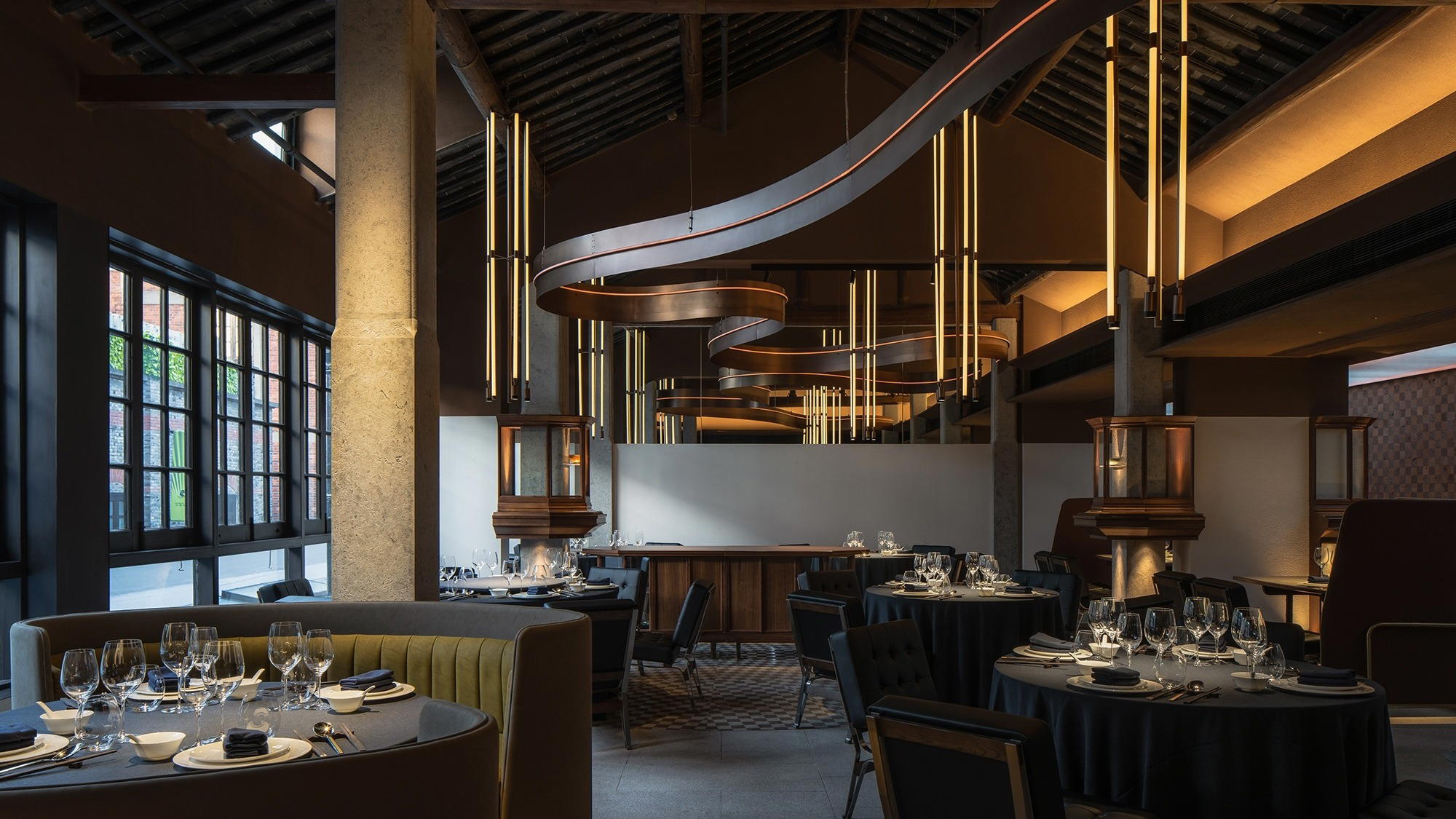
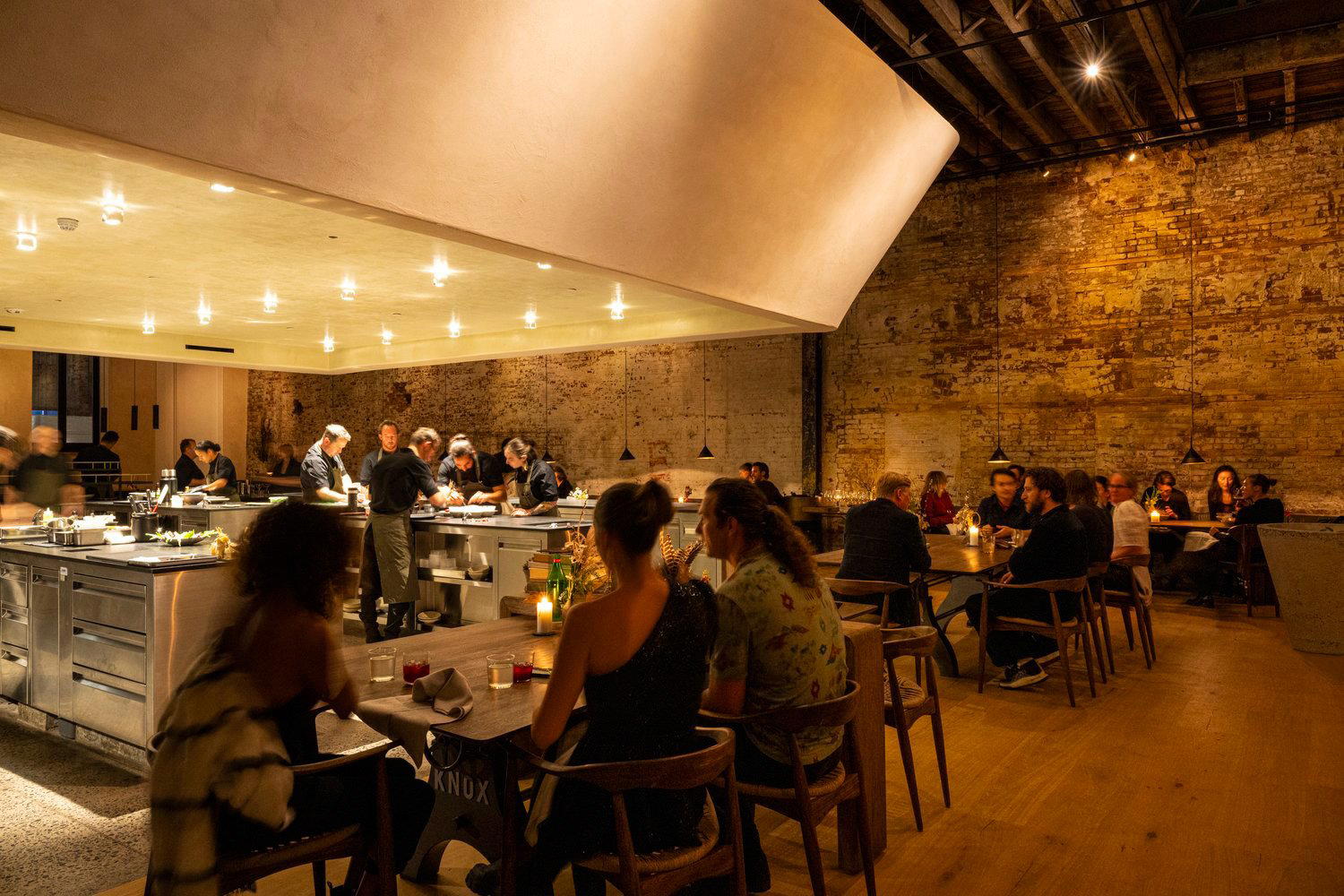
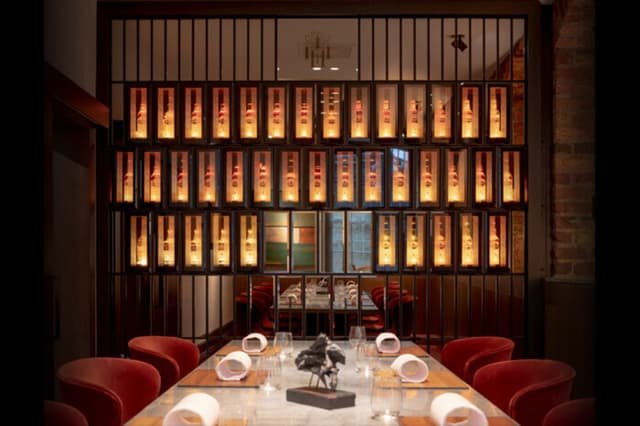
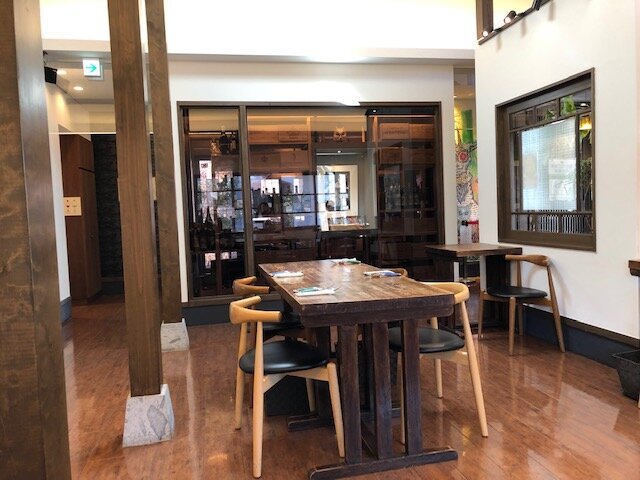
Elegant, softly lit room with mid-century bones and modern restraint, creating a calm, urbane, and refined atmosphere.
Tags
Vibe
Best For
Experience
Accessibility
At the Table
- Dress Code
- Smart Casual
- Noise Level
- Quiet
- Service Style
- Formal
- Meal Pacing
- Leisurely
- Capacity
- Medium
Signature Dishes
- Hamburg Steak
- Pork Ginger
- Sea Bream à la Niçoise
Know before you go
Know Before You Go
- Getting there
- Japan, 〒104-0031 Tokyo, Chuo City, Kyobashi, 2 Chome−12−12 サカキビル 1F
Planning details
Location
Japan, 〒104-0031 Tokyo, Chuo City, Kyobashi, 2 Chome−12−12 サカキビル 1F · Directions
Recognition and awards
Also consider
Also Consider
- Harutaka, Sushi, ¥¥¥¥
- RyuGin, Kaiseki, Japanese, ¥¥¥¥
- L'Effervescence, French, ¥¥¥¥
- HOMMAGE, Innovtive French, French, ¥¥¥¥
- Florilège, French, ¥¥¥
Restaurant context
SAKAKI's clearest peer in Tokyo's French scene is Florilège, which sits one price tier above at ¥¥¥ and holds a Michelin star. Florilège operates in a more energetic, contemporary register, if you want modern French cooking with a livelier room and are willing to pay more, Florilège is the stronger choice. If classical French technique at a lower price point suits your occasion, SAKAKI wins on value. HOMMAGE, also at ¥¥¥¥, sits in the innovative French tier, a different ambition entirely from SAKAKI's traditional orientation.
L'Effervescence is the benchmark for serious French dining in Tokyo at two Michelin stars and ¥¥¥¥ pricing. It is the booking to make if prestige and culinary ambition are the priority. SAKAKI makes no attempt to compete at that level, it is positioned squarely as a dependable classical French room at an accessible price, not a destination restaurant. For diners deciding between the two, the question is simply: how much does the occasion demand? A business dinner or relaxed date fits SAKAKI; a significant celebration with budget to match points toward L'Effervescence.
For non-French alternatives in Tokyo, Harutaka (sushi, ¥¥¥¥) and RyuGin (kaiseki, ¥¥¥¥) are both harder to book and more expensive, but represent Tokyo's depth in Japanese cuisines rather than French. If your priority is a French dinner without breaking the budget, SAKAKI remains the most practical option in this peer group, with the easiest booking and the lowest price for Michelin-recognised cooking.
Explore Tokyo
Around this place
Discover more on Pearl
Unlock the full SAKAKI guide in Pearl, including awards, comparisons, FAQs, planning details, and nearby places.
Compare SAKAKI
| Venue | Price | Booking Difficulty | Awards |
|---|---|---|---|
| SAKAKI | ¥¥ | Easy | 2026 Michelin PlateTabelog 100 - French - TOKYO - 2025 · #112025 Michelin Plate2024 Michelin Plate |
| Harutaka | ¥¥¥¥ | Unknown | 2026 Tabelog Silver · #312026 OAD Top Restaurants in Japan Ranked · #1282026 Michelin 3 Stars2026 La Liste Top RestaurantsTabelog 100 - Sushi - TOKYO - 2025 · #372025 Asia's 50 Best Restaurants · #762025 OAD Top Restaurants in Japan Ranked · #1172025 La Liste Top Restaurants2025 Tabelog Bronze |
| RyuGin | ¥¥¥¥ | Unknown | 2026 OAD Top Restaurants in Japan Ranked · #802026 Tabelog Bronze · #3772026 Michelin 3 Stars2026 La Liste Top RestaurantsTabelog 100 - Japanese cuisine - TOKYO - 2025 · #212025 OAD Top Restaurants in Japan Ranked · #542025 Michelin 3 Stars2025 La Liste Top Restaurants2025 The Best Chef Three Knives |
| L'Effervescence | ¥¥¥¥ | Unknown | 2026 Tabelog Silver · #682026 OAD Top Restaurants in Japan Ranked · #103Star Wine Lists 20262026 Black Pearl 2 Diamond2026 Relais Chateaux Restaurants2026 La Liste Top Restaurants2026 Michelin 3 Stars2025 Asia's 50 Best Restaurants · #692025 OAD Top Restaurants in Japan Ranked · #92 |
| HOMMAGE | ¥¥¥¥ | Unknown | 2026 Tabelog Bronze · #1232026 OAD Top Restaurants in Japan Highly Recommended2026 Michelin 2 StarsTabelog 100 - French - TOKYO - 2025 · #762025 Asia's 50 Best Restaurants · #782025 OAD Top Restaurants in Japan Ranked · #1752025 Michelin 2 Stars2025 The Best Chef One Knife2025 La Liste Top Restaurants |
| Florilège | ¥¥¥ | Unknown | 2026 Asia's 50 Best Restaurants · #312026 Tabelog Bronze · #712026 OAD Top Restaurants in Japan Ranked · #1242026 Black Pearl 1 Diamond2026 Michelin 2 Stars2026 La Liste Top Restaurants2025 Asia's 50 Best Restaurants · #172025 World's 50 Best Restaurants · #36Tabelog 100 - French - TOKYO - 2025 · #68 |












What to weigh when choosing between SAKAKI and alternatives.
FAQ
Frequently Asked Questions
How far ahead should I book SAKAKI?
A few days to a week ahead is typically enough. SAKAKI sits in Kyobashi, a business district without heavy destination-dining foot traffic, and its ¥¥ price point keeps it from selling out weeks in advance the way higher-end Tokyo French rooms do. That said, evenings fill faster than lunch, so don't leave it to the day if you have a fixed date.
What should I order at SAKAKI?
Dinner is prix fixe, so the menu does the choosing for you — but within it, the seafood appetisers are the clearest expression of chef Daisuke Sakakibara's time cooking in the south of France. Main courses lean traditional: roast lamb and beef cheek stewed in red wine are the anchors. If those appeal, you're in the right room.
Is SAKAKI worth the price?
At ¥¥, yes — it's one of the more straightforward value cases in Tokyo French dining. Michelin Plate recognition in both 2024 and 2025 confirms the cooking clears a meaningful quality threshold, and the format (prix fixe with genuine choice) means you're not paying for a rigid tasting sequence. For the same spend, you won't find comparable French technique in this part of the city.
Is the tasting menu worth it at SAKAKI?
SAKAKI runs a prix fixe rather than a locked tasting menu — the distinction matters. You get structure without being locked into a single sequence, which is a practical advantage at ¥¥ compared to Tokyo's fully scripted omakase-style French rooms at ¥¥¥¥. If you want flexibility within a set dinner, this format works well; if you want a true multi-course chef-driven progression, look at L'Effervescence or Florilège instead.
What should a first-timer know about SAKAKI?
SAKAKI has been operating since 1954 — the fourth-generation owner-chef, Daisuke Sakakibara, shifted it toward French cuisine after training in France, which explains why a decades-old Western restaurant now holds a Michelin Plate for French cooking. Lunch runs Western dishes; French is an evening-only format. Come for dinner, expect a prix fixe structure with real menu choice, and don't expect the kind of design-forward room that dominates Tokyo's pricier French addresses.