.png?width=1200&quality=80)
Ristorante Angelo
Italian · Shinagawa, Tokyo
Restaurant in Tokyo, Japan
 Book with Pearl
The Read
Kansai Provenance, Italian Technique
Price
$50–100per person
Dress
Smart Casual
Why go
Ristorante Angelo earns its 2025 Michelin Plate with an Italian tasting menu built entirely around Kansai-region sourcing — aged sea bream from Akashi, pike conger from Awaji, game from Tamba-Sasayama. At the ¥¥¥ tier with easy booking, it is the most accessible entry point to serious Italian fine dining in Tokyo for a diner who values ingredient coherence over prestige.
About Ristorante Angelo
Verdict
Ristorante Angelo earns its 2025 Michelin Plate and merits serious consideration from anyone seeking Italian fine dining in Tokyo with a distinctly Japanese ingredient philosophy. The kitchen sources exclusively from the Kansai region, which gives the menu a coherence and a sense of place that most Italian restaurants in Tokyo — working from imported European produce or broadly sourced Japanese ingredients — cannot match. If you want to understand what Italian technique looks like when it commits fully to a single Japanese terroir, this is the most direct answer in the city. Book it for a special occasion or a long dinner with someone who will appreciate the ingredient logic. If your priority is prestige over discovery, Aroma Fresca carries more name recognition and a longer critical record.
Portrait
Ristorante Angelo sits in a first-floor space in Higashi-Gotanda, a neighbourhood in Shinagawa City that does not announce itself as a dining destination. That address is part of the point. The restaurant draws on a founding story rooted in Osaka, the name means 'angel' and was inspired by a specific Osaka eatery that continues to shape the chef's daily approach, and the Kansai connection runs through every element of the menu's architecture. This is not a restaurant that uses its location in Tokyo as an excuse to cast a wide net. It anchors itself to a specific geography and builds outward from there.
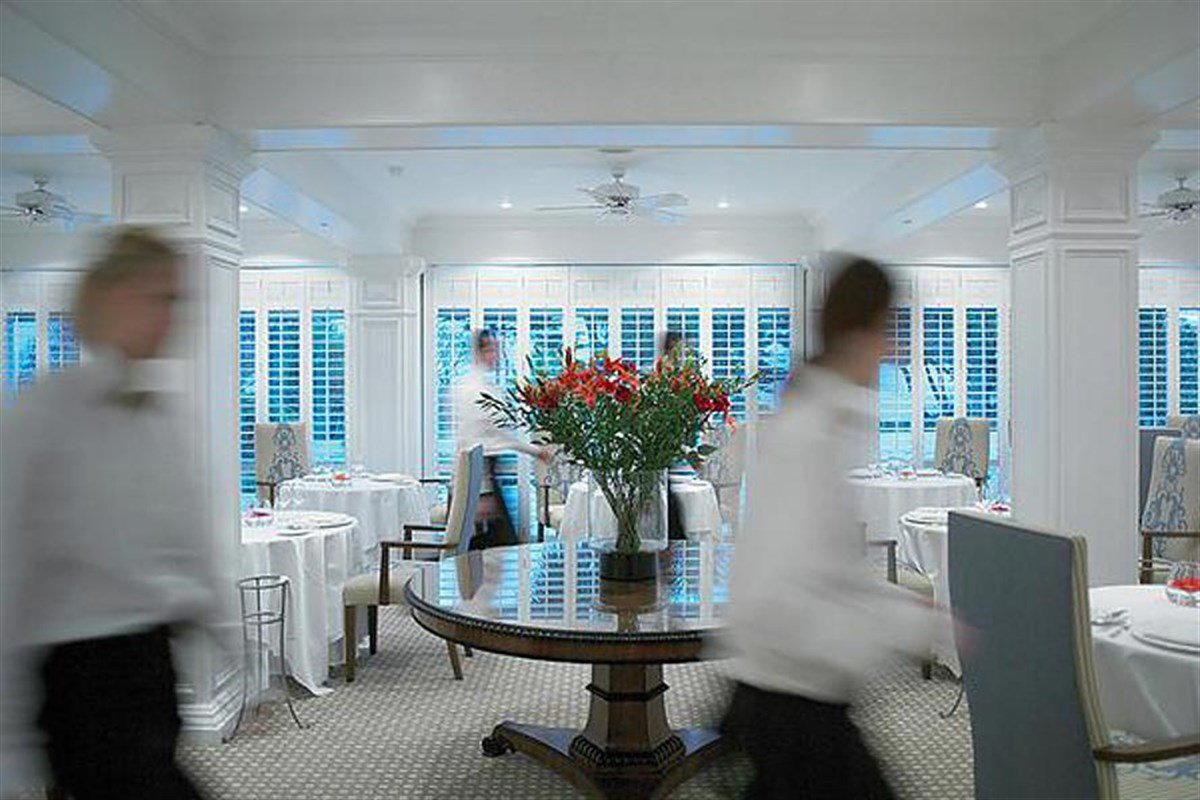
The physical space is described in terms of white porcelain dinnerware that functions as a canvas for arrangements that can read as art at their most ambitious. That spatial detail matters for how you calibrate the evening: this is a considered, composed room, not a bustling trattoria. If you are coming for noise and informality, recalibrate. The setting rewards a slower pace and the kind of attention that makes a tasting menu format feel worthwhile rather than effortful.
The tasting menu's progression follows the logic of the Kansai sourcing brief. Sea bream from Akashi arrives aged, which signals a kitchen that understands how time and technique interact, this is not simply importing a regional fish and grilling it. Daggertooth pike conger from Awaji, a seasonal delicacy with deep roots in Osaka and Kyoto cuisine, is served as fritters, a preparation that sits at the intersection of Italian and Japanese frying traditions without making a performance of the fusion. Game from Tamba-Sasayama, venison and boar, extends the Kansai geography inland, and duck from Wakayama carries the sourcing brief toward its western edge. The arc of the meal, from coastal fish through game, traces a specific regional map rather than a generic seasonal rotation. For a food-focused traveller, that coherence is the value proposition. The menu is not just Italian cooking in Japan; it is Italian cooking organized around a Japanese regional identity that most diners, even well-travelled ones, will find instructive.
2025 Michelin Plate recognition positions Angelo within the broader Tokyo Italian conversation without placing it at the starred level. That is honest calibration: this is a restaurant with a clear point of view and consistent execution, not a venue chasing the technical spectacle of, say, PRISMA or the global profile of Gucci Osteria da Massimo Bottura Tokyo. At the ¥¥¥ price tier, it sits below the ¥¥¥¥ bracket occupied by starred Italian peers like Aroma Fresca, which makes the value case easier to make. You are getting serious ingredient sourcing, Michelin-recognised cooking, and an unusual conceptual framework at a price point that does not require the kind of justification a four-symbol spend demands. For reference, Tokyo's Italian category also includes Principio and AlCeppo, both worth knowing if you are building a multi-night dining plan across the city.
Kansai sourcing brief also makes Angelo an interesting counterpoint to Italian restaurants outside Tokyo. If you are travelling through the Kansai region itself, HAJIME in Osaka and cenci in Kyoto operate in the same geography from which Angelo draws its produce, offering a different frame on those same ingredients. Angelo's act of translating Kansai produce into Italian structure is most legible when you have some reference point for what those ingredients mean in their home context. That said, the menu does not require that backstory to be enjoyable, the ingredient quality and the kitchen's technique carry the meal independently.
For broader context on dining in Tokyo across cuisines and price points, see our full Tokyo restaurants guide. If you are planning accommodation around a dining itinerary, our Tokyo hotels guide covers the city's leading options, and our Tokyo bars guide is useful for building an evening around the meal.
Booking and Practical Details
Booking difficulty at Ristorante Angelo is rated Easy, which sets it apart from the month-out scramble required for starred restaurants in the same price tier. That accessibility is a meaningful advantage: you can plan this dinner on a shorter timeline than comparable Italian venues in Tokyo. The ¥¥¥ price range positions it as a considered but not extreme spend for a tasting-menu dinner. No dress code data is available, but the white-porcelain, composed-room profile suggests smart casual at minimum, err toward what you would wear to any serious Italian restaurant rather than treating the Gotanda address as grounds for dressing down. Contact and reservation details are best confirmed through a current search, as phone and website data are not available in our records. If you are building a wider Japan itinerary, note that Angelo's sourcing philosophy connects naturally to restaurants further afield: Gion Sasaki in Kyoto, akordu in Nara, and Goh in Fukuoka all operate within the same ingredient-first philosophy, and 1000 in Yokohama is close enough to include in an extended Tokyo-area dining plan. For Italian fine dining in other Asian cities, 8½ Otto e Mezzo Bombana in Hong Kong is the regional benchmark for comparison. You can also explore Tokyo wineries and Tokyo experiences for fuller trip planning.
Quick reference: ¥¥¥ price tier, Michelin Plate 2025, Higashi-Gotanda (Shinagawa City), booking difficulty Easy, smart casual dress minimum, Kansai-sourced Italian tasting menu format.
Planning details
- Location
- Japan, 〒141-0022 Tokyo, Shinagawa City, Higashigotanda, 3 Chome−17−21 フェイム島津山 1F
- Reservations
- Book on TableCheck
- Website
- ristorante-angelo-tokyo.com
- Phone
- +81 3-6450-3458
The take
The Take
The Vibe
Ristorante Angelo presents a quietly sophisticated, intimate dining experience rooted in Kansai provenance. The ground-floor address in Higashigotanda reads as a measured counterpoint to Tokyo’s flashier Italian temples; the kitchen operates with technical seriousness and a Michelin Plate stamp that signals reliable quality without theatrical excess. The room feels reserved and elegant, the focus clearly on ingredients rather than spectacle. Regulars and discovery-minded diners encounter Japanese-sourced produce and fish — Akashi sea bream, Awaji pike conger, Tamba-Sasayama game — prepared with European technique, which gives the restaurant a refined, quietly assured personality.
Best For
Angelo is best for attentive dinner occasions where ingredient provenance matters: date nights, business dinners and small special occasions all suit the restaurant’s intimate scale and composed service. Its positioning in the mid tier of Tokyo’s Italian scene — technically serious and Michelin-recognized but less theatrical than top-tier addresses — makes it a destination for diners who prize precise sourcing and quietly sophisticated cooking at a more moderate price point. Large parties and loud celebrations are less aligned with the restaurant’s restrained character.
Ordering Tips
Order with the restaurant’s Kansai sourcing in mind: dishes that call out regional producers are the clearest expression of Angelo’s approach. Look for the listed signatures — sea bream from Akashi, Awaji pike conger fritters, venison and boar from Tamba-Sasayama, and duck from Wakayama — and prioritize those preparations to taste the provenance-driven logic of the menu. Given the kitchen’s technical focus, let the staff guide you toward a sequence that showcases both the seafood and the inland game specialties for a balanced, ingredient-forward meal.
Venue details
Ambiance
Tranquil and refined with white porcelain dinnerware providing a canvas for modern, artistic arrangements; located in a quiet residential setting at the foot of Shimazu-yama.
Tags
Vibe
Best For
Experience
Sourcing
At the Table
- Dress Code
- Smart Casual
- Noise Level
- Quiet
- Service Style
- Formal
- Meal Pacing
- Extended Experience
- Capacity
- Intimate
- Kitchen
- Seasonal
- Menu Format
- Tasting menu, Omakase
- Wine Program
- Curated
- Private Dining
- Available
Signature Dishes
- Sea bream from Akashi
- Daggertooth pike conger fritters
- Venison and boar from Tamba-Sasayama
- Duck from Wakayama
Know before you go
Know Before You Go
- Getting there
- Japan, 〒141-0022 Tokyo, Shinagawa City, Higashigotanda, 3 Chome−17−21 フェイム島津山 1F
Planning details
Location
Japan, 〒141-0022 Tokyo, Shinagawa City, Higashigotanda, 3 Chome−17−21 フェイム島津山 1F · Directions
Recognition and awards
Also consider
Also Consider
- Harutaka, Sushi, ¥¥¥¥
- L'Effervescence, French, ¥¥¥¥
- RyuGin, Kaiseki, Japanese, ¥¥¥¥
- HOMMAGE, Innovtive French, French, ¥¥¥¥
- Crony, Innovative, French, ¥¥¥¥
Restaurant context
Angelo sits at ¥¥¥, one tier below the ¥¥¥¥ bracket occupied by most of its serious Tokyo competition. That price difference is the first reason to consider it over venues like L'Effervescence or RyuGin, both of which carry starred reputations and commensurately harder booking windows and higher spend. If your evening budget is firm and you want Michelin-recognised cooking with a clear conceptual framework, Angelo is the more practical choice. RyuGin is the right call if kaiseki structure and the full formal Japanese service progression matter to you; Angelo is the answer if Italian technique applied to Japanese produce is the specific thing you are after.
HOMMAGE and Crony both operate innovative French menus at ¥¥¥¥ and draw a more sceney, reservation-difficult crowd. Neither competes directly with Angelo on cuisine type, but both occupy the same "serious tasting menu in Tokyo" category for a traveller building a shortlist. Angelo books easier than either and costs less, which makes it the lower-friction option for a first visit to Tokyo's fine dining scene. L'Effervescence offers more polished service depth at its price point and is the stronger choice if the full formal French experience is what you are optimising for.
Within the Italian category specifically, Aroma Fresca carries greater critical weight and a longer track record in Tokyo's Italian conversation. If reputation and service formality are priorities, Aroma Fresca is the safer recommendation. Angelo is the more interesting choice for a diner who wants to see a kitchen with a specific, committed sourcing philosophy, one that draws a clear line from Kansai geography to plate, at a price point that does not require the same financial commitment. For the explorer-minded diner who finds ingredient provenance as compelling as technique, Angelo is the more rewarding booking.
Explore Tokyo
Around this place
Discover more on Pearl
Unlock the full Ristorante Angelo guide in Pearl, including awards, comparisons, FAQs, planning details, and nearby places.
Compare Ristorante Angelo
| Venue | Price | Awards |
|---|---|---|
| Ristorante Angelo | ¥¥¥ | 2026 Michelin Plate2025 Michelin Plate |
| Harutaka | ¥¥¥¥ | 2026 Tabelog Silver · #312026 OAD Top Restaurants in Japan Ranked · #1282026 Michelin 3 Stars2026 La Liste Top RestaurantsTabelog 100 - Sushi - TOKYO - 2025 · #372025 Asia's 50 Best Restaurants · #762025 OAD Top Restaurants in Japan Ranked · #1172025 La Liste Top Restaurants2025 Tabelog Bronze |
| L'Effervescence | ¥¥¥¥ | 2026 Tabelog Silver · #682026 OAD Top Restaurants in Japan Ranked · #103Star Wine Lists 20262026 Black Pearl 2 Diamond2026 Relais Chateaux Restaurants2026 La Liste Top Restaurants2026 Michelin 3 Stars2025 Asia's 50 Best Restaurants · #692025 OAD Top Restaurants in Japan Ranked · #92 |
| RyuGin | ¥¥¥¥ | 2026 OAD Top Restaurants in Japan Ranked · #802026 Tabelog Bronze · #3772026 Michelin 3 Stars2026 La Liste Top RestaurantsTabelog 100 - Japanese cuisine - TOKYO - 2025 · #212025 OAD Top Restaurants in Japan Ranked · #542025 Michelin 3 Stars2025 La Liste Top Restaurants2025 The Best Chef Three Knives |
| HOMMAGE | ¥¥¥¥ | 2026 Tabelog Bronze · #1232026 OAD Top Restaurants in Japan Highly Recommended2026 Michelin 2 StarsTabelog 100 - French - TOKYO - 2025 · #762025 Asia's 50 Best Restaurants · #782025 OAD Top Restaurants in Japan Ranked · #1752025 Michelin 2 Stars2025 The Best Chef One Knife2025 La Liste Top Restaurants |
| Crony | ¥¥¥¥ | 2026 Asia's 50 Best Restaurants · #34Star Wine Lists 20262026 OAD Top Restaurants in Japan Recommended2026 Michelin 2 Stars2025 Asia's 50 Best Restaurants · #30Tabelog 100 - French - TOKYO - 2025 · #782025 OAD Top Restaurants in Japan Ranked · #227We're Smart World Top Restaurants 20252025 Michelin 2 Stars |














How Ristorante Angelo stacks up against the competition.
FAQ
Frequently Asked Questions
How far ahead should I book Ristorante Angelo?
Booking is rated Easy, which is a genuine advantage in Tokyo's fine dining scene where Michelin-starred rooms often require a month or more of lead time. A week's notice should suffice in most cases, though weekends and holiday periods may need earlier planning. This accessibility alone makes Angelo worth considering when your window is short.
Is the tasting menu worth it at Ristorante Angelo?
The format centres on a chef who sources from Kansai — sea bream from Akashi, pike conger from Awaji, game from Tamba-Sasayama and Wakayama — applied through an Italian framework with modern plating that the 2025 Michelin Plate recognises. If you want Italian cooking with genuine regional Japanese sourcing rather than generic import ingredients, the menu delivers a specific point of view. At ¥¥¥ pricing, it sits below the cost of a starred room in Tokyo, which sharpens the value case.
What should I wear to Ristorante Angelo?
The venue holds a Michelin Plate and uses fine porcelain presentation, which signals a dressy-casual minimum: neat, put-together attire is appropriate. The Higashi-Gotanda address is not a high-profile fashion district, so the room is unlikely to enforce strict jacket requirements, but arriving underdressed relative to the food's ambition would feel out of place. When in doubt, treat it as you would any serious Italian fine dining room.
Does Ristorante Angelo handle dietary restrictions?
No specific dietary accommodation policy is documented for Angelo. Given that the menu is built around a defined set of Kansai-sourced proteins — including fish, game, and poultry — significant dietary restrictions such as vegetarian or shellfish allergies are worth raising directly with the restaurant before booking. The ingredient-driven format means substitutions may be limited.
Is Ristorante Angelo worth the price?
At ¥¥¥, Angelo sits in the mid-to-upper range without reaching the top tier that Tokyo's starred Italian rooms command. The 2025 Michelin Plate and the sourcing specificity — aged sea bream from Akashi, boar and venison from Tamba-Sasayama — give the price legitimate backing. For the cost, you get a focused, ingredient-led Italian tasting experience that outperforms what a casual Italian restaurant in Tokyo would offer, without paying the premium of a full Michelin star operation.
Is Ristorante Angelo good for a special occasion?
Yes, with a practical qualification: the Higashi-Gotanda location lacks the atmosphere of a destination neighbourhood, so the occasion lives inside the room rather than the surroundings. The Michelin Plate recognition, modern plating on white porcelain, and game-forward menu provide the substance a special dinner needs. Parties who want a prestigious address should look elsewhere; parties who prioritise what's on the plate over postcode will find Angelo a comfortable fit.