.png?width=1200&quality=80)
REI
Chinese · Shibuya, Tokyo
Restaurant in Tokyo, Japan
 Book with Pearl
The Read
Neo-Machichuka Precision
Price
¥¥
Dress
Smart Casual
Why go
REI holds a 2024 Michelin Bib Gourmand for its neo-machichuka cooking in Shibuya: neighbourhood Chinese dishes each reworked with a deliberate twist of texture or aroma. At the ¥¥ price point, it is one of the better-value credentialled Chinese options in Tokyo. Booking is easy, which makes it a practical choice for first-timers building a Tokyo dining itinerary.
About REI
REI, Tokyo — Pearl Verdict
Book REI if you want a Michelin Bib Gourmand-recognised Chinese dinner in Shibuya at neighbourhood prices. The concept — neo-machichuka, takes the comfort of an everyday Chinese restaurant and sharpens each dish with a deliberate twist of texture or aroma. For a first-timer, this is one of the more accessible entry points into Tokyo's serious dining scene: the price tier sits at ¥¥, the booking difficulty is low, and the food has a credential behind it that most cheap-end options in the city do not.
What REI Is
Machichuka is the Japanese term for the kind of unpretentious neighbourhood Chinese restaurant you find on side streets across Tokyo, unfussy, filling, and familiar. REI's neo- prefix signals something more considered. Under chef Matthew Williams, the kitchen keeps the approachable format but reworks individual dishes so that a familiar plate arrives with an unexpected sensory layer. Red sea-bream salad, for example, is dressed with scorched rice that introduces a smoky fragrance, the kind of detail that makes you re-examine something you thought you already knew. Chicken prepared in black vinegar deepens the base flavour and plays against red pepper and a nutty finish. The architecture of the menu is not about theatrical progression in the way a kaiseki or French tasting format would be; it is about the accumulating effect of small, intelligent adjustments to dishes that feel recognisable from the first read of the menu.
That approach matters for a first-timer because it removes the uncertainty that can come with more experimental formats. You are not being asked to trust a kitchen you have never visited with an entirely unfamiliar sequence of courses. You are, instead, eating things you can picture, and then being surprised by how they land. That is a genuinely useful distinction when you are working out how to spend a dining budget across a Tokyo trip.
The restaurant is located in Motoyoyogicho, Shibuya, at the Seki Building on 10-8. Shibuya is well-connected, and the neighbourhood sits at a comfortable remove from the most tourist-heavy parts of the ward. If you are staying in central Tokyo, getting here is direct by subway. Given the price point and the Bib Gourmand recognition, this is a practical dinner option even on nights when you want to eat well without committing to the outlay that a full Michelin star restaurant requires.
The Menu Architecture
The editorial angle here is the neo-machichuka progression: familiar Chinese restaurant categories used as a framework, with each dish carrying a specific textural or aromatic modification. The scorched rice in the sea-bream salad is a structural decision, not a garnish, it changes the way the dish smells before you eat it, which in turn shifts how you read the flavour. The black vinegar preparation on the chicken is a flavour-deepening technique that builds the dish's complexity without making it unfamiliar. This is the consistent logic across the menu: incremental novelty within a recognisable frame, rather than novelty for its own sake.
For a first-timer, this means you can order with confidence from the familiar end of the menu and still encounter something worth paying attention to. The Michelin Bib Gourmand, awarded in 2024, is specifically given to restaurants offering good quality cooking at moderate prices, it is a value credential as much as a quality one, and it applies directly to the decision in front of you.
Booking and Timing
Booking difficulty is rated Easy, which makes REI a practical option even on shorter notice than most Michelin-recognised restaurants in Tokyo require. Hours and online booking details are not listed here, so verify current reservation availability directly via the restaurant. Given the Bib Gourmand status and the Shibuya location, demand may increase as the recognition circulates, booking a few days ahead rather than the same day is sensible even where walk-in may technically be possible.
How REI Fits Into Tokyo's Chinese Restaurant Scene
Tokyo has several strong Chinese options worth knowing if you are building an itinerary. Chugoku Hanten Fureika and Chugoku Hanten Kohakukyu (Amber Palace) both operate at a higher price tier and are worth considering if you want a more formal Chinese dining experience in the city. Ippei Hanten is another recognised option in the neighbourhood Chinese format. REI's Bib Gourmand positions it as the value-conscious choice among the city's credentialled Chinese restaurants, you are getting a quality signal at a price that does not require trade-offs elsewhere in your trip budget.
If you are comparing across Japan more broadly, HAJIME in Osaka, Gion Sasaki in Kyoto, and akordu in Nara represent the higher end of the regional dining circuit, all different cuisines, but useful benchmarks for what serious restaurants at higher price points look like in Japan. Goh in Fukuoka, 1000 in Yokohama, and 6 in Okinawa round out the national picture if your Japan itinerary extends beyond Tokyo.
For the neo-machichuka concept specifically, useful international comparisons exist: Restaurant Tim Raue in Berlin and Mister Jiu's in San Francisco both approach Chinese cooking through a modern, technically precise lens, worth knowing if this style of cooking interests you beyond Tokyo.
See our full guides to Tokyo restaurants, Tokyo hotels, Tokyo bars, Tokyo wineries, and Tokyo experiences for broader itinerary planning. If you want more options in the accessible, quality-focused category, itsuka and Koshikiryori Koki are both worth considering alongside REI.
Planning details
- Location
- Japan, 〒151-0062 Tokyo, Shibuya, Motoyoyogicho, 10−8 関ビル
- Website
- instagram.com/rei_chinese.restaurant
- Phone
- +81 3-6416-8803
The take
The Take
The Vibe
REI presents a studied, low-key approach to neighborhood Chinese dining that blends tradition with careful refinement. It explicitly positions itself within the machichuka lineage — the unpretentious, everyday restaurants beloved by locals — while applying precise attention to aroma, texture and technique. That balance gives the room a quietly confident character: familiar and approachable, yet tuned to subtle culinary detail. Michelin’s 2024 Bib Gourmand recognition underlines the kitchen’s success at elevating comfort food without abandoning its unpretentious roots, so the overall impression is restrained, skillful and inviting rather than flashy.
Best For
This is a place for regular meals and modest celebrations where value and reliability matter. The restaurant’s machichuka lineage and ¥¥ price positioning make it especially suited to casual hangouts, weekday dinners, solo meals and business dinners that prioritize solid cooking over formality. The presence of set seasonal courses and specialty preparations like Rei Oden and shabu-suki further supports dinner service, while its everyday focus and approachable pricing make it equally viable for lunch. Bib Gourmand recognition signals guests can expect high-quality food without premium pricing.
Ordering Tips
Lean into the restaurant’s signature courses to understand its approach: the seasonal course and the Rei Oden Course showcase the kitchen’s emphasis on aroma, texture and technique, while shabu-suki highlights communal, comforting cooking. Given the Bib Gourmand award and the venue’s commitment to reworking familiar recipes, ordering a set course is an efficient way to sample the house’s refinements. Expect straightforward, well-executed preparations rather than high-concept tasting theatrics, and treat dishes as reliably shareable neighborhood food rather than showpieces.
Venue details
Ambiance
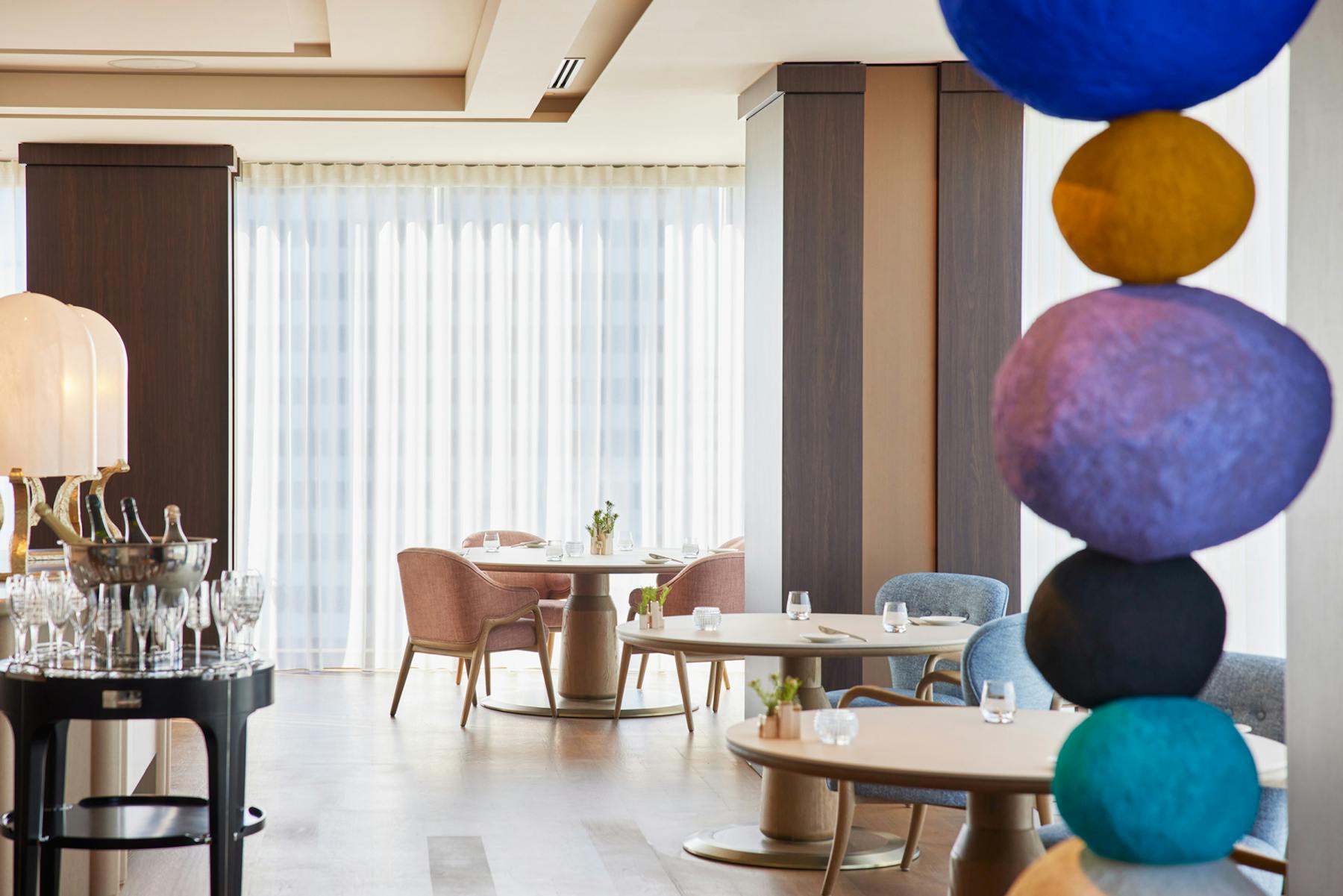
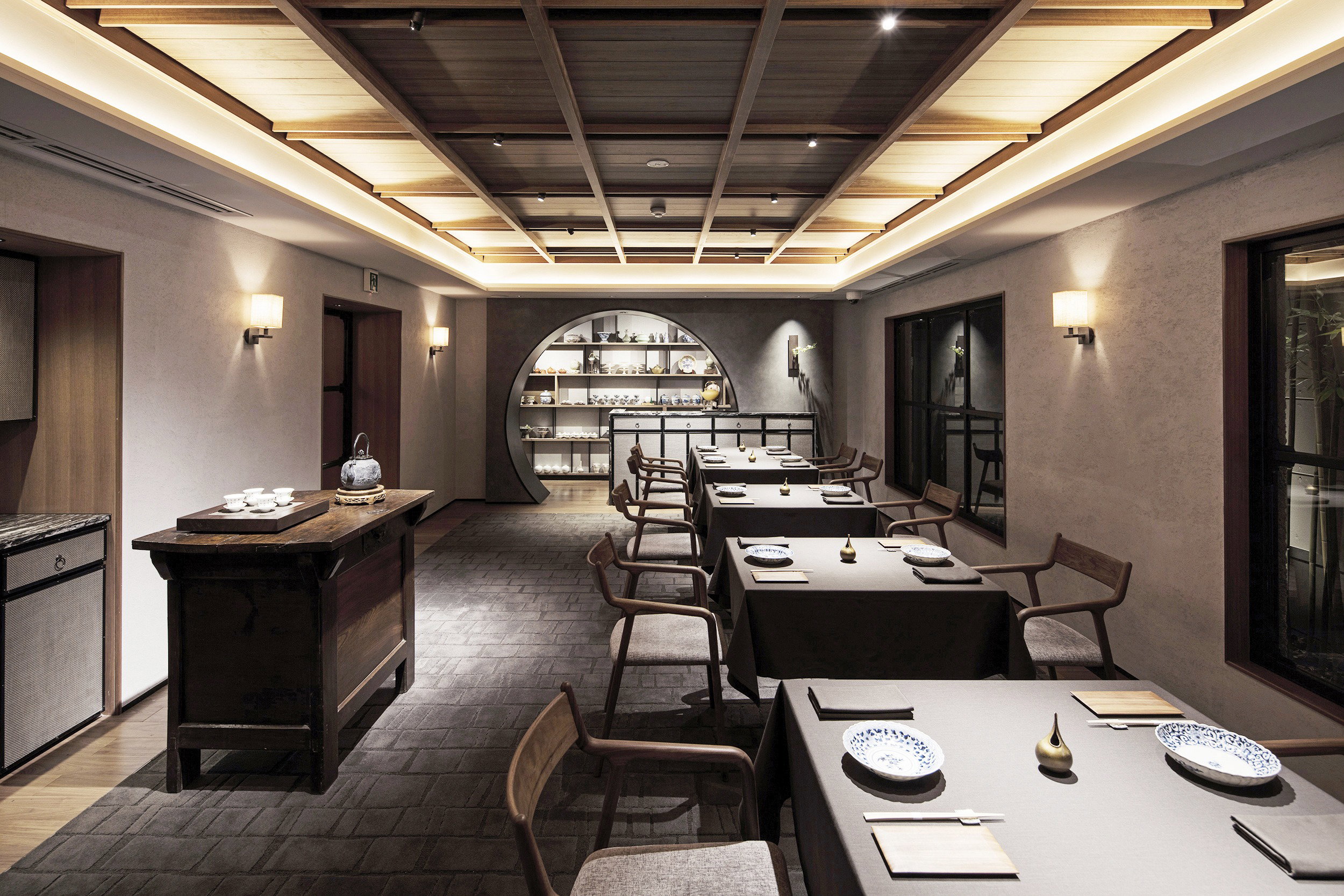
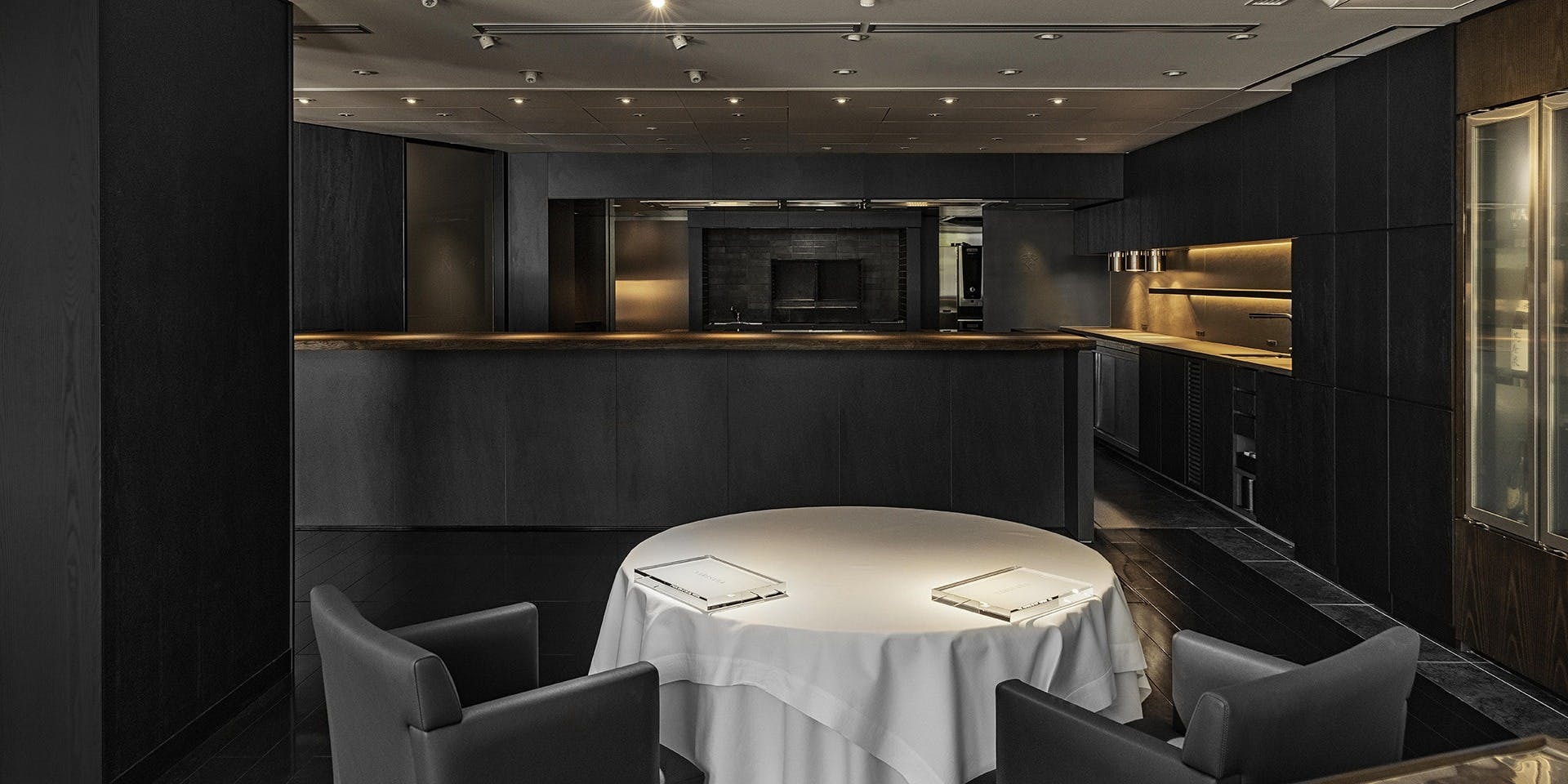
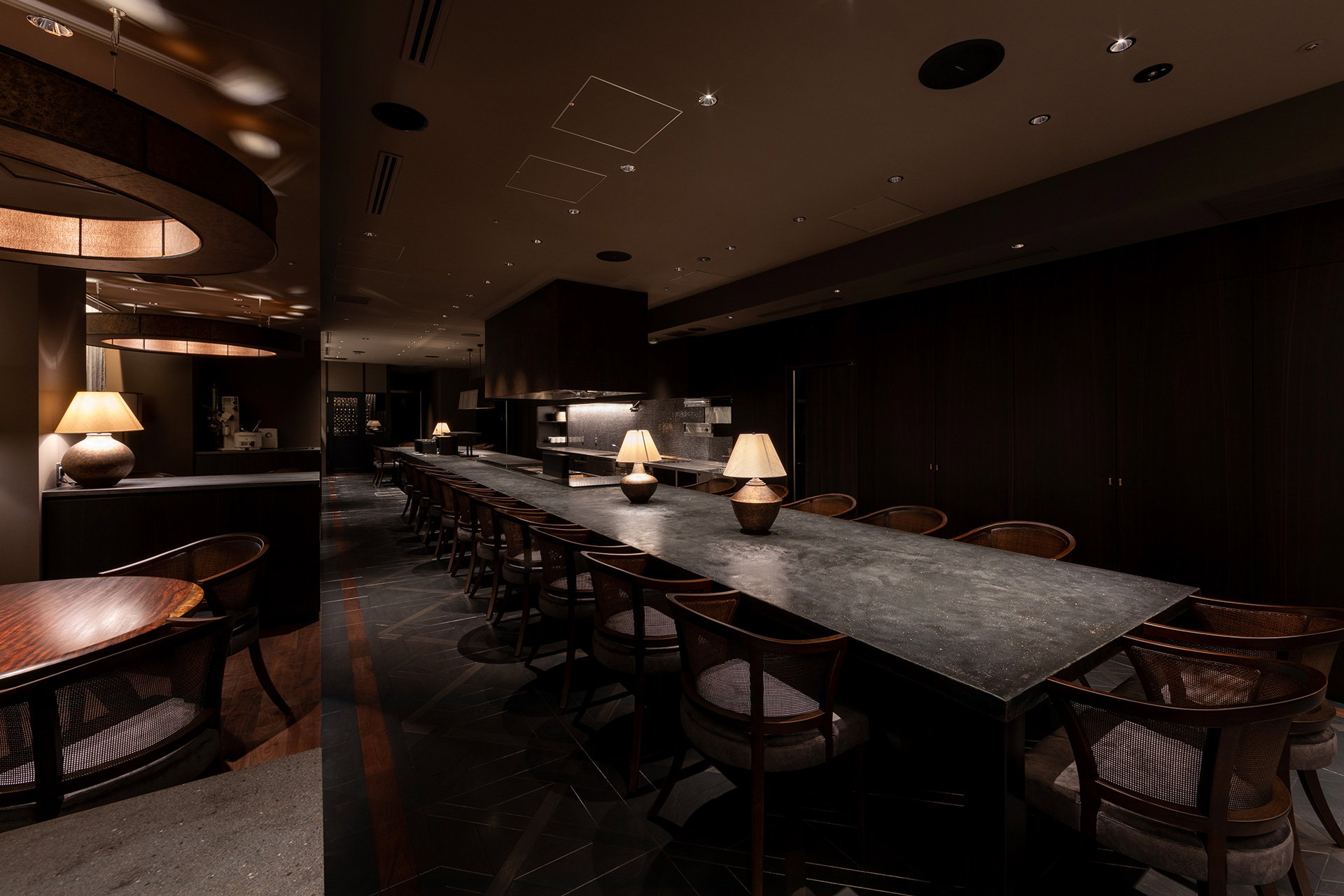
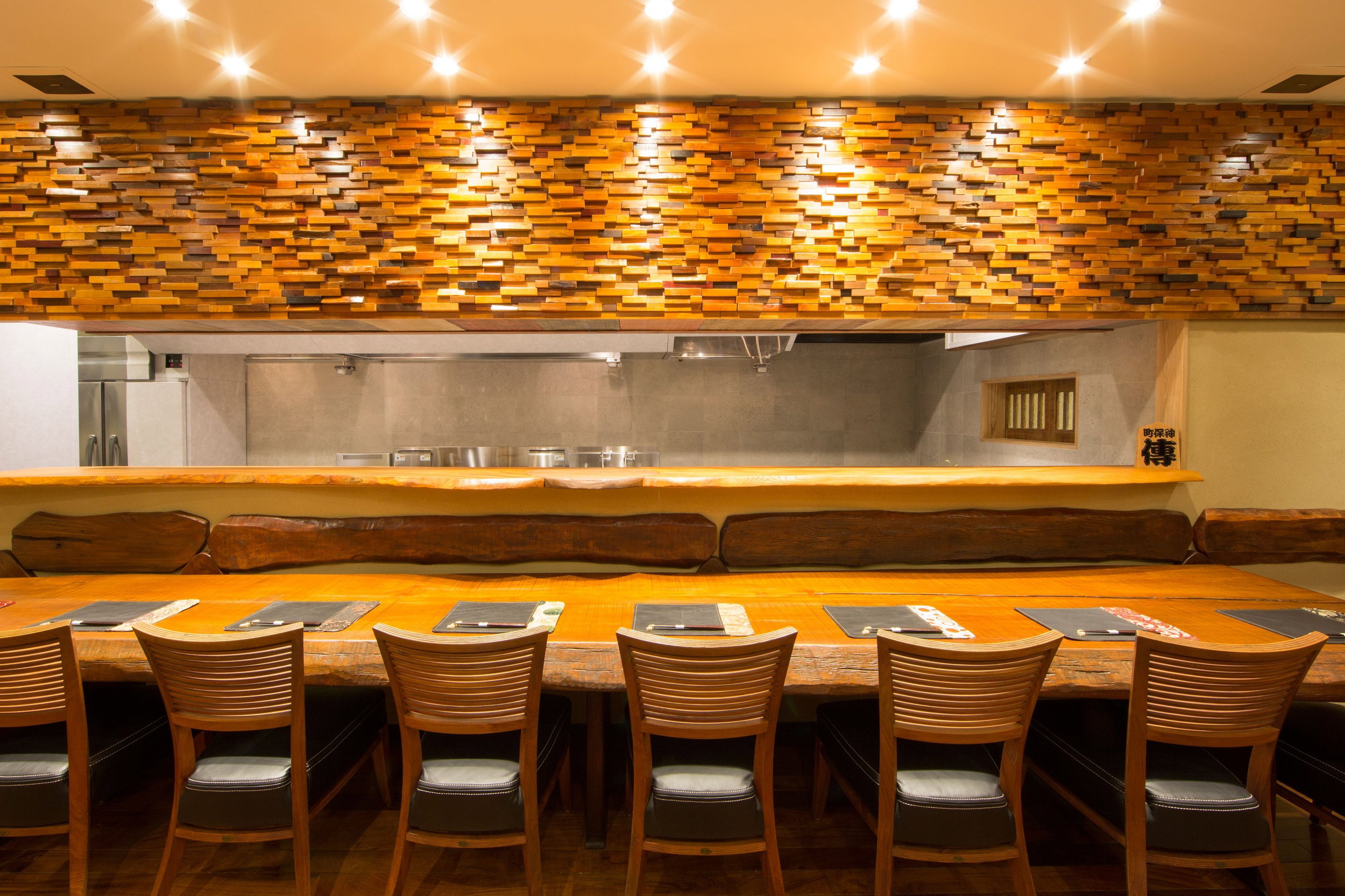
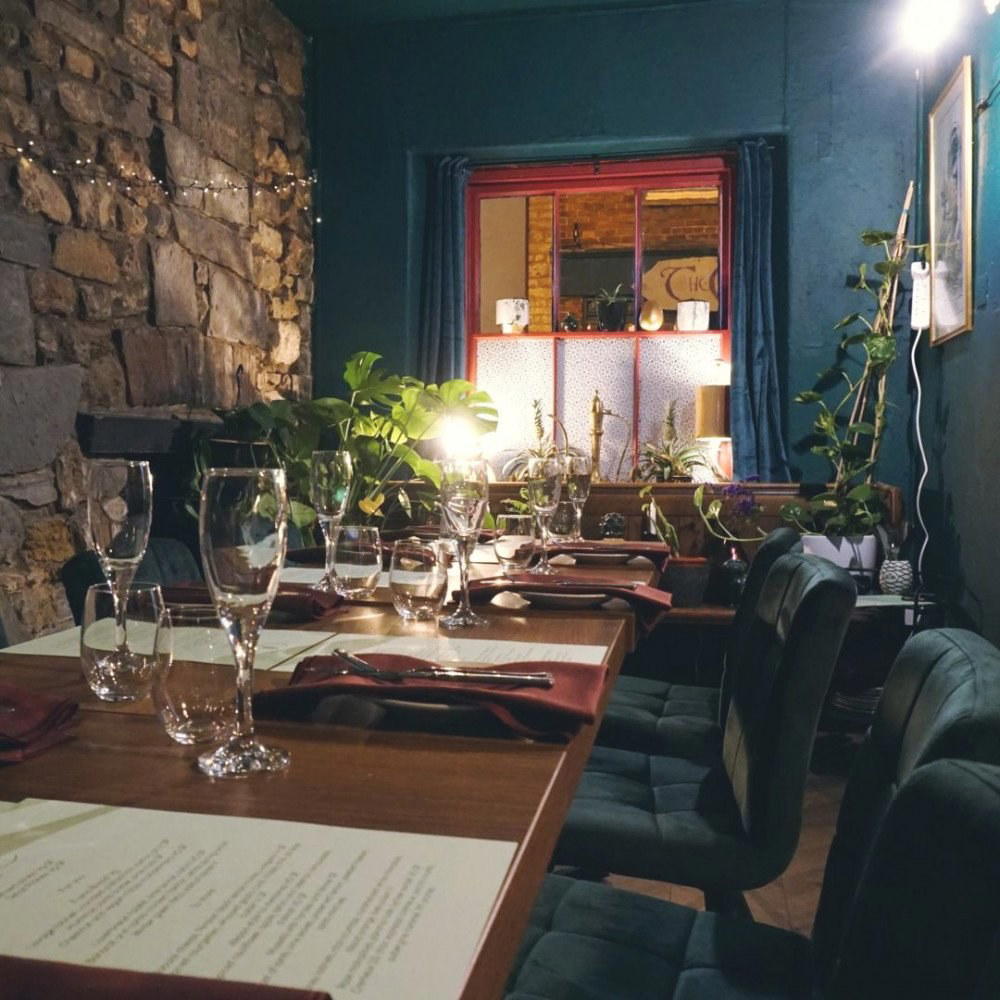
Calm Japanese modern space with counter seats, table seats, and semi-private digging-type rooms separated by silver curtains.
Tags
Vibe
Best For
At the Table
- Dress Code
- Smart Casual
- Noise Level
- Quiet
- Service Style
- Upscale Casual
- Meal Pacing
- Leisurely
- Capacity
- Small
Signature Dishes
- seasonal course
- Rei Oden Course
- shabu-suki
Know before you go
Know Before You Go
- Getting there
- Japan, 〒151-0062 Tokyo, Shibuya, Motoyoyogicho, 10−8 関ビル
Planning details
Location
Japan, 〒151-0062 Tokyo, Shibuya, Motoyoyogicho, 10−8 関ビル · Directions
Recognition and awards
Also consider
Also Consider
- Harutaka, Sushi, ¥¥¥¥
- L'Effervescence, French, ¥¥¥¥
- RyuGin, Kaiseki, Japanese, ¥¥¥¥
- HOMMAGE, Innovtive French, French, ¥¥¥¥
- Crony, Innovative, French, ¥¥¥¥
Restaurant context
REI sits at ¥¥ with a Michelin Bib Gourmand. Every comparison venue here, Harutaka, L'Effervescence, RyuGin, HOMMAGE, and Crony, operates at ¥¥¥¥. That is a meaningful price gap. If your decision is purely about where to spend serious money on a Tokyo dining occasion, REI is not the right answer. RyuGin for kaiseki or L'Effervescence for French at the top of the market are the correct choices for a high-commitment dinner. Harutaka is the pick if omakase sushi is your priority.
If you are managing a trip budget across multiple meals, REI changes the calculation. A Bib Gourmand at ¥¥ means you can eat well here on a night when you want to preserve budget for a ¥¥¥¥ dinner elsewhere. HOMMAGE and Crony both require advance planning and a significantly higher spend per head. REI requires neither.
On booking difficulty, REI is rated Easy, a genuine advantage in a city where the most credentialled tables require weeks of lead time. If you are booking closer to your travel date, REI is the practical option among this peer group. For first-timers who want Michelin-level quality without the full logistical and financial commitment of a starred experience, REI is the clearest recommendation in this comparison set.
Explore Tokyo
Around this place
Discover more on Pearl
Unlock the full REI guide in Pearl, including awards, comparisons, FAQs, planning details, and nearby places.
Compare REI
| Venue | Cuisine | Price | Awards | Booking Difficulty |
|---|---|---|---|---|
| REI | Chinese | ¥¥ | 2026 Bib Gourmand2024 Michelin Bib Gourmand | Easy |
| Harutaka | Sushi | ¥¥¥¥ | 2026 Tabelog Silver · #312026 OAD Top Restaurants in Japan Ranked · #1282026 Michelin 3 Stars2026 La Liste Top RestaurantsTabelog 100 - Sushi - TOKYO - 2025 · #372025 Asia's 50 Best Restaurants · #762025 OAD Top Restaurants in Japan Ranked · #1172025 La Liste Top Restaurants2025 Tabelog Bronze | Unknown |
| L'Effervescence | French | ¥¥¥¥ | 2026 Tabelog Silver · #682026 OAD Top Restaurants in Japan Ranked · #103Star Wine Lists 20262026 Black Pearl 2 Diamond2026 Relais Chateaux Restaurants2026 La Liste Top Restaurants2026 Michelin 3 Stars2025 Asia's 50 Best Restaurants · #692025 OAD Top Restaurants in Japan Ranked · #92 | Unknown |
| RyuGin | Kaiseki, Japanese | ¥¥¥¥ | 2026 OAD Top Restaurants in Japan Ranked · #802026 Tabelog Bronze · #3772026 Michelin 3 Stars2026 La Liste Top RestaurantsTabelog 100 - Japanese cuisine - TOKYO - 2025 · #212025 OAD Top Restaurants in Japan Ranked · #542025 Michelin 3 Stars2025 La Liste Top Restaurants2025 The Best Chef Three Knives | Unknown |
| HOMMAGE | Innovtive French, French | ¥¥¥¥ | 2026 Tabelog Bronze · #1232026 OAD Top Restaurants in Japan Highly Recommended2026 Michelin 2 StarsTabelog 100 - French - TOKYO - 2025 · #762025 Asia's 50 Best Restaurants · #782025 OAD Top Restaurants in Japan Ranked · #1752025 Michelin 2 Stars2025 The Best Chef One Knife2025 La Liste Top Restaurants | Unknown |
| Crony | Innovative, French | ¥¥¥¥ | 2026 Asia's 50 Best Restaurants · #34Star Wine Lists 20262026 OAD Top Restaurants in Japan Recommended2026 Michelin 2 Stars2025 Asia's 50 Best Restaurants · #30Tabelog 100 - French - TOKYO - 2025 · #782025 OAD Top Restaurants in Japan Ranked · #227We're Smart World Top Restaurants 20252025 Michelin 2 Stars | Unknown |















What to weigh when choosing between REI and alternatives.
FAQ
Frequently Asked Questions
Is REI worth the price?
Yes. REI holds a 2024 Michelin Bib Gourmand, which specifically recognises good cooking at moderate prices — the ¥¥ price range here makes it one of the stronger value cases among Michelin-recognised restaurants in Tokyo. You are paying neighbourhood Chinese prices for food that has been deliberately refined. For the price bracket, it is difficult to fault.
Is REI good for solo dining?
REI's neighbourhood Chinese format suits solo diners well. The menu is built around familiar Chinese restaurant categories with individual dish focus rather than large sharing platters designed for groups, so ordering as one person is practical. It is a more relaxed solo option than a formal omakase counter, with no ceremonial pacing to sit through alone.
Can I eat at the bar at REI?
Bar seating is not documented for REI. Given its machichuka positioning — an unpretentious neighbourhood format — counter or casual seating is plausible, but confirming seat types directly with the restaurant before visiting is advisable.
Is the tasting menu worth it at REI?
REI's concept centres on a neo-machichuka menu of individually refined dishes rather than a formal tasting menu structure. The value case here is built on à la carte or set-meal style ordering at ¥¥ prices with Michelin Bib Gourmand recognition behind it. If a structured progression is your priority, REI is better framed as a flavour-focused neighbourhood dinner than a tasting-menu destination.
What should I order at REI?
The highlights include red sea-bream salad dressed with scorched rice for a smoky element, and chicken prepared in black vinegar with red pepper and nutty texture. Both reflect the neo-machichuka approach — familiar Chinese categories with a specific technique or ingredient twist. These are the clearest expression of what REI is doing and a good starting point for the meal.