.png?width=1200&quality=80)
Raisan
Japanese · Shibuya, Tokyo
Restaurant in Tokyo, Japan
 Book with Pearl
The Read
Dashi-Spectrum Japanese
Price
$150–200per person
Dress
Smart Casual
Why go
A Michelin Plate Japanese restaurant in Yoyogi, Raisan builds each course around a distinct dashi stock — shrimp, dried fish, or shellfish — with intentionally light seasoning designed to sustain appetite across a full meal. At ¥¥¥, it delivers a clear culinary philosophy and warm service at a price point well below Tokyo's starred elite. Book it if you want conceptual depth without the flagship spend.
About Raisan
Raisan is worth booking if you want serious Japanese cooking at a price point below the city's starred elite.
A Michelin Plate recognition in Tokyo is not a consolation prize; it marks a restaurant the guide's inspectors consider worth eating at, in a city where the competition for that designation is among the most intense on earth. Raisan, in Yoyogi, earns its place on that list through a cooking philosophy that is genuinely distinctive: low-salt dashi-led dishes designed to be eaten without fatigue, course after course. If you find high-end kaiseki exhausting in its intensity or prohibitive in its price, Raisan is the more considered, quieter alternative worth knowing about.
What Makes Raisan Different
The name traces directly to Bimi Raisan, the Japanese translation of Jean Anthelme Brillat-Savarin's The Physiology of Taste, one of the foundational texts of Western gastronomy. The owner's guiding principle, drawn from that work, is that great food should be timeless rather than theatrical. In practice, this translates to a kitchen that builds each dish around a specific dashi stock, rotating through shrimp, dried fish, and shellfish bases to give each course its own flavor architecture without relying on salt as the primary seasoning tool. That commitment to restraint is the reason repeat visits are structurally built into the concept. You are not meant to feel overwhelmed; you are meant to want to come back.
This is the kind of approach that suits food-focused diners who have already cycled through the more visually dramatic end of Tokyo's Japanese restaurant scene and want something with more intellectual substance beneath the surface. If you are visiting Tokyo primarily to eat and you want depth of concept alongside cooking skill, Raisan rewards that interest. For explorers of the city's dining culture, it offers a point of comparison that the obvious flagship names do not provide.
The Flavor Experience
From the record, the taste profile at Raisan is defined by restraint and precision rather than bold seasoning. Dashi-led cooking at this level means the palate encounters umami in layers rather than as a single hit, with the type of stock shifting course by course. Shrimp dashi reads differently from a dried fish base, and shellfish stock differently again. This rotation gives the meal structural variety without depending on richness or salt to sustain interest. Diners accustomed to more aggressively seasoned Japanese cooking may initially read the food as subtle, but that subtlety is the point. The cooking is calibrated for endurance rather than impact.
Service and Atmosphere
The record specifically calls out the warmth of the service at Raisan, using the word praise to describe it. That is notable in a city where service excellence is the baseline expectation rather than a differentiator. The Yoyogi location, near Yoyogi Park in Shibuya, places Raisan in a residential neighborhood rather than a high-traffic dining district, which tends to shape both the clientele and the atmosphere toward something more relaxed than you get in Ginza or Roppongi. This is not a room that signals status; it is a room that rewards attention.
For the food-focused traveler, this matters. Venues in quieter neighborhoods often deliver more focused hospitality because the room is not turning over a tourist crowd. Raisan's Michelin Plate alongside its emphasis on a warm service spirit suggests a restaurant where the staff have genuine engagement with what they are serving, which is the condition under which the food makes most sense.
How It Compares
Raisan sits at ¥¥¥ in Tokyo's Japanese dining tier, which positions it below the ¥¥¥¥ bracket occupied by RyuGin and Harutaka. That price difference is meaningful: you are getting Michelin-recognized cooking with a clear philosophy for less than the top-tier spend. Among comparable ¥¥¥ options, Florilège offers French technique at a similar price point, but for Japanese cooking with this specific dashi-led identity, Raisan has no obvious peer in the same price bracket. Venues like Myojaku, Azabu Kadowaki, Kagurazaka Ishikawa, and Jingumae Higuchi occupy adjacent territory and are worth considering for the same trip. Ginza Fukuju operates in a more formal Ginza context if location matters to your itinerary.
For diners building a multi-city Japan trip, Raisan's conceptual seriousness about dashi construction makes it a useful counterpoint to the broader kaiseki tradition you can explore at Gion Sasaki in Kyoto or Kashiwaya Osaka Senriyama in Osaka. The Brillat-Savarin conceptual anchor also makes it an interesting conversation with Western-influenced Japanese cooking at venues like HAJIME in Osaka. See our full Tokyo restaurants guide for the wider picture, and our Tokyo hotels guide, bars guide, and experiences guide if you are planning a full trip.
Practical Details
Price range: ¥¥¥ — mid-to-upper tier, below the top-starred bracket. Location: Yoyogi 5-chome, Shibuya, Tokyo, near Yoyogi Park. Booking difficulty: Easy by Tokyo fine-dining standards. Reservations: Booking a week in advance should be sufficient given the relatively accessible booking difficulty, though peak periods and weekend evenings may fill faster. Dress: Smart casual is appropriate for the neighborhood and price tier; nothing in the record indicates a formal dress code. Good for: Food-focused explorers, repeat Tokyo visitors, diners who prefer conceptual depth over spectacle, and anyone wanting serious Japanese cooking without the flagship price commitment.
Raisan sits at the intersection of intellectual seriousness and genuine hospitality in a city where you often have to choose between the two. At ¥¥¥, it gives you more than its price tier strictly requires. Book it.
How far ahead should I book Raisan?
Booking is rated easy by Tokyo fine-dining standards, which puts it in a different category from venues like RyuGin or Harutaka where reservations require months of lead time. A week to ten days ahead should be sufficient for most visits, though weekend evenings may fill faster. If your dates are fixed, book as soon as they are confirmed; there is no reason to wait.
Is the tasting menu worth it at Raisan?
The dashi-led format, where each course is built around a distinct stock, shrimp, dried fish, or shellfish, gives the meal structural coherence that a la carte ordering would not replicate. The Michelin Plate recognition confirms the cooking quality is there. At ¥¥¥, you are paying less than the starred competition while getting a clearly defined culinary concept. The tasting format is the right way to experience what makes Raisan distinct.
Does Raisan handle dietary restrictions?
The cooking centers on dashi stocks derived from shrimp, dried fish, and shellfish, which means seafood allergies and strict plant-based diets may present structural challenges. Specific accommodation details are not available in the record. Contact the restaurant directly before booking if dietary restrictions are a concern; do not assume flexibility given the dashi-centric format.
What should I order at Raisan?
Specific dishes are not listed in the available record. What the record confirms is that the kitchen builds each course around a particular type of dashi, rotating through shrimp, dried fish, and shellfish bases. The food is intentionally low in salt. The right approach is to order the set menu and let the kitchen's sequence play out rather than attempting to direct individual dishes.
Is Raisan worth the price?
At ¥¥¥, Raisan delivers Michelin Plate-recognized cooking with a genuine conceptual identity at a price below the top-starred tier. For the food-focused traveler who wants more than a competent meal, the dashi philosophy and the warmth of service make this worth the spend. If you are comparing it to ¥¥¥¥ venues like RyuGin, the experience will be quieter and less theatrical, but the cooking integrity is there at a lower price point.
Is Raisan good for a special occasion?
Yes, with the right expectations. The neighborhood setting near Yoyogi Park is relaxed rather than grand, and the service is described as warm rather than formal. If a special occasion for you means a restaurant that takes food seriously and makes guests feel genuinely welcome, Raisan fits. If you need a high-status address or a room with visible luxury signaling, the Ginza or Roppongi corridors will serve that need better. Consider venues like Kagurazaka Ishikawa for a more formal special-occasion experience.
What are alternatives to Raisan in Tokyo?
For Japanese cooking at a higher price and formality level, RyuGin is the benchmark kaiseki option. For sushi at the top tier, Harutaka. For Japanese cooking in adjacent neighborhoods with comparable seriousness, consider Myojaku, Azabu Kadowaki, or Jingumae Higuchi. For French technique at a similar ¥¥¥ price point, Florilège is the strongest comparison. See our full Tokyo restaurants guide for more options across all categories.
Planning details
- Location
- Japan, 〒151-0053 Tokyo, Shibuya, Yoyogi, 5 Chome−9−9 カーサブリランテ代々木公園
- Phone
- +81 3-6416-8474
The take
The Take
The Vibe
Raisan presents a quietly assured approach to Japanese fine dining, anchored in culinary history and precise technique. The restaurant takes its name from Brillat‑Savarin’s treatise and builds a conceptual kitchen around the idea of flavours that endure rather than overpower. Set in Yoyogi and operating within Tokyo’s competitive washoku and kaiseki scene, it reads as thoughtful and reserved: the writing highlights a disciplined focus on dashi as the backbone of each dish and a Michelin Plate recognition that signals careful execution rather than flashy theatrics. The overall impression is classical, restrained and purposefully refined.
Best For
This is a destination for diners who appreciate deliberate, flavour‑driven Japanese cooking. Raisan suits evening meals where attention to nuance matters — think date nights and special occasions that reward slow, attentive tasting. Its placement in the mid‑tier ¥¥¥ bracket and recognition in the 2025 Michelin guide mark it as serious without the top‑tier formality of counter‑only institutions, making it appropriate for couples and small groups seeking focused, composed kaiseki or washoku experiences in Yoyogi. Expect a measured pace and dishes designed to reveal themselves across courses.
Ordering Tips
The kitchen’s guiding principle — a distinct dashi for each dish — is the clearest ordering clue here. Dishes are built around varying stocks (the menu documents bases such as shrimp, dried fish and shellfish), so sequence plates to cross different dashi registers and appreciate the range of umami the team layers. Opt for a selection that lets you sample multiple bases rather than repeating a single flavour profile; the point of the menu is endurance and returning pleasures, so diversity across the dashi spectrum delivers the most insight into the restaurant’s approach.
Venue details
Ambiance
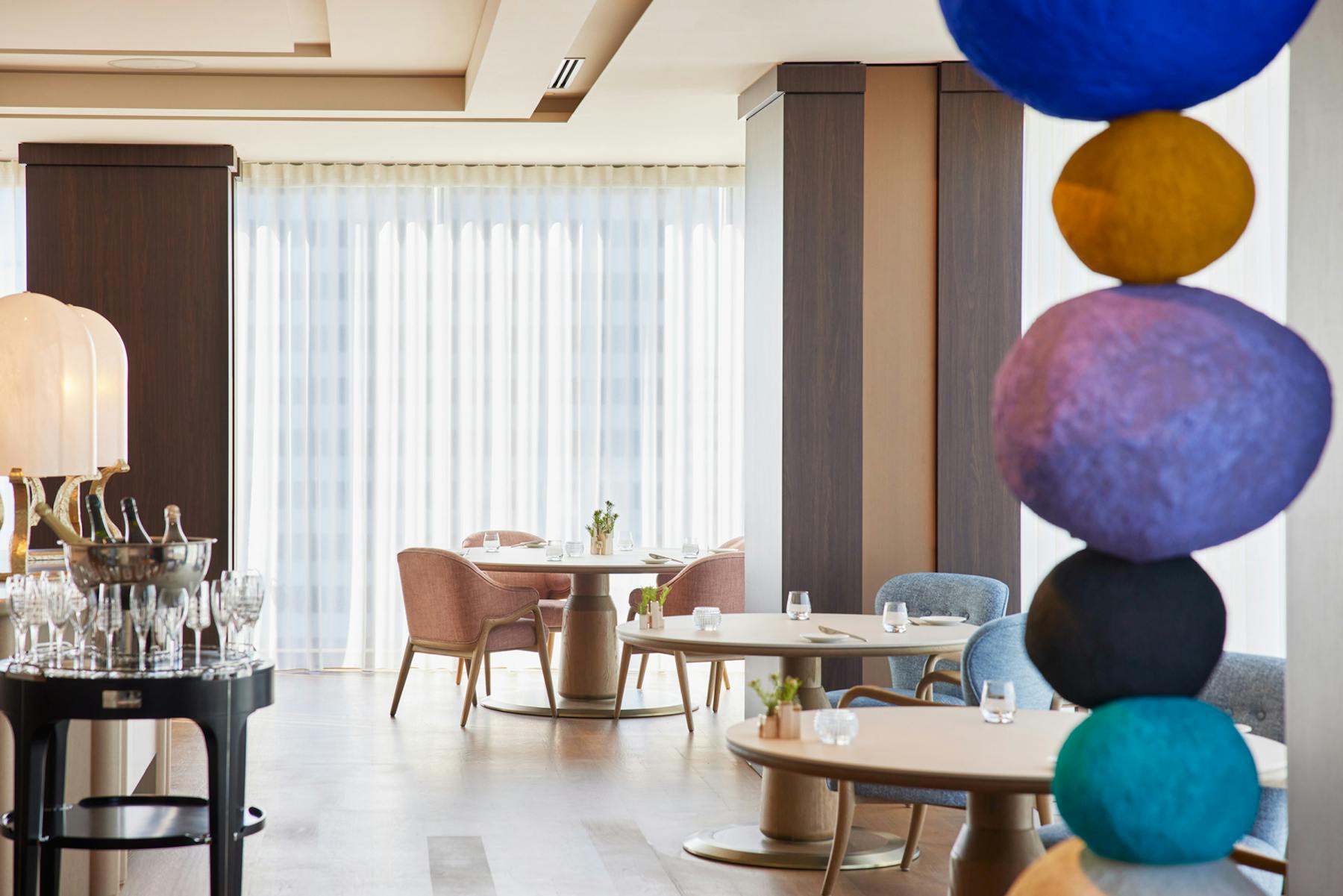
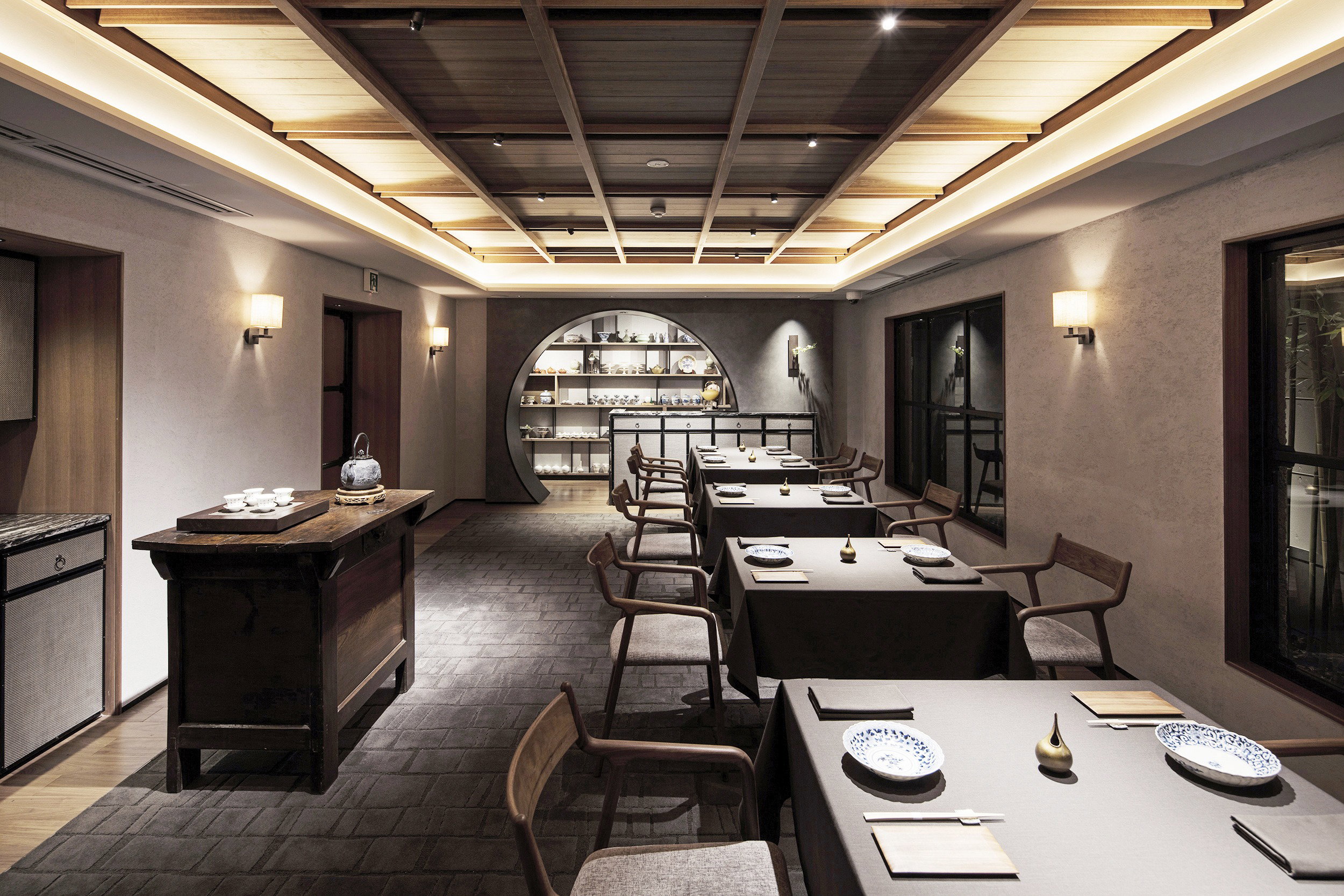
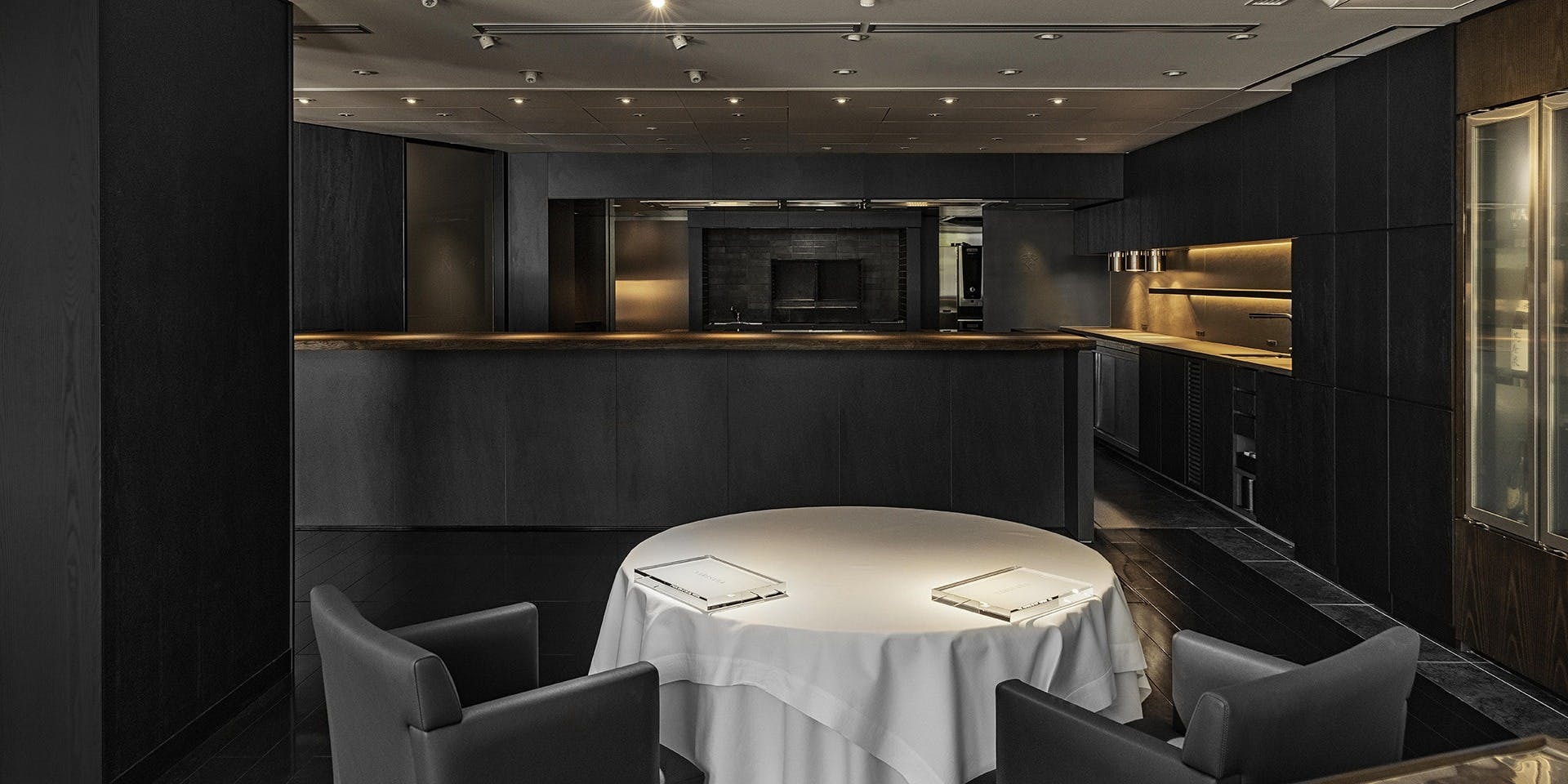
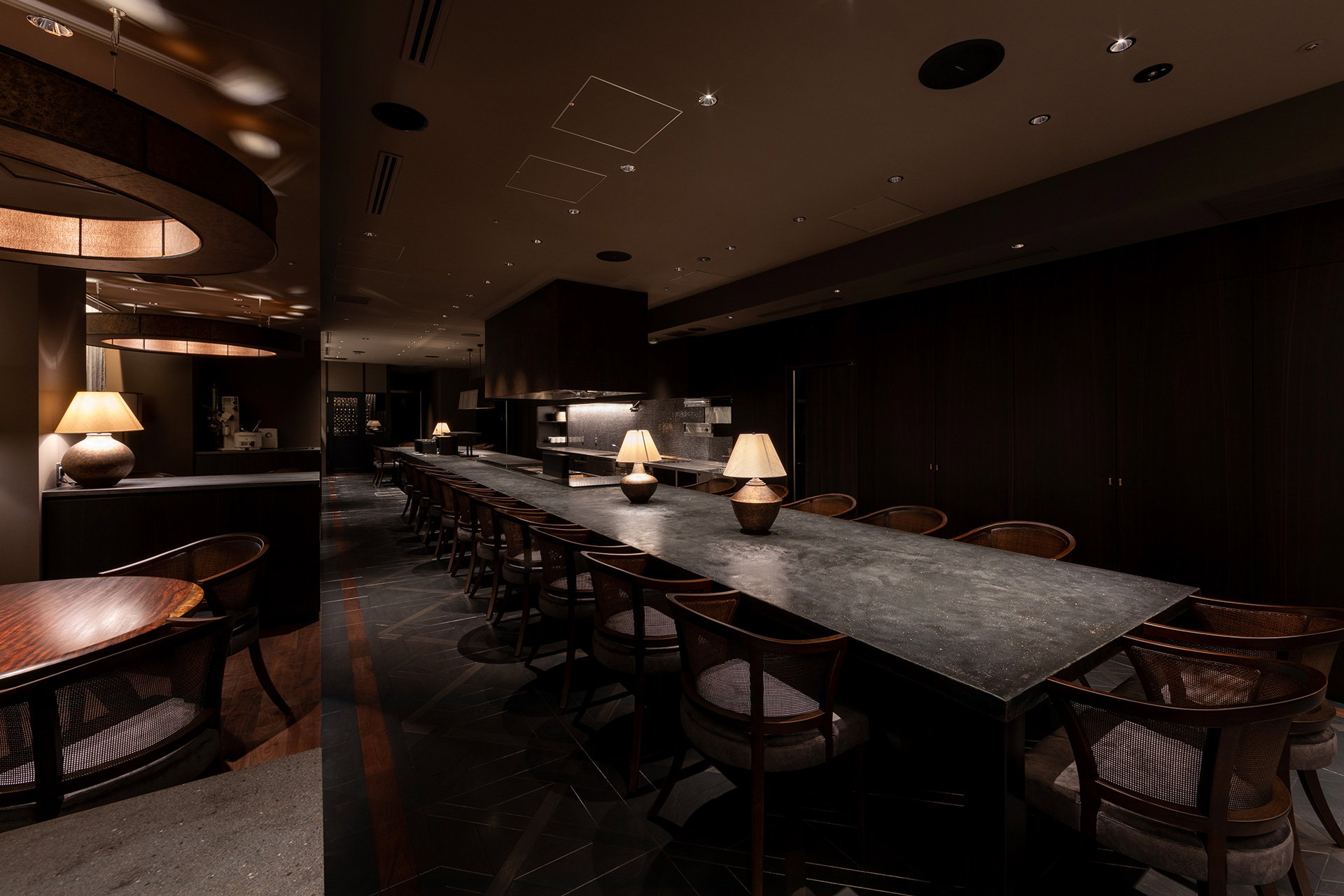
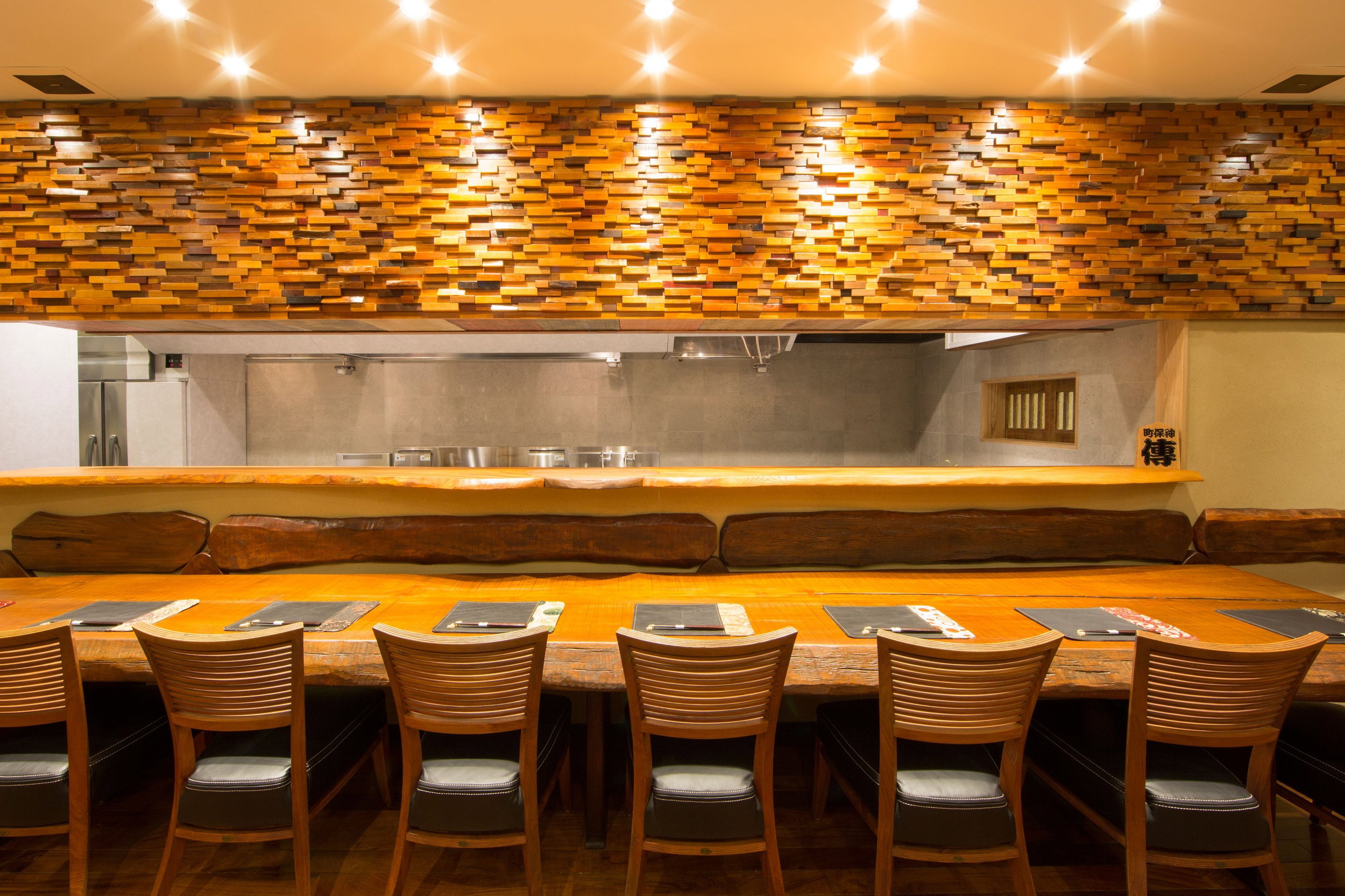
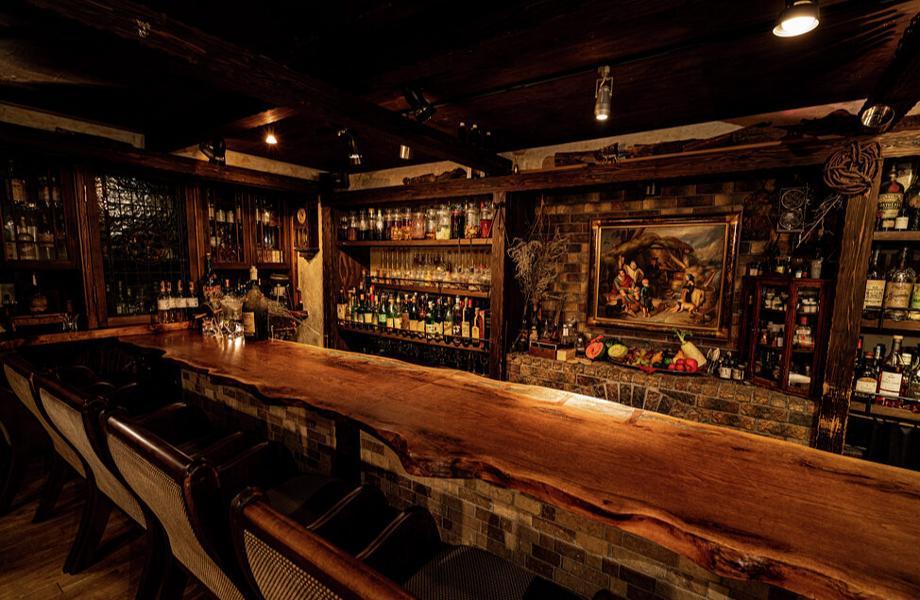
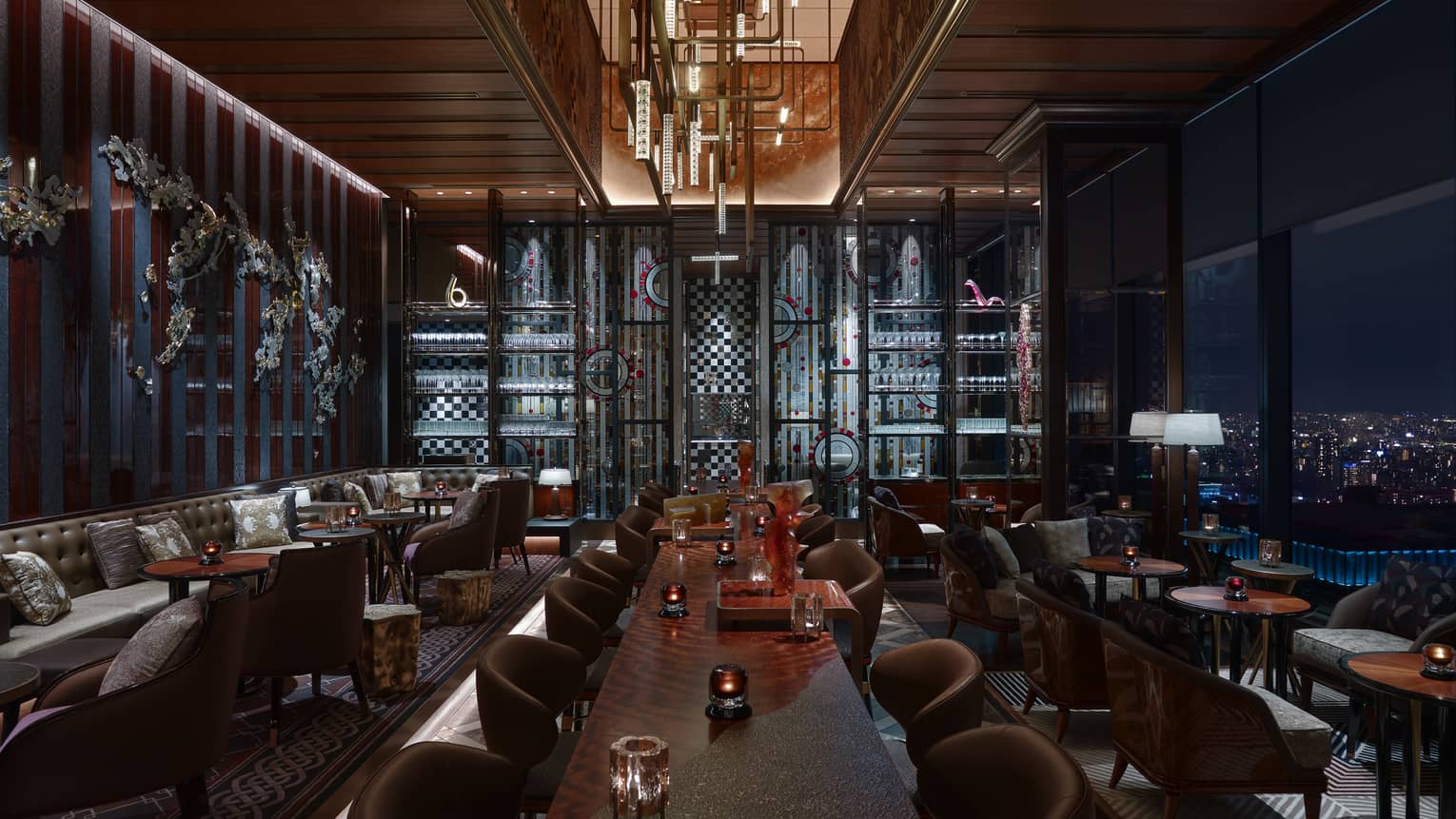
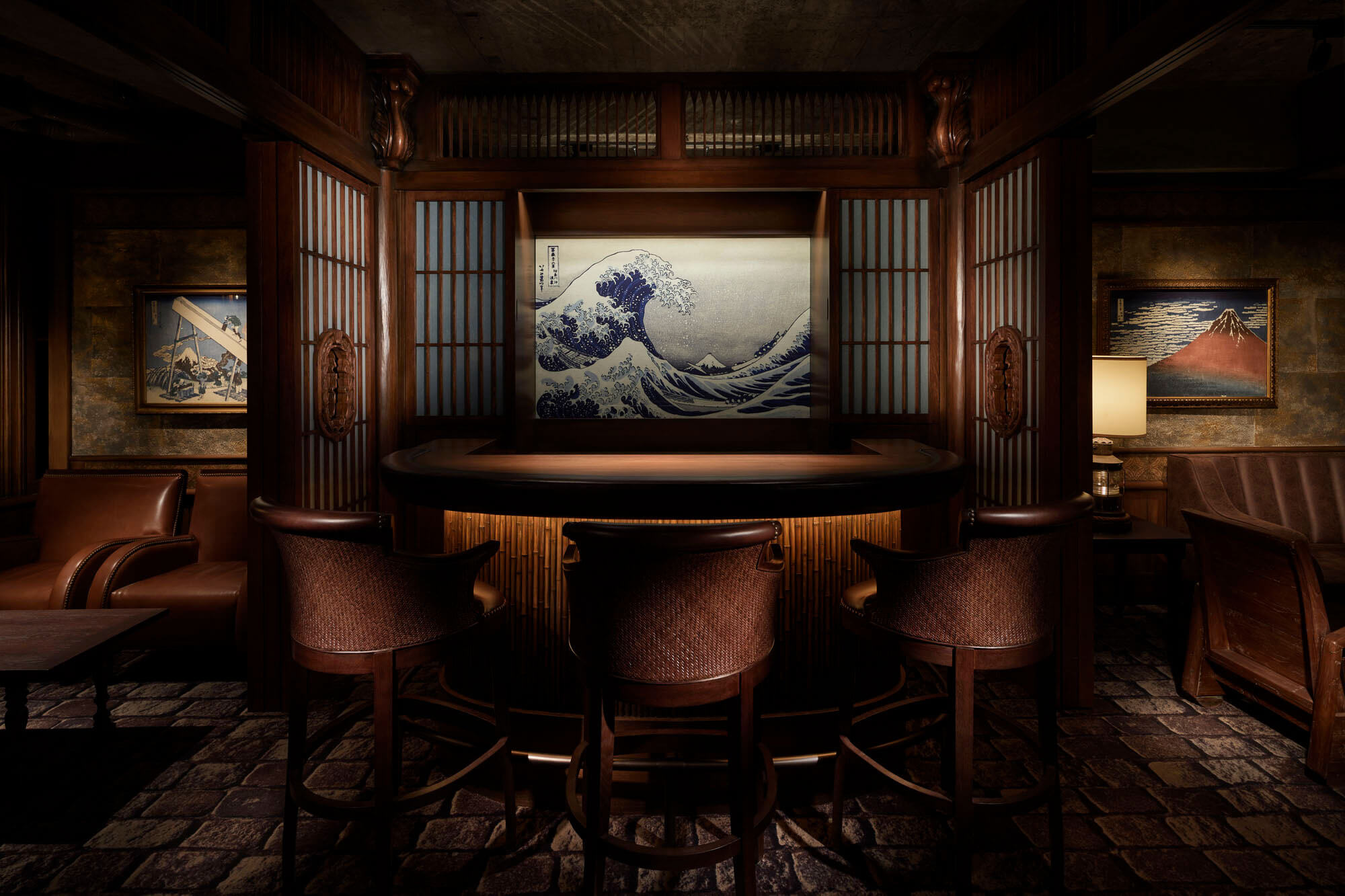
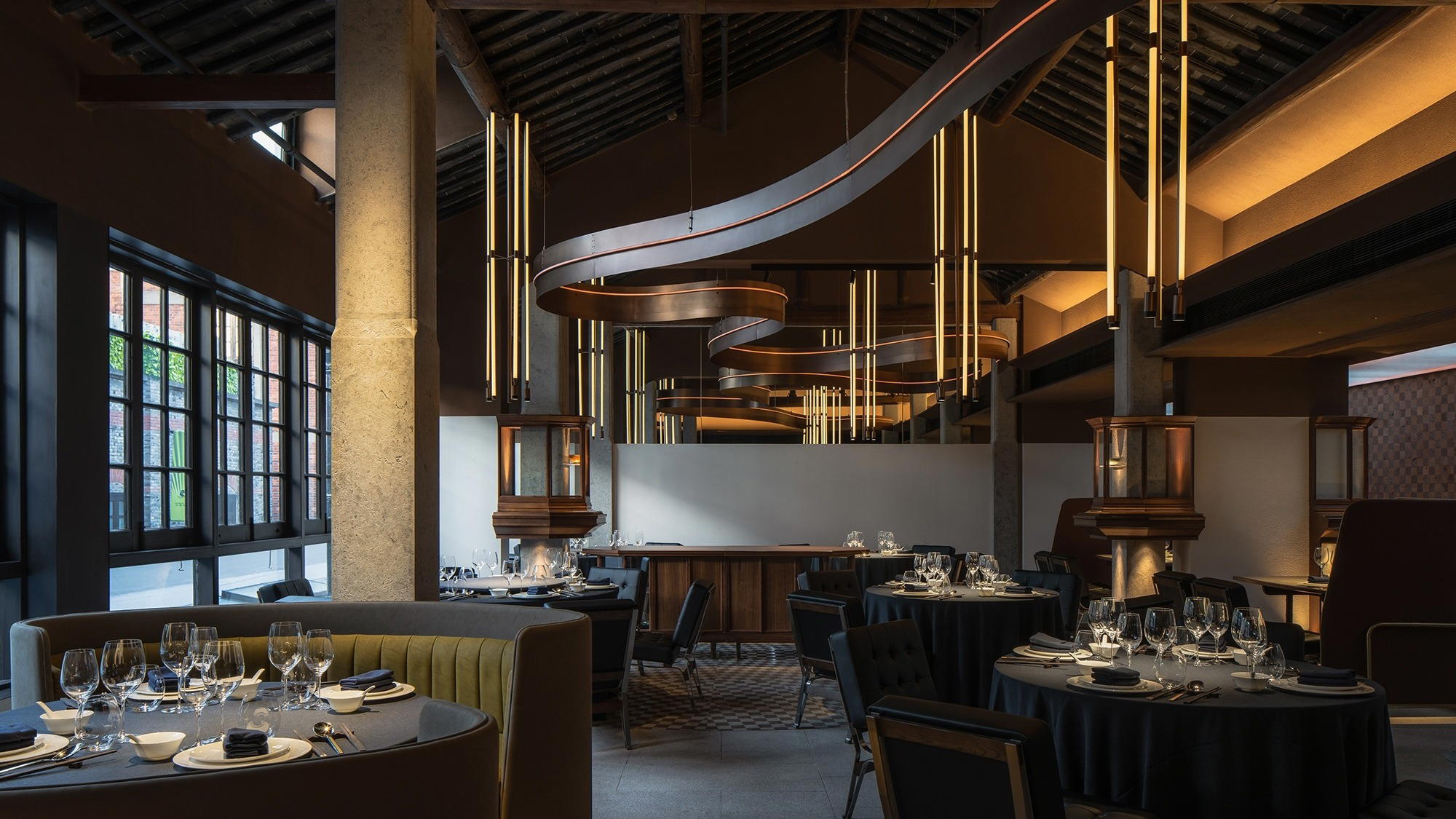
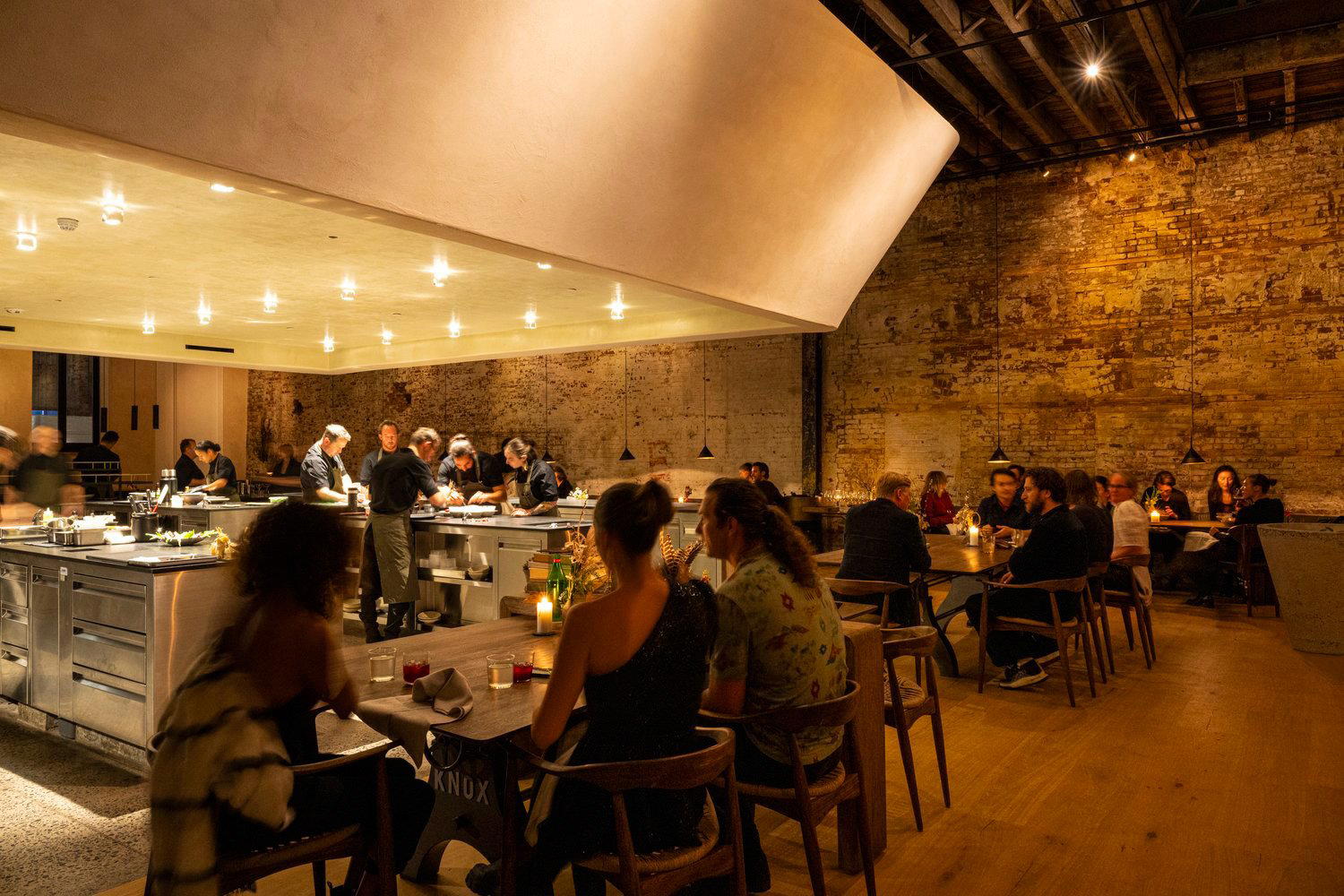
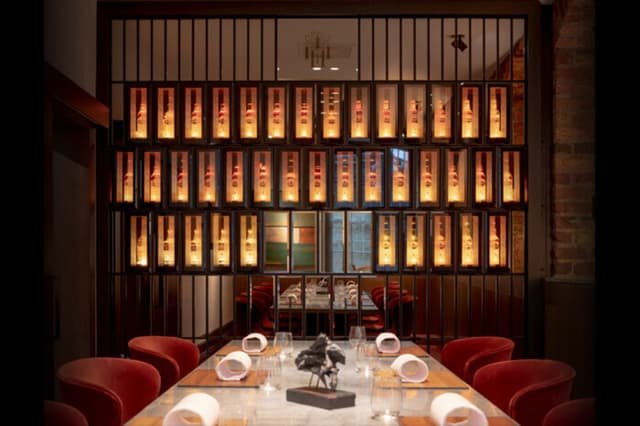
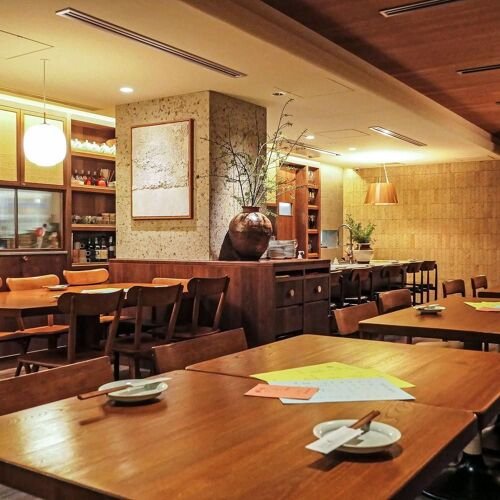
Serene and tactile ambiance with amber lighting, charred timber, brushed stone, and the soft glow of a wood-fired hearth creating a hushed, intimate atmosphere.
Tags
Vibe
Best For
Experience
At the Table
- Dress Code
- Smart Casual
- Noise Level
- Quiet
- Service Style
- Formal
- Meal Pacing
- Leisurely
- Capacity
- Intimate
- Kitchen
- Traditional
- Menu Format
- Counter dining, Tasting menu
- Wine Program
- Curated
- Drinks Focus
- Sake
Know before you go
Know Before You Go
- Getting there
- Japan, 〒151-0053 Tokyo, Shibuya, Yoyogi, 5 Chome−9−9 カーサブリランテ代々木公園
Planning details
Location
Japan, 〒151-0053 Tokyo, Shibuya, Yoyogi, 5 Chome−9−9 カーサブリランテ代々木公園 · Directions
Recognition and awards
Also consider
Also Consider
- Harutaka, Sushi, ¥¥¥¥
- RyuGin, Kaiseki, Japanese, ¥¥¥¥
- L'Effervescence, French, ¥¥¥¥
- HOMMAGE, Innovtive French, French, ¥¥¥¥
- Florilège, French, ¥¥¥
Restaurant context
How Raisan Compares
Raisan at ¥¥¥ sits a full price tier below most of its natural comparators in Tokyo's Japanese dining scene. RyuGin at ¥¥¥¥ is the reference point for seasonal kaiseki with high technical ambition and a room that signals occasion; it is the right choice if you want the full theatrical weight of top-tier Japanese dining and are willing to pay for it. Harutaka at ¥¥¥¥ is the equivalent benchmark for sushi. Raisan does not compete with either on that axis. What it offers instead is a more considered, lower-intensity experience built around a specific cooking philosophy, at a price that makes a second visit financially realistic.
Among French options at comparable or higher price points, L'Effervescence and HOMMAGE both operate at ¥¥¥¥ and deliver French technique with Japanese sourcing. Florilège at ¥¥¥ is the closest price-tier peer and worth considering if French-inflected cooking appeals more than pure Japanese tradition. For the diner who specifically wants dashi-led Japanese cooking with conceptual clarity, Raisan has no direct equivalent at the ¥¥¥ level in the current comparison set.
The practical booking picture also favors Raisan: it is rated easy to book, while venues like RyuGin and Harutaka require considerably more lead time. If you are building a Tokyo dining itinerary and want one Japanese restaurant that does not require months of planning, Raisan is the lowest-friction option in this set without sacrificing cooking quality. Splurge-seekers should go to RyuGin. Value-seekers who want serious Japanese cooking should book Raisan.
Explore Tokyo
Around this place
Discover more on Pearl
Unlock the full Raisan guide in Pearl, including awards, comparisons, FAQs, planning details, and nearby places.
Compare Raisan
| Venue | Awards | Price |
|---|---|---|
| Raisan | 2026 Michelin Plate2025 Michelin Plate2024 Michelin Plate | ¥¥¥ |
| Harutaka | 2026 Tabelog Silver · #312026 OAD Top Restaurants in Japan Ranked · #1282026 Michelin 3 Stars2026 La Liste Top RestaurantsTabelog 100 - Sushi - TOKYO - 2025 · #372025 Asia's 50 Best Restaurants · #762025 OAD Top Restaurants in Japan Ranked · #1172025 La Liste Top Restaurants2025 Tabelog Bronze | ¥¥¥¥ |
| RyuGin | 2026 OAD Top Restaurants in Japan Ranked · #802026 Tabelog Bronze · #3772026 Michelin 3 Stars2026 La Liste Top RestaurantsTabelog 100 - Japanese cuisine - TOKYO - 2025 · #212025 OAD Top Restaurants in Japan Ranked · #542025 Michelin 3 Stars2025 La Liste Top Restaurants2025 The Best Chef Three Knives | ¥¥¥¥ |
| L'Effervescence | 2026 Tabelog Silver · #682026 OAD Top Restaurants in Japan Ranked · #103Star Wine Lists 20262026 Black Pearl 2 Diamond2026 Relais Chateaux Restaurants2026 La Liste Top Restaurants2026 Michelin 3 Stars2025 Asia's 50 Best Restaurants · #692025 OAD Top Restaurants in Japan Ranked · #92 | ¥¥¥¥ |
| HOMMAGE | 2026 Tabelog Bronze · #1232026 OAD Top Restaurants in Japan Highly Recommended2026 Michelin 2 StarsTabelog 100 - French - TOKYO - 2025 · #762025 Asia's 50 Best Restaurants · #782025 OAD Top Restaurants in Japan Ranked · #1752025 Michelin 2 Stars2025 The Best Chef One Knife2025 La Liste Top Restaurants | ¥¥¥¥ |
| Florilège | 2026 Asia's 50 Best Restaurants · #312026 Tabelog Bronze · #712026 OAD Top Restaurants in Japan Ranked · #1242026 Black Pearl 1 Diamond2026 Michelin 2 Stars2026 La Liste Top Restaurants2025 Asia's 50 Best Restaurants · #172025 World's 50 Best Restaurants · #36Tabelog 100 - French - TOKYO - 2025 · #68 | ¥¥¥ |













Comparing your options in Tokyo for this tier.
FAQ
Frequently Asked Questions
How far ahead should I book Raisan?
Book at least two to three weeks in advance. Raisan holds a Michelin Plate recognition in Tokyo, a city where inspector-approved restaurants at the ¥¥¥ price point fill quickly. If you're visiting on a weekend or planning around a specific date, aim for the far end of that window.
Is the tasting menu worth it at Raisan?
If restrained, dashi-driven Japanese cooking is the format you're after, yes. The kitchen's philosophy — dishes light on salt, built on rotating dashi stocks including shrimp, dried fish, and shellfish — rewards diners who want precision over spectacle. If you prefer bolder seasoning or à la carte flexibility, this may not be the right fit.
What should I order at Raisan?
Specific menu items are not documented in the available record. What is confirmed is that each dish at Raisan is built around a distinct dashi stock — shrimp, dried fish, or shellfish — so the dashi progression is the through-line of the meal rather than any single standout dish. Follow the kitchen's lead rather than arriving with specific requests.
Is Raisan worth the price?
At ¥¥¥, Raisan sits below the ¥¥¥¥ bracket occupied by restaurants like RyuGin and Harutaka, and it carries a Michelin Plate, meaning the guide's inspectors consider it worth eating at. For diners who want serious Japanese cooking without the top-starred price commitment, the value case is solid. If budget is not a constraint and you want the full starred experience, the gap between tiers is real.
Is Raisan good for a special occasion?
Yes, with the right expectations. The record specifically notes the warmth of the service, which matters more on a celebratory visit than on a regular dinner. The Yoyogi Park location in Shibuya adds a quieter, residential feel compared to Tokyo's central dining districts. For a milestone meal that prioritises intimacy and considered cooking over prestige address, Raisan works well.
What are alternatives to Raisan in Tokyo?
For a step up in price and accolades, RyuGin and Harutaka both operate at ¥¥¥¥ with Michelin stars. L'Effervescence and Florilège offer French-influenced tasting menu formats at a comparable or higher tier if you want to move outside Japanese cuisine. HOMMAGE is worth considering for diners interested in French-Japanese crossover cooking. Raisan's distinction is its explicit dashi-centred philosophy and Brillat-Savarin-inspired restraint, which none of those alternatives replicate directly.