.png?width=1200&quality=80)
Quatre Vingt Douze
French · Setagaya, Tokyo
Restaurant in Tokyo, Japan
 Book with Pearl
The Read
Classical Sauces, Neighbourhood Scale
Price
¥¥¥
Why go
A Michelin Plate French restaurant in Tokyo's Setagaya district, run by a chef-proprietress couple and priced at ¥¥¥ — below most of the city's recognised French addresses. The cooking is sauce-focused and classically grounded; the dessert programme is handled independently by the proprietress. Book one to two weeks out. Easy to get into relative to its quality level.
About Quatre Vingt Douze
Should You Book Quatre Vingt Douze?
Yes — if you want serious French cooking at a price point that undercuts most of Tokyo's recognised French brigade. Quatre Vingt Douze holds a Michelin Plate in both 2024 and 2025, operates in a genuinely intimate format run by a chef-proprietress duo, and sits comfortably in the ¥¥¥ tier, which puts it below the ¥¥¥¥ ceiling of Tokyo's more prominent French addresses. Book it for a first visit to see whether the cooking earns a return, and plan a second specifically to test the dessert course — the proprietress runs that side of the kitchen independently, and it merits its own attention.
What to Expect Coming Back
On a second visit, the structure of the cooking becomes clearer. The chef's approach is built around layering, fruits, herbs, and spices assembled alongside proteins in a way that builds complexity without obscuring the ingredient beneath. Sauces are a consistent through-line, with fish and meat dishes arriving accompanied by preparations that nod to classical French technique. That commitment to sauce-work is not a decorative gesture; it is load-bearing. If the sauces don't land, the dishes lose their anchor. On a return visit, it is worth assessing whether the execution holds across different proteins, since the menu logic relies on that consistency.
The dessert programme is worth treating as a separate subject entirely. The proprietress handles this side of the kitchen, and the division of labour is deliberate rather than incidental. A first visit may leave you with only a general impression of the sweets; a second visit is the right moment to order attentively and treat the dessert course as equal to the savoury progression. That dual authorship, two complementary perspectives on a single menu, is the defining structural feature of Quatre Vingt Douze, and it rewards the kind of attention that repeat visits allow.
Timing and Special Occasions
Quatre Vingt Douze works well for celebrations and date dinners. The intimate format, a couple running a small dining room together, creates the kind of focused, unhurried atmosphere that suits a special occasion better than a loud, high-capacity room would. If you are choosing between this and a larger-production French restaurant in Tokyo for a meaningful meal, the scale here is an asset rather than a compromise.
For timing, weeknight bookings at smaller Tokyo restaurants of this type tend to offer a calmer experience than Friday or Saturday service, when reservation pressure is highest. Given the Michelin Plate recognition and the compact operation, booking a Tuesday or Wednesday dinner is worth considering if your schedule allows. The ¥¥¥ pricing also makes it sensible for occasions where a ¥¥¥¥ spend feels disproportionate, you get a complete, considered French meal without committing to the leading price tier.
If you are planning around the Japanese dining calendar, autumn and winter are the seasons when French-style sauce-driven cooking tends to show leading. The ingredient logic the chef describes, layering flavours across fish, meat, fruits, herbs, and spices, maps naturally onto autumn produce, and a visit in that window will likely deliver the most coherent expression of the menu's intent.
Booking and Access
Booking at Quatre Vingt Douze is rated Easy. The Michelin Plate recognition brings attention but the venue's location in Setagaya City's Funabashi neighbourhood, rather than central Tokyo, means it draws a more local, less tourist-heavy reservation pool than comparable French addresses closer to Shinjuku or Roppongi. That positioning works in your favour: a restaurant of this calibre with this level of recognition would carry a two-to-three-week lead time at minimum in a more central location. Here, the window is likely shorter. Still, book ahead rather than relying on availability, particularly for weekend evenings. The restaurant is on the second floor of ラ・レジオン千歳船橋 in Funabashi 1-chome, confirm the specific entrance before visiting, as second-floor addresses in residential Setagaya can be easy to walk past. No phone number or website is listed in our current data; reservations are leading pursued through Japanese booking platforms or via direct enquiry once you identify the contact channel. Our full Tokyo restaurants guide has further context on navigating bookings across the city.
How It Compares
Practical Details
Quatre Vingt Douze is a French restaurant in Setagaya City, Tokyo, located on the second floor at 1-chome-9-5 Funabashi. Price range: ¥¥¥. Michelin Plate recognition: 2024 and 2025. Booking difficulty: Easy. No website or phone number available in current data.
For broader Tokyo planning: Tokyo hotels, Tokyo bars, Tokyo wineries, and Tokyo experiences.
If you are building a broader Japan itinerary around serious restaurant meals, consider also HAJIME in Osaka, Gion Sasaki in Kyoto, akordu in Nara, Goh in Fukuoka, 1000 in Yokohama, and 6 in Okinawa. For French cooking in comparable international markets, Les Amis in Singapore and Hotel de Ville Crissier in Crissier are useful reference points on value and technique.
Quick reference:
Planning details
- Location
- Japan, 〒156-0055 Tokyo, Setagaya City, Funabashi, 1 Chome−9−5 ラ・レジオン千歳船橋 2F
- Website
- quatrevingtdouze.com
- Phone
- +81 70-8513-3122
The take
The Take
The Vibe
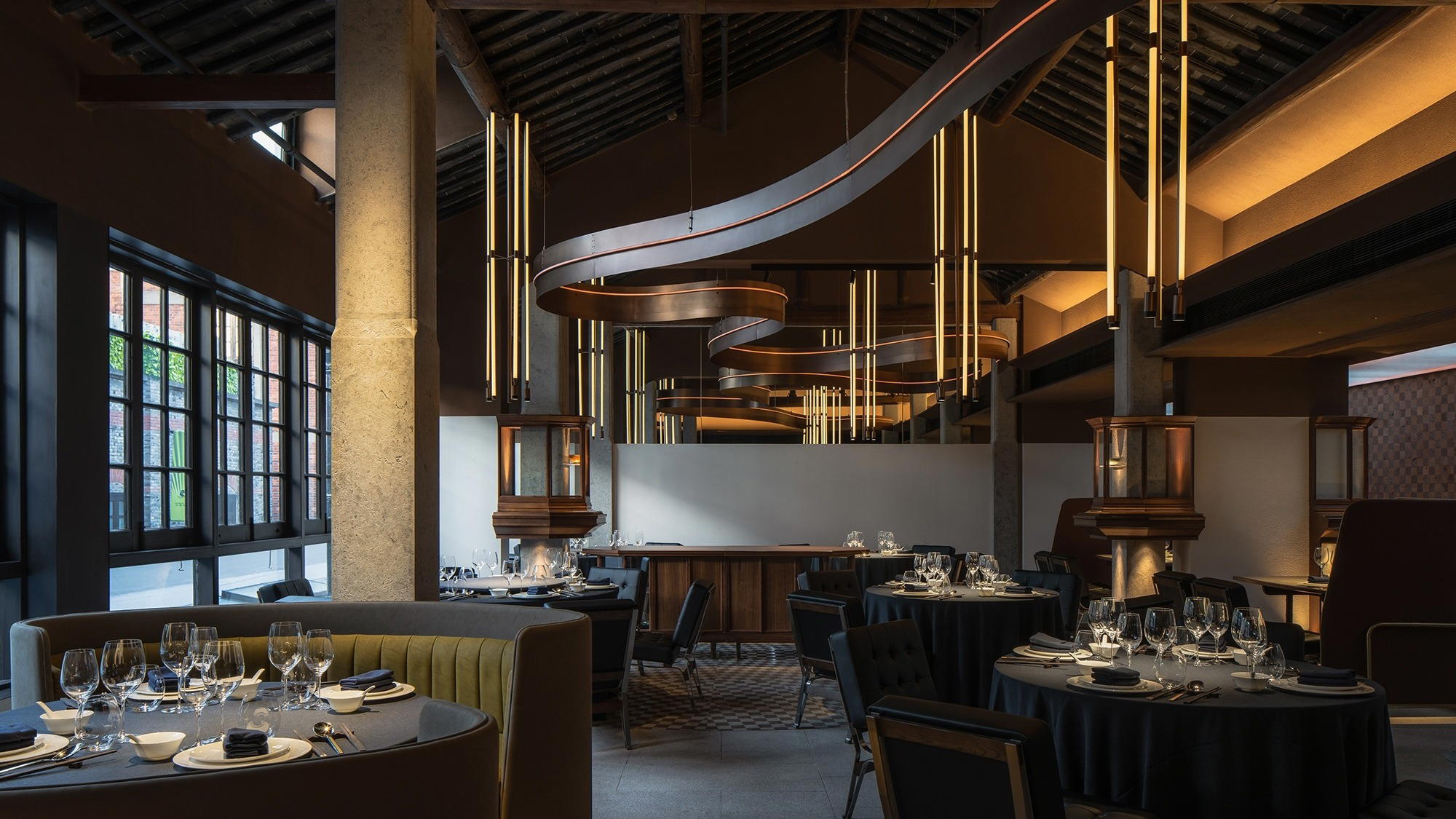
Quatre Vingt Douze reads like a Parisian bistrot relocated to a quiet Tokyo neighbourhood. It operates at a smaller scale than the city’s headline restaurants, favoring a classical French frame—sauces, layered textures and time-honoured technique—over contemporary minimalism. The second-floor setting in a low-rise Setagaya building reinforces its local, non‑destination character: unflashy, focused on the cooking and designed for regulars as much as curious visitors. Overall the mood is calm and unpretentious, a carefully crafted place where traditional French structure is the point of interest rather than theatrical service or showy presentation.
Best For
This is for diners who want rigorous French technique without the formality of Tokyo’s highest‑profile temples. It suits local regulars, couples on a considered night out and visitors who have experienced the ¥¥¥¥ circuit and now seek a more accessible expression of classical cooking. Because the address is neighbourood‑scale rather than a destination restaurant, it works well for date nights and modest special occasions where the focus is on thoughtful preparations—sauces, composed plates and seasonal produce—served in a discreet, residential setting.
Ordering Tips
Let the kitchen’s classical approach guide your choices: prioritize dishes that showcase sauces and layered textures rather than singular, ingredient‑forward preparations. Ask the staff about what produce is in season and which plates best illustrate the chef’s classical framing; the description emphasizes sauces and composition, so daily or weekly specials are likely informative. Expect a measured, course‑by‑course pace rather than rapid small plates; if you prefer a lighter or more indulgent flow, enquire with the server about portioning and recommended pairings before you order.
Venue details
Ambiance
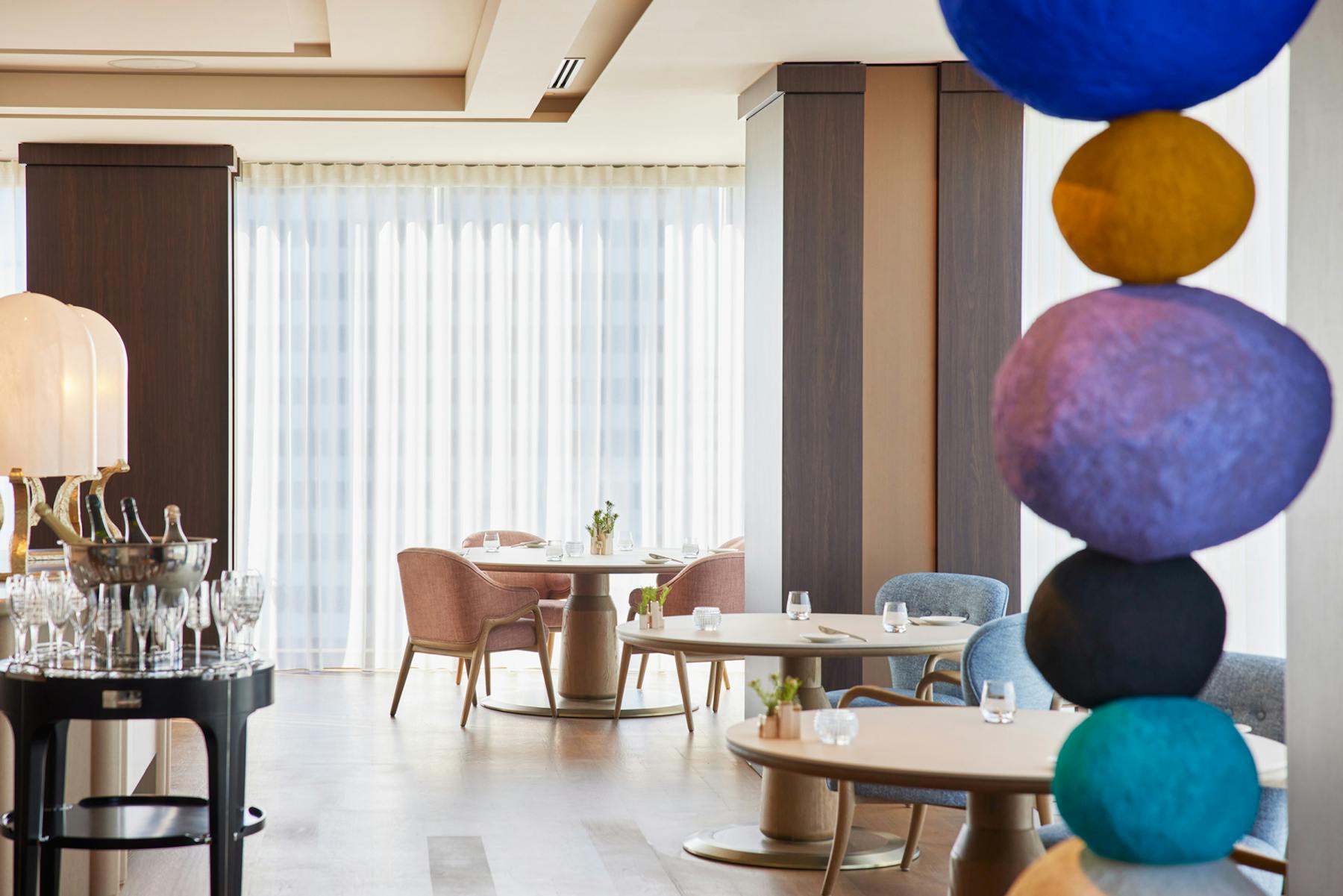
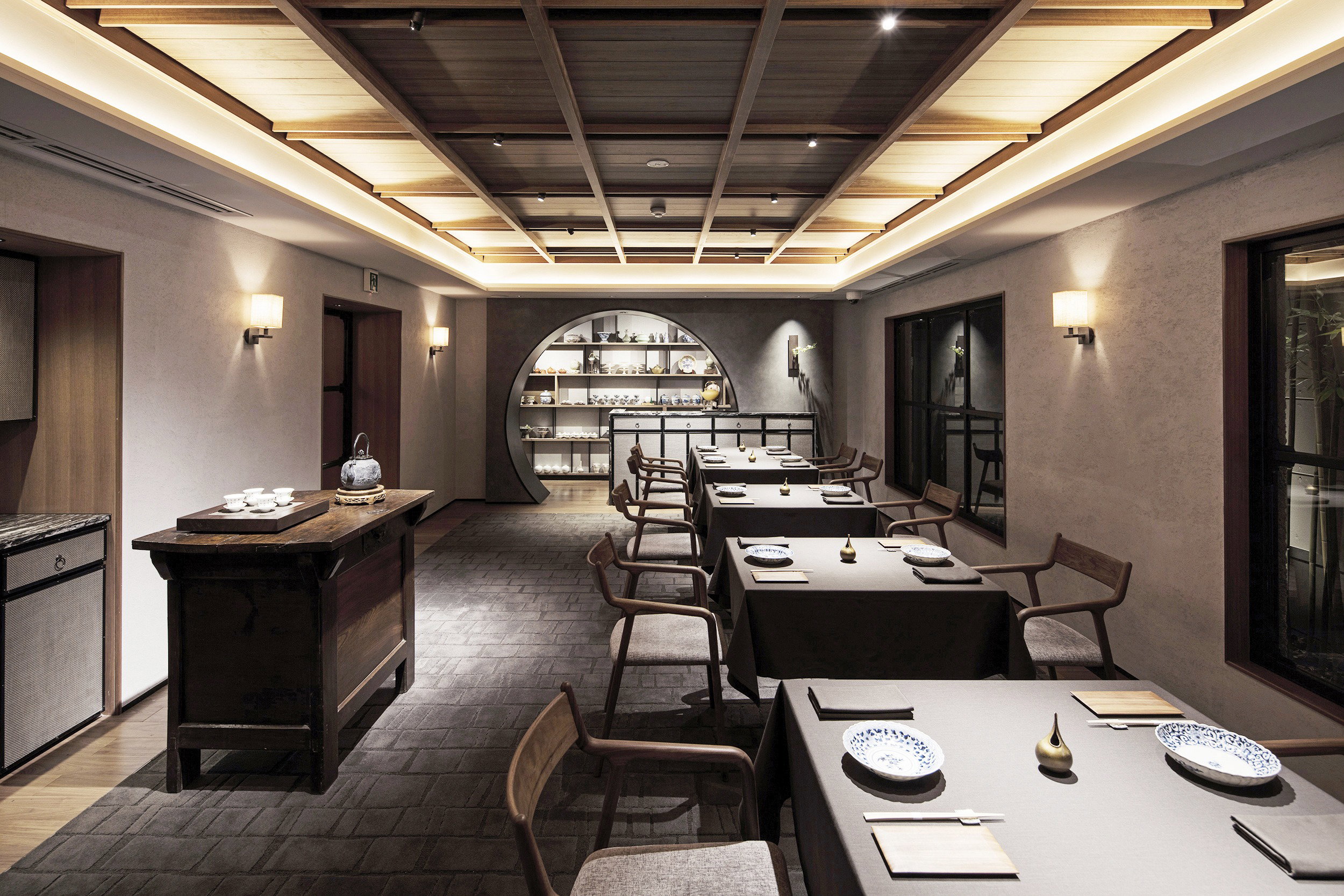
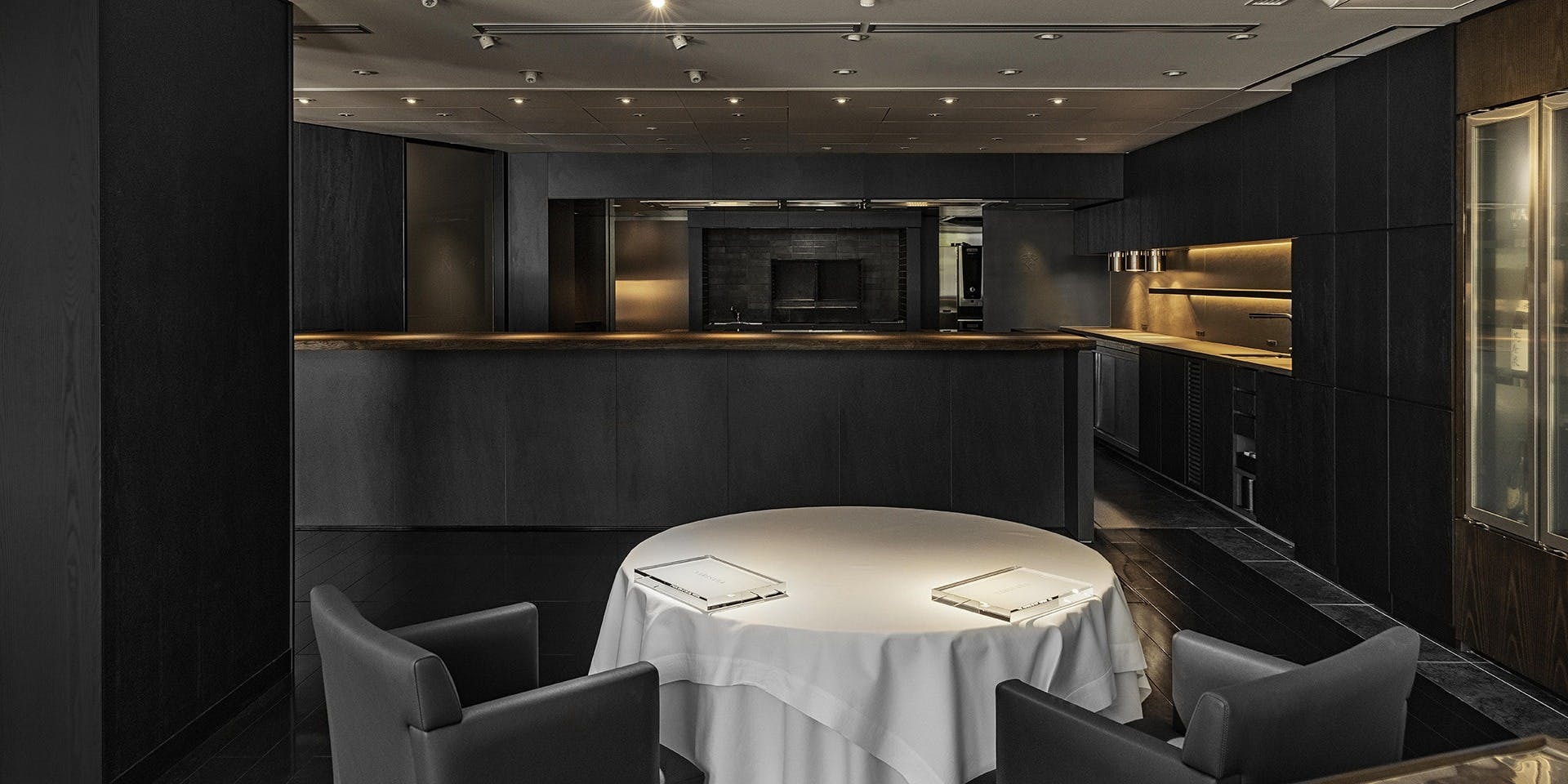
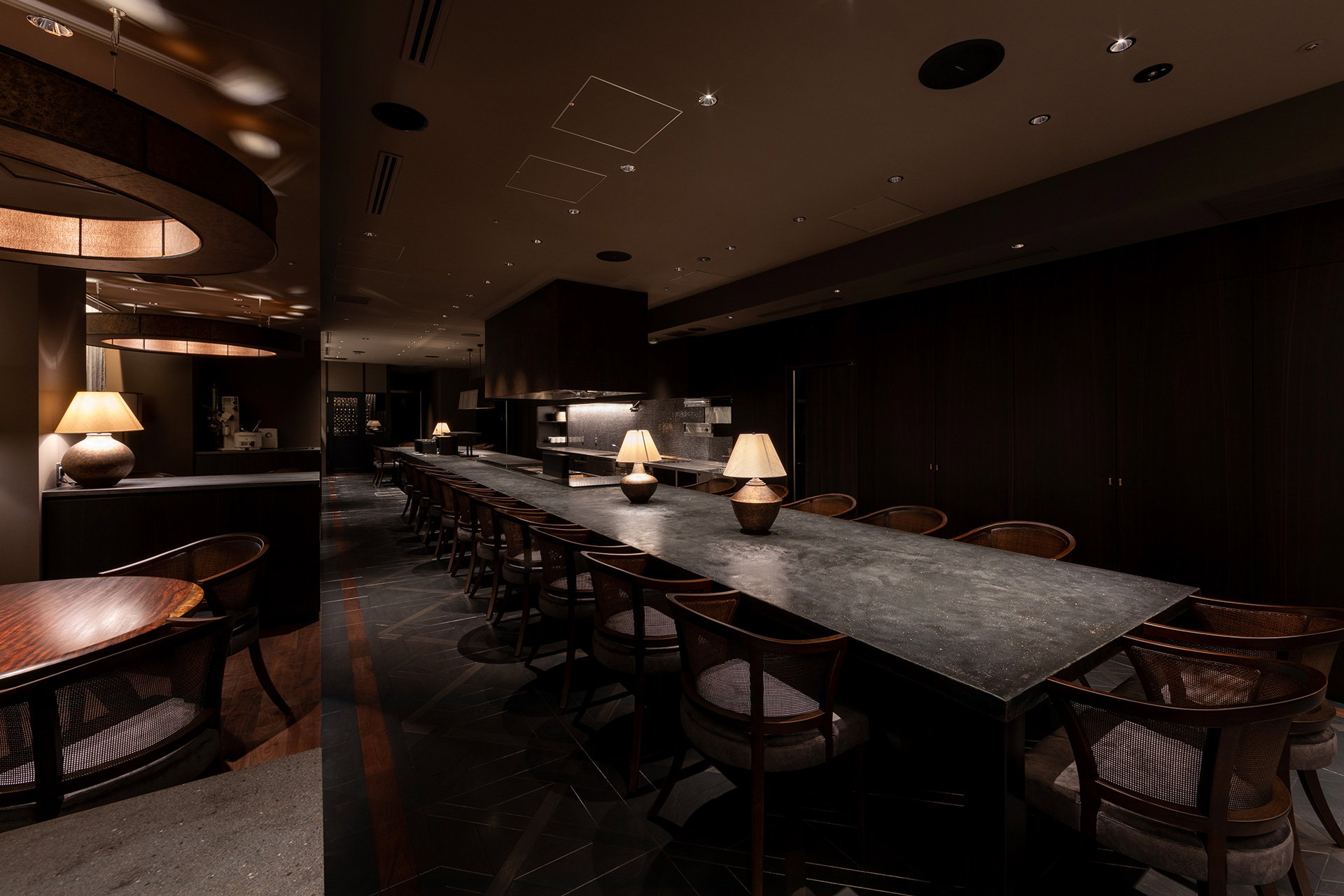
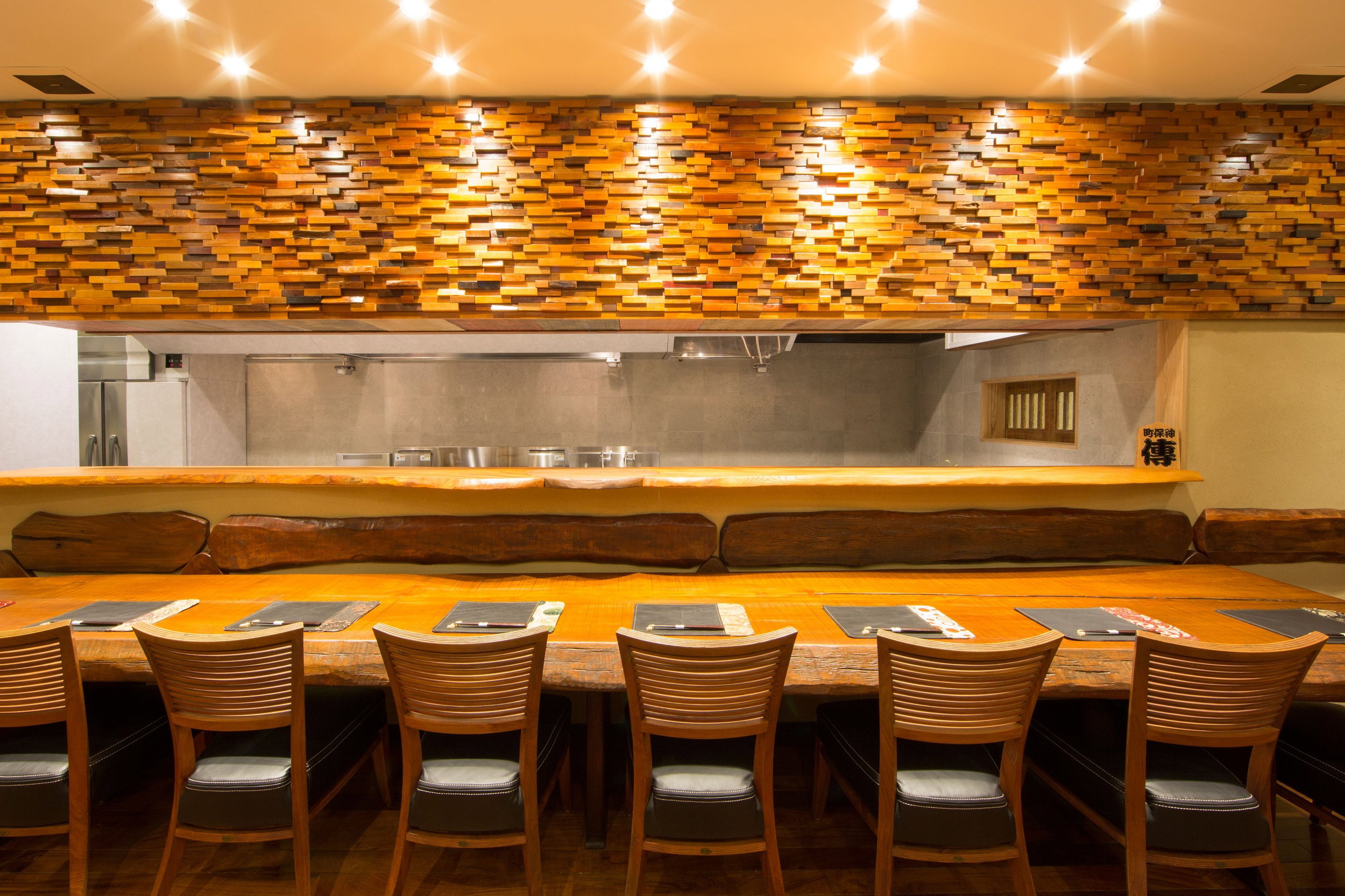
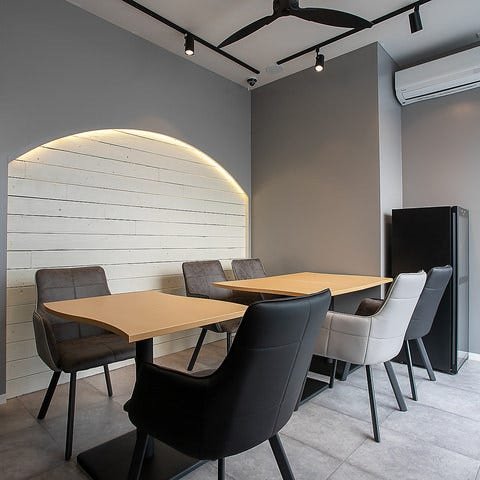
Modern, stylish space with open kitchen and counter seating for an intimate, high-quality dining experience.
Tags
Vibe
Best For
Experience
Accessibility
At the Table
- Noise Level
- Quiet
- Service Style
- Upscale Casual
- Meal Pacing
- Leisurely
- Capacity
- Intimate
Know before you go
Know Before You Go
- Getting there
- Japan, 〒156-0055 Tokyo, Setagaya City, Funabashi, 1 Chome−9−5 ラ・レジオン千歳船橋 2F
Planning details
Location
Japan, 〒156-0055 Tokyo, Setagaya City, Funabashi, 1 Chome−9−5 ラ・レジオン千歳船橋 2F · Directions
Recognition and awards
Also consider
Also Consider
- Harutaka, Sushi, ¥¥¥¥
- RyuGin, Kaiseki, Japanese, ¥¥¥¥
- L'Effervescence, French, ¥¥¥¥
- HOMMAGE, Innovtive French, French, ¥¥¥¥
- Florilège, French, ¥¥¥
Restaurant context
How Quatre Vingt Douze Compares
At ¥¥¥, Quatre Vingt Douze sits in a different price bracket from most of Tokyo's prominent French restaurants. L'Effervescence and HOMMAGE are both ¥¥¥¥ operations with stronger award profiles and higher public visibility; they are the right choice if you want maximum prestige or a more ambitious tasting format. Florilège is the closest peer on price, also ¥¥¥ and French, but carries a higher booking difficulty and a more central location. For the value-conscious diner who wants recognised French cooking without the ¥¥¥¥ commitment, Quatre Vingt Douze is the cleaner call.
Against non-French comparators, Harutaka (sushi, ¥¥¥¥) and RyuGin (kaiseki, ¥¥¥¥) offer category-leading experiences in their respective formats but at a higher spend and with more competitive reservations. If your Tokyo itinerary includes one high-budget meal and you are choosing between French and Japanese formats, those venues are the stronger single-occasion choice. But if you want two or three restaurant evenings and need to distribute your budget, Quatre Vingt Douze earns its place as the French option that does not require top-tier spend.
For broader context on Tokyo's French scene, Sézanne, ESqUISSE, and Château Restaurant Joël Robuchon all operate above this price tier with more elaborate production. Quatre Vingt Douze is not competing for the same occasion, it is the right choice when intimacy, value, and a chef-driven format matter more than a high-profile room or an extensive tasting menu.
Explore Tokyo
Around this place
Discover more on Pearl
Unlock the full Quatre Vingt Douze guide in Pearl, including awards, comparisons, FAQs, planning details, and nearby places.
Compare Quatre Vingt Douze
| Venue | Cuisine | Awards | Booking Difficulty |
|---|---|---|---|
| Quatre Vingt Douze | French | 2026 Michelin Plate2025 Michelin Plate2024 Michelin Plate | Easy |
| Harutaka | Sushi | 2026 Tabelog Silver · #312026 OAD Top Restaurants in Japan Ranked · #1282026 Michelin 3 Stars2026 La Liste Top RestaurantsTabelog 100 - Sushi - TOKYO - 2025 · #372025 Asia's 50 Best Restaurants · #762025 OAD Top Restaurants in Japan Ranked · #1172025 La Liste Top Restaurants2025 Tabelog Bronze | Unknown |
| RyuGin | Kaiseki, Japanese | 2026 OAD Top Restaurants in Japan Ranked · #802026 Tabelog Bronze · #3772026 Michelin 3 Stars2026 La Liste Top RestaurantsTabelog 100 - Japanese cuisine - TOKYO - 2025 · #212025 OAD Top Restaurants in Japan Ranked · #542025 Michelin 3 Stars2025 La Liste Top Restaurants2025 The Best Chef Three Knives | Unknown |
| L'Effervescence | French | 2026 Tabelog Silver · #682026 OAD Top Restaurants in Japan Ranked · #103Star Wine Lists 20262026 Black Pearl 2 Diamond2026 Relais Chateaux Restaurants2026 La Liste Top Restaurants2026 Michelin 3 Stars2025 Asia's 50 Best Restaurants · #692025 OAD Top Restaurants in Japan Ranked · #92 | Unknown |
| HOMMAGE | Innovtive French, French | 2026 Tabelog Bronze · #1232026 OAD Top Restaurants in Japan Highly Recommended2026 Michelin 2 StarsTabelog 100 - French - TOKYO - 2025 · #762025 Asia's 50 Best Restaurants · #782025 OAD Top Restaurants in Japan Ranked · #1752025 Michelin 2 Stars2025 The Best Chef One Knife2025 La Liste Top Restaurants | Unknown |
| Florilège | French | 2026 Asia's 50 Best Restaurants · #312026 Tabelog Bronze · #712026 OAD Top Restaurants in Japan Ranked · #1242026 Black Pearl 1 Diamond2026 Michelin 2 Stars2026 La Liste Top Restaurants2025 Asia's 50 Best Restaurants · #172025 World's 50 Best Restaurants · #36Tabelog 100 - French - TOKYO - 2025 · #68 | Unknown |













Side-by-side comparison to help you decide where to book.
FAQ
Frequently Asked Questions
What should a first-timer know about Quatre Vingt Douze?
This is an intimate, chef-driven French restaurant in Setagaya City — not central Tokyo, but worth the trip for the price-to-quality ratio. The kitchen layers fruits, herbs, and spices with classical technique, and sauces anchor both fish and meat courses. The proprietress handles desserts, giving the meal a distinct two-person dynamic. At ¥¥¥, it punches above its weight relative to Tokyo's more central Michelin Plate peers.
What should I wear to Quatre Vingt Douze?
The venue is small and run by a couple, which points to a focused, personal atmosphere rather than a formal hotel-dining room setting. That said, it holds a Michelin Plate and serves classical French, so dress neatly — clean, put-together clothes are appropriate, though a jacket is unlikely to be required. Avoid anything too casual.
How far ahead should I book Quatre Vingt Douze?
Booking is rated Easy, partly because the Funabashi neighbourhood in Setagaya sits off the main Tokyo dining circuit. That said, an intimate room fills quickly on weekends, so aim for at least one to two weeks ahead for Friday or Saturday. Weeknight availability is more forgiving, making this a reasonable option if you're building a last-minute itinerary.
Is Quatre Vingt Douze good for solo dining?
Possibly — a small counter or intimate dining room format often works for solo diners who want to observe the kitchen and service rhythm. The couple-run structure means the room has a personal, attentive feel. Confirm seating arrangements when booking, as a ¥¥¥ tasting format typically accommodates singles, though the smallest table configuration may be two covers.