.png?width=1200&quality=80)

PONTE DEL PIATTO
Italian · Shibuya, Tokyo
Restaurant in Tokyo, Japan
 Book with Pearl
The Read
Seasonal Italian Prix Fixe
Price
¥¥¥
Dress
Smart Casual
Why go
Ponte del Piatto is a Michelin Plate-recognised Italian restaurant in Hiroo, Tokyo, serving seasonal prix fixe menus that apply Italian technique to Japanese produce. At ¥¥¥ with easy booking, it offers a more accessible entry point than Tokyo's ¥¥¥¥ Italian options without sacrificing the coherence of a serious, chef-driven tasting menu.
About PONTE DEL PIATTO
Should You Book Ponte del Piatto?
If you have already eaten here once, the question on a return visit is whether the seasonal prix fixe has moved on enough to justify coming back. At ¥¥¥ pricing in Hiroo, it almost certainly has. The menu is built around Japan's seasons rendered through Italian technique, which means the kitchen's material changes meaningfully every few months. Come back in a different season and you are, in practical terms, eating a different menu. That is the strongest argument for a second visit — and a reasonable argument for the first.
Ponte del Piatto holds a Michelin Plate in both 2024 and 2025. That recognition sits below a Michelin star but above an ordinary listing: it signals cooking that is consistent, technically honest, and worth seeking out. At ¥¥¥, it occupies a mid-tier price point for Tokyo dining, making it a more accessible entry point than the ¥¥¥¥ Italian options in the city while still delivering the kind of formal prix fixe structure that suits a considered dinner rather than a casual meal.
The Experience
The name encodes the concept: 'ponte' is Italian for bridge, and 'piatto' means dish. The chef's stated aim is to use food as a connector between people — a premise that shapes how the menu is built. Prix fixe courses express Japanese seasonal produce through Tuscan and broader Italian cooking methods. You are not eating fusion; the flavours and techniques are Italian through and through, but the ingredients tracking Japan's seasons give the menu a specificity that sets it apart from Italian restaurants that import their philosophy wholesale.
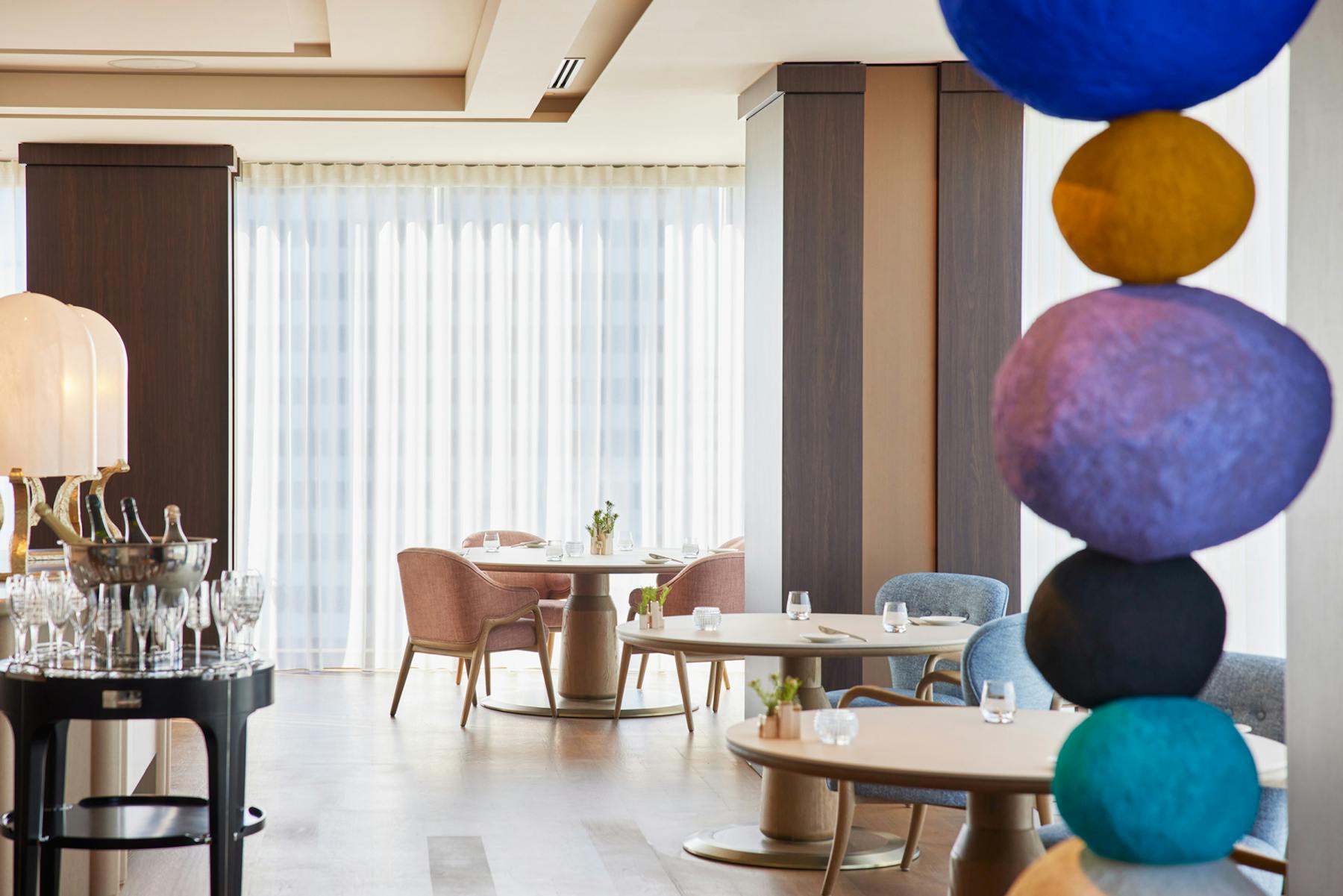
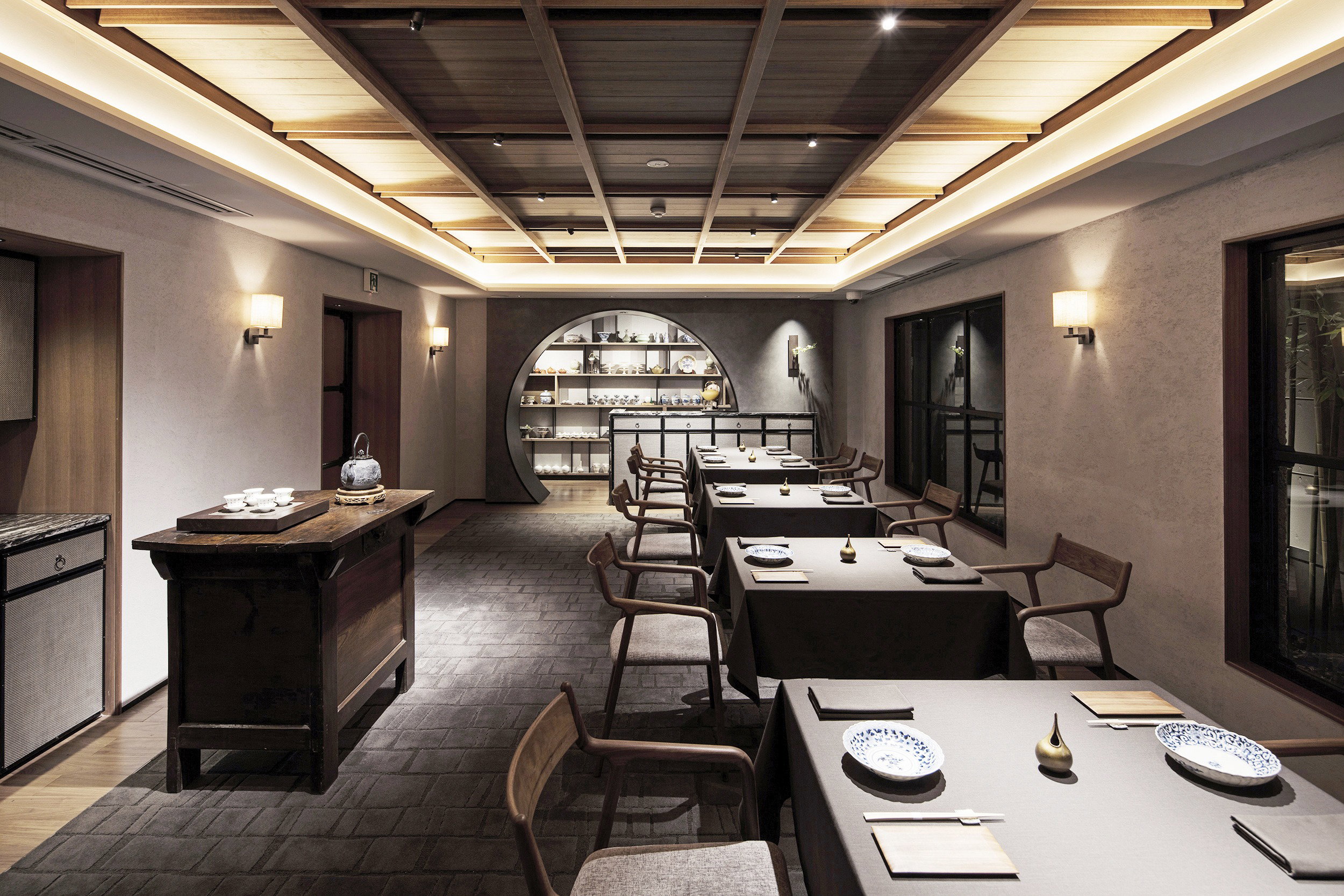
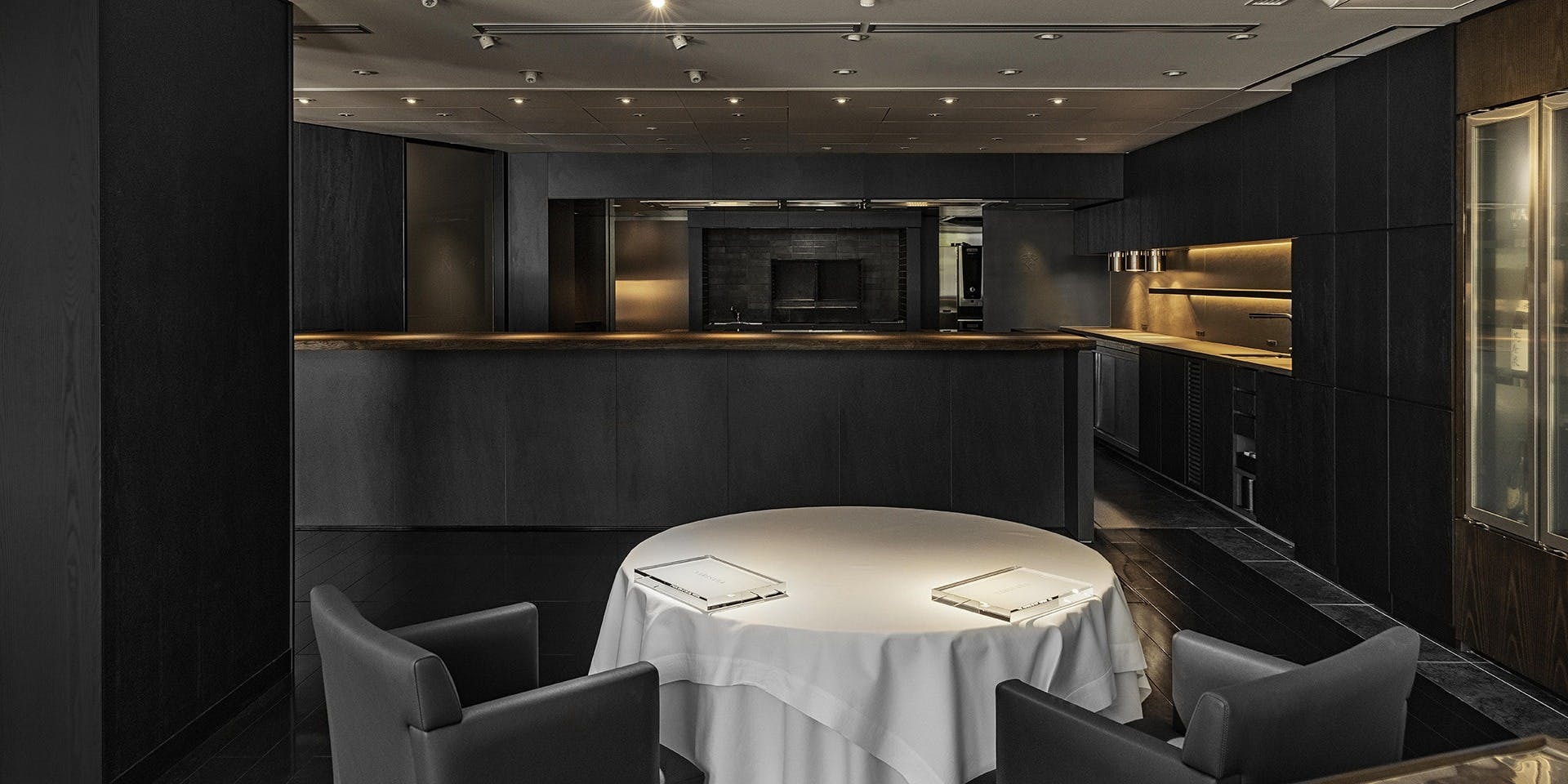
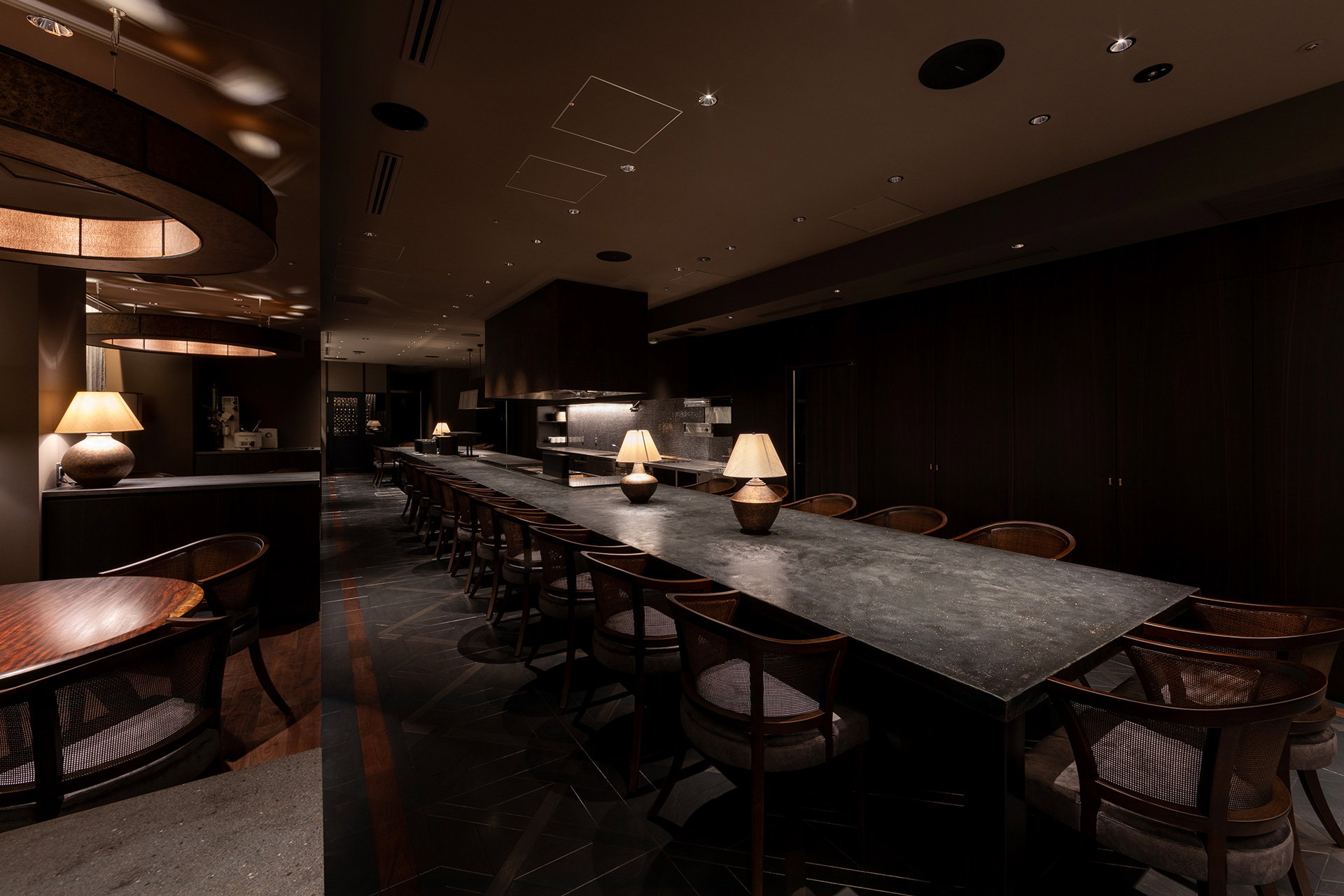
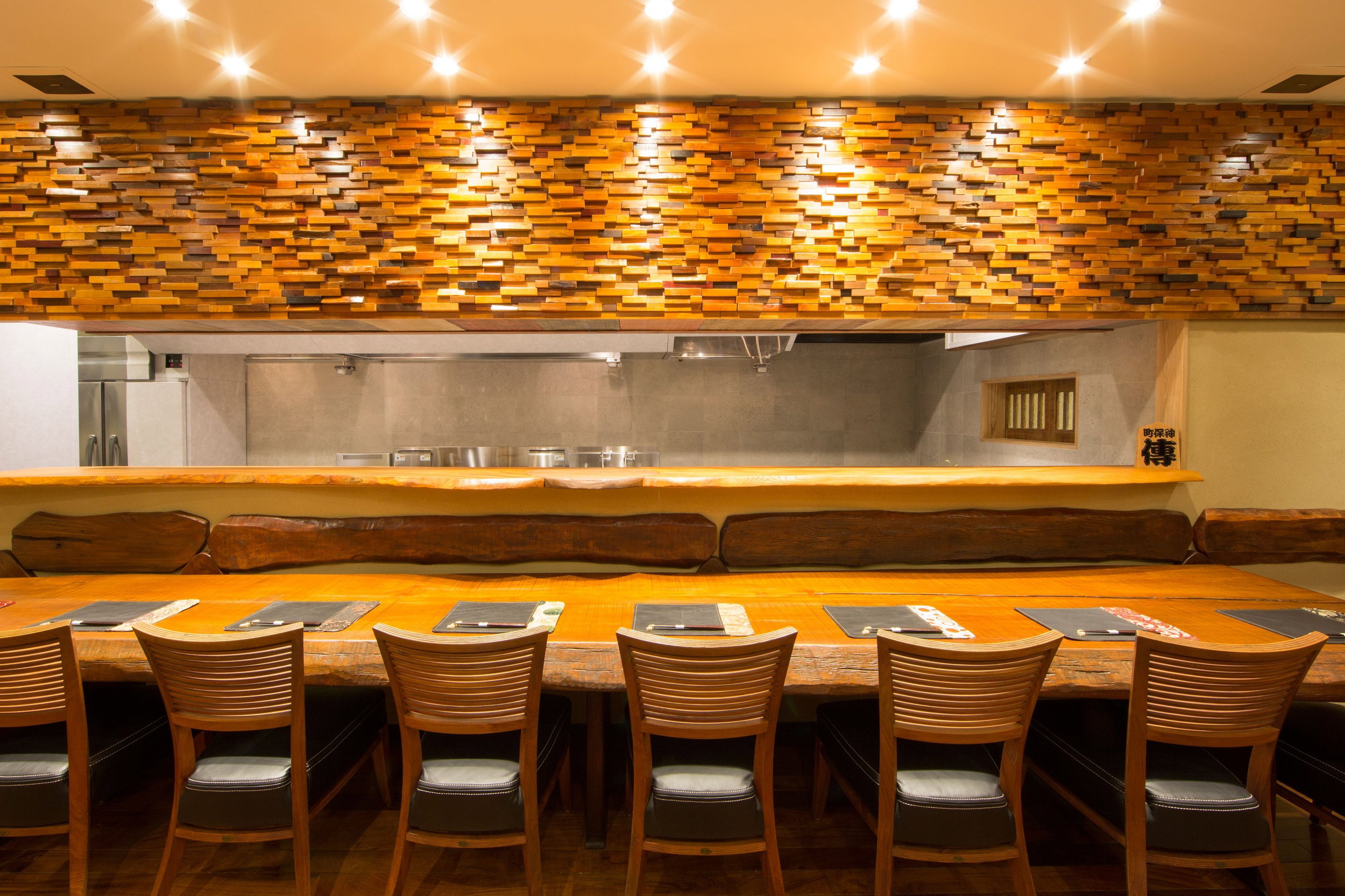
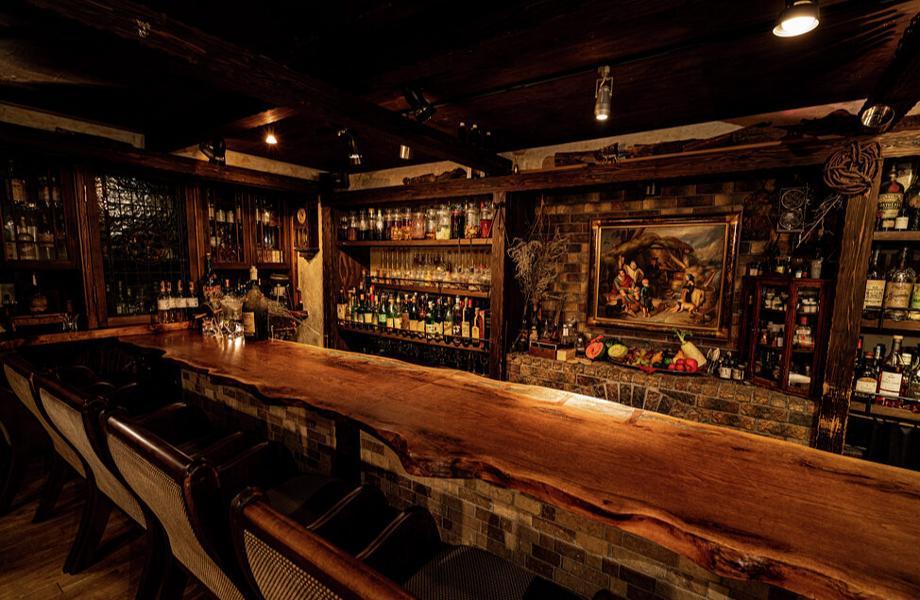
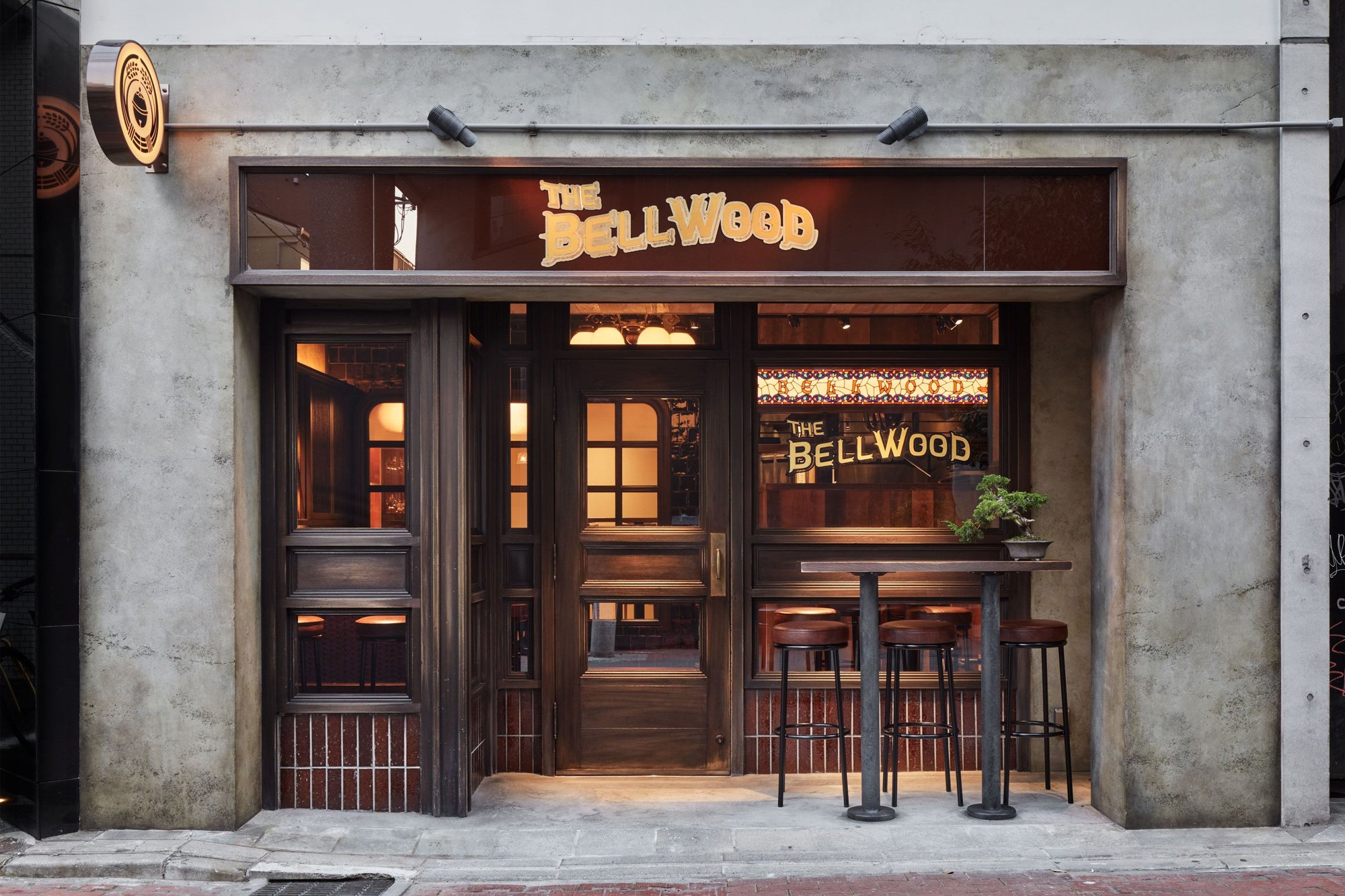
The dining room sits in a 1F space in Hiroo's Kyowa Building, a residential neighbourhood in Shibuya that has a long association with international residents and the kind of low-key, high-quality neighbourhood dining that often escapes the spotlight. The atmosphere in restaurants of this size and type in Hiroo tends toward the intimate: quieter than Roppongi or Ginza equivalents, better suited to conversation. For the explorer who wants depth of experience without the performative energy of a high-profile address, that setting matters. Arrive at the start of service rather than mid-evening if you want the full arc of the meal without ambient noise building around you.
Drinks program at Ponte del Piatto deserves attention independently of the food. Italian restaurants operating at prix fixe level in Tokyo typically pair their seasonal menus with Italian wine lists, and a menu built on Tuscan and Italian reference points, ribollita, tiramisu, invites a wine program that tracks those regional identities. For an explorer interested in Italian regional wines, a restaurant where the food is this clearly anchored to Italian tradition is a more reliable environment for that kind of pairing than a concept where Italian wine is bolted onto a hybrid menu. The specific list is not in our data, but the structural logic of the menu suggests the pairing path is coherent. Ask the staff directly about the wine program on arrival; in a restaurant of this intimacy, that conversation is easy to have.
Timing matters more than it might seem. Because the menu is seasonally driven, the gap between visits should track the seasons: spring, summer, autumn, and winter each offer a distinct version of the menu. The ideal time to visit for the first time depends on your produce preferences, but autumn is generally when Japanese seasonal ingredients are at their most layered, and Italian cooking has a long affinity with autumnal produce. A second visit is most rewarding when you choose a season meaningfully different from your first.
How It Compares
For context within Tokyo's broader Italian dining options, Aroma Fresca and PRISMA operate at higher price points and with greater critical recognition. Gucci Osteria da Massimo Bottura Tokyo brings an international brand with a different kind of dining theatre. Principio and AlCeppo are worth knowing as neighbourhood-level alternatives. If you are travelling across Japan, the Italian-inflected approach to local ingredients has interesting parallels at cenci in Kyoto, which applies similar cross-cultural precision in a Kyoto context. For broader regional comparison, the standard for Italian dining in Asia is partly set by 8½ Otto e Mezzo Bombana in Hong Kong, which operates at a significantly higher price and ambition level.
Beyond Italian, Tokyo's broader fine dining circuit at this seasonal prix fixe level includes destination options such as HAJIME in Osaka, Gion Sasaki in Kyoto, and akordu in Nara for travellers building a multi-city Japan itinerary. Within Tokyo, our full Tokyo restaurants guide covers the range, and our Tokyo bars guide, hotels guide, and experiences guide are useful for building out a full trip.
Practical Details
| Detail | Ponte del Piatto | Florilège | L'Effervescence |
|---|---|---|---|
| Cuisine | Italian (prix fixe) | French | French |
| Price range | ¥¥¥ | ¥¥¥ | ¥¥¥¥ |
| Michelin recognition | Plate (2024, 2025) | 1 Star | 1 Star |
| Neighbourhood | Hiroo, Shibuya | Minami-Aoyama | Nishi-Azabu |
| Booking difficulty | Easy | Moderate | Moderate–Hard |
| Format | Prix fixe only | Prix fixe only | Prix fixe only |
Booking
Booking difficulty is rated Easy, which is a meaningful advantage in Tokyo's fine dining market where ¥¥¥¥ restaurants frequently require weeks of lead time and multi-step reservation processes. A week's notice should be sufficient for most dates, though weekends and the peak of each season are worth booking earlier. The address is 5 Chome-19-7 Kyowa Building 1F, Hiroo, Shibuya, Tokyo. No booking phone or website is listed in our data, check current reservation platforms or contact through a hotel concierge for the most direct route.
Pearl Picks Nearby
- PRISMA, Italian, Tokyo
- Aroma Fresca, Italian, Tokyo
- Gucci Osteria da Massimo Bottura Tokyo, Italian, Tokyo
- Principio, Italian, Tokyo
- AlCeppo, Italian, Tokyo
- Goh in Fukuoka
- 1000 in Yokohama
- 6 in Okinawa
Planning details
- Location
- Japan, 〒150-0012 Tokyo, Shibuya, Hiroo, 5 Chome−19−7 協和ビル 1F
- Website
- ponte-del-piatto.com
- Phone
- +81 3-3473-0707
The take
The Take
The Vibe
Ponte del Piatto reads as a neighbourhood trattoria transported to Tokyo: low-key, craft-forward and quietly confident. The piece emphasizes proximity to producers, a menu that shifts with what arrives each morning, and a room that rewards repeat visits rather than spectacle. Located in Hiroo — a residential, embassy-lined quarter described as quieter and tree-lined — the restaurant feels tucked away rather than staged for tourists. The overall impression is of a modest, personal dining room where the cooking does the work, offering a cozy, charming counterpoint to the city’s more theatrical tasting-menu destinations.
Best For
This is a spot designed for regular nights out rather than one-off, destination splurges. The write-up contrasts Ponte del Piatto with Tokyo’s highest-end tasting menus and places it at a more accessible ¥¥¥ price point, noting the intention to 'encourage return visits.' That positioning makes it well suited to relaxed dinner service, neighbourhood gatherings and intimate evenings. While the cooking is serious in its craft, the format aims to be approachable — a place you come back to because the food feels personal and seasonal, not because it’s performing for the room.
Ordering Tips
Expect a seasonally driven, chef-led menu rather than an à la carte parade. The description explicitly frames Ponte del Piatto as a prix fixe, cooking-first trattoria where the menu 'shifts with what arrived that morning,' so plan to embrace the set or daily offerings and trust the kitchen. The write-up cites staples of the tradition — simple, well-sourced ingredients and comforting preparations — and highlights ribollita as a signature, so looking for vegetable-led, rustic starters and a cohesive set menu is a sensible approach.
Venue details
Ambiance
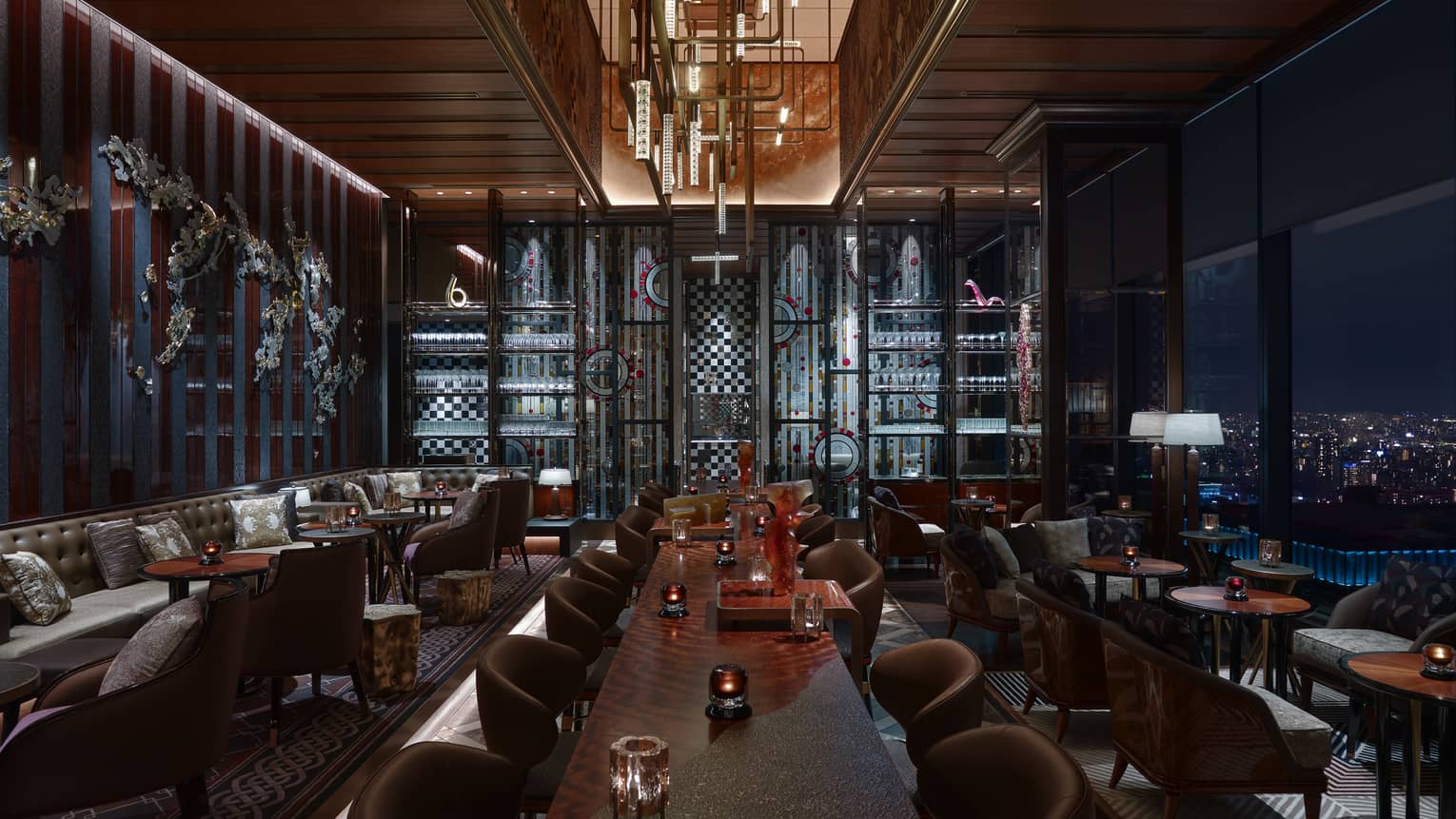
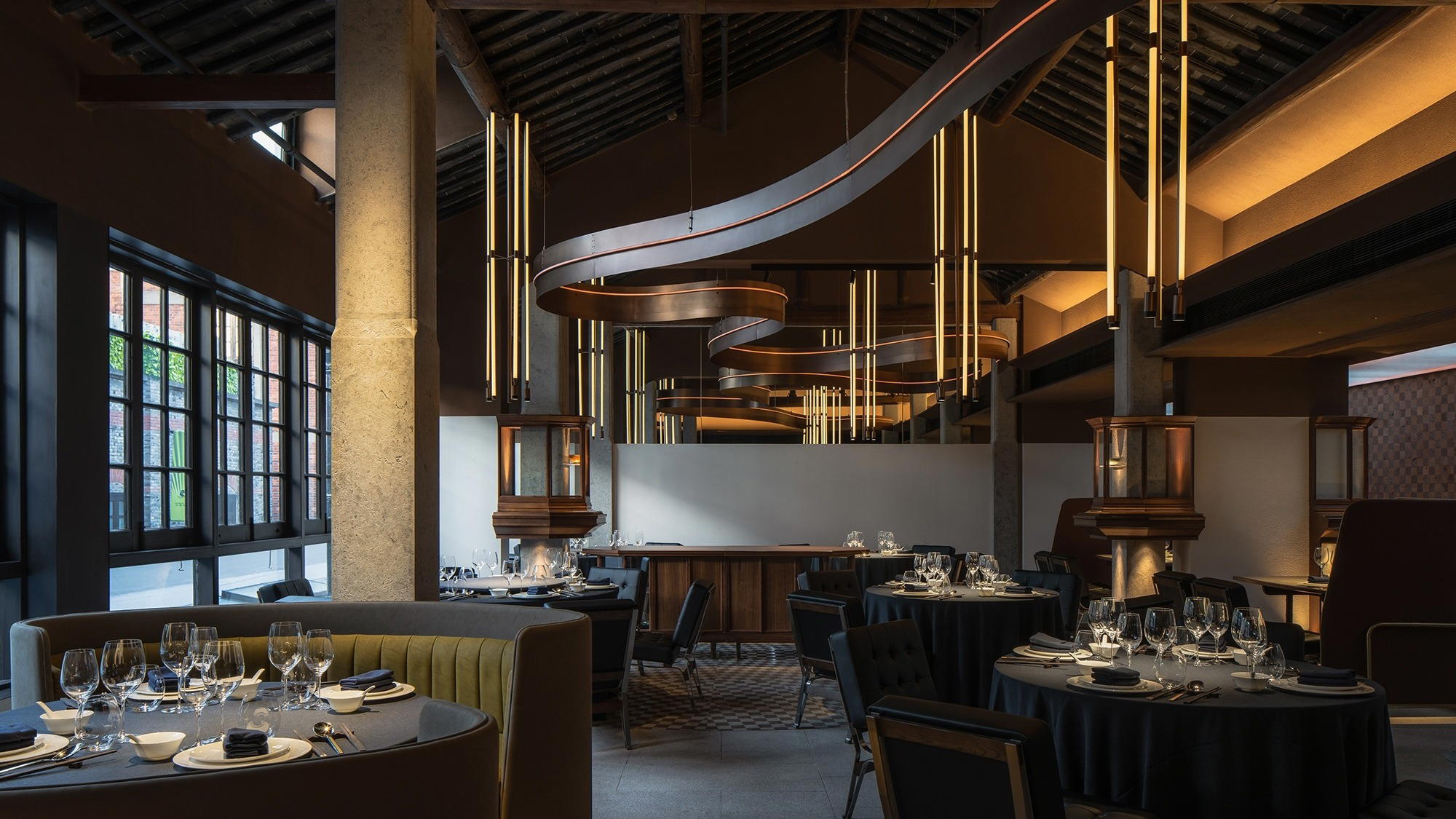
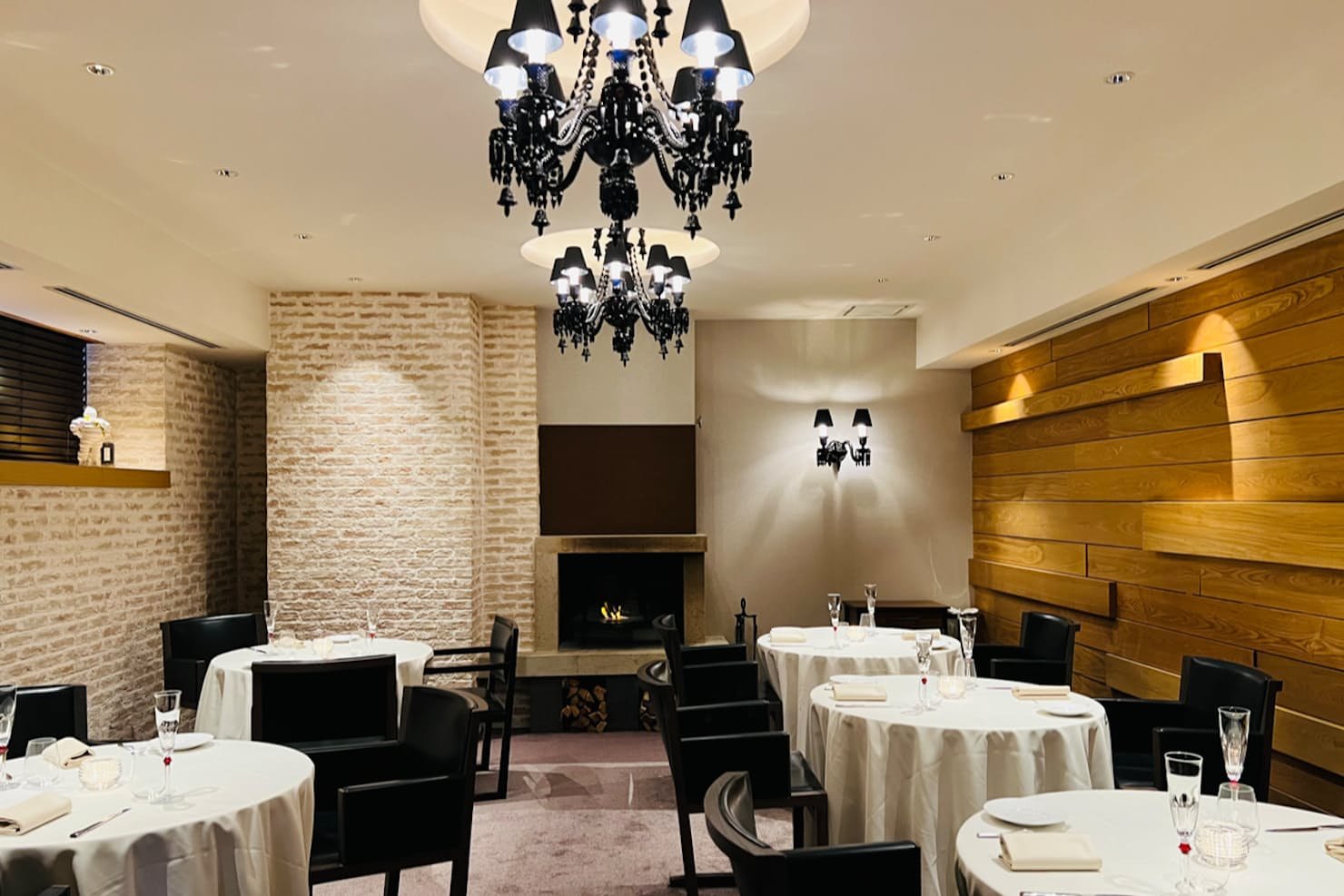
Elegant space illuminated by chandeliers radiating warmth, with a calming and relaxing atmosphere perfect for special occasions.
Tags
Vibe
Best For
At the Table
- Dress Code
- Smart Casual
- Noise Level
- Quiet
- Service Style
- Formal
- Meal Pacing
- Leisurely
- Capacity
- Intimate
Signature Dishes
Ribollita
Know before you go
Know Before You Go
- Getting there
- Japan, 〒150-0012 Tokyo, Shibuya, Hiroo, 5 Chome−19−7 協和ビル 1F
Planning details
Location
Japan, 〒150-0012 Tokyo, Shibuya, Hiroo, 5 Chome−19−7 協和ビル 1F · Directions
Recognition and awards
Also consider
Also Consider
- Harutaka, Sushi, ¥¥¥¥
- RyuGin, Kaiseki, Japanese, ¥¥¥¥
- L'Effervescence, French, ¥¥¥¥
- HOMMAGE, Innovtive French, French, ¥¥¥¥
- Florilège, French, ¥¥¥
Restaurant context
Ponte del Piatto's closest price-equivalent for a seasonal prix fixe in Tokyo is Florilège (French, ¥¥¥, 1 Michelin star). Florilège carries stronger critical credentials and is harder to book, but the formats are broadly comparable. If the seasonal-produce-meets-European-technique structure appeals and you want a Michelin star rather than a Plate, Florilège is the move. Ponte del Piatto wins on accessibility, both in booking ease and in the directness of its neighbourhood setting.
Step up to ¥¥¥¥ and the field shifts considerably. L'Effervescence and HOMMAGE both operate French prix fixe at a higher spend and with Michelin recognition above a Plate. For Japanese fine dining at that tier, RyuGin delivers kaiseki at the top of the format, and Harutaka is the reference point for omakase sushi. None of these are direct substitutes for Ponte del Piatto, the cuisine and price point are different, but if your budget extends to ¥¥¥¥ and you are deciding where to spend one serious dinner in Tokyo, those are the alternatives to weigh.
Within Italian specifically, Aroma Fresca and PRISMA are the higher-spend options with deeper critical records. Book Ponte del Piatto if you want Italian seasonal prix fixe at ¥¥¥ with easy availability and an intimate neighbourhood atmosphere. Book Aroma Fresca or PRISMA if you want the fuller-commitment Italian tasting experience with higher critical credentials and are prepared to spend more.
Explore Tokyo
Around this place
Discover more on Pearl
Unlock the full PONTE DEL PIATTO guide in Pearl, including awards, comparisons, FAQs, planning details, and nearby places.
Compare PONTE DEL PIATTO
| Venue | Cuisine | Price | Booking Difficulty | Awards |
|---|---|---|---|---|
| PONTE DEL PIATTO | Italian | ¥¥¥ | Easy | 2026 Michelin PlateTabelog 100 - Italian - TOKYO - 2025 · #412025 Michelin Plate2024 Michelin Plate |
| Harutaka | Sushi | ¥¥¥¥ | Unknown | 2026 Tabelog Silver · #312026 OAD Top Restaurants in Japan Ranked · #1282026 Michelin 3 Stars2026 La Liste Top RestaurantsTabelog 100 - Sushi - TOKYO - 2025 · #372025 Asia's 50 Best Restaurants · #762025 OAD Top Restaurants in Japan Ranked · #1172025 La Liste Top Restaurants2025 Tabelog Bronze |
| RyuGin | Kaiseki, Japanese | ¥¥¥¥ | Unknown | 2026 OAD Top Restaurants in Japan Ranked · #802026 Tabelog Bronze · #3772026 Michelin 3 Stars2026 La Liste Top RestaurantsTabelog 100 - Japanese cuisine - TOKYO - 2025 · #212025 OAD Top Restaurants in Japan Ranked · #542025 Michelin 3 Stars2025 La Liste Top Restaurants2025 The Best Chef Three Knives |
| L'Effervescence | French | ¥¥¥¥ | Unknown | 2026 Tabelog Silver · #682026 OAD Top Restaurants in Japan Ranked · #103Star Wine Lists 20262026 Black Pearl 2 Diamond2026 Relais Chateaux Restaurants2026 La Liste Top Restaurants2026 Michelin 3 Stars2025 Asia's 50 Best Restaurants · #692025 OAD Top Restaurants in Japan Ranked · #92 |
| HOMMAGE | Innovtive French, French | ¥¥¥¥ | Unknown | 2026 Tabelog Bronze · #1232026 OAD Top Restaurants in Japan Highly Recommended2026 Michelin 2 StarsTabelog 100 - French - TOKYO - 2025 · #762025 Asia's 50 Best Restaurants · #782025 OAD Top Restaurants in Japan Ranked · #1752025 Michelin 2 Stars2025 The Best Chef One Knife2025 La Liste Top Restaurants |
| Florilège | French | ¥¥¥ | Unknown | 2026 Asia's 50 Best Restaurants · #312026 Tabelog Bronze · #712026 OAD Top Restaurants in Japan Ranked · #1242026 Black Pearl 1 Diamond2026 Michelin 2 Stars2026 La Liste Top Restaurants2025 Asia's 50 Best Restaurants · #172025 World's 50 Best Restaurants · #36Tabelog 100 - French - TOKYO - 2025 · #68 |












Side-by-side comparison to help you decide where to book.
FAQ
Frequently Asked Questions
What are alternatives to PONTE DEL PIATTO in Tokyo?
Aroma Fresca and PRISMA are the most direct comparisons, both operating at higher price points with stronger critical recognition if you want more ambitious Italian cooking in Tokyo. At ¥¥¥, Ponte del Piatto sits in a more accessible bracket — useful if you want a structured Italian experience without committing to ¥¥¥¥ territory. HOMMAGE offers French rather than Italian, but hits a similar seasonal-ingredients-meets-European-technique brief for a comparable spend.
Is the tasting menu worth it at PONTE DEL PIATTO?
At ¥¥¥, the prix fixe format is sensible value for a Michelin Plate-recognised kitchen in Tokyo's Hiroo neighbourhood. The menu's premise — Italian cooking methods applied to Japanese seasonal produce — gives it a clear identity that separates it from generic Italian. If you want à la carte flexibility, this is not the right room; the format is prix fixe only, so commit to that before you book.
What should I wear to PONTE DEL PIATTO?
The venue data doesn't specify a dress code, but a Michelin Plate Italian restaurant in Hiroo at ¥¥¥ pricing sits in territory where neat, considered dress is appropriate — think business casual rather than formal. Overly casual attire would feel out of step with the setting and price point.
How far ahead should I book PONTE DEL PIATTO?
Booking difficulty is rated Easy relative to Tokyo's fine dining market, which is a genuine advantage — many ¥¥¥¥ restaurants in the city require weeks of lead time. That said, easy does not mean walk-in; contact the restaurant in advance, particularly for weekend sittings or special occasions. A week's notice should be sufficient in most cases.
Is PONTE DEL PIATTO good for a special occasion?
Yes, with a caveat: the prix fixe format, Michelin Plate recognition, and the chef's explicit focus on building connection through food make it a considered choice for a dinner that needs to feel purposeful rather than just functional. It works better for two than for a large group, and the Hiroo location adds to the sense of occasion without the theatre of a marquee address.