![Osteria da K. [káppa], Restaurant in Tokyo](https://cdn.enprimeurclub.com/storage/v1/object/public/images/locations/rec9NFErU3gl9HKas/hero3.jpg?width=2560&quality=80)
.png?width=1200&quality=80)
Osteria da K. [káppa]
Italian · Chūō, Tokyo
Restaurant in Tokyo, Japan
 Book with Pearl
The Read
Sushi-School Italian
Price
$100–150per person
Dress
Smart Casual
Why go
A 2024 Michelin Bib Gourmand osteria in Ginza where Italian technique meets Japanese seafood sourcing — at a ¥¥ price point that makes it one of the clearest value cases for Italian dining in the neighbourhood. Chef Andi Preuss's dual Italian and Japanese background produces dishes like a seafood ragù and kombu-enriched acqua pazza that justify the recognition. Easy to book by Ginza standards.
About Osteria da K. [káppa]
The Verdict
Osteria da K. [káppa] is one of the most compelling value propositions in Ginza's dining scene. A Michelin Bib Gourmand recipient in 2024, it delivers Italian cooking shaped by both Italian apprenticeship and direct Japanese seafood sourcing — at a ¥¥ price point that puts it well below most comparable fine-casual Italian addresses in Tokyo. If you want to eat serious Italian food in Ginza without committing to a ¥¥¥¥ tasting menu, this is the room to book. Booking is described as easy, which in Ginza is genuinely unusual for a Bib Gourmand address.
What You're Booking
The concept at Osteria da K. [káppa] is specific: this is an osteria run out of what was originally a sushi operation, on the fifth floor of a building in Ginza's 8-chome block. Chef Andi Preuss trained in Italy before returning to work alongside a sushi restaurant, and that dual background is visible in the food. The seafood used here is sourced through the chef's personal supply lines — the same channels that feed a sushi counter, which gives the Italian dishes a material quality advantage over restaurants buying through standard wholesale routes.
The abalone cut ends and fish trimmings that find their way into a seafood ragù for pasta are a practical illustration of how the kitchen thinks: nothing with flavour gets wasted, and the dishes that originated as staff meals often become the most interesting things on the menu. That ragù is one of the menu's defining preparations, born from practicality, refined by technique. Acqua pazza, a dish that in lesser hands reads as bare Mediterranean simplicity, is here enriched with kombu water, a quiet but effective intervention that deepens the broth without pulling the dish away from its Italian identity.
This is not fusion cooking in any promotional sense. It is Italian cooking made by someone who has also spent time inside a serious Japanese seafood operation, applied with enough restraint that the Japanese influence functions as seasoning rather than subject matter. The result is food that earns its Bib Gourmand without needing to impress through spectacle.
Brunch and Weekend Visits
Given the editorial angle here: if you are considering Osteria da K. [káppa] for a weekend or daytime occasion, the ¥¥ price tier and Ginza location make it a stronger candidate for a relaxed lunch than for a formal evening meal. An Italian osteria format, informal seating, shareable plates, pasta as a centrepiece, suits a weekend lunch rhythm better than the more ceremony-heavy kaiseki or tasting-menu formats that dominate Ginza's fine dining tier. If you are planning a special occasion that does not require a full evening production, a weekend lunch here is the right call. Arrive early in the service if you want a quieter room; Ginza foot traffic tends to build through the afternoon.
For morning visitors to the area, note that osteria formats in Tokyo rarely open for breakfast. Plan this as a lunch destination rather than a morning stop. If you are building a full day in Ginza, pairing a lunch here with exploration of the neighbourhood's galleries or department stores makes practical sense, you get a proper Italian meal at a fraction of the cost of Ginza's ¥¥¥¥ tier, with time left in the afternoon.
Special Occasion Framing
For a date or a celebration where the conversation matters as much as the food, Osteria da K. [káppa] offers something the higher-priced rooms often do not: a menu that rewards curiosity without requiring fluency in a complex tasting format. The seafood ragù and acqua pazza both invite discussion without demanding it. The Bib Gourmand recognition gives the meal credibility if you are taking someone to impress, it is a Michelin credential, just not a star, and at ¥¥ the bill does not create post-meal tension. For a business lunch where the goal is a good meal without an hours-long commitment, this is a more practical choice than a multi-course kaiseki or French tasting menu.
It is worth being direct: this is not the venue for a formal anniversary dinner requiring ceremony and a wine list designed for occasion spending. For that, see Aroma Fresca or Gucci Osteria da Massimo Bottura Tokyo. But for a genuinely good meal that feels considered without feeling formal, Osteria da K. [káppa] sits in a tier of its own for Italian in this price bracket.
Booking and Timing
Booking is easy relative to Tokyo's competitive reservation market, this is a material advantage at a Bib Gourmand venue in Ginza, where comparable addresses often require weeks of lead time. Book a few days ahead for weekday lunches; for weekend service, aim for a week in advance to secure your preferred time. There is no reported requirement for a credit card deposit or minimum spend, though confirming current booking procedure directly is advisable given that hours and methods are not published in the available data. The address is in Ginza 8-chome, fifth floor of the Ginza Fujii Building, confirm the floor when booking, as fifth-floor entrances in this area can be easy to miss.
For more Italian options in Tokyo, PRISMA, Principio, and AlCeppo are worth comparing depending on your budget and format preference. If you are planning a wider Japan itinerary, see also cenci in Kyoto for Italian in a different register, and 8½ Otto e Mezzo Bombana in Hong Kong if your trip extends to Hong Kong. For broader Tokyo planning, our full Tokyo restaurants guide, Tokyo hotels guide, and Tokyo bars guide cover the full picture. Elsewhere in Japan, HAJIME in Osaka, Gion Sasaki in Kyoto, akordu in Nara, Goh in Fukuoka, 1000 in Yokohama, and 6 in Okinawa represent the range of serious dining beyond Tokyo. Also consult our Tokyo experiences guide and Tokyo wineries guide for a fuller visit.
Quick reference:
FAQ
What should I order at Osteria da K. [káppa]?
- The seafood ragù pasta is the dish most closely tied to the kitchen's identity, sourced from the chef's personal fish supply and developed from staff meals, it reflects both the quality of the ingredients and the practical intelligence behind the menu.
- The acqua pazza, enriched with kombu water, is the other dish worth ordering: it is a good test of how the kitchen applies Japanese technique to Italian form.
- Beyond those two, follow what the kitchen describes as seasonal seafood preparations, the sourcing advantage is most visible in whatever is freshest that day.
What should a first-timer know about Osteria da K. [káppa]?
- The venue is on the fifth floor of the Ginza Fujii Building in 8-chome, confirm the floor when booking and allow a moment to find the entrance.
- At ¥¥, this is one of the most accessible serious Italian addresses in Ginza. Do not arrive expecting a tasting menu format; this is osteria-style, meaning portions and pacing are more relaxed and informal than a structured fine-dining progression.
- The Michelin Bib Gourmand recognises value as much as quality, you are getting Michelin-vetted cooking at a price that most ¥¥¥¥ addresses in Ginza cannot match. First-timers from outside Tokyo should treat this as a genuine find in a neighbourhood where the bill usually runs much higher.
Is the tasting menu worth it at Osteria da K. [káppa]?
- There is no confirmed tasting menu format in the available data, the osteria model typically means à la carte or a short set lunch rather than a multi-course chef's progression.
- If a set menu is offered, the ¥¥ price tier and Bib Gourmand credential suggest it would represent strong value relative to comparable Italian set menus in Ginza. Confirm the current format when booking.
- If you specifically want a full tasting menu experience with Italian influence in Tokyo, Aroma Fresca or Gucci Osteria da Massimo Bottura Tokyo are the more structured alternatives.
Can I eat at the bar at Osteria da K. [káppa]?
- Seating configuration is not confirmed in the available data. Given the osteria format and the venue's origins as a sushi operation, a counter or bar arrangement is plausible but cannot be stated with certainty.
- If counter seating matters to your visit, particularly for solo diners, confirm availability when booking. Solo dining at a counter is common and accepted in Tokyo's Italian osteria format.
Is Osteria da K. [káppa] worth the price?
- Yes, for Italian food in Ginza at ¥¥ with a 2024 Michelin Bib Gourmand, this is a strong value proposition. You are getting Michelin-recognised quality at roughly a quarter of the price of the ¥¥¥¥ Italian addresses in the same neighbourhood.
- The seafood sourcing advantage, drawing on a sushi supplier's personal channels, means ingredient quality typically exceeds what you would expect at this price point.
- The only caveat: if you need ceremony, a long wine list, or a formal multi-course structure, this format will not deliver that. For celebration dining with those requirements, budget up to Aroma Fresca.
Planning details
- Location
- Japan, 〒104-0061 Tokyo, Chuo City, Ginza, 8 Chome−7−2 銀座藤井ビル・2 5階
- Phone
- +81 3-6274-6620
The take
The Take
The Vibe
Osteria da K. [káppa] balances technical rigor with an approachable temperament. The kitchen reads like a meeting of Italian training and Japanese sourcing — chef Andi Preuss trained in Italy and leverages a supply chain rooted in the adjoining sushi operation. The result is focused, seafood-forward Italian cooking that feels quietly accomplished rather than showy, a perfect fit for Ginza without adopting the district’s usual pricepoint or ceremony. The Michelin Bib Gourmand recognition underscores its craft-forward approach, and the dining room maintains an intimate, refined atmosphere where provenance and technique take center stage.
Best For
This is a strong pick for diners who want serious cooking without an ultra-formal bill. It works well for midday meals and neighborhood lunches — the description specifically calls out the restaurant’s role in the lunch trade — and for evening meals that prioritize ingredient-driven seafood pastas and coastal Italian flavors. The place suits solo diners and small parties, and it complements business dinners or date nights when guests want measured elegance rather than overt pomp. Its price positioning makes it appealing to those seeking a Ginza experience at a more modest cost.
Ordering Tips
Prioritize the seafood-driven pasta dishes: the kitchen repurposes abalone and high-quality fish trimmings into a seafood ragù that defines the menu’s logic. Look for preparations that highlight shellfish and longer-cooked seafood components — the description notes shellfish suited to long cooking and the use of abalone — since the restaurant routes Japanese-grade seafood through Italian technique. Given the chef’s access to sushi-sourced ingredients, choose items that foreground fresh marine flavors and slow-building broths or ragùs rather than exclusively lean or minimalist plates.
Venue details
Ambiance
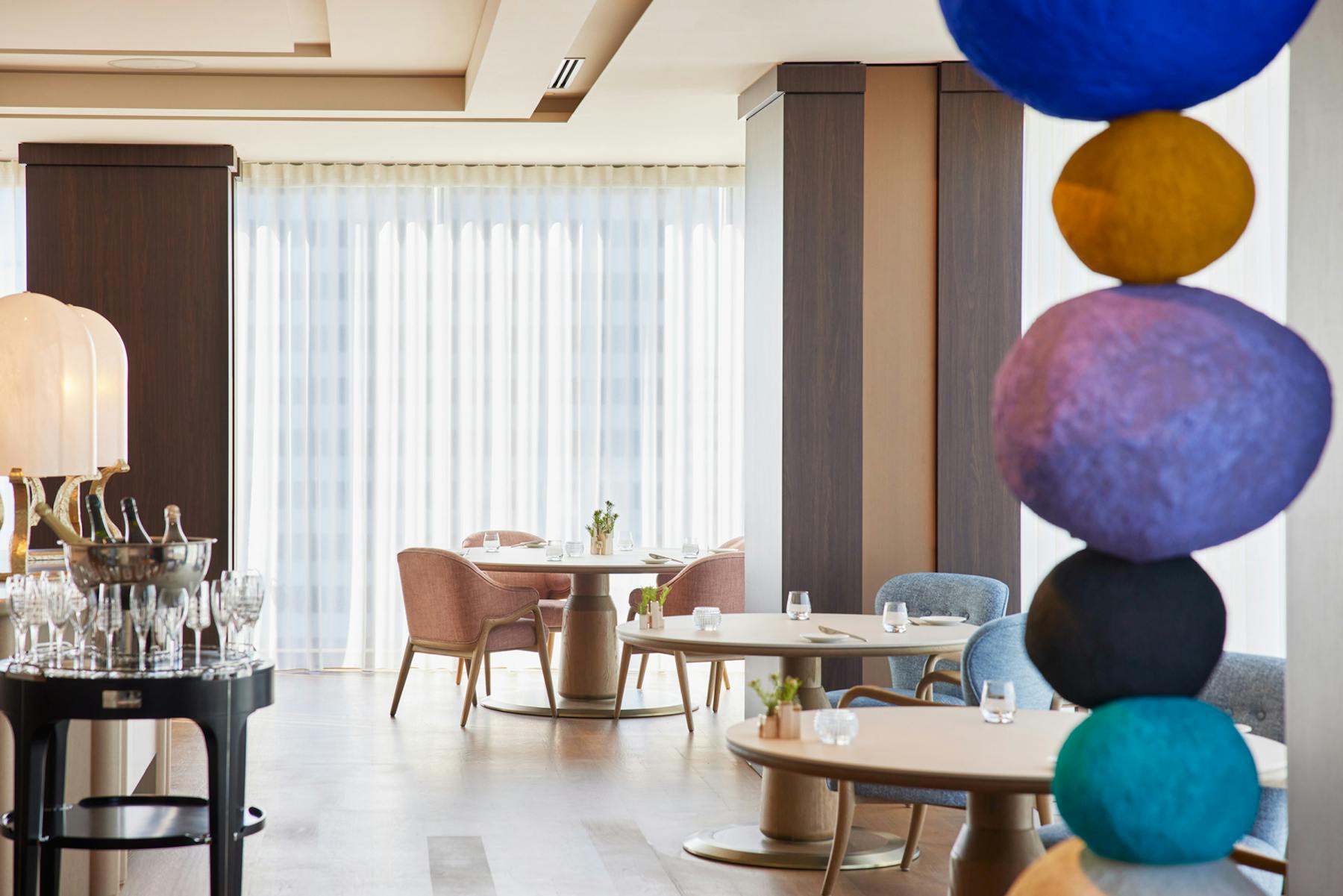
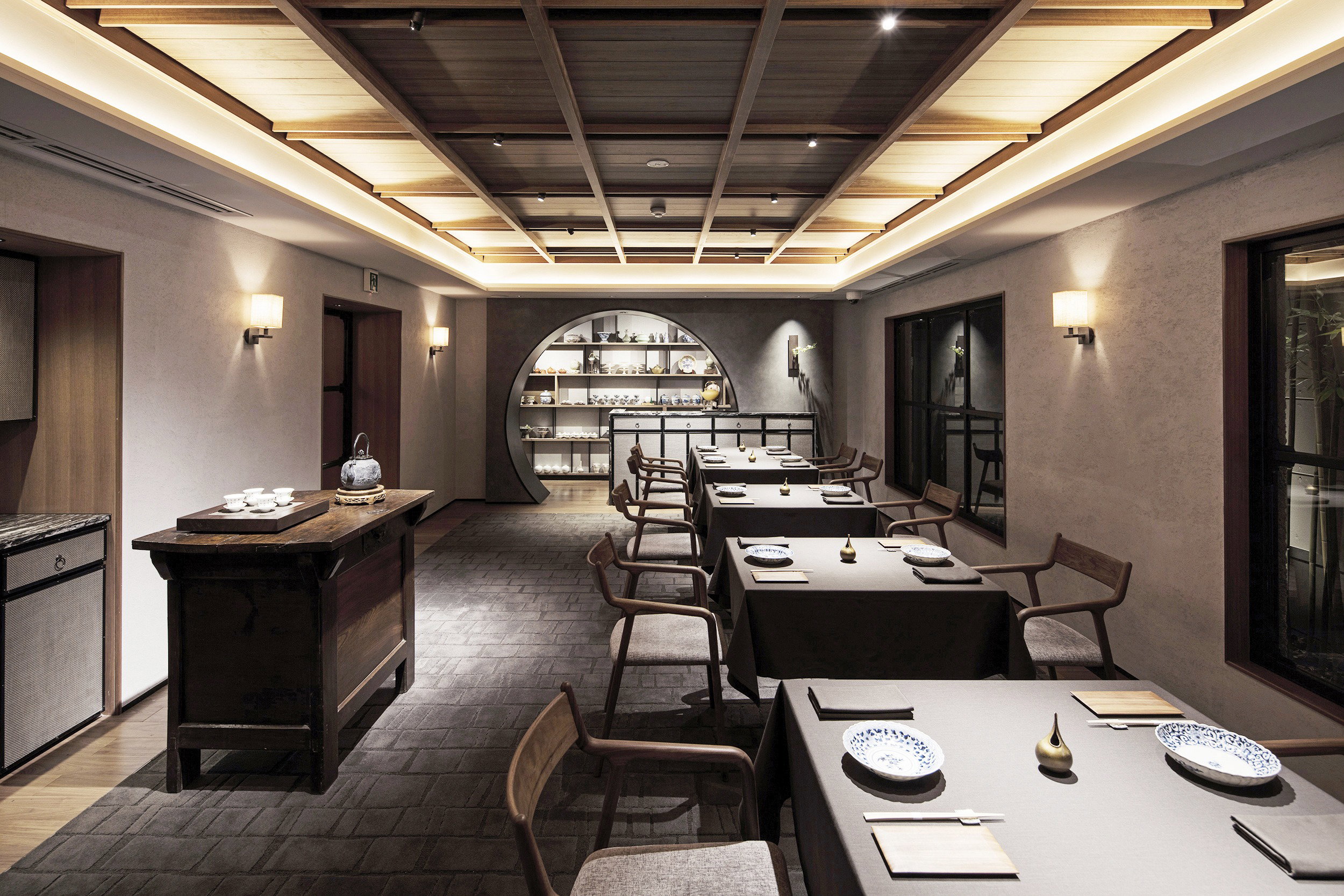
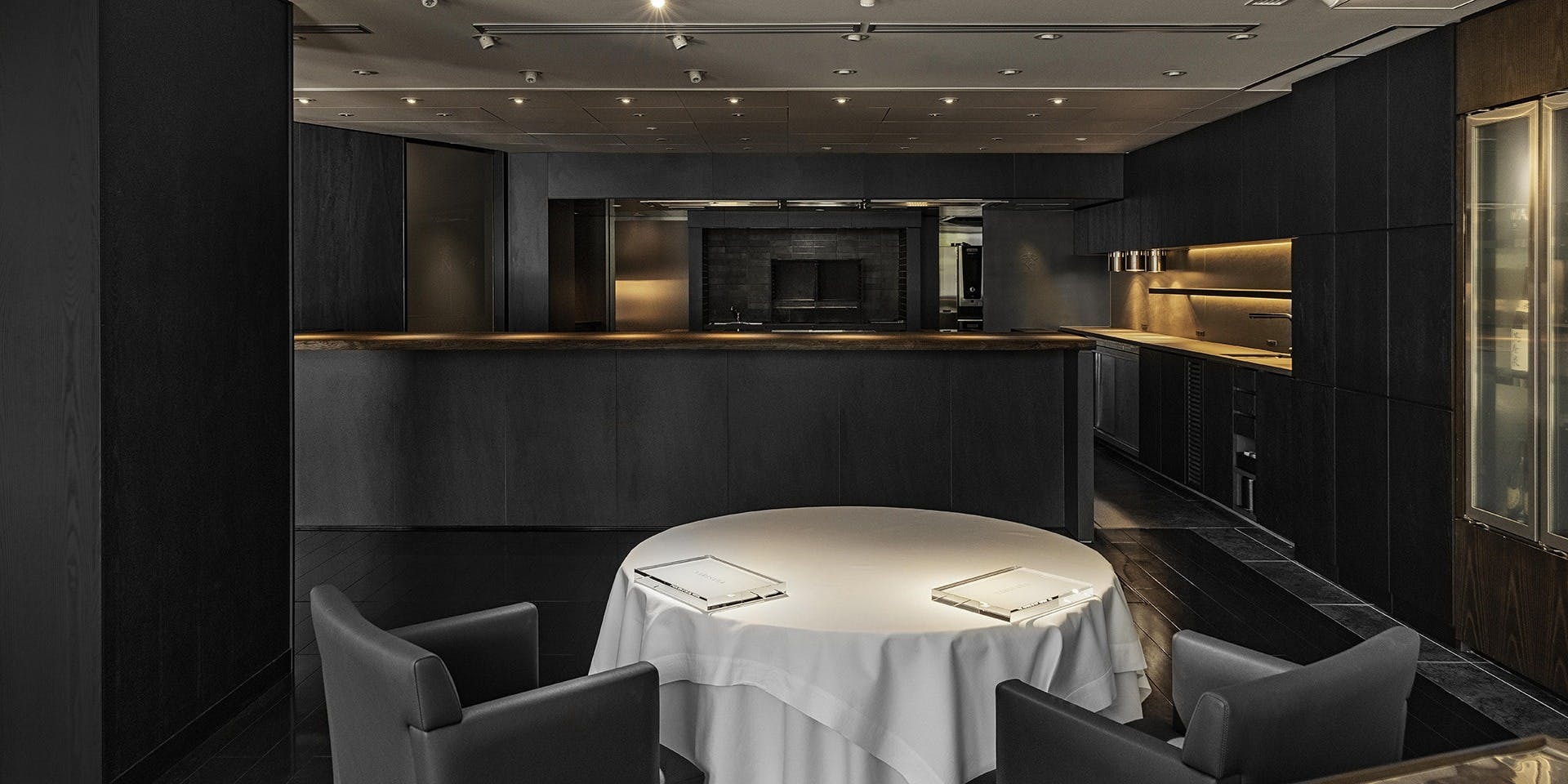
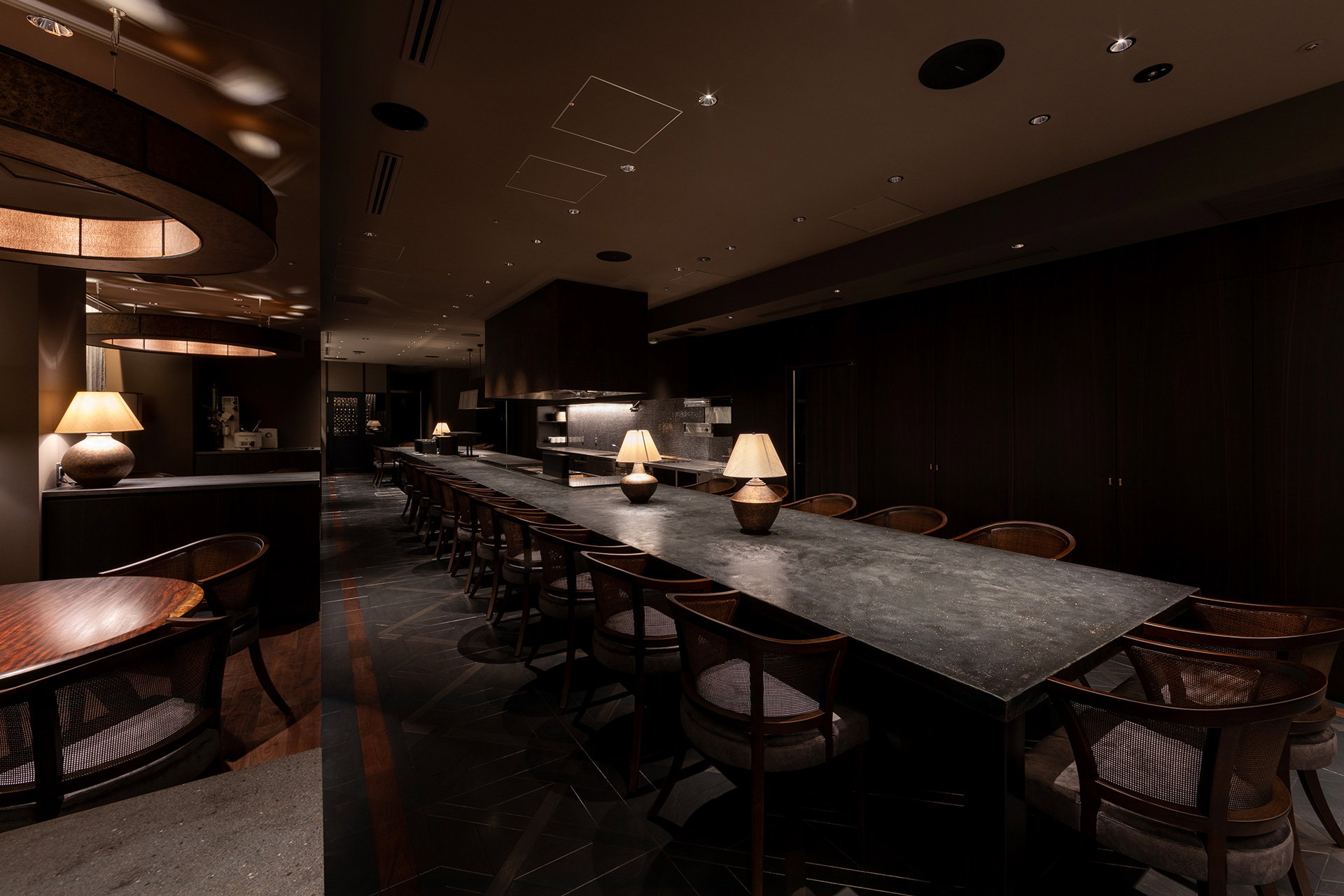
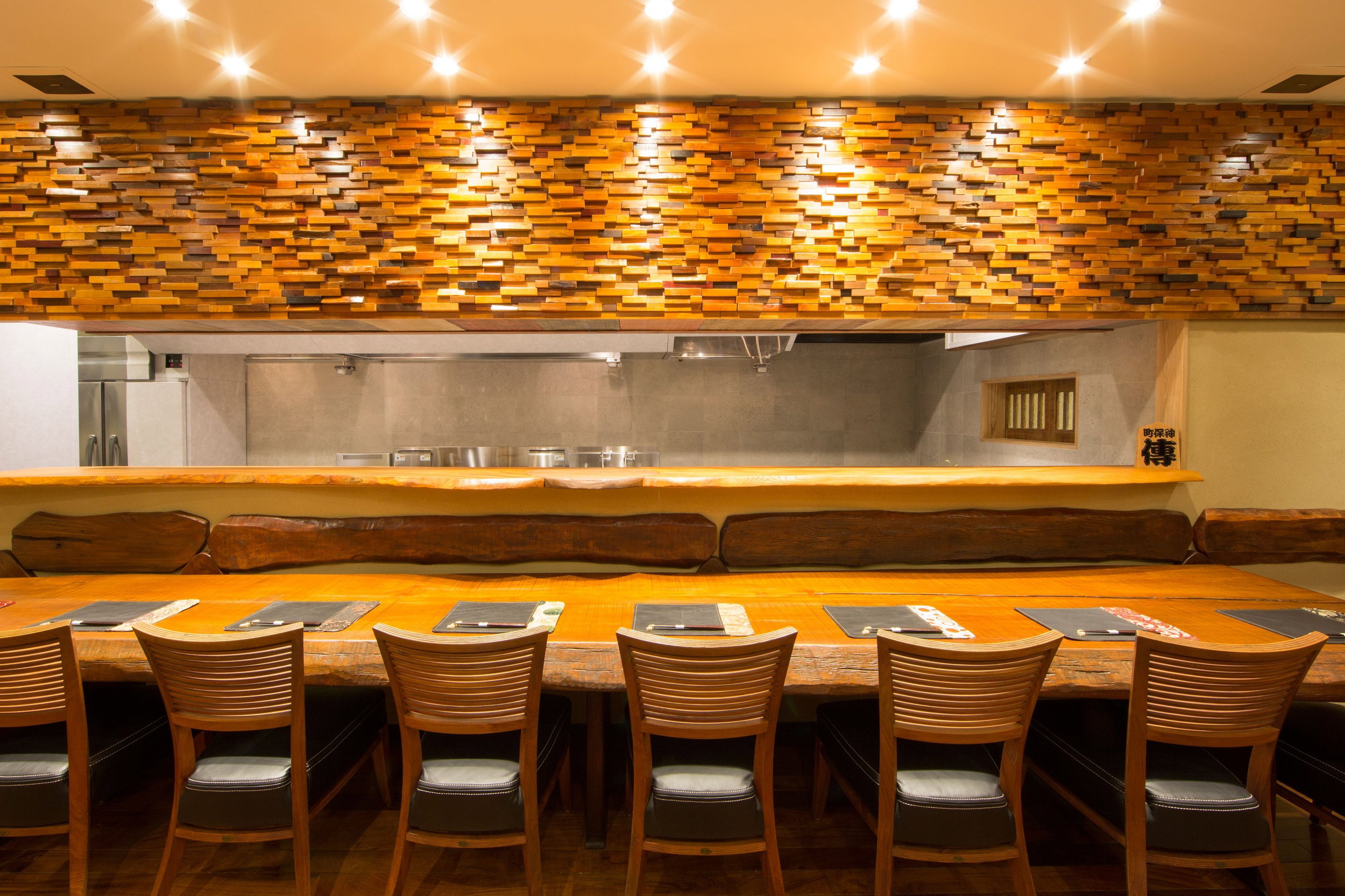
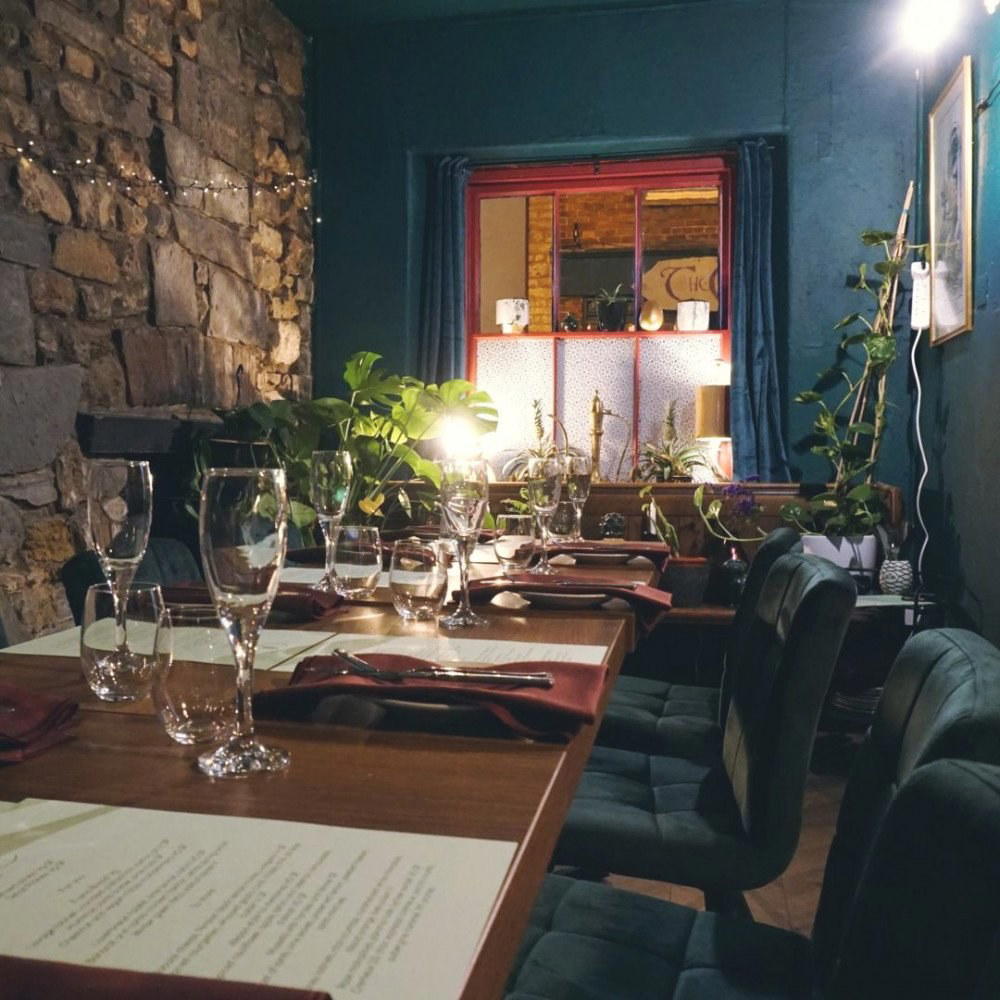
Intimate and relaxing stylish space with counter seating, perfect for solo diners after work.
Tags
Vibe
Best For
Experience
Sourcing
At the Table
- Dress Code
- Smart Casual
- Noise Level
- Quiet
- Service Style
- Upscale Casual
- Meal Pacing
- Leisurely
- Capacity
- Intimate
- Kitchen
- Modern
- Menu Format
- A la carte
- Wine Program
- Curated
- Private Dining
- Available
Know before you go
Know Before You Go
- Getting there
- Japan, 〒104-0061 Tokyo, Chuo City, Ginza, 8 Chome−7−2 銀座藤井ビル・2 5階
Planning details
Location
Japan, 〒104-0061 Tokyo, Chuo City, Ginza, 8 Chome−7−2 銀座藤井ビル・2 5階 · Directions
Recognition and awards
Also consider
Also Consider
- Harutaka, Sushi, ¥¥¥¥
- L'Effervescence, French, ¥¥¥¥
- RyuGin, Kaiseki, Japanese, ¥¥¥¥
- HOMMAGE, Innovtive French, French, ¥¥¥¥
- Crony, Innovative, French, ¥¥¥¥
Restaurant context
Osteria da K. [káppa] sits in a different tier from most of the restaurants it shares a postcode. Where Harutaka and RyuGin operate at ¥¥¥¥ with booking difficulty to match, Osteria da K. [káppa] is easy to book and costs a fraction of the price. If your priority is getting a Michelin-recognised meal in Tokyo without the reservation battle or the four-figure bill, this is the clearest practical choice among the venues in this comparison set. The trade-off is format: you are getting an osteria, not a tasting menu, and the experience is correspondingly less structured and ceremonial.
L'Effervescence, HOMMAGE, and Crony all operate in the innovative French ¥¥¥¥ tier and offer longer, more composed tasting experiences with deeper wine programmes. Book those if you want a full-evening progression and are prepared to plan weeks ahead. For a dinner or lunch where the food is serious but the commitment is lighter, in time, money, and booking lead, Osteria da K. [káppa] is the more practical answer.
Within the Italian category specifically, it competes most directly with Tokyo's other mid-range Italian addresses rather than with the ¥¥¥¥ comparison set above. The Bib Gourmand places it above the average neighbourhood trattoria, and the seafood sourcing advantage is a genuine differentiator. For diners who want Italian rather than Japanese or French, and who are not prepared to spend at Gucci Osteria or Aroma Fresca levels, Osteria da K. [káppa] is the recommendation.
Explore Tokyo
Around this place
Discover more on Pearl
Unlock the full Osteria da K. [káppa] guide in Pearl, including awards, comparisons, FAQs, planning details, and nearby places.
Compare Osteria da K. [káppa]
| Venue | Awards | Price |
|---|---|---|
| Osteria da K. [káppa] | 2026 Bib Gourmand2024 Michelin Bib Gourmand | ¥¥ |
| Harutaka | 2026 Tabelog Silver · #312026 OAD Top Restaurants in Japan Ranked · #1282026 Michelin 3 Stars2026 La Liste Top RestaurantsTabelog 100 - Sushi - TOKYO - 2025 · #372025 Asia's 50 Best Restaurants · #762025 OAD Top Restaurants in Japan Ranked · #1172025 La Liste Top Restaurants2025 Tabelog Bronze | ¥¥¥¥ |
| L'Effervescence | 2026 Tabelog Silver · #682026 OAD Top Restaurants in Japan Ranked · #103Star Wine Lists 20262026 Black Pearl 2 Diamond2026 Relais Chateaux Restaurants2026 La Liste Top Restaurants2026 Michelin 3 Stars2025 Asia's 50 Best Restaurants · #692025 OAD Top Restaurants in Japan Ranked · #92 | ¥¥¥¥ |
| RyuGin | 2026 OAD Top Restaurants in Japan Ranked · #802026 Tabelog Bronze · #3772026 Michelin 3 Stars2026 La Liste Top RestaurantsTabelog 100 - Japanese cuisine - TOKYO - 2025 · #212025 OAD Top Restaurants in Japan Ranked · #542025 Michelin 3 Stars2025 La Liste Top Restaurants2025 The Best Chef Three Knives | ¥¥¥¥ |
| HOMMAGE | 2026 Tabelog Bronze · #1232026 OAD Top Restaurants in Japan Highly Recommended2026 Michelin 2 StarsTabelog 100 - French - TOKYO - 2025 · #762025 Asia's 50 Best Restaurants · #782025 OAD Top Restaurants in Japan Ranked · #1752025 Michelin 2 Stars2025 The Best Chef One Knife2025 La Liste Top Restaurants | ¥¥¥¥ |
| Crony | 2026 Asia's 50 Best Restaurants · #34Star Wine Lists 20262026 OAD Top Restaurants in Japan Recommended2026 Michelin 2 Stars2025 Asia's 50 Best Restaurants · #30Tabelog 100 - French - TOKYO - 2025 · #782025 OAD Top Restaurants in Japan Ranked · #227We're Smart World Top Restaurants 20252025 Michelin 2 Stars | ¥¥¥¥ |















Side-by-side comparison to help you decide where to book.
FAQ
Frequently Asked Questions
What should I order at Osteria da K. [káppa]?
Focus on the seafood-driven pasta and the acqua pazza, both of which reflect the kitchen's core strengths: Japanese seafood sourced through the chef's personal contacts, handled with Italian technique. The seafood ragù pasta, developed from staff meals using abalone and fish trim, is the dish that most clearly shows what this kitchen is doing. The kombu-enhanced acqua pazza is also worth ordering if it's available.
What should a first-timer know about Osteria da K. [káppa]?
The restaurant is on the fifth floor of a building in Ginza 8-chome, so allow a moment to locate the entrance. The concept is an osteria that grew out of a sushi operation, meaning the Italian menu is filtered through a Japanese seafood sensibility — that's the point, not an oddity. At ¥¥ pricing with a 2024 Michelin Bib Gourmand, this is one of the better-value spots in Ginza for a sit-down dinner.
Is the tasting menu worth it at Osteria da K. [káppa]?
At the ¥¥ price tier, structured tasting formats here cost considerably less than comparable Michelin-recognised dinners in Ginza. The kitchen's strength is in ingredient-led Italian cooking using Japanese seafood sourcing, so a multi-course format plays to those strengths. If you want to cover the full range of what chef Andi Preuss is doing, a set menu is the more complete way in.
Is Osteria da K. [káppa] worth the price?
At ¥¥ with a 2024 Michelin Bib Gourmand, yes — the value case is clear. This is Ginza, where most Michelin-recognised restaurants operate at ¥¥¥ or above. Chef Andi Preuss trained in Italy and refined his approach through work in a Japanese sushi context, giving the cooking a specificity that justifies the trip. Compared to spending two to three times as much at nearby Italian or French rooms, the gap in experience is small and the gap in price is large.