.png?width=1200&quality=80)
Oryori Kokoroba
Japanese · Chūō, Tokyo
Restaurant in Tokyo, Japan
 Book with Pearl
The Read
Seasonal Kappo Sincerity
Price
¥¥¥
Dress
Smart Casual
Why go
A Michelin Plate Japanese restaurant in Nihonbashiningyocho, Oryori Kokoroba delivers market-driven seasonal cooking at ¥¥¥, one price tier below Tokyo's starred kaiseki circuit. The chef's oyakodon and hassun courses are the reasons to return. Booking is easy, the is consistent, and the value case against comparable Tokyo restaurants is clear.
About Oryori Kokoroba
Who Should Book Oryori Kokoroba
If you have already eaten at a mid-range kaiseki spot in Tokyo and want to understand what separates a chef-driven neighbourhood restaurant from the glossier, more expensive options downtown, Oryori Kokoroba in Nihonbashiningyocho is worth your attention. This is not the right choice for a first-night-in-Tokyo splurge or a group celebration requiring a private room. It is the right choice for a returning visitor who wants to eat somewhere that feels personal, seasonal, and genuinely considered, at a price point one tier below the ¥¥¥¥ establishments that dominate Tokyo's kaiseki reputation.
The Venue
Oryori Kokoroba sits on the third floor of KYOE PLAZA in Nihonbashiningyocho, a neighbourhood in Chuo City that sits quietly between the commercial energy of Nihonbashi and the older residential character of Ningyocho itself. The address is not one Tokyo's restaurant circuit talks about the way it talks about Ginza or Azabu, which is part of the point. A Michelin Plate in both 2024 and 2025 signals a kitchen that meets a documented standard of quality without carrying the booking pressure or the price premium of a starred venue.
The name itself is a statement of intent: it incorporates a character from the chef's own name and, in the chef's words, expresses sincere devotion to gastronomy. That sincerity is most visible in the hassun appetiser course, where the selection changes to reflect the precise moment of the season. This is not a menu that rotates quarterly on a schedule. The chef goes to the market, selects what is genuinely at its peak, and builds the course from there. For a regular returning after a first visit, the hassun is the first thing to pay attention to, because it will almost certainly be different.
The dish that appears most consistently in accounts of the kitchen is the oyakodon: chicken and egg on rice, cooked with freshly prepared rice. The chef has made this dish continuously since his apprenticeship, and it functions as a kind of through-line in the menu, connecting the seasonal, improvisational side of the cooking to a more disciplined, repetitive craft. That combination, precise technical work applied to familiar Japanese comfort food, is what earns the Michelin Plate recognition and what distinguishes Kokoroba from restaurants that chase novelty at the expense of consistency.
Drinks at Oryori Kokoroba
Specific drinks program details are not confirmed in available data so claims about individual bottles, sake selections, or cocktail menus would be speculation. What the price point and cuisine style suggest is that the drinks list is calibrated to support the food, as is standard in this category of Tokyo Japanese restaurant. Venues at ¥¥¥ in this style typically offer a curated sake selection and Japanese whisky by the glass rather than a deep cocktail program. If a serious drinks pairing is your primary interest, our full Tokyo bars guide will be more useful than this venue. If you want well-chosen drinks that complement seasonal kaiseki-adjacent cooking without the complexity or expense of a dedicated pairing menu, Kokoroba's positioning suggests it will serve that function adequately. Confirm specifics directly when booking.
How It Compares
If your priority is spending less while still eating food that has been evaluated by Michelin inspectors, this is one of the more logical choices in the city. Myojaku and Ginza Fukuju are worth considering alongside it if you want to compare neighbourhood Japanese restaurants at a similar price tier before committing.
For those planning a broader Japan itinerary, the same attentiveness to seasonal market-driven cooking appears at a different scale in Gion Sasaki in Kyoto and Isshisoden Nakamura in Kyoto. In Osaka, Kashiwaya Osaka Senriyama and HAJIME represent higher-end reference points. Closer in spirit and geography, Jingumae Higuchi is another Tokyo option worth cross-referencing if you are building a shortlist of chef-driven Japanese cooking at this price level.
Practical Details
| Detail | Oryori Kokoroba | Kagurazaka Ishikawa | Myojaku |
|---|---|---|---|
| Price range | ¥¥¥ | ¥¥¥¥ | ¥¥¥ |
| Michelin recognition | Plate (2024, 2025) | Starred | Check Pearl |
| Booking difficulty | Easy | Hard | Moderate |
| Not listed | Not listed | ||
| Location | Nihonbashiningyocho | Kagurazaka | Tokyo |
| Cuisine | Japanese | Japanese | Japanese |
Booking is described as easy, which is one of Kokoroba's practical advantages over more decorated competitors. No phone or website is confirmed in available data, so contact details should be through the restaurant directly or via a concierge. The third-floor location in a commercial building means the entrance is not obvious from street level: confirm the floor and building before arriving. For context on the neighbourhood and how to plan your time around it, our full Tokyo restaurants guide covers a wider set of options across all areas of the city.
The Verdict
Book Oryori Kokoroba if you are returning to Tokyo and want to eat Japanese cooking that is seasonal, personally driven, and priced below the top tier. The oyakodon alone is reason enough to return if you visited once and did not order it. This is not a venue for large groups or grand occasions, but for two people who want to eat well in a part of Tokyo that most visitors overlook, it is a sound choice. Also see akordu in Nara, Goh in Fukuoka, and 1000 in Yokohama if you are planning regional travel beyond Tokyo. For something off the main circuit in Japan's southwest, 6 in Okinawa is worth a look. Full guides for hotels, bars, wineries, and experiences in Tokyo are available on Pearl.
Planning details
- Location
- Japan, 〒103-0013 Tokyo, Chuo City, Nihonbashiningyocho, 2 Chome−10−11 KYOE PLAZA 3階
- Website
- kokoroba2022.com
- Phone
- +81 80-4320-3002
The take
The Take
The Vibe
Oryori Kokoroba settles into the quieter side of Tokyo’s kappo and kaiseki world, trading headline-seeking flash for steady neighbourhood devotion. Perched on the third floor of KYOE PLAZA in Nihonbashiningyocho, the dining room feels intentionally restrained: measured courses, attentive execution and a clientele that returns on loyalty rather than hype. The kitchen’s Michelin Plate nods to reliable technique rather than spectacle, and the meal unfolds with a classical logic that privileges seasonal ingredients and pacing. Expect a composed, sophisticated atmosphere that favors listening to the plates as much as the conversation.
Best For
This is a restaurant built for considered dinners—date nights and special evenings when the rhythm of a multi-course kappo progression is the point. The ¥¥¥ price tier and plated, sequential structure attract local regulars and informed visitors who appreciate seasonal detail and restraint. Solo diners also find a quiet, focused counter of service where the emphasis is on the meal’s flow rather than table theatrics. It’s less about loud celebration and more about a thoughtful, composed occasion that rewards attention to technique and timing.
Ordering Tips
Approach the meal with the kaiseki/kappo progression in mind: the service is structured so each course changes your relationship to what follows. Rather than assembling à la carte plates, opt into the multi-course rhythm and let the kitchen guide pacing and portioning. Keep an eye out for the house signature, oyakodon, as a noteworthy preparation to sample when available. Given the restaurant’s neighbourhood focus and consistent praise, trust the set sequences and seasonal choices—the best way to understand Kokoroba is to experience the menu as a deliberate, unfolding argument.
Venue details
Ambiance
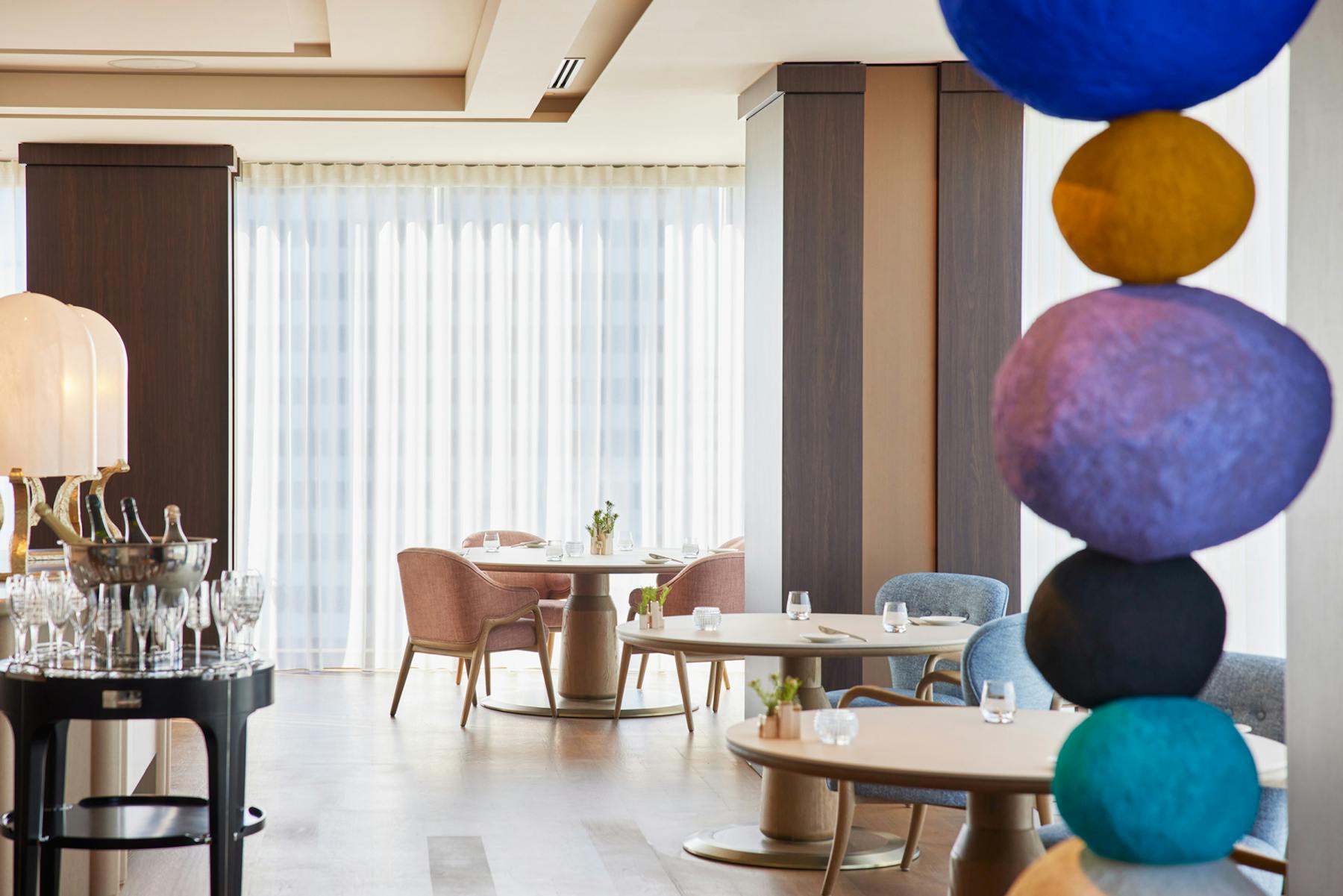
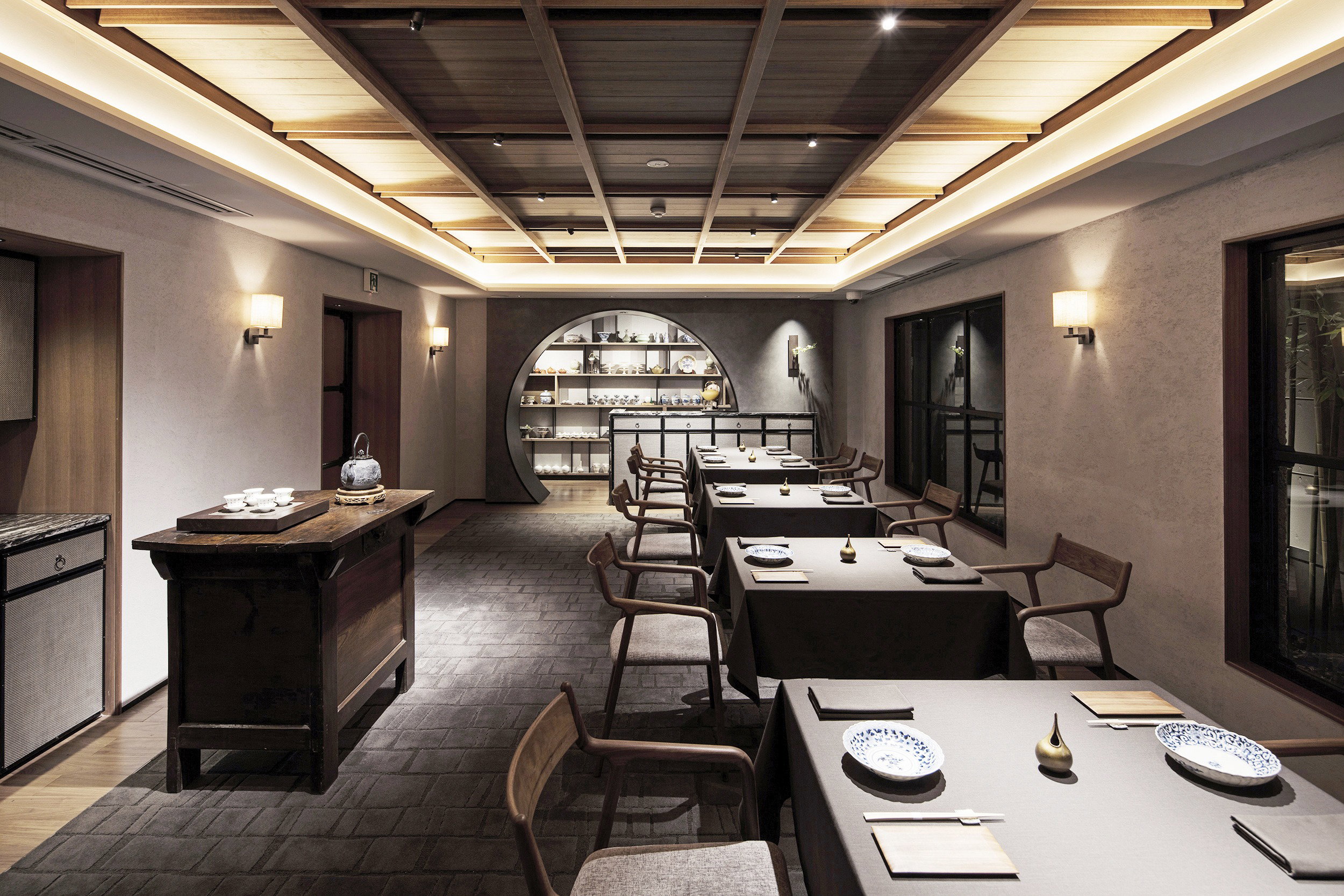
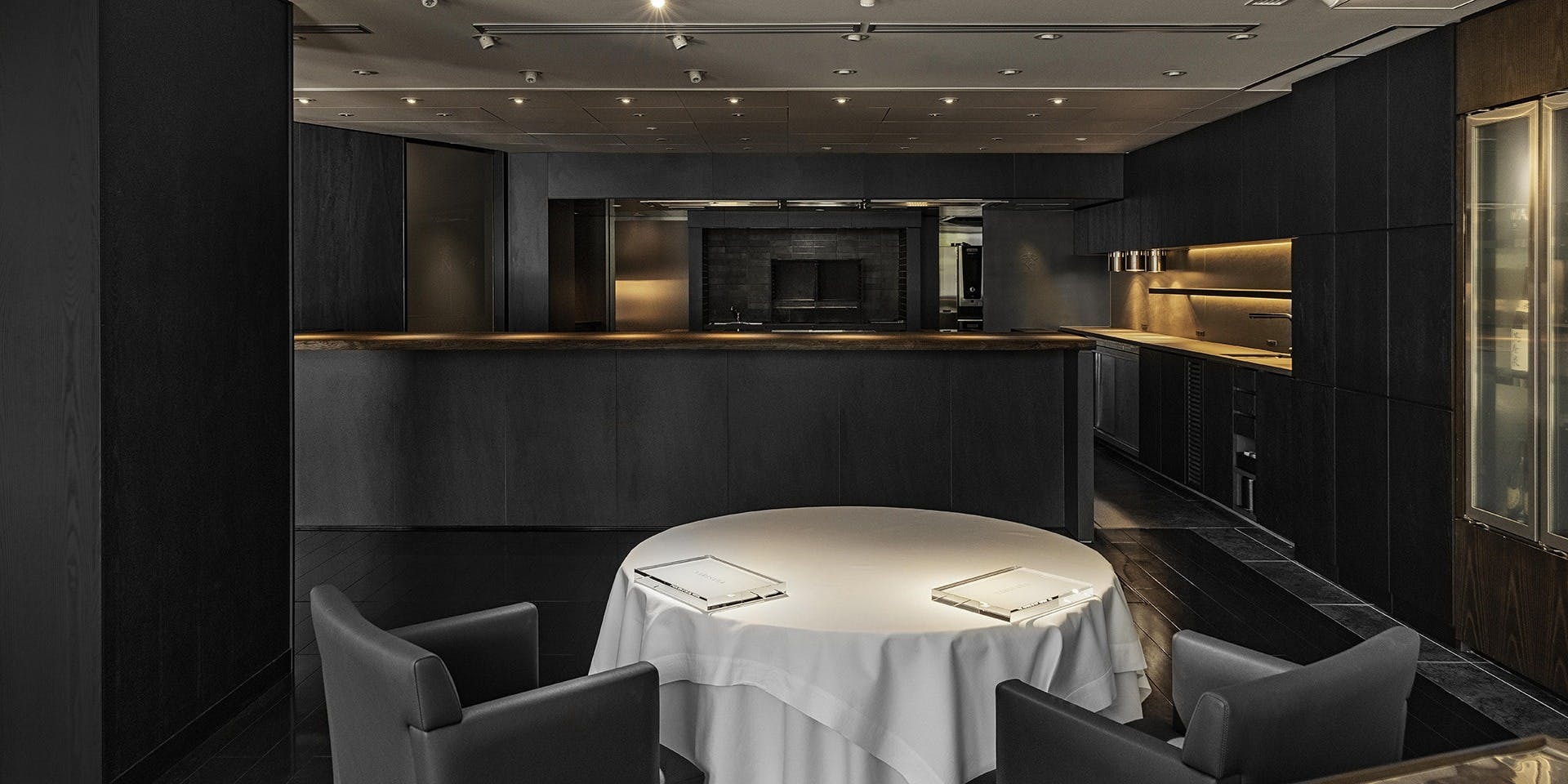
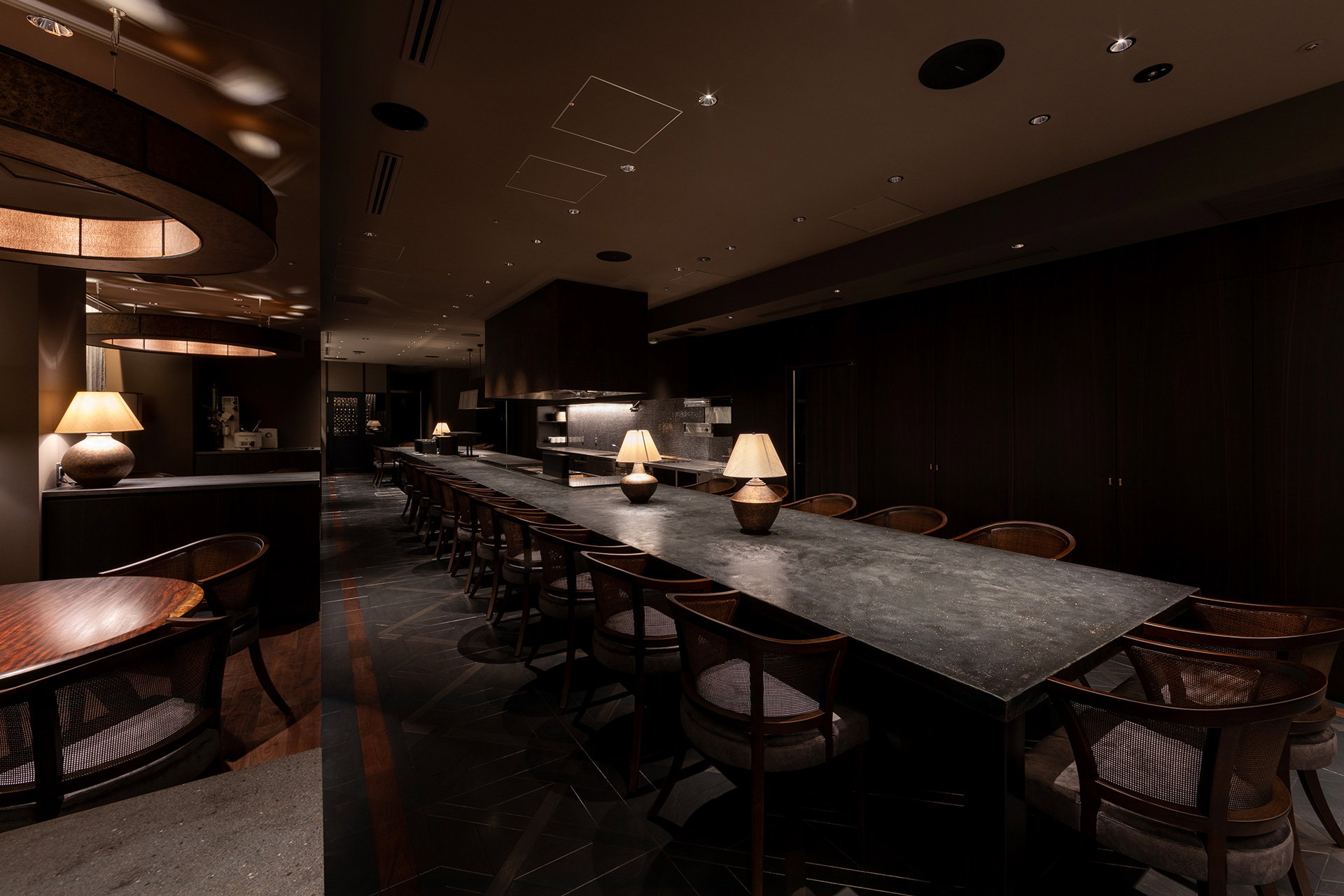
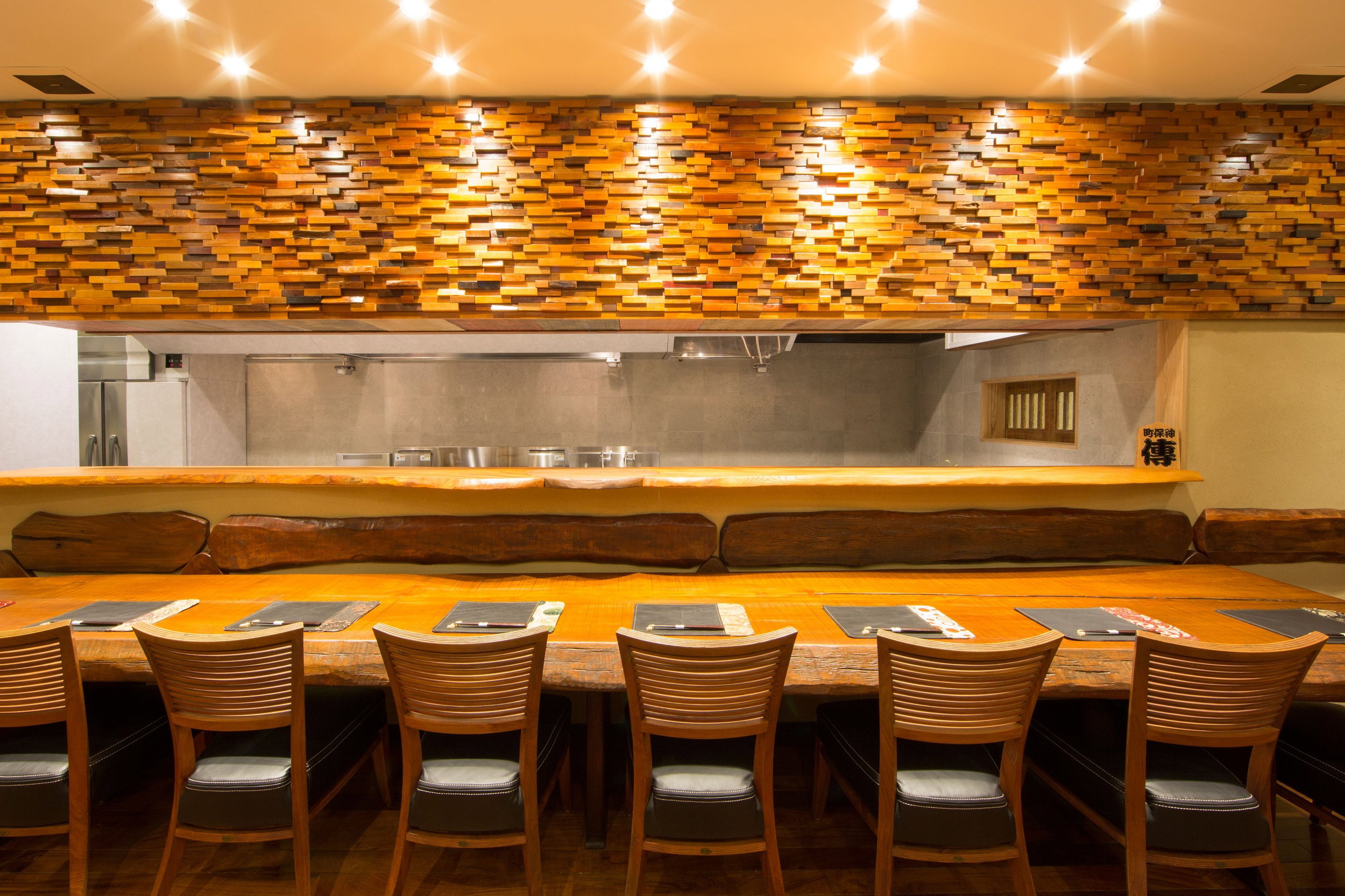
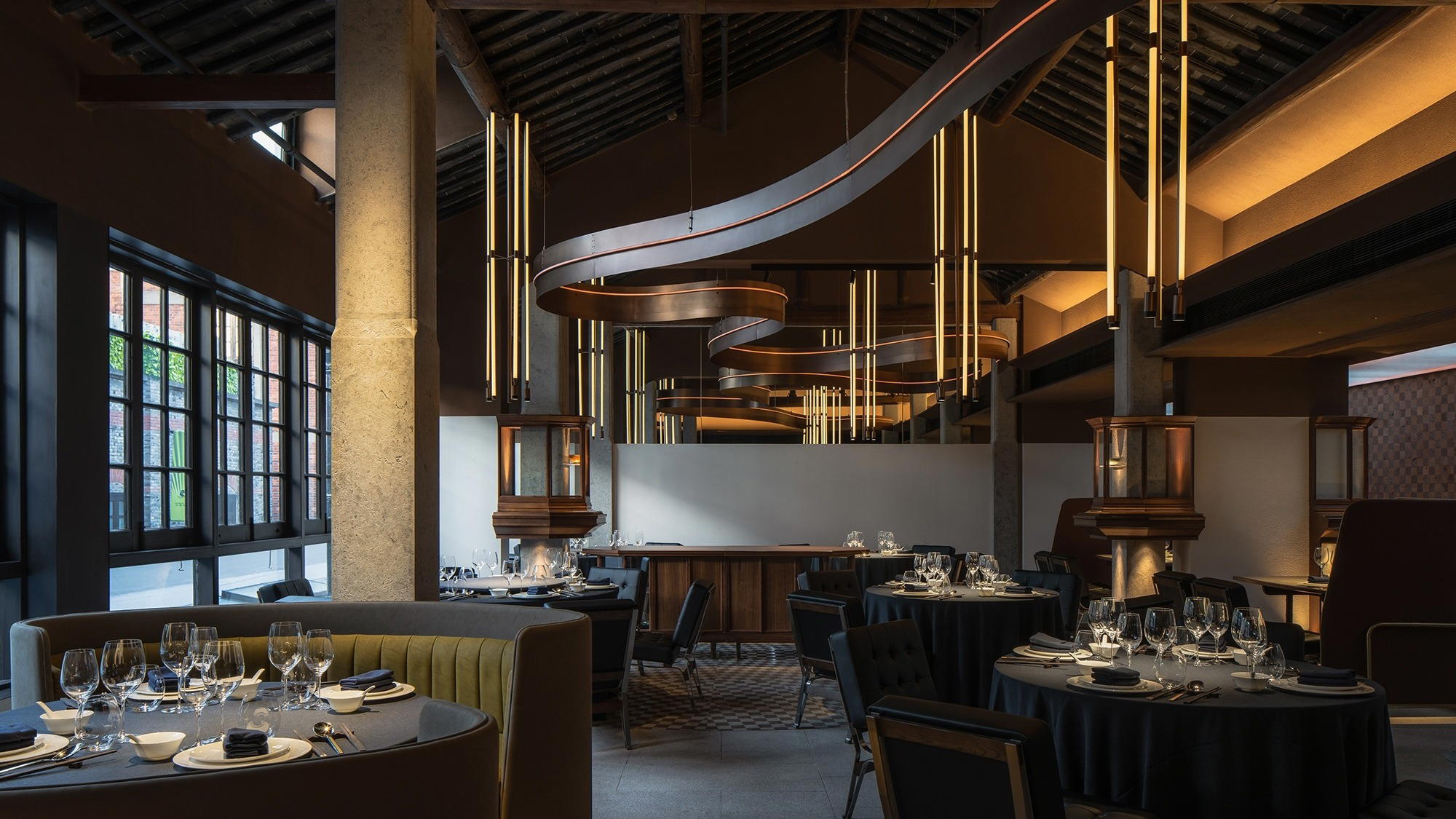
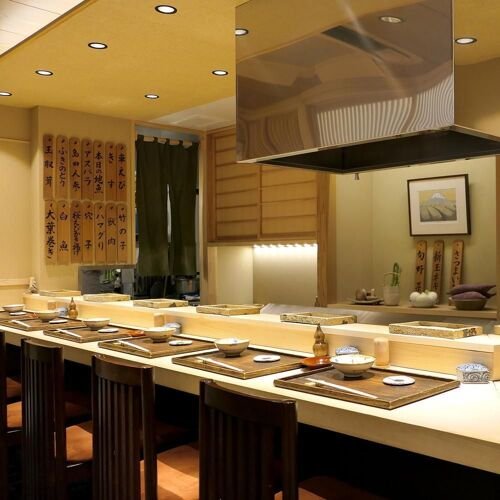
Small counter-only setting with heartfelt, home-like service from the chef and proprietress, offering a leisurely and intimate atmosphere.
Tags
Vibe
Best For
Experience
At the Table
- Dress Code
- Smart Casual
- Noise Level
- Quiet
- Service Style
- Formal
- Meal Pacing
- Leisurely
- Capacity
- Intimate
Signature Dishes
oyakodon
Know before you go
Know Before You Go
- Getting there
- Japan, 〒103-0013 Tokyo, Chuo City, Nihonbashiningyocho, 2 Chome−10−11 KYOE PLAZA 3階
Planning details
Location
Japan, 〒103-0013 Tokyo, Chuo City, Nihonbashiningyocho, 2 Chome−10−11 KYOE PLAZA 3階 · Directions
Recognition and awards
Also consider
Also Consider
- Harutaka, Sushi, ¥¥¥¥
- RyuGin, Kaiseki, Japanese, ¥¥¥¥
- L'Effervescence, French, ¥¥¥¥
- HOMMAGE, Innovtive French, French, ¥¥¥¥
- Florilège, French, ¥¥¥
Restaurant context
At ¥¥¥, Oryori Kokoroba sits in a different budget category from most of its natural comparisons in Tokyo's Japanese dining scene. RyuGin at ¥¥¥¥ delivers a more theatrical kaiseki experience with deeper Michelin recognition, but it costs significantly more and requires considerably more forward planning to book. If the formal kaiseki format is your goal and budget is not the constraint, RyuGin is the stronger choice. If you want seasonal Japanese cooking with genuine craft at a lower commitment, Kokoroba is the more practical option.
Florilège at ¥¥¥ is the closest price-tier peer, though it operates in French cuisine rather than Japanese. Both venues share a chef-driven ethos and comparable price positioning, making them reasonable alternatives depending on whether you want to eat Japanese or French on a given night in Tokyo. L'Effervescence and HOMMAGE both sit at ¥¥¥¥ in the French category and would represent an upgrade in production and price. Harutaka at ¥¥¥¥ is the sushi reference point for this comparison set: more expensive, harder to book, and a different format entirely.
The practical case for Kokoroba is its booking ease relative to its quality tier. Among Tokyo restaurants with Michelin recognition, easy availability at a ¥¥¥ price point with a 4.6 rating is a combination that does not appear often. Book here if your schedule is confirmed late, if you want to spend less than you would at a starred venue, or if you are specifically looking for chef-driven Japanese cooking in a neighbourhood that is not already saturated with tourist traffic.
Explore Tokyo
Around this place
Discover more on Pearl
Unlock the full Oryori Kokoroba guide in Pearl, including awards, comparisons, FAQs, planning details, and nearby places.
Compare Oryori Kokoroba
| Venue | Awards | Price |
|---|---|---|
| Oryori Kokoroba | 2026 Michelin Plate2025 Michelin Plate2024 Michelin Plate | ¥¥¥ |
| Harutaka | 2026 Tabelog Silver · #312026 OAD Top Restaurants in Japan Ranked · #1282026 Michelin 3 Stars2026 La Liste Top RestaurantsTabelog 100 - Sushi - TOKYO - 2025 · #372025 Asia's 50 Best Restaurants · #762025 OAD Top Restaurants in Japan Ranked · #1172025 La Liste Top Restaurants2025 Tabelog Bronze | ¥¥¥¥ |
| RyuGin | 2026 OAD Top Restaurants in Japan Ranked · #802026 Tabelog Bronze · #3772026 Michelin 3 Stars2026 La Liste Top RestaurantsTabelog 100 - Japanese cuisine - TOKYO - 2025 · #212025 OAD Top Restaurants in Japan Ranked · #542025 Michelin 3 Stars2025 La Liste Top Restaurants2025 The Best Chef Three Knives | ¥¥¥¥ |
| L'Effervescence | 2026 Tabelog Silver · #682026 OAD Top Restaurants in Japan Ranked · #103Star Wine Lists 20262026 Black Pearl 2 Diamond2026 Relais Chateaux Restaurants2026 La Liste Top Restaurants2026 Michelin 3 Stars2025 Asia's 50 Best Restaurants · #692025 OAD Top Restaurants in Japan Ranked · #92 | ¥¥¥¥ |
| HOMMAGE | 2026 Tabelog Bronze · #1232026 OAD Top Restaurants in Japan Highly Recommended2026 Michelin 2 StarsTabelog 100 - French - TOKYO - 2025 · #762025 Asia's 50 Best Restaurants · #782025 OAD Top Restaurants in Japan Ranked · #1752025 Michelin 2 Stars2025 The Best Chef One Knife2025 La Liste Top Restaurants | ¥¥¥¥ |
| Florilège | 2026 Asia's 50 Best Restaurants · #312026 Tabelog Bronze · #712026 OAD Top Restaurants in Japan Ranked · #1242026 Black Pearl 1 Diamond2026 Michelin 2 Stars2026 La Liste Top Restaurants2025 Asia's 50 Best Restaurants · #172025 World's 50 Best Restaurants · #36Tabelog 100 - French - TOKYO - 2025 · #68 | ¥¥¥ |













What to weigh when choosing between Oryori Kokoroba and alternatives.
FAQ
Frequently Asked Questions
What should a first-timer know about Oryori Kokoroba?
This is a chef-driven Japanese restaurant on the third floor of KYOE PLAZA in Nihonbashiningyocho, awarded a Michelin Plate in both 2024 and 2025. The cooking is personal and seasonal rather than formally ceremonial, so if you arrive expecting a stiff kaiseki ritual you may be surprised by the warmth of the format. Reservations in advance are advisable; walk-in prospects at a small chef-led room in Tokyo are rarely reliable. Come with some curiosity about the chef's own story — the restaurant's name itself incorporates a character from his name and signals how personally invested he is in the cooking.
What should I order at Oryori Kokoroba?
The menu is seasonal and market-driven, so specific dishes change, but the hassun appetiser course is the clearest expression of what the chef is doing with the season's produce — pay attention there. The oyakodon (chicken and egg on rice) is a signature the chef has made continuously since his apprenticeship, and it is the dish most directly tied to his point of view. If it appears, order it. For a set menu format at ¥¥¥ pricing, let the kitchen lead rather than trying to steer.
Is Oryori Kokoroba worth the price?
At ¥¥¥ pricing with a Michelin Plate awarded in both 2024 and 2025, Oryori Kokoroba sits in a tier where the food quality is validated but the cost remains below full Michelin-starred Tokyo restaurants. That gap is where the value case is strongest: you are getting a personally driven, seasonally structured meal at a price point that does not require the same financial commitment as a starred room. If you are comparing against Harutaka or RyuGin, the experience is less formal and less expensive — which for many diners is the right trade.
Is the tasting menu worth it at Oryori Kokoroba?
The format here is set and seasonal, built around the chef's own sensibility rather than a standardised kaiseki template. The hassun course in particular is cited as a vehicle for conveying the mood of the passing seasons using market-fresh ingredients. At ¥¥¥, the tasting menu format earns its price if you are interested in cooking that reflects a specific chef's career and perspective — the oyakodon alone, carried since his apprenticeship, is the kind of dish that gives a tasting menu a reason to exist. If you want a more internationally celebrated, higher-production experience, RyuGin is the comparison at a higher price.