.png?width=1200&quality=80)
Oryori Katsushi
Japanese · Chūō, Tokyo
Restaurant in Tokyo, Japan
 Book with Pearl
The Read
Dashi-Architecture Washoku
Price
¥¥¥
Chef
Katsushi Yoshitake
Dress
Smart Casual
Why go
Oryori Katsushi is a Michelin Plate-recognised Japanese restaurant in Ginza where the entire menu is built around a dashi stock of bonito, kombu, and clams — learnt under a Kansai mentor and running through egg custard, soup, and pressed sushi preparations. At ¥¥¥, it is one of the more accessible routes to serious, technique-led Japanese cooking in central Tokyo. Easy to book; midweek visits recommended.
About Oryori Katsushi
The Verdict
If you have eaten at Oryori Katsushi once, the question on a return visit is not whether the food will be consistent — it is whether the dashi will hit you the same way. It will. The Ginza third-floor kitchen runs on a dashi program that the chef has been refining since his training under a Kansai mentor, and it is the most coherent expression of a single technique you will find at this price point in central Tokyo. Two consecutive Michelin Plate recognitions (2024 and 2025) confirm the venue is being watched and taken seriously. At ¥¥¥ pricing, it sits below the four-symbol tier occupied by kaiseki heavyweights like RyuGin, which makes it one of the more accessible entry points to serious Japanese cooking in Ginza.
Portrait
The building address — 8 Chome, Ginza, third floor of the Suzuryū Building, tells you something useful before you arrive. This is not a street-level restaurant angling for walk-in traffic. You take the stairs or the elevator, you have made a reservation, and the room is yours for the evening. That context matters for the explorer diner: Oryori Katsushi is not performing for the street. It is cooking for the table in front of it.
The dashi is the right place to start because it is genuinely the architecture of the menu. The chef trained under a Kansai native whose focus was dashi construction, bonito flakes, kombu kelp, and clams combined to produce a stock with layered depth rather than a single dominant note. Where many Japanese restaurants use dashi as background, here it is foregrounded: you will encounter it in the savoury egg custard, in soup dishes, in hot pot preparations. Returning diners often report that the dashi is the detail they remember most clearly, and that tracking how it shifts between dishes is part of the value of coming back. That is not a romantic observation, it is a practical reason to book a second time.
Sushi element of the menu is where the chef's background becomes relevant without being the point. His brother is a sushi chef, and the influence appears in specific preparations: vinegared rice, simmered abalone liver sauce, and pressed chub mackerel sushi. These are not decorative additions. The vinegared rice technique and the pressed mackerel format are both markers of considered craft. For a diner coming from a sushi-only background, perhaps arriving after visiting Harutaka the previous evening, the sushi elements at Katsushi will read differently: less about fish-forward minimalism, more about how sushi technique integrates into a broader Japanese menu. That is a meaningful distinction worth knowing before you book.
On the question of drinks pairing: the venue database does not confirm a dedicated sake or wine list, and you should not assume one exists at the depth you would find at, say, Kagurazaka Ishikawa or Azabu Kadowaki. For a food-and-drink explorer who expects the beverage program to match the kitchen's precision, that is worth factoring in. The dashi-led cooking pairs well conceptually with aged sake and with mineral-driven white wine, both amplify umami rather than competing with it, but whether those pairings are available in house is something to confirm at booking. Tokyo's leading Japanese restaurants at this tier typically offer a curated sake selection rather than a deep wine list, and that framing will serve you better than expecting a French-influenced cellar.
Timing is a practical consideration. Ginza on a Friday or Saturday evening runs busy from street level upward, and a third-floor restaurant with a small dining room will feel noticeably different midweek. If your goal is a longer, less pressured meal, the kind where you linger over a second pour and track the dashi across multiple courses, a Tuesday or Wednesday booking is the better call. For the explorer diner, that two-year signal is more useful than the aggregate score.
For comparison within the Ginza pocket, Ginza Fukuju offers a different register of Japanese cooking worth considering on the same trip. If you are building a broader Japan itinerary, the dashi-focused approach at Katsushi connects interestingly with the classical traditions at Gion Sasaki in Kyoto and the Kansai-rooted cooking at Kashiwaya Osaka Senriyama, the chef's Kansai training lineage makes that regional thread worth pulling. See our full Tokyo restaurants guide for context on how Katsushi fits the wider field, and our Tokyo hotels guide if you are planning stays around multiple restaurant evenings.
Other Japanese restaurants in Tokyo worth cross-referencing depending on your priorities: Myojaku, Jingumae Higuchi, and Kagurazaka Ishikawa each represent a different point on the spectrum between approachable and ceremonial. If you are extending the trip, HAJIME in Osaka, akordu in Nara, and Goh in Fukuoka round out a serious Japan eating itinerary at different price tiers. For Tokyo's broader offer beyond restaurants, our Tokyo bars guide, Tokyo wineries guide, and Tokyo experiences guide cover the rest.
Book this if: the dashi-forward approach to Japanese cooking interests you intellectually, you want Michelin-recognised quality at ¥¥¥ rather than ¥¥¥¥, and you are prepared to do a little advance work on drink pairings. Skip it if: you need a confirmed deep sake or wine program in the room, or if the third-floor, reservation-only format does not suit your travel style.
Quick reference:
Ratings
- Food: Michelin Plate (2024, 2025), consistent kitchen, dashi-driven menu
- Value: Strong at ¥¥¥ for the Ginza address and Michelin recognition
- Booking difficulty: Easy
Booking
Booking is rated easy. No website or phone number is confirmed in the venue record, reservation platforms active in Tokyo (Tableall, Omakase, and direct inquiry through hotel concierge) are your most reliable routes for a Ginza third-floor restaurant at this profile. Confirm drink pairing options and any dietary needs at the time of booking rather than on arrival.
Planning details
- Location
- Japan, 〒104-0061 Tokyo, Chuo City, Ginza, 8 Chome−7−19 すずりゅうビル 3F
- Website
- gd8v902.gorp.jp
- Phone
- +81 50-5493-0749
The take
The Take
The Vibe
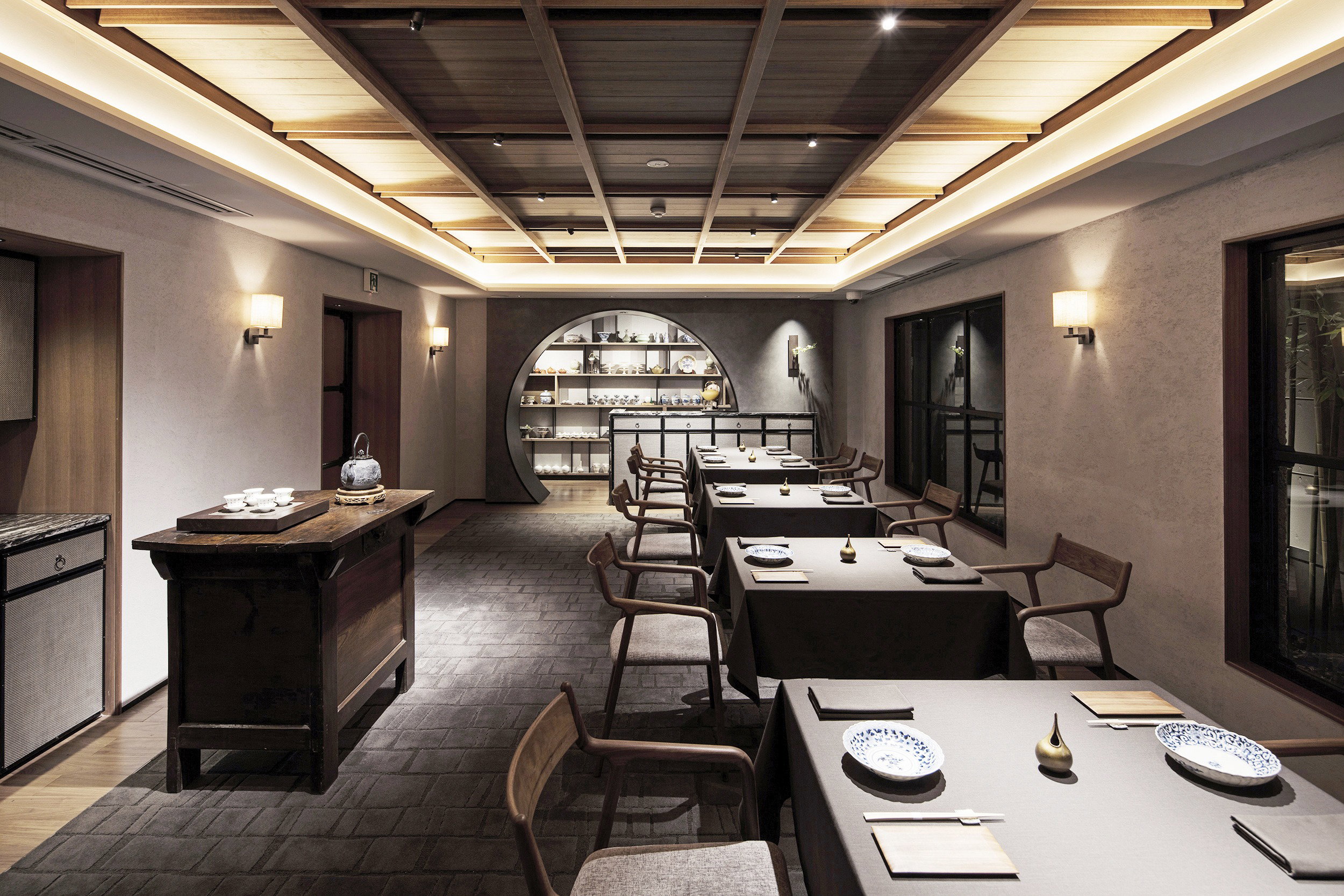
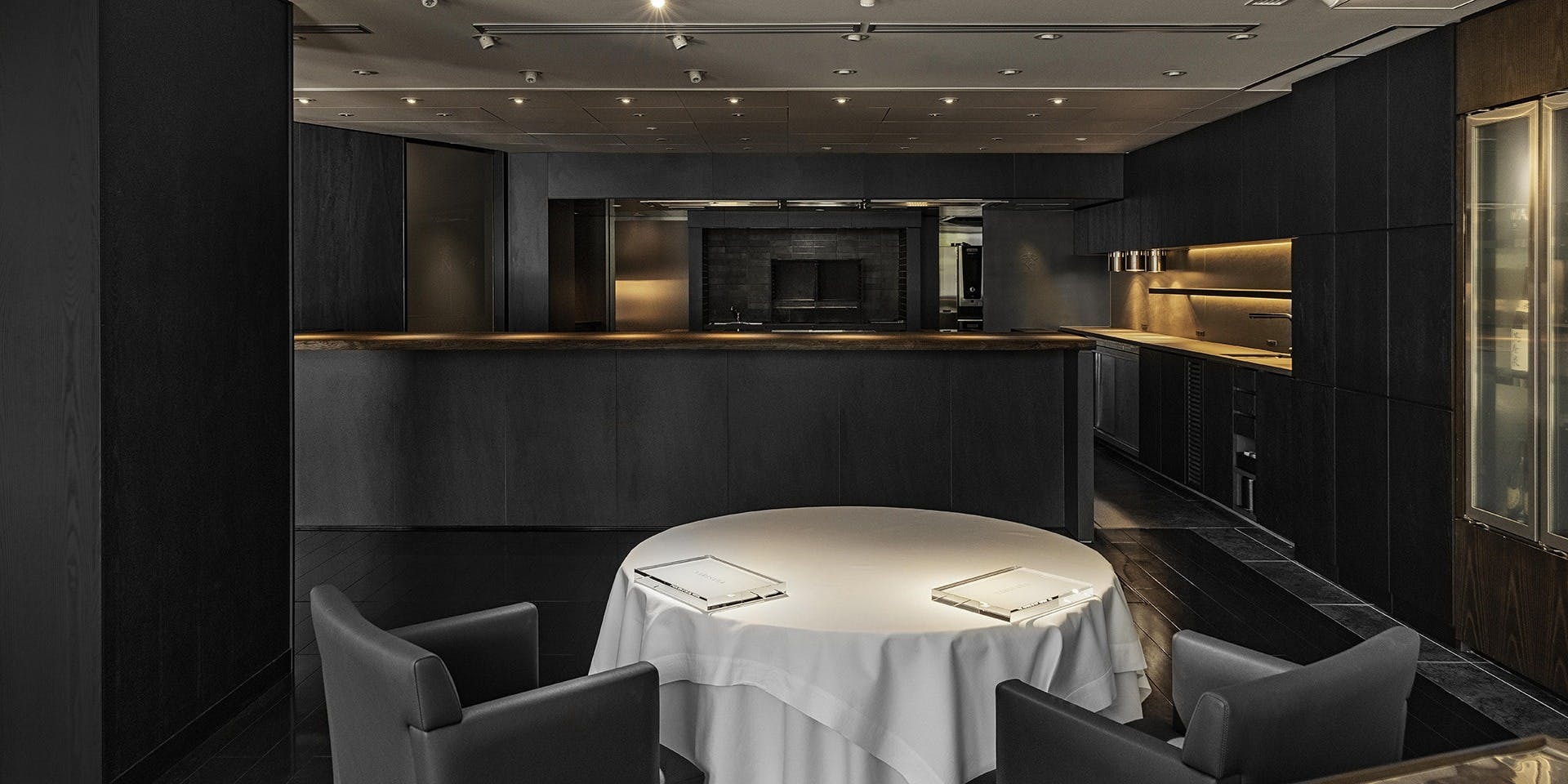
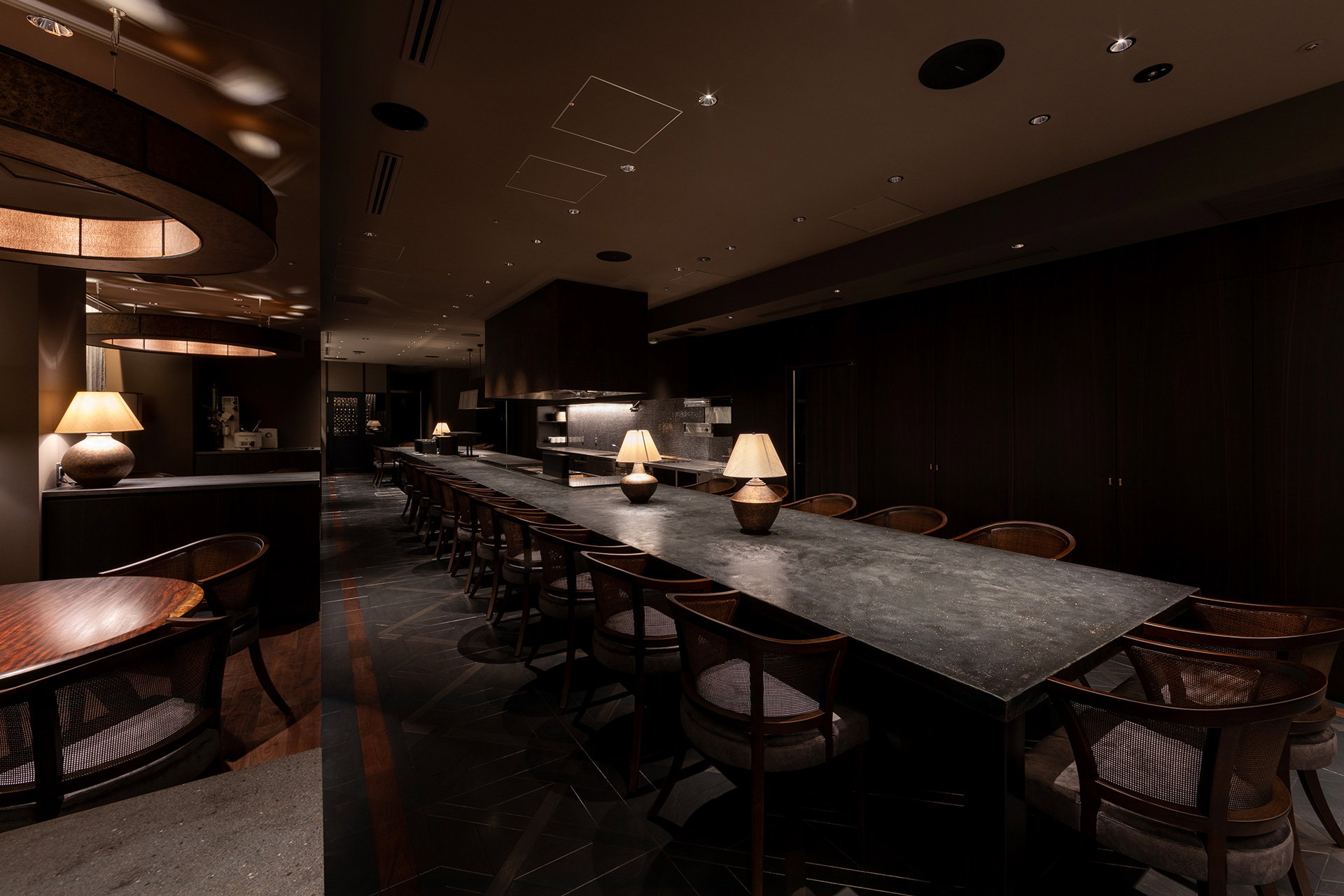
Oryori Katsushi occupies a discreet third‑floor counter room that pulls attention inward and rewards quiet attention. Removed from street‑level theatre, the compact, inward‑facing layout creates a concentrated atmosphere where the cuisine — notably the emphasis on dashi — becomes the defining element of the room. The space reads as calm and purposeful rather than showy: diners are seated to watch technique and taste nuance, not to be entertained by spectacle. Consecutive Michelin Plate mentions underline a refined seriousness, but the overall feel remains restrained and composed rather than ostentatious.
Best For
This counter is best for focused, attentive dinners — think date nights, business meals, or solo visits by diners who want to study technique. Its upper‑floor, inward‑facing arrangement encourages quiet conversation and close engagement with the chef's work, making it a fit for special‑but‑low‑key occasions where the food is the focal point. The restaurant’s ¥¥¥ positioning and Michelin Plate recognition indicate serious cooking without the extreme exclusivity of three‑star counters, so it suits those seeking rigorous washoku in a more accessible Ginza setting.
Ordering Tips
Book the counter and treat the evening as a chef‑led experience: the venue is explicitly a counter room in Ginza’s omakase tradition, so allowing the kitchen to set the pace is appropriate. Note the ¥¥¥ price bracket and consecutive Michelin Plate mentions — the cooking is technically driven — and reservations are sensible given the compact scale. The copy stresses that the address is discreet and less pressure‑filled than the district’s most famous counters, so diners can expect serious, focused cooking without the extreme waiting‑list intensity of three‑star rooms.
Venue details
Ambiance
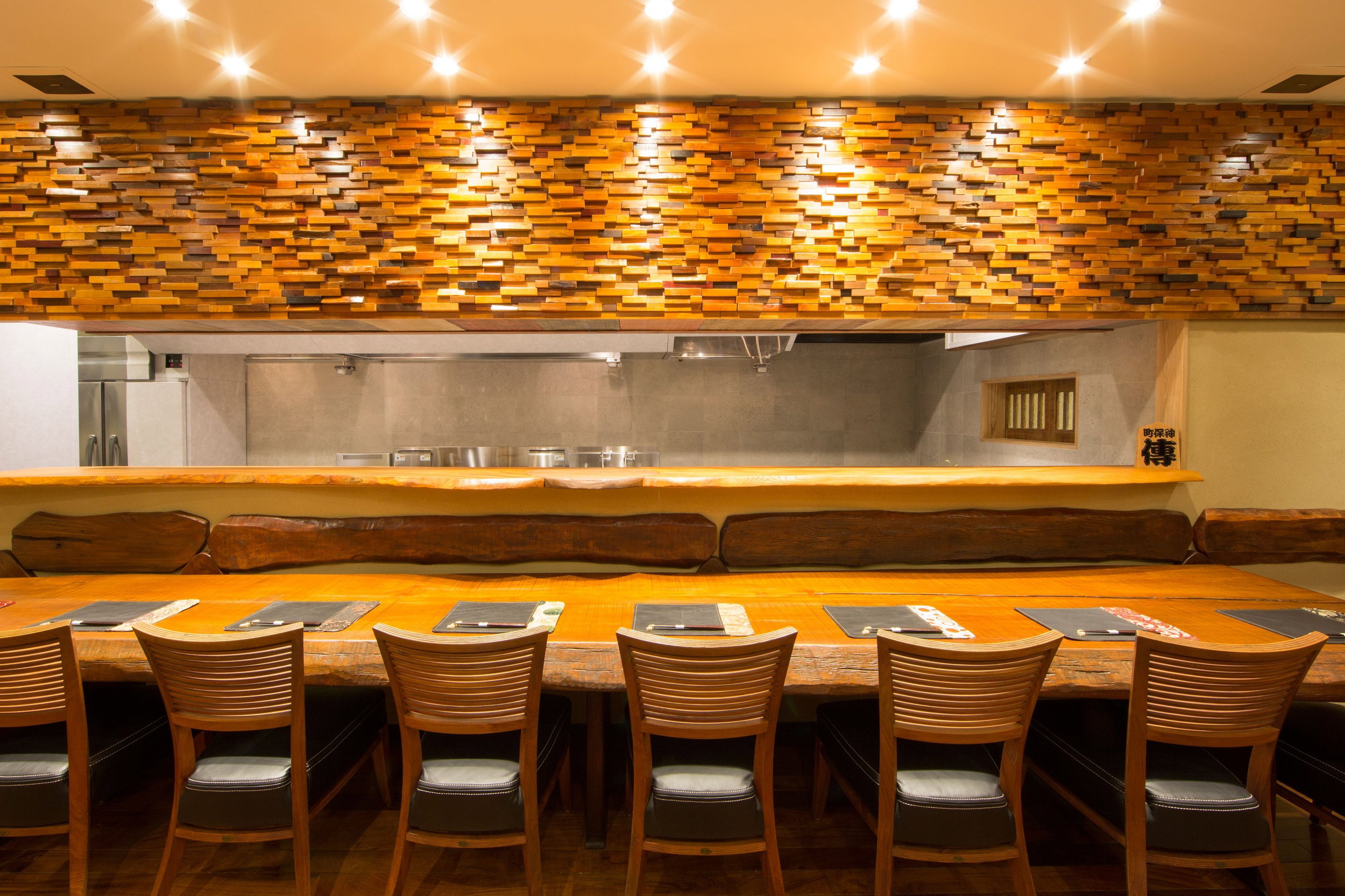
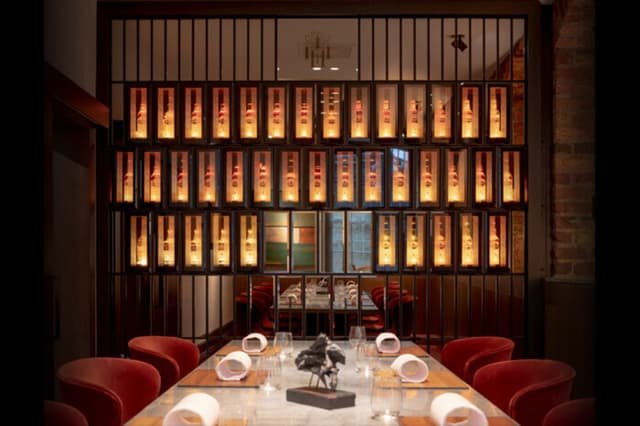
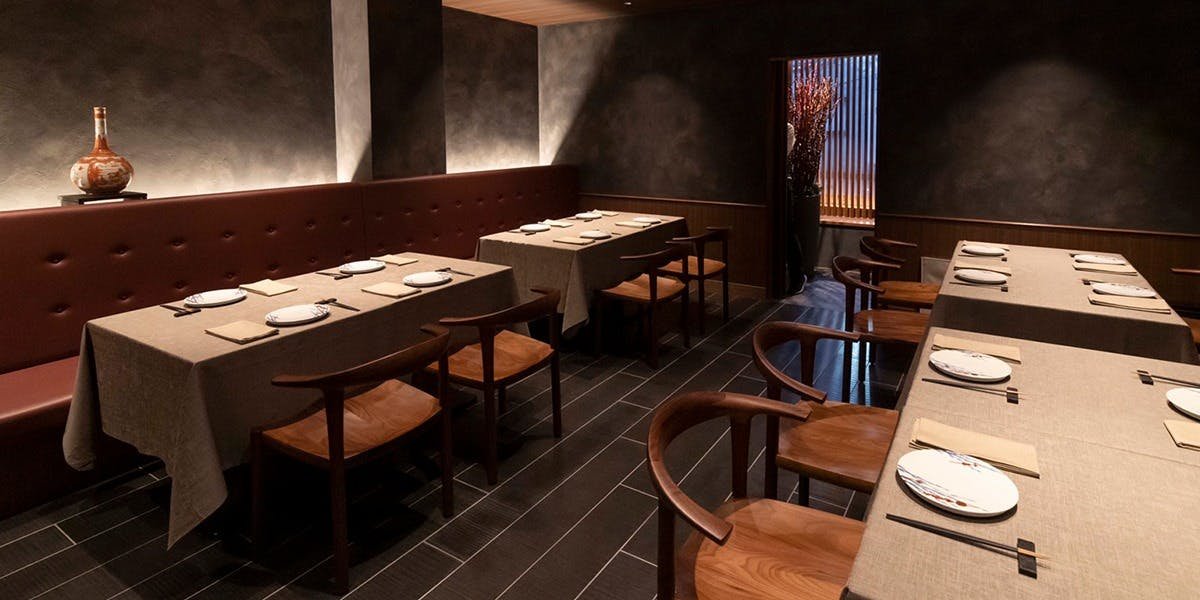
Calm, relaxing interior with 7 counter seats offering a cozy, warm atmosphere and intimate view of the chef's preparations.
Tags
Vibe
Best For
Experience
At the Table
- Dress Code
- Smart Casual
- Noise Level
- Quiet
- Service Style
- Formal
- Meal Pacing
- Leisurely
- Capacity
- Intimate
Know before you go
Know Before You Go
- Getting there
- Japan, 〒104-0061 Tokyo, Chuo City, Ginza, 8 Chome−7−19 すずりゅうビル 3F
Planning details
Location
Japan, 〒104-0061 Tokyo, Chuo City, Ginza, 8 Chome−7−19 すずりゅうビル 3F · Directions
Recognition and awards
Also consider
Also Consider
- Harutaka, Sushi, ¥¥¥¥
- RyuGin, Kaiseki, Japanese, ¥¥¥¥
- L'Effervescence, French, ¥¥¥¥
- HOMMAGE, Innovtive French, French, ¥¥¥¥
- Florilège, French, ¥¥¥
Restaurant context
How It Compares
Oryori Katsushi at ¥¥¥ sits a price tier below most of its serious Tokyo peers. RyuGin at ¥¥¥¥ delivers a full kaiseki progression with a more ceremonial service register and a deeper drinks program, if you want the complete formal kaiseki experience and are willing to pay for it, RyuGin is the stronger choice. Katsushi is the better option if you want Michelin-recognised Japanese cooking with a specific technical focus (the dashi) and you want to keep the spend below the top tier. Harutaka at ¥¥¥¥ is a useful comparison if you are coming from a sushi-first background, Harutaka is the more accomplished pure sushi venue, while Katsushi uses sushi technique as one element within a broader Japanese menu.
For French dining at the same ¥¥¥¥ tier, L'Effervescence, HOMMAGE, and Florilège are all strong options, Florilège matches Katsushi's ¥¥¥ positioning and delivers an ambitious French menu if you want a night away from Japanese cooking on the same trip. L'Effervescence and HOMMAGE at ¥¥¥¥ offer more depth in both food and wine if French cuisine is the priority.
Within the Japanese category at a similar price point, Ginza Fukuju is the most direct Ginza-area comparison worth considering on the same itinerary. For explorers building a multi-night Tokyo eating schedule, Katsushi makes most sense as the mid-week, technique-focused booking, save the larger budget and the formal occasion for RyuGin or Harutaka.
Explore Tokyo
Around this place
Discover more on Pearl
Unlock the full Oryori Katsushi guide in Pearl, including awards, comparisons, FAQs, planning details, and nearby places.
Compare Oryori Katsushi
| Venue | Cuisine | Awards | Booking Difficulty |
|---|---|---|---|
| Oryori Katsushi | Japanese | 2026 Michelin Plate2025 Michelin Plate2024 Michelin Plate | Easy |
| Harutaka | Sushi | 2026 Tabelog Silver · #312026 OAD Top Restaurants in Japan Ranked · #1282026 Michelin 3 Stars2026 La Liste Top RestaurantsTabelog 100 - Sushi - TOKYO - 2025 · #372025 Asia's 50 Best Restaurants · #762025 OAD Top Restaurants in Japan Ranked · #1172025 La Liste Top Restaurants2025 Tabelog Bronze | Unknown |
| RyuGin | Kaiseki, Japanese | 2026 OAD Top Restaurants in Japan Ranked · #802026 Tabelog Bronze · #3772026 Michelin 3 Stars2026 La Liste Top RestaurantsTabelog 100 - Japanese cuisine - TOKYO - 2025 · #212025 OAD Top Restaurants in Japan Ranked · #542025 Michelin 3 Stars2025 La Liste Top Restaurants2025 The Best Chef Three Knives | Unknown |
| L'Effervescence | French | 2026 Tabelog Silver · #682026 OAD Top Restaurants in Japan Ranked · #103Star Wine Lists 20262026 Black Pearl 2 Diamond2026 Relais Chateaux Restaurants2026 La Liste Top Restaurants2026 Michelin 3 Stars2025 Asia's 50 Best Restaurants · #692025 OAD Top Restaurants in Japan Ranked · #92 | Unknown |
| HOMMAGE | Innovtive French, French | 2026 Tabelog Bronze · #1232026 OAD Top Restaurants in Japan Highly Recommended2026 Michelin 2 StarsTabelog 100 - French - TOKYO - 2025 · #762025 Asia's 50 Best Restaurants · #782025 OAD Top Restaurants in Japan Ranked · #1752025 Michelin 2 Stars2025 The Best Chef One Knife2025 La Liste Top Restaurants | Unknown |
| Florilège | French | 2026 Asia's 50 Best Restaurants · #312026 Tabelog Bronze · #712026 OAD Top Restaurants in Japan Ranked · #1242026 Black Pearl 1 Diamond2026 Michelin 2 Stars2026 La Liste Top Restaurants2025 Asia's 50 Best Restaurants · #172025 World's 50 Best Restaurants · #36Tabelog 100 - French - TOKYO - 2025 · #68 | Unknown |













How Oryori Katsushi stacks up against the competition.
FAQ
Frequently Asked Questions
Is Oryori Katsushi good for solo dining?
Yes — a third-floor counter-style setting in Ginza is well-suited to solo guests, and the chef-led format means single diners get full access to the menu without compromise. The intimate scale of the Suzuryū Building address (8 Chome, Ginza) suggests a small room where solo diners are the norm, not an afterthought. Book a counter seat directly through Tokyo reservation platforms such as Tableall or Omakase.
What should I order at Oryori Katsushi?
The menu is set, so ordering choices are limited — which is by design. The dashi-based dishes are the through-line: savoury egg custard, soup dishes, and hot pots all carry the chef's signature triple-stock dashi (dried bonito, kombu, clam). The pressed chub mackerel sushi and simmered abalone liver sauce are the items most directly tied to the chef's background, and worth paying attention to.
Is Oryori Katsushi worth the price?
At ¥¥¥ with a 2025 Michelin Plate, Oryori Katsushi sits in a credible mid-to-upper tier for Ginza kaiseki without the premium of a starred room. If dashi-focused Japanese cooking interests you, the depth of technique here — a triple-base stock running across multiple courses — justifies the spend. For comparison, Harutaka at a similar price point focuses on sushi precision; Katsushi is the better call if you want broader kaiseki range.
What should I wear to Oryori Katsushi?
The venue data does not specify a dress code, but a third-floor Ginza address at the ¥¥¥ price point makes smart casual the sensible baseline — clean, neat, no athletic wear. Tokyo's kaiseki dining culture generally expects understated dressing; loud or very casual clothing would feel out of place.
Is the tasting menu worth it at Oryori Katsushi?
Yes, if dashi-led Japanese cooking is what you are after. The set menu is the only format, and it is structured around a single clear culinary argument: what a well-built dashi can do across egg custard, soup, hot pot, and sushi. That focus gives the menu more coherence than many Ginza tasting rooms at the same price. If you want à la carte flexibility, this is not the right venue.