.png?width=1200&quality=80)
Orchestra
Italian · Shibuya, Tokyo
Restaurant in Tokyo, Japan
 Book with Pearl
The Read
Emilian Kitchen, Orchestral Philosophy
Price
$500+per person
Dress
Smart Casual
Why go
A Michelin Plate Italian in Yoyogi built around a classical music concept rooted in the chef's training in Emilia-Romagna. At the ¥¥¥ tier with two consecutive Michelin Plates and, it is the strongest case for Italian fine dining in Tokyo that does not require a ¥¥¥¥ budget. Easy to book and well-suited to date nights or small celebrations.
About Orchestra
Orchestra, Tokyo: The Verdict
At the ¥¥¥ price tier, Orchestra in Yoyogi delivers a focused Italian dining experience built around a concept that is more coherent than most: the restaurant as ensemble performance. For a special occasion dinner where you want something distinctive without paying ¥¥¥¥ prices, it earns a confident recommendation. If you are weighing this against Tokyo's heavier-hitting Italian rooms, the price differential is real and meaningful.
The Space and the Concept
Orchestra occupies the ground floor of the Morita Building in Yoyogi, Shibuya — a neighbourhood that sits a step removed from the tourist circuits of Shinjuku and Harajuku, but is thoroughly woven into the daily fabric of west-central Tokyo. That location matters: this is not a destination restaurant chasing overseas press, but a room that has built its reputation among people who actually live and eat in this part of the city.
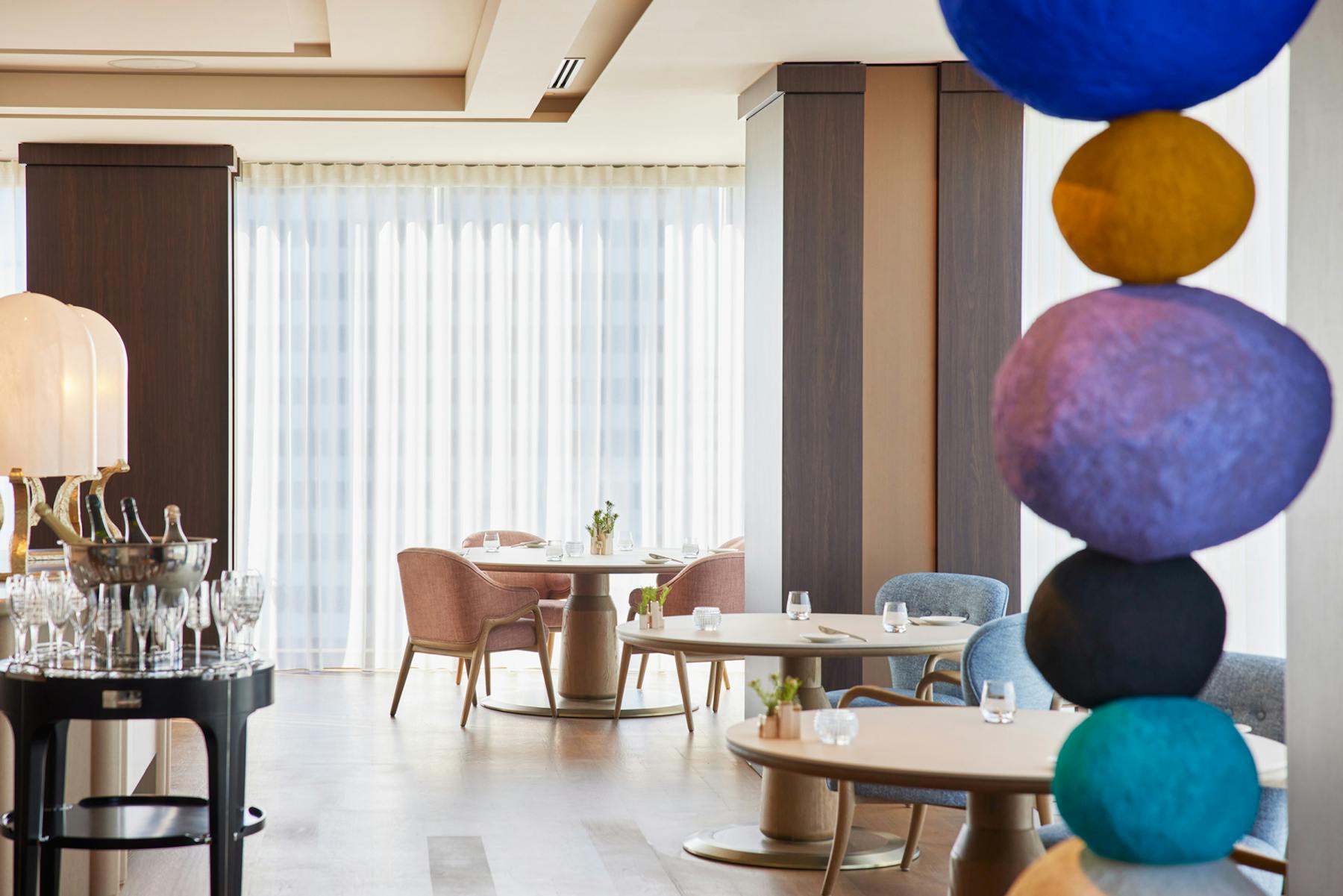
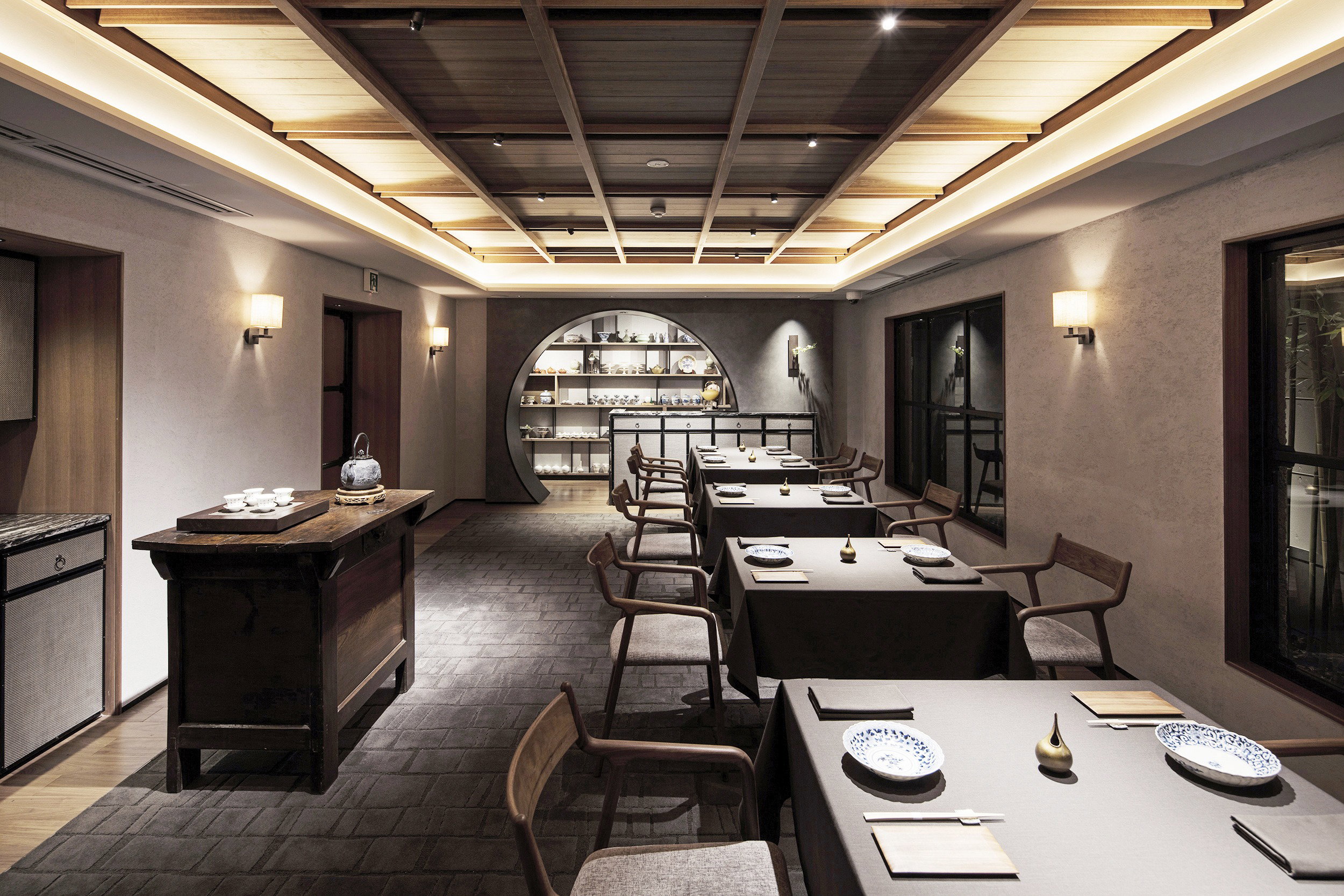
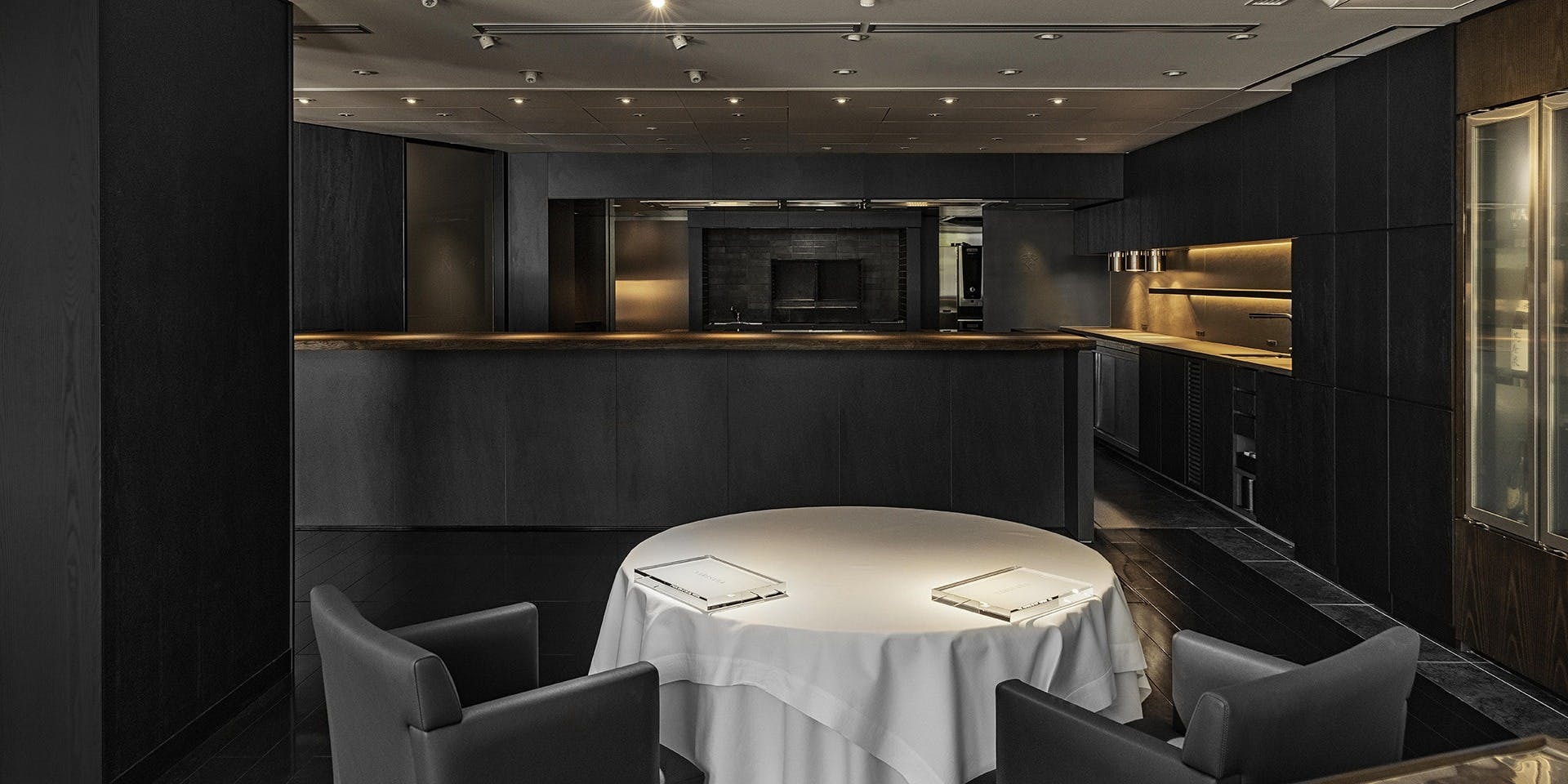
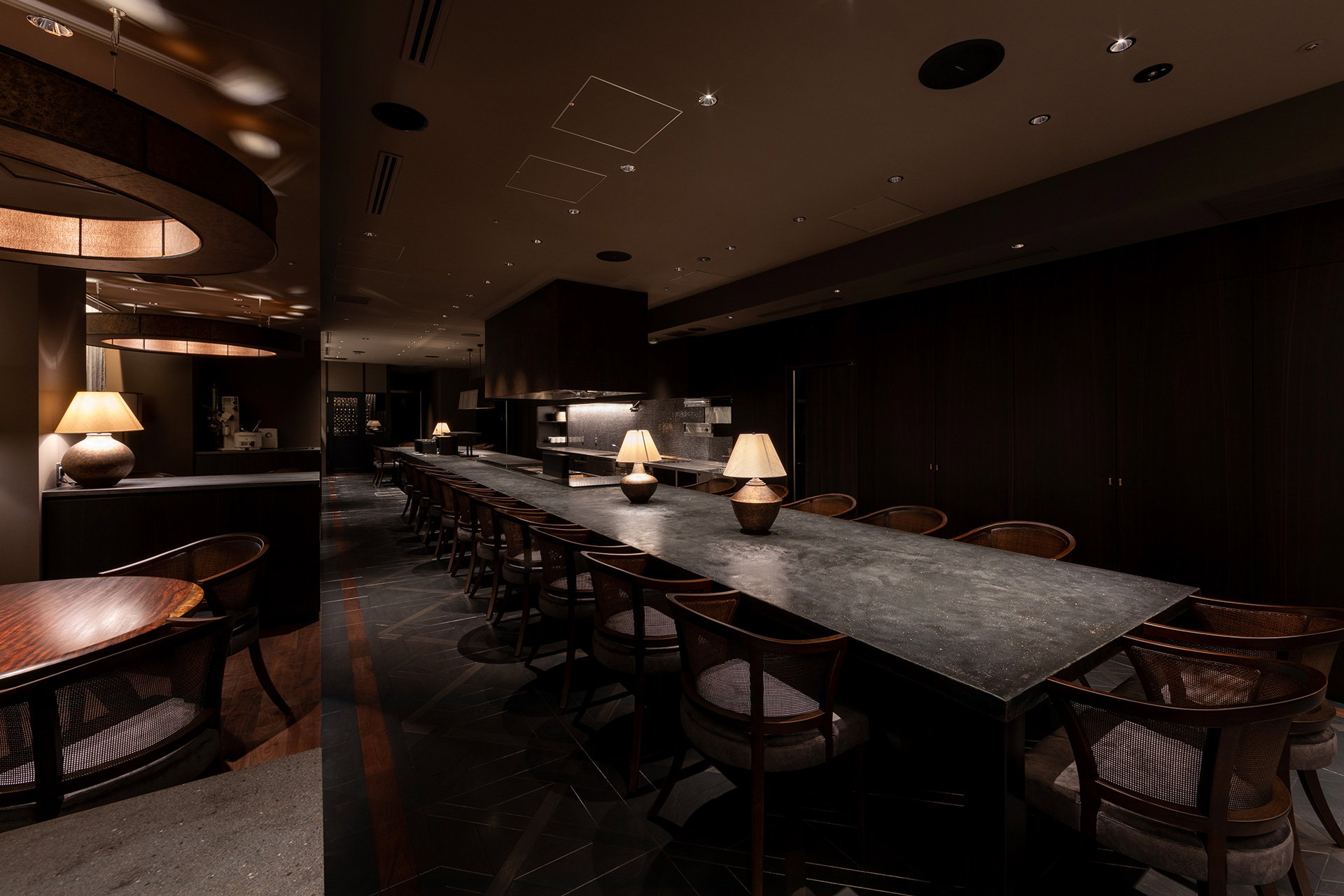
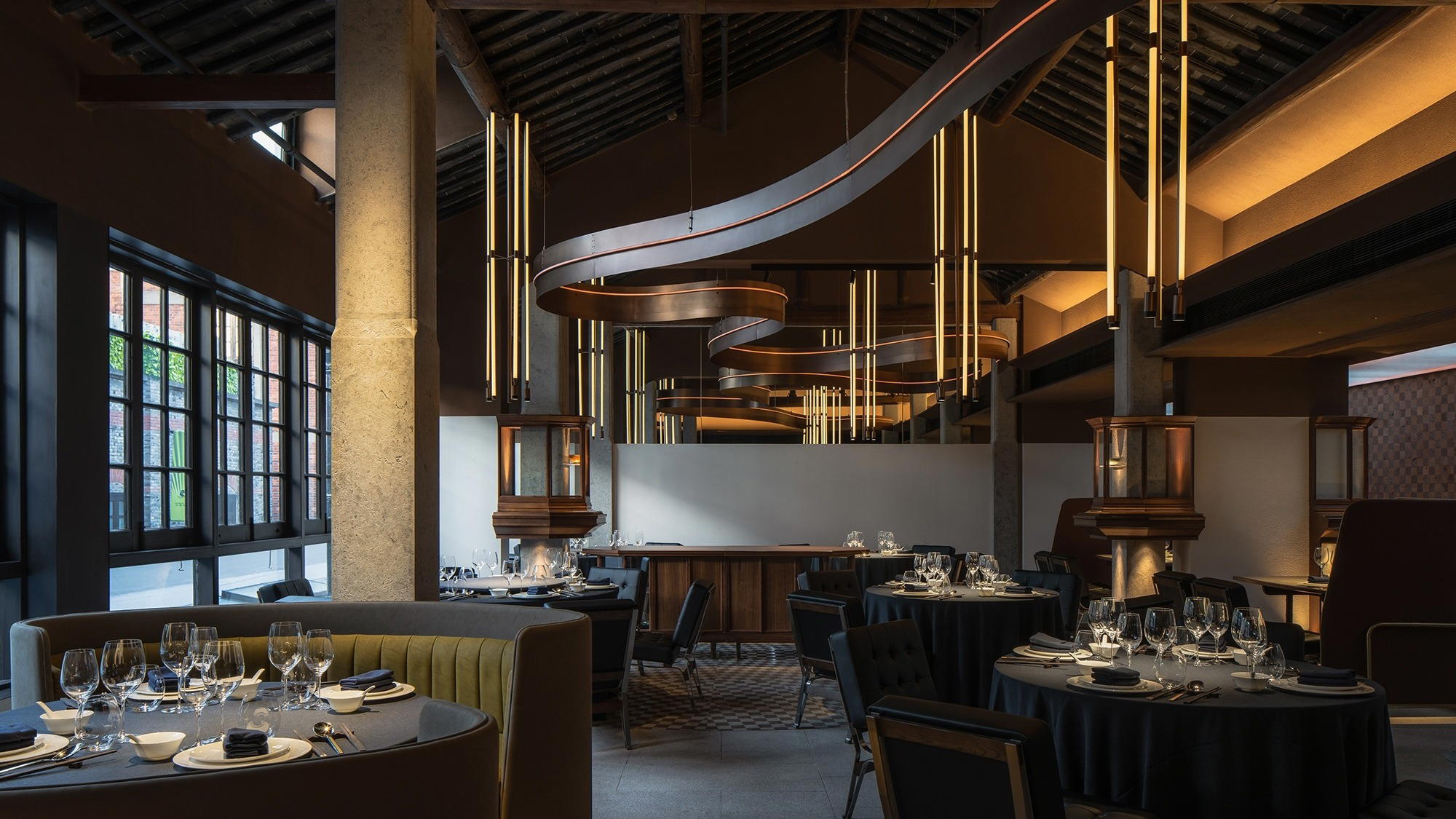
The physical space carries the restaurant's central theme through in deliberate detail. Plates are decorated with musical instrument motifs, and classical music runs through the dining room throughout service. The concept traces back to Imola, the city in Italy's Emilia-Romagna region where the chef trained — a place that happens to house one of Italy's notable music academies. The friendships he formed with students there produced a conviction that a restaurant, like an orchestra, depends on a wide range of contributors working in precise coordination. That idea is not just branding; it shapes how the room feels. The atmosphere is considered and controlled rather than loud or performative, which makes it a credible choice for a date dinner or a business meal where conversation matters.
For spatial framing: this is a ground-floor room in a low-rise building, which tends toward intimacy rather than grandeur. If you are expecting the soaring ceilings of a Roppongi fine-dining address, recalibrate. The scale here suits couples and small groups better than large parties celebrating loudly. That is not a limitation so much as a design decision, Orchestra is set up for occasions where focus and attention to detail are the point.
The Food and the Positioning
The cuisine is Italian, shaped by the chef's time in Emilia-Romagna, a region that produces some of Italy's most technically demanding and ingredient-led cooking. What arrives on those musically decorated plates reflects that training: this is not a Tokyo-inflected fusion take on Italian food, but a kitchen that takes its European reference point seriously. Two Michelin Plates in consecutive years signal consistent execution, not a single inspired season.
For context on where Orchestra sits in Tokyo's Italian category: Aroma Fresca and PRISMA operate at the higher end of the city's Italian tier, while Principio and AlCeppo offer additional reference points across the price range. Gucci Osteria da Massimo Bottura Tokyo brings a high-profile Italian name to the city at a premium price. Orchestra's ¥¥¥ positioning means it undercuts most of those rooms while maintaining Michelin-recognised quality, a combination that is harder to find than it sounds in this city.
For Italian dining elsewhere in Japan, cenci in Kyoto is worth knowing if your trip extends beyond Tokyo, and 8½ Otto e Mezzo Bombana in Hong Kong is the regional benchmark if you are travelling more broadly.
Booking and Logistics
Booking difficulty is rated Easy, which is a meaningful advantage in Tokyo's dining market, where the most-talked-about rooms require weeks of advance planning. Orchestra's relative accessibility does not signal a drop in quality, it reflects its neighbourhood positioning and the fact that it has not been swept into the international reservation frenzy. Book a week or so ahead for weekends to be safe, but this is not a room where you need to set a calendar reminder months out. The address, 4 Chome-1-7 Morita Building 1F, Yoyogi, Shibuya, is direct to reach via the Yoyogi area's rail connections.
Phone and website details are not currently listed in our database; check current booking channels through Google Maps or a hotel concierge. Hours are similarly unconfirmed in our records, so verify before you go.
Who Should Book Orchestra
Orchestra is the right call for a date dinner or small celebratory meal where you want a room with genuine personality and Michelin-recognised cooking, without committing to a ¥¥¥¥ spend. The musical concept gives the evening a narrative arc that most Italian restaurants in this city do not offer, and the Yoyogi setting makes it feel like a discovery rather than a tick on a tourist list. If you are planning a broader Tokyo itinerary, pair it with exploration via our full Tokyo restaurants guide, our Tokyo hotels guide, our Tokyo bars guide, our Tokyo wineries guide, and our Tokyo experiences guide.
For diners extending their Japan trip, notable restaurants worth considering include HAJIME in Osaka, Gion Sasaki in Kyoto, akordu in Nara, Goh in Fukuoka, 1000 in Yokohama, and 6 in Okinawa.
Planning details
- Location
- Japan, 〒151-0053 Tokyo, Shibuya, Yoyogi, 4 Chome−1−7 森田ビル 1F
- Reservations
- Book on Omakase
- Website
- restaurant-orchestra.jp
- Phone
- +81 3-6383-4036
The take
The Take
The Vibe
Orchestra presents Italian cooking through the specific lens of Emilia-Romagna, trading flashy techniques for practiced, generational craft. The chef’s Imola apprenticeship shapes a kitchen that favors disciplined, regionally anchored plates over theatrical presentation. The restaurant’s name and backstory — a working metaphor drawn from encounters with a local conservatory — reinforce a sense of coordinated, practiced precision in both food and service. The result is an understated, classic dining room where technique and provenance take center stage, appealing to diners who value lineage, exacting execution, and a quietly refined experience.
Best For
Orchestra is best suited to focused evening dining: date nights, special-occasion dinners and dinners where the food’s technical provenance matters. Its Michelin Plate recognition signals consistent kitchen discipline, making it a reliable choice when you want a composed, well-executed meal rather than spectacle. The Emilian focus rewards guests who appreciate regional technique — from cured-produce traditions to refined pasta — so it also works well for business dinners or celebratory meals where conversation about craft and culinary lineage complements the cuisine. Reservations are recommended for priority seating at dinner service.
Ordering Tips
Lean into the restaurant’s Emilian roots when ordering: highlight the pasta and products that showcase regional technique. Signature items to seek out include the egg-and-truffle ravioli and the wood-fired mains; the wagyu offering is positioned as a showpiece protein. Start with a delicate pasta course to sense the kitchen’s pasta technique, then move to a wood-fired main to experience their approach to char and seasoning. Portions and pacing reflect disciplined cooking, so order a thoughtful sequence rather than many small plates to fully appreciate the progression from craft-oriented starters to heftier mains.
Venue details
Ambiance
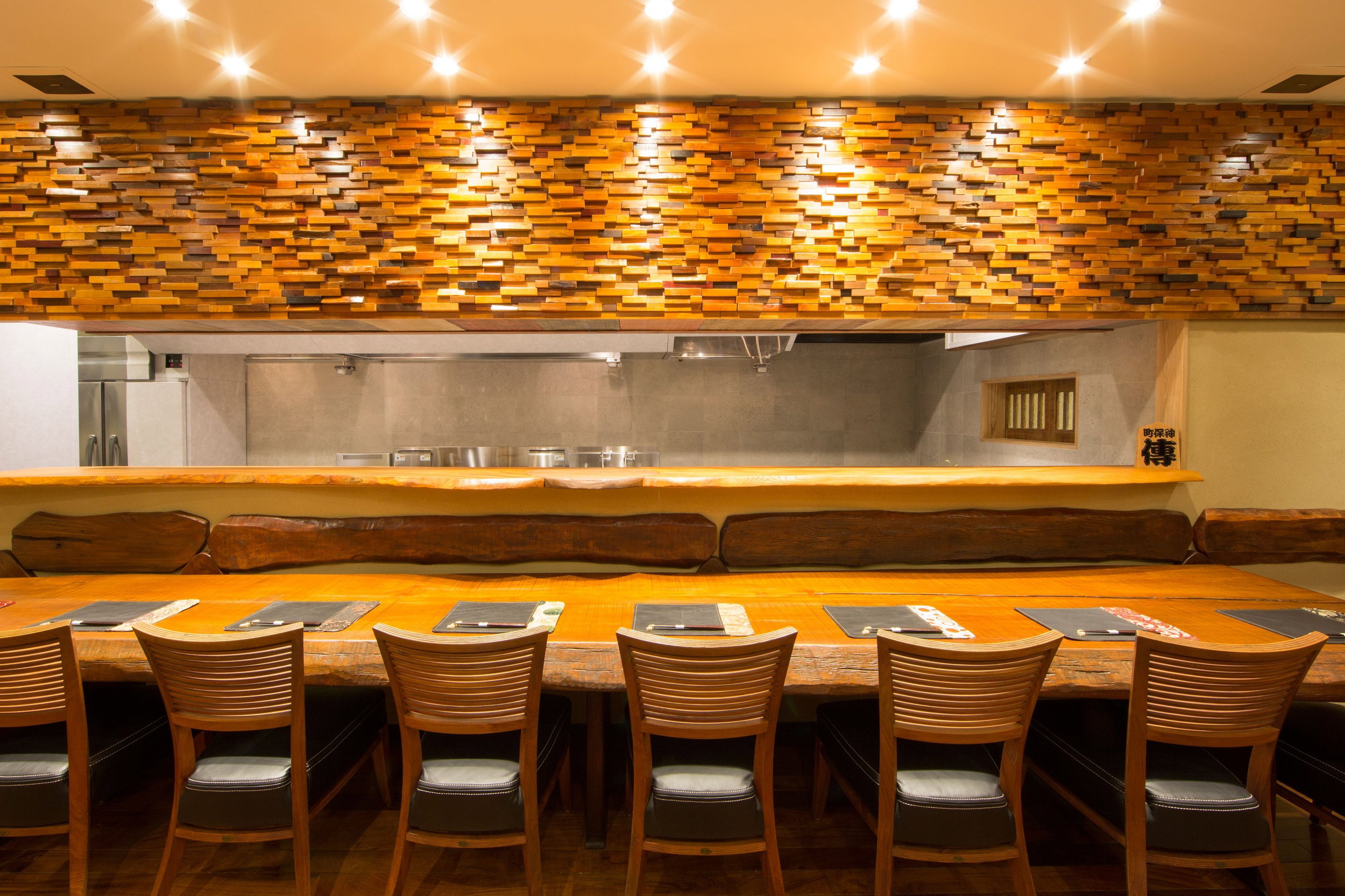
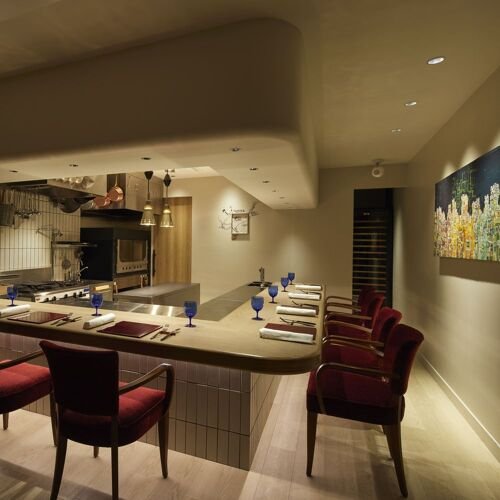
Relaxing and stylish space with a theatrical counter where guests watch the chef's performance-like preparation.
Tags
Vibe
Best For
Experience
Sourcing
At the Table
- Dress Code
- Smart Casual
- Noise Level
- Quiet
- Service Style
- Formal
- Meal Pacing
- Leisurely
- Capacity
- Intimate
- Kitchen
- Modern
- Menu Format
- Tasting menu
- Wine Program
- Curated
- Drinks Focus
- Wine, Tea
Signature Dishes
- egg_and_truffle_ravioli
- wood_fired_main
- wagyu
Know before you go
Know Before You Go
- Getting there
- Japan, 〒151-0053 Tokyo, Shibuya, Yoyogi, 4 Chome−1−7 森田ビル 1F
Planning details
Location
Japan, 〒151-0053 Tokyo, Shibuya, Yoyogi, 4 Chome−1−7 森田ビル 1F · Directions
Recognition and awards
Also consider
Also Consider
- Harutaka, Sushi, ¥¥¥¥
- RyuGin, Kaiseki, Japanese, ¥¥¥¥
- L'Effervescence, French, ¥¥¥¥
- HOMMAGE, Innovtive French, French, ¥¥¥¥
- Florilège, French, ¥¥¥
Restaurant context
Orchestra sits at ¥¥¥ with two Michelin Plates, which makes it notably more accessible on price than most of its serious competition in Tokyo. L'Effervescence and HOMMAGE both operate at ¥¥¥¥ with stronger Michelin credentials, and if French cuisine is on the table, either is a more decorated choice, but you will pay for it. Florilège matches Orchestra's ¥¥¥ tier and carries a Michelin star, making it the stronger credential at a comparable price if French is your preference over Italian. For a special occasion where cuisine type matters, Orchestra wins on concept and atmosphere; Florilège wins on award weight.
Harutaka and RyuGin are ¥¥¥¥ venues in entirely different categories, elite sushi and kaiseki respectively, and are not direct competitors. If you are choosing between a high-end Japanese experience and a mid-range Italian one, those rooms offer a fundamentally different kind of evening. Orchestra makes sense when you specifically want Italian cooking with a coherent narrative, at a price that leaves room in the budget for the rest of your Tokyo trip.
On booking difficulty, Orchestra's Easy rating is a genuine advantage over most of these peers, several of which require significant advance planning. If you are making decisions close to your travel dates, Orchestra is the most accessible option among this group without sacrificing quality. For value per yen spent, it is the call if Italian cuisine is your preference; for maximum credential-to-cost, Florilège is the French alternative worth comparing directly.
Explore Tokyo
Around this place
Discover more on Pearl
Unlock the full Orchestra guide in Pearl, including awards, comparisons, FAQs, planning details, and nearby places.
Compare Orchestra
| Venue | Price | Booking Difficulty | Awards |
|---|---|---|---|
| Orchestra | ¥¥¥ | Easy | 2026 Michelin Plate2025 Michelin Plate2024 Michelin Plate |
| Harutaka | ¥¥¥¥ | Unknown | 2026 Tabelog Silver · #312026 OAD Top Restaurants in Japan Ranked · #1282026 Michelin 3 Stars2026 La Liste Top RestaurantsTabelog 100 - Sushi - TOKYO - 2025 · #372025 Asia's 50 Best Restaurants · #762025 OAD Top Restaurants in Japan Ranked · #1172025 La Liste Top Restaurants2025 Tabelog Bronze |
| RyuGin | ¥¥¥¥ | Unknown | 2026 OAD Top Restaurants in Japan Ranked · #802026 Tabelog Bronze · #3772026 Michelin 3 Stars2026 La Liste Top RestaurantsTabelog 100 - Japanese cuisine - TOKYO - 2025 · #212025 OAD Top Restaurants in Japan Ranked · #542025 Michelin 3 Stars2025 La Liste Top Restaurants2025 The Best Chef Three Knives |
| L'Effervescence | ¥¥¥¥ | Unknown | 2026 Tabelog Silver · #682026 OAD Top Restaurants in Japan Ranked · #103Star Wine Lists 20262026 Black Pearl 2 Diamond2026 Relais Chateaux Restaurants2026 La Liste Top Restaurants2026 Michelin 3 Stars2025 Asia's 50 Best Restaurants · #692025 OAD Top Restaurants in Japan Ranked · #92 |
| HOMMAGE | ¥¥¥¥ | Unknown | 2026 Tabelog Bronze · #1232026 OAD Top Restaurants in Japan Highly Recommended2026 Michelin 2 StarsTabelog 100 - French - TOKYO - 2025 · #762025 Asia's 50 Best Restaurants · #782025 OAD Top Restaurants in Japan Ranked · #1752025 Michelin 2 Stars2025 The Best Chef One Knife2025 La Liste Top Restaurants |
| Florilège | ¥¥¥ | Unknown | 2026 Asia's 50 Best Restaurants · #312026 Tabelog Bronze · #712026 OAD Top Restaurants in Japan Ranked · #1242026 Black Pearl 1 Diamond2026 Michelin 2 Stars2026 La Liste Top Restaurants2025 Asia's 50 Best Restaurants · #172025 World's 50 Best Restaurants · #36Tabelog 100 - French - TOKYO - 2025 · #68 |













What to weigh when choosing between Orchestra and alternatives.
FAQ
Frequently Asked Questions
Is Orchestra worth the price?
At the ¥¥¥ tier, Orchestra delivers solid value for Tokyo's Italian dining market. Two consecutive Michelin Plate awards (2024 and 2025) confirm the kitchen is operating at a recognised standard, and the booking difficulty is rated Easy — meaning you're not paying a premium just to get through the door. If you want Emilia-Romagna-rooted Italian cooking with a coherent concept in a room that has genuine personality, the price is justified. For pure value-per-plate, it sits comfortably below the pressure of Tokyo's hardest-to-book Italian rooms.
Is the tasting menu worth it at Orchestra?
The menu format and specific pricing are not publicly confirmed in available venue data, so specific course counts cannot be here. What is documented is that the cuisine is shaped by the chef's apprenticeship in Emilia-Romagna, a region defined by technical discipline and ingredient-led cooking — the kind of background that tends to suit a structured tasting format. With a Michelin Plate in 2024 and 2025, the kitchen has enough recognition to make a multi-course commitment reasonable at the ¥¥¥ price point.
Is Orchestra good for solo dining?
Orchestra is a credible solo option. The Yoyogi address keeps it off the main tourist circuit, the booking difficulty is rated Easy so there's no anxiety about securing a single seat, and the classical music concept and musical-motif tableware give you something to engage with without needing a companion to carry the experience. It works better as a solo dinner than most ¥¥¥ rooms in Tokyo where the format is built around groups.