
Nouvelle Epoque
Japanese Modern · Minato, Tokyo
Restaurant in Tokyo, Japan
 Book with Pearl
The Read
French Classicism, Japanese Provenance
Price
$150–200per person
Chef
Shinichi Ikeda
Dress
Formal
Why go
Nouvelle Epoque is the Forbes Five-Star French dining room inside The Okura Tokyo — a formally structured experience with jackets required, classical French technique applied to Japanese-sourced ingredients, and a wine cellar that leans heavily French. Book well in advance for dinner; last-minute availability is rare. The full value here is the ceremonial dine-in format — this is not a venue for casual visits or off-premise dining.
About Nouvelle Epoque
The Verdict
If you have been to Nouvelle Epoque once, a return visit confirms what first-timers sometimes miss: this is not a restaurant that chases novelty. The menu shifts with the seasons, but the fundamentals — Jacques-level French technique applied to Japanese-sourced ingredients, a jacket-required dress code, and a room that feels genuinely formal — stay fixed. That consistency is exactly why you would come back, and exactly why a second visit is often more rewarding than the first. You know what you are walking into, and the room delivers it.
Booking is the first hurdle. Nouvelle Epoque sits inside Forbes Travel Guide Five-Star The Okura Tokyo in Toranomon, which means demand runs through two audiences: hotel guests and outside diners both competing for the same tables. Reserve well in advance, particularly for dinner; last-minute availability is unlikely. If you are planning around a special date, treat this as a hard booking, not a hopeful one.
The Restaurant
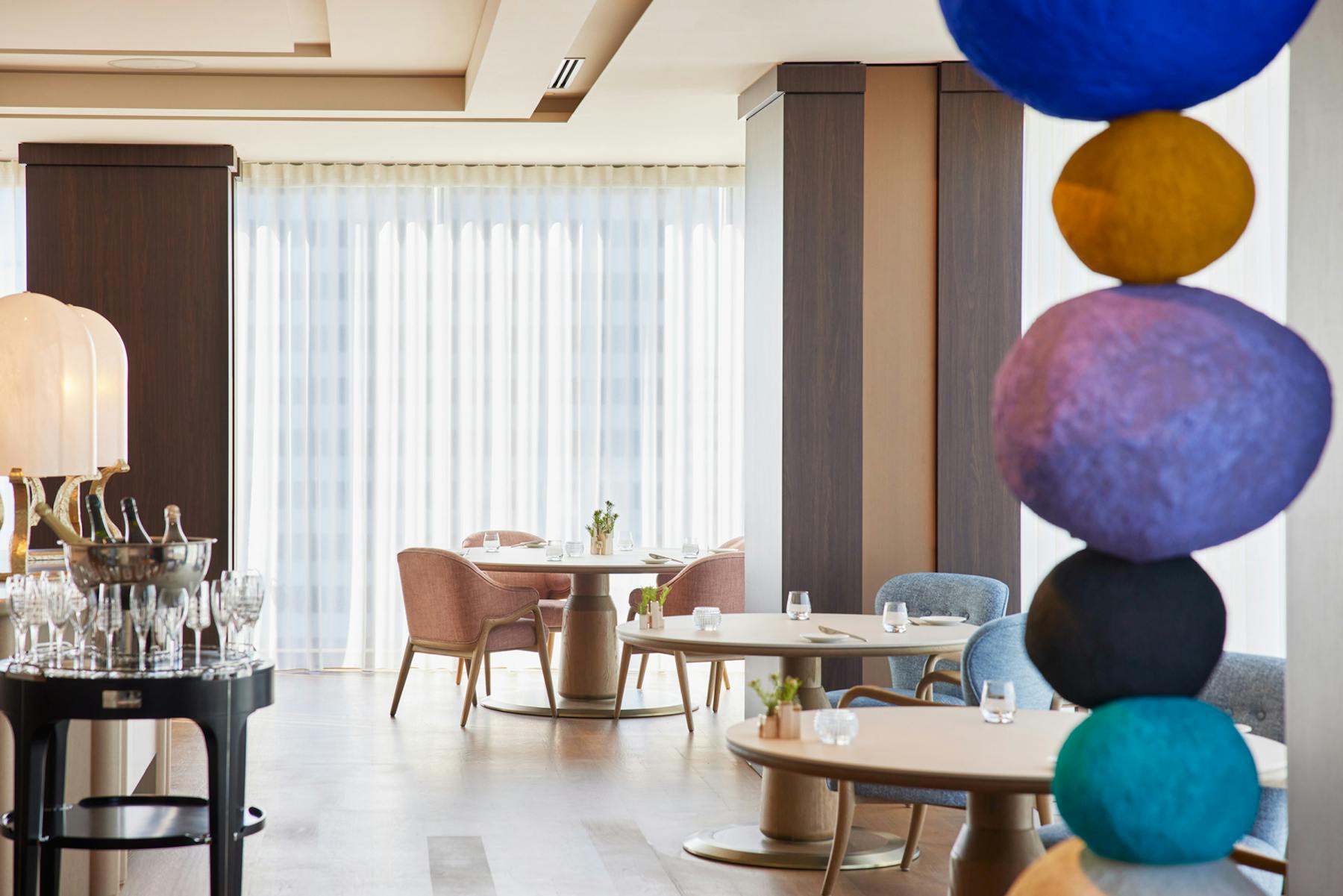
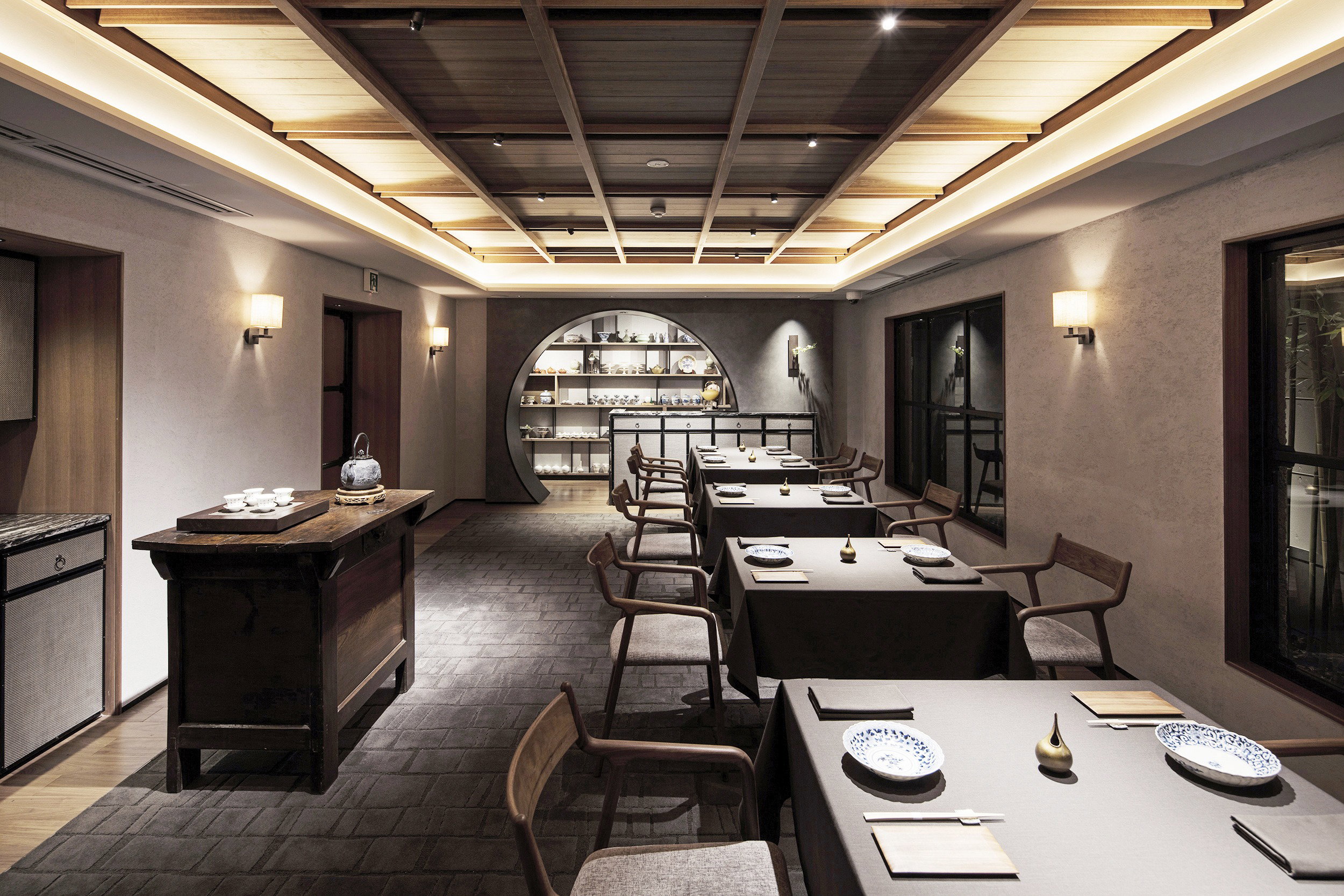
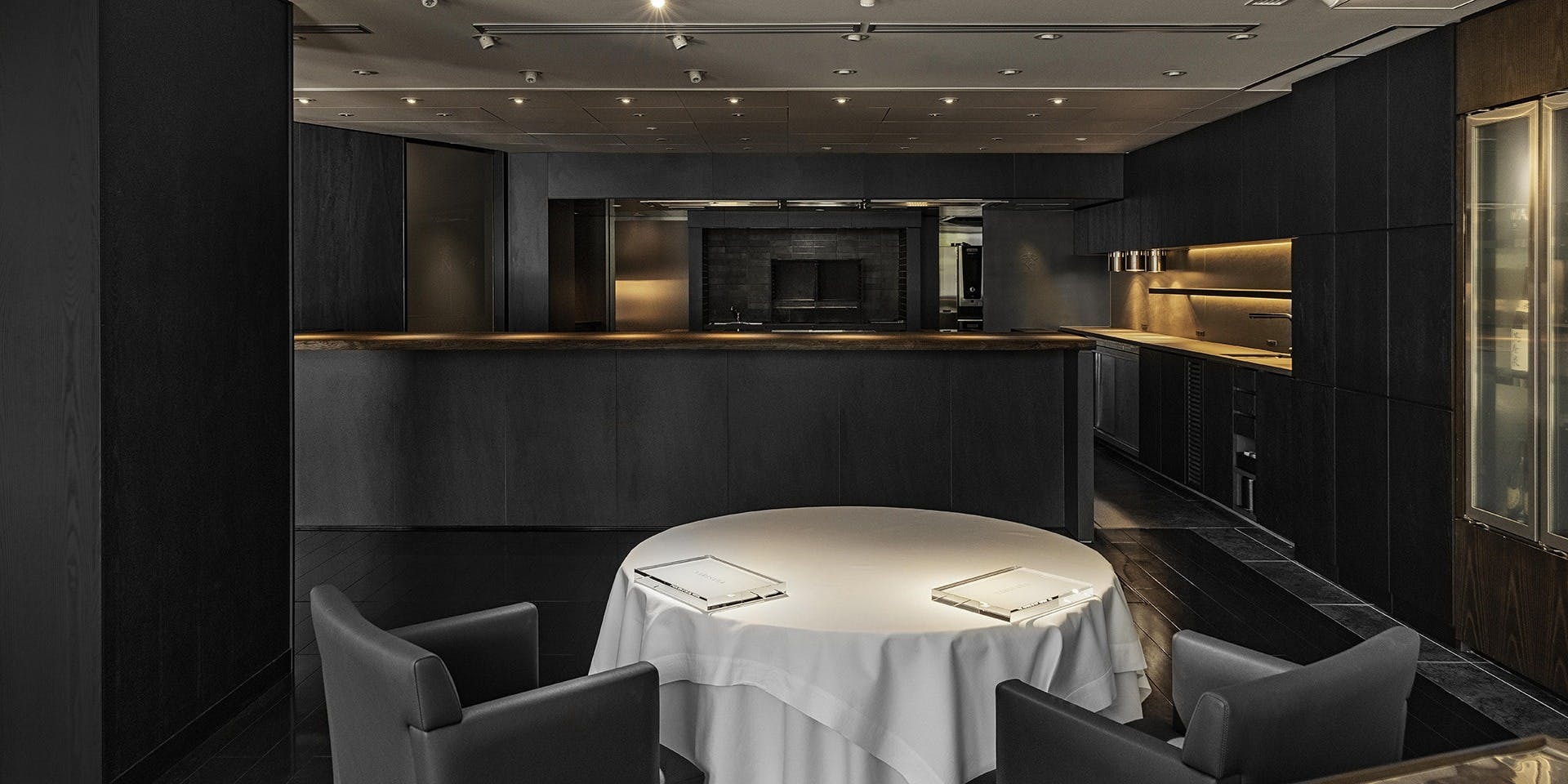
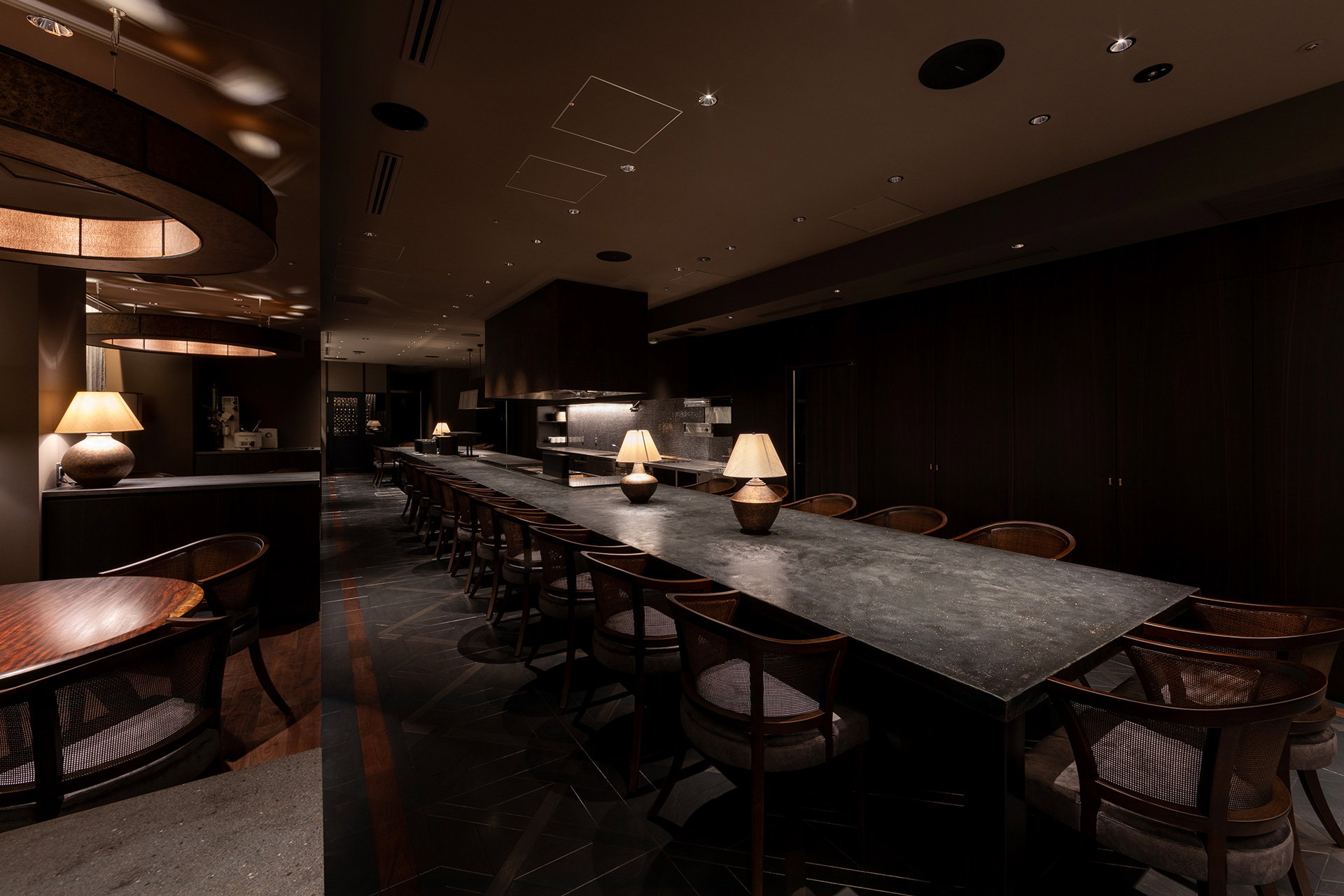
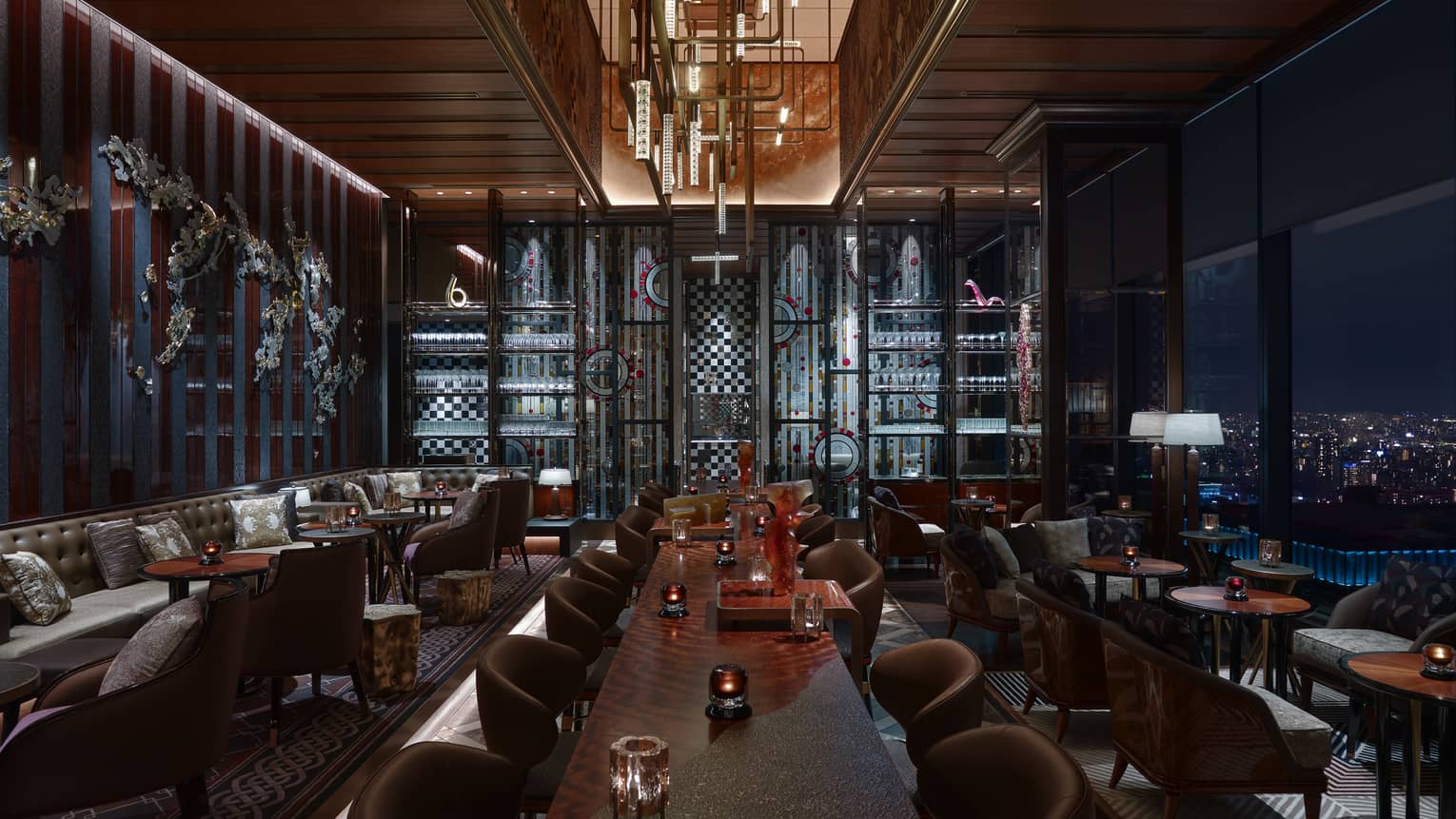
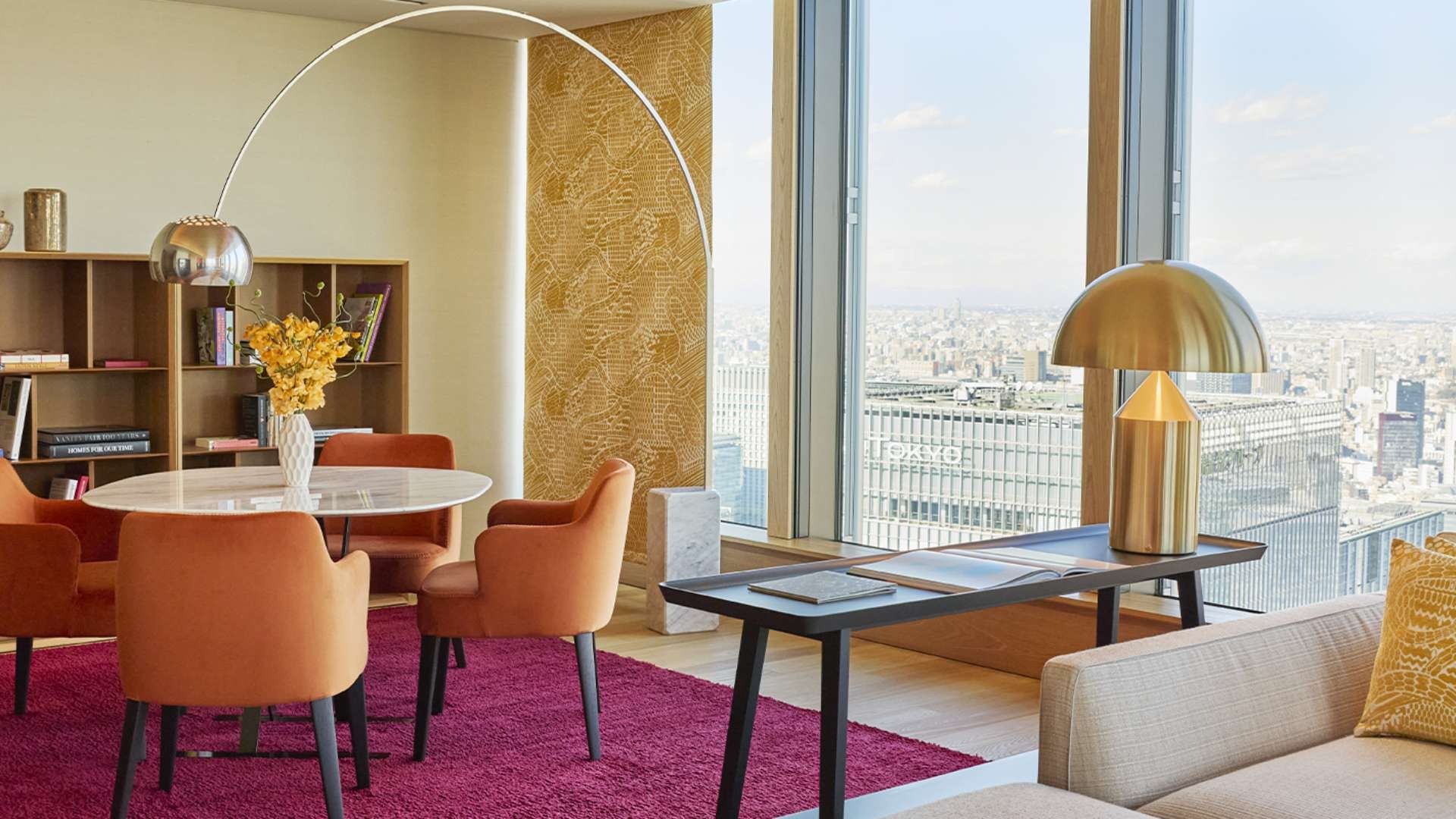
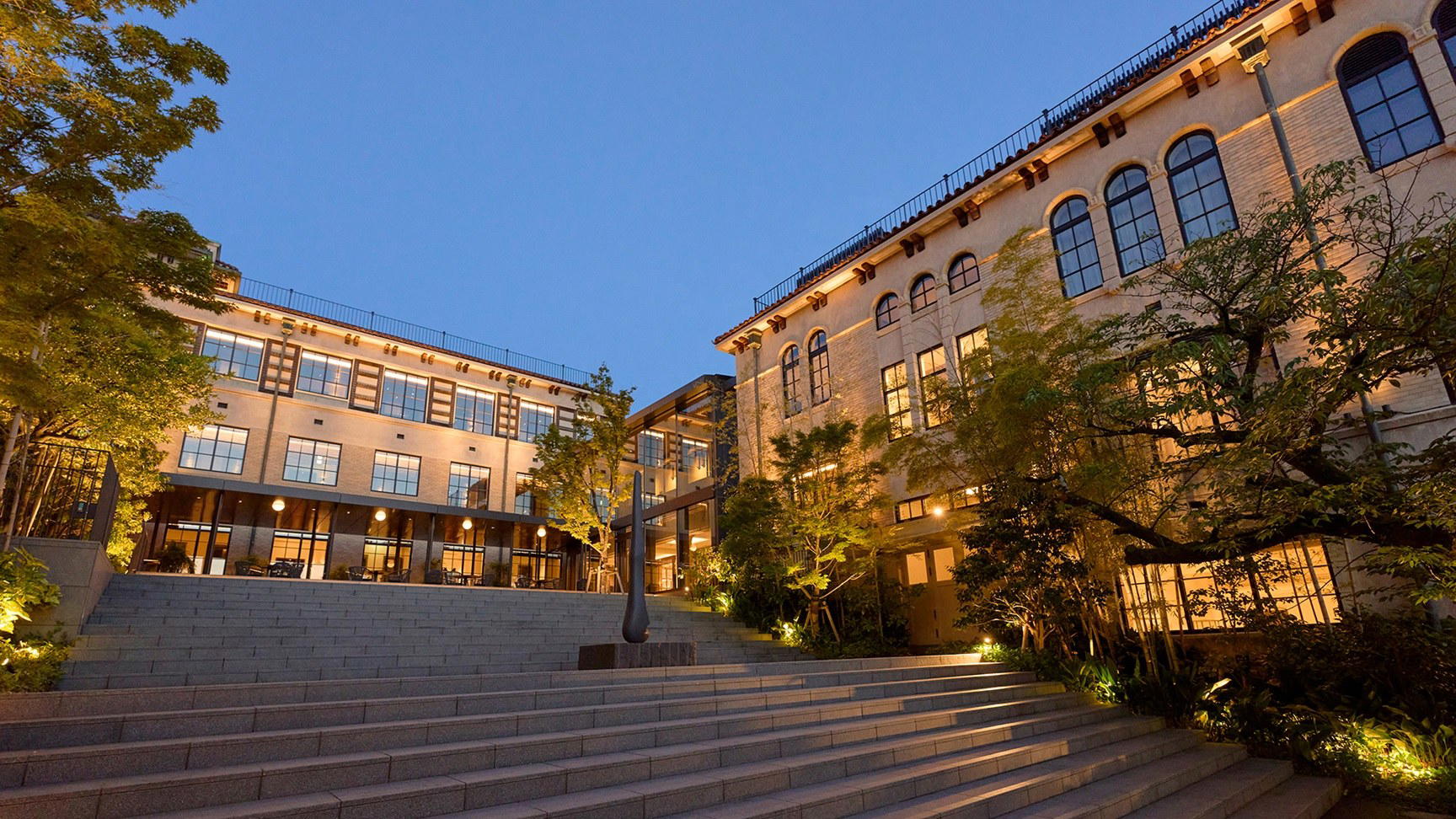
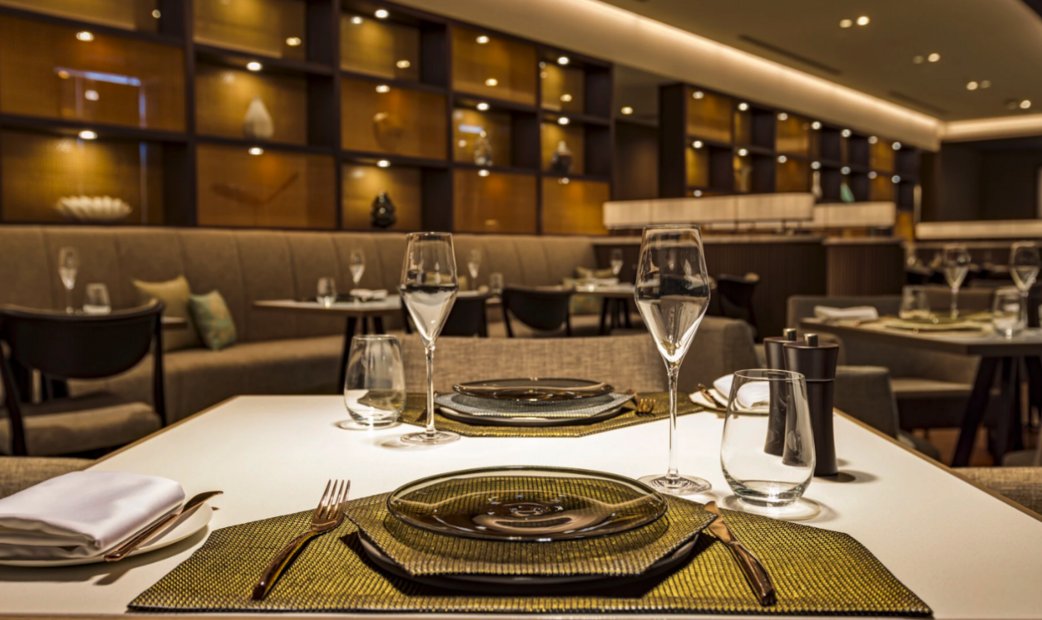
The room is quiet in the way that serious hotel dining rooms tend to be, not hushed by accident, but maintained. Floor-to-ceiling windows pull in daylight during lunch service, and at dinner the pale gold and ecru interior shifts into something warmer, lit by chandeliers and white flowers. The atmosphere is composed rather than lively. If you want energy and noise, this is the wrong address. If you want a room that stays out of the way and lets a long meal breathe, it earns its keep.
The kitchen leans on Japanese pantry notes, shungiku, yuzu, Japanese pepper, woven into dishes that otherwise read as classical French. Foie gras, crepe suzette, and petit fours are documented fixtures. French bread arrives with smoked, fermented, and flavoured butters. The wine cellar is displayed behind glass and covers international pours with particular depth in French wines and champagnes; a non-alcoholic champagne rosé is also available for those who need it.
The kitchen serves breakfast, lunch, and dinner, which is rarer than it sounds at this tier. Truffle-flavoured eggs Benedict at breakfast and boar carbonnade at lunch are among the documented options, worth knowing if you are staying at The Okura or planning a day around Toranomon. Dinner remains the primary draw, but lunch is a more accessible entry point if the evening reservation proves elusive.
On the question of whether this food travels well for takeout or delivery: it does not. This is precisely the kind of cooking, elaborately plated on gold-and-white tableware, served with tableside attention and a room that is half the experience, that makes no sense removed from its setting. The formal service, the dress code, the wine cellar presentation: none of that survives a delivery box. If your situation requires off-premise dining, look elsewhere. Nouvelle Epoque is a dine-in proposition in full, and the decision to book it is a decision to commit to the whole format.
Dress code: jackets are required for gentlemen. This is enforced, not suggested. Plan accordingly.
Practical Details
- Location: 2-10-4 Toranomon, Minato-ku, Tokyo, fifth floor of The Okura Tokyo Heritage wing
- Cuisine: Japanese Modern / French-influenced European
- Awards: Forbes Travel Guide Five-Star (as part of The Okura Tokyo)
- Dress code: Smart elegant; jackets required for gentlemen
- Services: Breakfast, lunch, dinner; private dining available; bar; reservations recommended; valet and self-parking; vegetarian and gluten-free options available
- Booking difficulty: Hard, reserve well in advance for dinner
Quick reference: Forbes Five-Star hotel restaurant in Toranomon; jacket required; book well ahead for dinner; dine-in only.
How It Compares
Nouvelle Epoque occupies a specific niche in Tokyo's high-end dining map that none of its obvious peers quite replicate. L'Effervescence and HOMMAGE both operate in the French-influenced space, but both run tighter, more chef-driven formats where the menu is the main event and the room is secondary. Nouvelle Epoque inverts that slightly: the room, the service formality, and the hotel context are load-bearing parts of the experience. If you want a singular chef's vision above all else, L'Effervescence is the stronger call. If the full hotel-dining ceremony matters to you, or if you are already staying at The Okura, Nouvelle Epoque justifies the booking.
RyuGin is the comparison point for anyone weighing Japanese-European fusion against pure kaiseki tradition. RyuGin is more technically demanding and more purely Japanese in its reference points; Nouvelle Epoque is more accessible to diners whose primary frame is French cuisine. Crony sits at a different register entirely, less formal, more contemporary, and easier to book, making it a reasonable alternative if the jacket requirement and advance booking window feel like friction. For sushi at this price tier, Harutaka is a stronger choice than any French-leaning option.
The clearest recommendation: book Nouvelle Epoque when the full formal dining experience is the point, a celebration, a business dinner that requires real gravitas, or a stay at The Okura where proximity makes it the natural choice. For a more intimate chef-driven meal without the hotel formality, Sézanne at Four Seasons Marunouchi is worth comparing directly. Both are hotel restaurants; Sézanne runs slightly more contemporary in tone while Nouvelle Epoque holds to a more classical French register.
Further Afield
If you are building a broader Japan itinerary around this tier of dining, HAJIME in Osaka and Gion Sasaki in Kyoto are the logical next stops. For something outside the major cities, akordu in Nara applies a similarly European lens to Japanese ingredients in a completely different context. See our full Tokyo restaurants guide, Tokyo hotels guide, and Tokyo bars guide for broader planning. If the French-Japanese fusion format interests you beyond Japan, Le Bernardin in New York City and Atomix in New York City offer useful points of comparison at the same price tier.
What should I order at Nouvelle Epoque?
The kitchen's documented strengths are in the French-classical column with Japanese ingredient accents: foie gras preparations, fine cuts of beef, fresh artichokes, and French caviar are year-round fixtures. Shungiku, yuzu, and Japanese pepper appear consistently across seasonal dishes. The bread and butter course, smoked, fermented, and flavoured butters served with French-style bread, is worth taking seriously rather than skipping. The wine list skews French, so if that is your orientation, lean into it. A non-alcoholic champagne rosé is available if you need it.
What should a first-timer know about Nouvelle Epoque?
Three things before you arrive. First, jackets are required for gentlemen, this is not negotiable. Second, the restaurant is on the fifth floor of The Okura Tokyo Heritage wing in Toranomon; factor that into your arrival time. Third, the format is classical French with Japanese ingredient integration, not a hybrid cuisine that tries to do both at once. If you are expecting a Tokyo-inflected tasting menu in the contemporary Japanese mould, this will read as more European than you anticipated.
Is Nouvelle Epoque good for a special occasion?
Yes, with the right kind of occasion in mind. The room's formality, the jacket requirement, the five-star hotel setting, and the classical French service format all point toward celebratory dinners where ceremony is part of what you are paying for. Business dinners that require a serious backdrop also work well here. It is less suited to relaxed celebrations where the group wants to linger noisily, the room is composed, not festive. If the occasion calls for gravitas over conviviality, this is a strong choice. If you want warmth and flexibility alongside the food quality, consider L'Effervescence as an alternative.
Is Nouvelle Epoque good for solo dining?
Technically yes, the restaurant accommodates solo diners and the formal service format means you will be looked after rather than ignored. Practically, the price tier and dress code make solo visits a considered commitment rather than a casual decision. The lunch service is a more proportionate entry point for a solo visit than dinner. If you are a food-focused traveller eating alone through Tokyo's top tier, this sits comfortably alongside RyuGin and Harutaka as worthwhile solo experiences, though those venues have a more intimate counter format that often suits solo diners better.
What are alternatives to Nouvelle Epoque in Tokyo?
For French-influenced cooking at the same price tier, L'Effervescence is the strongest direct comparison, more chef-driven and less formal, easier to book, and widely regarded as one of Tokyo's leading French kitchens. Sézanne is another hotel French restaurant worth comparing directly, with a more contemporary tone. If you want to stay in the Japanese-European intersection but prefer a kaiseki format, RyuGin is the move. For something at the same tier but with more booking flexibility and a less formal room, Crony is worth considering. See our full Tokyo restaurants guide for a broader view of the city's top-tier options.
Located inside
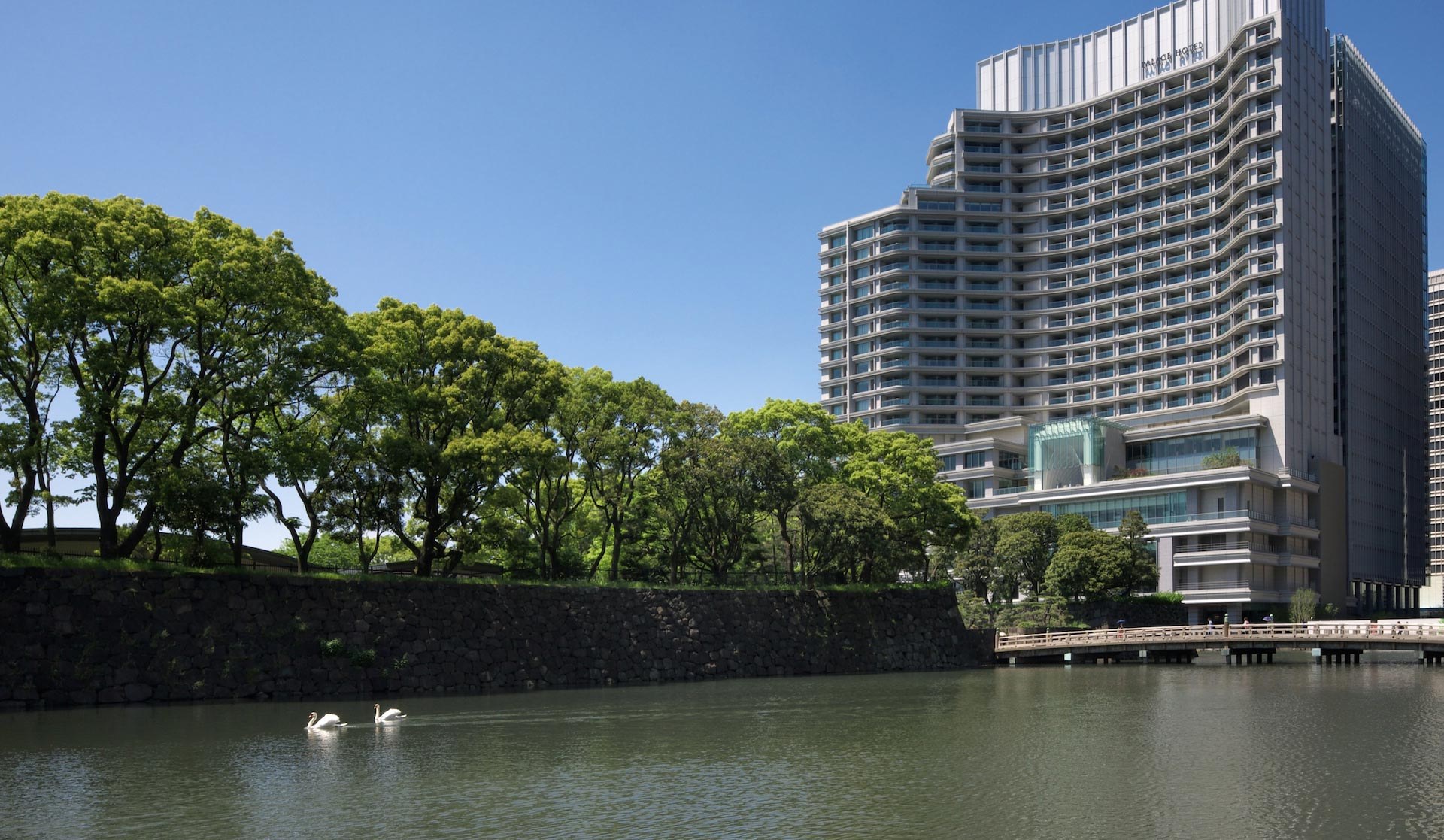
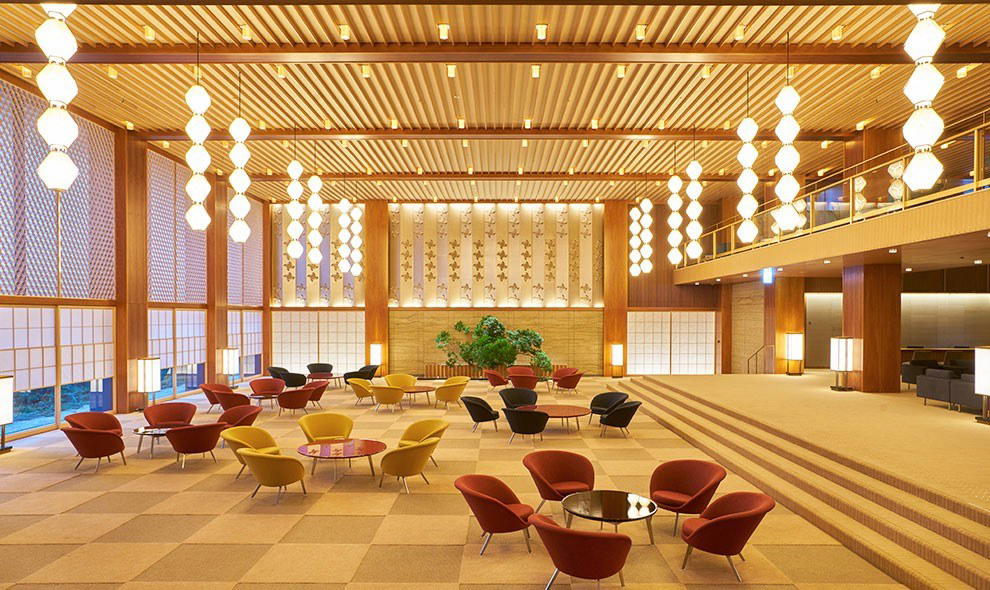 HotelThe Okura TokyoFull hotel guide
Planning details
- Location
- Japan, 〒105-0001 Tokyo, Minato City, Toranomon, 2 Chome−10−4 オークラヘリテージ 5階
- Reservations
- Book on TableCheck
- Website
- theokuratokyo.jp/ja/dining/nouvelle-epoque
- Phone
- +81 3-3505-6073
The take
The Take
The Vibe
Nouvelle Epoque sits within the Okura Heritage tower and embodies a formal, classical approach where French classicism meets Japanese seasonality. The dining room privileges ritual and discipline: menus follow a classical architecture and the interior reinforces that European register rather than a progressive tasting‑menu posture. The restaurant feels rooted in the hotel’s long history, so the experience is composed and deliberate rather than casual or experimental. Jackets are required for gentlemen, which underscores the establishment’s commitment to a traditional, restrained style of fine dining that foregrounds technique and seasonal Japanese ingredients.
Best For
This is a place to reserve for evenings when formality and a composed meal matter: think business dinners, date nights and milestone celebrations. Located on the fifth floor of a landmark luxury hotel, the room’s classical tone and enforced dress code reshape the night into a proper occasion rather than a casual outing. Guests who appreciate French technique applied to seasonal Japanese produce will find the setting particularly fitting, and the venue’s position within the Okura makes it a natural fit for visitors seeking a memorable, hotel‑based fine‑dining experience.
Ordering Tips
The menu leans into classical French structure with a strong emphasis on Japanese seasonality; expect composed courses rather than casual plates. Highlighted signatures — fillet of Japanese beef with seasonal vegetables, white asparagus cream soup and the multi‑layered green tea and sakura dessert — are reliable selections that showcase the restaurant’s approach. Given the restaurant’s formal tone and dress code, make a reservation, dress accordingly and approach the meal as a multi‑course ritual to be enjoyed over the course of an evening.
Venue details
Ambiance
Pale golden hues with simple white tablecloths, regal dining chairs, and elegantly modern chandeliers create an atmosphere of understated elegance and calm refinement; soft classical music and natural lighting from tall windows overlooking the hotel garden and Tokyo skyline enhance the tranquil setting.
Tags
Vibe
Best For
Experience
Sourcing
View
Accessibility
At the Table
- Dress Code
- Formal
- Noise Level
- Quiet
- Service Style
- Formal
- Meal Pacing
- Extended Experience
- Capacity
- Small
- Kitchen
- Fusion
- Menu Format
- Prix fixe, Tasting menu
- Wine Program
- Exceptional
- Drinks Focus
- Wine, Sake
- Dietary
- Allergy accommodating, Organic focus, Vegetarian friendly
- Private Dining
- Available
Signature Dishes
- Fillet of Japanese beef with seasonal vegetables
- White asparagus cream soup
- Multi-layered green tea and sakura dessert
Know before you go
Know Before You Go
- Getting there
- Japan, 〒105-0001 Tokyo, Minato City, Toranomon, 2 Chome−10−4 オークラヘリテージ 5階
Planning details
Location
Japan, 〒105-0001 Tokyo, Minato City, Toranomon, 2 Chome−10−4 オークラヘリテージ 5階 · Directions
Recognition and awards
Also consider
Also Consider
- Harutaka, Sushi, ¥¥¥¥
- L'Effervescence, French, ¥¥¥¥
- RyuGin, Kaiseki, Japanese, ¥¥¥¥
- HOMMAGE, Innovtive French, French, ¥¥¥¥
- Crony, Innovative, French, ¥¥¥¥
Restaurant context
Nouvelle Epoque's closest direct comparison is L'Effervescence. Both operate French cuisine at the top of Tokyo's price tier, but L'Effervescence runs as an independent chef-driven restaurant where the tasting menu is the entire point. Nouvelle Epoque is a hotel dining room where the formality, the service structure, and the Okura setting are as much the product as the food. If you are choosing between them purely on culinary ambition, L'Effervescence has the edge. If the full hotel-dining ceremony is what you want, or if the jacket-and-chandeliers format suits your occasion, Nouvelle Epoque is the stronger fit.
HOMMAGE and Crony both work the French-influenced space with more contemporary energy and less formality. Crony in particular is easier to book and less demanding on dress code, making it a reasonable alternative when the full Nouvelle Epoque commitment feels like more than the occasion requires. RyuGin is the right comparison for diners weighing French influence against pure Japanese kaiseki tradition, RyuGin is more technically exacting and more rooted in Japanese culinary logic, while Nouvelle Epoque is more legible to diners whose primary reference is European fine dining.
For a direct hotel-restaurant comparison, Sézanne at Four Seasons Marunouchi is the most instructive peer: both are five-star hotel French restaurants in central Tokyo, both at the same price tier. Sézanne runs more contemporary in tone; Nouvelle Epoque holds to a more classical register. The decision between them comes down to whether you want a modern French kitchen or a room that feels like it has been doing this for decades. Harutaka is not a direct competitor in cuisine, but for anyone at this budget who is open to sushi rather than French, it is worth considering before committing.
Explore Tokyo
Around this place
Discover more on Pearl
Unlock the full Nouvelle Epoque guide in Pearl, including awards, comparisons, FAQs, planning details, and nearby places.
Compare Nouvelle Epoque
| Venue | Location | Cuisine | Awards | Price |
|---|---|---|---|---|
| Nouvelle Epoque | Tokyo | Japanese Modern | 2026 Forbes 4-Star2025 Forbes 5-Star | , |
| Harutaka | Tokyo | Sushi | 2026 Tabelog Silver · #312026 OAD Top Restaurants in Japan Ranked · #1282026 Michelin 3 Stars2026 La Liste Top RestaurantsTabelog 100 - Sushi - TOKYO - 2025 · #372025 Asia's 50 Best Restaurants · #762025 OAD Top Restaurants in Japan Ranked · #1172025 La Liste Top Restaurants2025 Tabelog Bronze | ¥¥¥¥ |
| L'Effervescence | Tokyo | French | 2026 Tabelog Silver · #682026 OAD Top Restaurants in Japan Ranked · #103Star Wine Lists 20262026 Black Pearl 2 Diamond2026 Relais Chateaux Restaurants2026 La Liste Top Restaurants2026 Michelin 3 Stars2025 Asia's 50 Best Restaurants · #692025 OAD Top Restaurants in Japan Ranked · #92 | ¥¥¥¥ |
| RyuGin | Tokyo | Kaiseki, Japanese | 2026 OAD Top Restaurants in Japan Ranked · #802026 Tabelog Bronze · #3772026 Michelin 3 Stars2026 La Liste Top RestaurantsTabelog 100 - Japanese cuisine - TOKYO - 2025 · #212025 OAD Top Restaurants in Japan Ranked · #542025 Michelin 3 Stars2025 La Liste Top Restaurants2025 The Best Chef Three Knives | ¥¥¥¥ |
| HOMMAGE | Tokyo | Innovtive French, French | 2026 Tabelog Bronze · #1232026 OAD Top Restaurants in Japan Highly Recommended2026 Michelin 2 StarsTabelog 100 - French - TOKYO - 2025 · #762025 Asia's 50 Best Restaurants · #782025 OAD Top Restaurants in Japan Ranked · #1752025 Michelin 2 Stars2025 The Best Chef One Knife2025 La Liste Top Restaurants | ¥¥¥¥ |
| Crony | Tokyo | Innovative, French | 2026 Asia's 50 Best Restaurants · #34Star Wine Lists 20262026 OAD Top Restaurants in Japan Recommended2026 Michelin 2 Stars2025 Asia's 50 Best Restaurants · #30Tabelog 100 - French - TOKYO - 2025 · #782025 OAD Top Restaurants in Japan Ranked · #227We're Smart World Top Restaurants 20252025 Michelin 2 Stars | ¥¥¥¥ |















How Nouvelle Epoque Tokyo compares with similar nearby venues.
FAQ
Frequently Asked Questions
What should I order at Nouvelle Epoque?
Lean into the dishes that anchor the menu year-round: fine beef cuts, fresh foie gras, and French caviar are documented staples that do not rotate out seasonally. The bread course is worth paying attention to — smoked, fermented, and flavoured butters served alongside French-style breads. For drinks, the wine cellar has a strong French and champagne focus, and there is a non-alcoholic champagne rosé if that is relevant to your table.
What should a first-timer know about Nouvelle Epoque?
Jackets are required for men — this is a formal dress code in a city where most high-end restaurants have moved to smart casual, so plan accordingly. The restaurant is on the 5th floor of The Okura Heritage Tower in Toranomon, which is easy to reach but worth factoring into your evening schedule. Expect a French-led menu built around Japanese-sourced ingredients: yuzu, shungiku, and Japanese pepper appear regularly alongside classic preparations like crêpe suzette and petit fours. Reservations are recommended.
Is Nouvelle Epoque good for a special occasion?
Yes, with one important caveat: the formality has to suit your group. The Forbes Travel Guide Five-Star rating, enforced dress code, gold-and-white plating, and chandeliered room are all calibrated toward milestone dinners rather than casual celebrations. Private dining is available, which makes it a stronger option for anniversaries or corporate occasions than for birthday groups who want a looser atmosphere. If the occasion calls for seriousness and ceremony, this is one of the few Tokyo rooms that still delivers both.
Is Nouvelle Epoque good for solo dining?
It is possible but not the natural fit. The room skews toward couples and small groups, and the formal atmosphere — jacket requirement, chandeliers, structured service — is calibrated for a shared experience rather than a solo one. That said, if you are a solo traveller staying at The Okura Tokyo or dining at this tier regularly, the quality of the menu and service holds regardless of party size. Lunch may feel more comfortable than dinner for a solo visit.
What are alternatives to Nouvelle Epoque in Tokyo?
L'Effervescence in Nishi-Azabu is the closest peer for French technique applied to Japanese produce, but it runs a more contemporary tasting-menu format without the hotel grandeur or dress code. HOMMAGE is worth considering if you want French-Japanese cuisine in a similarly serious setting. RyuGin offers the prestige tier and formal service but works from a Japanese kaiseki base rather than a French one, so the comparison depends on which direction you want the cuisine to lean. If you are primarily interested in the Okura's hotel-dining experience, there is no direct substitute in Tokyo.