.png?width=1200&quality=80)
NISHIAZABU SHANGU
Chinese · Minato, Tokyo
Restaurant in Tokyo, Japan
 Book with Pearl
The Read
Wok Counter Cantonese
Price
¥¥¥¥
Dress
Smart Casual
Why go
Nishiazabu Shangu is a Michelin Plate Cantonese counter restaurant in West Azabu, Tokyo, built around premium dried seafood and open-kitchen wok work. At ¥¥¥¥ with easy booking, it is the right call for diners who want serious Cantonese cooking watched from close range, without the reservation pressure of Tokyo's top kaiseki rooms.
About NISHIAZABU SHANGU
Verdict: Book Nishiazabu Shangu if Cantonese counter dining is what you're after in Tokyo
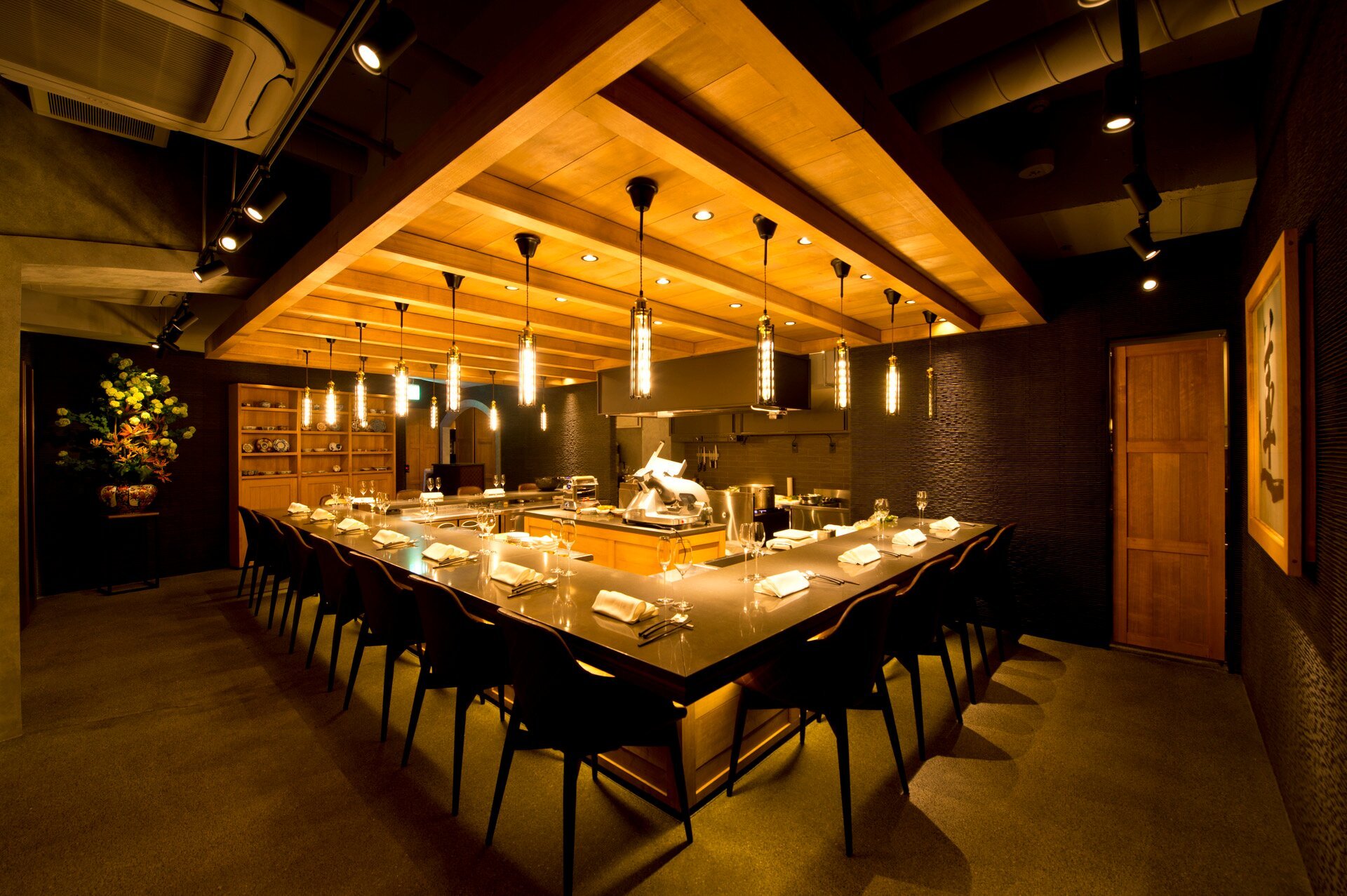
Nishiazabu Shangu earns its Michelin Plate (2025) by doing something genuinely rare in Tokyo's Chinese dining scene: it puts the wok front and centre, literally. Counter seats face the open kitchen, and the chef's command of his team and his wok is the main event. If you want a Cantonese meal built around premium dried ingredients and live seafood, watched from close range, this is the right room. If you want something more ceremonial or less performance-driven, look elsewhere in the ¥¥¥¥ tier.
Portrait
On a first visit to Nishiazabu Shangu, the counter seat is the discovery. The kitchen produces an aroma that gives the meal away before the first dish arrives: the deep, mineral warmth of abalone in broth, the faintly oceanic richness of dried scallop adductor rehydrating, the faint smoke of a wok working at high heat. This is not the perfumed gentleness of Shanghainese cooking or the chilli-forward intensity of Sichuan. It is Cantonese in its classical register, and the scent of the kitchen tells you so immediately.
The menu is organised around the Cantonese conviction that the finest ingredients are often the ones that have been dried, concentrated, and then coaxed back to life with skill. Spiny lobster, abalone, dried scallop adductor, dried mushrooms: these are the anchors. For a first visit, the counter seats are the only seats worth requesting. Being close enough to watch the chef manage his wok while coordinating the kitchen is part of what you are paying for at this price point, and missing it by sitting back in the dining room would be a mistake.
A second visit to Nishiazabu Shangu is where the multi-visit strategy earns its keep. On the first visit, the theatre of the kitchen is genuinely absorbing and the dried seafood preparations are likely to be new to many diners outside Hong Kong or Guangdong. On the second, with that novelty settled, attention can shift to the precision in individual preparations: how the abalone is textured, how the dried scallop adductor has been reconstituted, the specific balance of the wok work. This is not a restaurant where the menu changes radically by season in the way of kaiseki, so what changes between visits is primarily the diner's own frame of reference.
A third visit has a logical shape too: end the evening in the lounge. After dinner, guests can move from the counter to a separate lounge space, and the dessert course follows there, a combination of Chinese and Western patisserie. On earlier visits, leaving directly after dinner is easy to default to. On a third visit, staying for the full arc of the evening, counter to lounge to desserts, completes the intended experience. It also gives the meal a slower pace that the intensity of the counter doesn't naturally allow.
Nishiazabu Shangu sits in Tokyo's West Azabu neighbourhood, on the second floor of the SYLA Nishiazabu building at 3-13-10 Nishiazabu, Minato-ku. For context, West Azabu is a quiet, residential-adjacent pocket of Minato that sits between the denser dining clusters of Roppongi and Hiroo. It is not a destination area in the way Ginza or Shinjuku are, which means the restaurant draws diners who have made a specific decision to be there rather than foot traffic from passing visitors. That self-selection shapes the room.
The Michelin Plate signals a kitchen cooking at a consistent level of quality without necessarily the three-star gravity of nearby kaiseki institutions. That positioning is actually useful: the booking difficulty here is rated Easy, meaning you do not need to enter a lottery or set a calendar reminder weeks out. For serious Cantonese cooking in Tokyo, that accessibility is notable given how pressured reservations have become at comparable ¥¥¥¥ venues across the city.
If you are planning a Tokyo dining itinerary and want Chinese cuisine at this level, it is worth comparing Nishiazabu Shangu to other Cantonese-focused options in the city. Chugoku Hanten Fureika and Chugoku Hanten Kohakukyu (Amber Palace) represent the more established Cantonese institutions in Tokyo. Ippei Hanten and itsuka are worth considering if your interest extends to adjacent Chinese cooking styles. For traditional Chinese banquet formats, Koshikiryori Koki offers a different structural approach to a Chinese meal at a comparable price point.
For those building a broader Japan itinerary, Pearl's guides to Tokyo restaurants, Tokyo hotels, Tokyo bars, Tokyo wineries, and Tokyo experiences provide full coverage. If you are pairing Nishiazabu Shangu with dining elsewhere in Japan, notable reference points include HAJIME in Osaka, Gion Sasaki in Kyoto, akordu in Nara, Goh in Fukuoka, 1000 in Yokohama, and 6 in Okinawa. For a global perspective on Chinese cooking at a serious level, Restaurant Tim Raue in Berlin and Mister Jiu's in San Francisco show what the cuisine looks like in other high-end international contexts.
Booking
Booking difficulty is rated Easy, which at a ¥¥¥¥ Michelin Plate venue in Tokyo is genuinely useful information. You do not need to plan months ahead, but counter seats are a specific request worth making early. The venue is on the second floor of SYLA Nishiazabu at 3-13-10 Nishiazabu, Minato-ku, Tokyo. No direct booking link or phone number is currently listed; check the venue directly for current reservation availability. For first-time visitors, aim for the counter. For return visits, requesting the full evening arc through to the lounge completes the experience as intended.
Ratings at a Glance
- Awards: Michelin Plate 2025
- Price tier: ¥¥¥¥
- Booking difficulty: Easy
FAQs
Is Nishiazabu Shangu good for a special occasion?
Yes, with the right expectations. The counter format, the theatrical wok work, and the premium Cantonese ingredients (abalone, spiny lobster, dried scallop adductor) give the evening a clear sense of occasion. The post-dinner lounge and dessert sequence adds a second act that most restaurants at this price tier do not offer. It works well for two people who want an immersive, watch-the-kitchen dinner rather than a table-service celebration. For a large-group special occasion, the format may not suit.
Is Nishiazabu Shangu good for solo dining?
The counter format makes it well-suited to solo dining. Sitting alone at a counter facing an open kitchen in full operation is a comfortable and engaging solo experience, and at a ¥¥¥¥ price point in Tokyo, it is one of the more purposeful ways to spend an evening eating alone. The lounge option after dinner is a natural end point rather than an awkward extension. Solo diners who enjoy watching skilled kitchen work will get the most from it.
Does Nishiazabu Shangu handle dietary restrictions?
The menu is built around Cantonese seafood and dried ingredients, with abalone, spiny lobster, dried scallop adductor, and dried mushrooms as anchors. This is not a format that adapts easily to shellfish allergies or pescatarian restrictions. No specific dietary accommodation policy is listed in available data. If you have significant restrictions, contact the venue directly before booking, as the core identity of the menu is inseparable from its premium seafood focus.
Is Nishiazabu Shangu worth the price?
It is not a three-star experience in terms of service structure, and if you are comparing it to kaiseki at the same price tier (such as RyuGin), the formality level is lower. But for Cantonese specifically, it is a legitimate use of the ¥¥¥¥ budget in Tokyo.
Can Nishiazabu Shangu accommodate groups?
The counter-centric format suggests the room is better configured for smaller parties. No private dining or group-capacity information is listed in available data. For groups of four or more, contact the venue directly to understand seating options. If a private dining room is available, it would likely function differently from the counter experience, which is the core draw. For large groups wanting a Chinese banquet format in Tokyo, Chugoku Hanten Kohakukyu (Amber Palace) may be a more practical fit.
What are alternatives to Nishiazabu Shangu in Tokyo?
For Cantonese specifically, Chugoku Hanten Fureika and Chugoku Hanten Kohakukyu (Amber Palace) are the established alternatives. If you are open to other Chinese cooking styles at a serious level, Ippei Hanten and itsuka are worth considering. If your broader Tokyo itinerary is at the ¥¥¥¥ level and you are deciding between cuisines, RyuGin (kaiseki) and L'Effervescence (French) offer different experiences at the same price tier, with RyuGin carrying heavier booking pressure.
Planning details
- Location
- Japan, 〒106-0031 Tokyo, シーラ 2F 港区西麻布3丁目13−10 SYLA NISHIAZABU-V
- Website
- shangu.jp
- Phone
- +81 3-3478-6811
The take
The Take
The Vibe
NISHIAZABU SHANGU reads as a refined, classic take on Cantonese fine dining wrapped in an intimate, counter-led format. The kitchen leans on decades of wok technique, premium dried goods and live seafood, and the open counter layout puts that craft on display. Michelin Plate recognition and an upmarket Nishiazabu address underline a serious, composed atmosphere: this is not a casual neighborhood eatery but a focused room where technical execution and ingredient quality are the primary attractions.
Best For
This is a destination for diners seeking a meticulous, evening-focused Cantonese experience — well suited to business dinners, special nights out and couples who appreciate concentrated technique. The restaurant’s omakase-style counter logic and emphasis on wok hei make it ideal for guests who want to watch the cooking and evaluate execution against high benchmarks. Its Michelin Plate nod and finance-adjacent, international clientele position it as a place for considered dining rather than a quick meal.
Ordering Tips
Approach the meal as a paced, counter-led tasting that rewards patience and attention. Focus on dishes built around the kitchen’s strengths: live seafood and premium dried goods — spiny lobster, abalone, dried scallop and wok-forward plates — plus signature preparations like steamed abalone, braised shark-fin, and the kiln-roasted char siu. The open-kitchen counter format means many highlights are best appreciated fresh from the wok or steamer, so lean into the kitchen’s sequence and let technique do the talking.
Venue details
Ambiance
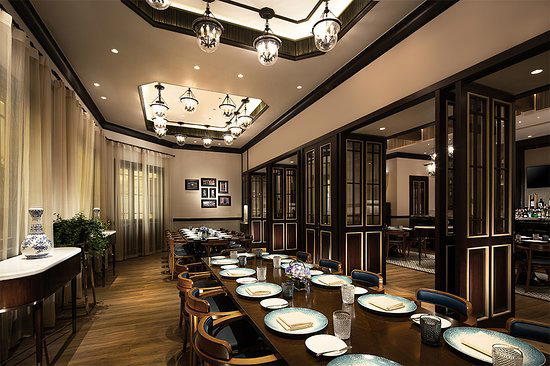
Chic and stylish interior with a super-long 7m counter, large windows, elegant decor including antique lighting and Oriental elements, creating a luxurious and refined atmosphere.
Tags
Vibe
Best For
Experience
At the Table
- Dress Code
- Smart Casual
- Noise Level
- Conversational
- Service Style
- Formal
- Meal Pacing
- Leisurely
- Capacity
- Small
Signature Dishes
- 蝦夷鮑の姿蒸し
- フカヒレの煮込み
- 釜焼き叉焼
Know before you go
Know Before You Go
- Getting there
- Japan, 〒106-0031 Tokyo, シーラ 2F 港区西麻布3丁目13−10 SYLA NISHIAZABU-V
Planning details
Location
Recognition and awards
Also consider
Also Consider
- Harutaka, Sushi, ¥¥¥¥
- L'Effervescence, French, ¥¥¥¥
- RyuGin, Kaiseki, Japanese, ¥¥¥¥
- HOMMAGE, Innovtive French, French, ¥¥¥¥
- Crony, Innovative, French, ¥¥¥¥
Restaurant context
At the ¥¥¥¥ tier in Tokyo, Nishiazabu Shangu occupies a specific niche: it is the counter-seat Cantonese option with relatively open availability. Compare that to RyuGin, which operates at the same price level but with the full structural weight of kaiseki, a much deeper service operation, and booking pressure that requires planning weeks to months in advance. If cuisine format matters to you (Japanese versus Chinese) the choice is clear, but if you are simply looking for the most immersive ¥¥¥¥ dinner in Tokyo, RyuGin's seasonal precision and service depth set a higher overall bar.
L'Effervescence and HOMMAGE both operate French menus at the same price tier and are better suited if you want a tasting menu with wine pairing in a more conventional fine-dining format. Crony sits at ¥¥¥¥ with an innovative French angle and a more contemporary room. None of these three are direct alternatives to Nishiazabu Shangu on cuisine, but they are valid comparisons if your decision is about the best use of a ¥¥¥¥ budget rather than a specific Chinese dining choice. Harutaka at the same price tier is the counter-seat omakase sushi answer to Shangu's counter-seat Cantonese format, and the comparison is genuinely useful: if counter dining with a skilled chef in full view is the draw, both deliver it, but in entirely different culinary registers.
For Cantonese specifically, the more direct peer comparison is with Chugoku Hanten Fureika and Chugoku Hanten Kohakukyu (Amber Palace), both of which represent Tokyo's established Cantonese institutions. If you want a more ceremonial Chinese dining room or a banquet-format experience, those venues are likely a better fit. Nishiazabu Shangu's edge is the counter theatre and the relative booking ease. For a first serious Cantonese meal in Tokyo, book Shangu. For a group dinner or a more traditional Chinese dining room, the Chugoku Hanten properties have a stronger structural case.
Explore Tokyo
Around this place
Discover more on Pearl
Unlock the full NISHIAZABU SHANGU guide in Pearl, including awards, comparisons, FAQs, planning details, and nearby places.
Compare NISHIAZABU SHANGU
| Venue | Cuisine | Awards | Booking Difficulty |
|---|---|---|---|
| NISHIAZABU SHANGU | Chinese | 2026 Michelin Plate2025 Michelin Plate | Easy |
| Harutaka | Sushi | 2026 Tabelog Silver · #312026 OAD Top Restaurants in Japan Ranked · #1282026 Michelin 3 Stars2026 La Liste Top RestaurantsTabelog 100 - Sushi - TOKYO - 2025 · #372025 Asia's 50 Best Restaurants · #762025 OAD Top Restaurants in Japan Ranked · #1172025 La Liste Top Restaurants2025 Tabelog Bronze | Unknown |
| L'Effervescence | French | 2026 Tabelog Silver · #682026 OAD Top Restaurants in Japan Ranked · #103Star Wine Lists 20262026 Black Pearl 2 Diamond2026 Relais Chateaux Restaurants2026 La Liste Top Restaurants2026 Michelin 3 Stars2025 Asia's 50 Best Restaurants · #692025 OAD Top Restaurants in Japan Ranked · #92 | Unknown |
| RyuGin | Kaiseki, Japanese | 2026 OAD Top Restaurants in Japan Ranked · #802026 Tabelog Bronze · #3772026 Michelin 3 Stars2026 La Liste Top RestaurantsTabelog 100 - Japanese cuisine - TOKYO - 2025 · #212025 OAD Top Restaurants in Japan Ranked · #542025 Michelin 3 Stars2025 La Liste Top Restaurants2025 The Best Chef Three Knives | Unknown |
| HOMMAGE | Innovtive French, French | 2026 Tabelog Bronze · #1232026 OAD Top Restaurants in Japan Highly Recommended2026 Michelin 2 StarsTabelog 100 - French - TOKYO - 2025 · #762025 Asia's 50 Best Restaurants · #782025 OAD Top Restaurants in Japan Ranked · #1752025 Michelin 2 Stars2025 The Best Chef One Knife2025 La Liste Top Restaurants | Unknown |
| Crony | Innovative, French | 2026 Asia's 50 Best Restaurants · #34Star Wine Lists 20262026 OAD Top Restaurants in Japan Recommended2026 Michelin 2 Stars2025 Asia's 50 Best Restaurants · #30Tabelog 100 - French - TOKYO - 2025 · #782025 OAD Top Restaurants in Japan Ranked · #227We're Smart World Top Restaurants 20252025 Michelin 2 Stars | Unknown |














How NISHIAZABU SHANGU stacks up against the competition.
FAQ
Frequently Asked Questions
Is NISHIAZABU SHANGU good for a special occasion?
Yes, if the occasion calls for something performative rather than purely intimate. The open kitchen counter puts the wok work on display, premium Cantonese ingredients like abalone and spiny lobster anchor the menu, and an after-dinner lounge adds a natural close to the evening. At ¥¥¥¥ with a Michelin Plate (2025), the format justifies the spend for a milestone dinner — though parties wanting a private room should note no such option is confirmed in available information.
Is NISHIAZABU SHANGU good for solo dining?
The counter format is one of the better solo dining setups in Tokyo's Chinese scene. Facing an open kitchen where the chef commands the wok gives a solo guest a natural focal point throughout the meal. At ¥¥¥¥, it costs more than a casual solo dinner, but the theatrical element makes the price easier to justify alone than at a standard table-service restaurant.
Is NISHIAZABU SHANGU worth the price?
The combination of premium ingredients, an open kitchen theatrical format, and a post-dinner lounge gives the meal more structure than a typical ¥¥¥¥ Chinese dinner in Tokyo. If you want Cantonese at this level without the counter format, Chugoku Hanten Fureika is the established alternative.
What are alternatives to NISHIAZABU SHANGU in Tokyo?
For Cantonese specifically, Chugoku Hanten Fureika and Chugoku Hanten Kohakukyu are the established Tokyo alternatives with longer track records. If you are open to other Chinese regional cooking at a similar price tier, Tokyo's Chinese fine dining scene has broadened considerably. For a different format altogether at ¥¥¥¥, Japanese counter dining at venues like Harutaka offers comparable theatrical precision in a different culinary register.