
Nishiazabu Otake
Japanese · Minato, Tokyo
Restaurant in Tokyo, Japan
 Book with Pearl
The Read
Hunter's Larder Kaiseki
Price
¥¥¥
Dress
Smart Casual
Why go
Nishiazabu Otake holds a Michelin star (2024) and for Japanese cooking rooted in a Gifu ryotei tradition — but without the conventions. The seasonal menu includes hair crab and porcini croquettes, char-grilled fish and meat, and winter game such as duck and Asian black bear. At ¥¥¥, it is one of Tokyo's more distinctive special-occasion choices. Book hard and early.
About Nishiazabu Otake
Who Should Book Nishiazabu Otake — and When
Nishiazabu Otake is the right choice for a special-occasion dinner in Tokyo if you want a Michelin-starred Japanese meal that operates outside the conventions of kaiseki or omakase sushi. Book here for an anniversary, a celebratory dinner for two, or a night when you want to eat something genuinely difficult to find elsewhere in the city: seasonal croquettes stuffed with hair crab or porcini mushrooms, char-grilled fish and meat, and, in winter, game such as duck and Asian black bear sourced from hunters in Gifu Prefecture. This is not a restaurant for a casual Tuesday dinner or a quick business lunch.
For timing, the seasonal menu logic gives you a clear answer on when to visit. Spring brings hair crab croquettes; autumn shifts to porcini. Winter is arguably the most compelling season, when game from Gifu arrives on the menu and the kitchen's unconventional approach is most visible. If you are in Tokyo between November and February and your schedule allows a dinner reservation, this is the time to prioritise Nishiazabu Otake over many of its competitors in the Minato City area.
The Experience
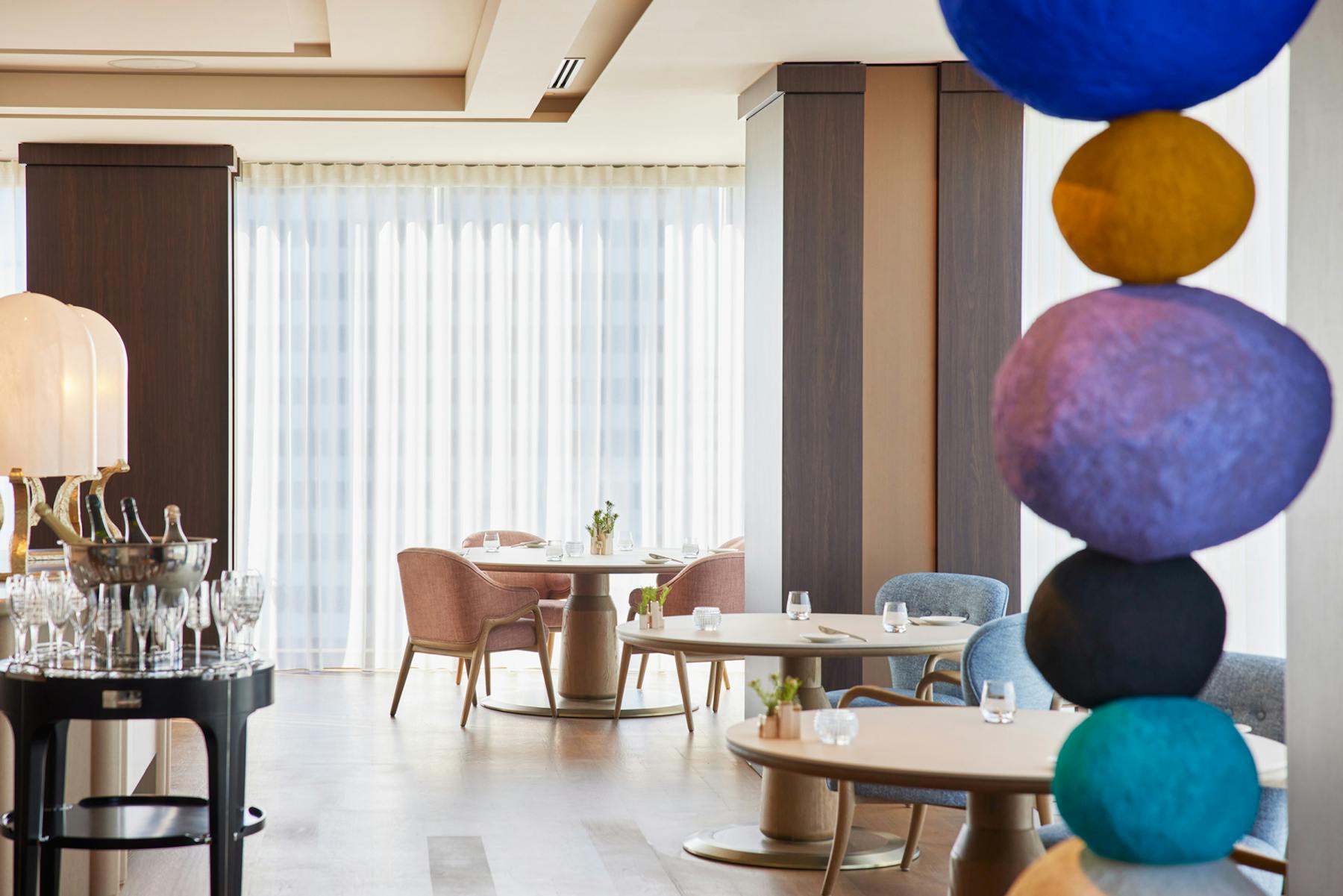
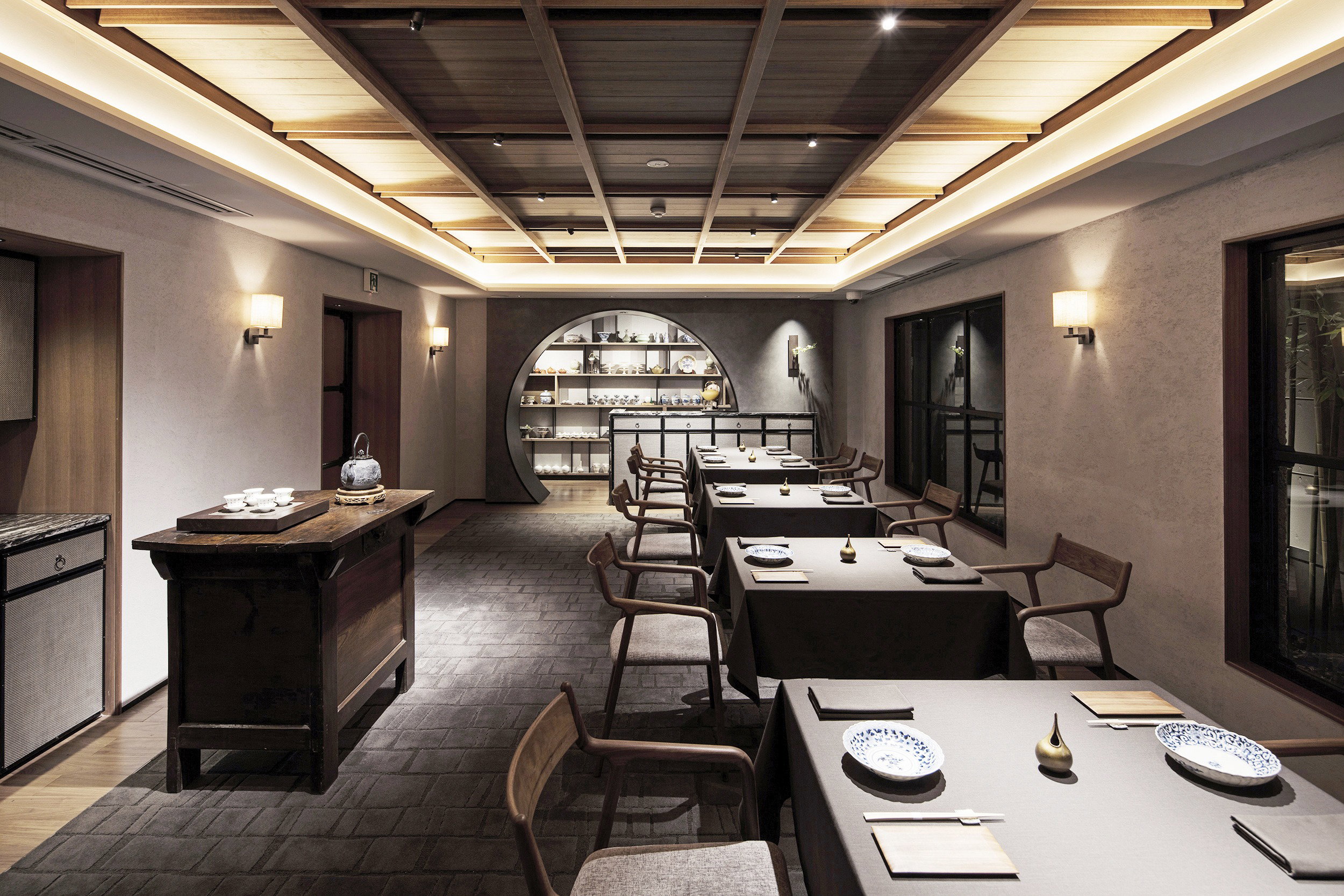
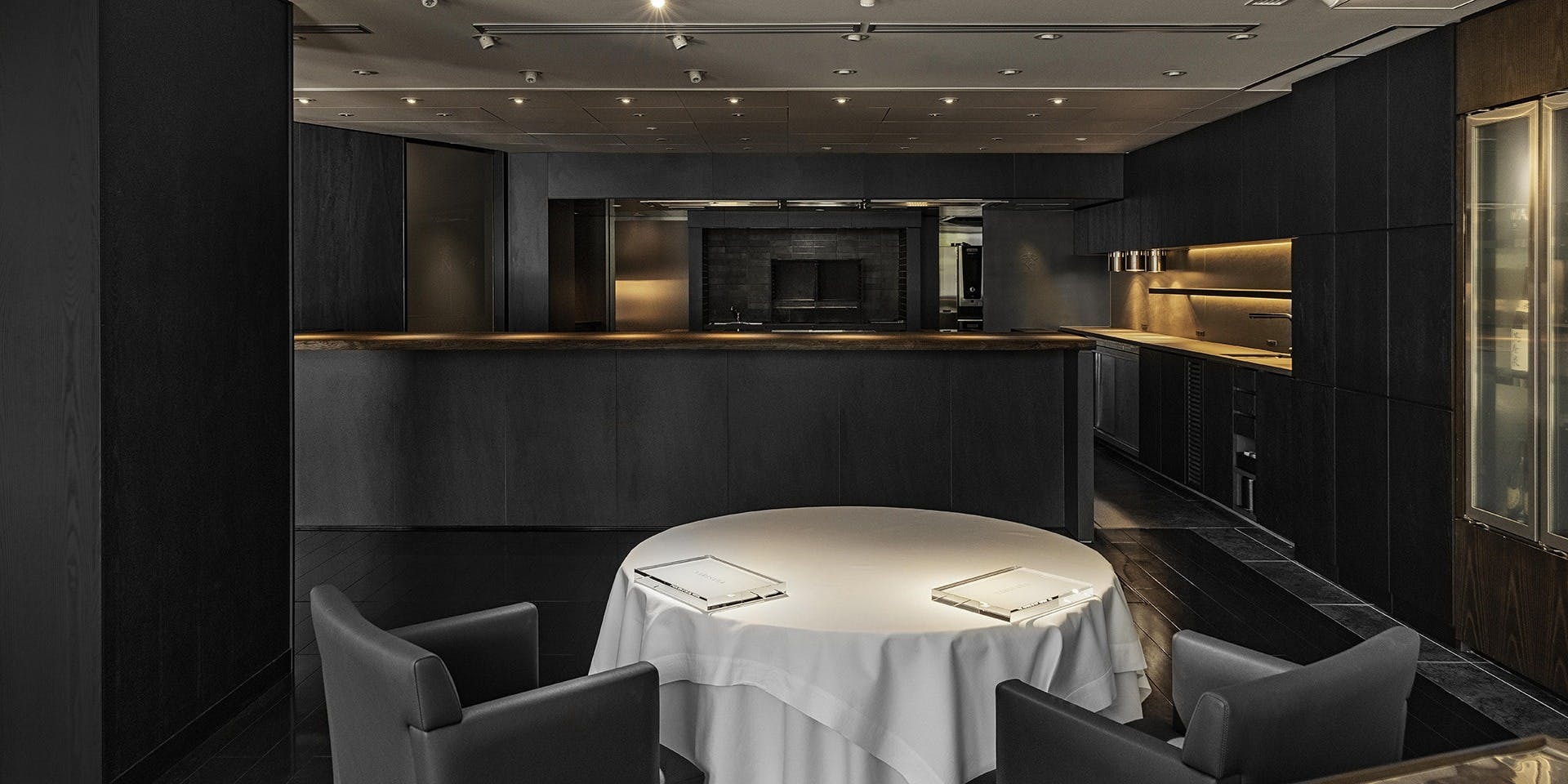
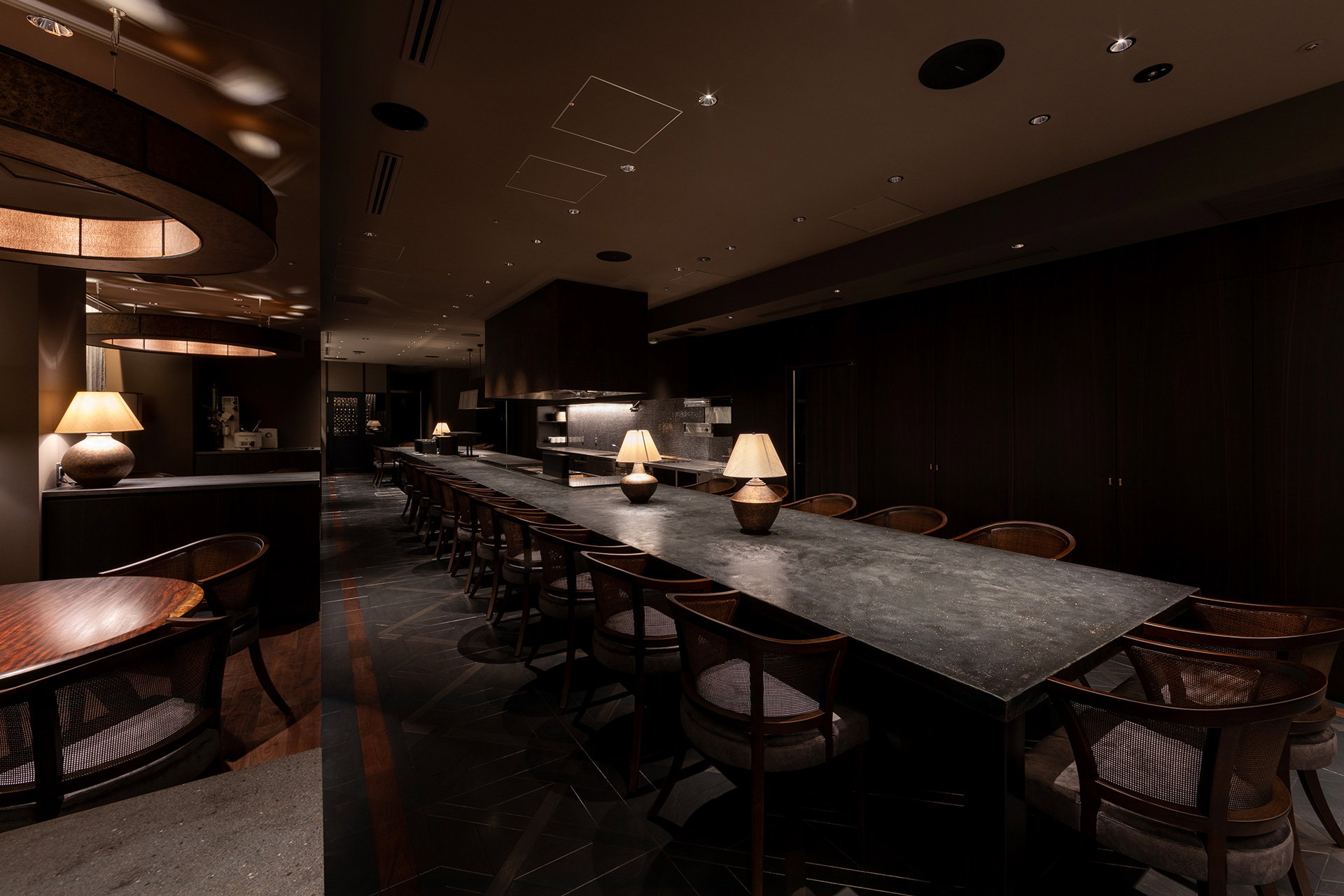
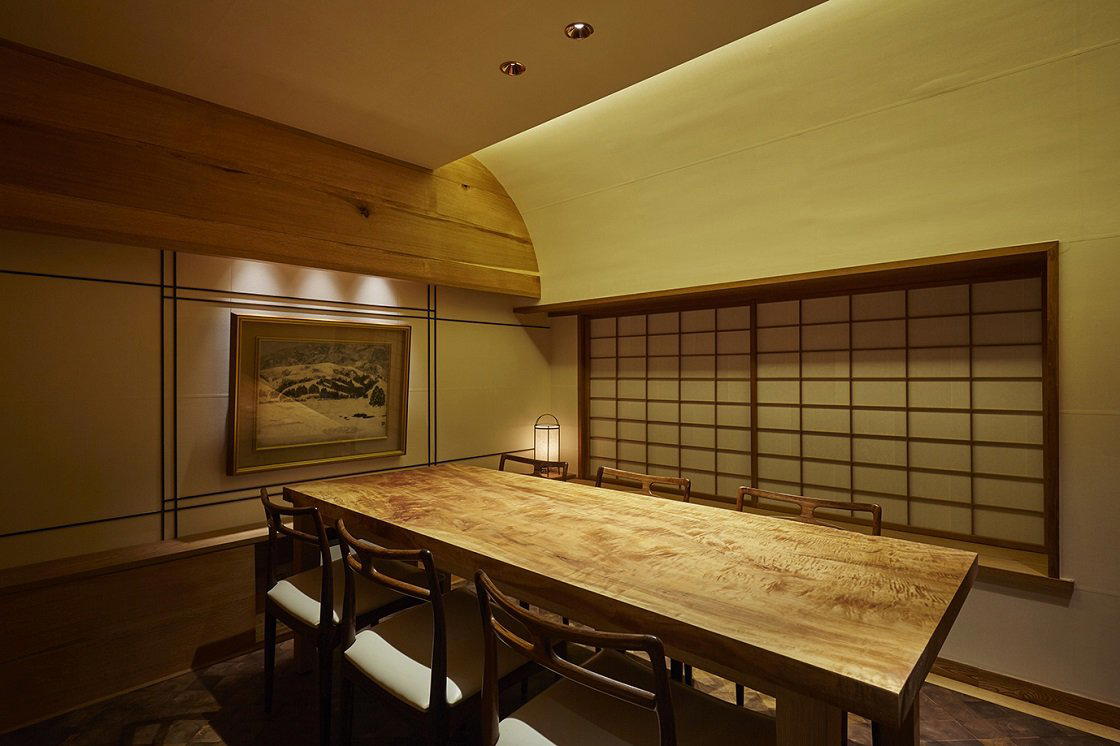
Nishiazabu Otake sits at the quieter, residential end of Nishiazabu, a neighbourhood in Minato City that functions as a lower-key alternative to the Ginza dining corridor. The address is on the ground floor of the CORE Nishiazabu building, which means the room is likely compact rather than grand — in keeping with the intimate, ryotei-influenced approach the kitchen takes to its food. Expect a focused, unhurried atmosphere rather than the buzzing energy of a larger Tokyo dining room. If you are planning a celebration or a date where conversation matters as much as the food, the setting works in your favour.
The culinary reference point here is the ryotei tradition of Gifu Prefecture, a style of cooking centred on seasonal produce, careful sourcing, and restraint. What separates Nishiazabu Otake from a more orthodox interpretation of that tradition is the freedom the kitchen takes with it. Croquettes, a Western-influenced preparation, are used as a vehicle for luxury seasonal ingredients. Char-grilled preparations apply to both meat and fish, which broadens the register of the meal considerably compared to a strictly kaiseki format. Game meat, especially the Asian black bear that arrives in winter, is genuinely rare on Tokyo menus and signals that the kitchen is sourcing from networks well outside the standard restaurant supply chain. None of this is fusion for its own sake, it reads as a deeply Japanese approach to cooking that simply does not feel bound by category.
At the ¥¥¥ price range, Nishiazabu Otake sits a tier below the ¥¥¥¥ restaurants that dominate the upper end of Tokyo's Japanese dining scene. That positioning matters. You are getting a Michelin-starred experience with a genuinely distinctive menu at a price point that leaves room in the budget for the kind of sake or wine pairing that a meal like this deserves. For a special occasion, that value equation is difficult to argue.
Booking
Booking difficulty is rated Hard. A Michelin star awarded in 2024, a small room implied by the ground-floor address, and a menu format built around scarce seasonal and game ingredients all point to a reservation that requires significant lead time. Phone and website details are not publicly listed in Pearl's database, which means securing a table will likely require working through a concierge service, a hotel front desk with strong local connections, or a third-party reservation platform that covers Tokyo's more tightly held restaurants. Do not assume walk-ins are viable. If you are visiting Tokyo in winter specifically for the game menu, plan your booking at least four to six weeks in advance.
No dress code data is available in Pearl's records, but the ryotei lineage and Michelin star status suggest smart casual at minimum. Arrive dressed for a formal dinner rather than a casual meal and you will not be out of place.
For more on where to eat, drink, stay, and explore in the city, see our full Tokyo restaurants guide, our full Tokyo hotels guide, our full Tokyo bars guide, our full Tokyo wineries guide, and our full Tokyo experiences guide.
Comparable Japanese Restaurants Worth Knowing
If Nishiazabu Otake is fully booked or you want to compare options before committing, the following Tokyo restaurants are worth considering: Myojaku, Azabu Kadowaki, Kagurazaka Ishikawa, Ginza Fukuju, and Jingumae Higuchi. Outside Tokyo, the same level of considered Japanese cooking can be found at Gion Sasaki in Kyoto, Isshisoden Nakamura in Kyoto, Kashiwaya Osaka Senriyama in Osaka, HAJIME in Osaka, akordu in Nara, Goh in Fukuoka, 1000 in Yokohama, and 6 in Okinawa.
Planning details
- Location
- Japan, 〒106-0031 Tokyo, Minato City, Nishiazabu, 1 Chome−4−23 CORE西麻布 1階
- Website
- nishiazabu-otake.com
- Phone
- +81 3-6459-2833
The take
The Take
The Vibe
Nishiazabu Otake pairs classical ryotei discipline with an intentionally unorthodox ingredient list, creating a dining personality that is both tradition‑rooted and rugged. The kitchen leans on techniques and pacing associated with high‑end kaiseki while foregrounding a hunter’s larder from Gifu — freshwater fish, foraged produce and seasonal wild game — which adds a rustic, textural counterpoint to delicate courses. Croquettes and char‑grilled preparations recur alongside precisely executed multi‑course sequences, so the room feels quietly formal and exacting yet palpably grounded in earthy, seasonally variable flavors sourced directly from hunters.
Best For
This is a dinner destination for diners seeking a disciplined, multi‑course kaiseki experience with atypical seasonal flourishes. It suits couples and small parties celebrating a special evening or looking for an intimate, focused tasting service; the structure and pacing favor a full sequence rather than casual, à la carte dining. Adventurous eaters who appreciate provenance and textural contrast will find the menu especially compelling in the colder months, when winter duck and other game appear alongside spring and autumn motifs such as crab and porcini croquettes.
Ordering Tips
Reserve a full tasting sequence and expect the menu to change with the seasons; the kitchen frames its identity through sourced‑first multi‑course service rather than standalone plates. Ask when you book about current game and seasonal highlights — the restaurant receives winter duck and rarer offerings directly from hunters in Gifu — and inquire whether croquettes or char‑grilled items feature that night. Because sourcing is deliberately variable, be ready for surprises and trust the kitchen’s judgment; the meal rewards diners who accept the seasonal, sequential approach.
Venue details
Ambiance
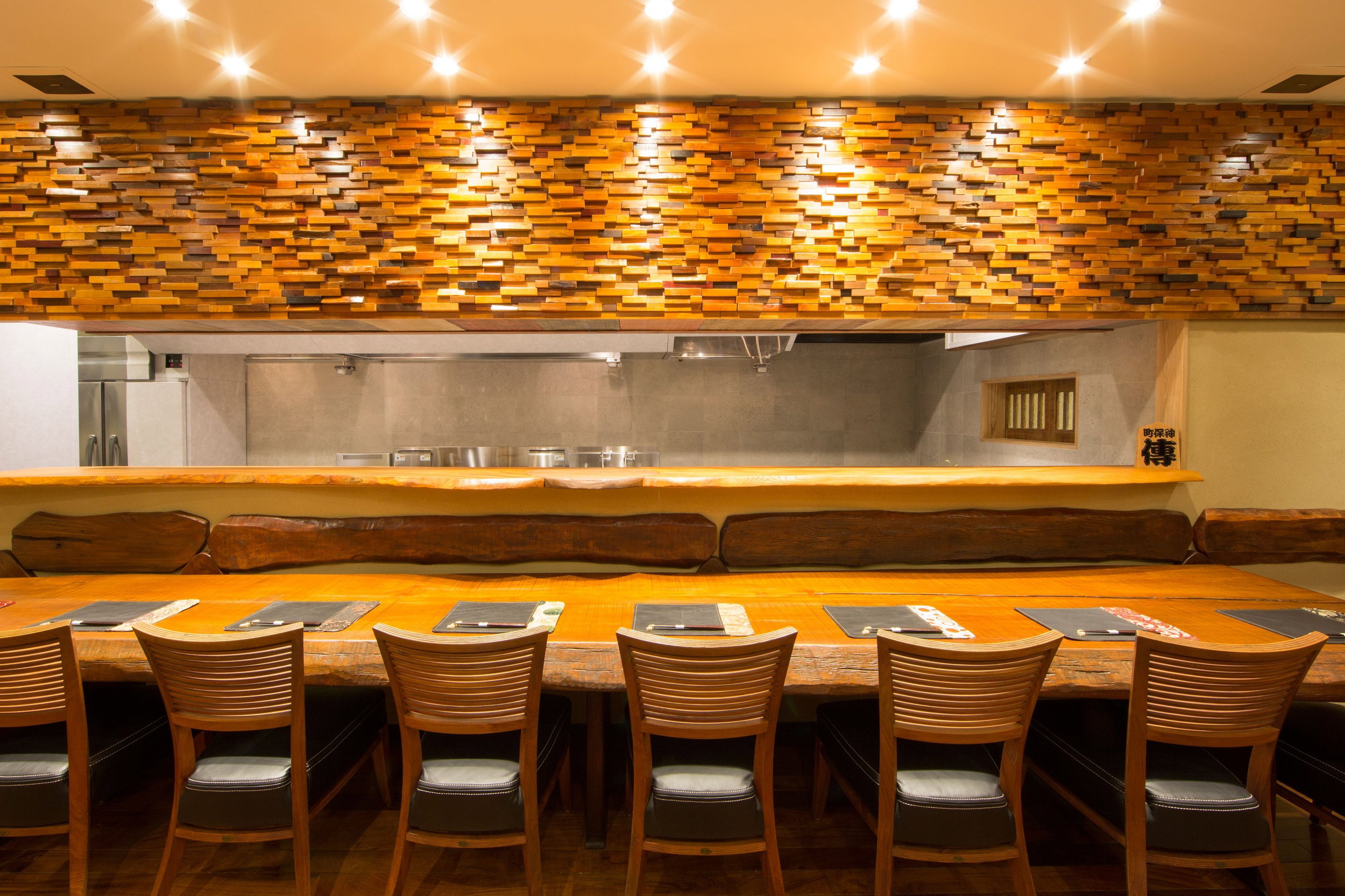
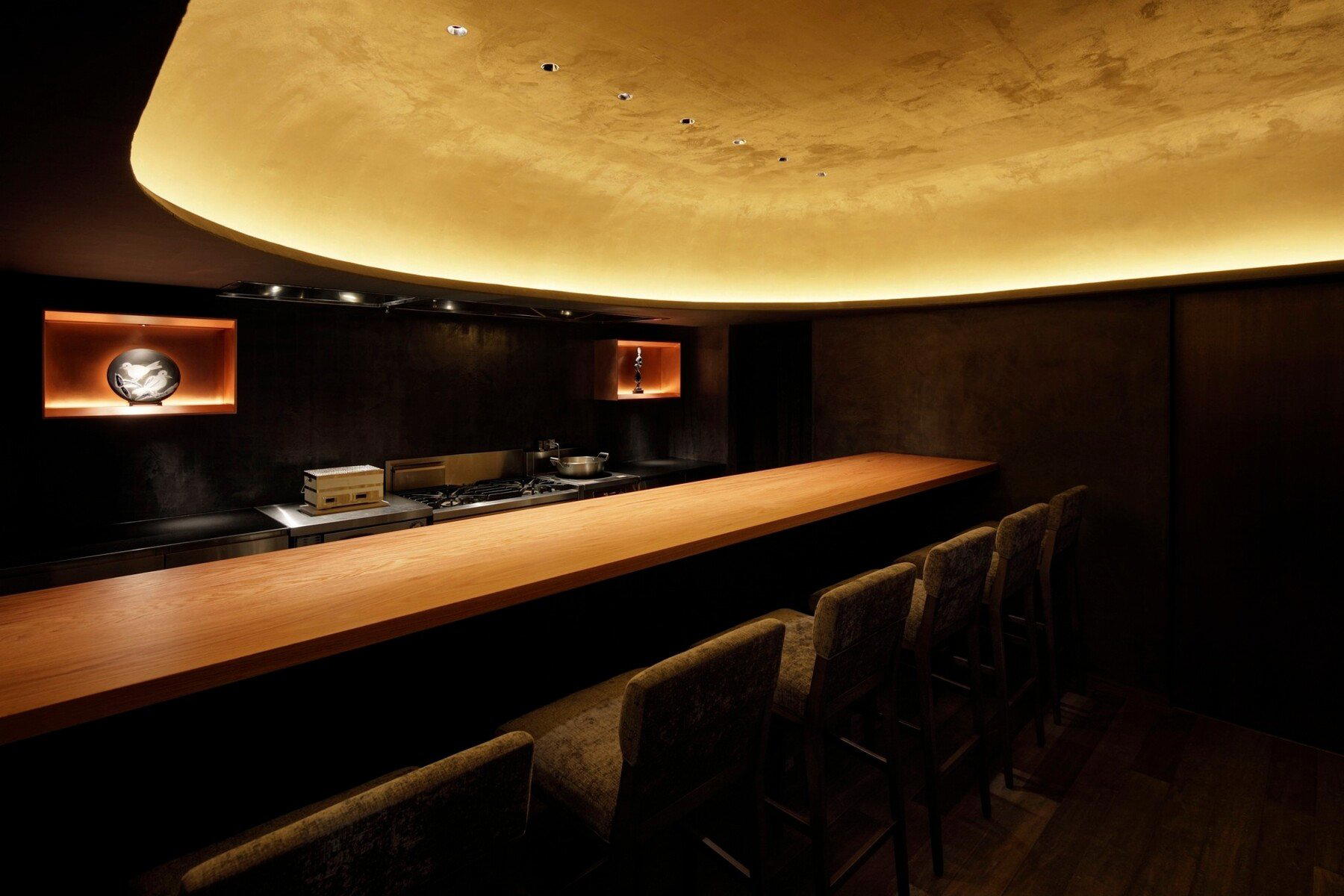
Intimate counter seating for 8 with a glimpse into the kitchen, offering a relaxing and stylish space focused on seasonal Japanese artistry.
Tags
Vibe
Best For
Experience
Sourcing
At the Table
- Dress Code
- Smart Casual
- Noise Level
- Quiet
- Service Style
- Upscale Casual
- Meal Pacing
- Leisurely
- Capacity
- Intimate
Know before you go
Know Before You Go
- Getting there
- Japan, 〒106-0031 Tokyo, Minato City, Nishiazabu, 1 Chome−4−23 CORE西麻布 1階
Planning details
Location
Japan, 〒106-0031 Tokyo, Minato City, Nishiazabu, 1 Chome−4−23 CORE西麻布 1階 · Directions
Recognition and awards
Also consider
Also Consider
- Harutaka, Sushi, ¥¥¥¥
- L'Effervescence, French, ¥¥¥¥
- RyuGin, Kaiseki, Japanese, ¥¥¥¥
- HOMMAGE, Innovtive French, French, ¥¥¥¥
- Crony, Innovative, French, ¥¥¥¥
Restaurant context
Nishiazabu Otake sits at ¥¥¥, which puts it a full price tier below most of its serious competition in Tokyo's fine Japanese dining scene. Against RyuGin at ¥¥¥¥, the comparison is straightforward: RyuGin offers a more elaborately structured kaiseki experience with greater ceremony and a longer tasting format, while Nishiazabu Otake offers a shorter, more idiosyncratic meal built around rare seasonal and game ingredients. If price is a factor and you want something that genuinely surprises, Otake wins on value. If you want the full kaiseki architecture and a room with more visual presence, RyuGin is worth the premium.
Against the French options in this comparison set, L'Effervescence, HOMMAGE, and Crony, all at ¥¥¥¥, Nishiazabu Otake is the right choice if you specifically want Japanese cooking on a special occasion rather than a French tasting menu. L'Effervescence and HOMMAGE both operate at a higher price and a more formal register; Crony sits at the more contemporary, innovative end of the French spectrum. None of them offer game sourced from Gifu hunters or a seasonal croquette programme, which is the point: Otake fills a specific gap that French kitchens, however accomplished, cannot replicate.
Harutaka at ¥¥¥¥ is the cleanest alternative for a special-occasion Japanese dinner if sushi is your preferred format over the broader Japanese cooking at Otake. Harutaka is harder to book and more expensive, but the counter experience is more intimate in a different way. Choose Otake if you want a meal built around seasonal vegetables, char-grilled proteins, and game; choose Harutaka if you want a focused sushi progression. Both are serious choices for a celebration dinner in Tokyo.
Explore Tokyo
Around this place
Discover more on Pearl
Unlock the full Nishiazabu Otake guide in Pearl, including awards, comparisons, FAQs, planning details, and nearby places.
Compare Nishiazabu Otake
| Venue | Awards | Price |
|---|---|---|
| Nishiazabu Otake | 2026 Michelin Plate2024 Michelin 1 Star | ¥¥¥ |
| Harutaka | 2026 Tabelog Silver · #312026 OAD Top Restaurants in Japan Ranked · #1282026 Michelin 3 Stars2026 La Liste Top RestaurantsTabelog 100 - Sushi - TOKYO - 2025 · #372025 Asia's 50 Best Restaurants · #762025 OAD Top Restaurants in Japan Ranked · #1172025 La Liste Top Restaurants2025 Tabelog Bronze | ¥¥¥¥ |
| L'Effervescence | 2026 Tabelog Silver · #682026 OAD Top Restaurants in Japan Ranked · #103Star Wine Lists 20262026 Black Pearl 2 Diamond2026 Relais Chateaux Restaurants2026 La Liste Top Restaurants2026 Michelin 3 Stars2025 Asia's 50 Best Restaurants · #692025 OAD Top Restaurants in Japan Ranked · #92 | ¥¥¥¥ |
| RyuGin | 2026 OAD Top Restaurants in Japan Ranked · #802026 Tabelog Bronze · #3772026 Michelin 3 Stars2026 La Liste Top RestaurantsTabelog 100 - Japanese cuisine - TOKYO - 2025 · #212025 OAD Top Restaurants in Japan Ranked · #542025 Michelin 3 Stars2025 La Liste Top Restaurants2025 The Best Chef Three Knives | ¥¥¥¥ |
| HOMMAGE | 2026 Tabelog Bronze · #1232026 OAD Top Restaurants in Japan Highly Recommended2026 Michelin 2 StarsTabelog 100 - French - TOKYO - 2025 · #762025 Asia's 50 Best Restaurants · #782025 OAD Top Restaurants in Japan Ranked · #1752025 Michelin 2 Stars2025 The Best Chef One Knife2025 La Liste Top Restaurants | ¥¥¥¥ |
| Crony | 2026 Asia's 50 Best Restaurants · #34Star Wine Lists 20262026 OAD Top Restaurants in Japan Recommended2026 Michelin 2 Stars2025 Asia's 50 Best Restaurants · #30Tabelog 100 - French - TOKYO - 2025 · #782025 OAD Top Restaurants in Japan Ranked · #227We're Smart World Top Restaurants 20252025 Michelin 2 Stars | ¥¥¥¥ |
.png?width=1200&quality=80)














A quick look at how Nishiazabu Otake measures up.
FAQ
Frequently Asked Questions
What should a first-timer know about Nishiazabu Otake?
The kitchen operates with a philosophy rooted in Gifu ryotei tradition, which means the menu follows strict seasonality — what you eat depends entirely on when you visit. Expect unusual proteins: game such as winter duck and Asian black bear appear alongside more familiar seafood and vegetables. Booking is hard since the 2024 Michelin star arrived, so plan at least several weeks ahead.
Is Nishiazabu Otake worth the price?
At ¥¥¥, Nishiazabu Otake sits in the serious-spend tier for Tokyo dining, and the 2024 Michelin star gives that price independent validation. The differentiator here is the game programme: hair crab croquettes, seasonal char-grilled fish and meat, and hunter-sourced bear and duck are not what you get at a standard Michelin counter. If you want conventional kaiseki, there are cheaper options; if you want Japanese fine dining that takes real risks with its ingredients, the price is justified.
Is the tasting menu worth it at Nishiazabu Otake?
Given the seasonal, ingredient-driven format inherited from Gifu ryotei cooking, a tasting menu structure is likely the primary way the kitchen expresses itself — the rotating croquettes and game dishes are built for that format. The Michelin recognition in 2024 confirms the execution is there. Worth it if the format fits your appetite for surprise; less so if you prefer to pick from a menu.
What are alternatives to Nishiazabu Otake in Tokyo?
Harutaka is the stronger pick if pristine nigiri is your priority over a cooked-course format. RyuGin offers a more theatrical kaiseki experience at a higher price point. HOMMAGE sits at the French-Japanese intersection if you want European technique applied to Japanese produce. Crony is the more casual, lower-commitment option. L'Effervescence is the choice if you want ingredient-led tasting menus with a French spine rather than a Japanese one.
Is Nishiazabu Otake good for solo dining?
Solo dining at a small, intimate restaurant with a fixed seasonal format is generally a good match, and Nishiazabu Otake's ryotei-rooted style suits a single diner who wants to focus on the food. The compact room means you will not feel isolated. Confirm whether counter or table seating is available for one when booking, as the room size is not fully documented.