.png?width=1200&quality=80)
Nebuka
Contemporary · Minato, Tokyo
Restaurant in Tokyo, Japan
 Book with Pearl
The Read
Root-to-Producer Omakase
Price
¥¥¥
Dress
Smart Casual
Why go
Nebuka is a vegetable-forward omakase in Roppongi that earns two consecutive Michelin Plates (2024–2025) with a menu that blends French and Japanese technique. At ¥¥¥, it is one of Tokyo's more accessible Michelin-recognised tasting-menu experiences. Book counter seats for the most engaging version of the meal, and time your visit for a seasonal transition month if possible.
About Nebuka
Verdict
At ¥¥¥ per head, Nebuka is one of Roppongi's more considered bets for a vegetable-forward omakase that draws equally from French and Japanese technique. If you want a seasonal tasting menu that treats produce as the main event — not protein — and you want that served in a room run by a young team with genuine energy, book Nebuka. If you need a grand, ceremony-heavy dining room or a sushi counter, look elsewhere.
About Nebuka
Nebuka sits on the sixth floor of a building in Roppongi, Minato City, a neighbourhood better known for its nightlife and big-ticket steakhouses than for restrained, ingredient-led cooking. That contrast is part of what makes it worth your attention. The restaurant's name comes from a Japanese expression meaning deep-rooted vines, a reference to the connections the proprietor, who also runs a wine bar, maintains with growers and producers. That provenance focus shapes everything on the plate.
The format is an omakase set menu built around seasonal vegetables. The chef brings training in both French and Japanese kitchens to the execution, which means the menu moves between registers, a delicate Japanese preparation here, a pasta course there, without feeling incoherent. Each dish is composed simply, with the ingredient doing the work rather than elaborate saucing or plating theatrics. For the food-focused traveller who has already done the kaiseki circuit and wants something that feels lighter and more personal, this approach delivers.
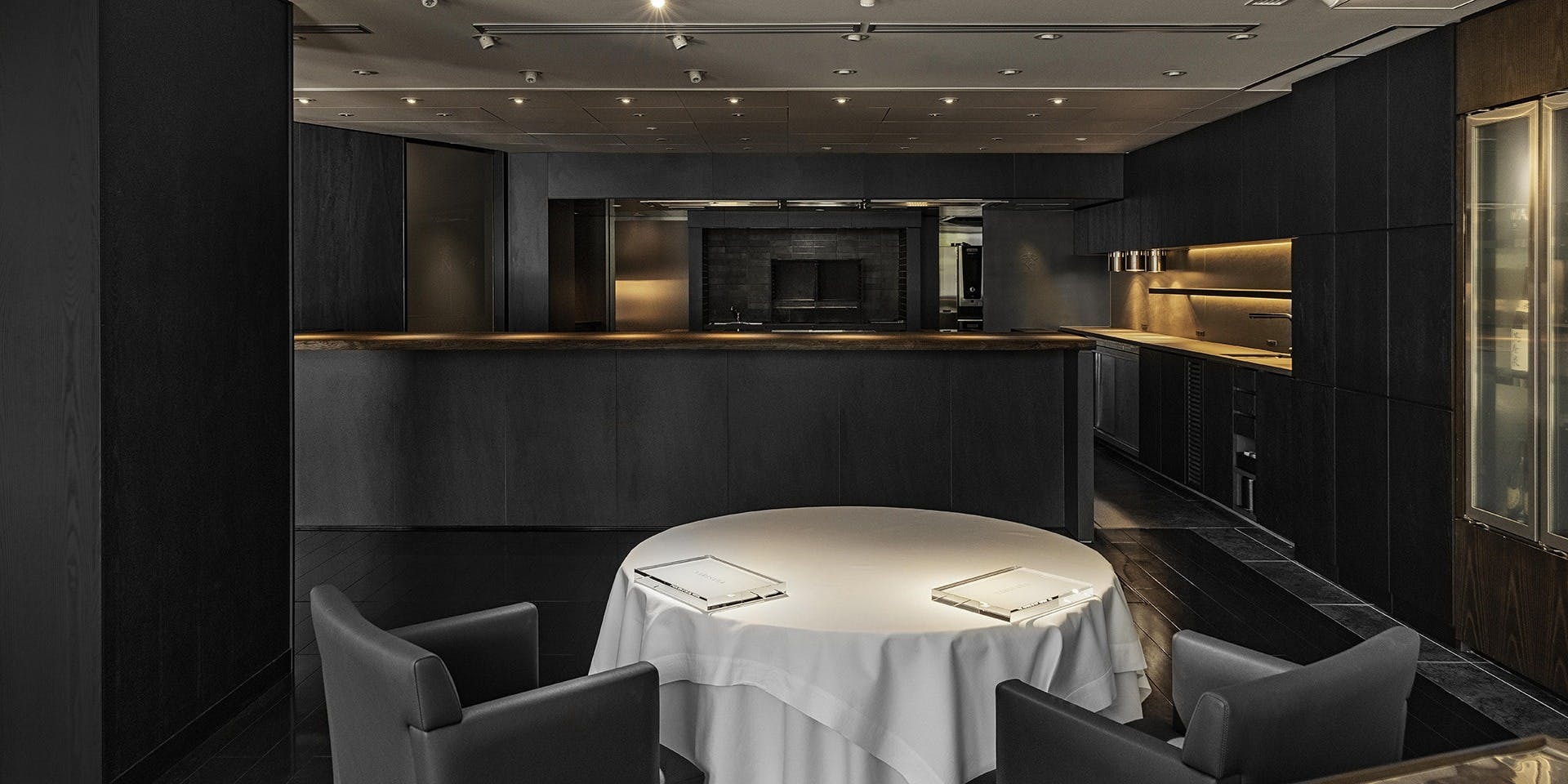
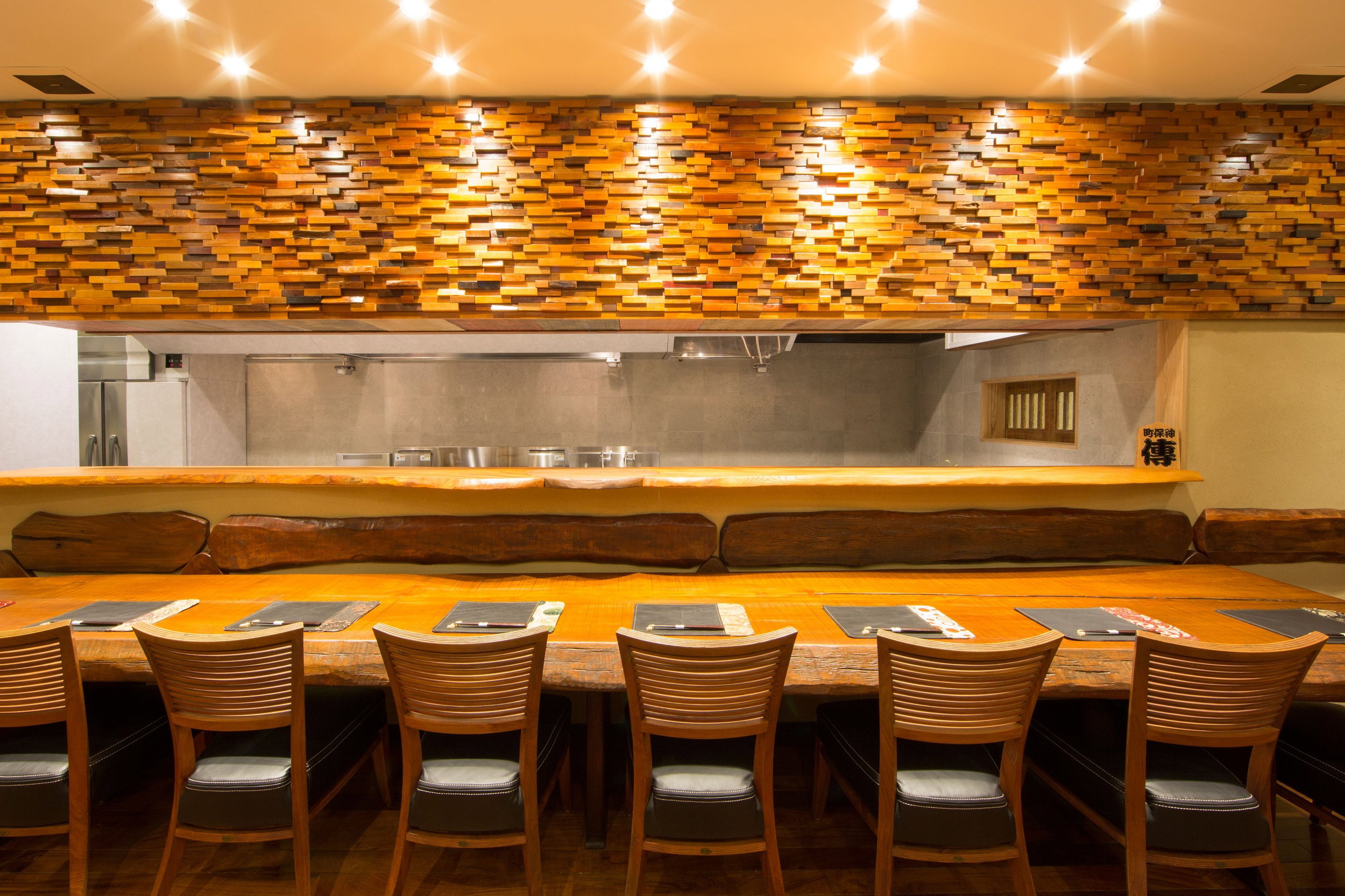
The counter seating, which the editorial angle for this review specifically highlights, is the format to request here. Nebuka's kitchen-facing seats give you direct access to the rhythm of service, you watch the team, largely young and visibly engaged, move through each course. Because the menu is vegetable-driven, the pacing is different from a protein-heavy omakase: courses come with more texture variation and less of the single-note richness that can make longer tasting menus fatiguing. Sitting at the counter makes that progression legible in a way that table seating does not.
Wine bar background of the proprietor is also relevant to how you plan the evening. The beverage pairing at a venue with this kind of owner provenance tends to reflect genuine producer relationships rather than a generic sommelier list. That said, no specific pairing prices or wine details are available in Pearl's confirmed data, so clarify the drinks options when you book.
Timing matters here. Nebuka's vegetable-forward menu will track seasonal change more noticeably than a restaurant anchored to, say, a signature fish or beef preparation. The transition months, March into April and September into October, are when Japanese seasonal produce shifts most dramatically, and a meal at Nebuka during those windows will reflect that more acutely than a midsummer or midwinter visit. If you are building a Japan itinerary and want to sequence your dining around produce seasons, this is one of the restaurants where that logic actually applies to what lands on your plate.
Service from the young team is described as bright and pleasant, an important qualifier in a city where formal, sometimes impersonal service can create distance in a small room. At Nebuka, the counter format and the team's manner work together to make the meal feel communicative rather than ceremonial. For solo diners or couples who want engagement rather than reverence, that is a meaningful differentiator.
Nebuka is located at 6 Chome-8-28 Miyazaki Building 202, Roppongi, Minato City. Roppongi is well-served by Tokyo Metro (Hibiya and Oedo lines), making access direct from most central Tokyo hotels. For a fuller picture of where Nebuka fits in Tokyo's restaurant scene, see our full Tokyo restaurants guide. If you are building a longer Japan trip, comparable contemporary-leaning restaurants worth considering include HAJIME in Osaka, Gion Sasaki in Kyoto, and akordu in Nara.
Within Tokyo, if you are mapping out a multi-night dining programme, Nebuka fits well alongside venues like hakunei, nôl, and FUSOU, each taking a different angle on contemporary Japanese cooking. For something sharper and more European in register, HYÈNE and JULIA are worth comparing. Beyond Japan, if contemporary tasting-menu cooking in this vein interests you as a category, Jungsik in Seoul and César in New York City offer useful points of comparison for a travelling diner building a wider reference set.
For more on Tokyo beyond restaurants, see our full Tokyo hotels guide, our full Tokyo bars guide, our full Tokyo wineries guide, and our full Tokyo experiences guide.
Booking
Booking difficulty is rated Easy, which is rare for a Michelin-recognised venue in Tokyo. That said, easy is relative, advance planning is still advisable, particularly for weekend evenings or during peak seasonal travel periods (cherry blossom in late March and autumn foliage in November). Aim to book two to three weeks out as a baseline, and contact the venue directly given that no third-party booking method is confirmed in Pearl's data. For other Japan restaurants with variable booking windows, Goh in Fukuoka and 1000 in Yokohama offer useful contrasts in booking accessibility.
Practical Details
| Detail | Nebuka | Florilège | L'Effervescence |
|---|---|---|---|
| Cuisine | Contemporary (vegetable-forward omakase) | French | French |
| Price tier | ¥¥¥ | ¥¥¥ | ¥¥¥¥ |
| Awards | Michelin Plate (2024, 2025) | Michelin-recognised | Michelin-recognised |
| Booking difficulty | Easy | Moderate | Moderate–Hard |
| Format | Omakase set menu | Set menu | Set menu |
| Location | Roppongi, Minato City | Aoyama | Nishi-Azabu |
Planning details
- Location
- Japan, 〒106-0032 Tokyo, Minato City, Roppongi, 6 Chome−8−28 宮﨑ビル 202
- Website
- omakase.in/r/ei605116
- Phone
- +81 70-2488-0214
The take
The Take
The Vibe
Nebuka presents an intimate, refined counter experience that blends French technique with Japanese attention to seasonality. The room reads as modern and quietly elegant rather than flashy, focused on the quietly curated progression of vegetable-led courses. With consecutive Michelin Plate mentions, the kitchen's consistency and attention to ingredient quality shape the overall mood: sophisticated, restrained and purpose-driven. The service and pacing favor a composed, tasting-counter rhythm that keeps conversation subdued and attention on the food, making the restaurant feel like a deliberate, polished stop in Roppongi's contemporary dining landscape.
Best For
Nebuka is best for diners seeking a composed tasting experience—think date nights and special occasions where the meal itself is the focus. The omakase format centers seasonal vegetables and showcases a bilingual culinary vocabulary that moves between pasta, classic French courses and Japanese technique, so it rewards diners who are curious about ingredient-driven progression rather than a la carte variety. Given its place in Tokyo's mid-to-upper contemporary tier and consecutive Michelin Plate listings, the venue suits those who prioritize craftsmanship, thoughtful pacing and a quietly sophisticated night out in Roppongi.
Ordering Tips
The kitchen operates in an omakase tasting structure, so guests should expect a set progression of vegetable-focused courses rather than à la carte ordering. Signature items such as oven-roasted zucchini and white asparagus illustrate the menu's seasonal focus; accepting the omakase allows the team to showcase those highlights alongside pasta and classically framed plates. Because the profile and recognition emphasize consistency and technique, diners who want the fullest sense of Nebuka's approach should opt into the full tasting path and allow the kitchen to guide the sequence.
Venue details
Ambiance
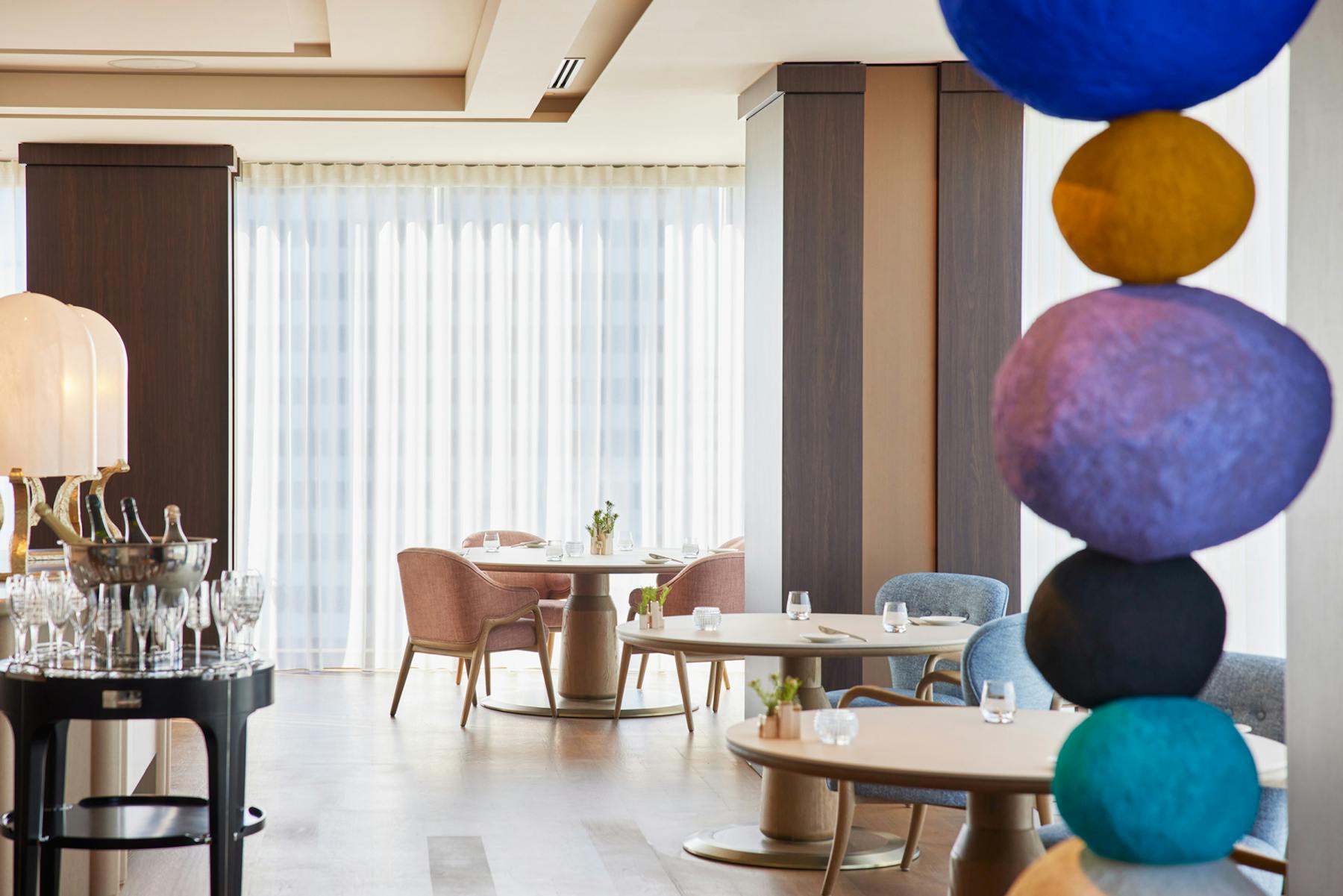
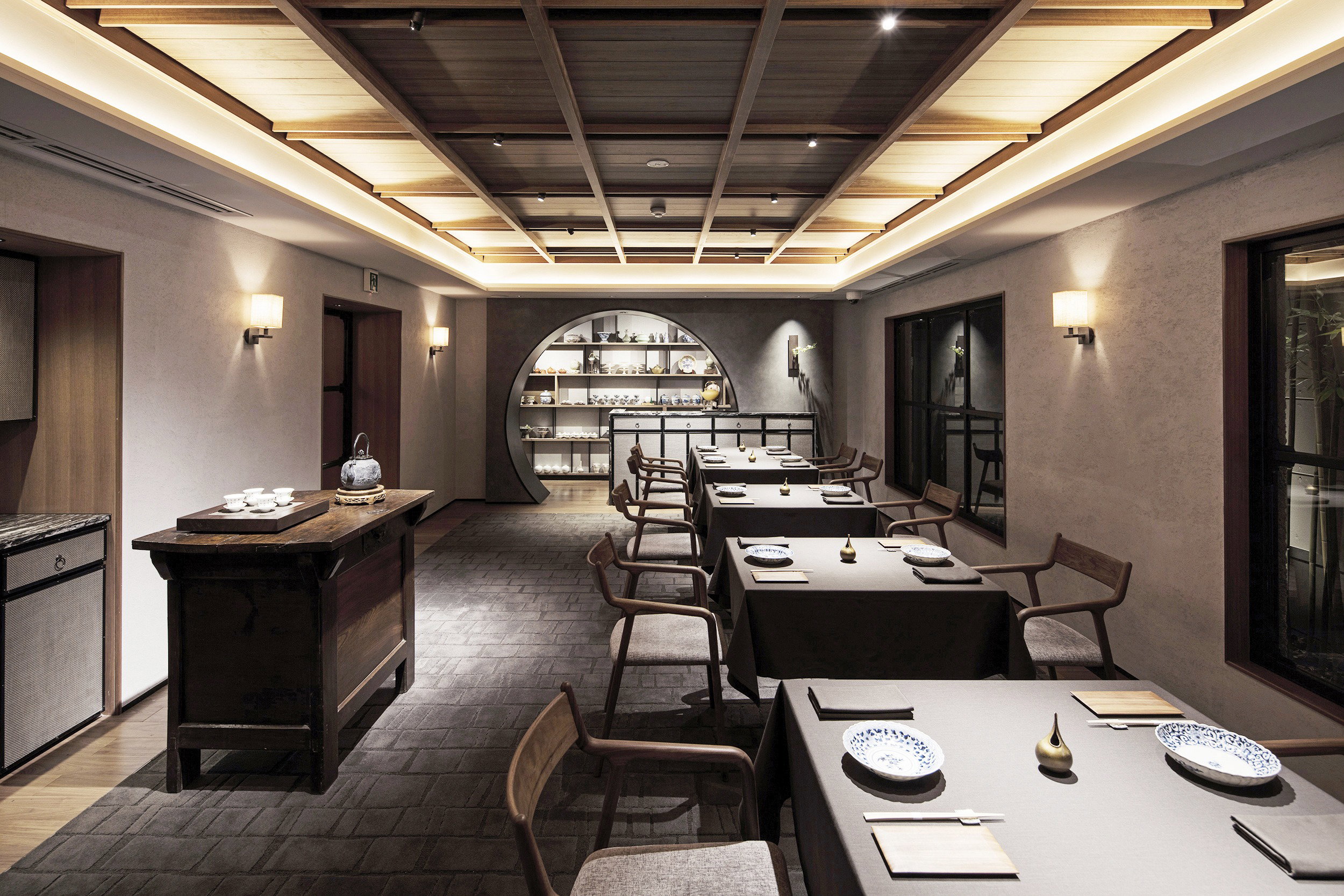
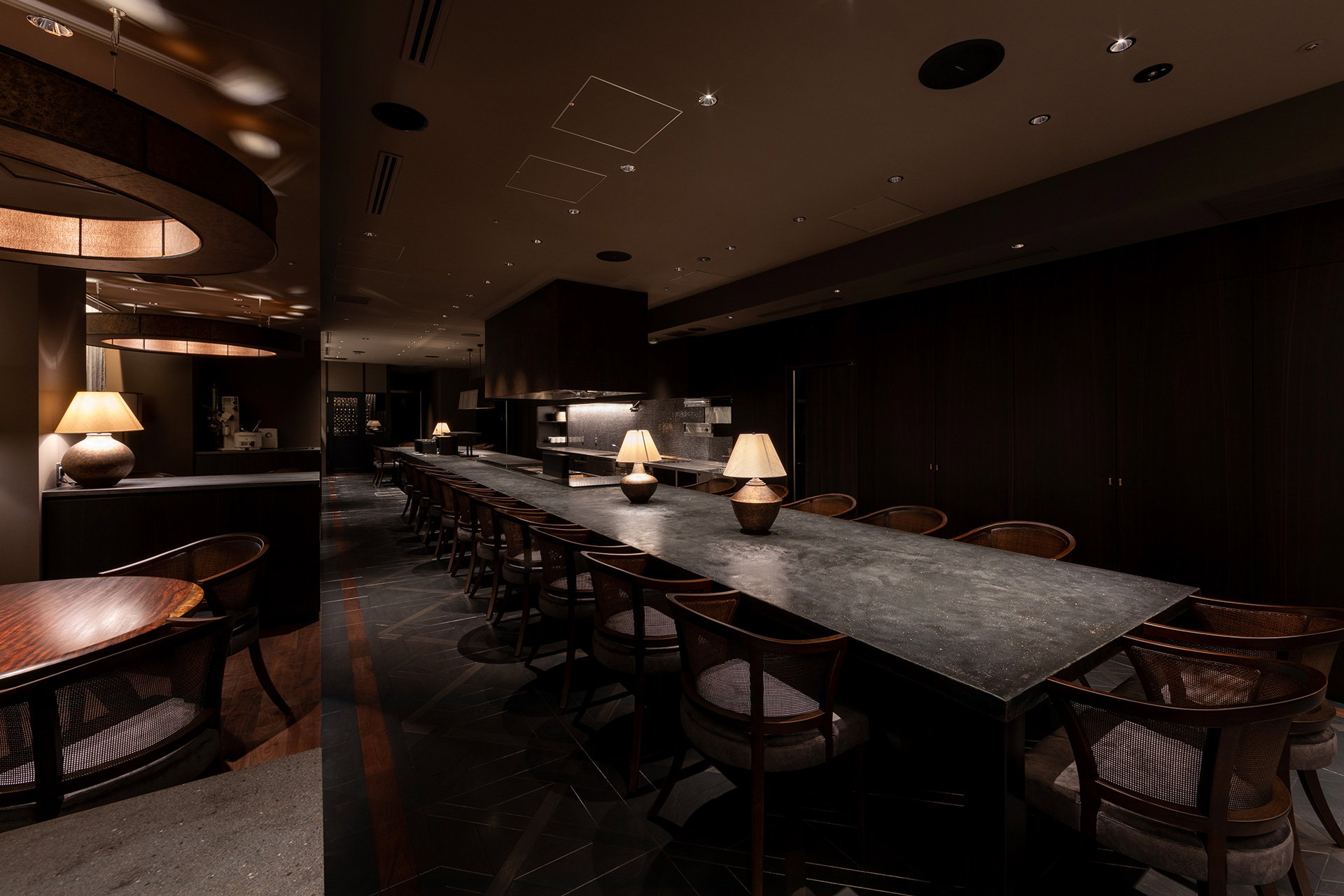
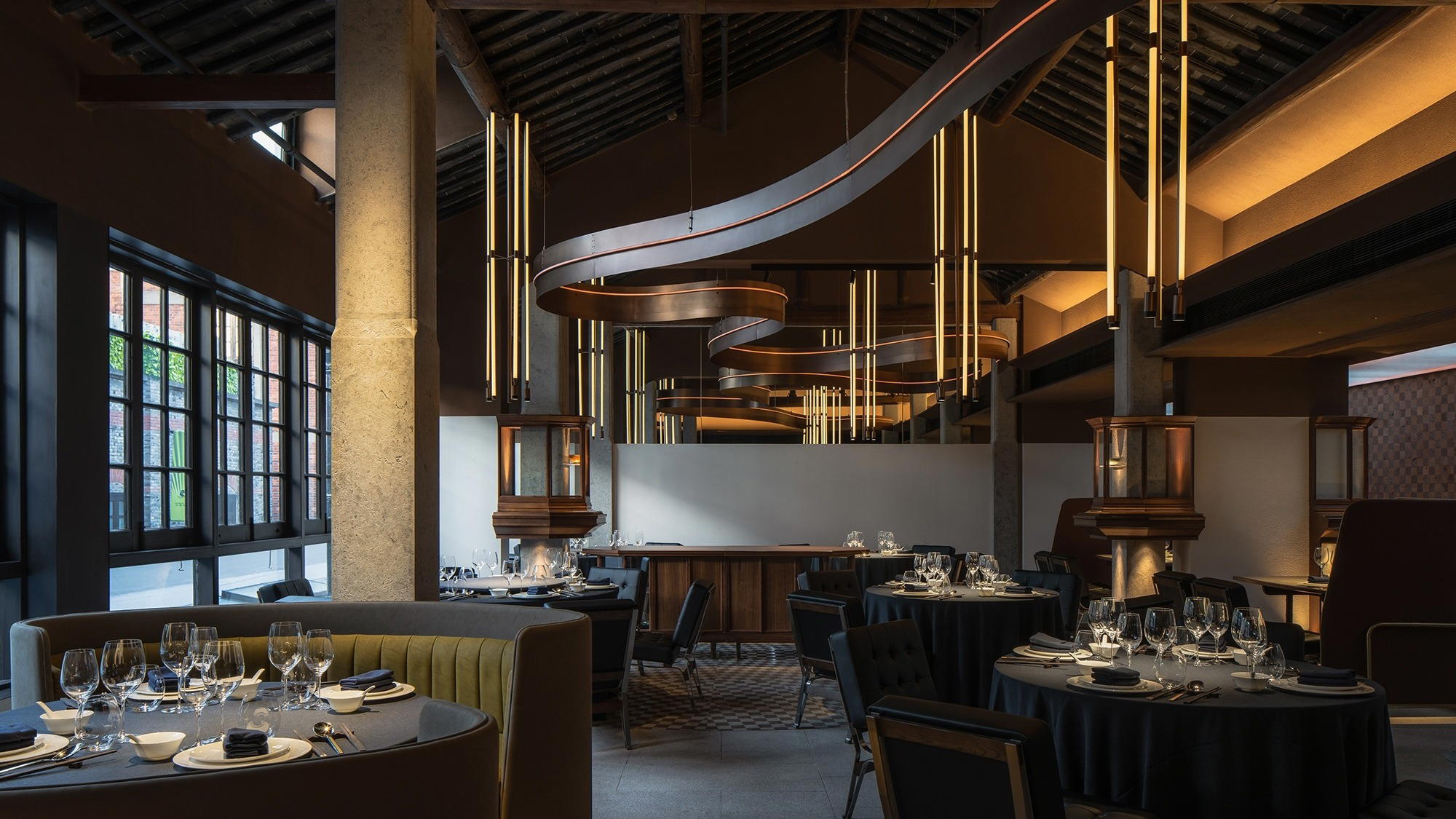
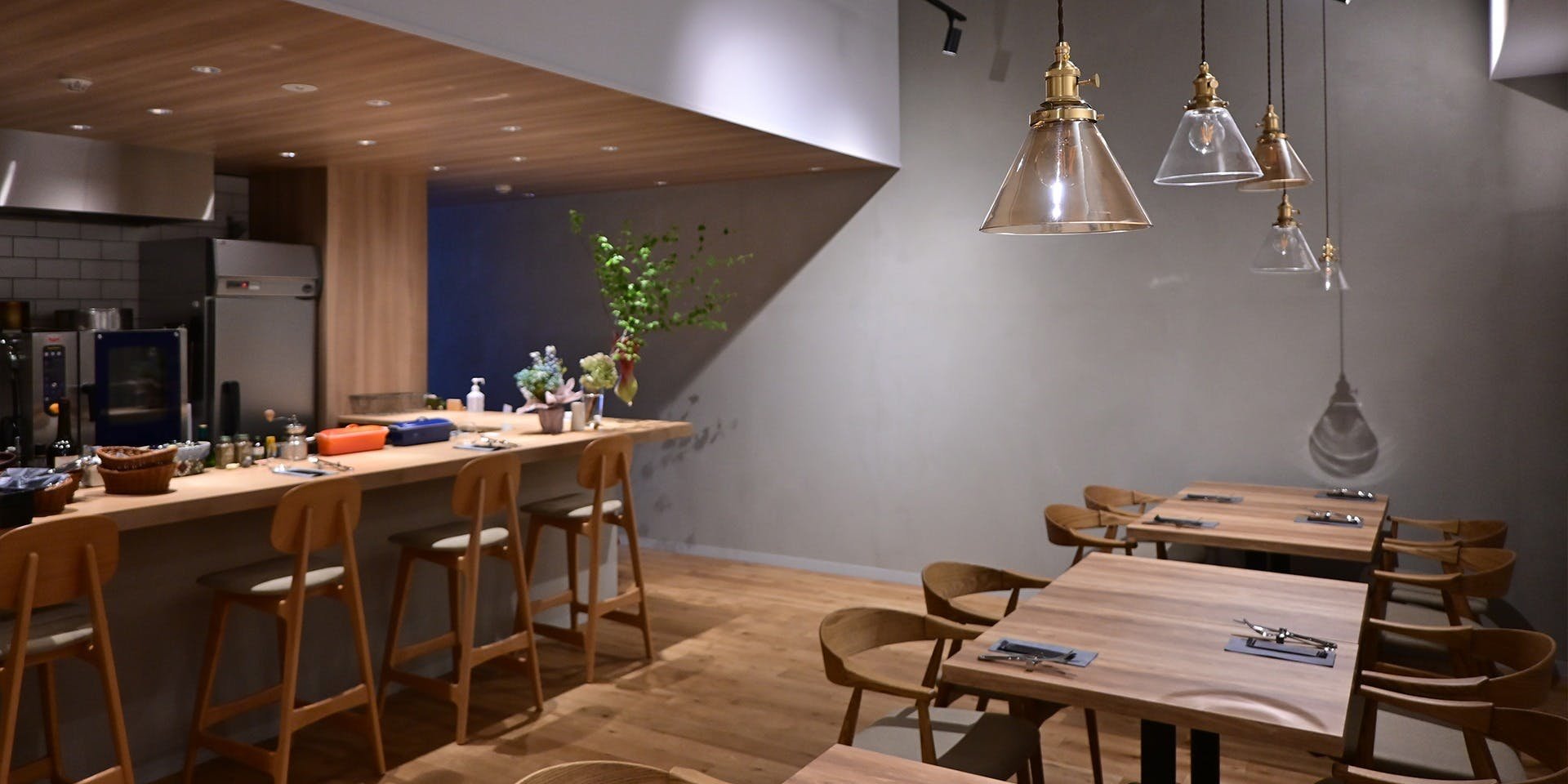
Warm lighting with natural wood and clay materials, hushed atmosphere around open counter and hearth, intimate and relaxing space.
Tags
Vibe
Best For
Experience
Sourcing
At the Table
- Dress Code
- Smart Casual
- Noise Level
- Quiet
- Service Style
- Upscale Casual
- Meal Pacing
- Leisurely
- Capacity
- Intimate
Signature Dishes
- oven-roasted zucchini
- white asparagus
Know before you go
Know Before You Go
- Getting there
- Japan, 〒106-0032 Tokyo, Minato City, Roppongi, 6 Chome−8−28 宮﨑ビル 202
Planning details
Location
Japan, 〒106-0032 Tokyo, Minato City, Roppongi, 6 Chome−8−28 宮﨑ビル 202 · Directions
Recognition and awards
Also consider
Also Consider
- Harutaka, Sushi, ¥¥¥¥
- RyuGin, Kaiseki, Japanese, ¥¥¥¥
- L'Effervescence, French, ¥¥¥¥
- HOMMAGE, Innovtive French, French, ¥¥¥¥
- Florilège, French, ¥¥¥
Restaurant context
Nebuka at ¥¥¥ sits in a different bracket from most of its obvious Tokyo peers. Harutaka and RyuGin both operate at ¥¥¥¥ and deliver very different experiences: Harutaka is one of Tokyo's most precise sushi counters, while RyuGin's kaiseki format is formal and technically demanding. Neither is competing for the same diner as Nebuka. If your priority is a seasonal Japanese tasting menu at a lower price point with a more relaxed register, Nebuka has a clear advantage on value and booking accessibility.
L'Effervescence and HOMMAGE are the closest in spirit to Nebuka's French-Japanese hybrid approach, but both sit at ¥¥¥¥ and carry heavier booking difficulty. L'Effervescence in particular is harder to get into and commands a price premium that is justified if polished French-leaning service and a longer menu are priorities. For a first visit to this style of cooking in Tokyo, Nebuka at ¥¥¥ is the lower-risk entry point. Florilège matches Nebuka on price tier and is another strong option at ¥¥¥, with a more overtly French identity, choose Florilège if you want French cuisine as the dominant frame; choose Nebuka if seasonal vegetables and the Japanese-French blend matter more to you.
The bottom line: Nebuka is the pick for food-focused travellers who want a credentialled tasting-menu experience without the ¥¥¥¥ spend or the booking friction that comes with Tokyo's most competitive tables. It is not a substitute for RyuGin or Harutaka, those are different formats entirely, but within the contemporary, produce-driven tasting-menu category, it offers real value at its price point.
Explore Tokyo
Around this place
Discover more on Pearl
Unlock the full Nebuka guide in Pearl, including awards, comparisons, FAQs, planning details, and nearby places.
Compare Nebuka
| Venue | Awards | Price |
|---|---|---|
| Nebuka | 2026 Michelin Plate2025 Michelin Plate2024 Michelin Plate | ¥¥¥ |
| Harutaka | 2026 Tabelog Silver · #312026 OAD Top Restaurants in Japan Ranked · #1282026 Michelin 3 Stars2026 La Liste Top RestaurantsTabelog 100 - Sushi - TOKYO - 2025 · #372025 Asia's 50 Best Restaurants · #762025 OAD Top Restaurants in Japan Ranked · #1172025 La Liste Top Restaurants2025 Tabelog Bronze | ¥¥¥¥ |
| RyuGin | 2026 OAD Top Restaurants in Japan Ranked · #802026 Tabelog Bronze · #3772026 Michelin 3 Stars2026 La Liste Top RestaurantsTabelog 100 - Japanese cuisine - TOKYO - 2025 · #212025 OAD Top Restaurants in Japan Ranked · #542025 Michelin 3 Stars2025 La Liste Top Restaurants2025 The Best Chef Three Knives | ¥¥¥¥ |
| L'Effervescence | 2026 Tabelog Silver · #682026 OAD Top Restaurants in Japan Ranked · #103Star Wine Lists 20262026 Black Pearl 2 Diamond2026 Relais Chateaux Restaurants2026 La Liste Top Restaurants2026 Michelin 3 Stars2025 Asia's 50 Best Restaurants · #692025 OAD Top Restaurants in Japan Ranked · #92 | ¥¥¥¥ |
| HOMMAGE | 2026 Tabelog Bronze · #1232026 OAD Top Restaurants in Japan Highly Recommended2026 Michelin 2 StarsTabelog 100 - French - TOKYO - 2025 · #762025 Asia's 50 Best Restaurants · #782025 OAD Top Restaurants in Japan Ranked · #1752025 Michelin 2 Stars2025 The Best Chef One Knife2025 La Liste Top Restaurants | ¥¥¥¥ |
| Florilège | 2026 Asia's 50 Best Restaurants · #312026 Tabelog Bronze · #712026 OAD Top Restaurants in Japan Ranked · #1242026 Black Pearl 1 Diamond2026 Michelin 2 Stars2026 La Liste Top Restaurants2025 Asia's 50 Best Restaurants · #172025 World's 50 Best Restaurants · #36Tabelog 100 - French - TOKYO - 2025 · #68 | ¥¥¥ |













A quick look at how Nebuka measures up.
FAQ
Frequently Asked Questions
What should I wear to Nebuka?
Nebuka is a Michelin Plate venue in Roppongi with a considered omakase format at ¥¥¥ per head, so dress accordingly — clean, put-together clothing is appropriate. There is no published dress code, but a chef's bar omakase in this price bracket in Tokyo generally calls for business casual at minimum. Avoid overly casual attire.
How far ahead should I book Nebuka?
Pearl rates Nebuka's booking difficulty as Easy, which is notably uncommon for a Michelin-recognised Tokyo omakase. That said, easy is relative in Tokyo's dining scene — booking one to two weeks out is a sensible minimum, especially for weekend seatings. Prime slots will still go quickly, so earlier is better.
Is Nebuka worth the price?
At ¥¥¥, Nebuka sits in the mid-to-upper range for Tokyo omakase and earns two consecutive Michelin Plate recognitions (2024, 2025). The vegetable-focused format is a point of difference in Roppongi, where beef and seafood-led menus dominate at this price. If you want a produce-driven, French-Japanese tasting experience that is easier to book than comparable Tokyo venues, the value case is solid.
Is the tasting menu worth it at Nebuka?
Yes, for the right diner. The omakase set menu centres on seasonal vegetables with French and Japanese technique applied in parallel — including house-made pasta — which makes it a distinct format compared to seafood-led omakase at venues like Harutaka. The chef's dual-school expertise means the menu moves fluidly between traditions rather than splitting them awkwardly. If that sounds like your format, the consecutive Michelin Plate awards suggest consistent execution.