.png?width=1200&quality=80)
Ne Quittez pas
French · Shinagawa, Tokyo
Restaurant in Tokyo, Japan
 Book with Pearl
The Read
Soil-to-Sea Prix Fixe
Price
$100–150per person
Dress
Smart Casual
Why go
Ne Quittez pas is the French restaurant to book when you want genuine originality at ¥¥¥ pricing rather than formal convention at ¥¥¥¥. Chef Toshio Tanabe — a former Olympic gymnast candidate and professional boxer — brings a distinctly personal vision to seasonal seafood and vegetables, recognised by the Michelin Guide (Plate, 2025). Easier to book than Tokyo's top-tier French rooms, and worth it for the soil course alone.
About Ne Quittez pas
Verdict
Ne Quittez pas earns its place on any serious Tokyo French dining list. At ¥¥¥, it sits one tier below the city's ¥¥¥¥ French heavyweights, which makes it the more accessible entry point into the kind of deeply personal, imagination-driven cooking that the Michelin Guide awarded a Plate in 2025. If you have already done the high-end Tokyo French circuit and want somewhere that thinks differently, this is where to go next. If you are new to Tokyo's French dining scene, it offers a less formal and less expensive introduction than L'Effervescence or Sézanne without sacrificing genuine originality.
Portrait
The address puts Ne Quittez pas in Higashigotanda, a Shinagawa ward neighbourhood that most visitors to Tokyo would not end up in by accident. That physical remove from the tourist trail in Minami-Aoyama or the clustered fine-dining blocks of Nishi-Azabu is part of the venue's character. You are travelling to this place with purpose, not stumbling across it. For a diner returning after a first visit, that journey already feels familiar in the way that a local's favourite restaurant feels familiar: part of the ritual, not a deterrent.
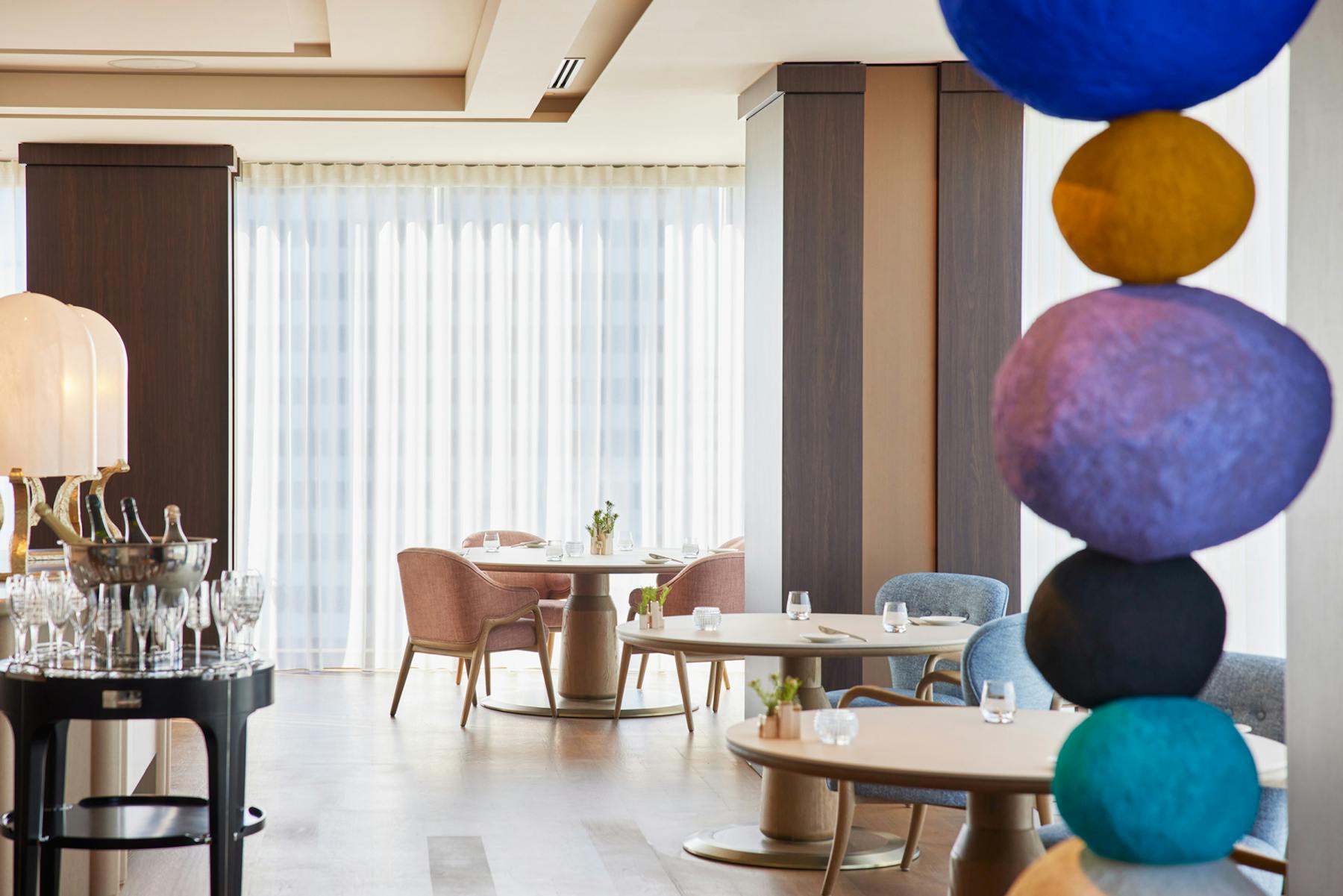
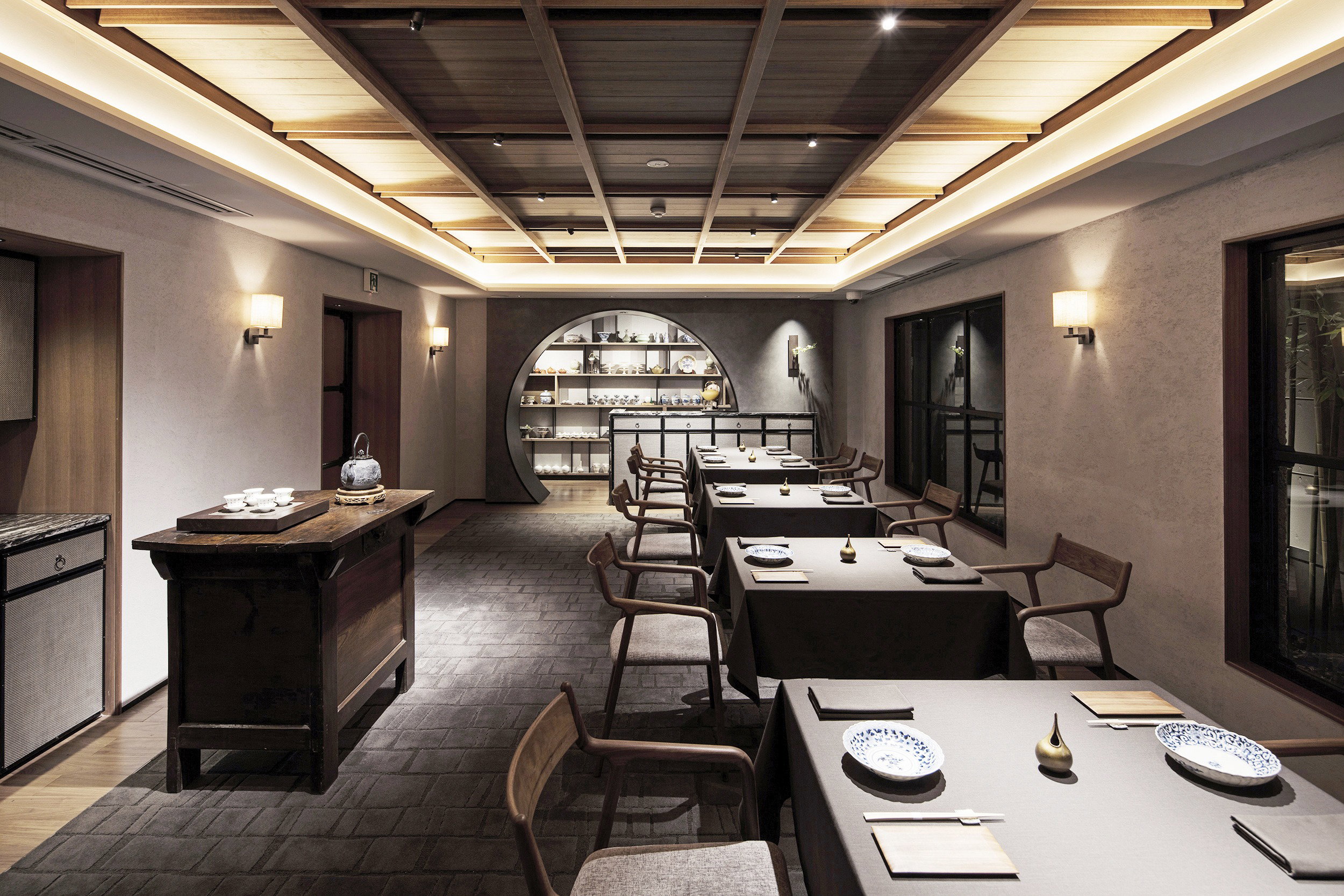
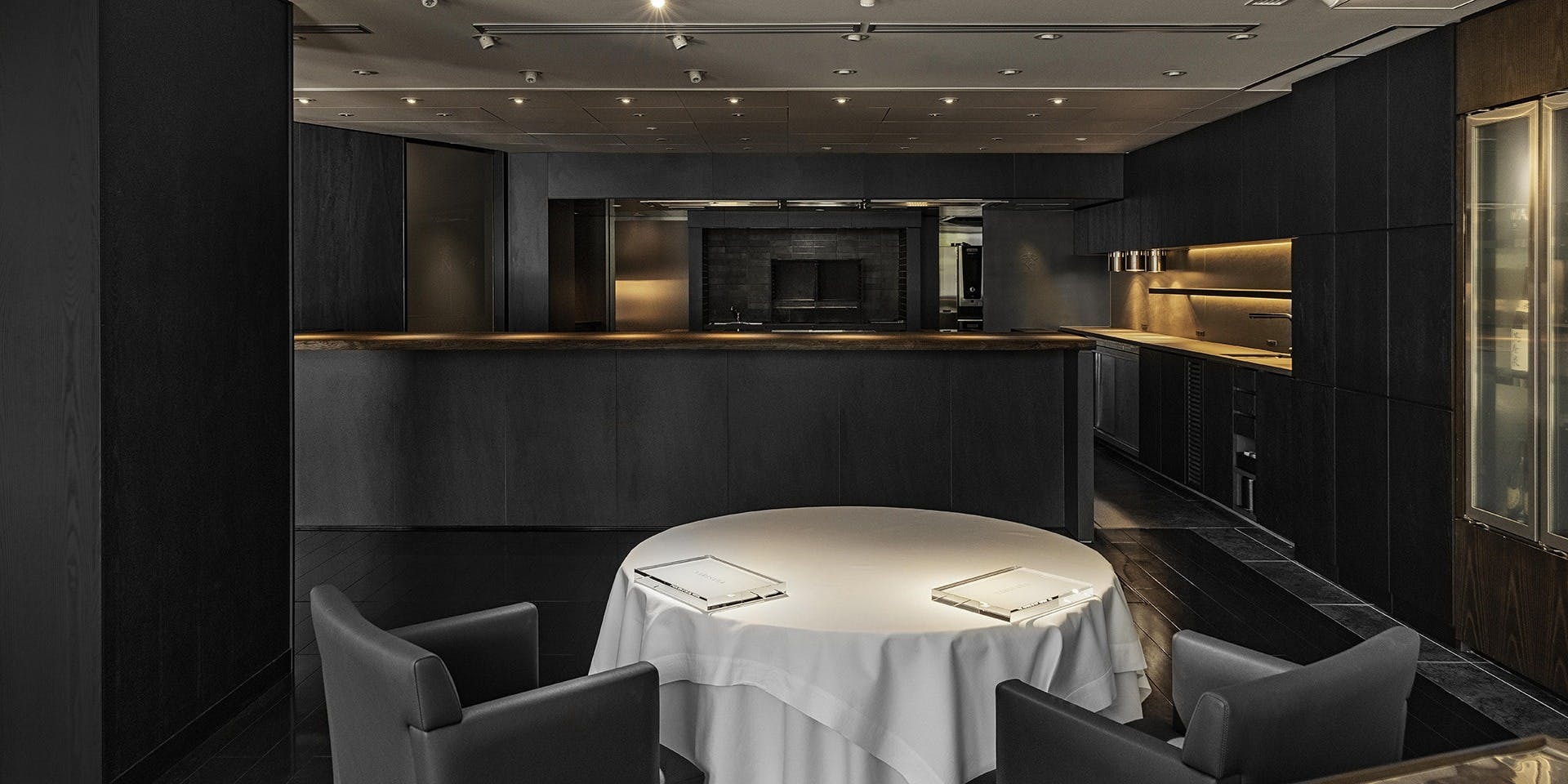
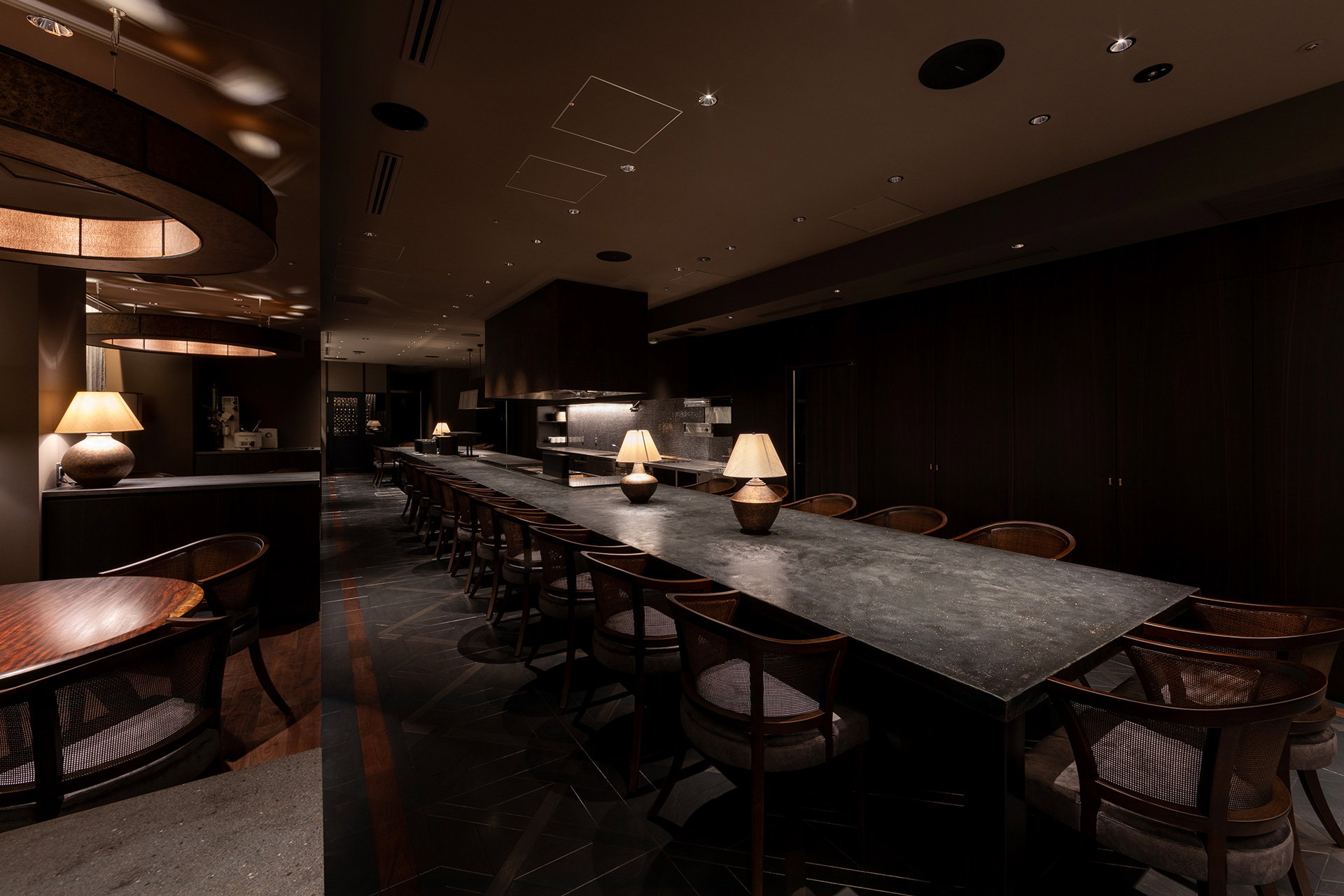
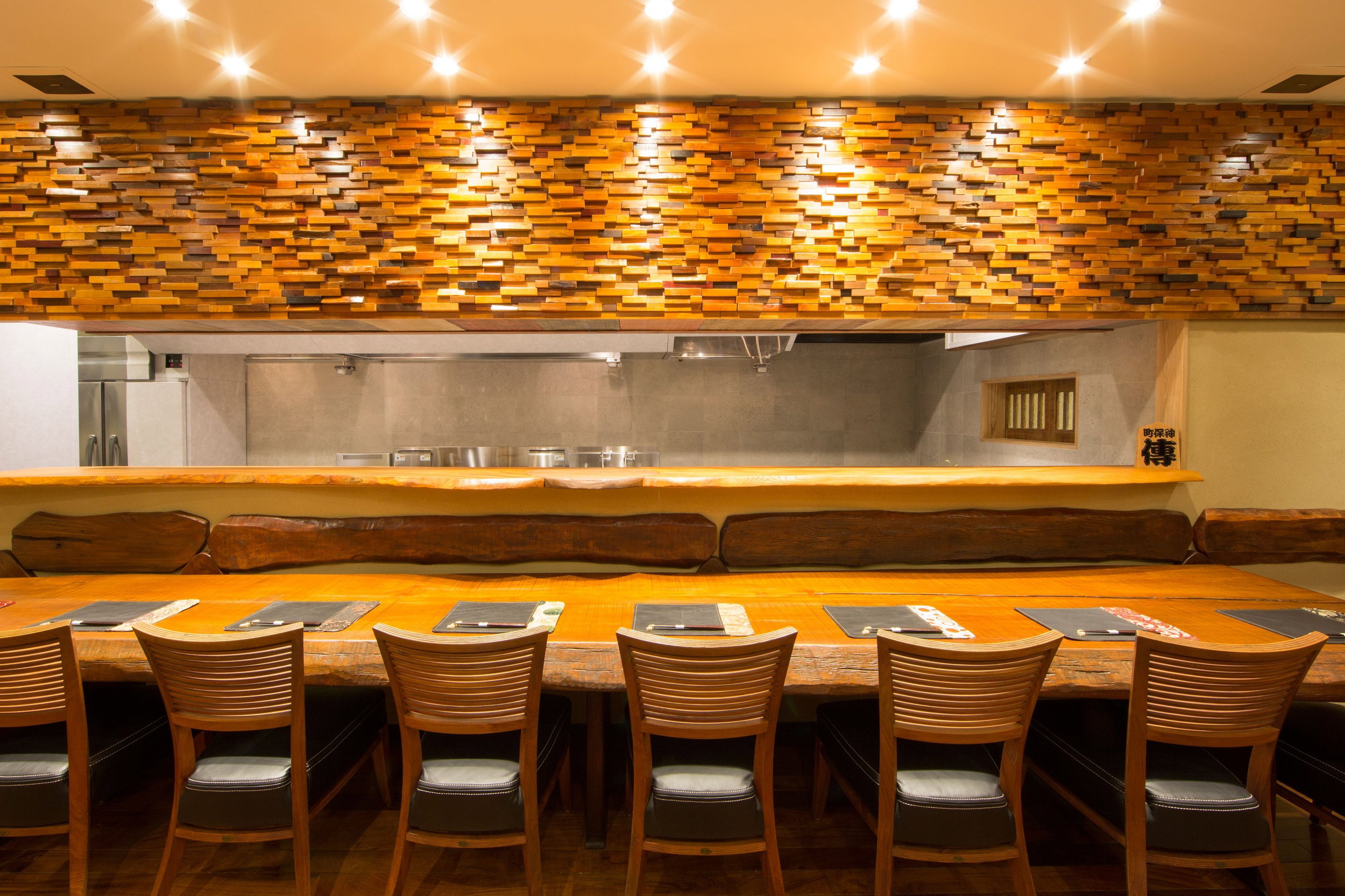
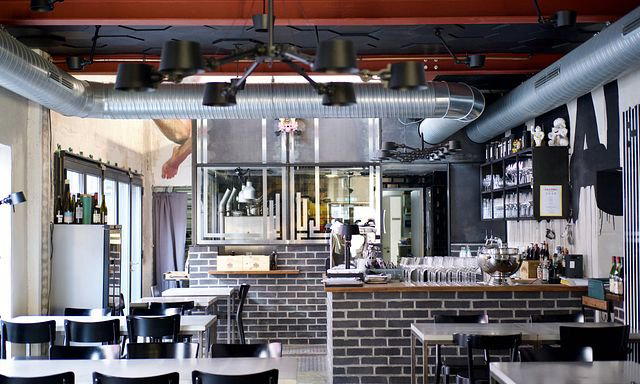
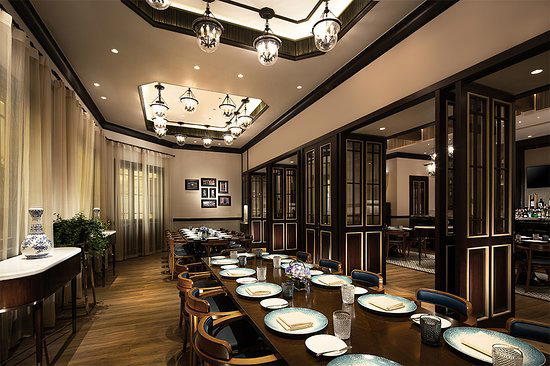
The space itself reads as intimate rather than grand. Tokyo's French restaurants at the ¥¥¥¥ tier tend toward formal dining-room conventions: high ceilings, precise table spacing, a hushed register of service. Ne Quittez pas operates on a smaller, quieter scale. The room is built for the kind of evening where conversation carries and a single counter or compact seating arrangement keeps the atmosphere personal rather than performative. For a couple on a significant occasion or two food-focused friends returning after a first meal, the physical scale works in your favour: you are not dressing the set of an occasion, you are actually having one.
Chef Toshio Tanabe's biography is unusual enough to be worth knowing, not as biography for its own sake but because it explains why the menu at Ne Quittez pas does not follow predictable French-in-Tokyo logic. He was an Olympic gymnast candidate and a professional boxer before committing to French cuisine. That trajectory matters: this is someone who spent years in disciplines where physical discipline, focus, and individual expression are the entire point. The cooking reflects that. His self-described approach is French cuisine built around seasonal seafood and vegetables, but the details are where the character emerges. A soil course on the menu. A watermelon prix fixe as a standalone concept. Grilled clams that apparently carry a specific story behind them. Fish soup with its own narrative context. These are not fusion gestures or novelty items; they are the output of someone thinking about what a dish means before deciding what it tastes like.
For a returning diner, the question of what to prioritise becomes specific. The soil course and the watermelon prix fixe are the clearest signals of what makes this restaurant different from other Tokyo French venues, and they are the dishes most worth planning around on a return visit. The fish soup and grilled clams represent Tanabe's more personal register within French cooking: not the showpieces, but the things he clearly cares about most. Both are worth ordering if available.
On the question of late-night dining: Ne Quittez pas sits in a category of Tokyo French restaurants that keep their own hours, and without confirmed closing times in our data, the practical note is that you should verify current service hours directly before planning a late arrival. What the venue's positioning and booking difficulty (rated Easy) suggests is that a later sitting is realistic to secure without the advance planning required at, say, Florilège or Château Restaurant Joël Robuchon. For Tokyo, where evening schedules run late and a 9pm booking is entirely normal, the easier booking access here is a practical advantage for spontaneous or late-forming plans. That said, confirm hours before you go, particularly for later slots.
The Michelin Plate recognition in 2025 is a trust signal worth calibrating correctly. A Plate indicates food worth stopping for: it is not a Star, but it is the Guide's formal marker that a kitchen is cooking at a level above the general standard. In Tokyo's French dining context, where the competition is genuinely deep, a 2025 Plate at ¥¥¥ pricing positions Ne Quittez pas as the kind of restaurant where the value case is clear. You are paying less than ESqUISSE or the ¥¥¥¥ tier and receiving cooking that a credible third party has formally endorsed.
For context on how Ne Quittez pas fits within Japan's broader French dining geography: the country has exceptional French cooking far beyond Tokyo. HAJIME in Osaka operates at three Michelin Stars. akordu in Nara brings a different French-influenced sensibility. Internationally, French kitchens like Les Amis in Singapore and Hotel de Ville Crissier set the global benchmark. Ne Quittez pas is not competing at that tier of formal recognition, but it is offering something those restaurants are not: a singular chef's personal vision at a price that does not require a business-trip budget.
For anyone building a wider Tokyo itinerary, our full Tokyo restaurants guide, Tokyo bars guide, and Tokyo hotels guide cover the broader picture. If you are extending to other cities, Gion Sasaki in Kyoto, Goh in Fukuoka, 1000 in Yokohama, and 6 in Okinawa are worth knowing about.
Ratings
- Michelin: Plate (2025)
Booking
Booking difficulty is rated Easy. You do not need months of lead time to secure a table here, which distinguishes it from most of the ¥¥¥¥ French restaurants in Tokyo. Reserve in advance for a specific date, but do not be deterred if your window is short. Confirm hours directly before booking a late sitting.
Know Before You Go
- Address
- 3 Chome-15-19 Higashigotanda, Shinagawa City, Tokyo 141-0022
- Cuisine
- French, with seasonal seafood and vegetables
- Price range
- ¥¥¥
- Michelin
- Plate (2025)
- Booking difficulty
- Easy
- Neighbourhood
- Higashigotanda, Shinagawa — away from the main tourist dining clusters
- Leading for
- Returning diners, couples, food-focused occasions, later Tokyo evenings
Planning details
- Location
- 3 Chome-15-19 Higashigotanda, Shinagawa City, Tokyo 141-0022, Japan
- Reservations
- Book on TableCheck
- Website
- nequittezpas.com
- Phone
- +81 3-3442-2382
The take
The Take
The Vibe
Ne Quittez pas presents itself as an understated discovery south of Tokyo’s usual French enclaves. Tucked into Higashigotanda rather than Minami‑Aoyama or Ginza, it trades postcode glamour for focused cooking: a Michelin Plate in 2025 and a strong local reputation signal serious technique without ostentation. The room and service lean on traditional fine‑dining cues rather than theatricality, and the experience feels deliberate and considered. Diners come for the food first—clean, purposeful French cooking—so the overall impression is of a quietly excellent neighborhood table that rewards those willing to step off the main circuit for something thoughtfully executed.
Best For
This is a place for diners seeking focused, prix‑fixe French cooking outside Tokyo’s headline addresses. It suits evening visits where the meal itself is the occasion—business dinners for nearby office crowds, visitors staying in Shinagawa’s hotels, and anyone who wants Michelin‑recognized cuisine without the top‑tier price tag. Because the restaurant is framed as serious cooking at ¥¥¥ pricing, it works for deliberate culinary outings rather than casual drop‑ins. Expect an experience geared toward appreciation of the menu and technique rather than loud or boisterous socializing.
Ordering Tips
Ne Quittez pas operates around a prix‑fixe logic: plan to engage with a set menu rather than ordering à la carte. The kitchen’s signature items are worth noting—Charcoal Grilled Clams, Soil Soup, Soil Ice Cream and Fish Soup appear as highlights—and the Michelin Plate nod underscores quality and attentiveness. Prices sit a tier below Tokyo’s most expensive French tables, so consider the meal as serious value for refined cooking. Arrive ready to follow the multi‑course flow and prioritize the chef’s choices to get the most representative experience.
Venue details
Ambiance
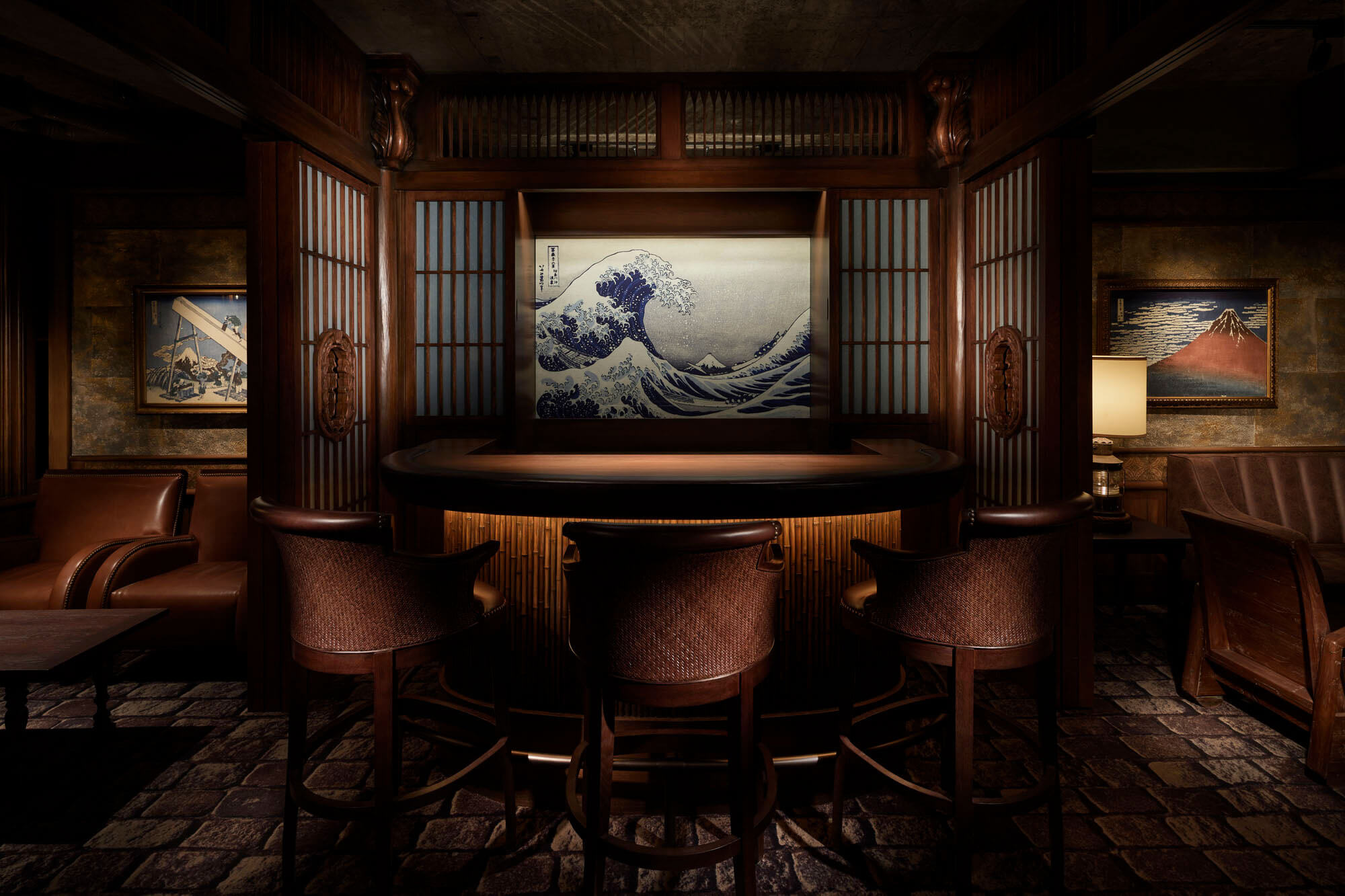
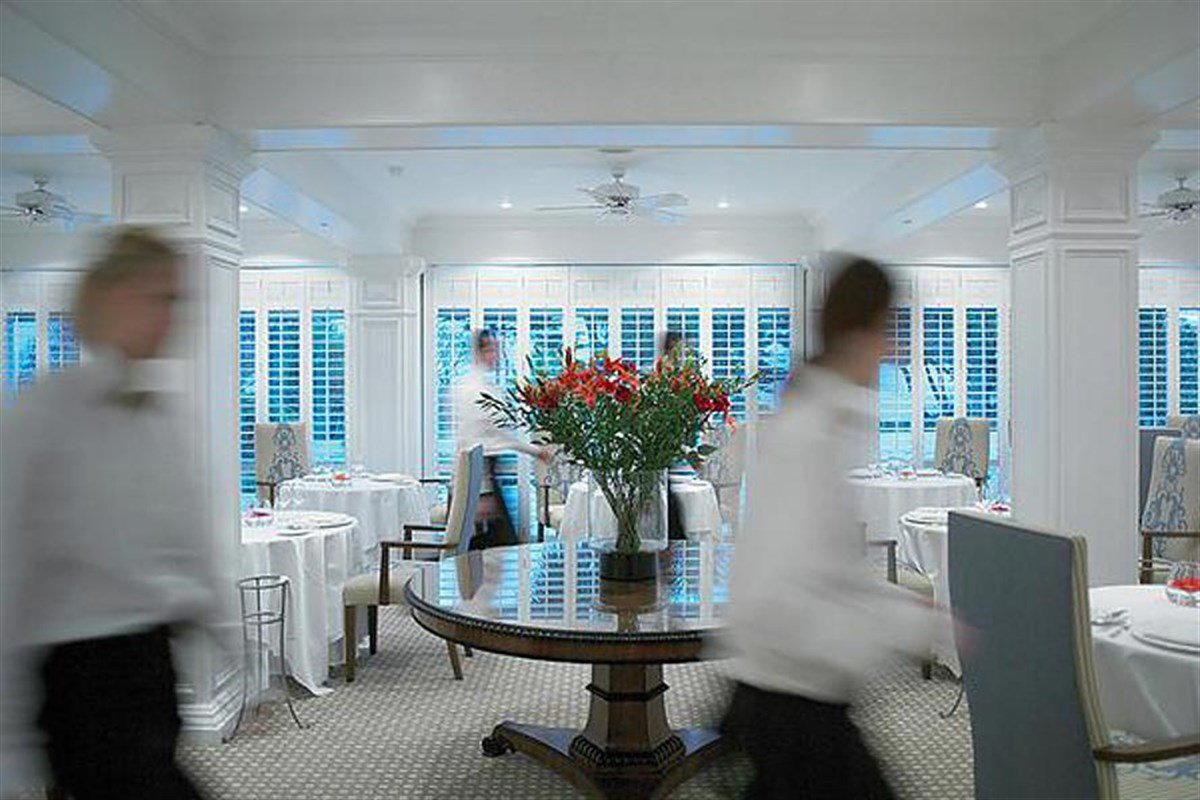
Charming and refined atmosphere in a renovated former German ambassador's residence with an open floor plan inspired by Nice, France, offering a relaxed yet elegant dining experience.
Tags
Vibe
Best For
Experience
Sourcing
At the Table
- Dress Code
- Smart Casual
- Noise Level
- Conversational
- Service Style
- Formal
- Meal Pacing
- Extended Experience
- Capacity
- Small
- Menu Format
- Tasting menu, Prix fixe, A la carte
- Wine Program
- Curated
- Drinks Focus
- French wine
- Dietary
- Allergy accommodating
- Private Dining
- Available
- Outdoor Seating
- Yes
Signature Dishes
- Charcoal Grilled Clams
- Soil Soup
- Soil Ice Cream
- Fish Soup
Know before you go
Know Before You Go
- Getting there
- 3 Chome-15-19 Higashigotanda, Shinagawa City, Tokyo 141-0022, Japan
Planning details
Location
3 Chome-15-19 Higashigotanda, Shinagawa City, Tokyo 141-0022, Japan · Directions
Recognition and awards
Also consider
Also Consider
- Harutaka, Sushi, ¥¥¥¥
- L'Effervescence, French, ¥¥¥¥
- RyuGin, Kaiseki, Japanese, ¥¥¥¥
- HOMMAGE, Innovtive French, French, ¥¥¥¥
- Crony, Innovative, French, ¥¥¥¥
Restaurant context
The most direct comparison at ¥¥¥¥ is L'Effervescence, which operates at a higher level of formal recognition and polish. If budget is not the constraint and you want the most technically accomplished French tasting menu in Tokyo, L'Effervescence is the stronger choice. Ne Quittez pas wins on price, personality, and booking access: you are getting a more idiosyncratic experience without the lead-time pressure.
HOMMAGE and Crony are both ¥¥¥¥ innovative French options worth knowing. HOMMAGE leans into French classicism reinterpreted; Crony has built a reputation on a more contemporary, ingredient-led approach. Both will require more advance planning than Ne Quittez pas and will cost more per head. For a diner who wants something off the standard circuit and is happy with ¥¥¥ spend, Ne Quittez pas offers a more personal register than either. If you are committed to spending at the ¥¥¥¥ level, Crony or L'Effervescence would be the sharper choices.
Harutaka and RyuGin are not direct style comparisons, one is sushi omakase, one is kaiseki, but they represent the tier above in terms of booking difficulty and total spend. If you are deciding between a ¥¥¥¥ Japanese-cuisine experience and a ¥¥¥ French one, the case for Ne Quittez pas is straightforwardly value and originality: you spend less, book more easily, and get a kitchen with a point of view that neither venue type typically offers.
Explore Tokyo
Around this place
Discover more on Pearl
Unlock the full Ne Quittez pas guide in Pearl, including awards, comparisons, FAQs, planning details, and nearby places.
Compare Ne Quittez pas
| Venue | Cuisine | Price | Booking Difficulty | Awards |
|---|---|---|---|---|
| Ne Quittez pas | French | ¥¥¥ | Easy | 2026 Michelin Plate2025 Michelin Plate |
| Harutaka | Sushi | ¥¥¥¥ | Unknown | 2026 Tabelog Silver · #312026 OAD Top Restaurants in Japan Ranked · #1282026 Michelin 3 Stars2026 La Liste Top RestaurantsTabelog 100 - Sushi - TOKYO - 2025 · #372025 Asia's 50 Best Restaurants · #762025 OAD Top Restaurants in Japan Ranked · #1172025 La Liste Top Restaurants2025 Tabelog Bronze |
| L'Effervescence | French | ¥¥¥¥ | Unknown | 2026 Tabelog Silver · #682026 OAD Top Restaurants in Japan Ranked · #103Star Wine Lists 20262026 Black Pearl 2 Diamond2026 Relais Chateaux Restaurants2026 La Liste Top Restaurants2026 Michelin 3 Stars2025 Asia's 50 Best Restaurants · #692025 OAD Top Restaurants in Japan Ranked · #92 |
| RyuGin | Kaiseki, Japanese | ¥¥¥¥ | Unknown | 2026 OAD Top Restaurants in Japan Ranked · #802026 Tabelog Bronze · #3772026 Michelin 3 Stars2026 La Liste Top RestaurantsTabelog 100 - Japanese cuisine - TOKYO - 2025 · #212025 OAD Top Restaurants in Japan Ranked · #542025 Michelin 3 Stars2025 La Liste Top Restaurants2025 The Best Chef Three Knives |
| HOMMAGE | Innovtive French, French | ¥¥¥¥ | Unknown | 2026 Tabelog Bronze · #1232026 OAD Top Restaurants in Japan Highly Recommended2026 Michelin 2 StarsTabelog 100 - French - TOKYO - 2025 · #762025 Asia's 50 Best Restaurants · #782025 OAD Top Restaurants in Japan Ranked · #1752025 Michelin 2 Stars2025 The Best Chef One Knife2025 La Liste Top Restaurants |
| Crony | Innovative, French | ¥¥¥¥ | Unknown | 2026 Asia's 50 Best Restaurants · #34Star Wine Lists 20262026 OAD Top Restaurants in Japan Recommended2026 Michelin 2 Stars2025 Asia's 50 Best Restaurants · #30Tabelog 100 - French - TOKYO - 2025 · #782025 OAD Top Restaurants in Japan Ranked · #227We're Smart World Top Restaurants 20252025 Michelin 2 Stars |














Side-by-side comparison to help you decide where to book.
FAQ
Frequently Asked Questions
Is Ne Quittez pas good for a special occasion?
Yes, with the right expectations. The ¥¥¥ price tier and Michelin Plate recognition make it a credible special-occasion choice without the ¥¥¥¥ pressure of Tokyo's top-tier French rooms. Chef Tanabe's background as an Olympic gymnast candidate and professional boxer gives the restaurant a personality that most celebration dinners lack. It works best for a pair or small group who want something personal over something formal.
What should I order at Ne Quittez pas?
The fish soup, grilled clams, and the 'soil course' are the dishes most closely tied to Tanabe's identity, per Michelin's own notes on the restaurant. The watermelon prix fixe is flagged as a standout from an unconventional imagination. Beyond those anchor dishes, the menu follows a seasonal seafood and vegetables format, so the short answer is: order around what's in season and let the kitchen lead.
What should I wear to Ne Quittez pas?
No dress code is documented for Ne Quittez pas. At the ¥¥¥ tier in Tokyo's French dining scene, smart-casual is a reasonable baseline — think neat, considered, not formal. The restaurant's unconventional chef biography suggests the atmosphere leans personal over stiff, so you are unlikely to feel out of place without a jacket.
Is the tasting menu worth it at Ne Quittez pas?
At ¥¥¥, the prix fixe format delivers above its price bracket if the seasonal seafood and vegetables concept appeals to you. The watermelon prix fixe and the 'soil course' are the kind of ideas that separate Ne Quittez pas from competent-but-forgettable French restaurants. If you want a linear, classical French tasting menu, L'Effervescence or HOMMAGE will feel more familiar — but for something with a genuine point of view at a lower ceiling price, this is worth it.
What are alternatives to Ne Quittez pas in Tokyo?
For a step up in formality and accolades, L'Effervescence is the benchmark Tokyo French restaurant with deeper wine credentials and a stricter tasting-menu format. HOMMAGE is worth considering if you want classical French technique in a more structured setting. Crony offers a looser, more casual French-influenced experience at a lower price point. Ne Quittez pas sits between those camps: more personal than HOMMAGE, more serious than Crony.
Is Ne Quittez pas worth the price?
Yes, at ¥¥¥ it is one of the more honest value propositions in Tokyo French dining. You get Michelin Plate-level cooking, a chef with a genuinely singular backstory, and a restaurant with a point of view on seasonal seafood and vegetables. The location in Higashigotanda means no destination premium is built into the price. If you are weighing it against ¥¥¥¥ options, the gap in cost is real; the gap in experience is narrower than the price suggests.