.png?width=1200&quality=80)
NANAHIRO
Contemporary · Minato, Tokyo
Restaurant in Tokyo, Japan
 Book with Pearl
The Read
Ingredient-Only Omakase
Price
$30–50per person
Dress
Smart Casual
Why go
NANAHIRO in Nishiazabu holds a Michelin Selected listing for 2025 and runs a seasonally driven, ingredient-led tasting progression that blends Japanese and Western technique at a ¥¥¥ price point. Booking is easy by Tokyo fine-dining standards, making it a practical choice for a special occasion dinner. Go in spring or autumn when the seasonal ingredient logic is at its sharpest.
About NANAHIRO
NANAHIRO, Nishiazabu: The Verdict
At the ¥¥¥ price point, NANAHIRO in Tokyo's Nishiazabu neighbourhood delivers a composed, seasonally driven tasting progression that sits comfortably between Japanese kaiseki tradition and European cooking sensibility. If you want a fixed-menu format where the kitchen leads and the ingredients do the talking, this is a well-priced entry into that category. If you need à la carte flexibility or are new to omakase-style dining, look elsewhere first.
What You're Booking
NANAHIRO holds a Michelin Plate recognition for 2025, which signals consistent cooking quality without the price pressure of a starred house. The concept is described as 'Japanese cuisine plus': a progression that moves through seasonal vegetables, seafood, and meat before finishing with steamed rice and a sweet course. Only the ingredients are listed on the menu, not descriptions of the dish itself, which means you arrive knowing the raw material but not the form it will take. For a special occasion dinner where you want the experience to unfold without a script, that format works well. For diners who want to know exactly what they're eating before it arrives, it may cause friction.
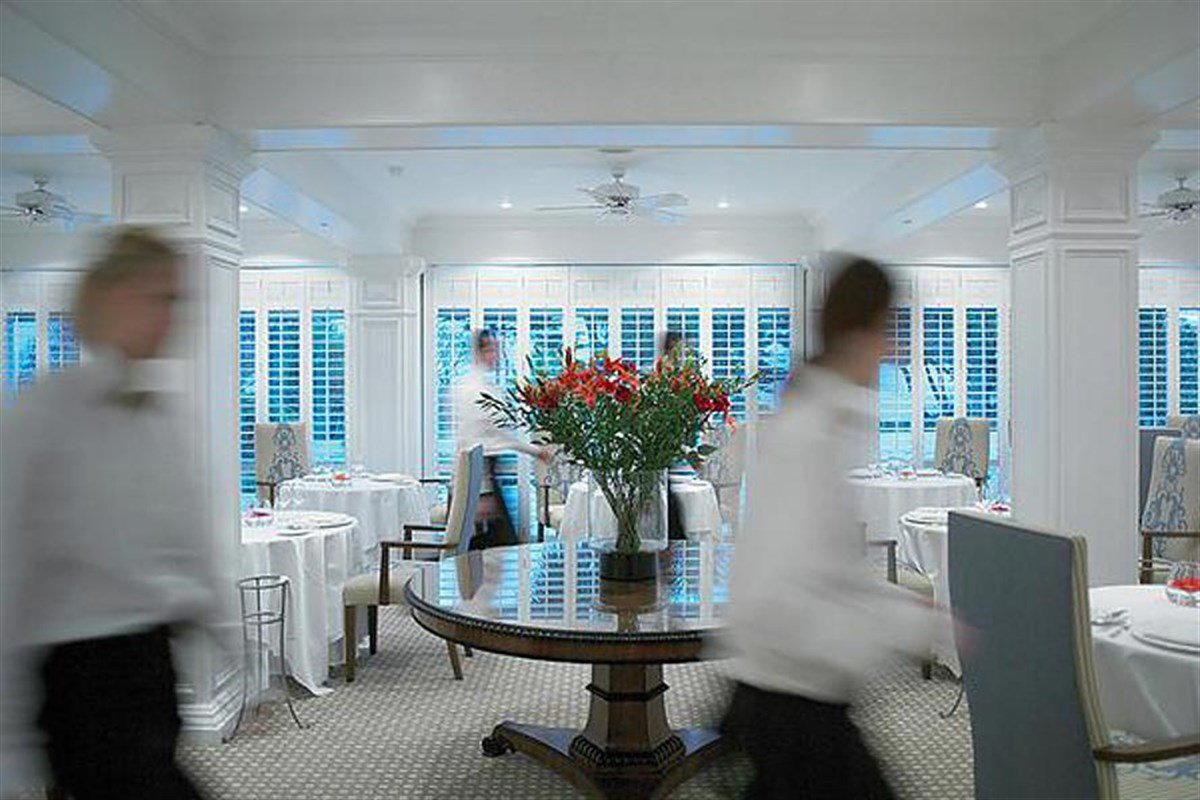
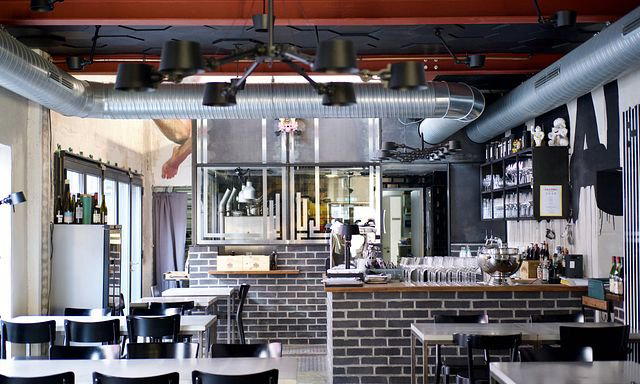
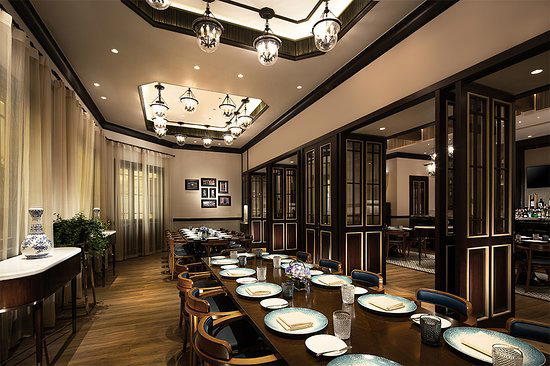
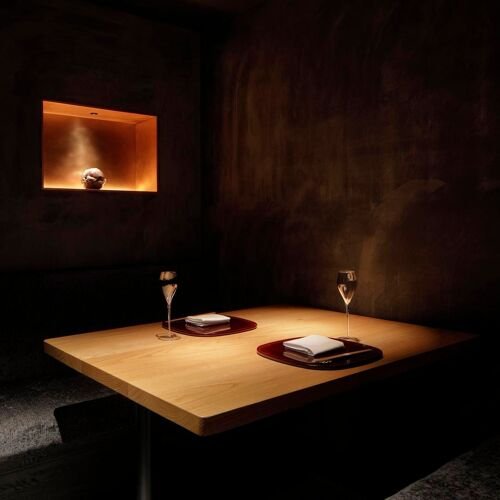
The atmosphere at NANAHIRO, located on the third floor of the ArtSilo building in Nishiazabu, reads as composed and quiet rather than theatrical. Nishiazabu itself is one of Tokyo's quieter dining corridors: less footfall than Roppongi, more residential than Ginza. Expect a room where the ambient sound level supports conversation across the table rather than competing with it. For a date dinner or a business meal where the food is the main event and the room stays out of the way, that pitch is right. Celebrations requiring a louder, more charged energy should look at venues with more room presence.
The Seasonal Angle
The progression structure at NANAHIRO is season-dependent by design. The menu lists ingredients rather than dishes, and those ingredients rotate with what the kitchen is working with at any given time. Practically, this means the menu you experience in early spring, when Japanese cooking leans into bamboo shoots, firefly squid, and young mountain vegetables, will be materially different from autumn, when matsutake mushroom and Pacific saury define the season. There is no fixed dish to recommend because the dish does not exist independently of the month.
For a diner deciding when to visit, that matters. Tokyo's restaurant year has two windows with the greatest seasonal ingredient intensity: March through May, when spring vegetables and early seafood overlap, and October through November, when autumn produce peaks. If you can align your booking with either of those windows, the ingredient-led format here will be at its strongest. A mid-summer or mid-winter visit will still deliver a competent progression, but the seasonal logic that underpins the menu concept will be less pronounced. Venues doing similar work across Japan include Gion Sasaki in Kyoto and HAJIME in Osaka, both of which apply comparably rigorous seasonal thinking at higher price points.
Booking Intelligence
That score is worth factoring in: it suggests the experience divides opinion, possibly around the no-description menu format, the service register, or expectations mismatched to the concept. Read it as a signal to go in with a clear sense of what the format is, not as a reason to avoid the booking.
Booking difficulty is rated Easy. You do not need to set calendar reminders three months out. A one to two week lead time should be sufficient for most dates, though prime weekend slots in peak season (October through November, March through May) may require more notice. The venue does not appear to take bookings through a widely publicised online system, so direct contact is the likely path. Confirm current booking method before you plan.
For Tokyo contemporary dining at this price tier, NANAHIRO is meaningfully more accessible than starred alternatives. Compare that against venues like hakunei or nôl, where booking windows are tighter. If your travel dates are fixed and you need to lock in a special occasion dinner without a long run-up, that accessibility is a practical advantage.
Who Should Book
NANAHIRO is the right call for diners who want a tasting progression built around premium seasonal ingredients at a price point that does not require a budget conversation. It works for a date dinner or an occasion where the food format carries the evening. It is less suited to groups wanting a shared energy or diners who prefer a menu with description and context. If the ingredient-only listing sounds interesting rather than frustrating, that is the clearest signal you are the right audience.
For broader Tokyo dining context, see our full Tokyo restaurants guide. If you are planning around other Japanese cities, akordu in Nara and Goh in Fukuoka offer comparable contemporary-meets-Japanese approaches worth considering. Contemporary dining with a cross-cultural angle is also strong at Jungsik in Seoul and César in New York City if you are building a wider trip itinerary.
Tokyo hotel and bar planning sits alongside the dining decision: see our full Tokyo hotels guide and our full Tokyo bars guide for neighbourhood-matched options. Nishiazabu has strong bar coverage for a post-dinner drink without moving far. Other Tokyo contemporary venues worth cross-referencing include FUSOU, JULIA, and HYÈNE.
Practical Details
| Detail | NANAHIRO | nôl | hakunei |
|---|---|---|---|
| Price tier | ¥¥¥ | ¥¥¥¥ | ¥¥¥¥ |
| Cuisine type | Contemporary (Japanese+) | Contemporary | Contemporary |
| Michelin recognition | Plate 2025 | Check listing | Check listing |
| Booking difficulty | Easy | Moderate | Moderate |
| Format | Set progression, ingredient-led | Tasting menu | Tasting menu |
| Leading for | Date, special occasion | Special occasion | Serious sushi occasion |
| See listing | See listing |
FAQs: NANAHIRO
- What should I order at NANAHIRO? There is no ordering at NANAHIRO. The kitchen sets the progression and you follow it. The menu lists only the ingredients, not the dish form, so what you eat depends entirely on what is seasonal and what the chef decides to do with it. Go in without expectations about specific dishes and the format works in your favour. Try to steer it and the format will frustrate you.
- How far ahead should I book NANAHIRO? Booking difficulty is rated Easy, so one to two weeks out is realistic for most dates. That said, if your visit falls in the peak seasonal windows (October to November or March to May) and you have a specific date in mind, book earlier to avoid losing prime slots. NANAHIRO is more accessible than most Michelin-recognised tasting menus in Tokyo, so last-minute bookings are more viable here than at ¥¥¥¥ competitors like RyuGin or Harutaka.
- Is the tasting menu worth it at NANAHIRO? At ¥¥¥, yes, if the format suits you. You get Michelin Plate-level cooking with a seasonal ingredient progression that blends Japanese and Western technique, at a price tier below most comparable starred venues in the city. If you want that format, the value case is solid. If you want more control over what you eat, look at à la carte alternatives.
- Does NANAHIRO handle dietary restrictions? No specific dietary restriction policy is available in the public record. Given the set-progression format and ingredient-led menu, restrictions that require significant dish changes may be difficult to accommodate. Contact the restaurant directly before booking to confirm what is possible. Do not assume flexibility from a kitchen running a fixed seasonal sequence.
- What are alternatives to NANAHIRO in Tokyo? For a higher-budget contemporary tasting menu, L'Effervescence (French, ¥¥¥¥) and Crony (Innovative French, ¥¥¥¥) are both operating at a more described, structured format. For kaiseki with more ceremony, RyuGin (¥¥¥¥) is the reference point. For Tokyo contemporary dining at a similar price level with a different approach, FUSOU and nôl are worth comparing. See our full Tokyo restaurants guide for a broader view. Further afield, 1000 in Yokohama and 6 in Okinawa offer regional alternatives worth considering if you are travelling beyond Tokyo.
Planning details
- Location
- Japan, 〒106-0031 Tokyo, Minato City, Nishiazabu, 4 Chome−2−5 ArtSilo 3F
- Reservations
- Book on Omakase
- Website
- omakase.in/ja/r/kq185621
- Phone
- +81 80-9349-6427
The take
The Take
The Vibe
NANAHIRO occupies a thoughtful middle ground in Tokyo's contemporary scene, where Japanese ingredient primacy meets selective Western technique. The kitchen refuses to settle into a single tradition, instead negotiating a concise, seasonally driven progression that earned a 2025 Michelin Plate. The restaurant's placement on the third floor of ArtSilo in Nishiazabu reinforces a quietly modern sensibility: refined execution without ostentation. Menus list only ingredients rather than full descriptions, which reinforces the restrained, deliberate character of service and keeps the focus on technique, seasonality and the moment each dish arrives at the table.
Best For
This is a place to seek out for a focused evening of contemporary Japanese cooking that remains approachable. NANAHIRO's combination of technical polish and a more accessible ¥¥¥ price point positions it well for intimate date nights, small special occasions and solo diners who want a considered tasting experience. Its Michelin Plate recognition signals accomplished cooking without the higher price bracket of the city’s top-tier kaiseki or French-influenced rooms, making it appealing to diners who want refinement and seasonal storytelling without extreme formality.
Ordering Tips
The menu format is deliberately spare: dishes are listed as clusters of ingredients, leaving preparation and plating undisclosed until service. Expect a paced progression driven by seasonality and technique; the withholding of descriptions is part of the dining ritual. Given the restaurant’s focus on a curated sequence rather than à la carte choices, come prepared to embrace surprises and let the kitchen set the tempo. The ¥¥¥ positioning signals technical ambition with relative accessibility, so choose according to appetite for a multi-course experience rather than individual plates.
Venue details
Ambiance
Hushed and serene with flattering lighting, soothing textures, and unobtrusive service in a stylish, relaxing space.
Tags
Vibe
Best For
Experience
At the Table
- Dress Code
- Smart Casual
- Noise Level
- Quiet
- Service Style
- Upscale Casual
- Meal Pacing
- Leisurely
- Capacity
- Intimate
- Kitchen
- Modern
- Menu Format
- Tasting menu, Counter dining
- Wine Program
- Curated
- Drinks Focus
- Sake program
Know before you go
Know Before You Go
- Getting there
- Japan, 〒106-0031 Tokyo, Minato City, Nishiazabu, 4 Chome−2−5 ArtSilo 3F
Planning details
Location
Japan, 〒106-0031 Tokyo, Minato City, Nishiazabu, 4 Chome−2−5 ArtSilo 3F · Directions
Recognition and awards
Also consider
Also Consider
- Harutaka, Sushi, ¥¥¥¥
- L'Effervescence, French, ¥¥¥¥
- RyuGin, Kaiseki, Japanese, ¥¥¥¥
- HOMMAGE, Innovtive French, French, ¥¥¥¥
- Crony, Innovative, French, ¥¥¥¥
Restaurant context
Against its Tokyo peers, NANAHIRO's strongest argument is price and accessibility. At ¥¥¥ with an Easy booking window, it undercuts the ¥¥¥¥ tier occupied by RyuGin and L'Effervescence while still delivering Michelin Plate-recognised cooking with a clear seasonal structure. If your priority is experiencing a serious tasting progression in Tokyo without the budget or lead time of a starred house, NANAHIRO is the more practical route.
For diners who want more descriptive or controlled tasting menus, HOMMAGE and Crony, both operating at ¥¥¥¥ with an Innovative French orientation, offer more narrative around each course and a clearer European structure. Harutaka at ¥¥¥¥ is a different category entirely, sushi-focused and counter-led, better suited to diners who want technical precision in a single ingredient discipline rather than a cross-tradition progression. NANAHIRO's blend of Japanese and Western cooking sits in a different lane from all four.
RyuGin and L'Effervescence carry stronger reputational consistency if the occasion is high-stakes and you cannot afford a miss. But if budget matters and you are prepared for the ingredient-only format, NANAHIRO offers real value in a price tier where serious tasting menus are otherwise scarce in this city.
Explore Tokyo
Around this place
Discover more on Pearl
Unlock the full NANAHIRO guide in Pearl, including awards, comparisons, FAQs, planning details, and nearby places.
Compare NANAHIRO
| Venue | Awards | Price |
|---|---|---|
| NANAHIRO | 2026 Michelin Plate2025 Michelin Plate | ¥¥¥ |
| Harutaka | 2026 Tabelog Silver · #312026 OAD Top Restaurants in Japan Ranked · #1282026 Michelin 3 Stars2026 La Liste Top RestaurantsTabelog 100 - Sushi - TOKYO - 2025 · #372025 Asia's 50 Best Restaurants · #762025 OAD Top Restaurants in Japan Ranked · #1172025 La Liste Top Restaurants2025 Tabelog Bronze | ¥¥¥¥ |
| L'Effervescence | 2026 Tabelog Silver · #682026 OAD Top Restaurants in Japan Ranked · #103Star Wine Lists 20262026 Black Pearl 2 Diamond2026 Relais Chateaux Restaurants2026 La Liste Top Restaurants2026 Michelin 3 Stars2025 Asia's 50 Best Restaurants · #692025 OAD Top Restaurants in Japan Ranked · #92 | ¥¥¥¥ |
| RyuGin | 2026 OAD Top Restaurants in Japan Ranked · #802026 Tabelog Bronze · #3772026 Michelin 3 Stars2026 La Liste Top RestaurantsTabelog 100 - Japanese cuisine - TOKYO - 2025 · #212025 OAD Top Restaurants in Japan Ranked · #542025 Michelin 3 Stars2025 La Liste Top Restaurants2025 The Best Chef Three Knives | ¥¥¥¥ |
| HOMMAGE | 2026 Tabelog Bronze · #1232026 OAD Top Restaurants in Japan Highly Recommended2026 Michelin 2 StarsTabelog 100 - French - TOKYO - 2025 · #762025 Asia's 50 Best Restaurants · #782025 OAD Top Restaurants in Japan Ranked · #1752025 Michelin 2 Stars2025 The Best Chef One Knife2025 La Liste Top Restaurants | ¥¥¥¥ |
| Crony | 2026 Asia's 50 Best Restaurants · #34Star Wine Lists 20262026 OAD Top Restaurants in Japan Recommended2026 Michelin 2 Stars2025 Asia's 50 Best Restaurants · #30Tabelog 100 - French - TOKYO - 2025 · #782025 OAD Top Restaurants in Japan Ranked · #227We're Smart World Top Restaurants 20252025 Michelin 2 Stars | ¥¥¥¥ |














Comparing your options in Tokyo for this tier.
FAQ
Frequently Asked Questions
What should I order at NANAHIRO?
There is no ordering at NANAHIRO — the kitchen sets the progression. The menu lists ingredients only, not dishes, so you will not know exactly what arrives until it does. The sequence moves from seasonal vegetables through seafood and meat to steamed rice and a sweet course. If you need full menu visibility before booking, this format is not your format.
How far ahead should I book NANAHIRO?
Booking lead times are not publicly documented for NANAHIRO, but Nishiazabu tasting-format restaurants at the ¥¥¥ price point with Michelin recognition consistently fill 2 to 4 weeks out in Tokyo. Book at least three weeks ahead to avoid disappointment, and further out if you are planning around a fixed travel date.
Is the tasting menu worth it at NANAHIRO?
At ¥¥¥ with a 2025 Michelin Plate, NANAHIRO sits at a price point where you get serious seasonal cooking without paying starred-house rates. It is worth it if the ingredient-led, Japanese-plus-Western format appeals; less so if you want a conventional kaiseki or a la carte experience.
Does NANAHIRO handle dietary restrictions?
Dietary restriction policies are not documented in available data for NANAHIRO. Given the set-progression format with no menu selection, communicating restrictions clearly at the time of booking is advisable. Restaurants operating this format in Tokyo typically require advance notice to accommodate anything beyond standard preferences.
What are alternatives to NANAHIRO in Tokyo?
For a higher-stakes tasting experience with full Michelin recognition, RyuGin or L'Effervescence are the obvious steps up, both at a meaningfully higher price point. Crony in Tokyo covers similar Japanese-meets-Western contemporary ground at a more accessible price. If you want pure Japanese fine dining without the cross-cultural angle, Harutaka is the better call.