.png?width=1200&quality=80)

Merachi
Italian · Minato, Tokyo
Restaurant in Tokyo, Japan
 Book with Pearl
The Read
Japanese-Ingredient Italian
Price
¥¥¥
Dress
Smart Casual
Why go
A Michelin Plate-recognised Italian restaurant in Nishiazabu built on Japanese domestic produce — Tokyo tomatoes, Chiba mozzarella — with a menu that rotates genuinely by season. At ¥¥¥ and easy to book, it is a strong choice for food-focused diners who want serious Italian cooking without the booking difficulty or price of Tokyo's starred tables. Visit in autumn for the mushroom pasta; summer for pasta Genovese.
About Merachi
Who Should Book Merachi — and When
Merachi is the right call for food-focused diners who want Italian cooking that takes Japanese produce seriously, without paying top-tier kaiseki or French tasting-menu prices. If you are in Nishiazabu for a quiet, purposeful dinner — solo, or with one companion who shares your interest in seasonal ingredients, this is a strong option at the ¥¥¥ price point. It is not the place for a group celebration or a first date where atmosphere does most of the work. The room is low-key; the cooking does the talking.
Timing matters here more than at most Italian restaurants in Tokyo. Merachi's menu rotates with the seasons, and the kitchen's philosophy is built around that rhythm. Summer is when you want to come for the pasta Genovese, made when basil is at its peak and the approach to the sauce is direct rather than heavy. Autumn shifts the register entirely: brown-mushroom pasta becomes the draw, and the earthier, quieter character of the menu reflects what is actually growing and being harvested at that moment. If you can only visit once, go in autumn, the mushroom preparations at that time of year tend to be the most compelling expression of what the kitchen is doing with domestic Japanese ingredients.
The Cooking: Italian Logic, Japanese Sourcing
Merachi's name translates roughly as 'creation of an artisan, pouring in heart and soul', a declaration of intent that is backed up by where the kitchen sources its ingredients. Tokyo tomatoes anchor the sauces. Mozzarella from Chiba is paired with cured ham. These are not imported Italian staples with a Japanese garnish; the kitchen is working from the Japanese agricultural supply chain outward, applying Italian technique to local produce. The result is Italian cooking that reads as honest rather than borrowed.
That sourcing philosophy means the menu is genuinely seasonal, not seasonally themed. What you eat in July is materially different from what you eat in October, which is the reason timing your visit matters. For the explorer who tracks what Japanese producers are doing with dairy, vegetables, and grains, Merachi offers a useful window into how Italian pasta traditions translate when the raw materials are Japanese rather than Emilian. Aroma Fresca takes a higher-concept approach to Italian-Japanese cooking; Merachi is more grounded and less theatrical, which suits certain diners better.
The preparations are described as no-nonsense, which in practice means the kitchen is not chasing novelty for its own sake. Dishes are constructed around what the ingredient needs rather than what the plating can achieve. For a city as trend-sensitive as Tokyo, that restraint is actually a point of difference.
Recognition and Standing
Merachi holds a Michelin Plate for both 2024 and 2025, recognition that signals consistent quality without the full star apparatus. A Michelin Plate means the inspectors consider the cooking good; it does not carry the booking pressure or price premium of a starred venue. That positioning is useful for the diner: you get a credentialed kitchen at a price and booking difficulty that remain accessible.
For context on how this fits into Tokyo's Italian scene: PRISMA, Principio, and AlCeppo each occupy different positions in the city's Italian offering. Gucci Osteria da Massimo Bottura Tokyo is a higher-profile, higher-spend option if you want a destination-dining experience attached to an international name. Merachi is quieter in profile, more focused on the produce relationship, and less about the occasion as spectacle.
Location: Nishiazabu
The restaurant sits in Nishiazabu, one of Tokyo's quieter upscale dining neighbourhoods, at 1 Chome-4-23 Algo Nishiazabu 1F-B. The area is well served by taxi and walkable from Hiroo station. Nishiazabu tends to attract serious diners rather than foot traffic, which suits the register of Merachi's cooking. You are not stumbling in; you are making a deliberate choice to be there.
If you are building a broader Tokyo itinerary around food and want to place Merachi in context, our full Tokyo restaurants guide covers the wider field. For those extending to other Japanese cities, HAJIME in Osaka, Gion Sasaki in Kyoto, and cenci, Italian in Kyoto are worth considering. akordu in Nara, Goh in Fukuoka, 1000 in Yokohama, and 6 in Okinawa round out strong regional options. If you are comparing Italian specifically across Asia, 8½ Otto e Mezzo Bombana in Hong Kong is the regional benchmark for the form.
Booking and Practical Details
Booking difficulty at Merachi is rated Easy, which is a meaningful advantage in a city where the most talked-about restaurants require months of lead time. You do not need to plan this one well in advance, which also means it works as a last-minute dinner option when other plans fall through. No booking method is specified in available data, so check directly with the restaurant for current reservation process. Hours and dress code are not confirmed in available data; arriving in smart-casual is a reasonable default for a Michelin Plate venue in Nishiazabu.
For broader Tokyo planning beyond restaurants: our full Tokyo hotels guide, our full Tokyo bars guide, our full Tokyo wineries guide, and our full Tokyo experiences guide cover the wider picture.
How It Compares
Practical Comparison
| Venue | Cuisine | Price | Booking Difficulty | Michelin Recognition |
|---|---|---|---|---|
| Merachi | Italian | ¥¥¥ | Easy | Plate (2024, 2025) |
| Florilège | French | ¥¥¥ | Moderate | Starred |
| L'Effervescence | French | ¥¥¥¥ | Hard | Starred |
| HOMMAGE | Innovative French | ¥¥¥¥ | Moderate | Starred |
| RyuGin | Kaiseki | ¥¥¥¥ | Hard | Starred |
Planning details
- Location
- Japan, 〒106-0031 Tokyo, Minato City, Nishiazabu, 1 Chome−4−23 アルゴ西麻布 1階B号
- Website
- merachi.jp
- Phone
- +81 3-6762-8001
The take
The Take
The Vibe
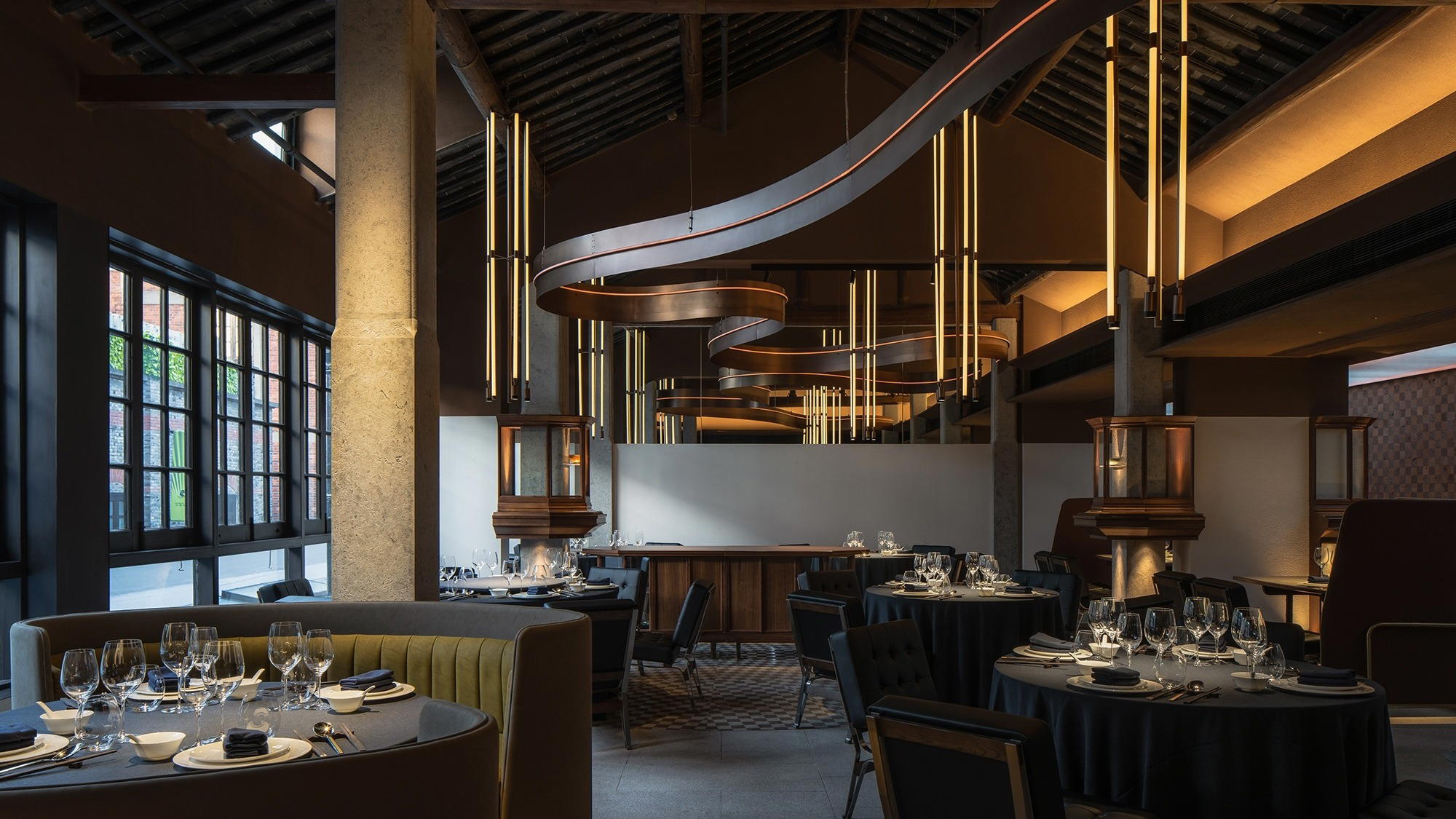
Merachi reads like a quietly exacting local discovery: a small, backstreet restaurant that applies classical Italian restraint to exceptionally sourced Japanese ingredients. The kitchen’s philosophy privileges producers — Tokyo tomatoes, Chiba mozzarella, thoughtfully cured ham — and lets technique support rather than overshadow the raw material. The result is intimate and unostentatious rather than theatrical; you feel like you’ve found an artisan’s room where simplicity and seasonality dictate the menu. The atmosphere leans towards a hidden-gem warmth, perfect for diners who prefer focused flavors and a calm, understated setting over spectacle.
Best For
This is a dinner-forward spot where the pasta course carries real weight, so Merachi is best experienced in the evening when tasting the kitchen’s seasonal arguments. It suits date nights and small special occasions that reward attentive cooking and quiet conversation. The format favors focused, ingredient-led plates rather than large-group feasting, so couples and parties of two to four get the most from the meal. Expect a menu that changes with producers’ availability — come ready to follow the server’s guidance and let pasta courses, like the house trofie and gnocchi, be the centerpieces.
Ordering Tips
Let the pasta be your guide: the Trofie Genovese and the handmade gnocchi are signature items and good barometers of the kitchen’s approach. Start simply — the write-up highlights mozzarella from Chiba paired with cured ham — and build through seasonal pasta preparations. Because sourcing and seasonality are central to the restaurant’s philosophy, ask staff what produce or suppliers are featured that day; specials will reflect the strongest ingredients. Avoid expecting theatrical tasting-menu flourishes; order with an eye toward purity of flavor and restrained technique.
Venue details
Ambiance
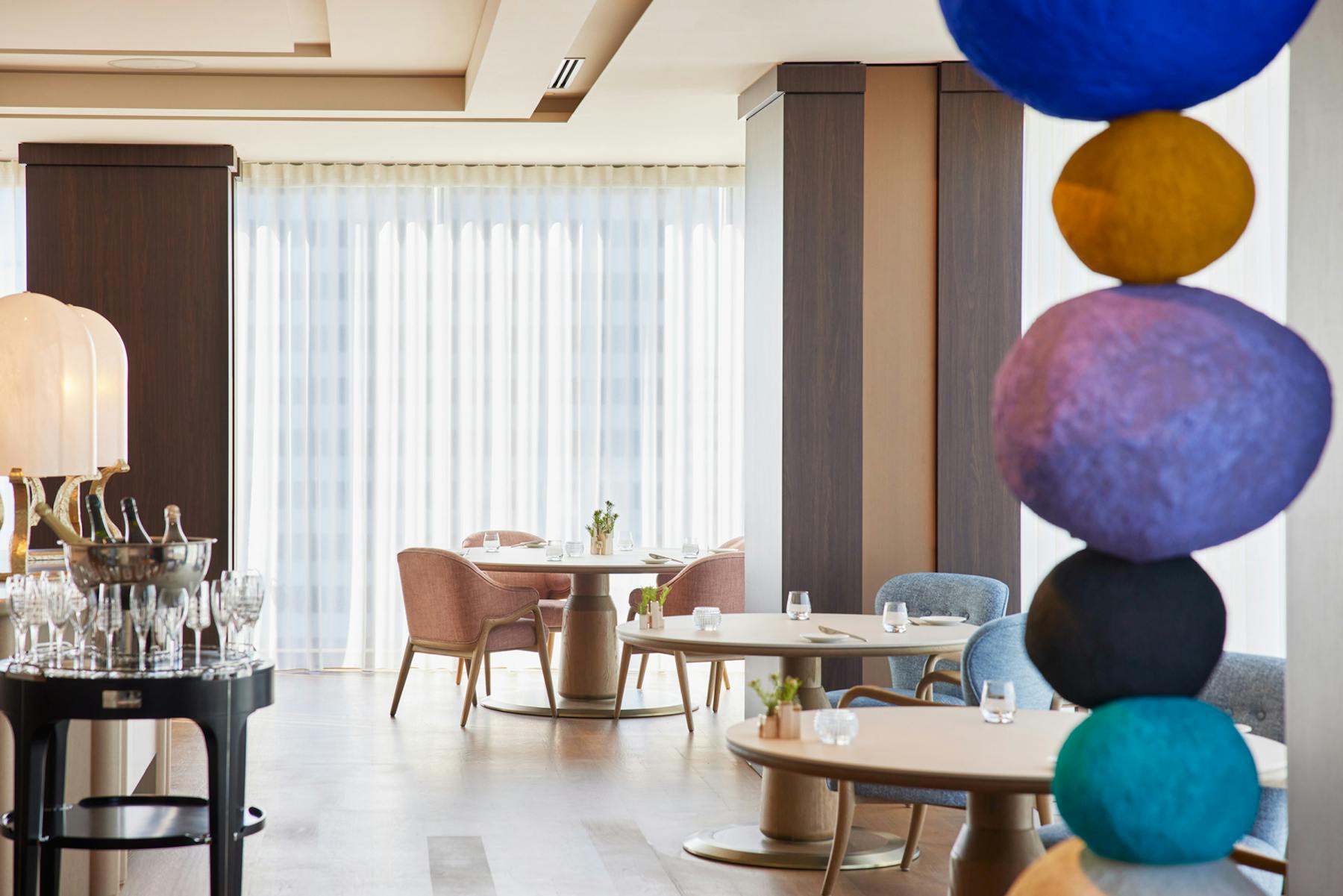
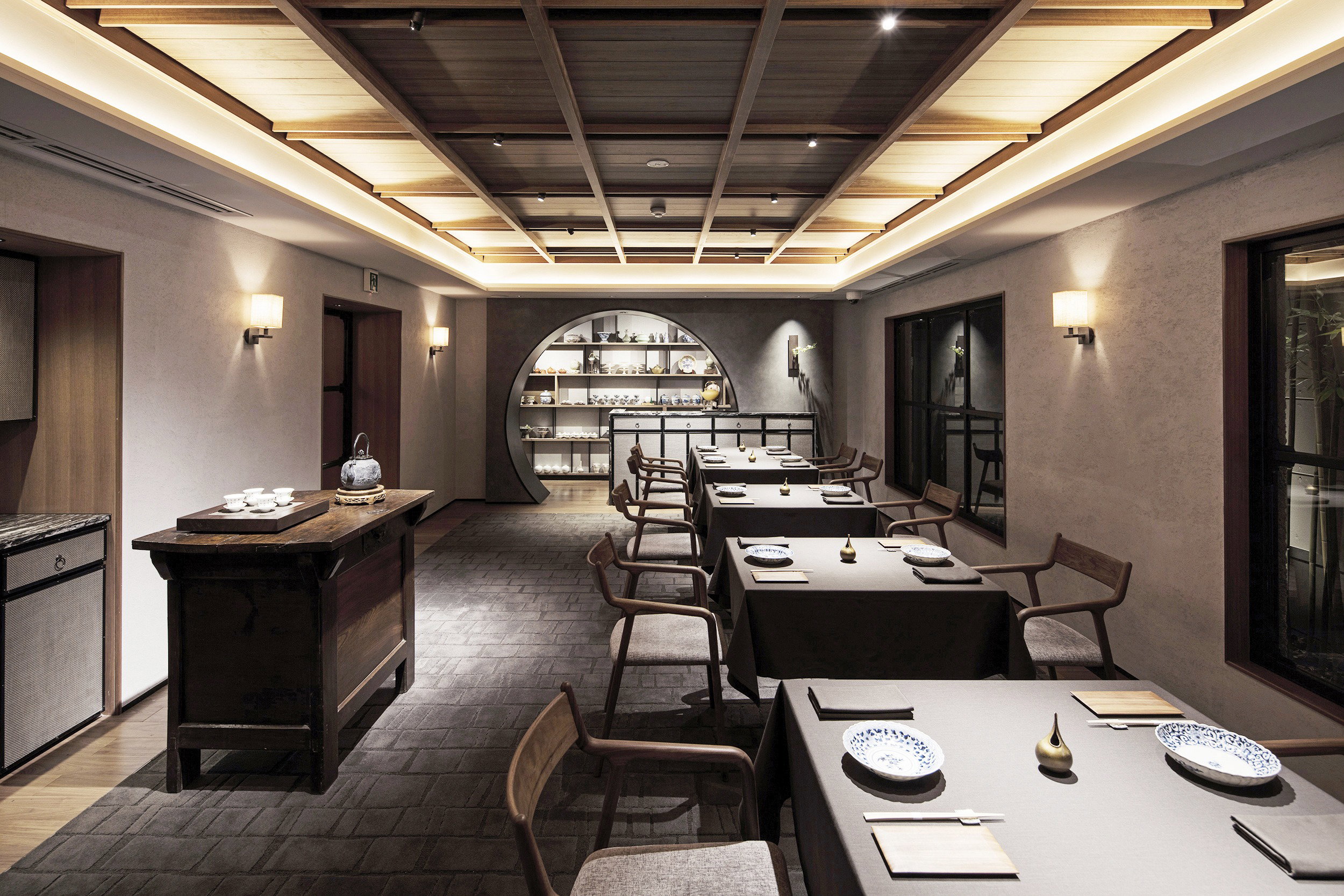
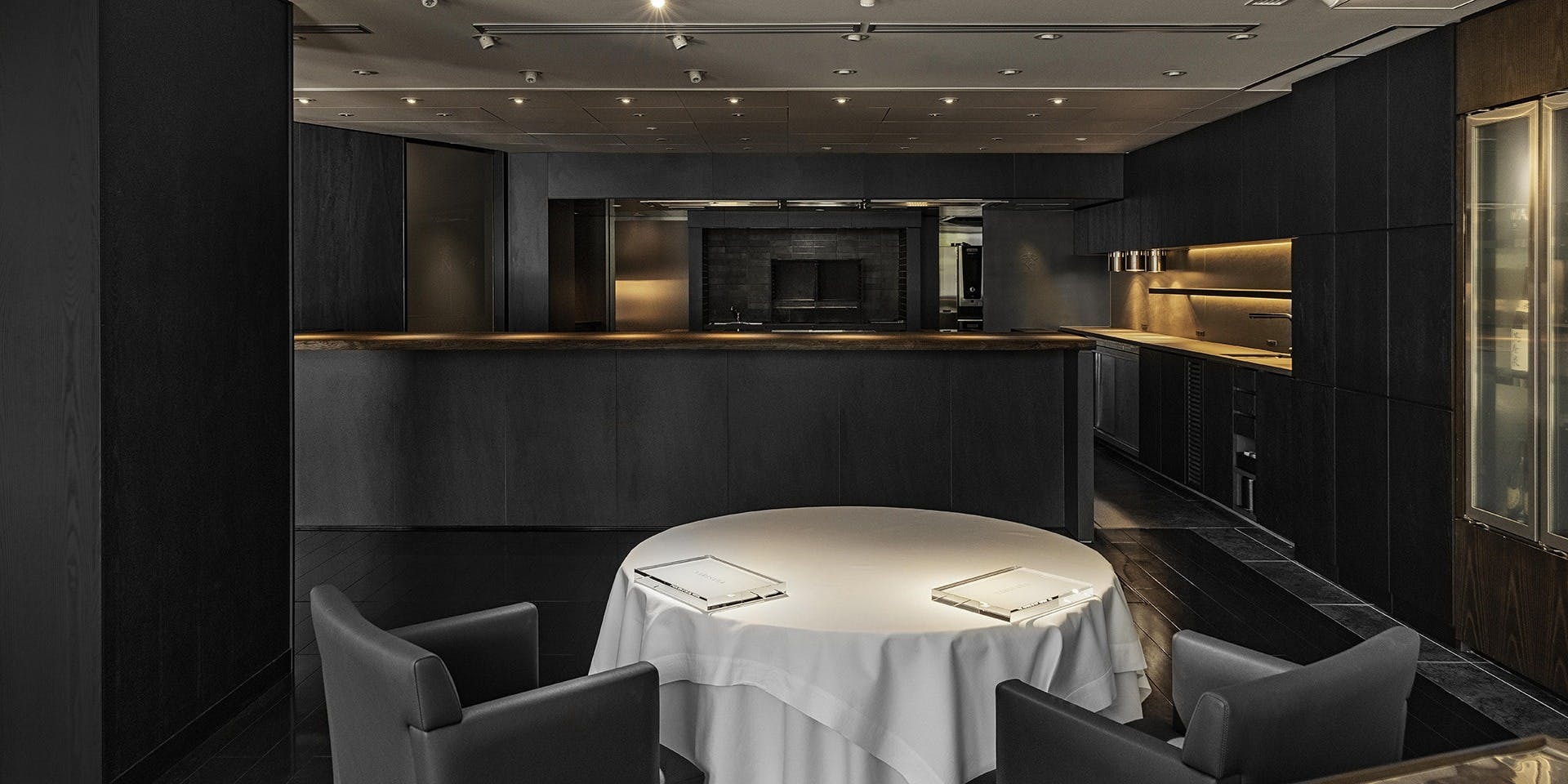
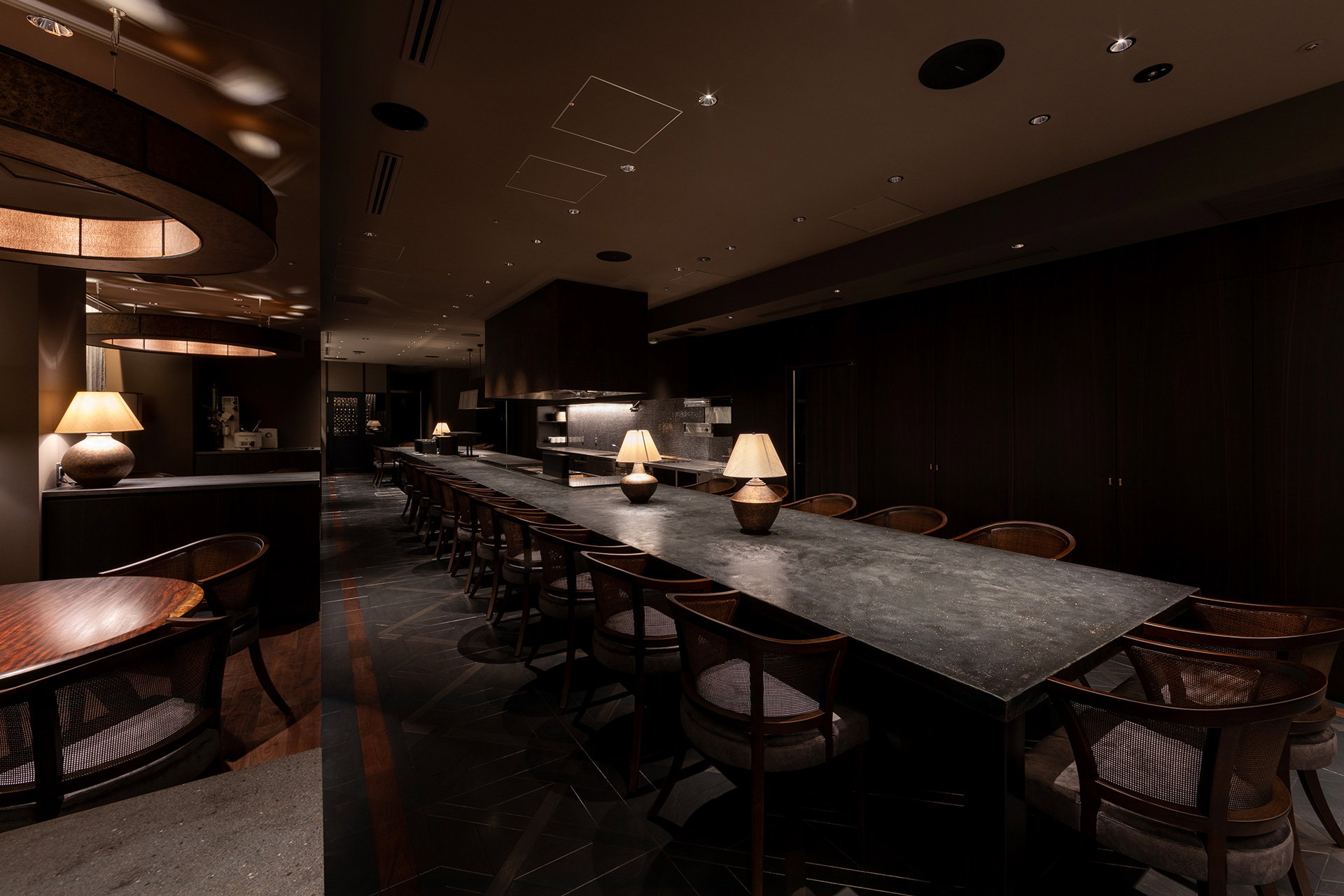
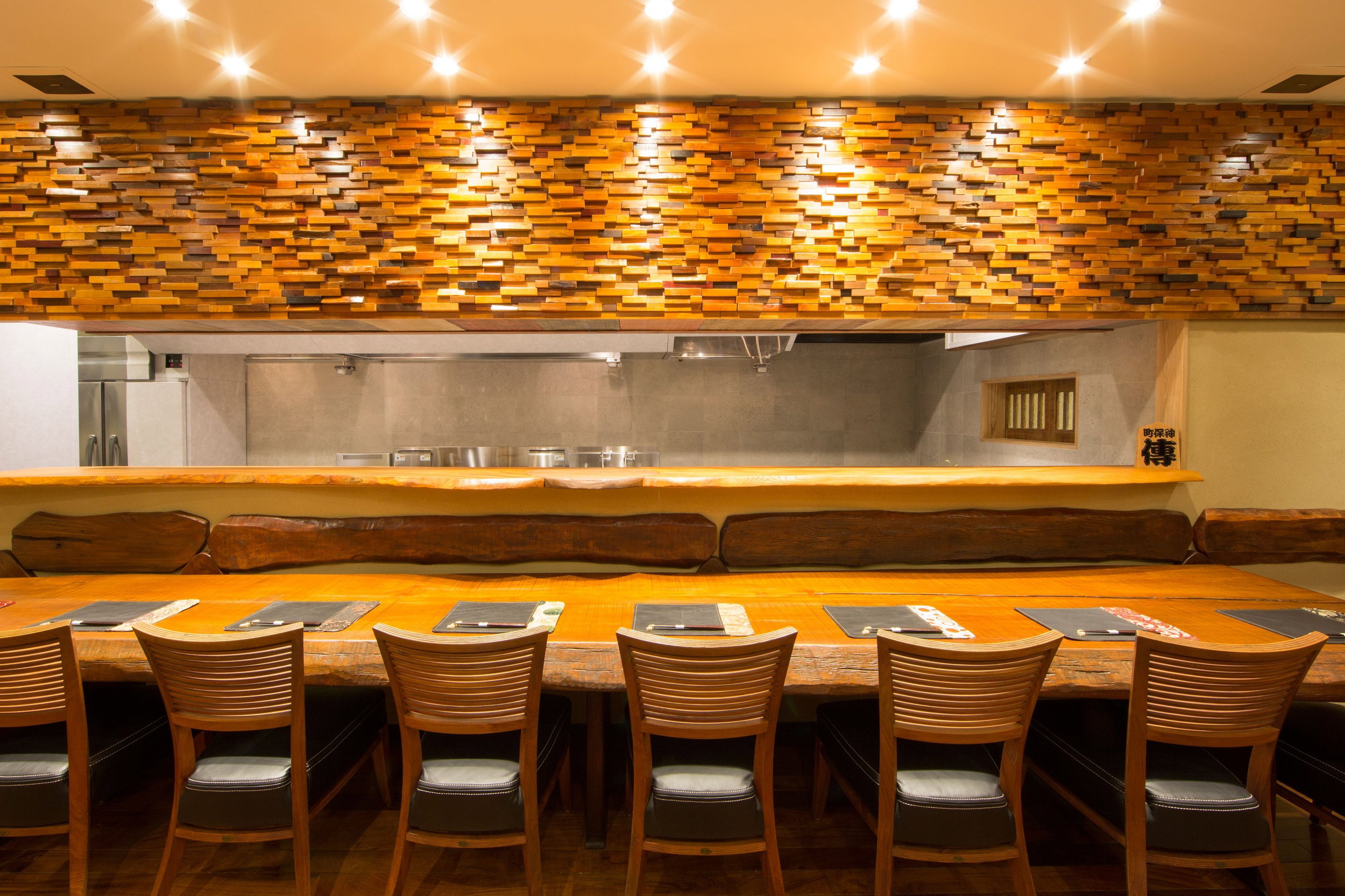
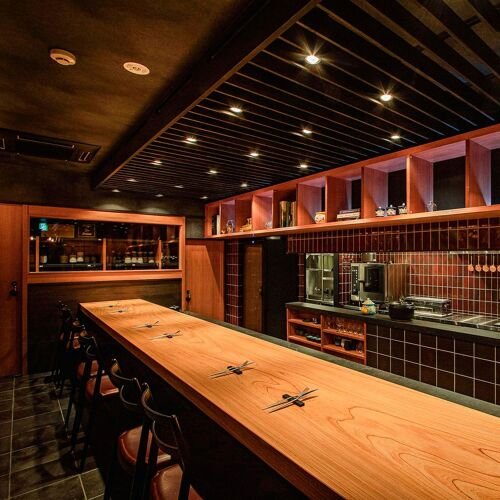
Cozy and heartwarming atmosphere with restraint, purity, and seasonal clarity, emphasizing craft and provenance in an intimate setting.
Tags
Vibe
Best For
Experience
Sourcing
At the Table
- Dress Code
- Smart Casual
- Noise Level
- Quiet
- Service Style
- Upscale Casual
- Meal Pacing
- Leisurely
- Capacity
- Intimate
Signature Dishes
- Trofie Genovese
- Handmade Gnocchi
Know before you go
Know Before You Go
- Getting there
- Japan, 〒106-0031 Tokyo, Minato City, Nishiazabu, 1 Chome−4−23 アルゴ西麻布 1階B号
Planning details
Location
Japan, 〒106-0031 Tokyo, Minato City, Nishiazabu, 1 Chome−4−23 アルゴ西麻布 1階B号 · Directions
Recognition and awards
Also consider
Also Consider
- Harutaka, Sushi, ¥¥¥¥
- RyuGin, Kaiseki, Japanese, ¥¥¥¥
- L'Effervescence, French, ¥¥¥¥
- HOMMAGE, Innovtive French, French, ¥¥¥¥
- Florilège, French, ¥¥¥
Restaurant context
Merachi sits at ¥¥¥ and books easily, two facts that matter a great deal in Tokyo's fine-dining market. If you are deciding between Merachi and Florilège, the clearest distinction is cuisine: both are at the same price tier and both take produce sourcing seriously, but Florilège carries full Michelin star recognition and a more demanding booking window. For pure Italian with Japanese ingredients, Merachi is the more accessible choice. For French at the same spend, Florilège delivers more in terms of critical standing.
L'Effervescence and HOMMAGE both step up to ¥¥¥¥ and require more advance planning. They are the right call if you want a full tasting-menu experience with the service depth and room presence to match. RyuGin is in a different category altogether, kaiseki at ¥¥¥¥ with significant booking difficulty, and competes on entirely different terms. Harutaka is the sushi reference at the top of the price tier, and is not a direct comparison, but matters if you are weighing Japanese fine dining formats against each other.
The practical verdict: book Merachi if Italian cuisine and seasonal Japanese produce are your specific interest, and you want a Michelin-recognised experience without a months-long booking queue. Choose Florilège if you want French at the same price with stronger critical credentials. Step up to L'Effervescence or HOMMAGE if the occasion warrants a fuller, higher-spend tasting experience and you can plan ahead.
Explore Tokyo
Around this place
Discover more on Pearl
Unlock the full Merachi guide in Pearl, including awards, comparisons, FAQs, planning details, and nearby places.
Compare Merachi
| Venue | Price | Awards |
|---|---|---|
| Merachi | ¥¥¥ | 2026 Michelin PlateTabelog 100 - Italian - TOKYO - 2025 · #752025 Michelin Plate2024 Michelin Plate |
| Harutaka | ¥¥¥¥ | 2026 Tabelog Silver · #312026 OAD Top Restaurants in Japan Ranked · #1282026 Michelin 3 Stars2026 La Liste Top RestaurantsTabelog 100 - Sushi - TOKYO - 2025 · #372025 Asia's 50 Best Restaurants · #762025 OAD Top Restaurants in Japan Ranked · #1172025 La Liste Top Restaurants2025 Tabelog Bronze |
| RyuGin | ¥¥¥¥ | 2026 OAD Top Restaurants in Japan Ranked · #802026 Tabelog Bronze · #3772026 Michelin 3 Stars2026 La Liste Top RestaurantsTabelog 100 - Japanese cuisine - TOKYO - 2025 · #212025 OAD Top Restaurants in Japan Ranked · #542025 Michelin 3 Stars2025 La Liste Top Restaurants2025 The Best Chef Three Knives |
| L'Effervescence | ¥¥¥¥ | 2026 Tabelog Silver · #682026 OAD Top Restaurants in Japan Ranked · #103Star Wine Lists 20262026 Black Pearl 2 Diamond2026 Relais Chateaux Restaurants2026 La Liste Top Restaurants2026 Michelin 3 Stars2025 Asia's 50 Best Restaurants · #692025 OAD Top Restaurants in Japan Ranked · #92 |
| HOMMAGE | ¥¥¥¥ | 2026 Tabelog Bronze · #1232026 OAD Top Restaurants in Japan Highly Recommended2026 Michelin 2 StarsTabelog 100 - French - TOKYO - 2025 · #762025 Asia's 50 Best Restaurants · #782025 OAD Top Restaurants in Japan Ranked · #1752025 Michelin 2 Stars2025 The Best Chef One Knife2025 La Liste Top Restaurants |
| Florilège | ¥¥¥ | 2026 Asia's 50 Best Restaurants · #312026 Tabelog Bronze · #712026 OAD Top Restaurants in Japan Ranked · #1242026 Black Pearl 1 Diamond2026 Michelin 2 Stars2026 La Liste Top Restaurants2025 Asia's 50 Best Restaurants · #172025 World's 50 Best Restaurants · #36Tabelog 100 - French - TOKYO - 2025 · #68 |












Comparing your options in Tokyo for this tier.
FAQ
Frequently Asked Questions
Is Merachi good for solo dining?
Yes. Merachi's relaxed booking difficulty and intimate Nishiazabu setting make it a low-friction solo option in Tokyo. The counter or small-table format suits a single diner better than a loud group room. At the ¥¥¥ price point, it is a reasonable solo spend for a Michelin Plate-recognised meal without the commitment of a multi-hour omakase.
What should a first-timer know about Merachi?
The kitchen runs on a straightforward principle: Italian cooking built around domestic Japanese produce, including Tokyo tomatoes and Chiba mozzarella. Expect seasonal pasta-led dishes rather than a classic Italian-import menu. Booking is rated easy, so you do not need to plan weeks ahead — a meaningful exception in Tokyo's competitive dining scene.
Is Merachi worth the price?
At ¥¥¥, Merachi sits in mid-to-upper territory — below Tokyo's Michelin-starred heavyweights, but priced seriously. Two consecutive Michelin Plates back up the cost. For Italian cooking that applies genuine craft to local Japanese ingredients rather than imported staples, the value case is solid. If budget is the primary concern, there are cheaper Italian options in Tokyo, but none with this sourcing philosophy at this recognition level.
Is Merachi good for a special occasion?
It works well for a food-focused occasion — a birthday or anniversary dinner where the emphasis is on cooking quality rather than theatrical atmosphere. Nishiazabu is a quieter, upscale neighbourhood that suits that format. It is not a loud, celebratory space, so for large group celebrations, a different venue would likely be a better fit.
What are alternatives to Merachi in Tokyo?
For Italian in a different register, HOMMAGE offers French-Japanese technique at a comparable price tier. If you want to step up to starred Japanese cooking, Harutaka and RyuGin are in a different category and price bracket entirely. L'Effervescence and Florilège are strong French options for diners whose interest is in European technique applied to Japanese produce — a similar philosophy, different cuisine.